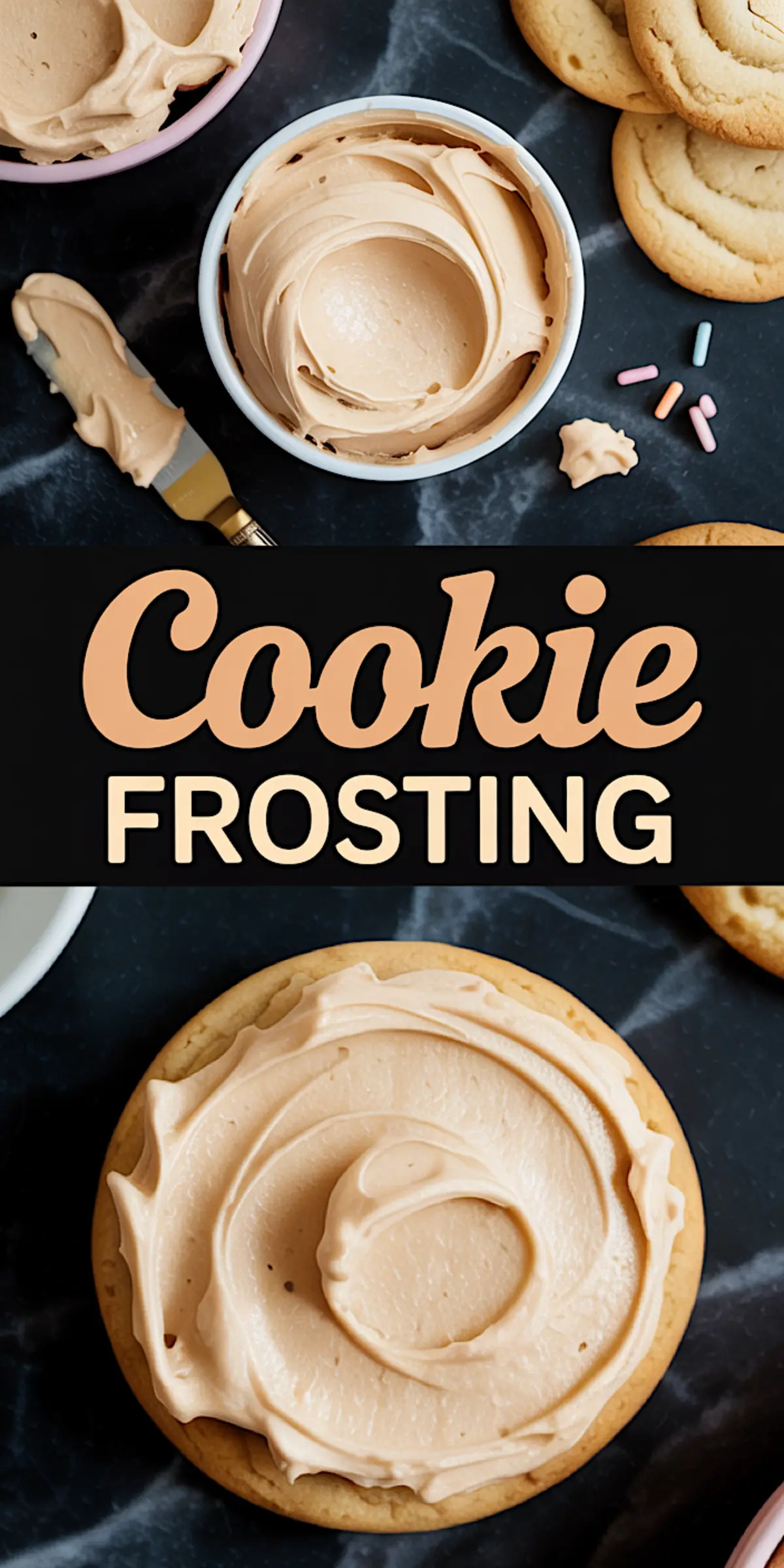

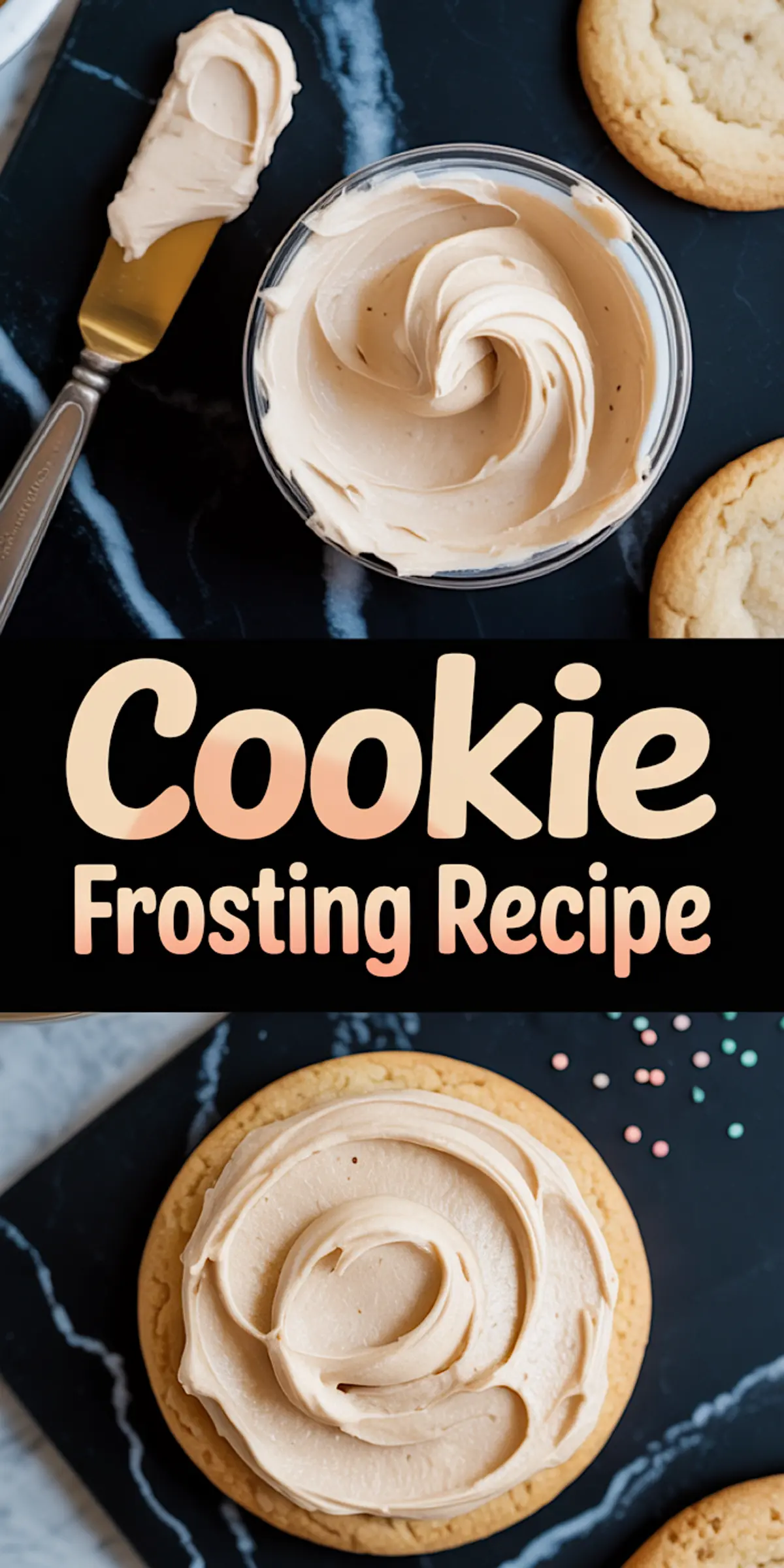
This cookie frosting recipe gives you the soft bite of buttercream, the shine of royal icing, and the control you need for clean lines or smooth coverage. It works whether you’re piping tiny gingerbread buttons, outlining hearts, or flooding cookies with glossy layers of color. It holds its shape when you need it to. And when thinned with a spoonful of cream, it flows just enough.
You’ll learn how to make a cookie frosting that adapts to your cookies, not the other way around. That means fewer cracks, fewer messes, and more room to enjoy the decorating. If you’ve tried traditional sugar cookie icing before and felt it was too hard or too runny, this gives you a better option. No meringue powder. No fuss. Just five real ingredients and a lot of room for creativity.
I always come back to this one because it lets the cookie stay soft underneath without turning the top into candy. Frosting cookies should feel fun, not like assembling glasswork. And the secret that makes this frosting work for both piping and flooding? There’s a small twist hiding in one of the most overlooked ingredients. I’ll tell you more after we walk through it.
Let’s start where every good frosting begins—with butter and sugar.
Why This Butter Makes a Difference in Cookie Icing Recipes
I’ve tested this with both salted and unsalted butter, and there’s a reason I always write “unsalted” in my notes.
Salted butter changes batch to batch. It throws off how much control you have over the flavor. When I use unsalted butter, I decide exactly how much salt to add. Just a pinch. Just enough to balance the sugar, not fight it.
Letting the butter soften not melt is just as important. Too cold and it won’t blend. Too soft and it loses the air you need to keep the frosting fluffy. I usually set mine out while I prep the cookies. By the time I’m done, it’s ready.
For more ways to use soft butter in frostings, I also keep this simple powdered sugar frosting in my files. It has a similar base, but a different texture and use.
Sifted Powdered Sugar Isn’t Just for Show
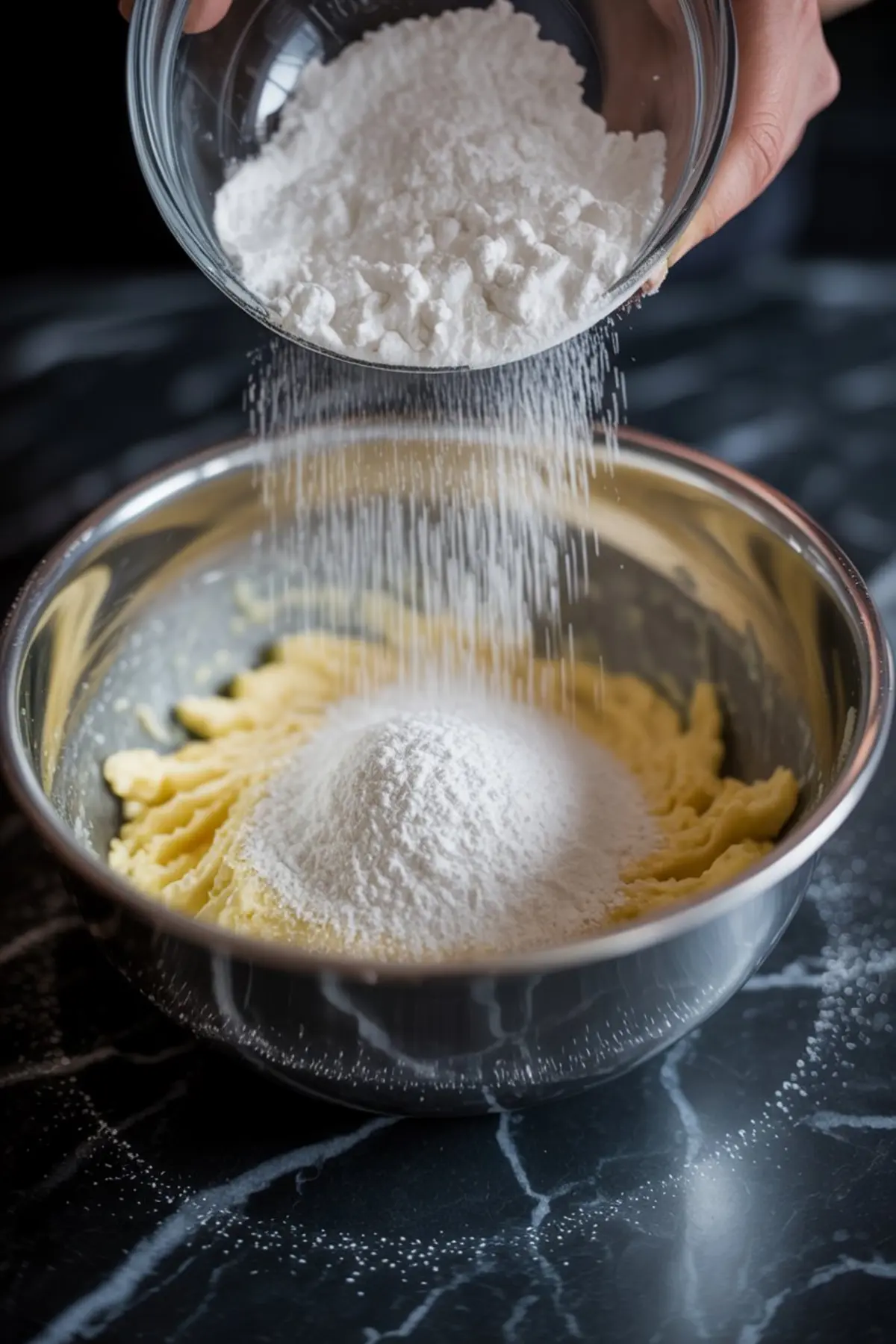
Three cups may sound like a lot, but the sugar structure is what holds this frosting together. The key is not just the amount, but the texture.
Sifting the powdered sugar removes clumps that would otherwise resist mixing. If I skip it, I end up with lumpy frosting that won’t smooth out. It catches on piping tips and ruins clean lines.
You can use any brand here. Just check that it’s marked “10x” or “confectioner’s” for the right texture. And always sift. Even if you’re in a hurry.
I use the same sugar base for my pudding frosting when I want a fluffier, almost mousse-like finish.
Vanilla, Cream, and the Secret to Custom Texture
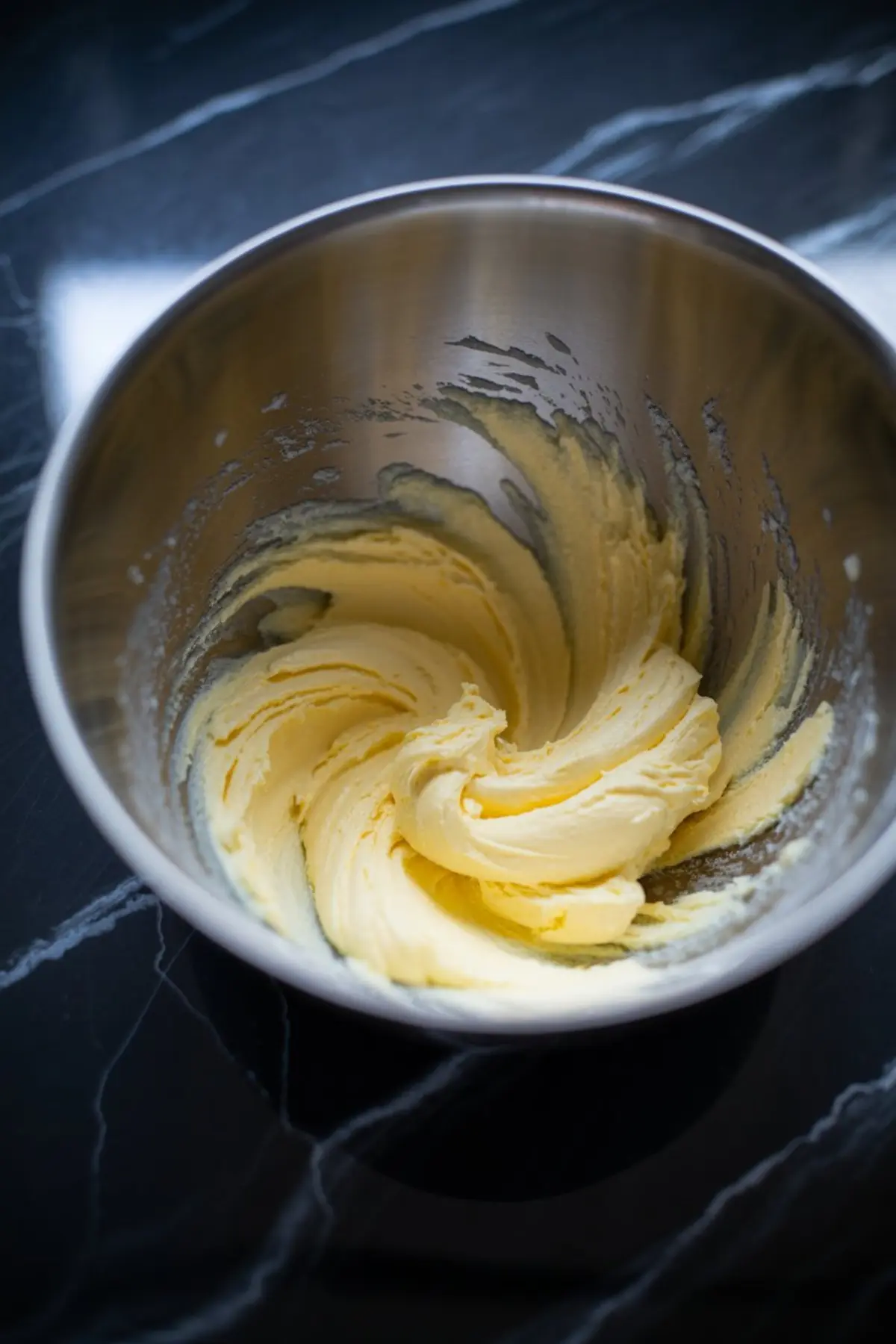
Now here’s where it turns into more than just sugar and fat. Vanilla brings warmth. Real extract, not imitation. It softens the sweetness and adds depth that feels nostalgic. I sometimes swap half for almond extract if I’m working with holiday trays. It sharpens the edge just enough.
Then there’s the cream. This is the part that lets you shape your frosting to your needs. Use less cream for a stiffer consistency—great for piping outlines or details. Add more cream, just a spoonful at a time, for flooding cookies with that smooth glassy finish.
Here’s the thing I didn’t expect when I first tested this: the type of dairy changes everything.
I’ve made this with both whole milk and heavy cream. The result is night and day. Cream gives it richness and stability. Milk makes it lighter but thinner, almost too thin for detail work. If I’m decorating in layers, I go with cream every time. For basic swipes or if I’m low on ingredients, milk will still get the job done.
It reminds me a bit of my brown sugar frosting—deep, rich, and flexible depending on how much liquid you stir in.
Mixing Order Matters More Than You Think
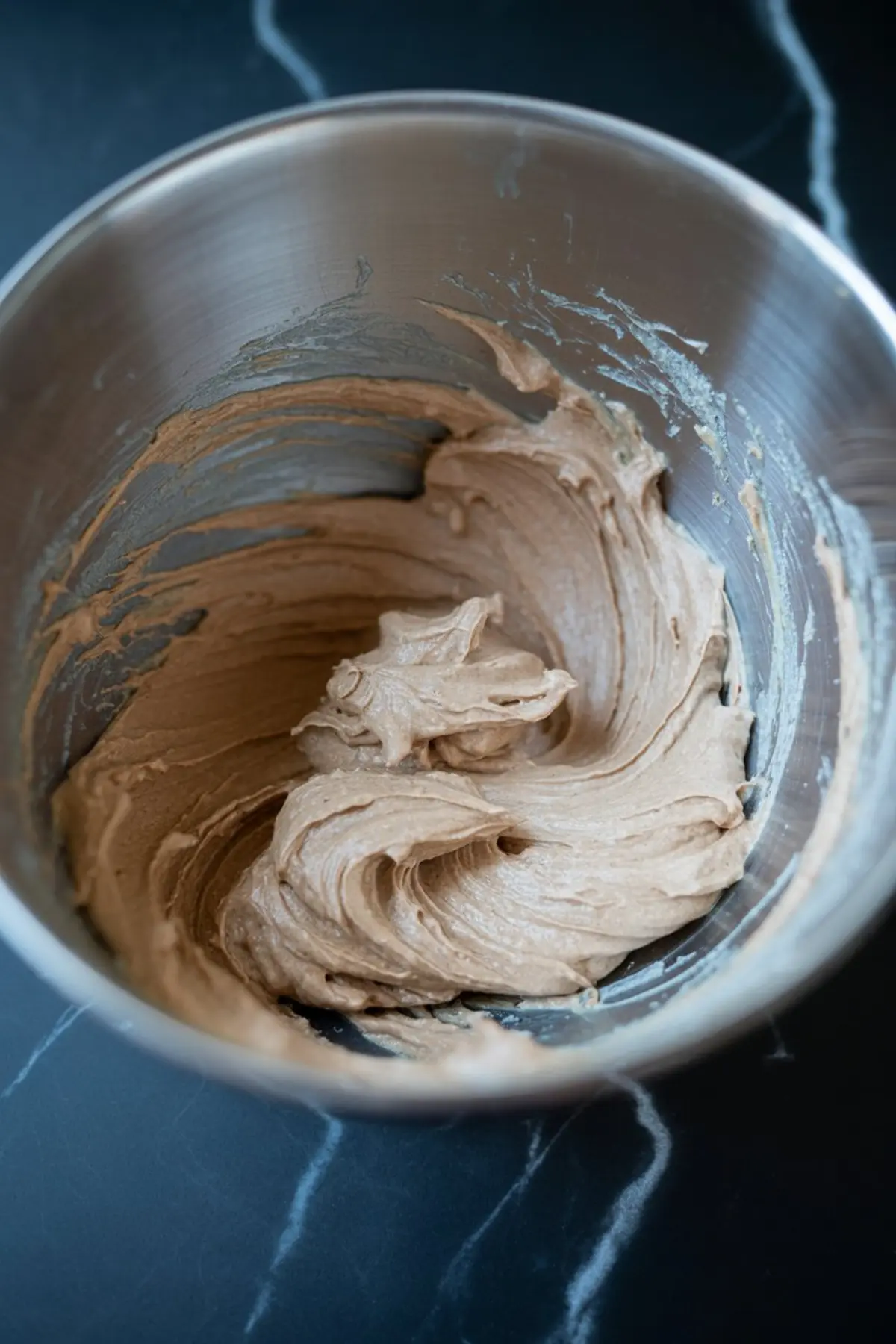
There’s a reason this frosting comes together in a specific order. I’ve tried tossing everything into one bowl, thinking it’d save time. It doesn’t. The texture gets grainy, the butter breaks, and the frosting won’t hold its shape.
Start with beating the butter on its own. That first step builds structure. You want it pale and fluffy before anything else goes in.
Then add vanilla and salt. Blend that into the whipped butter before introducing the sugar.
The powdered sugar goes in gradually. Three additions, each time on low, to prevent it puffing into a cloud. Once it’s in, beat it well. The frosting should thicken and brighten.
Cream comes last. Add it slowly. Stir, then beat, then decide if you need more. You can always thin frosting. You can’t un-thin it.
Why I Don’t Use Royal Icing Anymore
This frosting changed the way I decorate cookies. I used to stick with royal icing for clean lines and smooth finishes. But it dries too hard. It feels brittle. My family noticed, too. “These taste like they’ve been sitting out,” someone said once.
That’s when I started looking for something softer that still gave me control. This version does exactly that. It mimics royal icing cookies recipe texture if you thin it right, but keeps the soft bite people expect from a homemade cookie.
And if you still love royal icing for sugar cookie icing, it’s worth trying this royal icing recipe to compare. You’ll feel the difference right away.
The Small Ingredient That Makes a Big Difference
Now here’s that quiet player I hinted at earlier. The one that holds this frosting together.
It’s salt.
A small pinch. Not enough to taste, but enough to round out the sweetness. Without it, the frosting feels flat. Too sweet. One-dimensional.
Salt wakes everything up. It’s the difference between candy and something you want more of. I’ve skipped it before. I won’t again.
Save This Cookie Frosting Recipe and Share Your Results
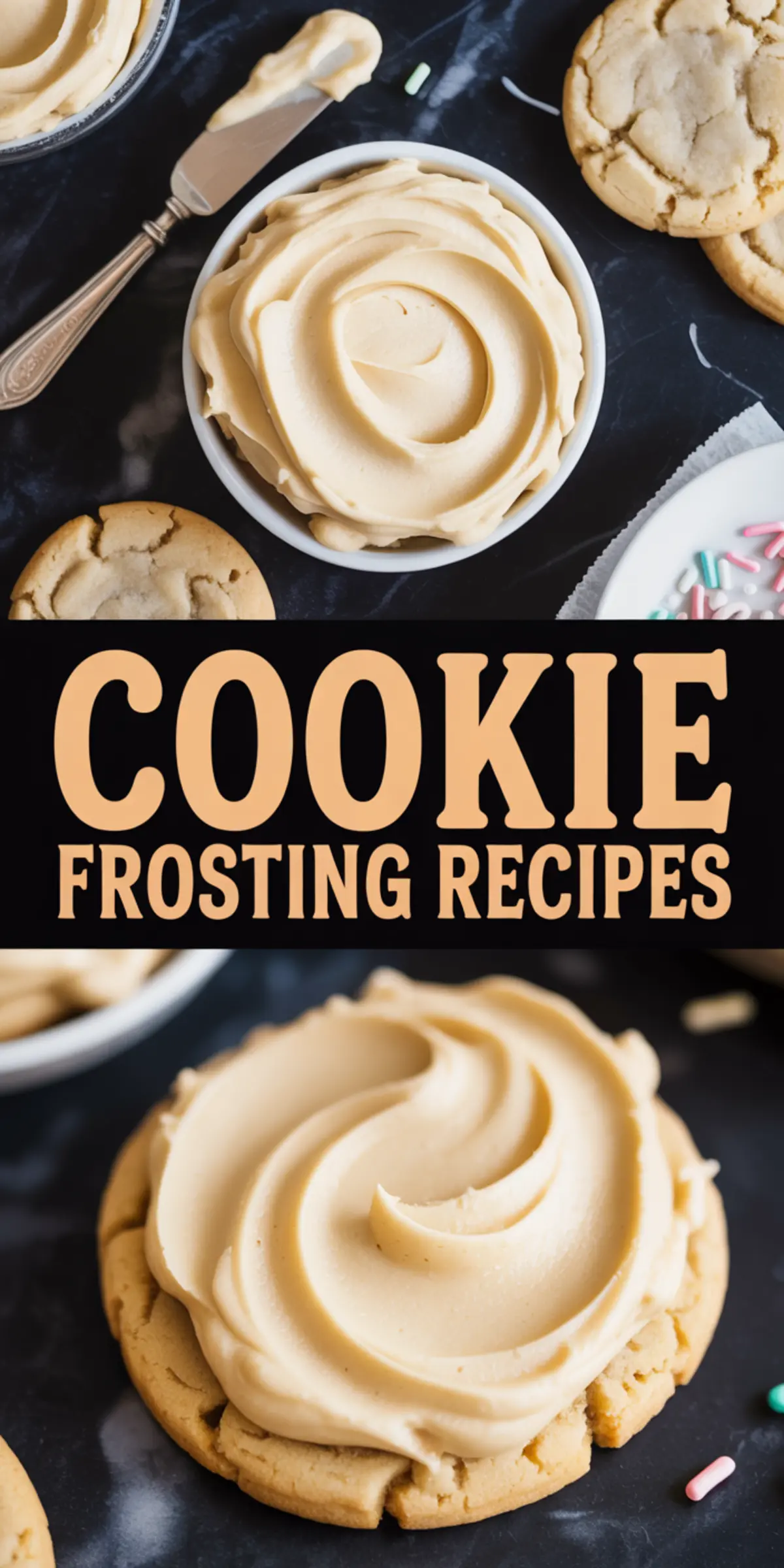
I keep this frosting in my binder under “reliable, easy, crowd-pleasing.” It works on sugar cookies, gingerbread, shortbread, and even soft baked chocolate cookies. It’s my go-to for teaching kids how to decorate. It holds up through hours of fun and still tastes like something you’d actually want to eat.
You can use it for frosting cookies, outlining, or experimenting with frosting cookies techniques. It’s flexible without being fussy.
If you try this recipe, save it to your Pinterest board so it’s easy to find during the holidays or whenever the urge to decorate hits. Share in the comments how it worked for you. I’d love to know if you kept it classic or added a little almond. Or if you piped tiny stars, outlined snowflakes, or just swiped it on thick.
Let’s make cookies feel fun again. And let’s keep them soft.
Cookie Frosting Recipe
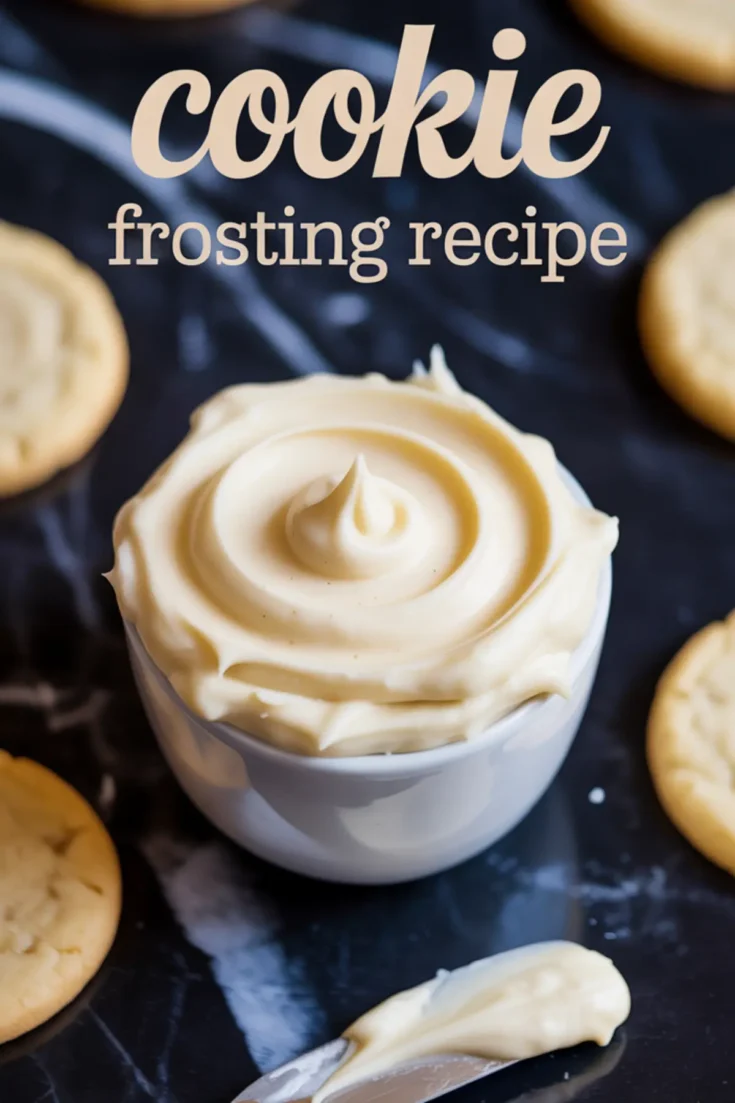
Master the art of frosting cookies with this smooth, easy-to-make cookie frosting that’s perfect for decorating everything from gingerbread to shortbread. Unlike traditional sugar cookie icing, this version offers flexibility—it can be thick enough for piping or thinned slightly for flooding cookies with a clean finish. Great for both beginners and experienced bakers, this recipe pairs well with various cut-out or drop-style cookies. Explore different cookie icing recipe textures and color options for holiday trays or year-round baking. Works as a lighter alternative to royal icing cookies recipe if you’re after a softer bite. Learn the best frosting cookies techniques to elevate your homemade bakes!
Ingredients
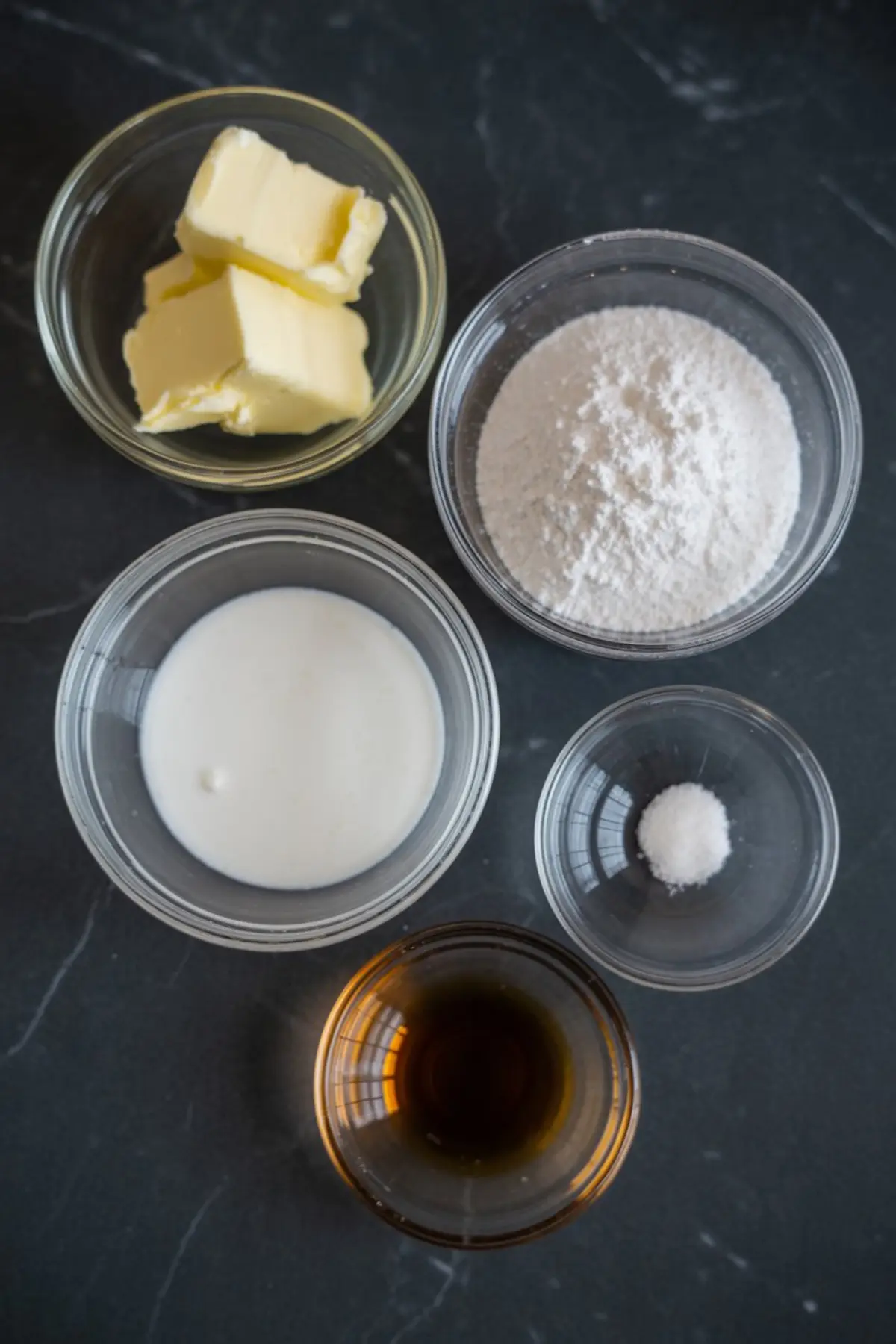
- ½ cup unsalted butter, softened (not melted)
- 3 cups powdered sugar, sifted
- 2 tablespoons heavy cream (or whole milk for a lighter version)
- 1 tablespoon pure vanilla extract
- Small pinch of salt
Instructions
- SOFTEN THE BUTTER: Let the unsalted butter sit at room temperature for about 1 hour until it is soft but not melted. Place the softened butter in a large mixing bowl.
- BEAT THE BUTTER: Use an electric mixer on medium speed to beat the butter until it turns pale and fluffy. This will take about 1–2 minutes and the butter will visibly lighten in color and texture.
- ADD VANILLA AND SALT: Pour in the vanilla extract and add a small pinch of salt. Mix again briefly, about 15 seconds, just until combined.
- INCORPORATE THE POWDERED SUGAR: Add the sifted powdered sugar in three parts, mixing on low speed after each addition to prevent the sugar from puffing up. Once incorporated, increase to medium speed until the mixture thickens.
- ADD CREAM AND ADJUST TEXTURE: Add heavy cream one tablespoon at a time, beating well after each addition, until the frosting becomes smooth and spreadable. For a firmer frosting, use less cream; for a softer texture, add a little more cream as needed.
- TASTE AND FINAL ADJUSTMENTS: Taste the frosting and adjust as needed. Add a small pinch of extra salt if it tastes overly sweet or a teaspoon of cream if it feels too stiff.
Notes
To change the flavor profile, substitute half the vanilla extract with almond extract. This variation pairs well with holiday cookies or special occasions. Store frosting in an airtight container at room temperature for up to 1 day, or refrigerate for up to 1 week. Let chilled frosting come to room temperature and re-whip before using.