
There’s a reason cream cheese frosting has lasted this long in our kitchens.
It’s steady. Sweet, but not too much. Tangy, but never sour. I’ve written this one in my notebook more than any other, and through every season spring cakes, autumn bars, Christmas cookies — it’s the same handwritten card I pull out.
You don’t need a mixer with twenty settings or a special technique passed down from a French patisserie. You need butter, cream cheese, sugar, a quiet bowl, and a little patience.
And if something looks too soft, don’t worry. I’ll show you how to bring it back.
There’s also one little addition I’ve made over the years. Something I learned to stir in just at the end. It isn’t in the old printed recipes, but it makes a difference. We’ll come back to that.
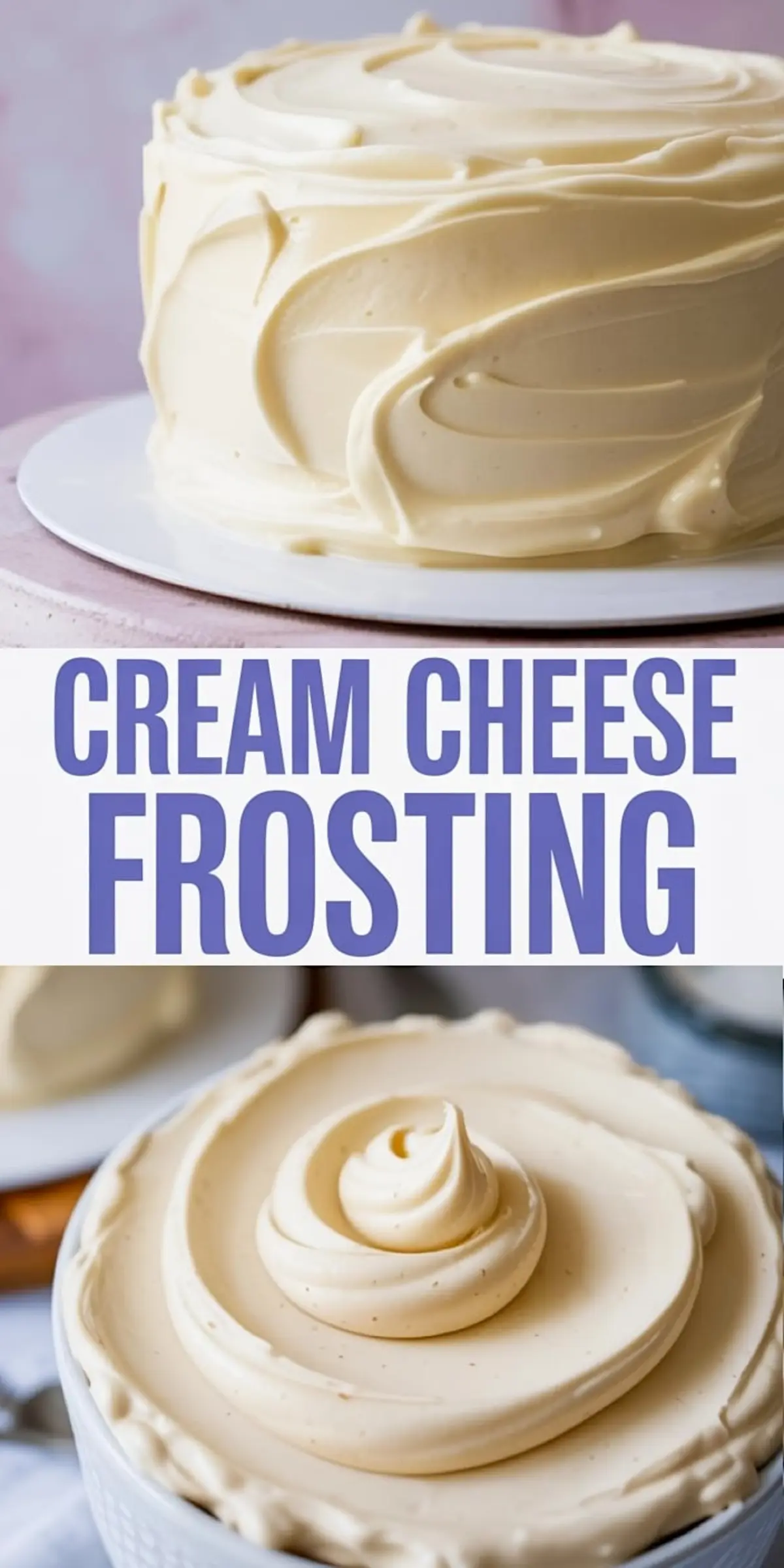
Why Cream Cheese Frosting Has Stayed My Favorite
I’ve been making this frosting since long before Chloe first knocked on my classroom door with a homemade lemon tart and a thousand questions. She writes her own now — you may know her pumpkin cupcakes with cream cheese frosting but we both go back to the same starting point.
Cream cheese frosting never overwhelms the cake beneath it. It holds its shape without feeling stiff. It balances sweetness with a gentle tang.
And when you use the right method, it comes together in one bowl, with no stress.
Emma’s version, written plainly and clearly on her site, is the one I trust. You can find it here: Emma’s cream cheese frosting. Her approach is exact and steady. She uses block cream cheese, soft butter, powdered sugar in measured additions, and just a little salt to bring it all to life.
Everything I know about consistency, everything Chloe picked up, too came from this base. Emma’s Cake Studio recipes have a way of being right every time.
Ingredient Notes from a Butter-Stained Card

Cream cheese must be full-fat and block-style. I once tried whipped cream cheese in a pinch and ended up with something closer to glaze. That batch went on a loaf cake instead.
Butter needs to be soft enough to press with your finger, but not melted. I leave mine out for about 45 minutes, or until I can smell it when I unwrap it. That’s usually a good sign.
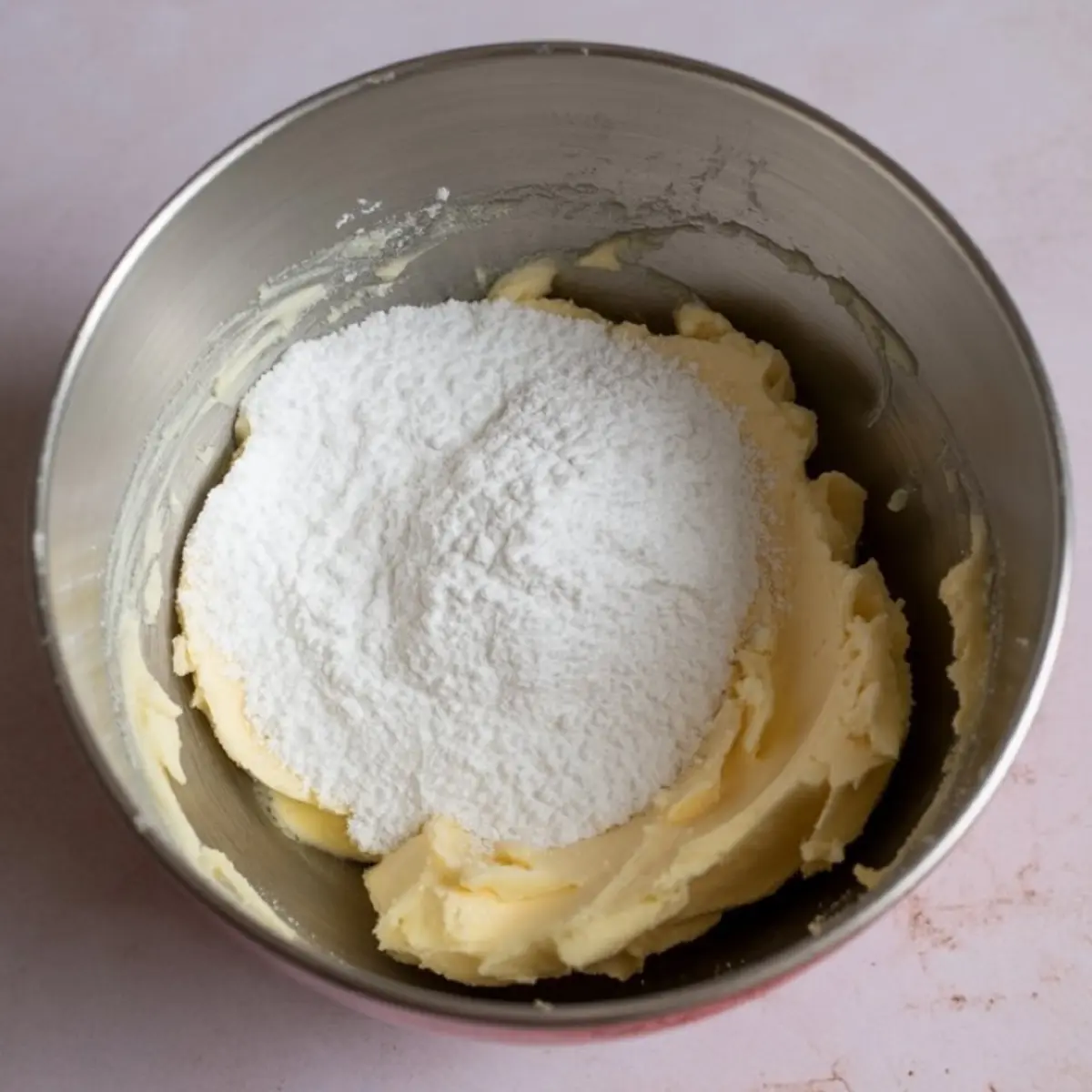
Powdered sugar must be sifted. I’ve learned that unsifted sugar makes the frosting lumpy, no matter how long you mix.
For flavor, I add vanilla extract and a pinch of fine sea salt. The salt keeps it from tipping into overly sweet. Just enough to round out the flavor.
Choosing Between Butter-Heavy and Cream Cheese-Forward
People often ask if they can make it stronger or softer. I’ve done both.
When you use more butter than cream cheese, the frosting spreads more easily and tastes milder. But it softens too quickly if left out, especially in warm weather.
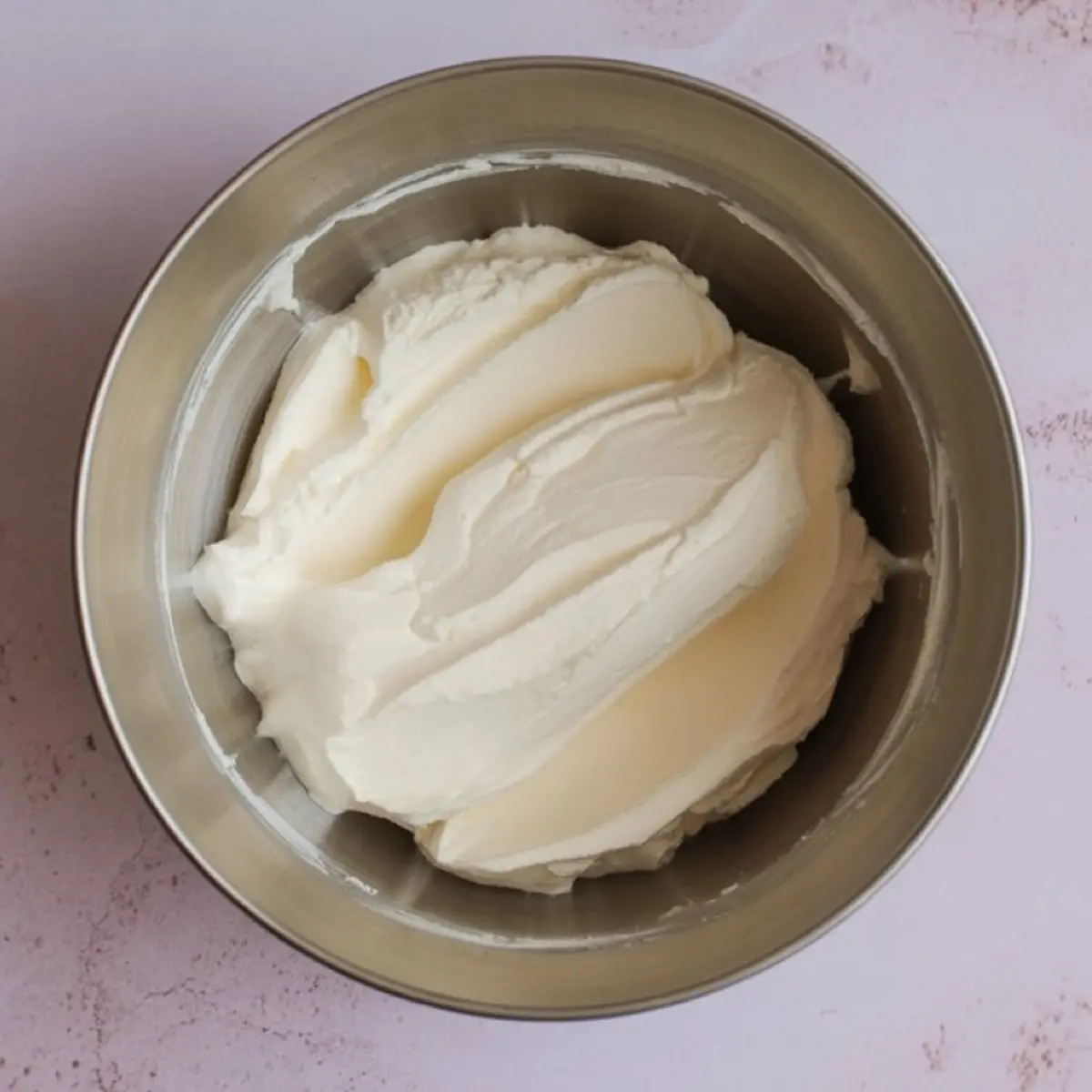
When you use more cream cheese than butter, it holds firmer and gives a brighter tang, but it can feel a little sharp if the cake beneath is delicate.
In my notes, I’ve written that a one-to-one ratio is best. That’s what Emma uses. It spreads clean, pipes well, and complements everything from pumpkin cake with cream cheese frosting to carrot cupcakes.
Method for a Smooth, Stable Frosting
I always start by beating the cream cheese on its own. Two minutes is enough to smooth out every lump. This matters more than it sounds.
Then I add the softened butter. Beat again. The mixture should turn pale and fluffy. This is the point where it starts to feel like frosting.
I sift in powdered sugar in three parts, beating after each. This keeps it from clumping and makes the texture feel light. When I stop and lift the beaters, it should form soft waves, not stiff peaks.
Then I stir in vanilla extract and sea salt. Sometimes I taste at this point. If something feels missing, I know what to add.

If it feels too soft, I place the bowl in the fridge for 10 to 15 minutes. If it feels too stiff, I add a teaspoon of milk and beat gently.
More frosting ideas live in this list of frosting recipes I’ve saved over the years. But I always come back to this one when I need something I trust.
The Small Addition I Always Keep in the Margin
At the very end, I stir in a spoonful of sour cream.
It’s quiet. Just a teaspoon. But it changes the finish in a way I can’t quite explain without tasting it. The tang deepens. The frosting feels silkier on the tongue.
I’ve added a note next to this in my handwritten card. “For depth,” I wrote. “Use when the cake is spiced.” That was first tested on a batch of pumpkin bars.
The frosting held steady, but the flavor felt more complete. Since then, I’ve added that note to every new copy of this recipe I write out for family.
If It’s Too Soft, Don’t Worry
This frosting can look different from batch to batch. Some days the kitchen is warm. Some days the butter is a little too soft.
If it spreads more than you expect, chill it. If it cracks slightly on the top of a cupcake, just swirl it again. It’s frosting, not sculpture.
I always say if it cracks, don’t worry. No one ever paused before a slice of cake to ask if the frosting peaked perfectly.
What they remember is the taste.
Save This Recipe, and Leave Me a Note
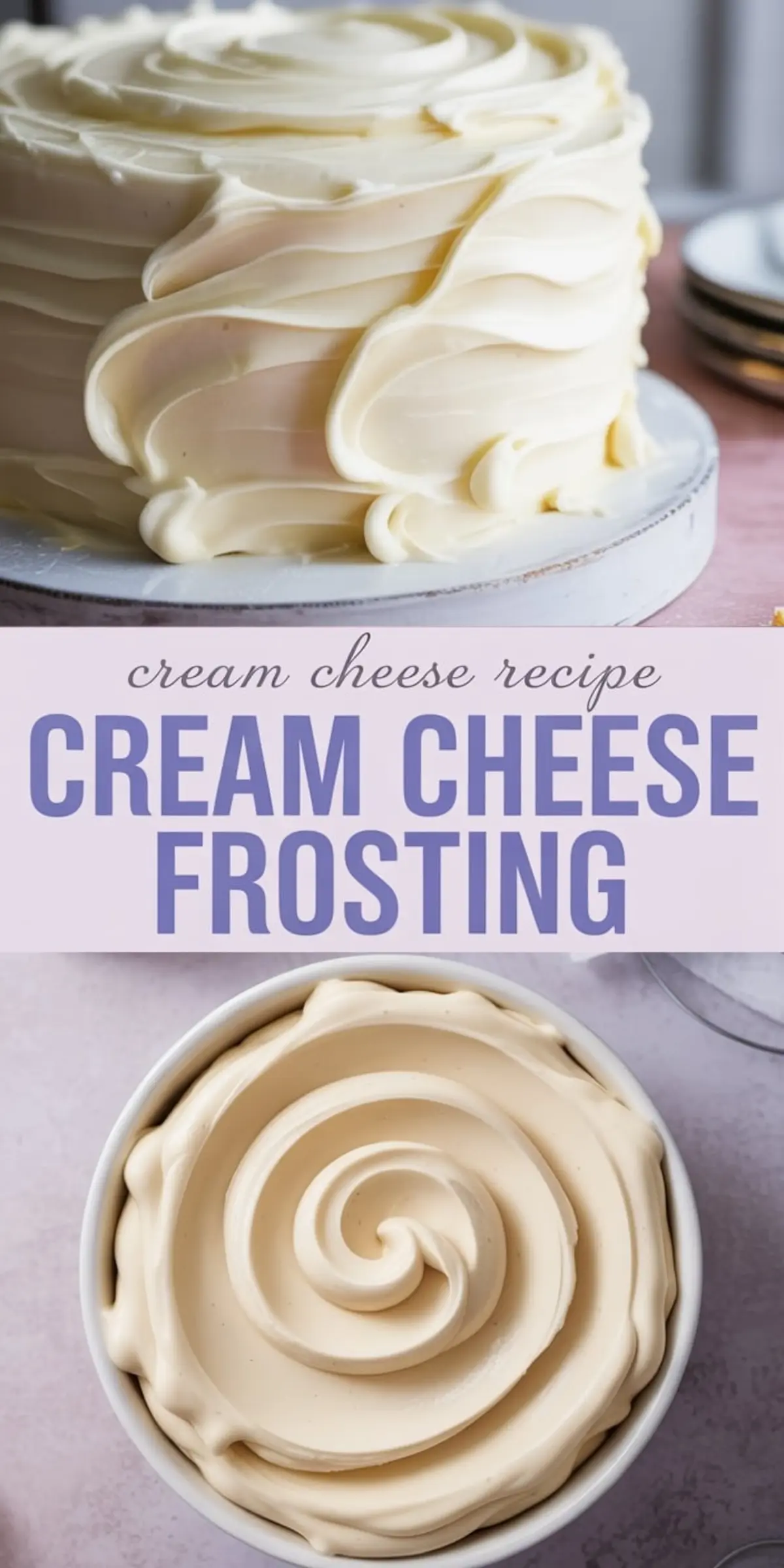
If you try this frosting, I hope it works as well in your kitchen as it has in mine. Pin it now so it’s easy to find the next time your cake needs something smooth and simple.
Leave a comment and tell me how you used it. I love hearing which cakes you paired it with. And if you have questions, I’ll do my best to help. That’s what recipe cards are for.
Cream Cheese Frosting Recipe

Cream cheese frosting is smooth, tangy, and one of the easiest frosting recipes to master. I love using it as a cake frosting recipe for carrot cake, pumpkin bars, or red velvet, but it also pairs beautifully with cream cheese cupcakes. Some call it cream cheese icing recipe, others just cheese frosting or homemade cream cheese icing, but every version has that same rich flavor. I’ve tested frosting recipes easy enough for beginners, and this recipe for cream cheese frosting remains my go-to. Among icing recipe options, fluffy cream cheese frosting stands out for being simple, versatile, and the best way to add sweetness with a little tang.
Ingredients
- 8 oz full-fat cream cheese, softened (use block-style, not whipped)
- 1/2 cup unsalted butter, softened
- 2 cups powdered sugar, sifted
- 1 1/2 teaspoons vanilla extract
- 1/8 teaspoon fine sea salt
Instructions
- BEAT THE CREAM CHEESE: Place the softened cream cheese in a large mixing bowl. Beat on medium speed for 2 minutes until completely smooth with no visible lumps.
- ADD THE BUTTER: Add the softened butter to the bowl. Beat for another 2 minutes, or until the mixture becomes pale and fluffy, scraping the bowl as needed to ensure even mixing.
- INCORPORATE THE POWDERED SUGAR: Sift in the powdered sugar in three additions, beating well after each to fully combine. The frosting should begin to look creamy and hold soft peaks.
- ADD FLAVORINGS: Stir in the vanilla extract and salt. Beat one final time until everything is fully incorporated and the frosting looks thick, smooth, and glossy.
- ADJUST CONSISTENCY IF NEEDED: If the frosting is too soft, chill it in the refrigerator for 10–15 minutes. If too stiff, add 1 teaspoon of milk and beat again briefly until desired consistency is reached.
Notes
Use room temperature ingredients for the smoothest texture. Avoid overbeating after adding the sugar to prevent air bubbles, especially if piping. Store leftover frosting in an airtight container in the refrigerator for up to 5 days; rewhip before using.
Nutrition Information:
Yield:
1Serving Size:
1Amount Per Serving: Calories: 2482Total Fat: 170gSaturated Fat: 103gTrans Fat: 0gUnsaturated Fat: 54gCholesterol: 473mgSodium: 983mgCarbohydrates: 233gFiber: 0gSugar: 225gProtein: 15g
