
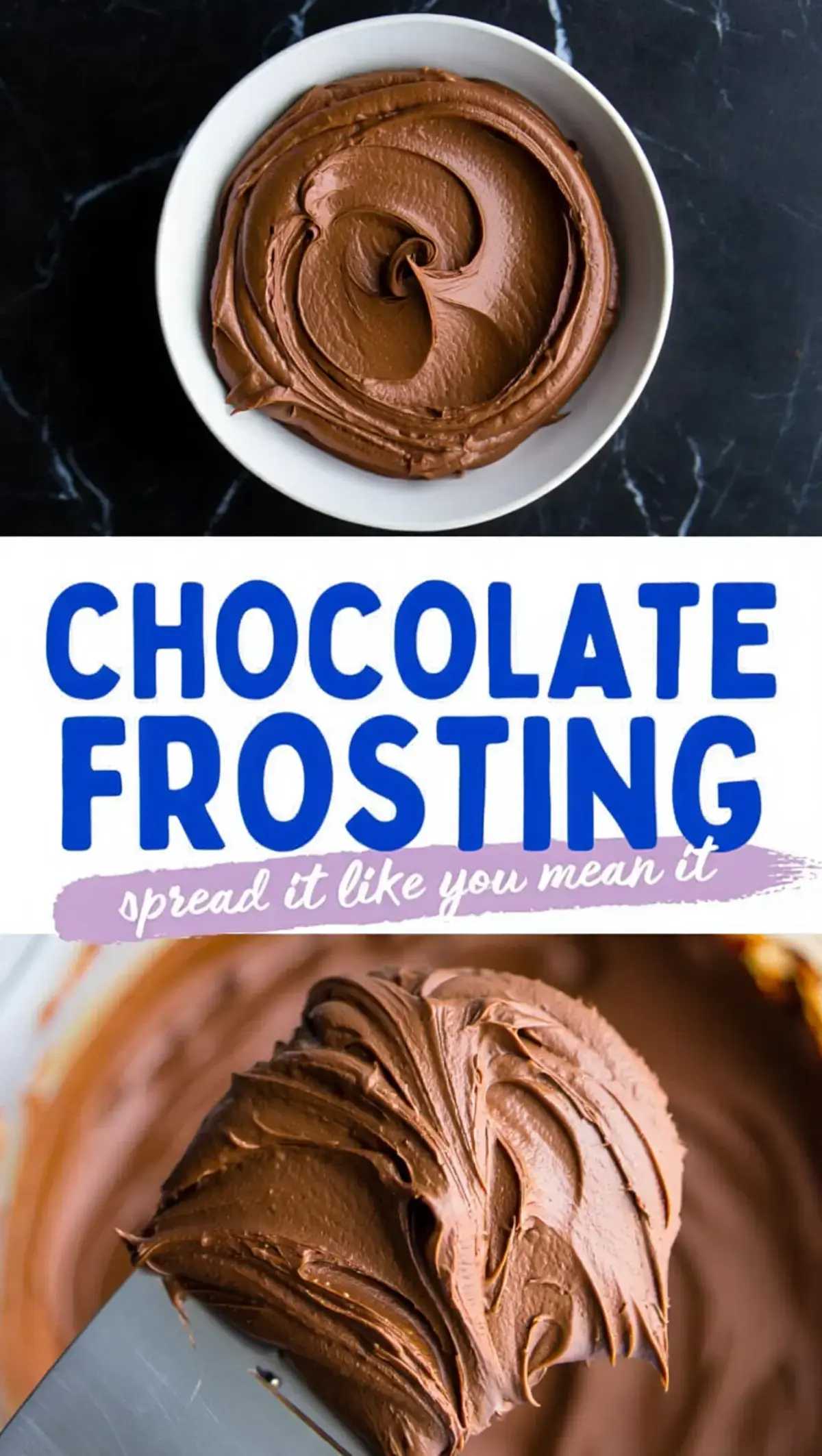
A good chocolate frosting tastes of cocoa first and sugar second. This one is made with 1 cup of unsalted butter, ¾ cup of unsweetened cocoa powder and 3 cups of powdered sugar, so the chocolate flavor stays in front instead of being buried under sweetness.
It takes about 10 minutes with an electric mixer and no cooking. The result is smooth, glossy and thick enough to hold a piped swirl, yet soft enough to spread on a cake without tearing the crumb.
It works on layer cakes, cupcakes, brownies and sheet cakes, and it is also good spread between graham crackers. One batch covers a 12-cupcake batch with a generous swirl, or fills and frosts a two-layer 8-inch cake with a thin coat.
A small pinch of salt, about ⅛ teaspoon, goes in with the vanilla. Salt suppresses bitterness, so the cocoa tastes rounder and less sharp.
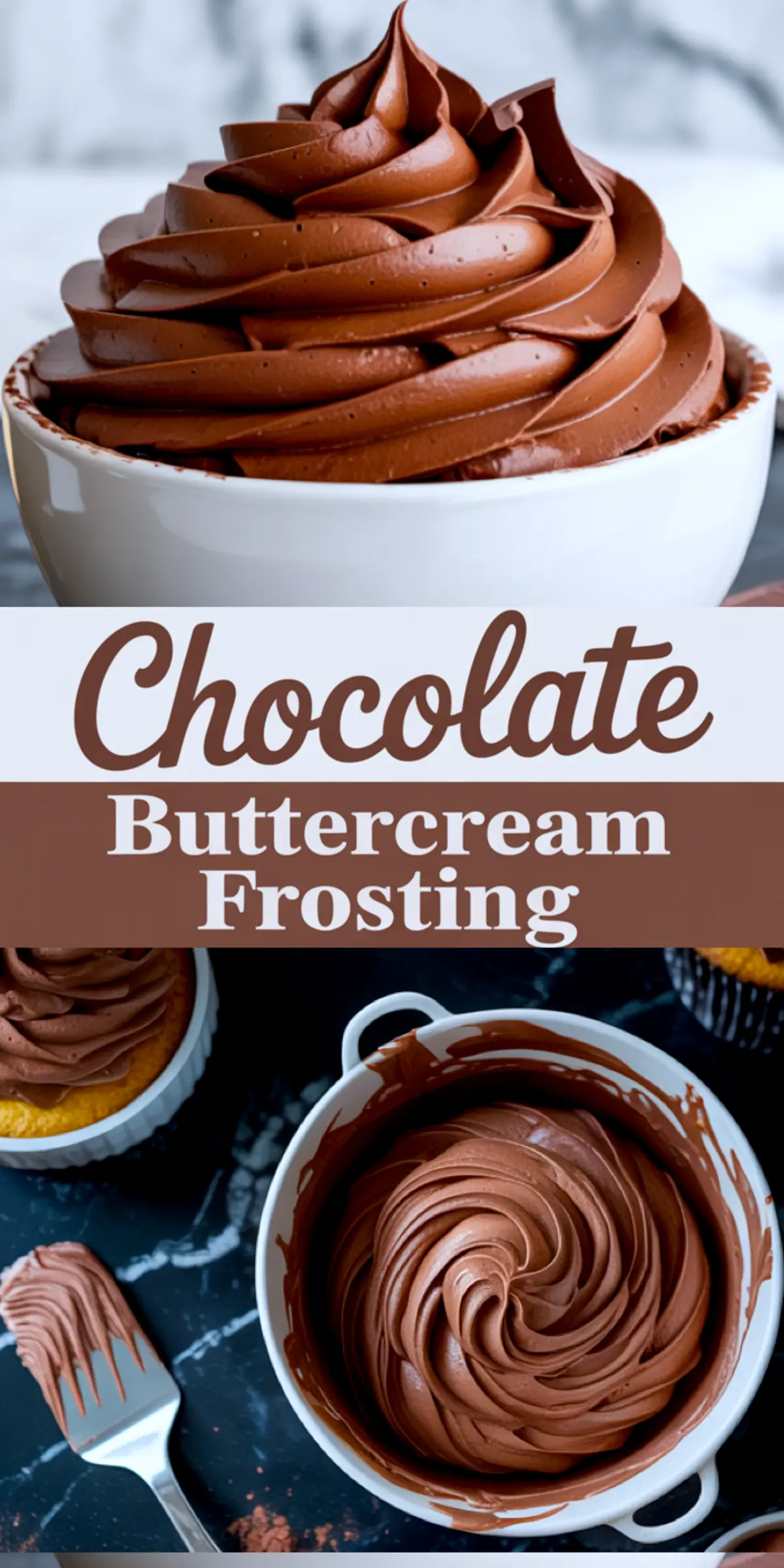
How to Make Chocolate Frosting With Real Cocoa Flavor
Best Cocoa Buttercream for Cakes, Cupcakes, and More
Start with the butter. Use 1 cup (2 sticks) of unsalted butter, softened to about 65°F (18°C). It should dent easily under a finger but not look shiny or greasy.
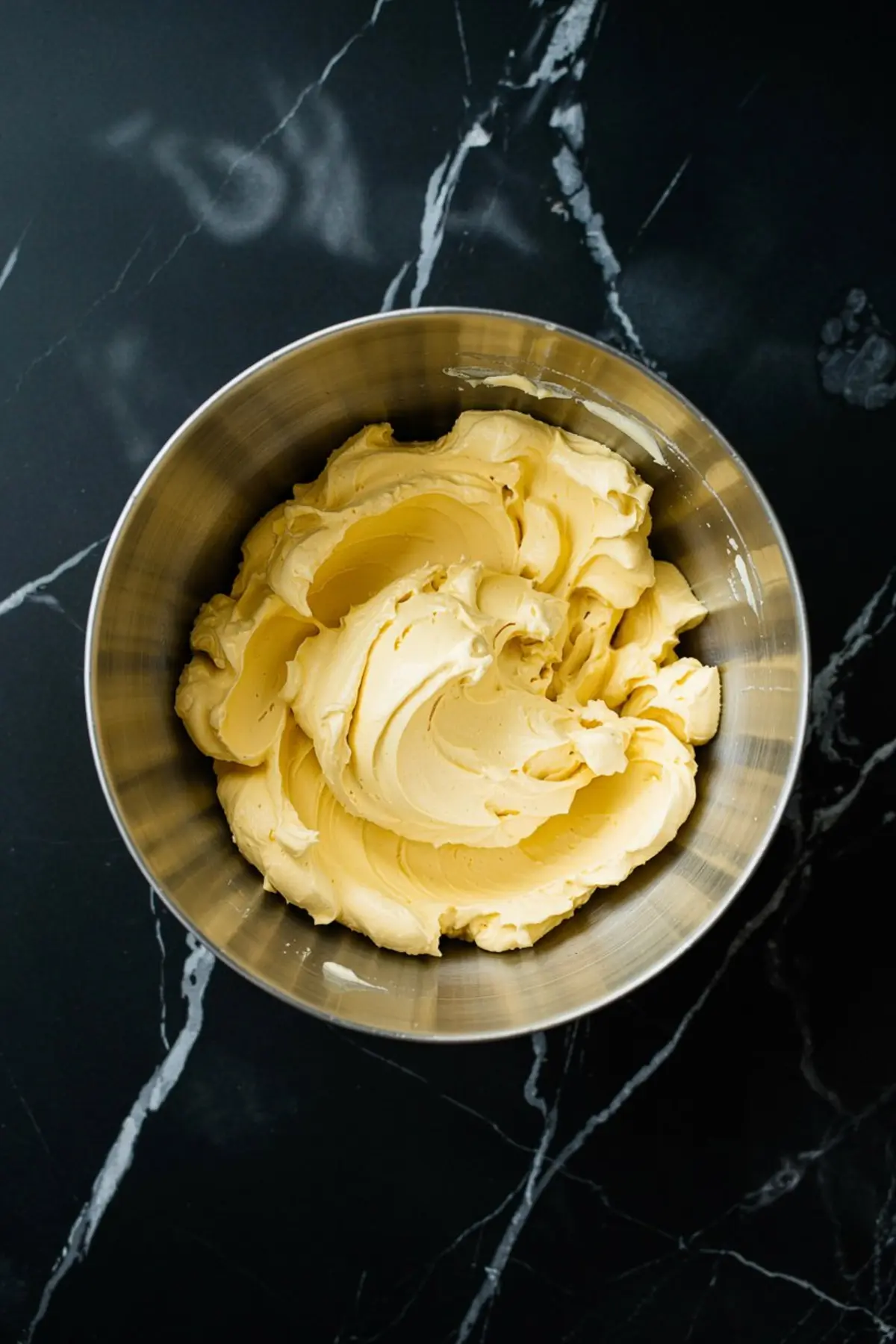
Beat the butter on medium speed for 2 to 3 minutes, until it turns pale and fluffy. Rushing this step leaves dense, yellow butter that never fully blends with the cocoa and sugar, and the frosting stays heavy.
Stop once and scrape the sides and bottom of the bowl with a spatula. Even a good mixer leaves pockets of unbeaten butter in the corners.
Next, add ¾ cup of cocoa powder. Dutch-process cocoa is preferred because it has a deeper, rounder flavor and dissolves more smoothly. Natural cocoa also works, though the flavor is slightly sharper. Sift the cocoa into the bowl to remove lumps, then mix on low speed. The mixture looks dry at first. Keep mixing until it becomes a smooth, dark brown paste with no streaks of butter.
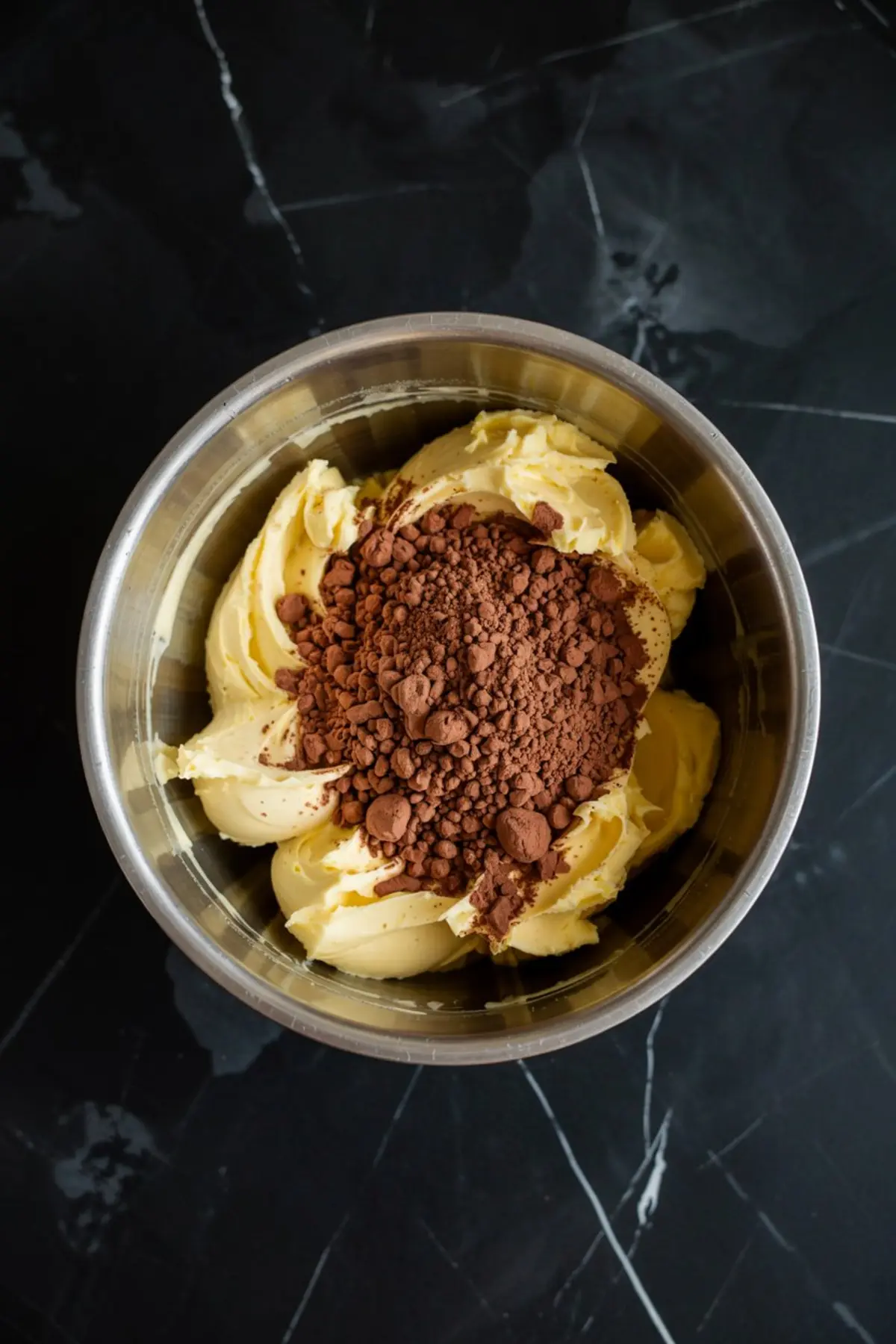
How to Add the Powdered Sugar Without Making It Too Sweet
Fluffy Chocolate Buttercream Frosting with Powdered Sugar
Sift 3 cups of powdered sugar and add it in three stages, alternating with 1 tablespoon of milk or heavy cream each time. Three tablespoons of liquid go in during this step, with room for up to 3 more later.
Start the mixer on low so the sugar does not puff out of the bowl. Once the sugar is mostly absorbed, raise the speed to medium and beat for about 30 seconds before the next addition. Skipping the liquid between additions leaves the frosting stiff and gritty, because the sugar has nothing to dissolve into.
When all the sugar and liquid are in, the frosting is thick, dark and slightly stiff. It is not finished yet.
Add 2 teaspoons of pure vanilla extract, then beat for 1 more minute. Vanilla rounds off the cocoa and softens the bitterness, so do not leave it out or replace it with imitation extract.
How to Adjust the Texture for Piping and Spreading
Chocolate Frosting That Pipes and Spreads Smoothly
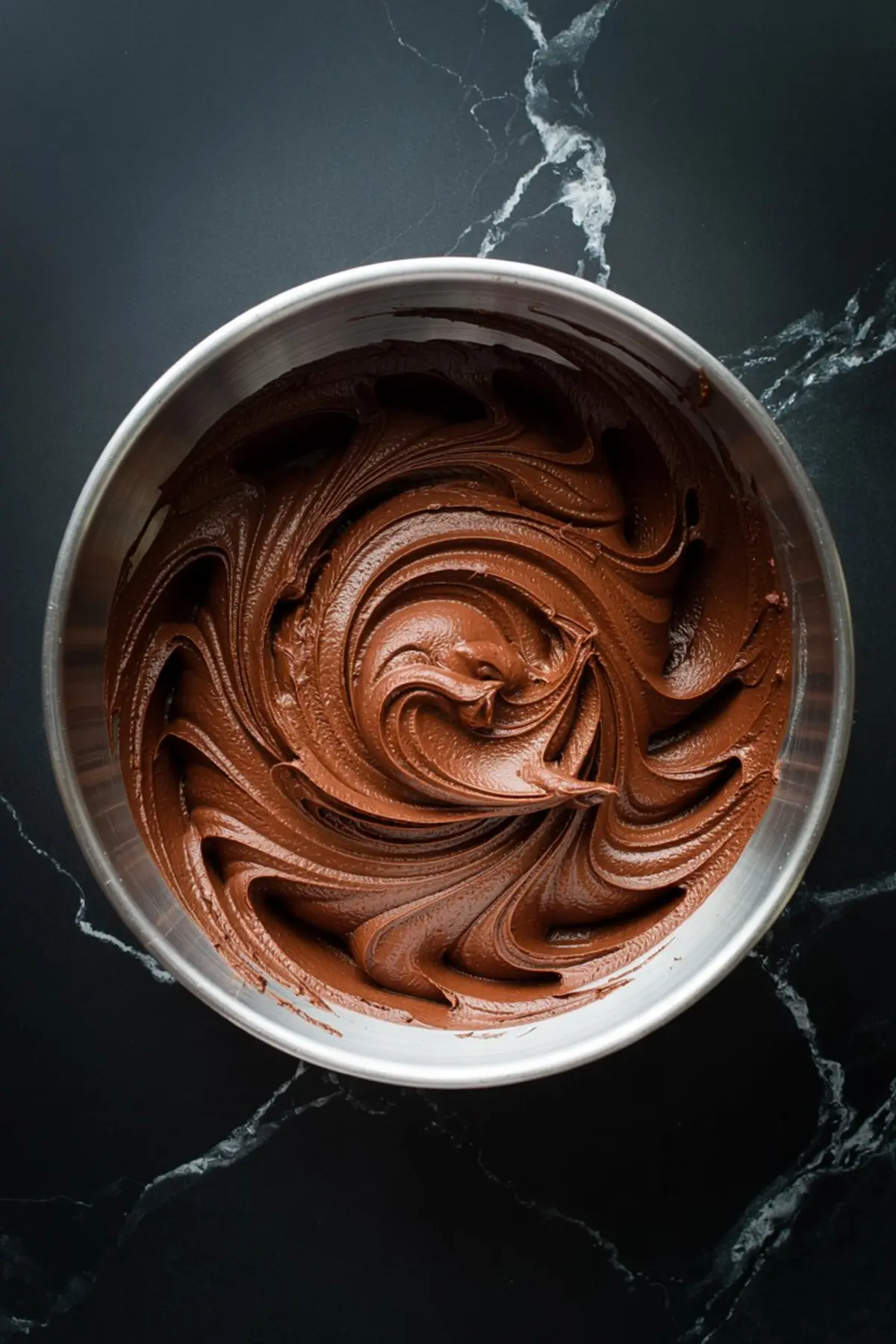
Texture depends on the kitchen, the brand of butter and how finely the sugar was sifted, so check it before using. If the frosting is too thick, add more milk, 1 teaspoon at a time, and beat for 15 seconds after each addition. The full recipe uses between 4 and 6 tablespoons of liquid in total.
If it is too soft to hold a shape, beat in more powdered sugar, 1 tablespoon at a time. A stiffer frosting suits piping, while a looser one is easier to spread on a cake.
Taste it at this point for balance rather than sweetness. It should taste of chocolate first and sugar second.
The frosting is ready when it clings to an upturned spatula without sliding off and still spreads like softened butter. For piping, a spoonful lifted on the beater should form a soft peak that holds its tip for a second or two before curling over. Stop mixing at that point, since overbeating adds air and makes the frosting harder to smooth.
Why a Pinch of Salt Improves Chocolate Frosting
Add a pinch of salt, roughly ⅛ teaspoon, and beat again briefly. It will not taste salty at that amount. Salt suppresses bitterness and makes the sweetness read as less flat, which brings the chocolate forward. It is optional, but it makes a noticeable difference, especially if the butter you used was unsalted.
If you use salted butter, taste the frosting first and add no extra salt. Salted butter already contributes enough to the flavor.
Dutch-process cocoa, real vanilla and a pinch of salt are small details, but each one adds to a balanced result. The recipe stays simple, uses six ingredients and needs only a bowl and a mixer.
Ways to Use This Chocolate Frosting
Chocolate Frosting for Cupcakes, Brownies, Cakes, or Spoons
For cupcakes, pipe the frosting with a large open star tip. It holds clear ridges at room temperature, around 70°F (21°C).
For layer cakes, chill the filled cake for 20 minutes before the final coat. The frosting spreads more cleanly over a cold, firm surface and stays set during serving.
For brownies and sheet cakes, spread it with an offset spatula once the base has cooled completely. Frosting on a warm cake melts and slides.
For more chocolate ideas, try the Chocolate Ganache Recipe, which is glossy, deep and rich.
Other chocolate recipes include Homemade Hot Chocolate and Chocolate Hummus.
For a chilled dessert, see the Chocolate Cream Pie.
How to Store Chocolate Frosting
Room temperature: frosting made with milk or cream keeps for up to 2 days in a covered bowl or on a frosted cake, as long as the kitchen stays below about 75°F (24°C).
Refrigerator: store it in an airtight container for up to 1 week, with plastic wrap pressed on the surface to prevent a skin. Before using, let it sit at room temperature for 30 to 60 minutes, then re-whip on medium speed for 1 to 2 minutes until smooth and spreadable again.
Freezer: freeze it in a freezer-safe container for up to 3 months. Thaw overnight in the refrigerator, bring it to room temperature, and re-whip before use.
A frosted cake that has chilled in the refrigerator tastes best after 30 minutes at room temperature, when the butter softens again.
Questions or substitutions are welcome in the comments below.
Chocolate Frosting Recipe
Made it? Tap the stars to rate it.
Chocolate frosting is smooth, rich, and essential for cakes, brownies, or cupcakes. I love making homemade chocolate frosting with cocoa powder and butter for a classic flavor that never fails. Some call it chocolate cream icing, others chocolate icing recipes or even the best chocolate cake icing recipe, but each version brings that same delicious chocolate frosting taste. I’ve tested chocolate frosting recipes that are light, as well as how to make not too sweet chocolate frosting for balance, and both are keepers. Among frosting recipes easy, chocolate frosting remains the go-to cake frosting recipe that’s versatile, simple, and always a crowd favorite.
Ingredients
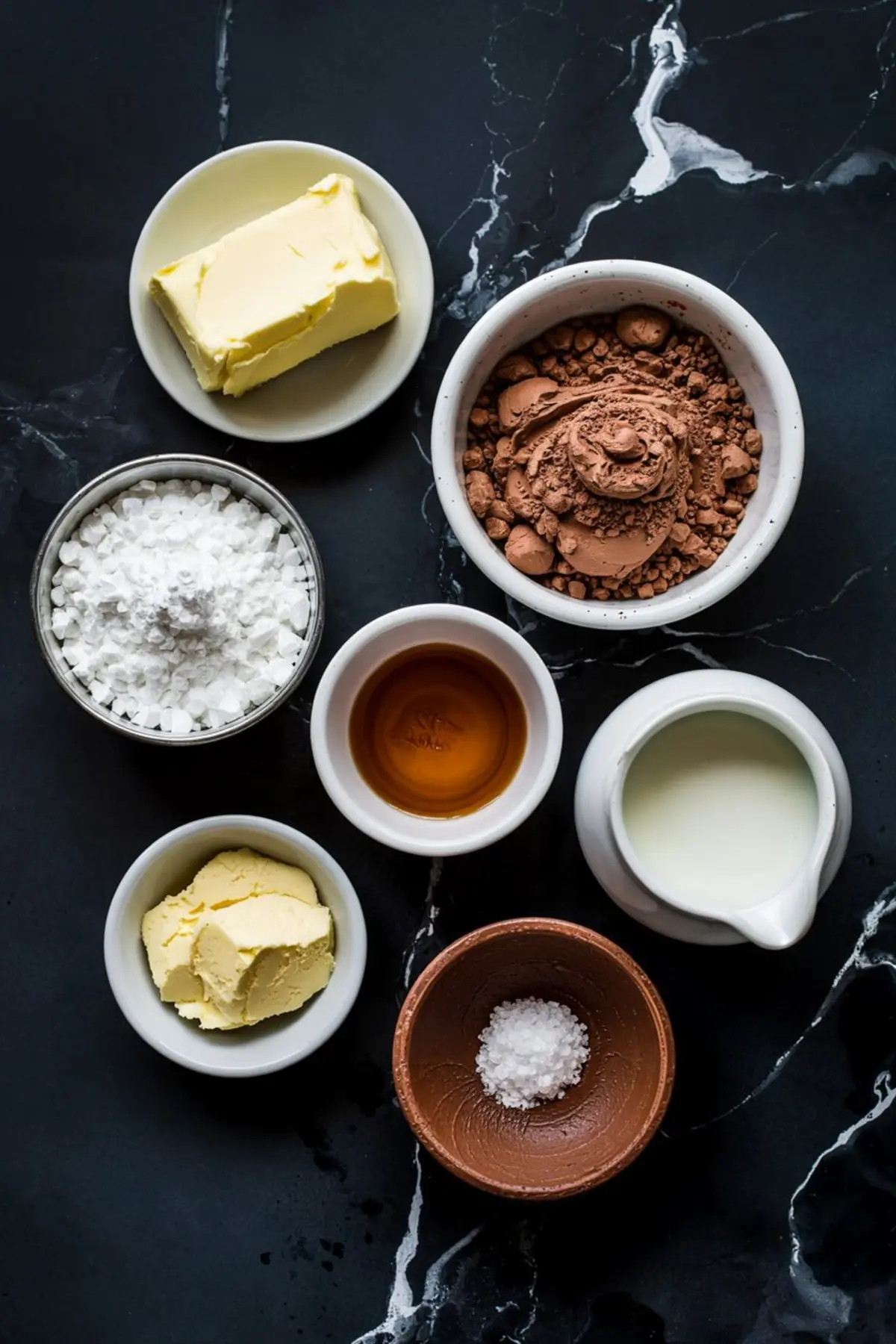
- unsalted butter, softened – 1 cup (2 sticks)
- unsweetened cocoa powder (Dutch-process preferred) – ¾ cup
- powdered sugar, sifted – 3 cups
- whole milk or heavy cream – 4 to 6 tablespoons
- pure vanilla extract – 2 teaspoons
- pinch of salt (optional, to taste)
Instructions
- BEAT THE BUTTER: In a large mixing bowl, beat the softened butter on medium speed for 2 to 3 minutes until light and fluffy. Scrape down the sides of the bowl to ensure even mixing.
- ADD COCOA POWDER: Sift in the cocoa powder and beat on low speed until fully incorporated. The mixture may look dry at first—continue mixing until smooth.
- INCORPORATE POWDERED SUGAR AND MILK: Add the sifted powdered sugar in three stages, alternating with 1 tablespoon of milk each time. Start on low speed to avoid a sugar cloud, then increase speed to blend fully before the next addition.
- ADD VANILLA: Once all the sugar and milk have been added and the frosting is thick and smooth, beat in the vanilla extract. Continue mixing for 1 more minute to ensure a whipped, spreadable texture.
- ADJUST CONSISTENCY: If the frosting is too thick, mix in additional milk 1 teaspoon at a time until it reaches a spreadable consistency. If too soft, add more powdered sugar 1 tablespoon at a time until it holds shape when lifted with a spatula.
- TASTE AND FINISH: Taste the frosting and adjust with a pinch of salt if needed. Beat again briefly to combine. Use immediately to frost cakes, cupcakes, or store in an airtight container in the refrigerator. Let come to room temperature and re-whip before using if chilled.
Notes
For best texture, use room temperature ingredients and sift both cocoa powder and powdered sugar to prevent lumps.
Read next
 Chocolate Caramel Dump Cake
 Rich Chocolate Fudge Brownies: A Special Dash Inside
 Homemade Chocolate Croissants Recipe: A Buttery, Flaky Delight
 Chocolate Mousse Cake Recipe (3 Layers of Bliss)
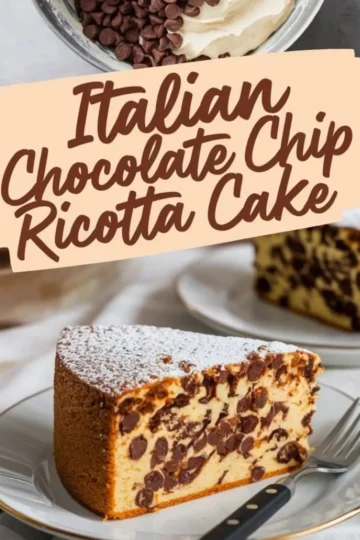 Italian Chocolate Chip Ricotta Cake Recipe
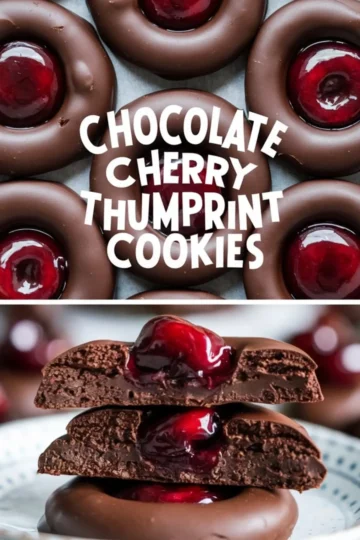 Chocolate Cherry Thumbprint Cookies: A Rich, Decadent Bite with a Fruity Twist

★ Made it? Tap the stars to rate it