

Christmas pudding has always carried a sense of ceremony. This traditional Christmas pudding recipe gives you the rich, spiced fruit flavor that people expect in a British Christmas pudding, with the added confidence that it is approachable. You’ll learn how to steam it so the texture comes out dense, fragrant, and true to the classic figgy pudding.
Anyone searching for easy Christmas pudding or Christmas pudding recipes often worries about difficulty. The truth is, once you know the rhythm, it becomes straightforward. By the end of this guide, you’ll see why I return to this traditional Christmas pudding England-style every year and how you can prepare it without stress.

Choosing the Fruit Mix for Figgy Pudding
The backbone of this dessert comes from figs, dates, golden raisins, and dried cherries. I choose figs for their sticky sweetness, which gives the pudding its dense crumb. Dates add richness and almost melt into the batter. Golden raisins bring brightness while cherries cut through with a tart balance.
If you want variety, swap in prunes, currants, or dried cranberries. I’ve tried versions with prunes, and they create a deeper, almost smoky sweetness compared to the light sharpness of cranberries. Each option changes the pudding’s final profile, so you can adjust depending on what your family prefers.
For a different seasonal treat, you might enjoy making Christmas Cracker Toffee. It shares the same festive richness but in a crisp, buttery format.
Building Flavor with Citrus, Rum, and Spice
Orange juice softens the fruit, but the zest is what gives that sharp, perfumed lift. Without the zest, the pudding can taste flat. The dark rum deepens everything with warmth, though strong brewed tea works beautifully if you want an alcohol-free option.
Spices matter here. Cinnamon, nutmeg, and ginger give the pudding its distinct holiday character. I’ve adjusted the ratios over the years in my notes. Nutmeg must stay subtle, or it takes over. Cinnamon brings comfort, and ginger gives heat that keeps every bite lively.
A warming mug of gingerbread latte pairs beautifully with a slice of this pudding, balancing sweet and spiced notes together.
Flour, Breadcrumbs, and Molasses Working Together
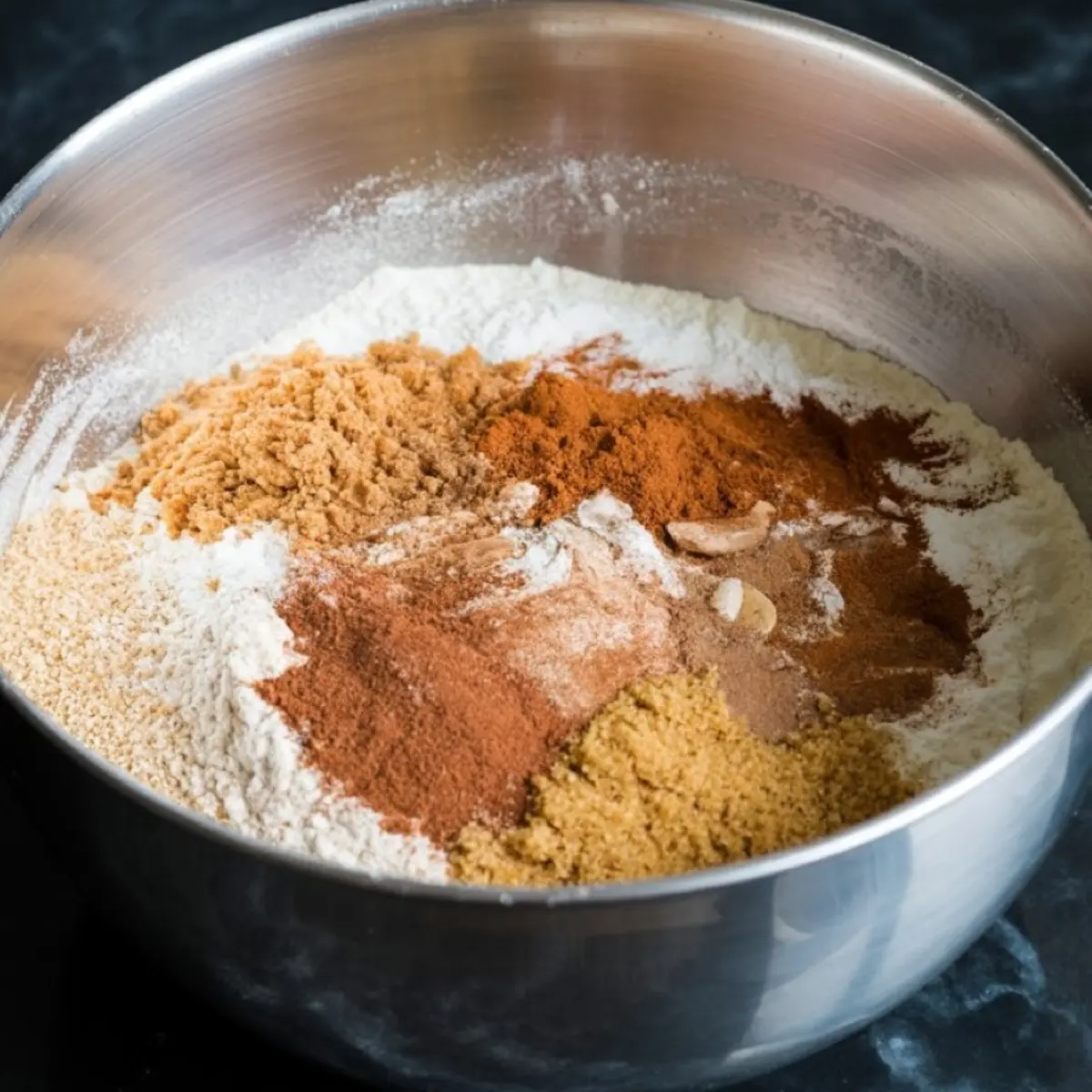
The structure comes from flour and breadcrumbs. Flour alone would make the pudding heavy, while breadcrumbs lighten the mixture. This combination creates the signature steamed pudding crumb that slices neatly without crumbling apart.

Molasses gives depth that sugar alone cannot. Its bitterness balances the sweetness from the fruit and sugar, creating harmony. Without it, the pudding risks tasting too sugary. Brown sugar adds caramel undertones, working alongside molasses for richness.
If you are looking for a lighter centerpiece, you may prefer a Christmas Cake Idea. It uses similar flavors but delivers them in a more traditional cake form.
Comparison: Rum or Tea for Soaking the Fruit

I’ve made this pudding both ways, soaking fruit in rum and in tea. Rum gives that unmistakable festive bite, which lingers even after steaming. Tea, on the other hand, softens the fruit without adding alcohol, letting the spices and citrus shine more clearly. If you plan to serve children or prefer a gentler flavor, tea works better. For adults who expect tradition, rum feels right.
This small choice shifts the entire personality of the pudding, so decide based on your table.
Steaming as the Key to Texture
Steaming takes patience but rewards you with a pudding that feels luxurious. The basin protects the batter, letting it cook low and steady. Every time I lift the lid after three hours, the aroma fills the kitchen like a memory of winters past.
The basin needs a tight parchment and foil cover. Without that barrier, condensation drips in, and the texture becomes soggy. Check the water level every 45 minutes, topping it up with boiling water. This rhythm keeps the pudding consistent.
Serving Christmas Pudding with Confidence
Once unmolded, the pudding looks dramatic on its own. A drizzle of warm brandy sauce or simple custard completes the presentation. Some families flame it with brandy before serving, and the blue fire always amazes guests.
You can make this pudding days ahead. Wrap it well and refrigerate. Before serving, steam it again for half an hour to bring it back to that warm, tender state. In my experience, the flavor deepens after a day or two, as the spices and fruit meld together.
If you’d like to add another elegant dessert to your spread, try making Christmas macarons. They store well and look beautiful alongside this rich pudding.
Storage Notes and Practical Advice
This Christmas pudding can be refrigerated for several days or frozen for a month. If freezing, double wrap in parchment and foil. Reheat by steaming, never in the microwave, or the texture will turn rubbery.
I often prepare two puddings at once. One for serving on Christmas Day, the other frozen for New Year. It’s efficient, and it means the effort carries further into the season. A practical note, but it has saved me many times.
Closing Thoughts for Your Holiday Baking

Traditional Christmas pudding is more than a recipe. It is a practice of patience, fruit soaking, and steady steaming that rewards you with a slice of history at your table. Every year when I cut into the pudding and see the dark, glossy crumb filled with fruit, I’m reminded why I choose this recipe over shortcuts.
Save this recipe to your Pinterest boards so you can return to it easily. Share in the comments how your pudding turned out or if you tried rum or tea for the soaking liquid. I love hearing how different families make this tradition their own.
Christmas Pudding Recipe

Christmas pudding is a rich, spiced dessert made with dried fruit, citrus, and a splash of brandy or stout. I steam it low and slow until it turns dark, fragrant, and full of that classic figgy pudding texture. This traditional Christmas pudding recipe is the one I turn to when I want the real thing—no shortcuts, just the slow-cooked flavor that makes it special. It’s a British Christmas pudding that feels like a holiday tradition, and it reheats beautifully. If you’ve ever wanted to try Christmas pudding England-style, this easy Christmas pudding version makes it approachable. Add it to your list of Christmas pudding recipes to make ahead or serve as the centerpiece for your Xmas pudding spread.
Ingredients
- FOR THE SOAKED FRUIT:
- 1 cup chopped dried figs
- 1 cup chopped dates
- ¾ cup golden raisins
- ¾ cup dried dark cherries
- ½ cup orange juice
- ¼ cup dark rum (or strong brewed tea for alcohol-free)
- FOR THE BATTER:
- 1 medium apple, peeled and finely grated
- ½ cup chopped toasted almonds
- 1 tablespoon grated orange zest
- ½ cup all-purpose flour
- ½ cup plain dry breadcrumbs
- ½ cup packed brown sugar
- 1 teaspoon ground cinnamon
- ½ teaspoon ground nutmeg
- ½ teaspoon ground ginger
- ¼ teaspoon salt
- 2 large eggs
- 6 tablespoons unsalted butter, melted
- 2 tablespoons molasses
- ¼ cup whole milk
Instructions
- SOAK THE FRUIT: Combine figs, dates, raisins, and cherries in a bowl. Pour in orange juice and rum (or tea). Stir and let soak for at least 1 hour, or cover and refrigerate overnight.
- PREPARE THE BASIN: Generously butter the inside of a 1.5-liter heatproof pudding basin or metal mixing bowl. Line the bottom with a round of parchment paper if desired for easy release.
- COMBINE THE FRUIT MIXTURE: In a large mixing bowl, combine the soaked fruit (with any remaining liquid), grated apple, toasted almonds, and orange zest.
- MIX THE DRY INGREDIENTS: In a separate bowl, whisk together flour, breadcrumbs, brown sugar, cinnamon, nutmeg, ginger, and salt.
- MAKE THE BATTER: Add the dry mixture to the fruit and stir to coat. In another bowl, beat the eggs, then add melted butter, molasses, and milk. Pour the wet mixture into the fruit and flour mix. Stir until fully combined. The batter will be thick and sticky.
- FILL THE BASIN: Spoon the batter into the prepared basin. Smooth the top with the back of a spoon. Cover with a layer of parchment and a layer of foil, both pleated in the center. Secure tightly with kitchen twine.
- SET UP FOR STEAMING: Place a rack or mason jar rings in the bottom of a large pot to elevate the pudding basin. Set the basin on the rack. Pour in enough boiling water to reach halfway up the sides of the basin.
- STEAM THE PUDDING: Cover the pot with a lid and steam over low to medium heat for 2½ to 3 hours. Check every 45 minutes and add more boiling water as needed to maintain the water level.
- REMOVE AND REST: Carefully lift out the basin and let it sit for 15 minutes. Remove the coverings, run a knife around the edge, and invert the pudding onto a serving plate.
- SERVE OR STORE: Serve warm, or let the pudding cool completely. Wrap it tightly and refrigerate. Reheat by steaming again for 30 to 40 minutes before serving.
Notes
You can substitute other dried fruits like currants, prunes, or cranberries based on what you have available. For a nut-free version, omit the almonds. The pudding can be made ahead and stored in the fridge for several days or frozen for up to a month.
