
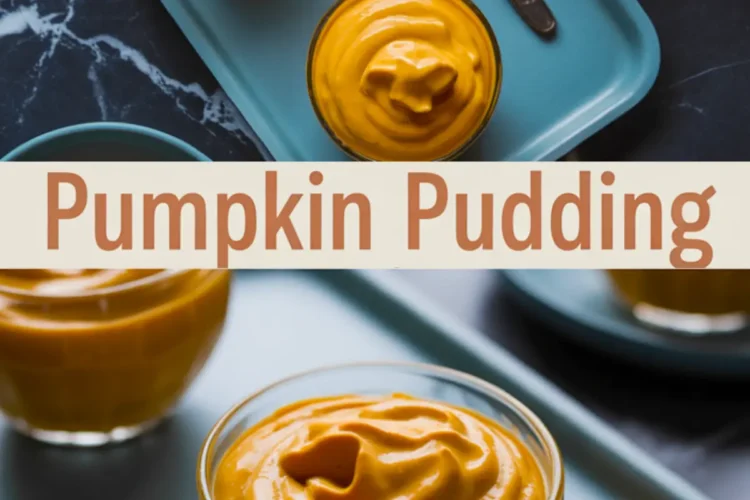
There’s something almost secretive about a good pudding.
Not the boxed kind you whisk with milk and forget. I mean the stovetop kind. The kind that starts with spice and ends with a chilled, silky spoonful that tastes like the softest whisper of fall.
This pumpkin pudding belongs in that quiet, confident category of desserts.
It doesn’t need a crust. It doesn’t require baking. And it doesn’t shout. It just works. It thickens gently on the stove and cools into something cozy, creamy, and softly spiced. What you’ll find here is more than a shortcut to pumpkin pie. This is a recipe that settles into the space between custard and mousse rich in flavor but simple in steps.
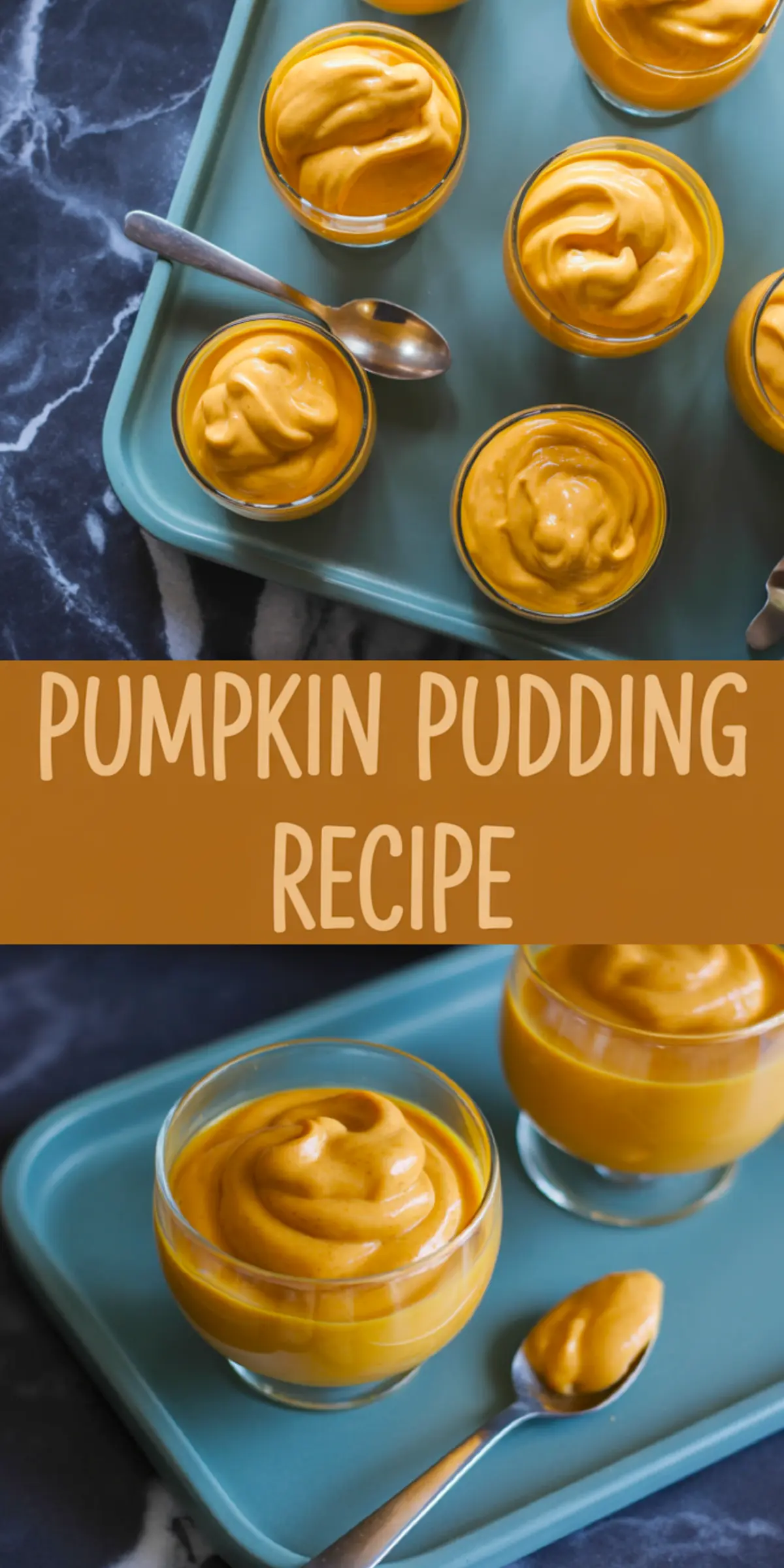
If you’ve made pumpkin pie pudding or pumpkin vanilla pudding recipes before, you might think you know where this is going.
But there’s one little twist in this version. A quiet ingredient that makes everything rounder, fuller, smoother. I’ll tell you more after we get to the stovetop. It’s not what you’d expect, but I wouldn’t leave it out.
Let’s start with what you’ll need. Then I’ll walk you through exactly how I make mine.
And by the end, you’ll have a pudding that holds up with dignity in any fall dessert lineup—right next to your favorite pumpkin pie recipe.
Ingredients That Build Flavor
This pudding begins with pumpkin purée.
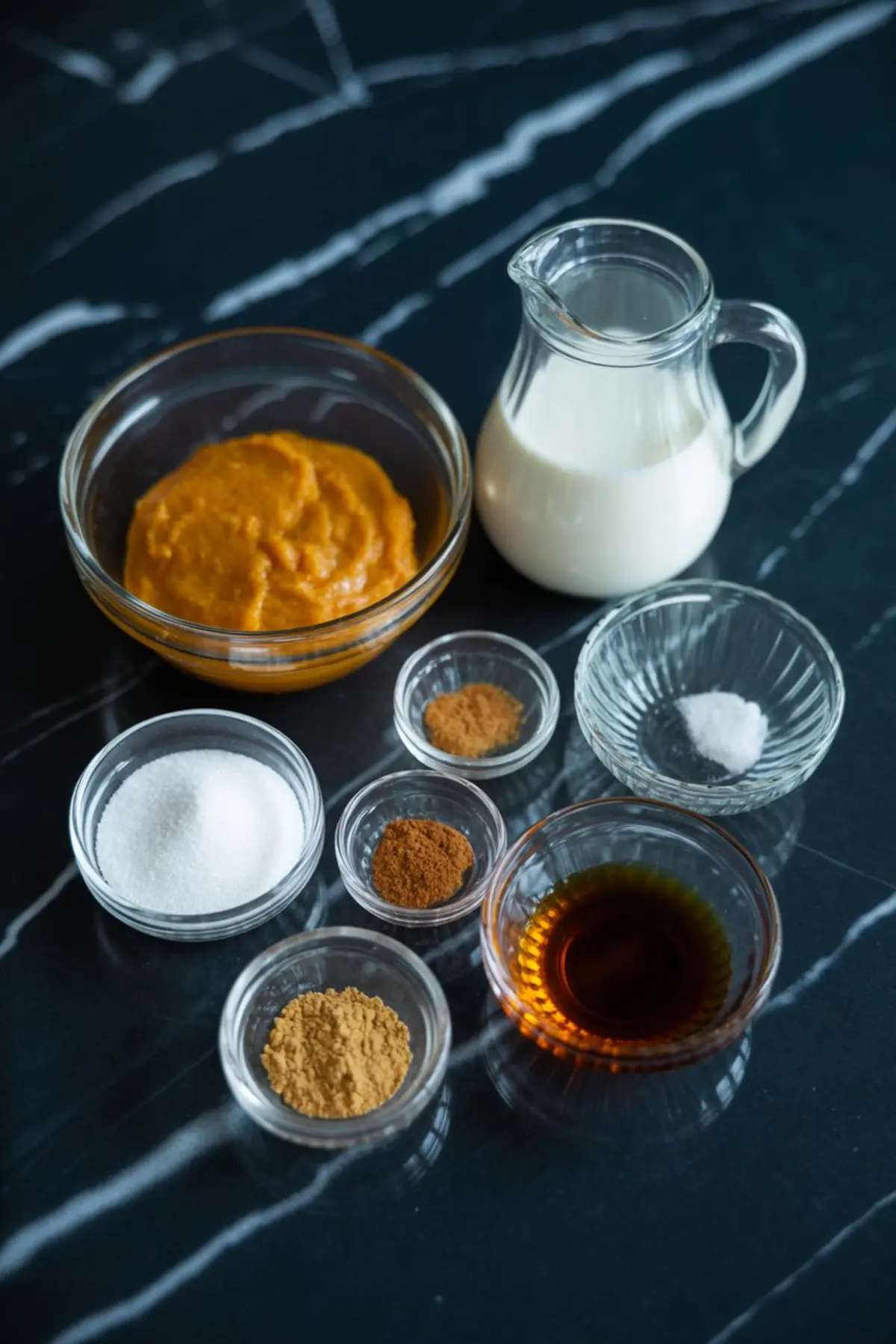
Canned or fresh-roasted both work, but consistency matters. I use one cup and make sure it’s thick, not watery. Thin purée will affect the final set. Into that, add granulated sugar and warm fall spices: cinnamon, ginger, nutmeg, and just a bit of salt to cut the sweetness.
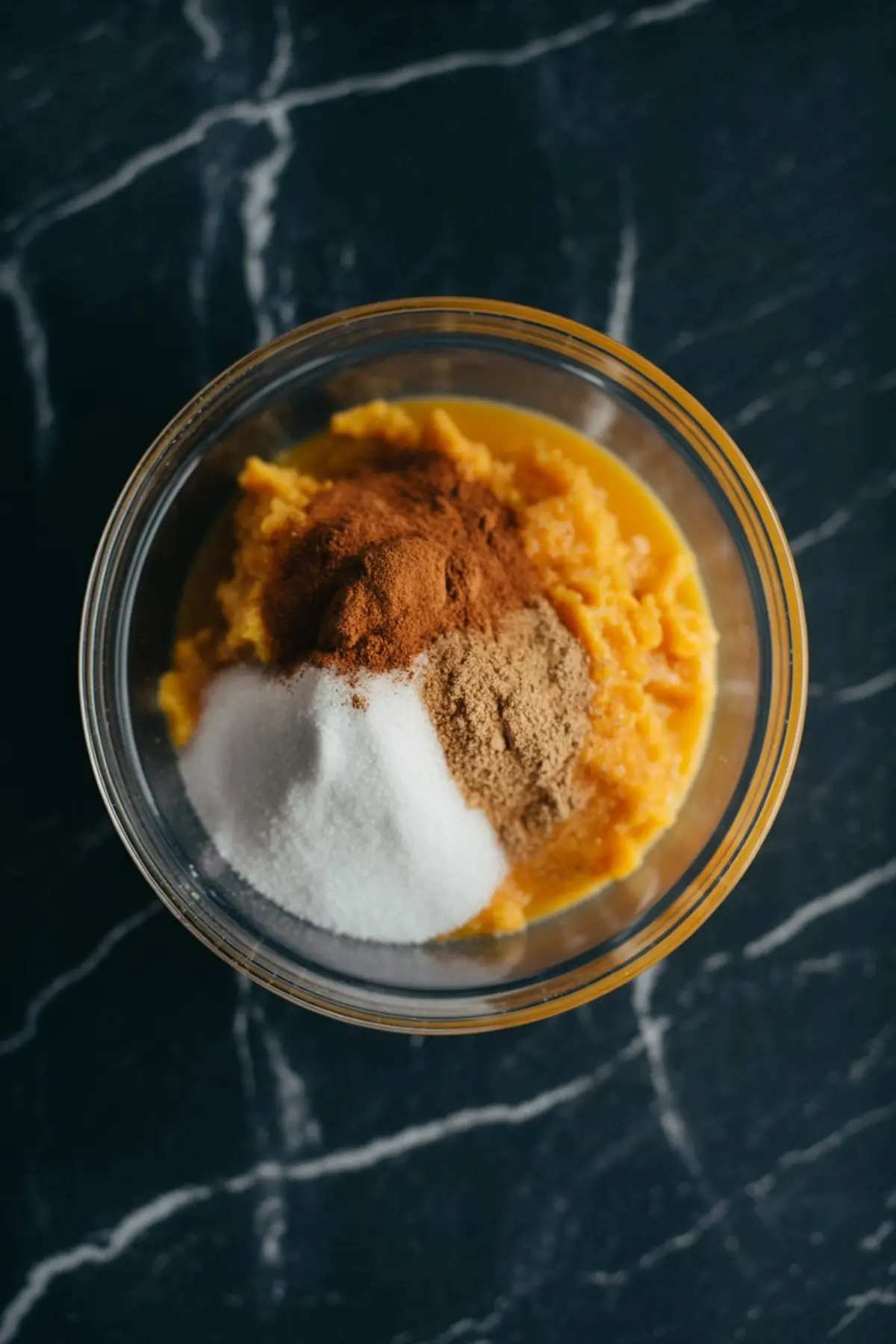
You’ll whisk all of those with cornstarch while the pan is still cold. This step is important. It keeps the mixture smooth and prevents any floury bits from clumping once the milk goes in.
I prefer whole milk when I’m cooking for the full flavor, but oat milk has worked beautifully in a dairy-free version. My notes say almond milk is fine too, though slightly thinner. If you’re wondering about the result with dairy-free options, rest assured—this recipe still sets gently and tastes like fall either way.
If you’re more of a baked dessert lover, this lands somewhere between pumpkin custard recipe and pumpkin pudding cakein texture. Soft, but not runny. Thick, but not heavy.
Cooking the Pudding Just Right

Once the dry ingredients are whisked with the pumpkin, it’s time to add the milk.
I pour it in slowly while whisking constantly. This helps keep the base smooth. Don’t rush the heat—place the saucepan over medium and start whisking as it warms. The thickening doesn’t happen right away, but you’ll notice it gradually.
I increase my whisking speed as it starts to thicken. Once it reaches a soft bubble, let it cook for about a minute more. This extra minute is essential. It takes away any raw taste from the cornstarch and deepens the pumpkin flavor.
When it’s done, take it off the heat and stir in vanilla extract. I always wait until the end so the flavor stays bright and doesn’t cook off.
You can serve the pudding warm, but I usually portion it into glass jars or bowls and press a piece of plastic wrap directly on the surface before chilling. This prevents a skin from forming on top, unless that’s your thing.
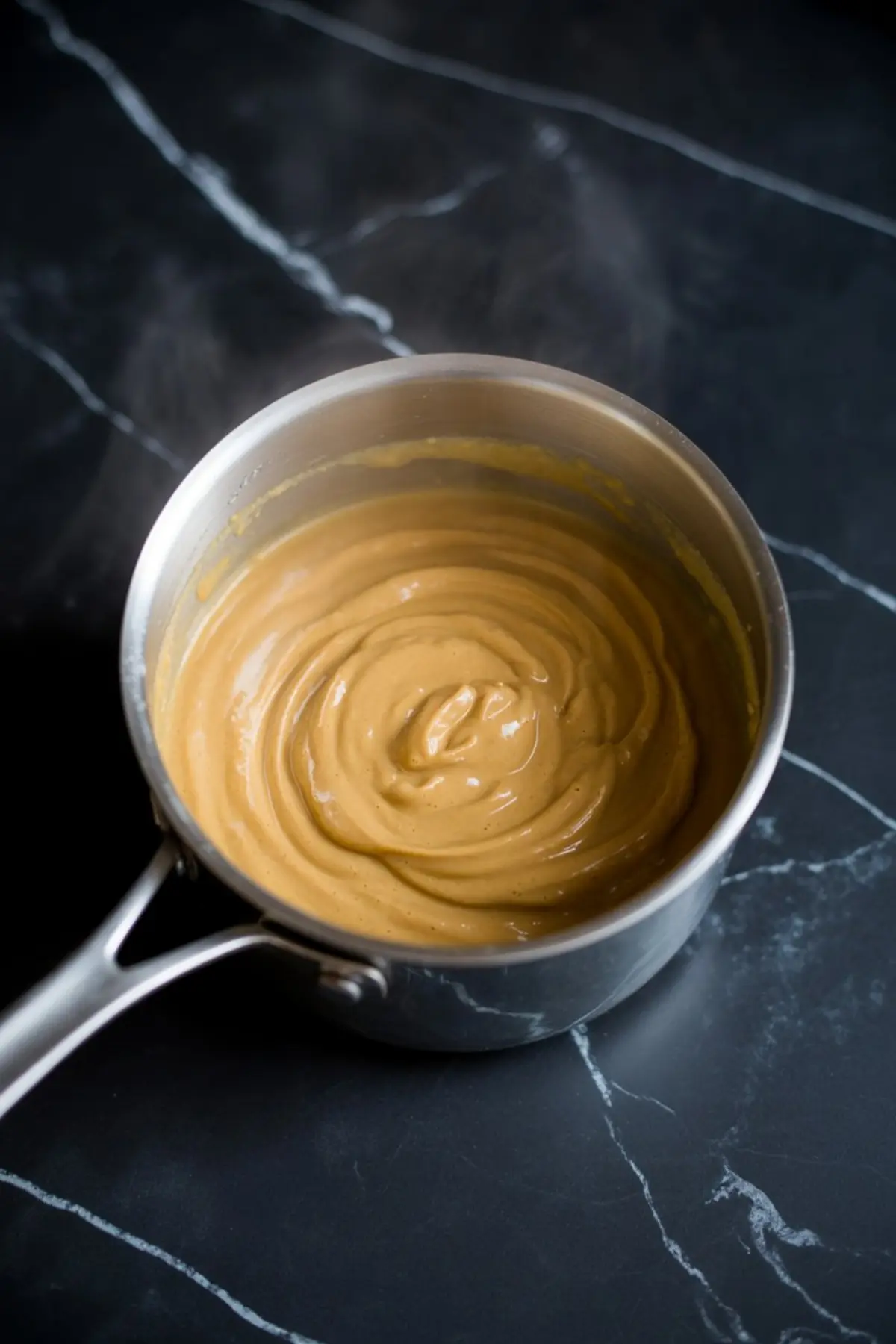
After two hours in the fridge, the texture is just right. Soft enough to spoon easily, firm enough to hold its shape.
And now. That unexpected ingredient I hinted at.
It’s banana. Mashed banana, just a couple spoonfuls folded in before chilling.
I know. It sounds unusual. But pumpkin banana pudding has a quiet richness that I return to every fall. The banana isn’t loud—it just smooths the pumpkin and warms the background. If you skip it, the recipe still works. But once you try it, you’ll want it there every time.
Comparison Note: Milk Choices and What They Really Do
I’ve tested this pudding with whole milk, almond milk, and oat milk.
In my experience, whole milk gives you the silkiest mouthfeel and rounds out the spices. Almond milk makes the pudding slightly thinner and adds a faint nutty aftertaste. Oat milk holds up better if you need a dairy-free version that still tastes full.
If I’m serving this at a dinner party or holiday gathering, I stick with whole milk for that lush, traditional finish. For casual weekday treats or light desserts, oat milk gets the job done well without losing the structure.
So it depends what you’re going for. But no matter which you choose, the base method stays the same.
Serving Ideas and Dessert Pairings
Once the pudding is chilled, you can dress it up however you like.
A dollop of whipped cream with a light dusting of cinnamon looks lovely in jars. I’ve also layered it in trifle cups with crushed graham crackers, which echoes the feel of pumpkin cobbler recipes.
Some weekends, I serve it next to pumpkin bread pudding or spoon a bit of it into my pumpkin fluff to soften the texture. The result is halfway between mousse and pudding, and the flavors carry across beautifully.
If you’re preparing a fall dessert table, this also pairs well with my pumpkin cream cheese bars. The smooth pudding makes a nice contrast to the denser, baked items.
Why This Pudding Deserves a Spot in Your Recipe Box

You don’t need an oven. You don’t need fancy ingredients.
And yet, what you get is full of flavor, thick with comfort, and easy to make ahead.
It’s the kind of dessert that grows on people. Quietly.
It doesn’t try to impress, but it always does. The soft spices, the creamy spoonful, the way it chills into a soft, pumpkin custard-like texture that holds up without being stiff.
This is one of those fall recipes you’ll come back to even when the season ends.
Save It, Share It, Make It Yours
If this silky pumpkin pudding recipe makes its way into your kitchen, I’d love to hear how it went.
Did you try it with banana? Did you use oat milk or whole? Did you serve it warm or chilled? Drop your thoughts in the comments below. I read every one.
And if you’re planning your fall board, go ahead and save this to Pinterest so it’s easy to find when the craving hits.
It’s a keeper. Truly.
Pumpkin Pudding Recipe
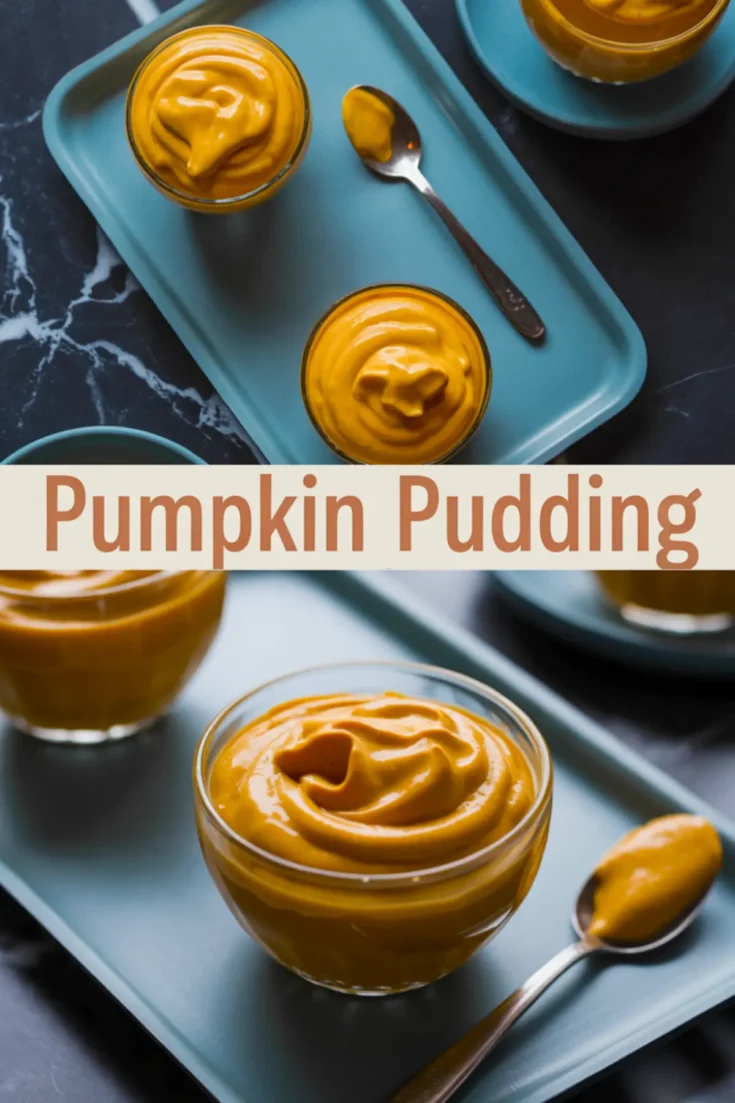
Pumpkin pudding is a smooth, spiced dessert made with pumpkin purée, milk, sugar, and warm spices. The cornstarch thickens it into a silky texture without the need for baking. The flavors are balanced with a touch of vanilla, and the pudding can be prepared in advance and chilled for serving.
Ingredients
- pumpkin purée – 1 cup (canned or fresh roasted)
- granulated sugar – 1/2 cup
- cornstarch – 3 tablespoons
- ground cinnamon – 1 teaspoon
- ground nutmeg – 1/4 teaspoon
- ground ginger – 1/4 teaspoon
- salt – 1/8 teaspoon
- milk – 2 cups (whole milk, or almond/oat milk for dairy-free)
- vanilla extract – 1 teaspoon
Instructions
WHISK DRY INGREDIENTS WITH PUMPKIN: In a medium saucepan off the heat, whisk together the pumpkin purée, granulated sugar, cornstarch, ground cinnamon, ground nutmeg, ground ginger, and salt until evenly blended.
ADD MILK: Gradually pour in the milk while whisking until the mixture is smooth with no lumps or streaks.
HEAT AND STIR: Place the saucepan over medium heat and whisk constantly as the mixture warms, starting slowly and increasing whisking speed as it thickens.
THICKEN TO PUDDING CONSISTENCY: Continue cooking and whisking until the mixture begins to bubble softly, then whisk for an additional 1 minute to remove the raw cornstarch taste.
ADD VANILLA: Remove from heat and stir in the vanilla extract until fully combined.
PORTION AND CHILL: Pour the pudding into bowls or jars. For a smooth surface, press plastic wrap directly against the pudding before chilling. Refrigerate for at least 2 hours before serving.
Notes
For a richer flavor, use whole milk. For a dairy-free option, substitute almond or oat milk. Adjust spices to taste, adding more cinnamon or ginger if preferred.
Nutrition Information:
Yield:
4Serving Size:
1Amount Per Serving: Calories: 207Total Fat: 3gSaturated Fat: 2gTrans Fat: 0gUnsaturated Fat: 1gCholesterol: 10mgSodium: 125mgCarbohydrates: 42gFiber: 2gSugar: 33gProtein: 5g
