

You might think fruit pies start and end with apple, cherry, or lemon. But pineapple pie shifts the spotlight. It’s sharp, sweet, and wildly underrated.
This pie fills your kitchen with the scent of warm vanilla and caramelized fruit. It slices neatly. It cools beautifully. And it keeps surprising people who expect whipped cream or meringue but instead find golden lattice and a tropical punch.
You’ll learn how to thicken a juicy pineapple filling, work with either canned or fresh fruit, and get a clean slice without extra steps. I’ve made this pie in sticky July heat and on slow rainy mornings, and it’s never once let me down.
There’s also one quiet ingredient in this filling that changes the balance. A small spoonful that doesn’t shout. I’ll get to it, I promise. But first, let’s get that dough ready.

How to Prep Fresh Pineapple Pie Filling for Best Texture
You can use chopped fresh pineapple or go with canned. Both work. If you’re chopping fresh fruit, keep the pieces small. About the size of halved grapes.
Smaller cuts help the cornstarch cling. I learned that one the sticky way—larger chunks tend to slip out of the crust when sliced.

If you go with canned, drain it very well. Let the fruit sit in a strainer while you prep the crust, and even pat it dry with a paper towel if you’re short on time. Wet filling turns runny, and runny pies slump.
The sugar gets stirred in with the lemon juice, cornstarch, and a drop of vanilla. That short simmer turns it all jammy and thick. When it bubbles and glistens, take it off the heat. Don’t overcook. It’ll thicken more as it cools.
I often make the filling first and let it sit while I roll out my crust.
If you like citrus-bright pies, you might also enjoy this Lemon Pie Recipe. The sharpness cuts right through the sweet.
Why Lattice Crust Works So Well with Pineapple Pies
The lattice top gives more than looks. It lets steam escape, which is exactly what this filling needs. Pineapple has natural sugars that bubble fast in the oven. An enclosed crust traps that moisture and causes soggy bottoms.
A lattice gives you control. I roll my top dough and cut it into strips just shy of an inch wide. Then I weave them loosely, letting a few gaps stay open.

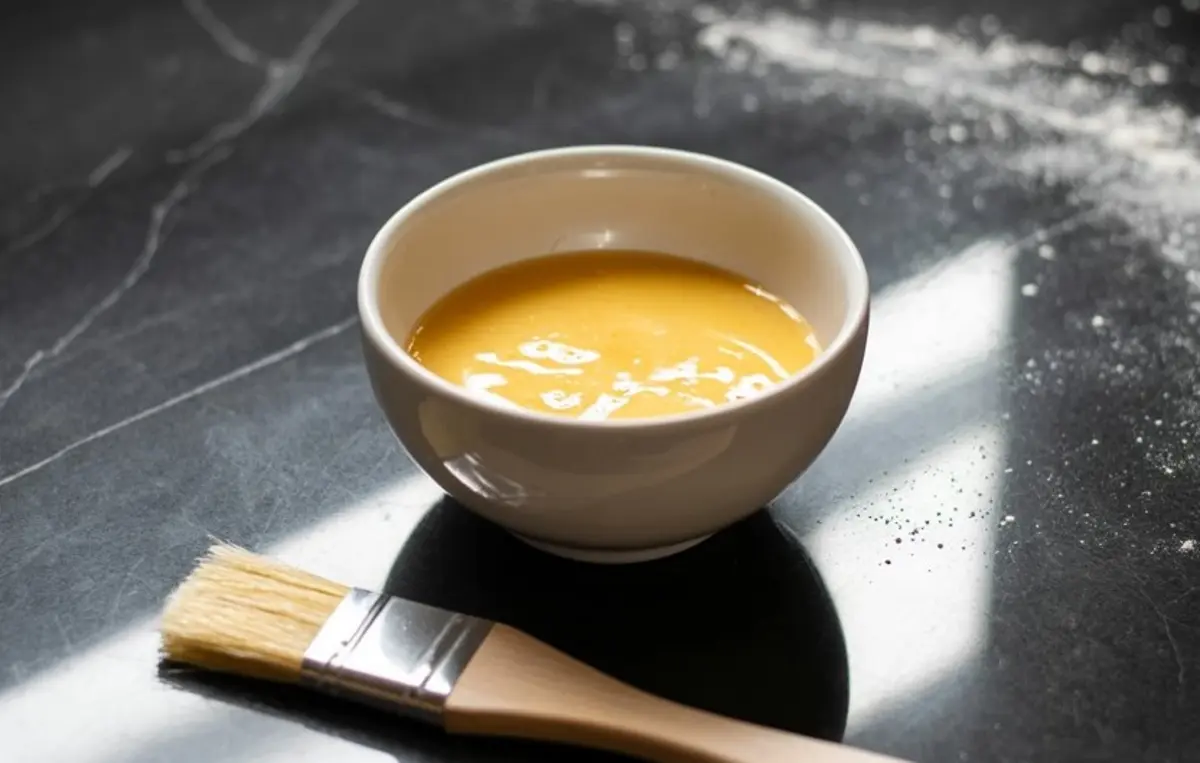
The crust gets brushed with egg yolk and milk, then dusted with coarse sugar. That caramelizes in the oven and makes each bite snap under your fork.
If you prefer a smoother finish, powdered sugar after baking works too. I’ve done both, but I always come back to the coarse sparkle.
Fresh vs Canned Pineapple: Which Bakes Better?
I’ve baked this with fresh Maui Gold and with standard canned chunks from the supermarket shelf. Here’s what stood out.
Fresh pineapple gives brighter acidity. It holds its shape better and has a lightness to it, especially if you add lemon juice.
Canned pineapple brings consistency. It’s softer, so the filling leans toward a pineapple pudding texture. If you cook it long enough, it sets nicely.
In my notes, I’ve found the best combo is half fresh and half canned. You get the tart brightness and the mellow finish together.
That balance makes this one different from a creamy Banana Pie Recipe, but just as easy to enjoy chilled.
How to Bake and Cool Pineapple Pie for Clean Slices
Once your filling is spread and your lattice is sealed, make sure the pie rests on a baking sheet. Pineapple juice bubbles fast, and the sheet saves your oven floor.
I bake mine at 400°F for about 38 minutes. If the edges brown too quickly, I cover them with foil. Don’t panic if you see bubbling through the lattice—that’s a good sign.
After baking, leave the pie on a wire rack for two hours. It feels like forever, but don’t skip this.
Warm pies fall apart. Cool pies hold. I’ve even popped it in the fridge for the last 30 minutes just to make slicing easier.
If you love summer-style bakes like this, the Peach Pie Recipe is another favorite of mine when stone fruits are ripe and heavy.
My Favorite Trick: The Quiet Vanilla That Ties It All Together
Here’s the part I hinted at earlier. That small spoonful in the filling?
It’s vanilla. Real extract. Just half a teaspoon, added once the mixture thickens.
You don’t notice it right away. But it rounds off the edges. It softens the lemon. And it tames the pineapple from turning sour or too bright.
The butter dotted on top before baking melts into that vanilla-scented jam and deepens the flavor.
In warm slices, you’ll taste fruit first, then sugar, then this quiet warmth that lingers. That’s the vanilla. It’s simple, and it’s gold.
Serving Suggestions and Storage Tips for Pineapple Pie
You can serve this warm with a spoonful of whipped cream or chilled in clean wedges.
I’ve taken this to brunches, beach days, and late dinners with grilled chicken. It works room temperature or straight from the fridge.
If you want to try more tropical ideas, the Coconut Pie Recipe pairs beautifully with a cold brew or a slice of lime.
To store leftovers, I wrap the pie loosely in foil and refrigerate. The crust softens a little by day three, but the flavor holds up.
I wouldn’t freeze this one. The pineapple texture gets grainy and the crust turns mealy after thawing. This pie deserves to be eaten fresh, or at least within 48 hours.
Save and Share This Pineapple Pie Recipe
If you’re drawn to summer fruit pies or love trying new pineapple dessert recipes, this one gives you something a little different. The filling sets like a soft pineapple pudding, the crust bakes golden, and it holds up beautifully to slicing.
You’ll want to pin this to your Fruit Pies board so it’s there the next time you have leftover pineapple or a canned stash in the pantry.
And I’d love to hear how yours turned out. Did you use fresh or canned? Did you try powdered sugar on top?
Leave a comment below, or share your own twist. Someone might learn from your version, and that’s how recipes live on.
Pineapple Pie Recipe

A golden pineapple pie brings bright, tropical flavor wrapped in a flaky, buttery crust. This pie uses fresh or canned pineapple cooked into a thick, jammy filling that's balanced with lemon juice and vanilla. A lattice top adds a classic finish, and the pie slices cleanly after cooling. Serve it slightly warm or fully chilled.
Ingredients
- FOR THE FILLING
- 3½ cups chopped fresh pineapple or two 15 oz cans pineapple chunks in juice, well drained
- ⅔ cup granulated sugar
- 3 tablespoons cornstarch
- 1 tablespoon lemon juice
- ½ teaspoon vanilla extract
- Pinch of salt
- 1 tablespoon unsalted butter, diced
- FOR THE CRUST AND TOP
- 1 double-crust all-butter pie dough (store-bought or homemade)
- 1 egg yolk
- 1 tablespoon milk
- Coarse sugar or powdered sugar, for finishing
Notes
Use a light hand when cutting fresh pineapple—small, even chunks help distribute moisture evenly and support a neat slice. If using canned pineapple, drain it thoroughly to avoid a runny filling. Cooling fully is essential to proper set.
Nutrition Information:
Yield:
8Serving Size:
1Amount Per Serving: Calories: 414Total Fat: 11gSaturated Fat: 5gTrans Fat: 0gUnsaturated Fat: 5gCholesterol: 31mgSodium: 168mgCarbohydrates: 80gFiber: 2gSugar: 58gProtein: 2g
