

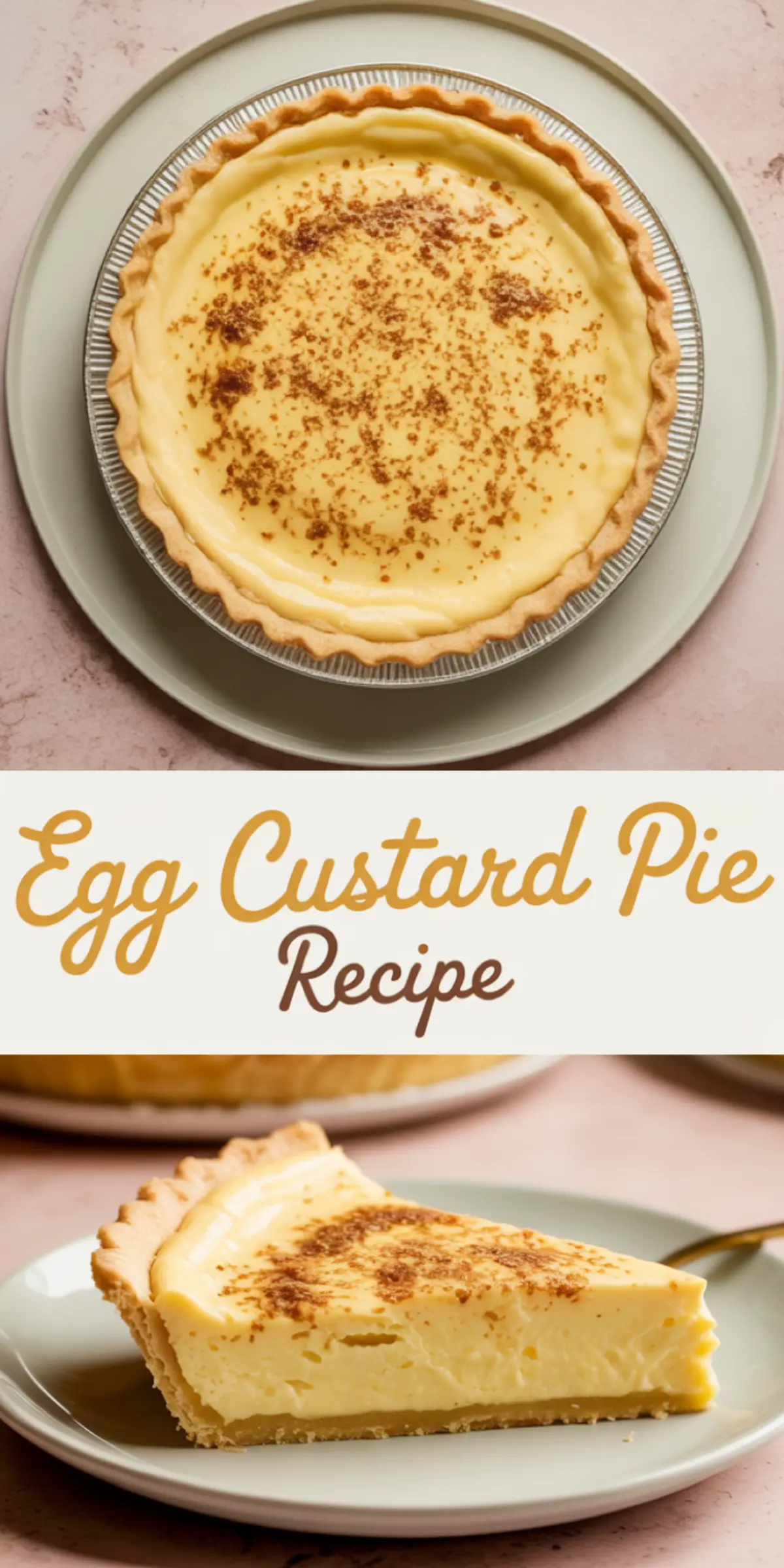
There’s something steadying about an egg custard pie. It doesn’t chase trends. It doesn’t call for fancy toppings or clever fillings. It simply asks for eggs, milk, sugar, and a pie shell, ingredients that have likely sat in your kitchen longer than you can remember.
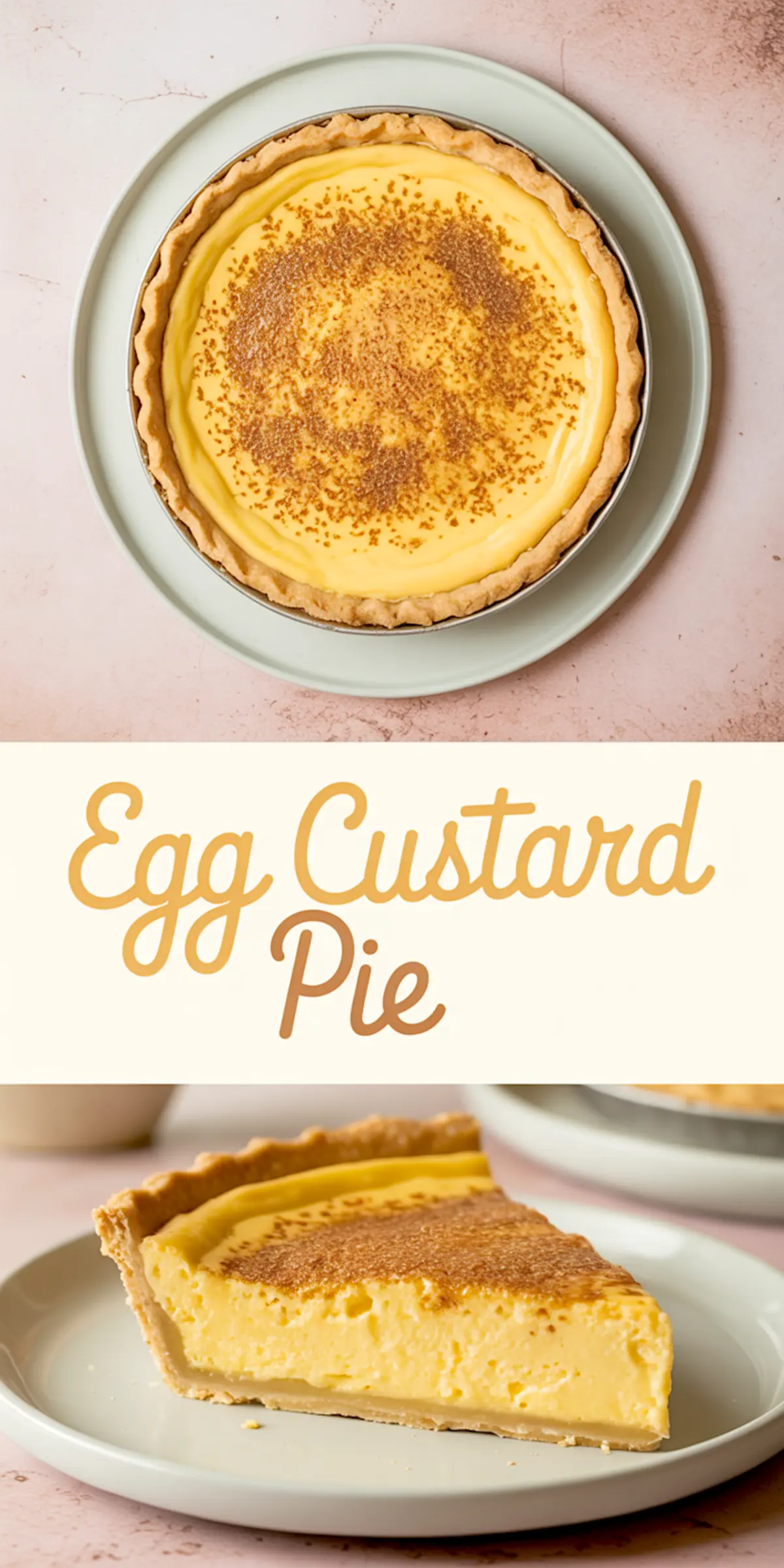
This pie sets softly, never in a hurry. The top may ripple as it cools, and the center may wobble when you nudge the pan. That’s alright. If it jiggles a little too long or cracks a touch across the top, don’t fuss. I’ve made this pie a hundred ways, and it always comforts in the same way.
You’ll find variations with different names: Egg Custard Tart Recipe, Crustless Custard Pie, even Baked Egg Custard in ramekins. But the old-fashioned egg custard pie brings them all back to the same truth. Gentle. Familiar. Honest.
Pantry Ingredients with Predictable Results
Every time I open my handwritten notebook, I see this one copied in faded blue ink, with a small note beside it: “Add nutmeg if calm is needed.” I think I wrote that during a particularly long winter.
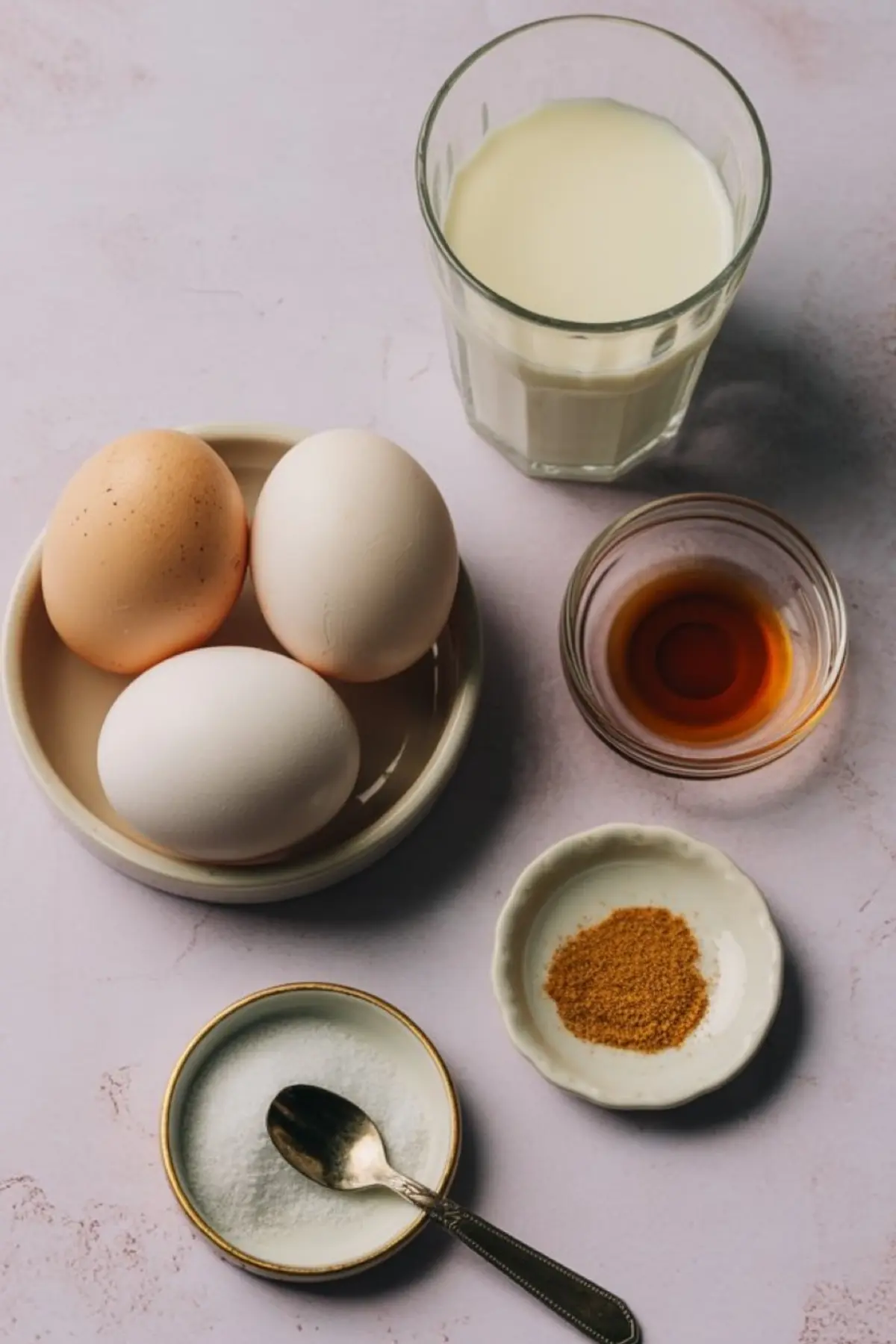
The ingredients need no explaining. Three eggs. Sugar. Milk. Vanilla. A pinch of salt. The pie crust must be blind-baked to keep it from turning soggy underneath the custard. If you skip that step, the bottom may soften too much before the center sets.
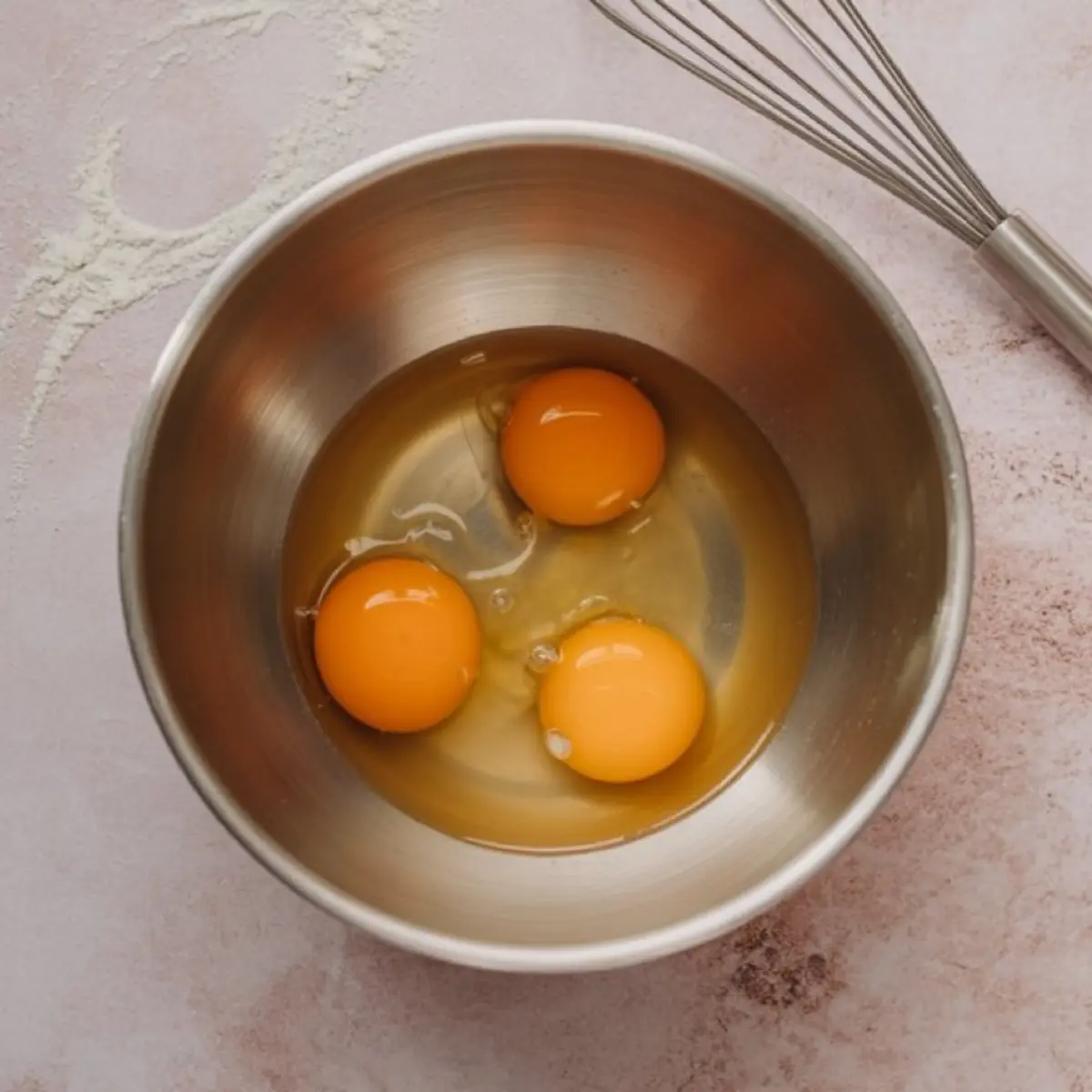
You can use store-bought crust if the day is long. I’ve done it plenty of times. On quieter mornings, I roll out my butter dough and let it rest while I whisk the custard. Either way, the result will slice cleanly once it chills. For a fruit-based option, this Peach Pie brings the same simplicity with a sunny twist.
A Simple Technique That Welcomes Patience
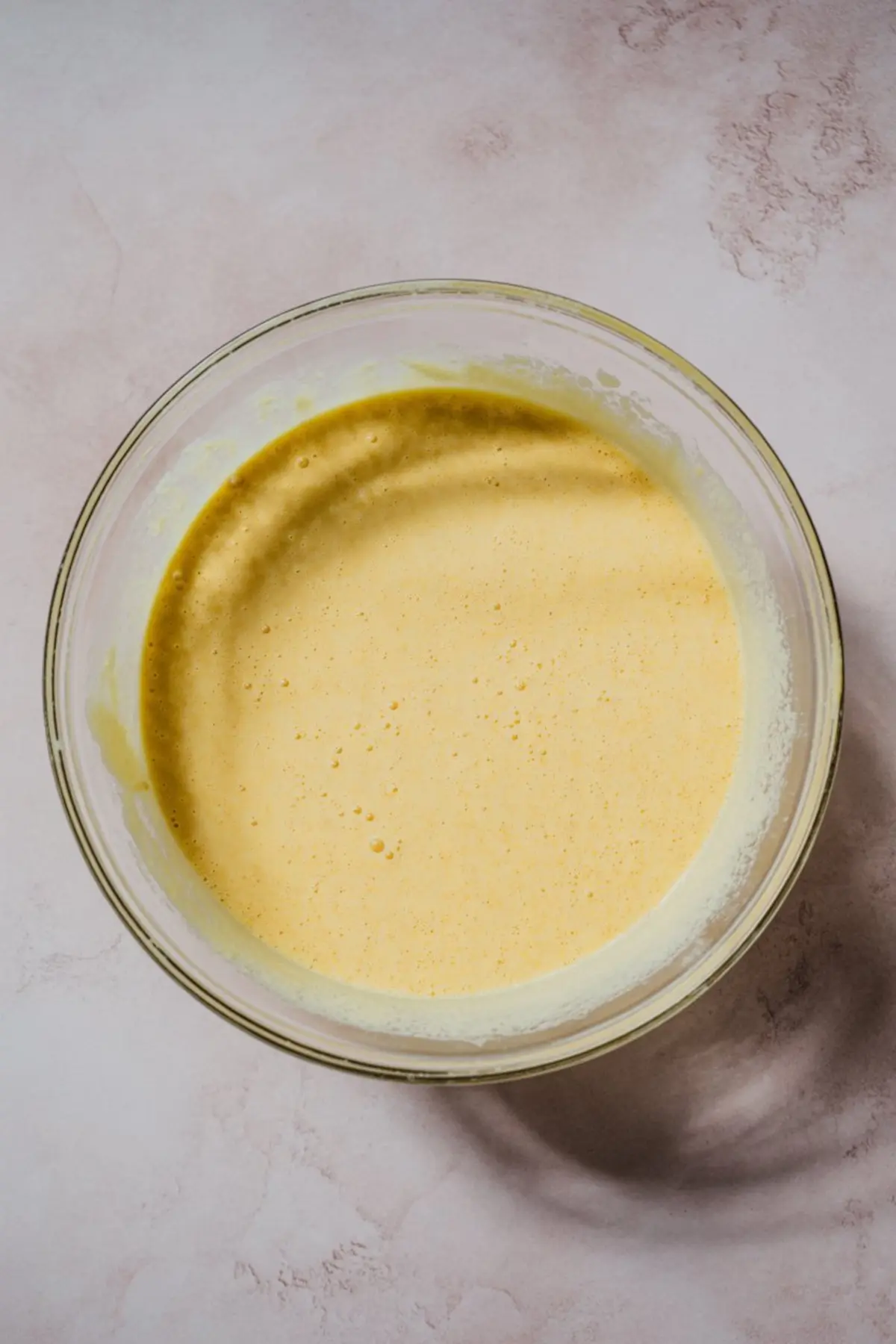
In my notes, I’ve tried both warming the milk first and leaving it cold. Warming it slightly before whisking creates a silkier finish, but it isn’t necessary. If the milk is cold from the fridge, the custard still sets well—just be sure you mix slowly so the bubbles don’t form too quickly. Bubbles make the top uneven.
A reader once asked me if she could bake this as an Impossible Custard Pie without the crust. Yes, it works. But I always return to this method. I like the way the custard clings to the edges of a sturdy shell. If you ever try a Crustless Custard Pie version, remember to grease the dish well and adjust the baking time slightly.

This Custard Pie Old Fashioned version is very close in structure, though I add a touch less sugar here for a milder sweetness.
Before Baking: Trust Your Hands
The pie bakes at 350°F, steady and calm. The edges should firm up first while the center jiggles like jelly. Don’t poke it. Let it finish slowly. If you pull it too early, it won’t slice well. If you overbake, it may puff and crack. That’s alright, too. A cracked custard still comforts. I’ve served one with a long crack across the middle, and no one left a crumb behind.
Once the pie cools on the counter, I tuck it in the fridge for at least two hours. That part matters. Warm custard will fall apart when sliced. Give it time to set.
If you’re fond of apple-based bakes, this Apple Crumble Pie layers beautifully with gentle spice and a soft streusel that holds up well with custard.
A Thoughtful Comparison: Whole Milk vs. Evaporated
In the past, I’ve tried making this with evaporated milk when whole milk wasn’t on hand. It does work. The texture becomes denser, and the flavor deepens slightly. But I find that whole milk gives the custard its gentle wobble. If you prefer a firmer custard, evaporated milk might suit you. But for that soft, sliceable finish that reminds me of childhood summers, whole milk wins.
If you have eggs and milk but want something richer and deeper, the Butterscotch Pie uses a brown sugar base that adds warmth and heft.
A Dusting of Nutmeg, If You Like
Before the pie goes into the oven, I add just a whisper of ground nutmeg across the top. It reminds me of the pies my grandmother used to cool on the windowsill. That scent alone brings me back to a quieter kitchen.
I once told Chloe to add the nutmeg only if she needed stillness. She wrote it down and folded the card into her recipe box. I feel proud when I see her take these notes seriously. She always had a way of turning memory into method.
What This Pie Offers the Baker
Egg custard pie doesn’t ask for drama. It just wants your attention for a few minutes at a time. Whisk slowly. Don’t rush the cooling. Use the back of a spoon to tap the custard before slicing—if it sounds like it’s whispering back, it’s ready.
If your crust pulls away from the edges, that’s fine. If your custard darkens too quickly, cover it gently with foil next time. And if your pie jiggles more than it should after baking, let it sit longer. Your hands will know.
A warm kitchen. A chilled pie. A few quiet bites. That’s all this dessert needs.
A Quiet Invitation
If you’ve made this pie or plan to try it soon, I’d love to hear how it turned out. You can leave a note below or ask a question if something feels uncertain. I keep my notebook nearby, just in case.
Save this recipe to your favorite board so it’s easy to find again. These old pies have a way of coming back when we need them.
Egg Custard Pie Recipe

Egg custard pie is a simple dessert with a smooth, creamy texture and gentle vanilla flavor. It uses basic pantry ingredients and bakes in a blind-baked pie crust for a soft, sliceable finish with a light dusting of nutmeg on top. The custard sets gently in the oven and chills to perfection, making each bite soft and comforting.
Ingredients
- 1 blind-baked 9-inch pie crust
- 3 large eggs
- ¾ cup granulated sugar
- 2 cups whole milk
- 1 teaspoon vanilla extract
- 1 pinch salt
- ⅛ teaspoon ground nutmeg, for topping
Notes
Blind bake the crust before filling to prevent it from becoming soggy. To blind bake, prick the base of the crust with a fork and bake at 350°F (175°C) for about 10 minutes without pie weights.
Nutrition Information:
Yield:
8Serving Size:
1Amount Per Serving: Calories: 236Total Fat: 9gSaturated Fat: 4gTrans Fat: 0gUnsaturated Fat: 5gCholesterol: 76mgSodium: 160mgCarbohydrates: 33gFiber: 1gSugar: 23gProtein: 6g
