

Butterscotch pie has always felt steady. It’s the sort of pie that doesn’t shout for attention, but folks always ask for seconds. This kind of recipe stays tucked inside old community cookbooks and handwritten index cards, the ones smudged with butter and speckled with sugar. You don’t need to dress it up. Just serve it cold, with a soft layer of cream on top, and let the pie do the rest.
This filling starts on the stovetop with brown sugar and ends up a cool, silky slice of comfort. If you’ve made chocolate pudding pie before, you’ll find this butterscotch version slower and richer. The ingredients are simple, but the method asks for patience. And that’s where the magic comes in.

The Pie Crust Holds It All

Start with a single pie crust, already blind-baked and cooled. You can use a store-bought one or roll it out from scratch. I’ve done both, and either will hold the butterscotch custard just fine. Homemade crusts bring a deeper flavor, especially if you add a pinch more salt. But on a humid day, I reach for the frozen kind without guilt. If it cracks, don’t worry. The custard fills the gaps.
If you’ve never blind-baked a crust before, all you need is parchment paper and pie weights. This step keeps the bottom firm enough to carry the filling without softening too much in the fridge. Once cooled, set the crust aside while you prepare the custard.

Butterscotch Pie Filling with Brown Sugar and Butter
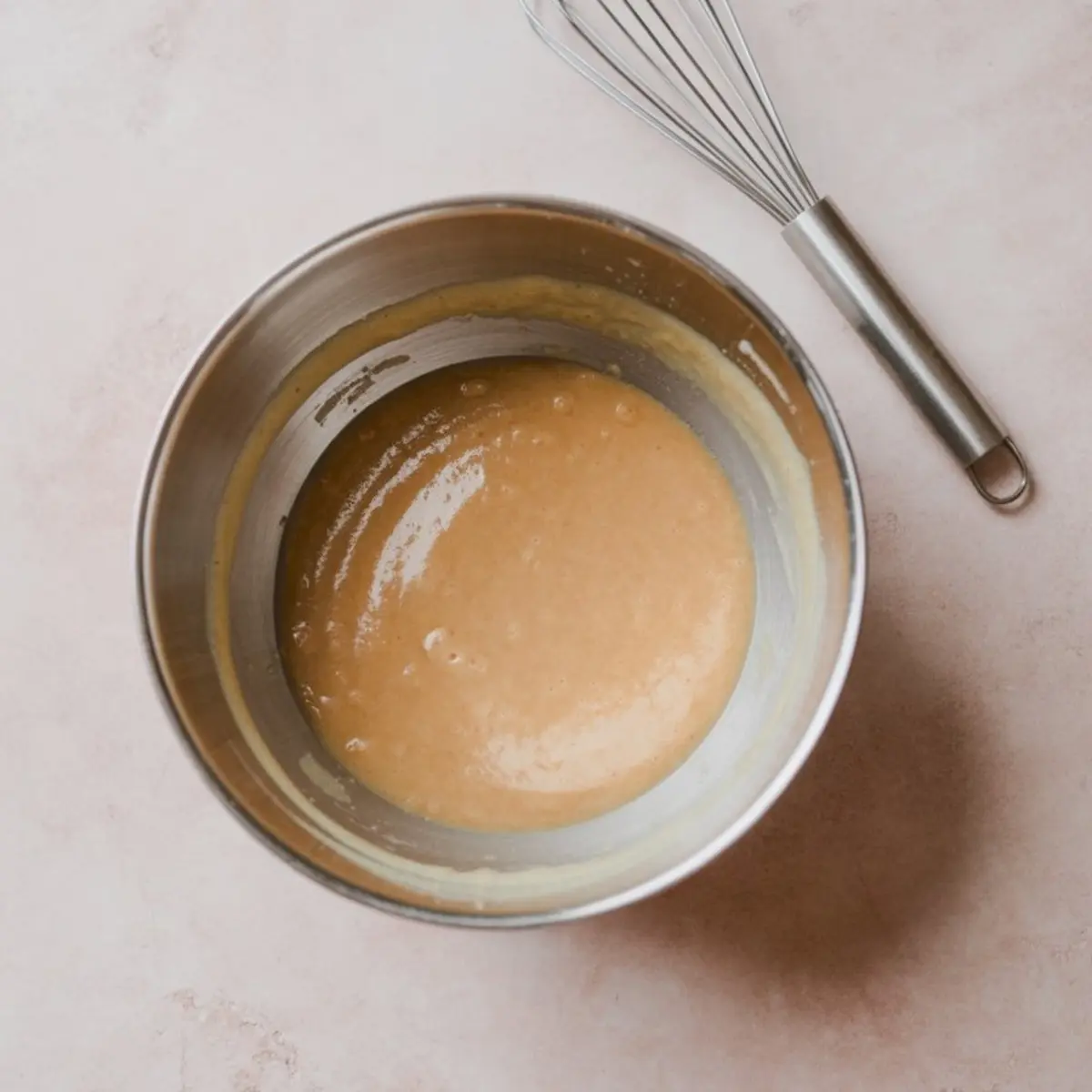
This filling reminds me of the way my mother stirred gravy—slow, careful, constant. The brown sugar melts into the milk, and the mixture thickens gently. Cornstarch helps it set without adding grain. I’ve used both dark and light brown sugar. Dark brown brings a deeper note, like molasses. Light brown sugar creates a gentler sweetness. I reach for dark if I plan to add butterscotch chips on top.
The butter goes in once the mixture thickens. It doesn’t just add richness—it smooths everything. You’ll temper the egg yolks before adding them back to the pot. That step keeps the custard creamy. I always write myself a note here in my recipe book: “Don’t rush the eggs.”
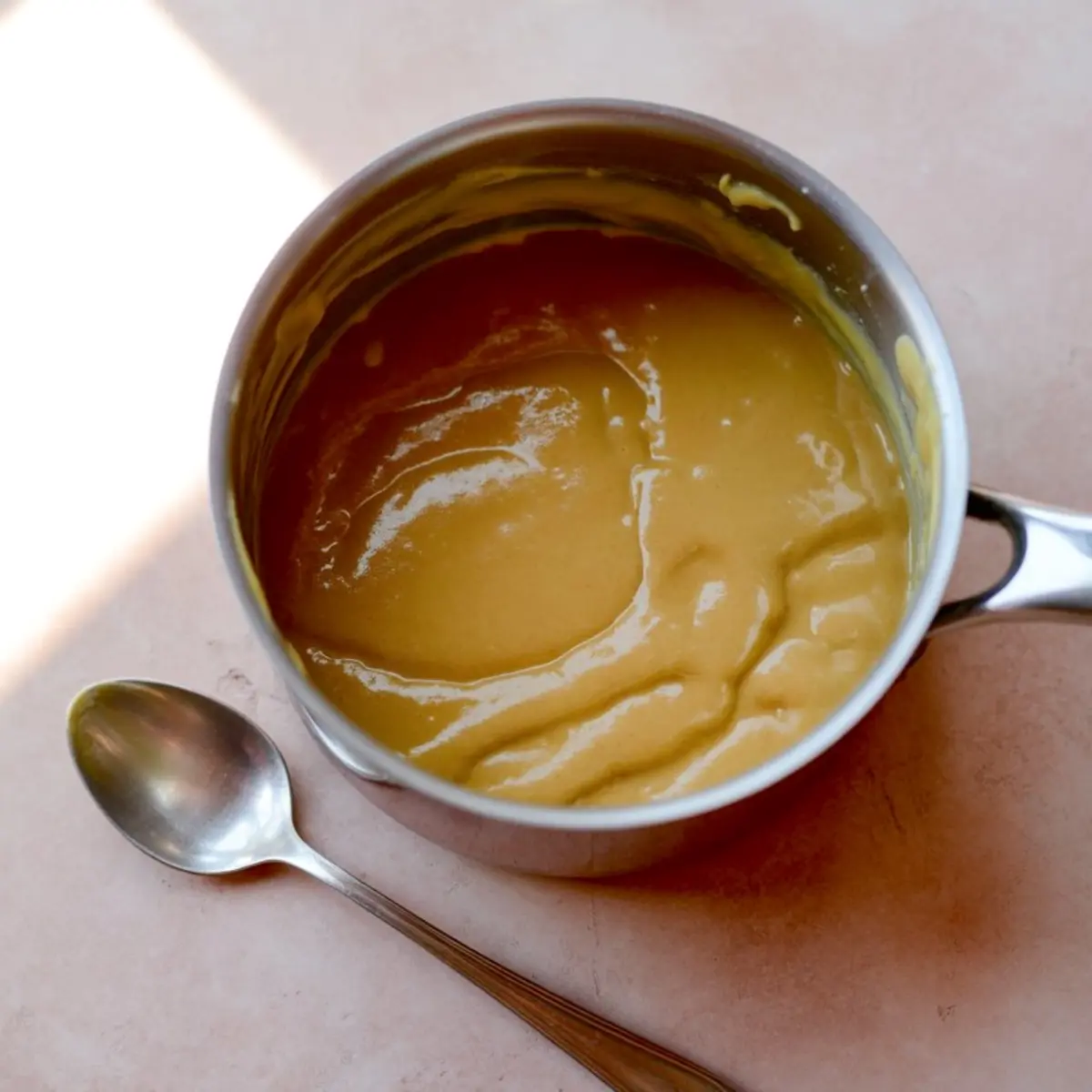
This is where you’ll want to stir without stopping. The final thickening takes just a few minutes. Once the custard coats the back of a spoon and holds a trail from your finger, you’re ready to take it off the heat.
Pour, Cool, and Chill with Care
Add vanilla last. That one teaspoon finishes the filling with warmth. Pour the hot mixture into your cooled pie shell and smooth the top. I use an old silicone spatula that’s lost its edge from years of use, but it still spreads the filling just right.
Let the pie cool to room temperature before you refrigerate it. I always press plastic wrap right against the surface. It keeps a skin from forming and helps the custard settle evenly. Give the pie at least four hours in the refrigerator. Overnight is better. The flavor deepens while it rests.
I like to keep my Coconut Cream Pie nearby in the summer months, but this butterscotch version has a way of feeling just right year-round.
Make the Whipped Cream Topping

You’ll need cold heavy cream, a bit of powdered sugar, and vanilla extract. Beat them until the cream holds peaks. This topping softens the butterscotch’s richness. Spread it gently over the chilled pie. Some days I spoon it on in swirls, other times I smooth it flat. Both ways taste the same.
As for toppings, butterscotch chips bring a stronger flavor. Crushed graham crackers add a texture contrast that my grandson always notices. You can leave it plain, too. The filling carries its own weight.
If you enjoy pies that balance soft sweetness with deeper notes, this French Silk Pie might be your next one to try.
Notes from My Kitchen Table
I’ve made this pie for church suppers, birthdays, and one quiet Tuesday after Chloe told me she’d finally launched her first baking guide. I keep her email on my fridge. She’s grown into a thoughtful baker. One I’m proud of.
The filling won’t set if you skip the chilling time. And if it looks a little loose at first, give it more rest. The custard will firm up.
For a twist, you could turn this into a butterscotch pecan pie by folding in toasted pecans before pouring the filling. I’ve written that variation on the back of my card, marked with a small star.
And if you’re drawn to pies with old-fashioned character, this Derby Pie might feel familiar too.
Let the Pie Speak Softly
This pie doesn’t ask for drama. It sets up in the quiet of your fridge and cuts clean once chilled. Serve it straight from the pan or dressed up with whipped cream and a few crumbs. I like it best with coffee in the afternoon, but it holds its own beside stronger desserts.
You can think of it as a cousin to a caramel pie recipe or a homemade butterscotch pudding pie. But unlike the stovetop versions, this one holds a slice. That’s the part I love most.
If you prefer a deeper chocolate version instead of butterscotch, this chocolate pudding pie holds that same custard strength.
Come Back to This One

If you try this butterscotch pie, I’d love to hear how it went. Leave a note or share how you topped it. Save the recipe so you can find it next time you want something soft and sweet that doesn’t ask too much of you.
Butterscotch Pie Recipe
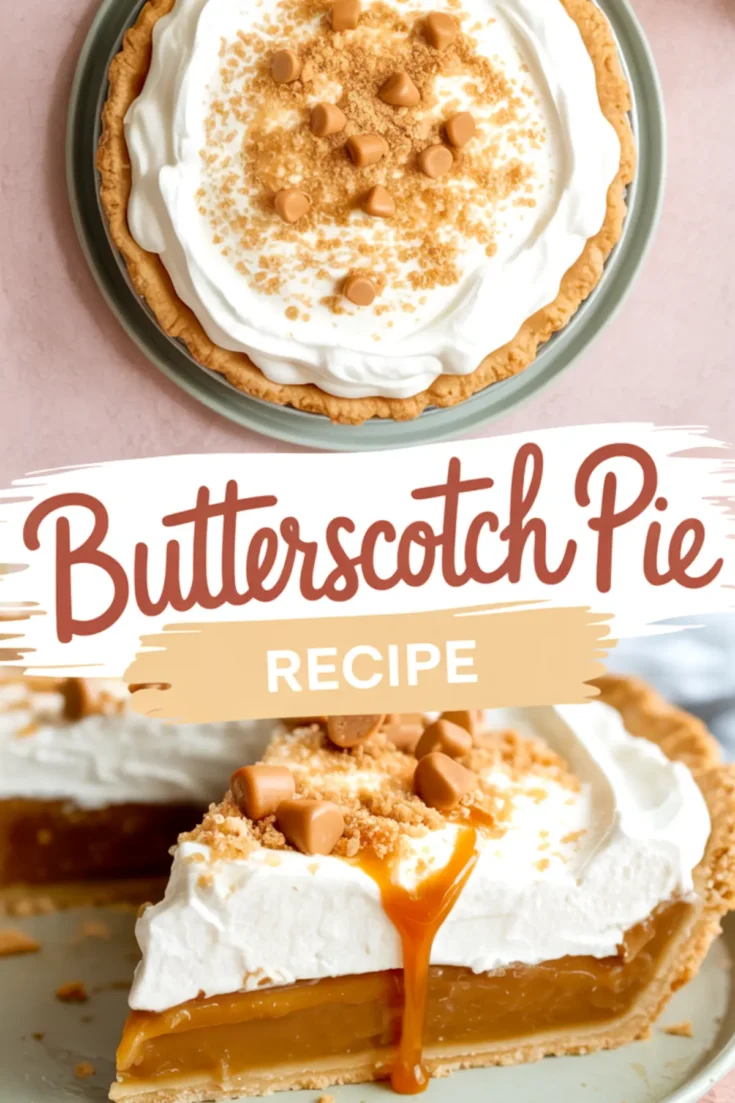
Silky butterscotch pie is made from scratch with brown sugar, butter, and egg yolks to create a rich, custard-style filling. It sets in a baked pie crust and chills before being topped with whipped cream.
Ingredients
- 1 9-inch single pie crust, blind-baked and cooled
- 1 cup packed brown sugar (light or dark)
- 1/4 cup cornstarch
- 1/8 teaspoon salt
- 2 1/2 cups whole milk
- 3 tablespoons unsalted butter
- 4 large egg yolks
- 2 teaspoons vanilla extract
- 1 cup heavy cream
- 2 tablespoons powdered sugar
- 1 teaspoon vanilla extract (for whipped topping)
- Optional toppings
- Butterscotch chips
- Crushed graham crackers
Instructions
- BLIND-BAKE THE PIE CRUST: Preheat the oven to 375°F (190°C). If using a homemade crust, roll it out and press it into a 9-inch pie dish. Prick the bottom with a fork, line with parchment paper, and fill with pie weights. Bake for 15 minutes, then remove the weights and bake for another 10 minutes or until golden brown. Let it cool completely.
- MIX DRY INGREDIENTS IN SAUCEPAN: In a medium saucepan, combine the brown sugar, cornstarch, and salt. Whisk together until evenly mixed.
- ADD MILK AND COOK: Slowly whisk in the whole milk, making sure the mixture is smooth. Set the pan over medium heat and cook, stirring constantly, until the mixture begins to thicken, about 7 to 10 minutes.
- ADD BUTTER: Once thickened, reduce the heat to low and stir in the butter until melted and fully incorporated.
- TEMPER EGG YOLKS: In a small bowl, beat the egg yolks. Ladle a small amount of the hot mixture into the yolks while whisking to temper. Then whisk the tempered yolks back into the saucepan.
- COOK UNTIL FULLY THICKENED: Continue cooking over low heat for another 2 to 3 minutes, stirring constantly, until the filling is thick enough to coat the back of a spoon.
- ADD VANILLA AND ASSEMBLE PIE: Remove the pan from the heat and stir in the vanilla extract. Pour the hot filling into the cooled pie crust and smooth the surface with a spatula. Let it cool to room temperature.
- CHILL THE PIE: Cover the pie with plastic wrap, pressing it directly onto the surface to prevent a skin from forming. Refrigerate for at least 4 hours or overnight until fully set.
- MAKE WHIPPED TOPPING: In a mixing bowl, beat the heavy cream, powdered sugar, and vanilla extract until stiff peaks form.
- TOP AND SERVE: Spread the whipped cream over the chilled pie. Garnish with butterscotch chips and crushed graham crackers if desired. Slice and serve chilled.
Notes
Use dark brown sugar for a deeper molasses flavor or light brown sugar for a milder taste. Be sure to stir the custard constantly during cooking to prevent lumps or scorching. The pie can be made one day ahead and stored in the refrigerator.
Nutrition Information:
Yield:
8Serving Size:
1Amount Per Serving: Calories: 571Total Fat: 33gSaturated Fat: 19gTrans Fat: 0gUnsaturated Fat: 11gCholesterol: 169mgSodium: 243mgCarbohydrates: 61gFiber: 1gSugar: 45gProtein: 9g
