
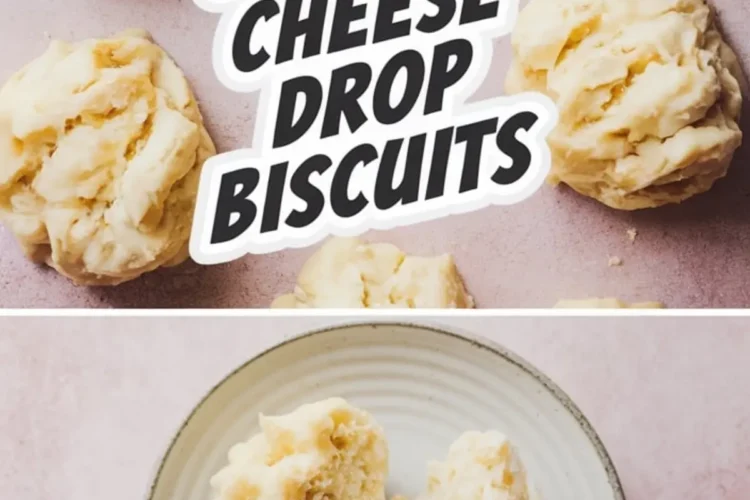
There’s something I like about a biscuit that doesn’t need fussing. No folding. No cutting. Just stir, scoop, and bake. These cottage cheese drop biscuits belong to that kind of baking. The kind you can trust on a tired evening, when your hands are steadier than your spirit and you just want something warm on the table.
The cottage cheese does all the lifting here, both the fat and the moisture. You don’t need buttermilk or cold butter. You don’t even need a rolling pin. And still, the result is a tender biscuit with crisp edges and a soft, creamy middle that holds just enough bite.
I have this one written in my notebook, next to the stain from where I once knocked over a mug of tea. The page is wrinkled now, but I can still make out my note in the corner: “Serve with soup. Or stand at the stove and eat two before anyone sees.”
Why Cottage Cheese Biscuits Work So Well
You might wonder whether the curds will show. They won’t, not once baked. They melt into the dough, giving it moisture and lightness. Full-fat cottage cheese gives the best crumb, though I’ve used low-fat in a pinch. The biscuits turn out a little less rich, but they still hold their softness.
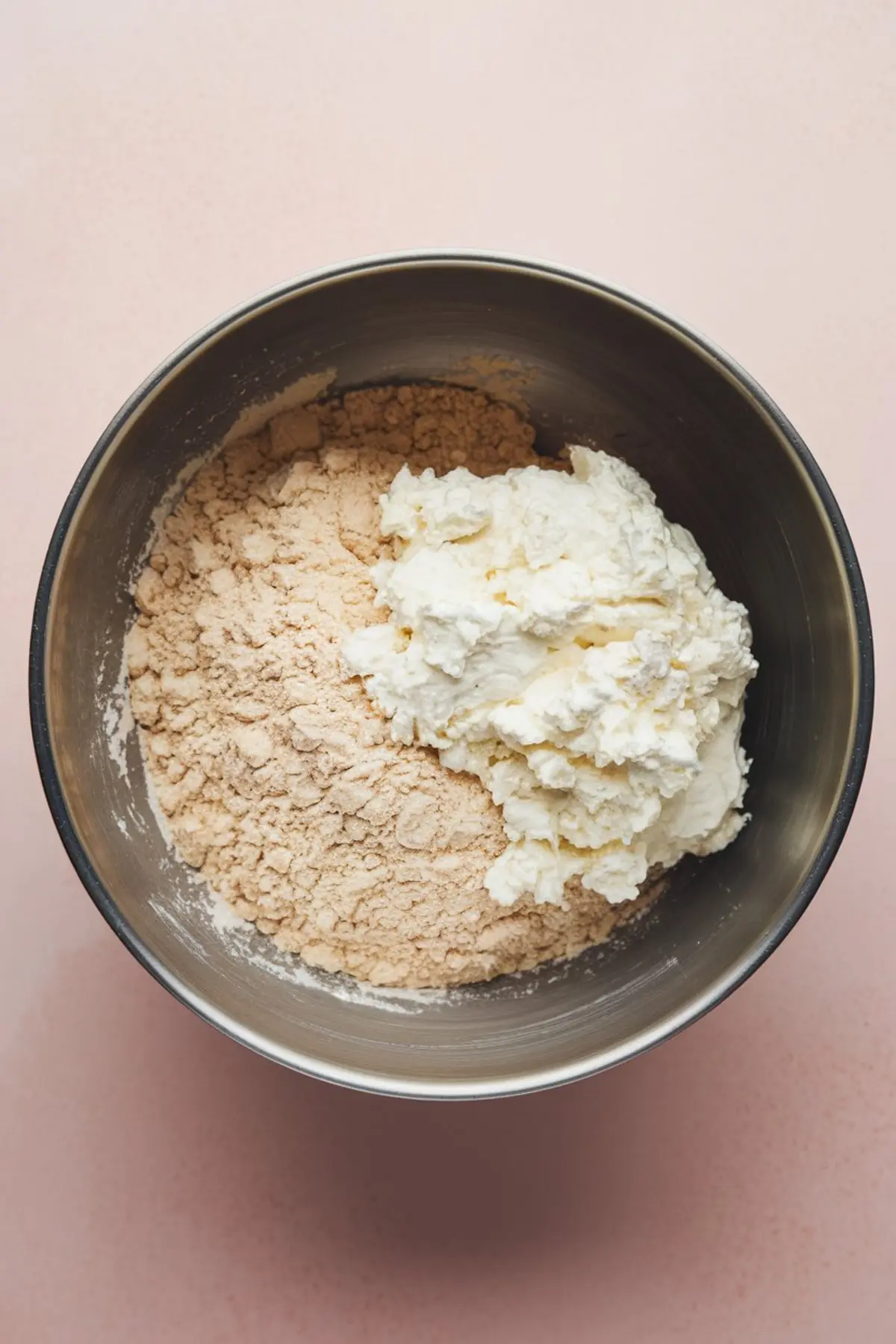
If you’re used to cutting cold butter into flour, this recipe might feel strange at first. Trust it. Once you stir in the cottage cheese, the dough begins to come together in sticky clumps. It might look dry at first glance, don’t rush to add liquid. Keep stirring. If the dough still resists, a tablespoon or two of milk is enough.
Cheddar, Garlic, or Chives? What to Add and Why
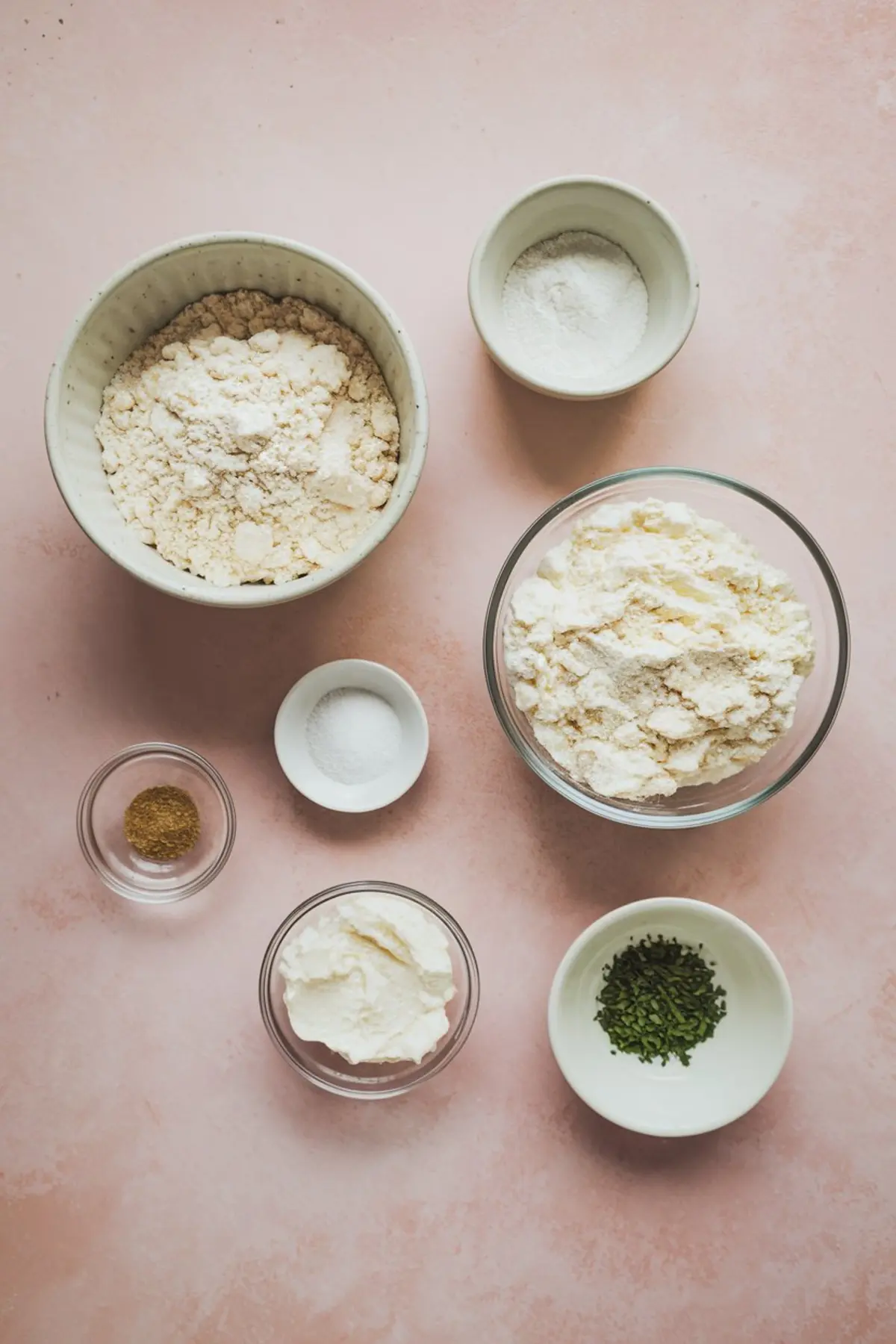
Plain biscuits are lovely. But now and then, I add sharp cheddar, garlic powder, or chopped chives. Sometimes all three. Cheese brings saltiness and depth. Garlic warms the flavor without taking over. Chives brighten the whole thing.
In my notes, I once compared cheddar and Parmesan. Both work, but cheddar melts in with more softness. Parmesan turns the edges crisper. I prefer cheddar when serving with soup, Parmesan when the biscuits are meant for snacking. You can try both, see what your table prefers.
No Shaping, No Pressure
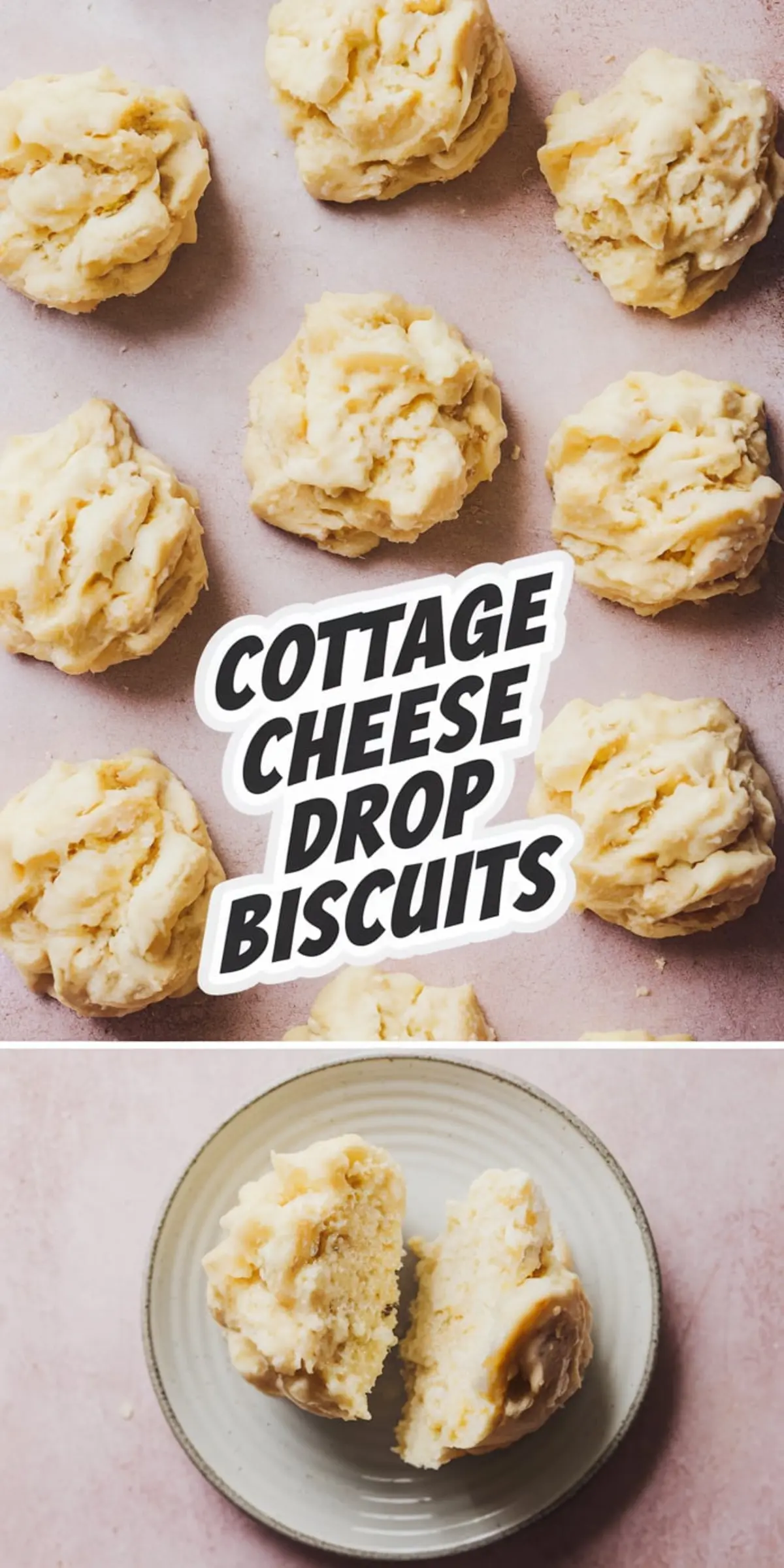
You don’t need to shape these biscuits. In fact, the more rustic, the better. I use an old soup spoon to drop the dough onto a parchment-lined sheet. A cookie scoop works too. They spread just slightly, puff up gently, and take on a golden color at the bottom that tells you they’re done.
If the tops crack a little in the oven, don’t worry. That’s just the dough releasing steam. It’s a sign they’re baking well. I tell Chloe the same thing when she worries her cookies don’t match “If it cracks, that just means it’s breathing.”
Serving and Storing Advice from My Table to Yours
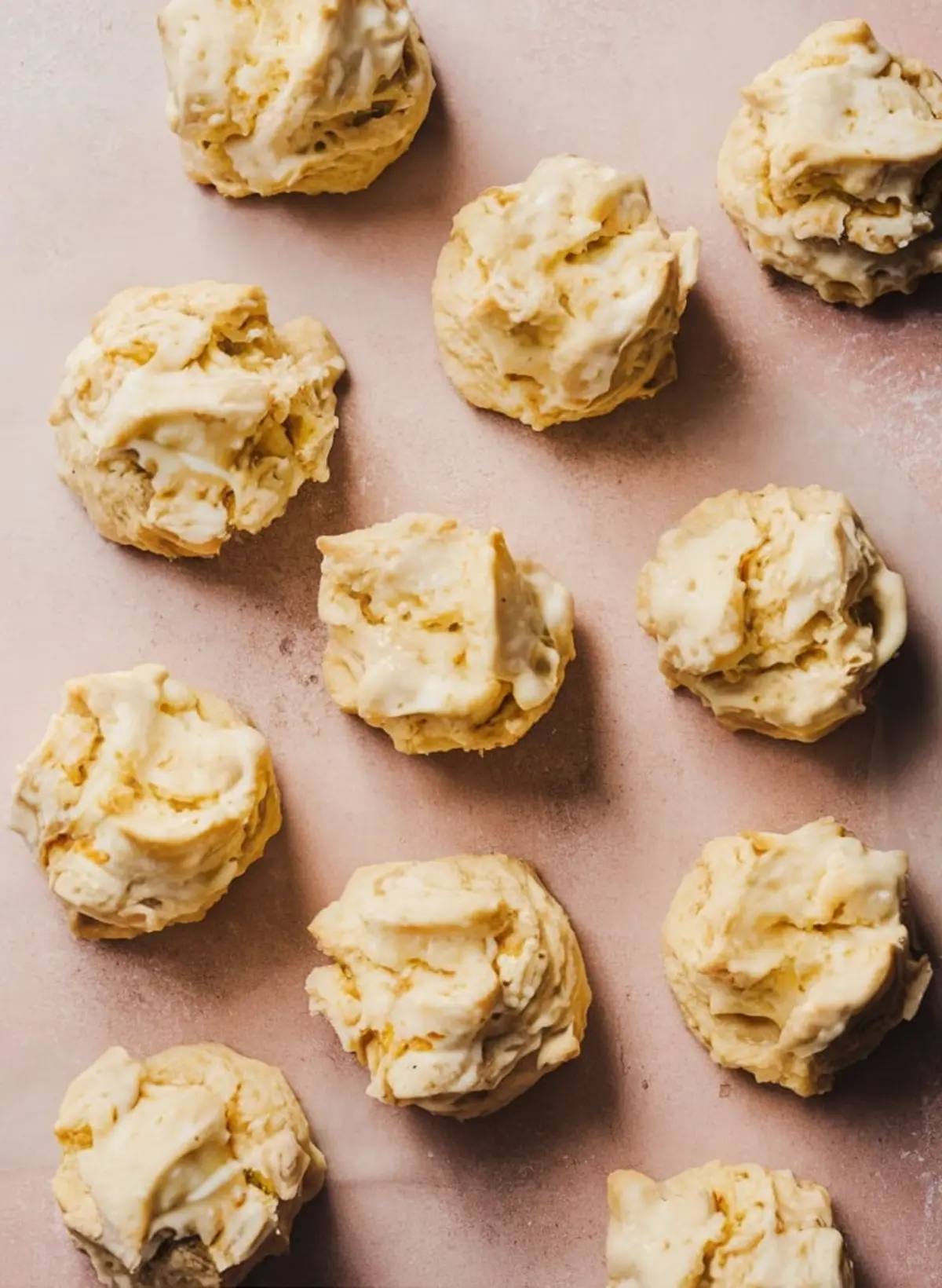
These biscuits are best warm, still steaming in the middle. I let them rest for five minutes out of the oven, then serve them in a cloth-lined bowl.
If you have leftovers, they keep well in a tin for a day or two. Reheat gently in the oven, not the microwave, or they’ll turn rubbery.
They sit nicely beside soup, yes, but they also work for breakfast, split open with an egg or a spoonful of jam. And if you’re setting out cookies too, I’d point you to my Blueberry Coconut Cheesecake Cookies for something sweet, or the Cathedral Window Cookies if children are nearby. They always smile at those.
Other Recipes for Slow Afternoons
If these drop biscuits made your kitchen feel gentler today, you might like:
- Coconut Churro Cookies — sweet, crispy, and simple to make
- Easy Peanut Butter Cookies — good for learning the rhythm of baking
- Summer Crinkle Cookies — bright and cheerful, especially for warm days
A Final Word from My Butter-Stained Pages
Baking doesn’t always ask for your best self. Just your present one. If the biscuits come out a little misshapen, or the bottoms brown a touch too much, they will still bring comfort. They don’t need to impress. They just need to be there.
I hope you’ll make these and write a note in your own book, even if it’s just, “Made on a quiet Tuesday.” That’s enough.
And if you do bake them, I’d love to know. Leave a comment, ask a question, or save this to your recipe board. I still believe in recipes being passed gently from one hand to another.
Warmly,
Lena
Cottage Cheese Drop Biscuits Recipe

Cottage cheese drop biscuits are soft, tender, and savory with a crisp edge and creamy center. These no-fuss biscuits skip the rolling and cutting—just stir, scoop, and bake. The cottage cheese replaces both the fat and liquid, making this a quick and reliable option when you want warm bread on the table fast.
Ingredients
- 2 cups all-purpose flour
- 2 teaspoons baking powder
- 1/2 teaspoon salt
- 1 cup full-fat cottage cheese
- Optional: 1/2 teaspoon garlic powder, 1/4 cup chopped chives, 1/2 cup shredded cheddar, black pepper to taste
- Optional (as needed): 1–2 tablespoons milk or water
Instructions
- PREHEAT THE OVEN: Set your oven to 425°F and line a baking sheet with parchment paper for easy cleanup and to prevent sticking.
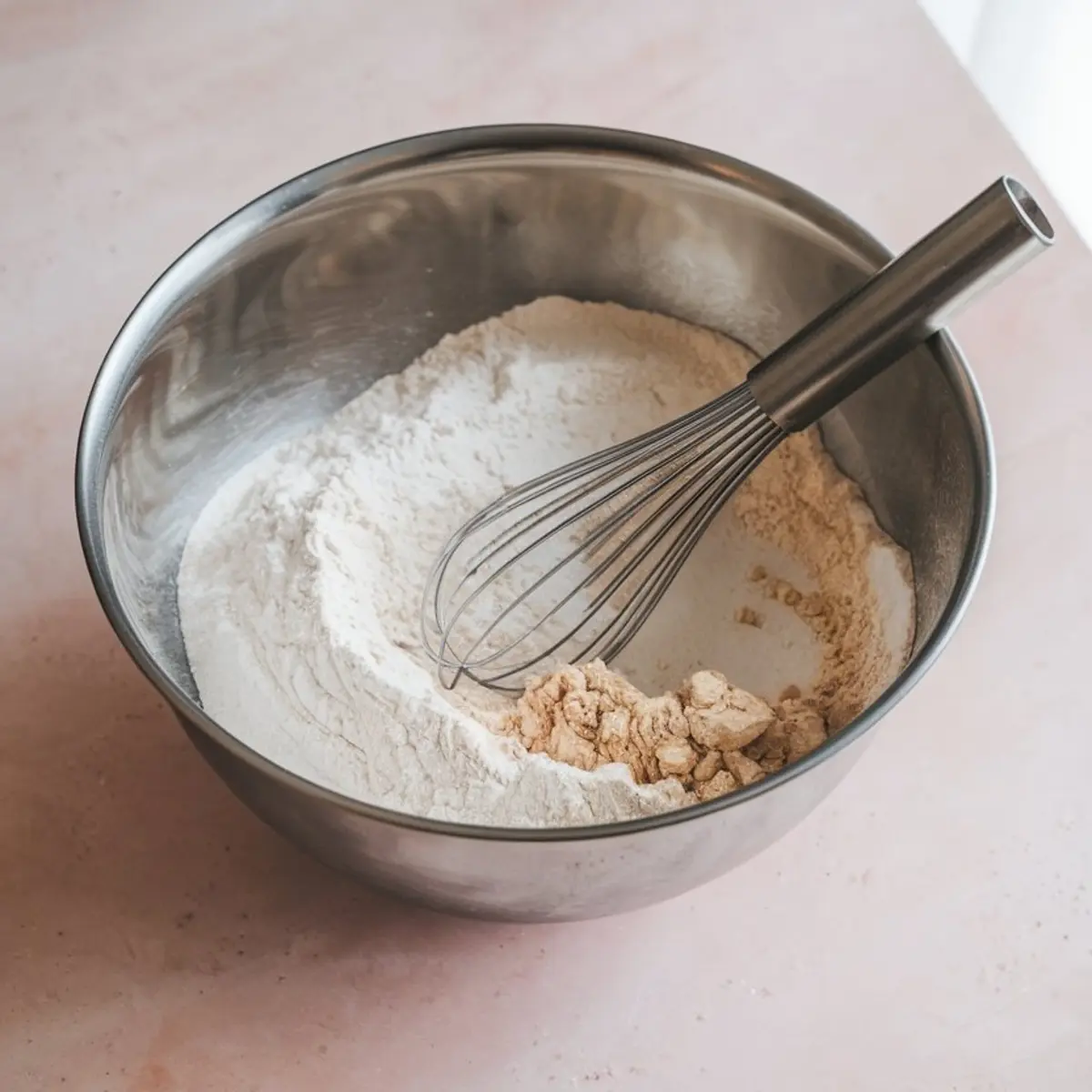
- MIX THE DRY INGREDIENTS: In a large mixing bowl, whisk together the flour, baking powder, and salt. If using garlic powder, chives, or cheese, stir them in now to distribute evenly through the dry mix.
- ADD THE COTTAGE CHEESE: Spoon in the cottage cheese and stir gently with a spatula or wooden spoon. The dough may appear dry at first, but continue stirring until the mixture forms thick, sticky clumps. If the dough seems too dry to hold together, add milk or water one tablespoon at a time.
- DROP THE BISCUITS: Use a large spoon or cookie scoop to portion the dough onto the prepared baking sheet, spacing each biscuit slightly apart. There is no need to shape them; their rustic form is part of their charm.
- BAKE: Place the pan in the oven and bake for 12 to 15 minutes. The tops should turn light golden, and the bottoms should have a deeper golden color. The biscuits will puff up slightly and develop crisp edges.
- COOL BRIEFLY: Let the biscuits rest on the baking sheet for a few minutes before serving. They will be hot and soft inside straight from the oven.
Notes
Large-curd or small-curd cottage cheese both work well. Use full-fat for best texture, though low-fat is acceptable. For gluten-free versions, substitute a 1:1 gluten-free flour blend and adjust moisture as needed.
Nutrition Information:
Yield:
10Serving Size:
1Amount Per Serving: Calories: 146Total Fat: 3gSaturated Fat: 2gTrans Fat: 0gUnsaturated Fat: 1gCholesterol: 11mgSodium: 330mgCarbohydrates: 21gFiber: 1gSugar: 2gProtein: 7g
