

Some pies shout. Others whisper. Custard pie belongs to the quiet ones.
You don’t need embellishment for this dessert. The texture speaks gently. The flavor lingers, soft and mild, like a familiar tune hummed over tea. This pie comes from the old pages, scribbled into recipe cards that stay soft at the corners from decades of use. I’ve baked it more times than I can count. And every time, the center gives the same gentle wobble coming out of the oven. That little movement feels like a nod from an old friend.
This best custard pie recipe begins with trust. You warm the milk just enough. You stop whisking before the eggs grow tired. You don’t panic if the center jiggles longer than expected. That’s what it’s meant to do. This isn’t a stiff pudding pie. It’s a soft-set custard dessert that firms slowly as it rests.

Custard Pie with Vanilla and Nutmeg
Every custard pie I’ve ever known begins with eggs, sugar, milk, and vanilla. That hasn’t changed since the day I copied it into my butter-smudged notebook. You won’t need cream. Whole milk brings enough richness to keep the filling soft but not heavy.
If you’ve made our lemon pie or a smooth blueberry pie, the process will feel familiar. This version holds its own without bright citrus or bold fruit. It stands quietly on texture and warmth.
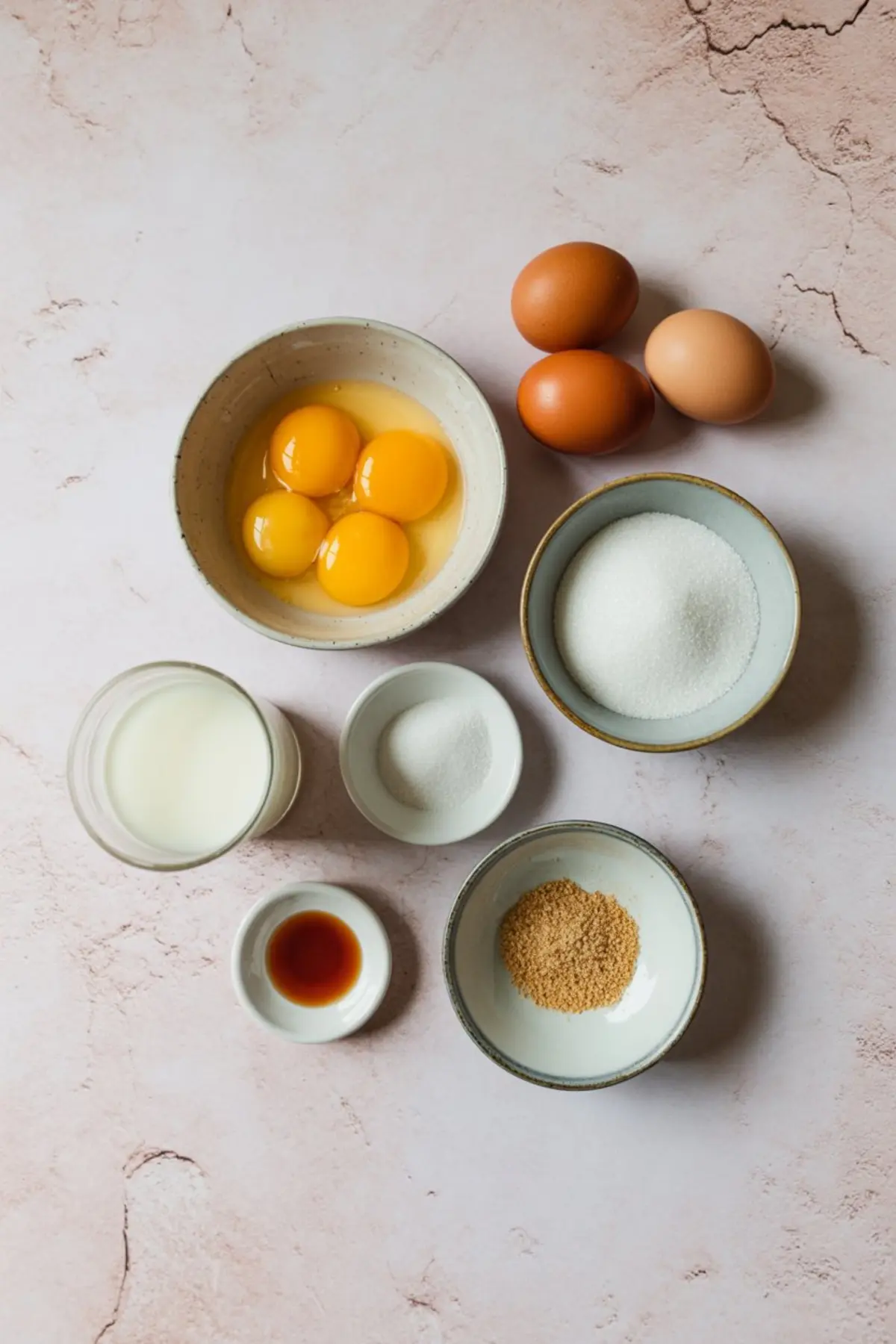
Warm the milk before mixing. Not boiling. Just warm enough to melt into the eggs without curdling. That’s the moment that makes the custard smooth. I’ve written in the margin of my old card, do not rush the pour.
The nutmeg on top does more than add scent. It tells you this pie comes from another time.
Homemade Crust or Ready Shell?
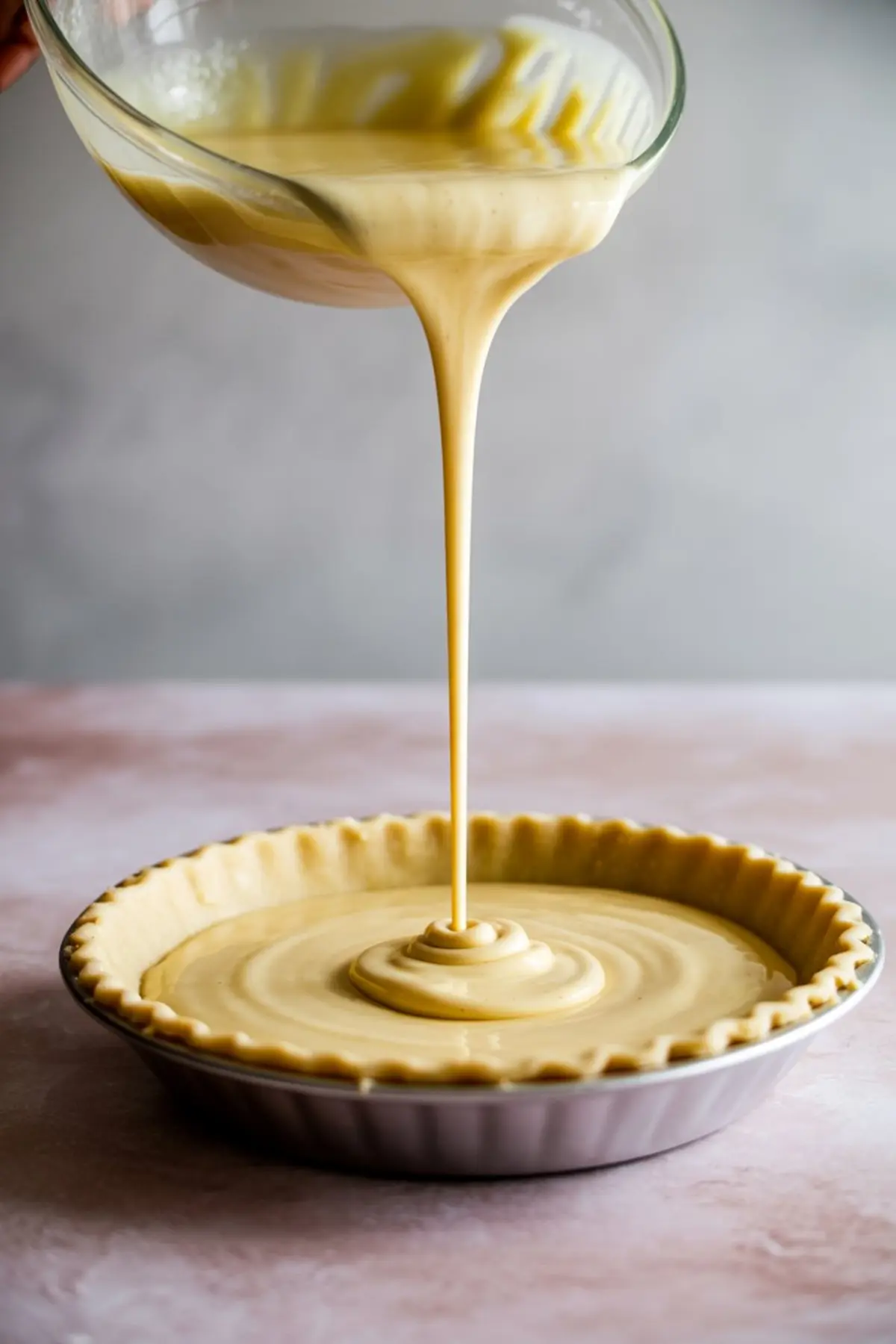
I’ve made this dessert pie both ways. Some days I roll my own dough. Some days I reach for a ready crust. The difference won’t be noticed much by those at the table, especially once the custard sets.
Still, if you’re learning and want to try the crust by hand, I keep a detailed guide here: pie crust recipe. Par-baking matters more than who made the shell. Ten minutes in the oven gives the custard a dry base to settle into.
If you skip that step, the bottom softens too much. I’ve tried both. In my notes, the crust always holds better when given those first few minutes alone.
Mixing the Custard Gently

Start with the eggs. Whisk them until they fall in golden ribbons. Then add sugar and salt. The salt steadies the sweetness, something I always learned from my mother’s custards.
Pour the milk slowly while whisking. The warmth helps everything blend without seizing. Stir in the vanilla at the end. I measure by scent more than spoons now, but one and a half teaspoons usually feels right.
A reader once asked if this recipe could become an apple custard pie. It can, with soft cooked apples layered thin in the base. But the plain version keeps its place in my recipe book. It doesn’t need help to be remembered.
A Steady Bake and a Gentle Jiggle
Once filled, the pie goes into a steady oven. I bake it at 375°F for about 40 minutes. The edges should firm. The center should still jiggle.
That jiggle matters. I’ve said it often in class and in my notes: If it jiggles, don’t worry. That means it’s done.
If the edges start to brown early, you can lay a piece of foil on top. But don’t fuss too much. Custard asks for patience, not control.
Let it cool for two hours on the counter. Don’t cover it yet. Let the air do its part. The custard will firm as it rests, just like it always has.
Cold or Warm? Both Hold Their Charm
I prefer mine cold from the fridge. The chill gives it a firmer set and a more even bite. Chloe once told me she likes it barely warm. I remember the day she made it for our spring open house. The center was still soft. It made the pie feel like a memory in motion.
You can serve it either way. This custard doesn’t mind.
If you’re curious about other soft-set pies, I’d also recommend the strawberry pie or the classic cherry pie. Each brings something different to the table, but they share that same quiet comfort.
From My Table to Yours
The recipe card I use for this pie has three folds in it and a little tear at the top. I’ve rewritten it twice, but I always go back to the oldest one. It reminds me to trust my hands.
If your pie cracks a little on top, serve it proudly anyway. The texture inside will still be smooth. The flavor will still comfort.
This pie keeps well chilled. I slice it with a gentle knife and store the rest beneath waxed paper. You’ll find it gets better after a night in the fridge.
Save and Share

If you bake this pie, I’d be glad to hear how it turned out. Leave a note or ask a question below. And if you’d like to keep this recipe nearby, save it to Pinterest so you can find it on a quiet afternoon.
Custard Pie Recipe

A classic custard pie made with eggs, sugar, milk, and vanilla delivers smooth texture and comforting flavor. The lightly sweet filling sets gently in a par-baked crust and is finished with a dusting of nutmeg. This pie serves best chilled, but some enjoy it slightly warm.
Ingredients
- 1 unbaked 9-inch pie shell
- 3 large eggs
- ¾ cup granulated sugar
- ½ teaspoon salt
- 2¼ cups whole milk (warm, not hot)
- 1½ teaspoons vanilla extract
- Ground nutmeg for topping
Instructions
- PREHEAT THE OVEN: Set your oven to 375°F (190°C) to ensure even baking with gentle heat, which is crucial for custard.
- PAR-BAKE THE PIE SHELL: Place the unbaked pie shell on a baking sheet and bake for 10 minutes until just set. Remove and let it cool slightly while preparing the custard filling.
- MAKE THE CUSTARD FILLING: In a medium mixing bowl, whisk the eggs until smooth. Add the granulated sugar and salt, and whisk until well combined. Slowly pour in the warm milk while whisking constantly to prevent the eggs from curdling. Stir in the vanilla extract until fully incorporated.
- FILL THE PIE SHELL: Pour the custard mixture into the par-baked shell slowly, allowing it to settle evenly. Sprinkle a light dusting of ground nutmeg over the top.
- BAKE THE PIE: Place the filled pie on the middle oven rack and bake for 35 to 40 minutes. The edges should be set while the center remains slightly jiggly, similar to soft-set gelatin. If the edges start to brown too quickly, tent the pie loosely with foil to prevent over-browning.
- COOL THE PIE: Remove the pie from the oven and allow it to cool undisturbed at room temperature for at least 2 hours. The residual heat will complete the cooking process and the custard will firm up as it cools.
- SERVE: Slice once fully cooled. Refrigerate any leftovers. The pie tastes best chilled, but can also be served slightly warm depending on preference.
Notes
Warm milk helps integrate the custard without cooking the eggs prematurely. Be careful not to overbake; custard should remain tender and lightly jiggly in the center when done.
Nutrition Information:
Yield:
8Serving Size:
1Amount Per Serving: Calories: 203Total Fat: 6gSaturated Fat: 3gTrans Fat: 0gUnsaturated Fat: 3gCholesterol: 77mgSodium: 220mgCarbohydrates: 32gFiber: 1gSugar: 25gProtein: 6g
