

Sourdough holds its shape through time. You mix it with your hands. You wait. You fold. You wait again. That rhythm doesn’t rush. And this version, with cocoa and dark chocolate folded in, keeps that steady beat. It’s a bread that knows patience.
I’ve made this loaf more times than I can count, always with the same spoon, the same bowl, and a little smear of starter on my wrist like a badge. The cocoa deepens the aroma. The chocolate softens as it bakes, then sets again like a memory. It’s not a sweet bread—not exactly—but it carries a quiet richness.
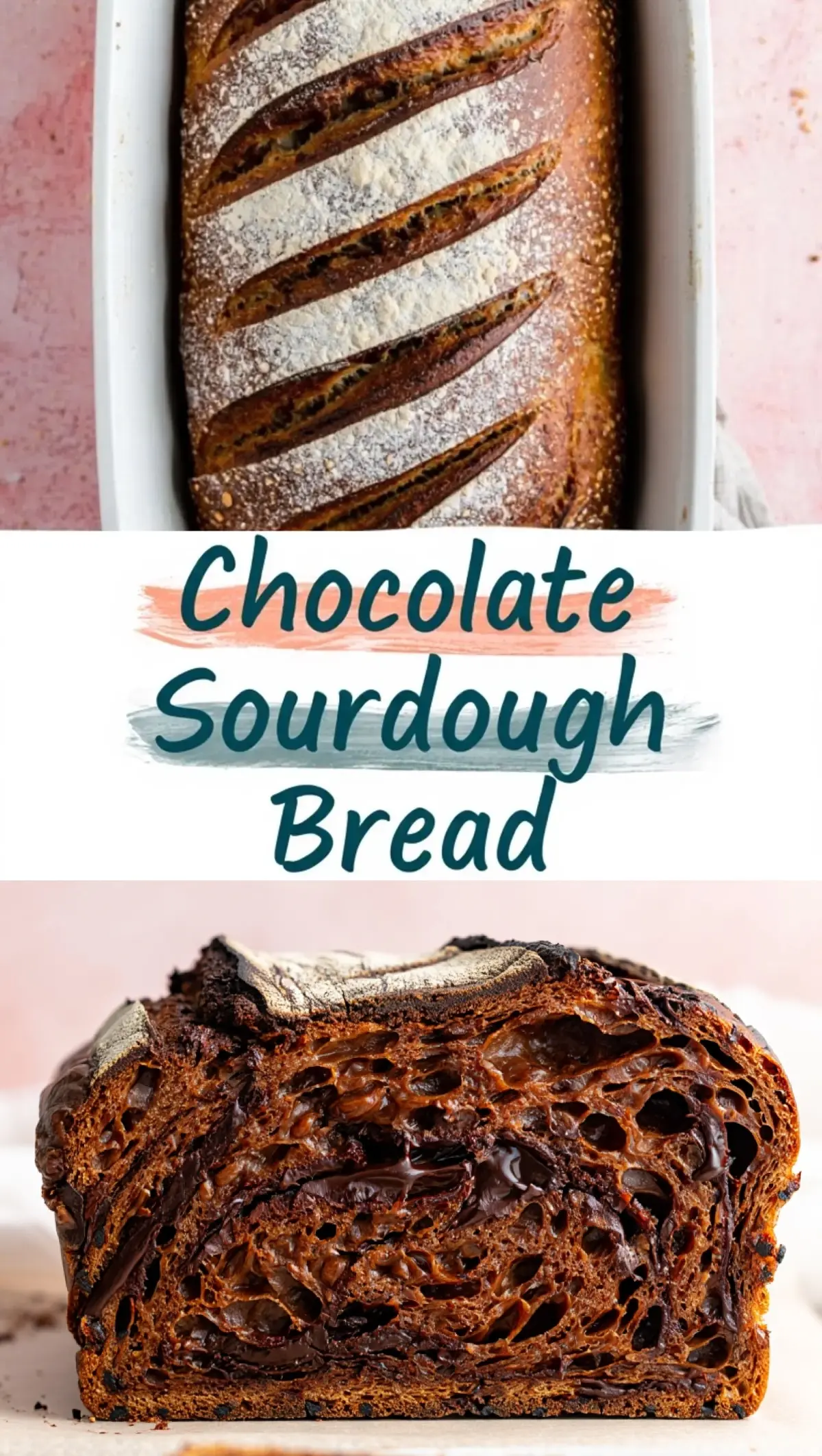
Why Chocolate Belongs in Sourdough
The sourdough process gives this bread a firm crust and open crumb, like any classic artisan loaf. But the cocoa adds something else—a kind of hush. It’s not loud like a frosted cake. It lingers, especially when you toast a slice and spread it with butter while it’s still warm.
I keep a card in my old recipe box marked “Chloe’s Favorite Variation.” She used to visit after class and tell me what she was baking that week. I remember the day she first tasted this loaf. She said it reminded her of campfire smoke and melted chocolate bars. That made me smile.
You can enjoy this bread plain or with fruit. I sometimes pair it with orange slices. Or eat it standing by the window, just listening to the crust crack as it cools.
Ingredients That Matter
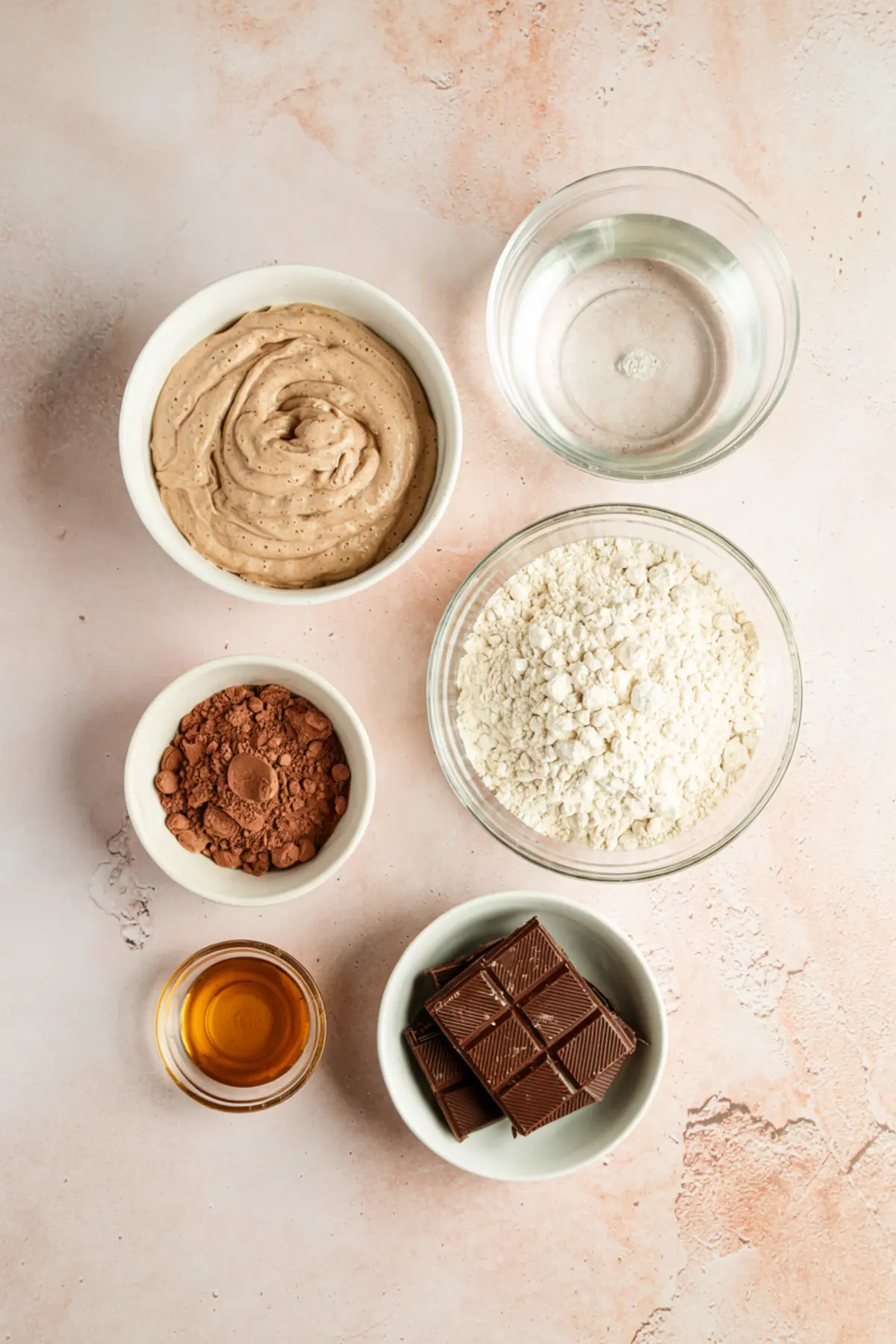
Use a ripe, active sourdough starter. It should smell slightly sweet, not sour. Warm water helps the flour open up. I prefer Dutch-process cocoa because it makes the dough smoother, almost silky. Natural cocoa works too—it just adds a touch more edge.
Choose chocolate you’d eat on its own. I usually chop up a dark bar—70% or more. The chips are fine, but they melt quicker. If you add honey or maple syrup, the crumb will be more tender. Still not sweet, but with a softness that suits morning toast.
If you’re used to baking sourdough, this won’t feel too different. If you’re new, I’d say: trust your hands. You’ll learn more from the feel than from any timer.
The Gentle Process
After mixing, give the dough its time to rest. That first rest, called autolyse, helps everything begin to come together. Then the folds—every 30 minutes—are like quiet conversations. On the second fold, I scatter the chopped chocolate across the dough. I fold it in carefully, like tucking in a child.
Don’t worry if a piece of chocolate peeks out. It may scorch slightly in the oven, but I always liked those spots. They remind me that bread has a mind of its own.
Let it rise until puffy. It doesn’t need to double—just grow a bit and look lively. Then shape it and let it rest in the fridge overnight. That long, cold proof gives the crust its depth and the crumb its strength.
Baking Day: Trust and Steam
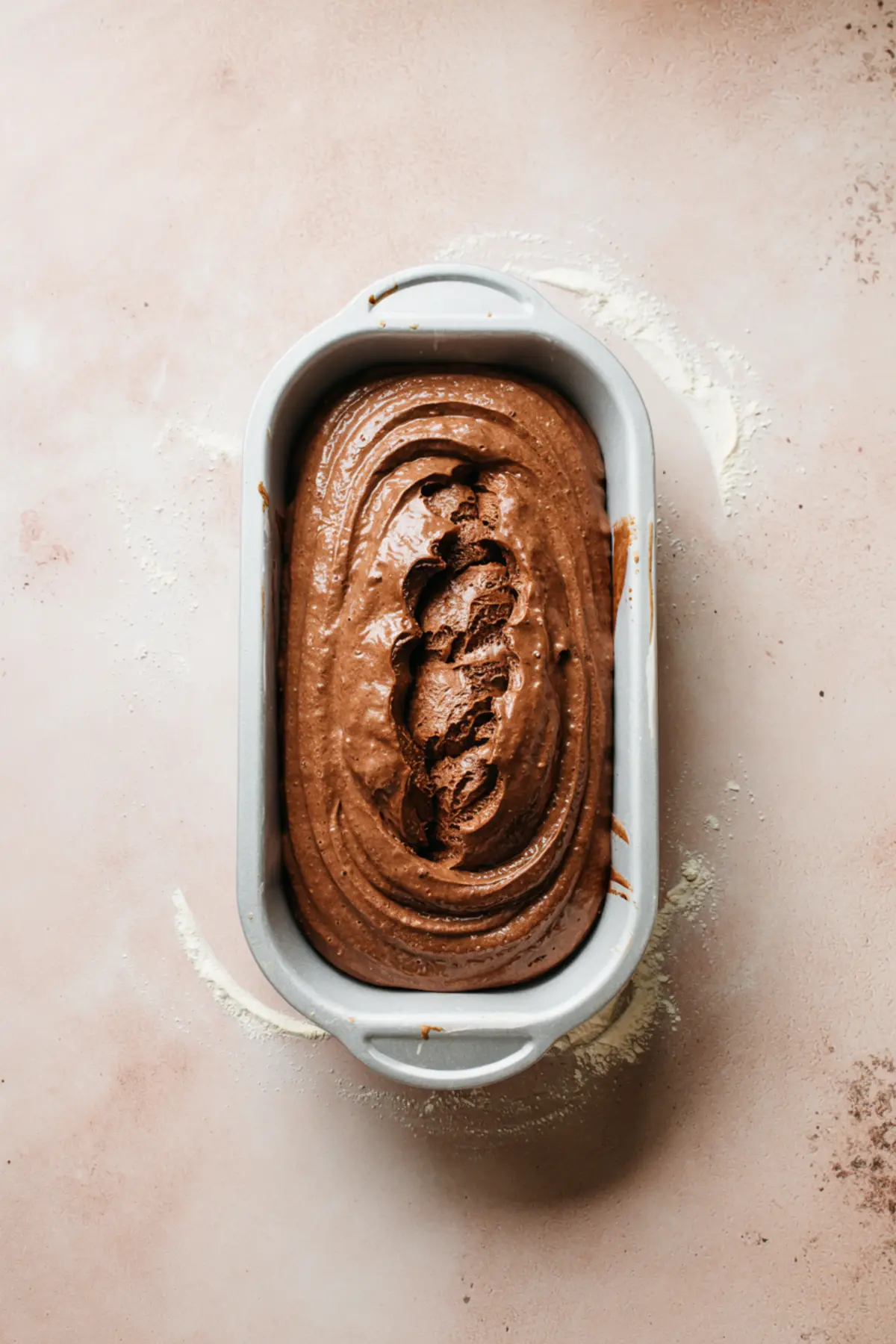
I preheat the Dutch oven for at least 30 minutes. It needs to be very hot. When you score the dough, don’t overthink it. One clean line is enough. You’re guiding the steam, not decorating a cake.
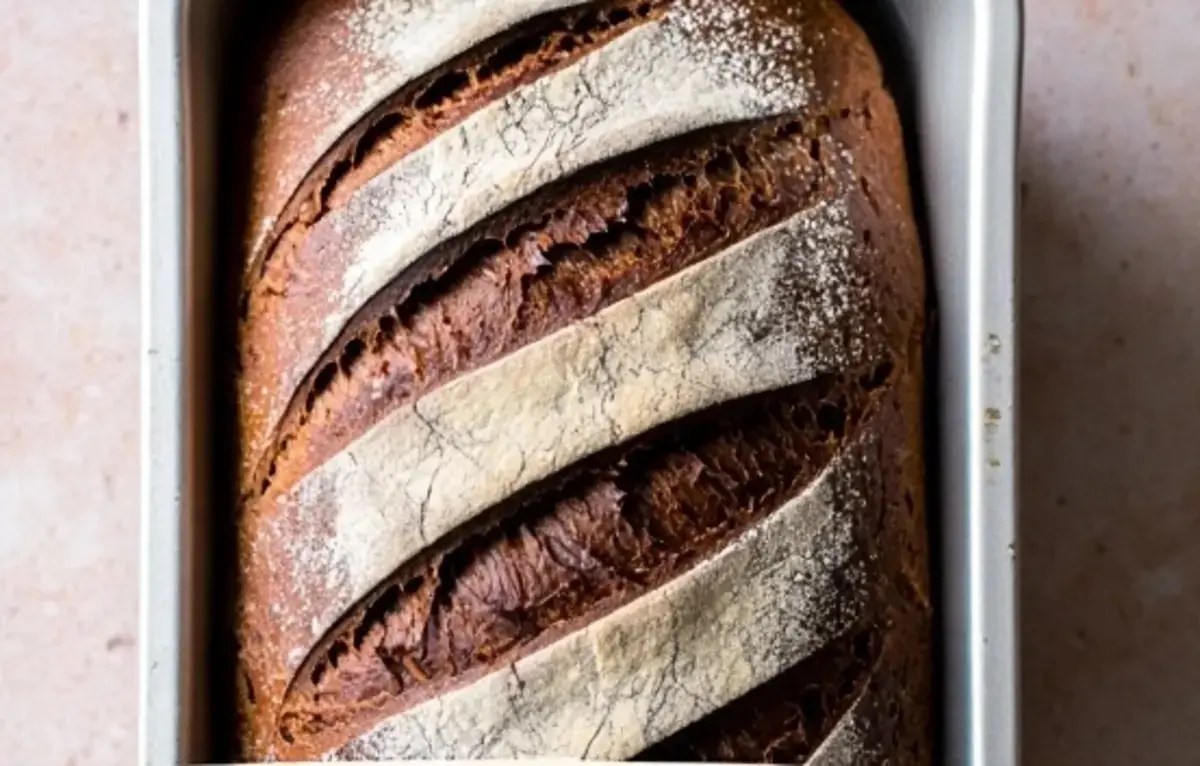
Bake covered for 20 minutes, then remove the lid and let the crust darken. The smell will tell you when it’s ready. Deep, earthy, warm. Knock the bottom. If it sounds hollow, it’s done.
Place it on a rack and wait. I know it’s hard. But if you cut it too soon, the chocolate will smear and the crumb won’t set. Let it cool. Let it finish.
If the crust cracks in odd places, don’t worry. It means the bread had something to say.
Serving and Storing
Once cool, slice and toast it. Butter melts right into the cocoa crumb. Add a spoonful of cherry jam if you like. Or eat it plain with coffee.
This loaf keeps well for three days. After that, it makes a good French toast or bread pudding. I once made a chocolate bread trifle with leftover slices. Chloe said it tasted like something from a dream.
For more chocolate comfort, you might like my Chocolate Sheet Cake, or the Chocolate Caramel Dump Cake I make when I’m short on time. The Chocolate Pound Cake with Chocolate Glaze is richer, and the Chocolate Mousse Cake is smooth and soft like a whisper.
Share and Remember
If you make this loaf, let me know how it turned out. Tell me what you served it with, or who you shared it with. Leave a comment, or send a note. I read every one.
And pin the recipe if you’d like to keep it close. Like a card tucked into a cookbook, waiting for the right day.
Deep Chocolate Sourdough Bread

A rich sourdough loaf with a deep cocoa aroma and dark chocolate swirls. This bread keeps the classic sourdough structure and tang while adding bittersweet chocolate and optional sweetness. The result is a bread that's perfect toasted with butter or paired with fresh fruit.
Ingredients
- 100g active sourdough starter
- 350g warm water (80–85°F)
- 450g bread flour
- 50g unsweetened cocoa powder
- 10g salt
- 100g chopped dark chocolate or chocolate chips (70% or higher)
- Optional: 50g honey or maple syrup
Instructions
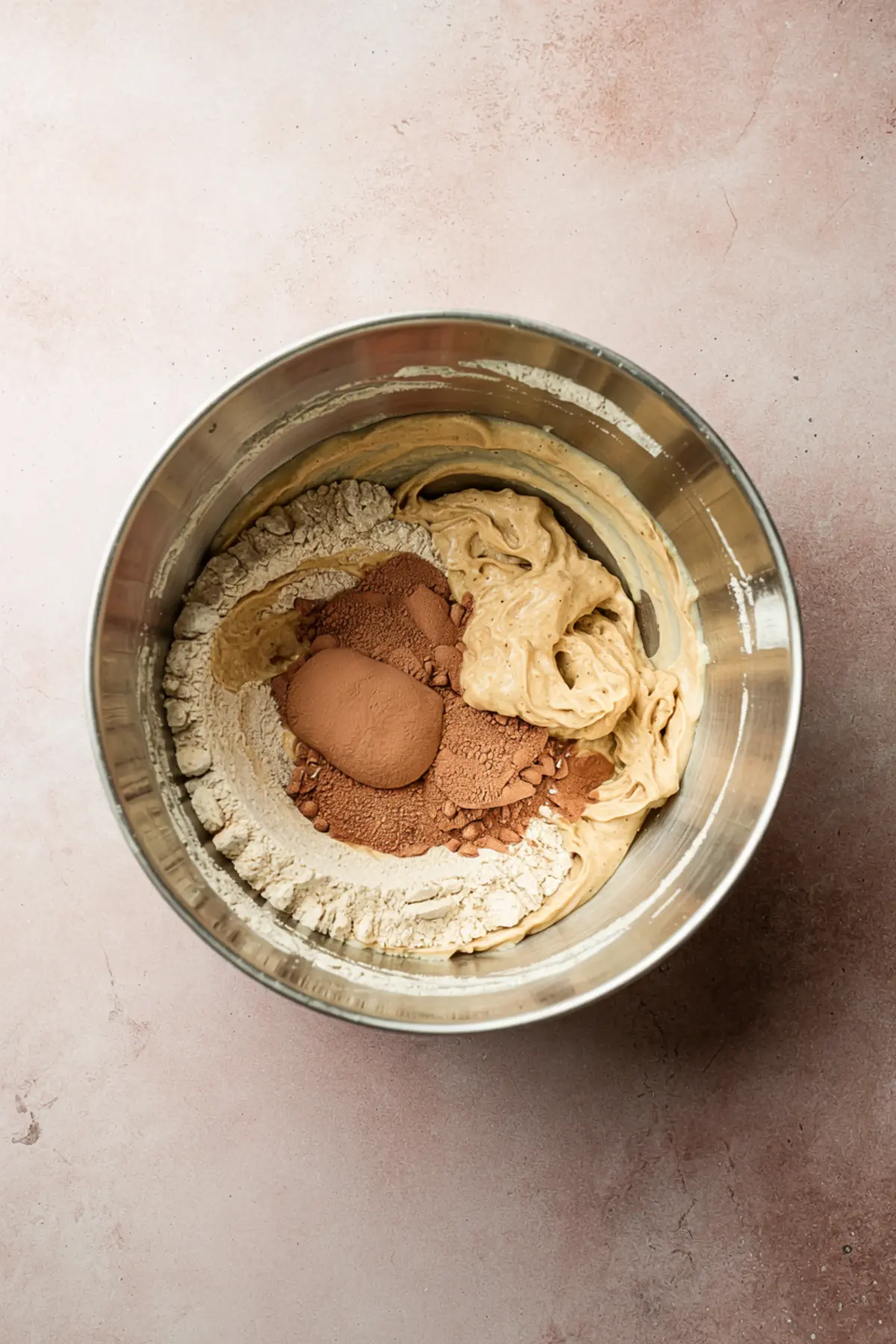
- MIX THE DOUGH: In a large bowl, combine the active sourdough starter, warm water, bread flour, and cocoa powder until no dry spots remain. Cover and let rest for 45 minutes to allow the flour to hydrate during the autolyse phase.
- ADD SALT AND SWEETENER: After autolyse, add the salt and, if using, honey or maple syrup. Mix until the dough is fully integrated. This can be done with a series of gentle pinches and folds or by hand-kneading for a few minutes.
- STRETCH AND FOLD: Over the next 2 hours, perform stretch-and-folds every 30 minutes to develop gluten. On the second fold, gently incorporate the chopped chocolate into the dough, folding it in evenly without overmixing.
- BULK FERMENTATION: Let the dough rise at room temperature for 4 to 6 hours, or until it has increased in volume by approximately 50%. The dough should feel puffy and show bubbles near the surface.
- SHAPE THE DOUGH: Turn the dough out onto a lightly floured surface. Shape into a round or batard by folding the edges toward the center and then rolling to create surface tension.
- COLD PROOF: Place the shaped dough seam-side up in a floured banneton or bowl lined with a towel. Cover with a damp cloth and refrigerate overnight for 12 to 14 hours.
- PREHEAT OVEN: In the morning, preheat the oven to 475°F with a Dutch oven placed inside. Allow at least 30 minutes for the Dutch oven to become thoroughly heated.
- SCORE AND BAKE: Turn the cold dough onto a piece of parchment paper. Score the top with a sharp blade or lame, then carefully lower it into the hot Dutch oven. Cover and bake for 20 minutes. Remove the lid and continue baking for 25 to 30 minutes, or until the crust is deep brown and sounds hollow when tapped.
- COOL AND SLICE: Transfer the baked loaf to a wire rack and let it cool completely before slicing. This allows the crumb to set and the chocolate to firm up, preserving the structure and definition of the chocolate swirls.
Notes
Dutch-process cocoa gives a darker, smoother result, but natural cocoa can be used. Choose high-quality chocolate for best flavor. Add-ins like chopped chocolate bars with almonds or citrus peel can be substituted for plain dark chocolate.
Nutrition Information:
Yield:
10Serving Size:
1Amount Per Serving: Calories: 296Total Fat: 6gSaturated Fat: 3gTrans Fat: 0gUnsaturated Fat: 2gCholesterol: 1mgSodium: 393mgCarbohydrates: 54gFiber: 3gSugar: 13gProtein: 8g
