
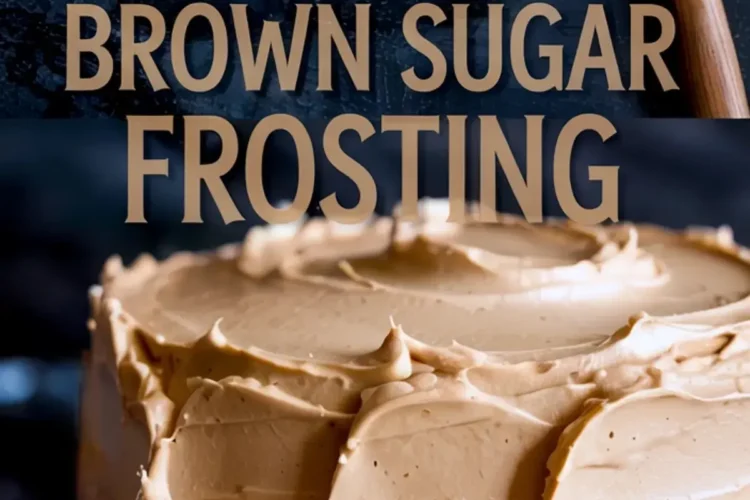
A Cake Frosting Recipe That Feels Like a Warm Hug
There’s something deeply comforting about the way brown sugar softens into butter. This brown sugar frosting brings that comfort into your kitchen with a smooth, creamy swirl that tastes like it came from your grandmother’s spice cake. You’ll learn how to create a frosting that delivers more than sweetness. It offers warmth, depth, and a little caramel-like whisper that clings to every bite.
This is the kind of frosting I turn to when I want to make a simple cake feel intentional. A banana bread that needs dressing up. A spice cake that asks for something deeper than vanilla. This brown sugar icing fills that space beautifully.
And there’s a hidden element. One step, quietly tucked in, makes this frosting sing. I’ll get to that later.
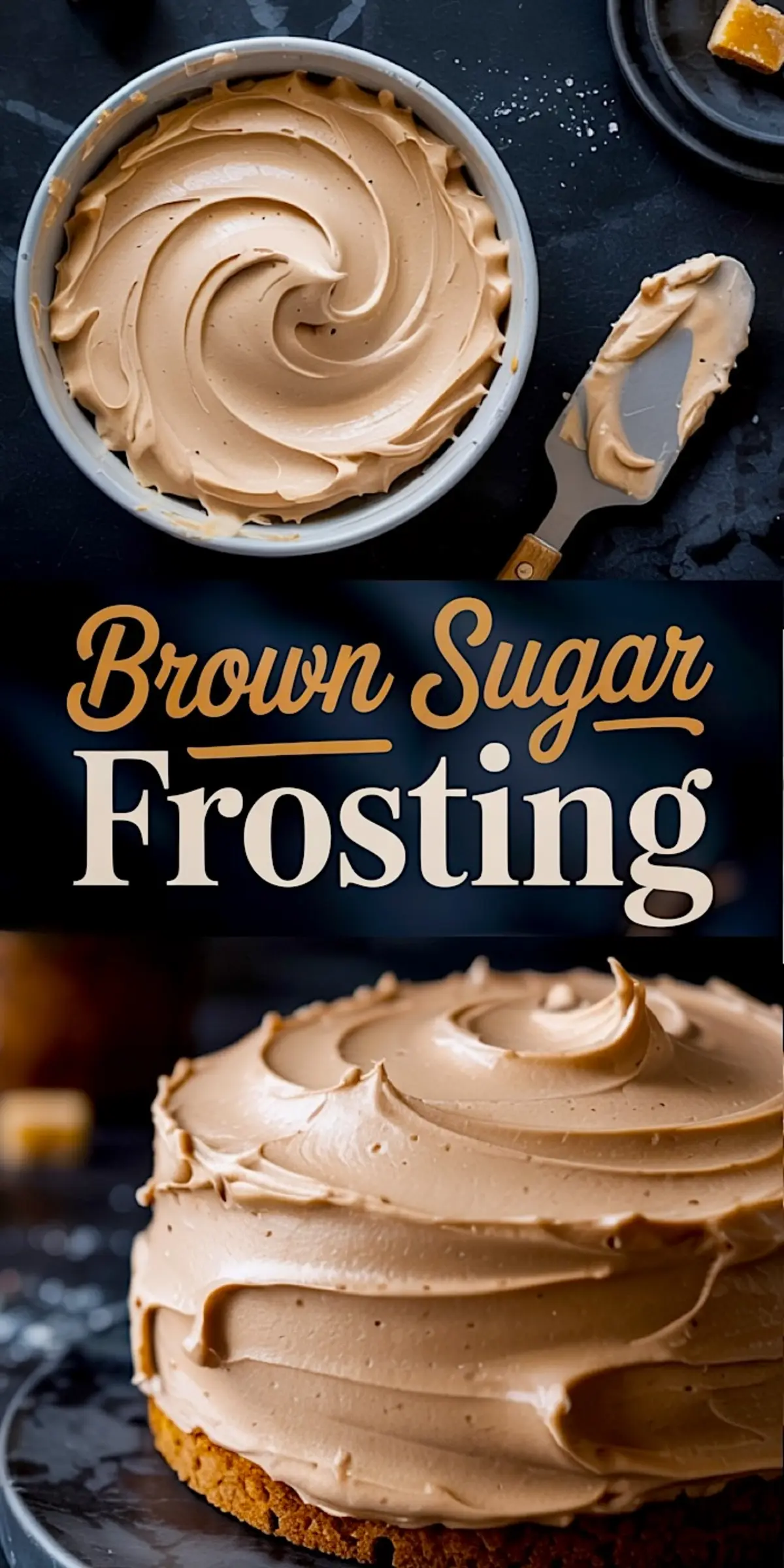
Brown Sugar Icing on Fall Cakes and More
The foundation begins with butter and light brown sugar. The butter melts, the sugar dissolves, and the two come together into something rich and golden. As the mixture bubbles briefly, it creates a soft caramel note without ever needing a candy thermometer. That note will carry through the entire frosting.
In my Pin Notebook, I’ve made several versions of this. Some with dark brown sugar, others with milk instead of cream. Every change shifts the flavor slightly. But the version below? This one stuck. It’s the balance of sweetness and structure. Soft, smooth, and easy to work with.
When you want something different than classic buttercream frosting, this brown butter frosting gives you that variation without making things difficult. It’s still one of the most easy frosting recipes I return to again and again.
Melting the Butter and Dissolving the Brown Sugar

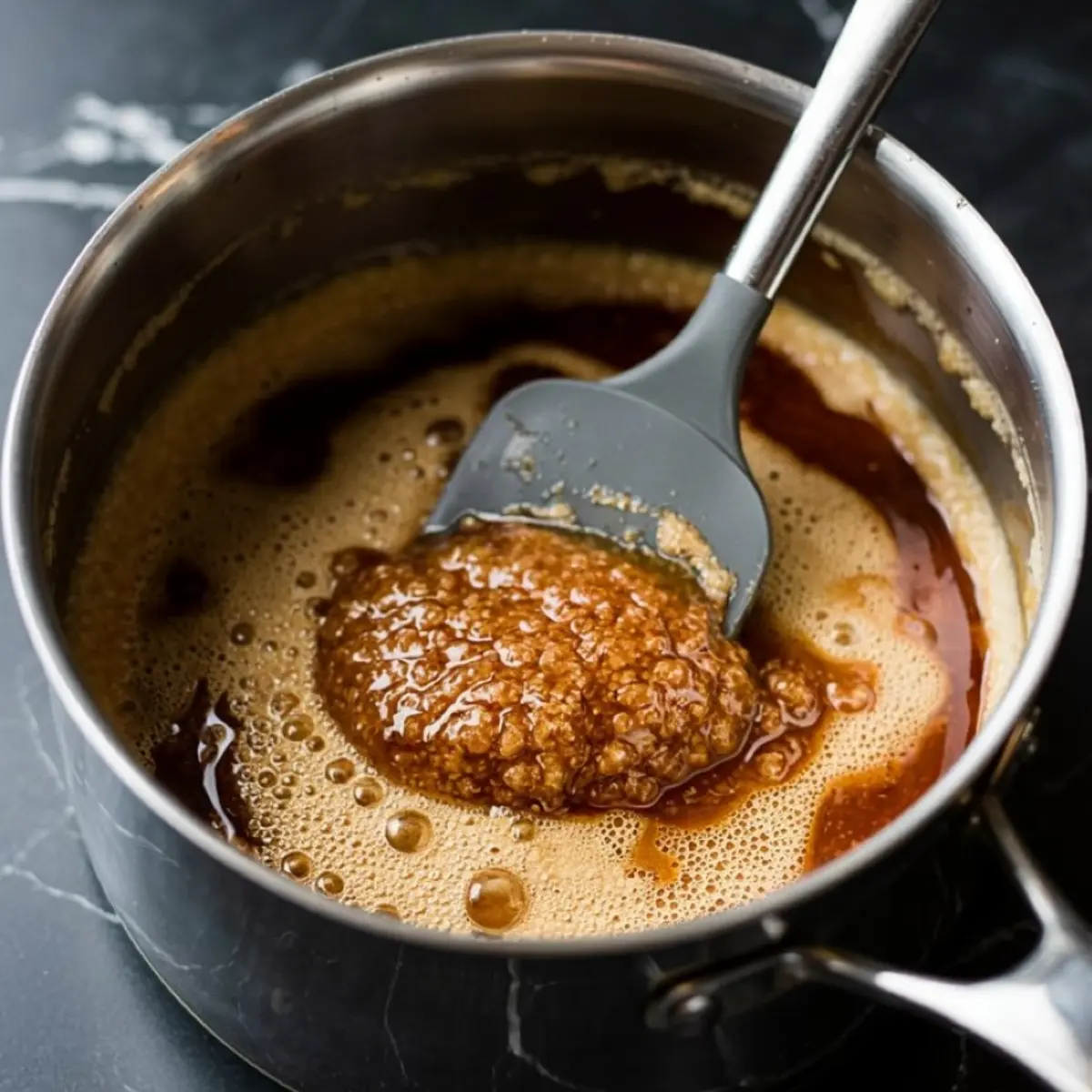
This step is more than just melting. It’s about watching. Stir continuously as the sugar dissolves, and look for the moment when the texture smooths out and the color deepens slightly. That tells you the sugar is fully integrated.
I’ve had batches turn gritty when I rushed this step. If the sugar doesn’t melt fully, it can crystalize later. Keep the heat moderate. No need to rush. Let the scent guide you.
That soft caramel smell is your sign.
Adding Cream and Salt to Create Balance
After the sugar dissolves, the cream goes in. It cools the mixture slightly but also adds richness. I always use heavy cream, but whole milk works in a pinch. The salt pulls everything into balance. It cuts through the sweetness and sharpens the flavor.
Let it come just to a gentle boil, then pull it off the heat. That brief boil helps with consistency but don’t let it roll too long or it may thicken too much.
Cool completely. This part takes time, but skipping it risks separation later. Let the caramel base rest until it feels cool to the touch.
Mixing the Cooled Caramel with Softened Butter
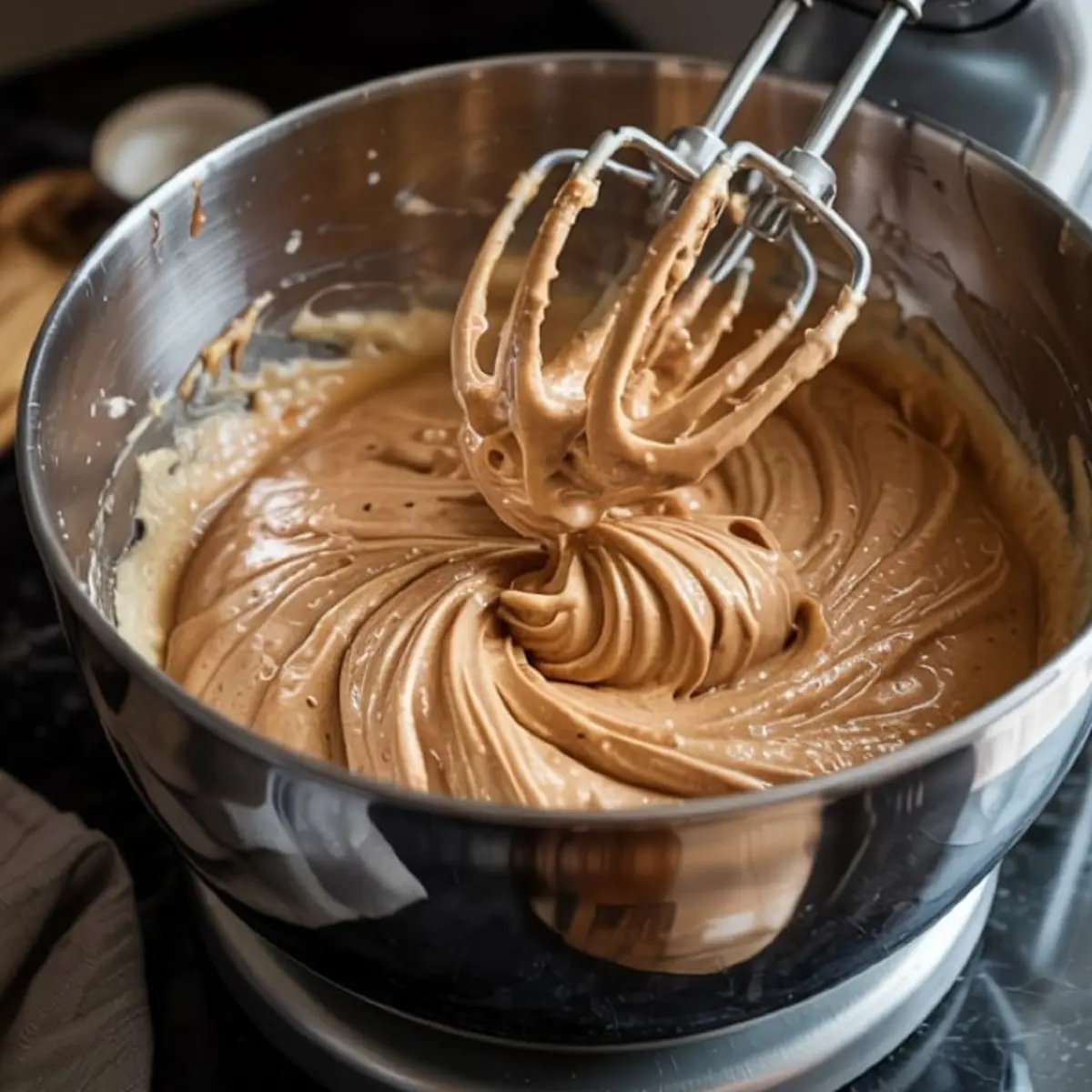
Now comes the part that brings it all together. Add the remaining butter—softened, not melted—and beat it into the cooled caramel. Use medium-high speed. You want the mixture to look pale and fluffy.
This part surprised me the first time. The color lightens as air whips in. It changes the feel entirely. The frosting turns into something soft and creamy, with a whisper of butterscotch.
If you’ve tried making whipped cream frosting, this method shares that same lightness, just with deeper notes.
Adding Vanilla and Adjusting the Sweetness
Vanilla adds depth, not just flavor. I prefer using a full teaspoon of real extract here. It softens the caramel edge and rounds out the profile.
Then the powdered sugar goes in, slowly. One cup at a time. Beat well between each addition to keep it from clumping. I usually stop around 2¼ cups when I want a soft spread, or go all the way to 2½ if I need it to pipe.
If it feels too thick, pause. Let it sit for a minute. The butter relaxes and brings the texture right back.
Final Whip and Texture Check
Once everything is in, give it one final whip on high speed. About a minute. This sets the structure and ensures the frosting holds soft peaks. If it still feels loose, add a tablespoon of sugar. If it feels stiff, let it sit at room temp for 5 minutes before stirring again.
And here’s that hidden step I mentioned earlier—fresh brown sugar.
It sounds small, but it matters. If your brown sugar has hardened or lost moisture, the texture of the frosting won’t come together smoothly. In my notes, I’ve marked batches that turned grainy. Every time, it traced back to old brown sugar.
That small detail makes all the difference.
Which Brown Sugar Should You Use?
Here’s where your decision affects flavor. Light brown sugar gives a soft, buttery flavor with caramel tones. Dark brown sugar brings more molasses, a little sharper and deeper.
I’ve tested both. For lighter cakes or banana bread, I stick with light brown. If I’m frosting chocolate cupcakes or spice cake, I sometimes use dark brown to lean into those richer notes. It depends on what you’re pairing it with.
It reminds me of the time I frosted cinnamon cupcakes with this using dark brown sugar and the whole batch disappeared at brunch. Something about the extra molasses with cinnamon made it unforgettable.
You can’t go wrong. But you can choose based on the outcome you want.
If you’re after something deeper, like chocolate fudge frosting, dark brown sugar offers that bridge.
How to Store and Use This Brown Sugar Frosting
Once made, this frosting holds well for a few days in the fridge. Let it come back to room temperature before spreading. I always give it a quick whip if it’s been sitting for more than a day.
It pairs beautifully with apple cake, pumpkin bars, or even a layer of chocolate frosting underneath for contrast. You can also use it on cookies or swirl it into cinnamon rolls. The texture holds firm enough to pipe, but soft enough to spread.
Just don’t use it too warm. It needs that room-temp body to behave.
Save This Recipe for Later and Share Your Thoughts
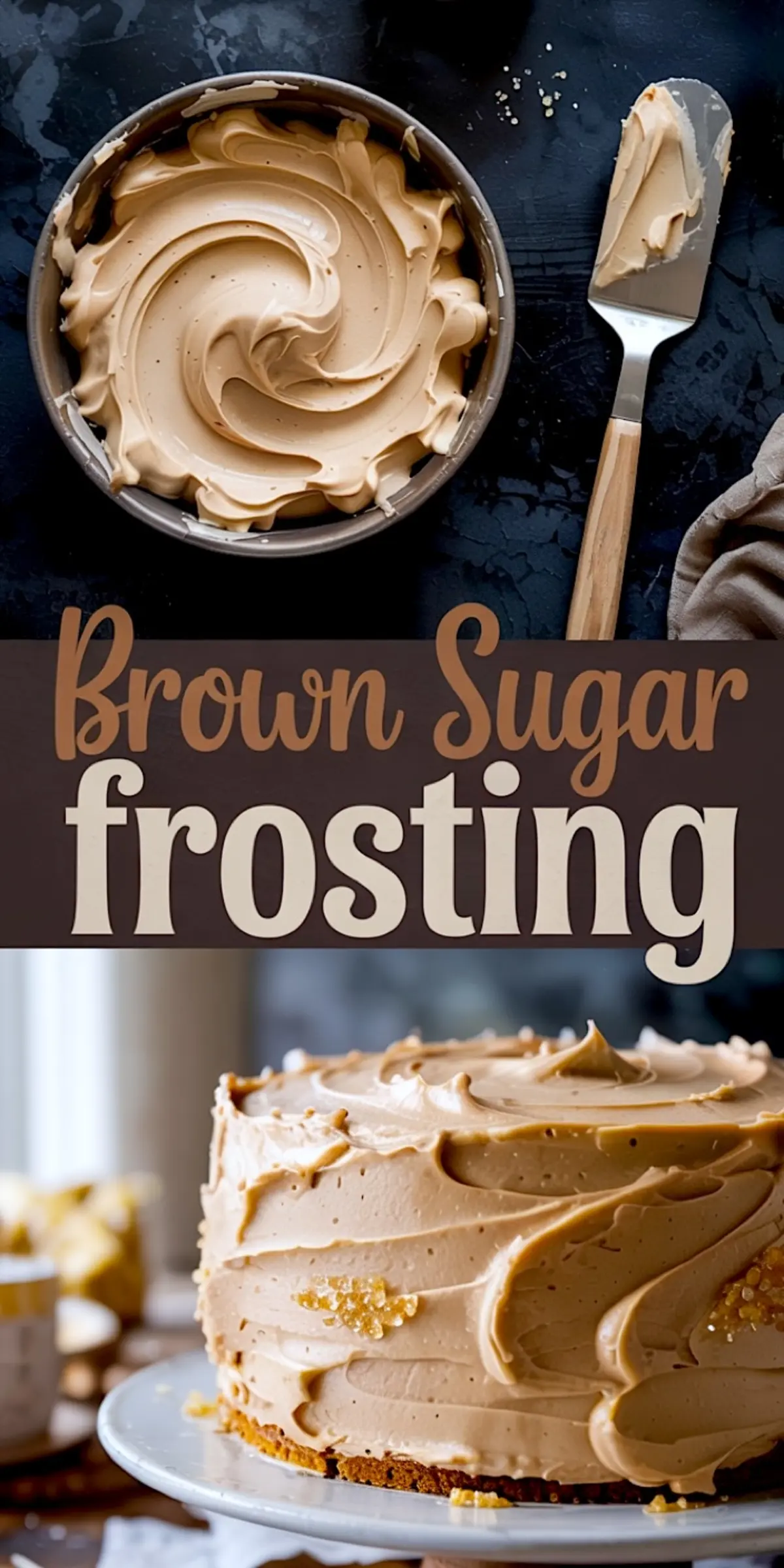
If this brown sugar frosting finds a place in your fall baking, save it to your Pinterest board so you can come back to it anytime.
And if you try it, I’d love to hear what you paired it with. Did you go light or dark brown sugar? Leave a comment and let’s swap notes. You know I’ll be adding your ideas to my Pin Notebook.
Brown Sugar Frosting Recipe
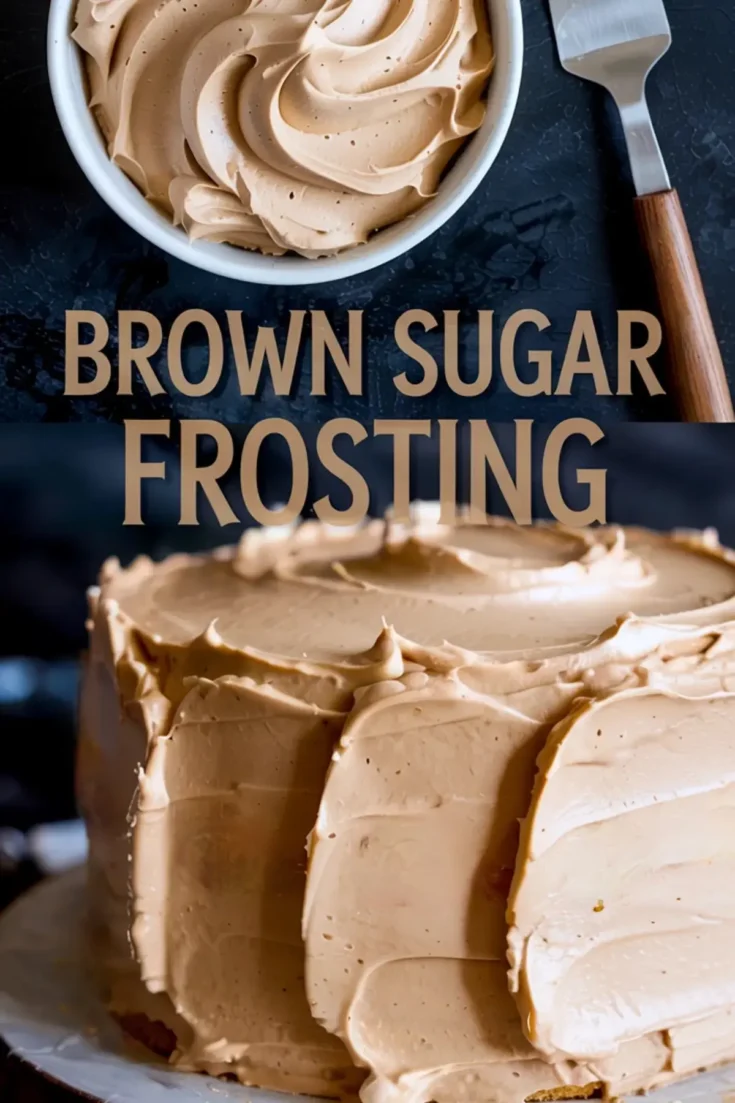
Brown sugar frosting is one of those recipes that feels like it came straight out of an old family cookbook. The brown sugar melts into butter, creating a caramel-like flavor that sets this icing apart from standard buttercream frosting. I use it to top spice cake, banana bread, or even a simple white cake when I want something extra cozy. The texture is smooth and creamy, with just enough sweetness to balance without overwhelming. It’s an easy frosting recipe that comes together in minutes, and you don’t need any special equipment—just a saucepan and a whisk. If you love experimenting with homemade frosting recipes, this brown sugar icing will quickly become a favorite for fall baking, birthdays, and holiday cakes.
Ingredients
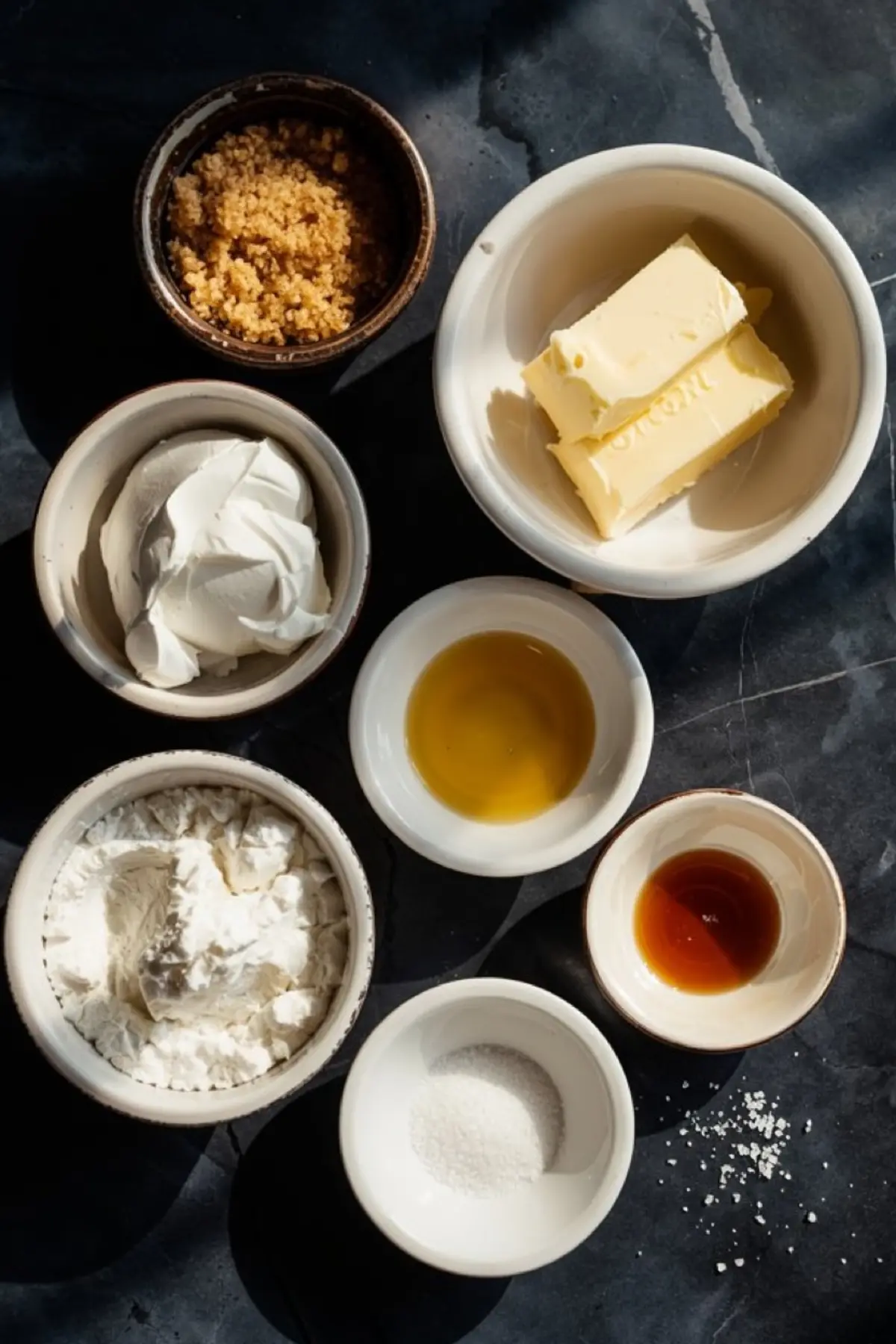
- 1 cup (2 sticks) unsalted butter, softened
- 1 ½ cups light brown sugar, packed
- ¼ cup heavy cream
- ½ teaspoon salt
- 1 teaspoon vanilla extract
- 2 to 2 ½ cups powdered sugar, sifted
Instructions
- MELT AND DISSOLVE: Melt ½ cup of the butter in a saucepan over medium heat. Add the brown sugar and stir constantly for about 2 minutes, until the sugar has fully dissolved and the mixture looks like smooth caramel.
- ADD CREAM AND SALT: Stir in the heavy cream and salt. Let the mixture come just to a gentle boil, then immediately remove it from the heat. Allow it to cool completely to room temperature. This cooling step is essential for a smooth final texture.
- WHIP BUTTER AND BASE: In a large mixing bowl, add the remaining ½ cup of softened butter. Pour in the cooled brown sugar mixture. Beat with an electric mixer on medium-high speed for 2 to 3 minutes, until pale and fluffy.
- INCORPORATE VANILLA AND SUGAR: Add the vanilla extract, then reduce the mixer speed to low. Add the sifted powdered sugar one cup at a time, beating well between additions. Stop at 2¼ cups for a softer spreadable consistency, or go up to 2½ cups for a firmer texture.
- FINAL WHIP: Increase the mixer speed to high and beat the frosting for 1 final minute. The frosting should be smooth, creamy, and hold soft peaks. Adjust as needed—add a t
Notes
Ensure the brown sugar is fresh to avoid a gritty texture. Light brown sugar provides a toffee-like flavor, while dark brown sugar gives a stronger molasses note. Always cool the caramel base before mixing to prevent separation.
Nutrition Information:
Yield:
1Serving Size:
1Amount Per Serving: Calories: 3496Total Fat: 33gSaturated Fat: 21gTrans Fat: 1gUnsaturated Fat: 10gCholesterol: 98mgSodium: 1253mgCarbohydrates: 819gFiber: 0gSugar: 806gProtein: 2g
