
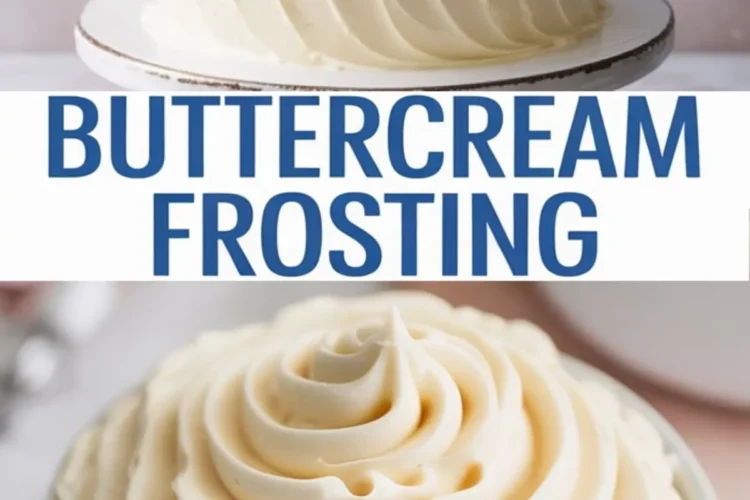
There are many ways to sweeten a cake, but this one always feels like coming home. Vanilla buttercream frosting doesn’t ask for much. It gives more than it takes. Just butter, sugar, and time in the bowl. This kind of frosting has been with me longer than most appliances in my kitchen. I’ve piped it onto birthday cakes, spread it thick across sheet cakes, and even swirled it into cinnamon rolls when Chloe came by for tea.
Some people call it vanilla buttercream, some just butter cream, and others write it out fully as homemade buttercream frosting on their recipe cards. But the one I keep in my book has no title. It’s just the frosting.
I’ve made this enough times to know what it looks like before it’s ready. It should lose that slick shine and look more like soft, whipped air. It should feel light on the spatula, not stiff or greasy. That’s when you know. No timer will tell you.
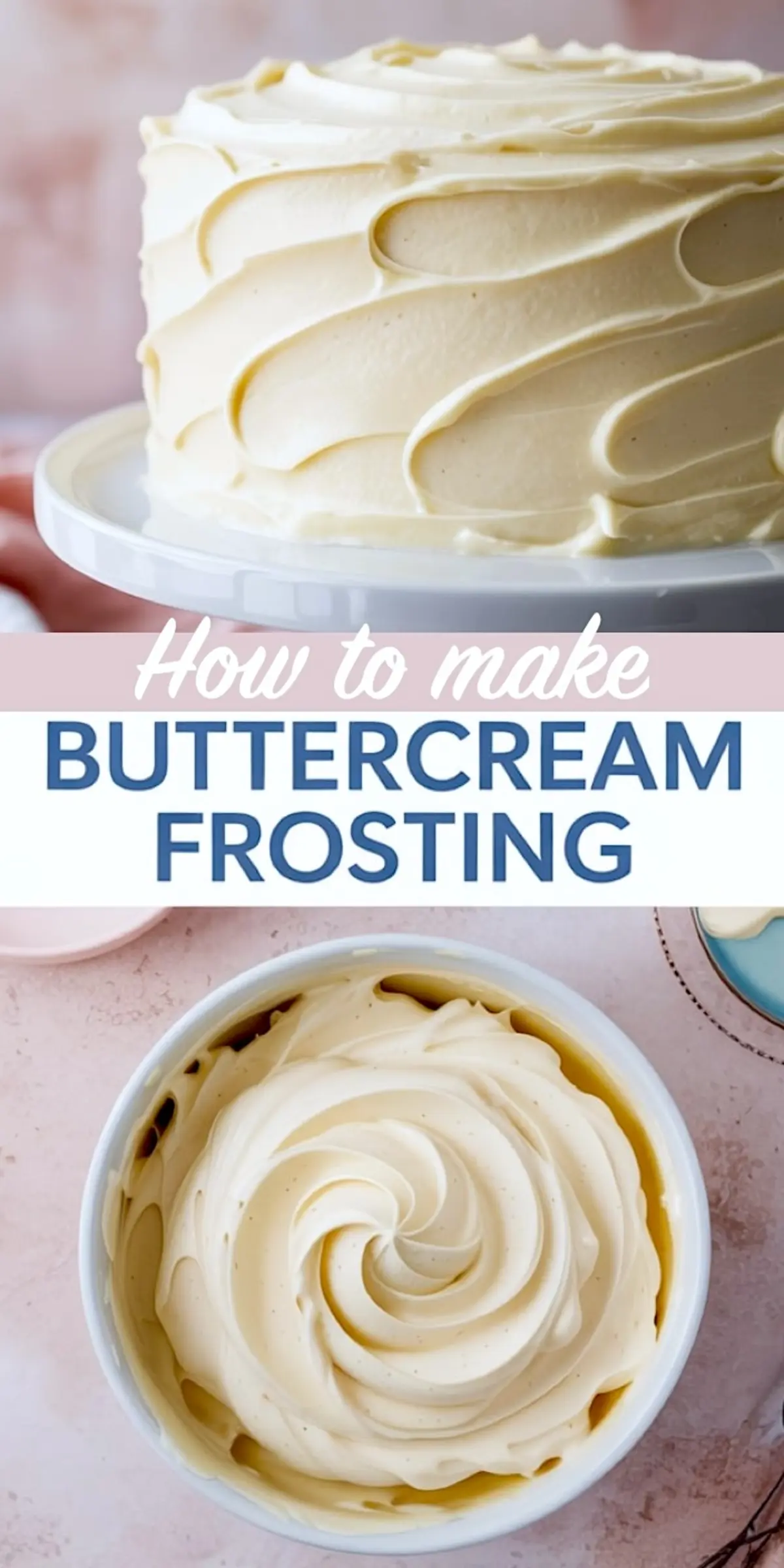
The Basics Behind the Best Buttercream Frosting
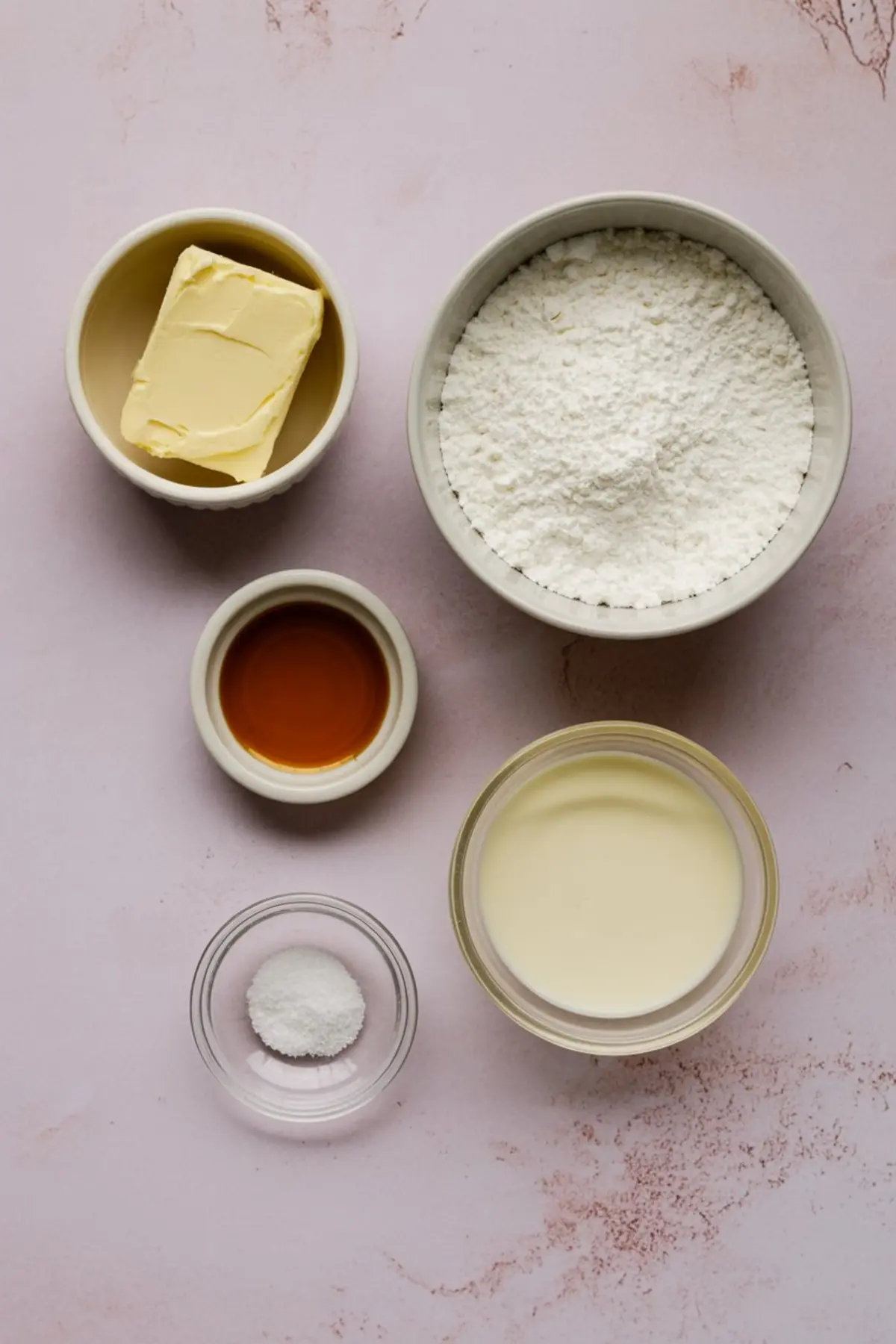
You’ll only need a few ingredients to make the kind of frosting that holds up on a warm afternoon or spreads smooth over a cooled layer cake. Start with good butter. Soft, but not oily. Powdered sugar that doesn’t clump. A splash of cream or milk, and a spoonful of real vanilla.
If you’re new to this, you may wonder why some recipes call it easy buttercream frosting, and others claim to be the best buttercream frosting. I’ll tell you something I wrote in the margin of my card: “Easy is good. But beat it long enough, and you’ll have the best.”
This version works well for piping borders, frosting cupcakes, or layering between cake rounds. If you like variety, this one forms the base for all kinds of frosting recipes, from citrus zest versions to cocoa-dusted chocolate ones.
If you ever need something a bit deeper in flavor, try my maple frosting recipe instead. It adds warmth without adding weight. You can find it here.
Choosing Between Milk and Cream for the Right Texture
I’ve written this in my notebook more than once: “Cream makes it lush, milk keeps it light.”
If you use heavy cream, you’ll get a fluffier, slightly richer texture. It holds its shape well and pipes beautifully. If you’re frosting something delicate like sugar cookies or want to keep things lighter, whole milk does the trick.
Both work. I’ve tried them side by side. But I usually reach for cream when I know the cake will sit out a while. It gives a little more structure and feels more generous on the tongue.
If you’re working on something with a tangy base, this cream cheese frosting might serve you better. It spreads easily and balances rich cakes nicely. I keep that version here.
How the Ingredients Come Together in the Bowl

Start with butter that’s truly softened, but not melting. If it’s too cold, the sugar won’t blend. If it’s too warm, the frosting turns greasy. Beat the butter longer than you think. It should turn pale and fluffy, like whipped cream, but without the shine.
Once the sugar goes in, do it slowly. I write in my notes: “Add it like flour to gravy. Little by little.” The mixture will look dry at first. That’s normal. Keep the mixer steady, and it will smooth out.
Add the vanilla extract next, along with two tablespoons of cream or milk. At this stage, the texture should shift again. Softer, lighter, silkier. Scrape the bowl well. Frosting hides in corners.
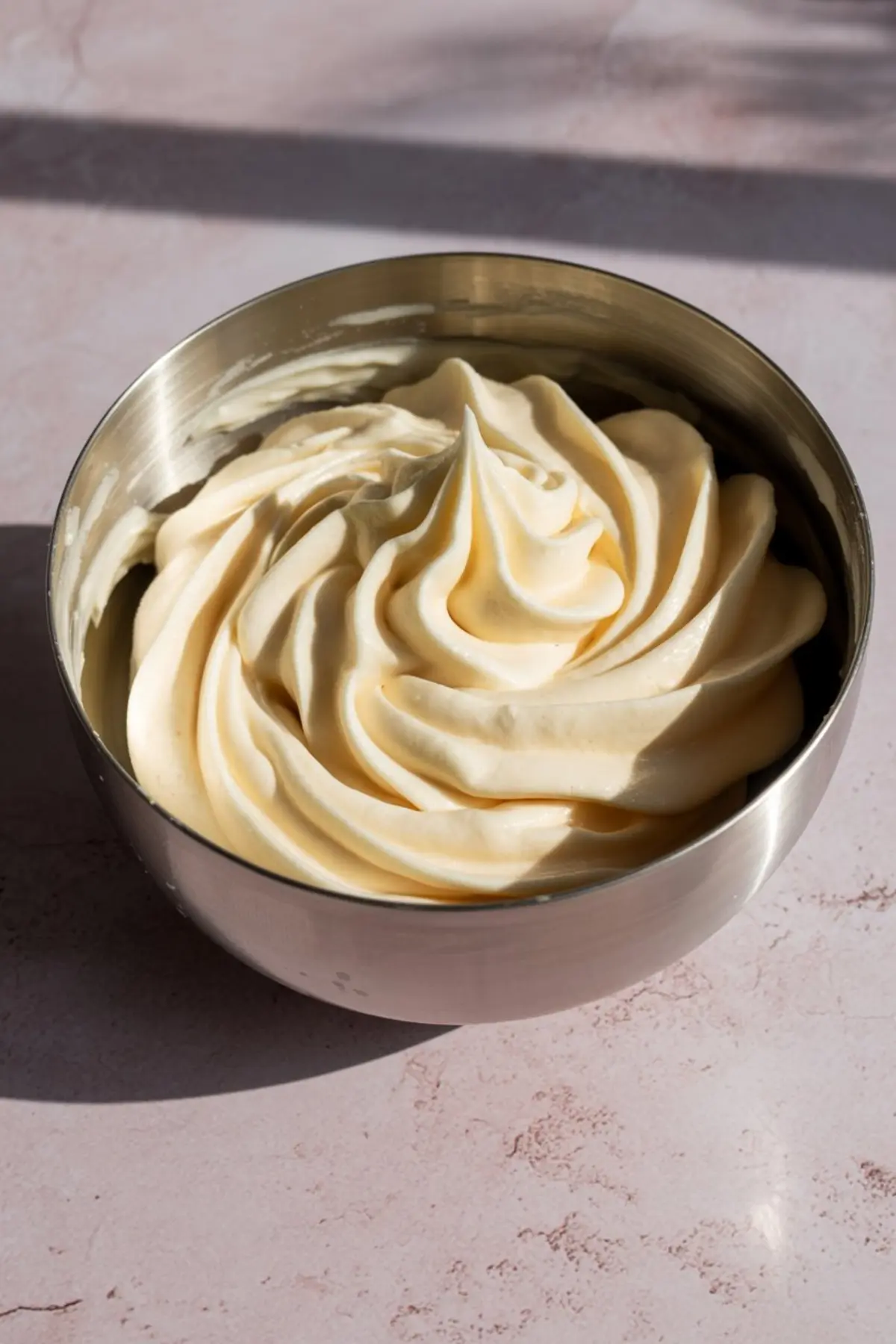
If it looks too thick, add more cream one spoon at a time. If it tastes too sweet, a pinch of fine sea salt settles it. I use 1/8 teaspoon in mine, and sometimes a touch more on humid days.
How I Store It, and What to Expect
This frosting can be made ahead. I often mix it the day before a celebration, then cover the bowl tightly. It keeps well in the fridge for up to three days. Before using, bring it back to room temperature and re-whip it. Cold butter loses its softness, and the frosting won’t spread evenly unless it’s re-whipped.
If you need more flavor ideas, I’ve gathered a few of my favorites here in this list of frosting recipes. I keep them printed and clipped inside my notebook, next to Chloe’s handwriting, which always makes me smile. She’s done quite well for herself. You’d be proud too, if you’d taught her.
What to Do if It Breaks, Cracks, or Sinks
If your frosting splits or cracks when spreading, don’t worry. That just means the butter was a little cool or the cake a little warm. Let it rest. Smooth it again gently with a warm offset spatula.
The truth is, frosting always looks more finished once it’s had a moment to settle. So do most things. If the top isn’t smooth, swirl it with the back of a spoon. I’ve done this for decades, and nobody’s ever said a word about the cracks.
A Few Final Thoughts Before You Bake
There’s a reason this is the best buttercream I keep in my kitchen. It doesn’t ask much. It forgives errors. And it holds whatever celebration you place it on.
You can swirl it thick or spread it thin. You can pipe it tall on cupcakes or keep it simple on a single-layer cake. I’ve done both. And each one, in its own way, felt finished.
If you’re working on a cake today, or even just planning ahead, you may find my notes on easy frosting helpful to keep bookmarked. That version is in the same style, just a little quicker to finish.
Save This Recipe and Share What You Made
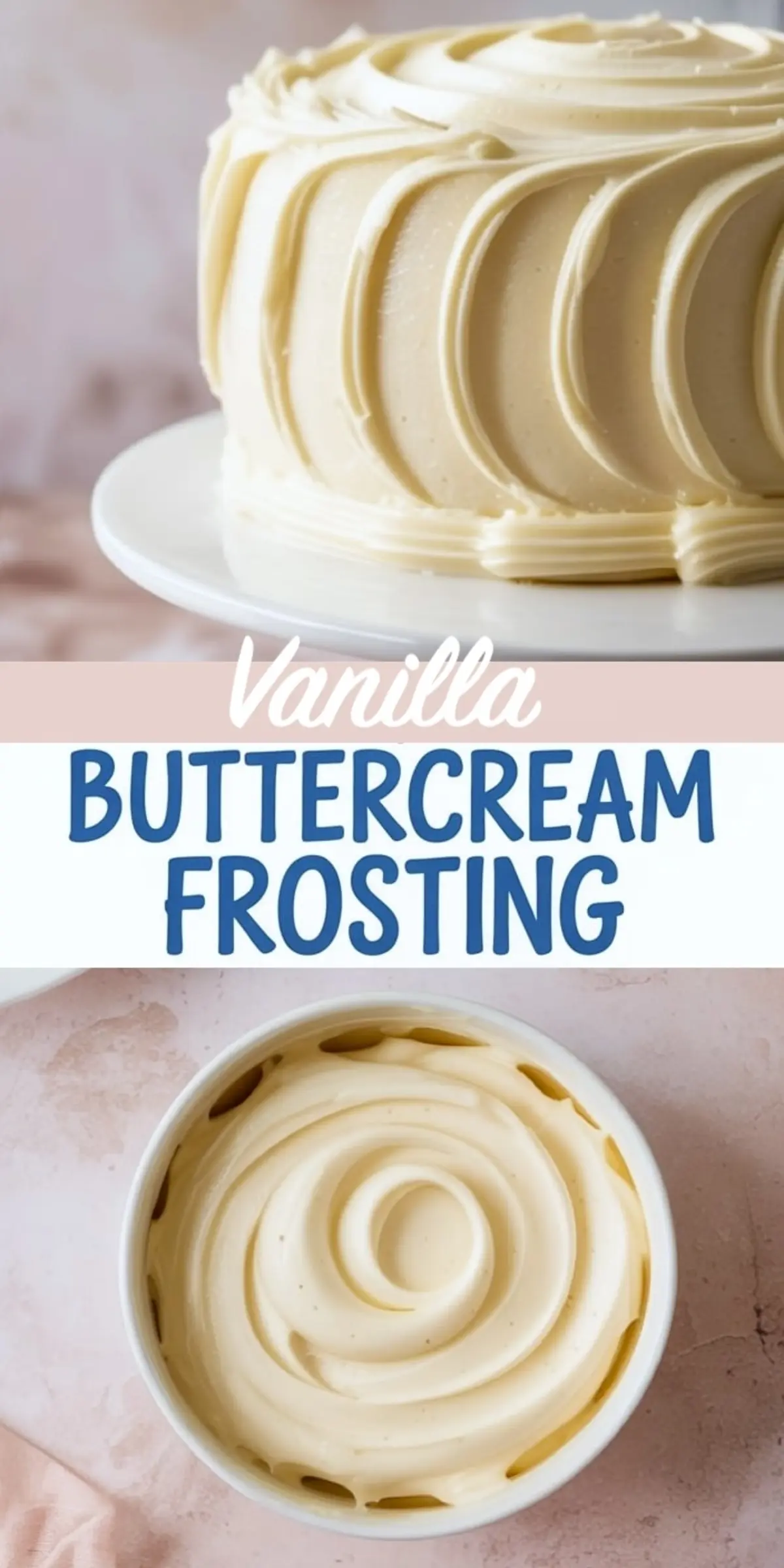
If you try this vanilla buttercream, I’d love to hear how you used it. Did you layer it over a birthday cake? Pipe it into roses? Spread it on something warm and fresh from the oven?
Leave a comment or ask me a question. I always check back. And if you’d like to keep it for later, save this recipe to Pinterest so it stays close.
Vanilla Buttercream Frosting Recipe

Buttercream frosting recipe is a staple in every baker’s kitchen, and I love how simple it is to whip up. With just butter, sugar, and flavoring, you get the best buttercream for spreading on cakes or piping onto cupcakes. Some call it vanilla buttercream frosting, others just butter cream or homemade buttercream frosting, but each variation delivers smooth, sweet flavor. I’ve tried easy buttercream frosting when I need something quick, and best buttercream frosting versions for special cakes, and both work beautifully. Among frosting recipes, buttercream frosting stands out for being versatile, reliable, and the base for endless flavors.
Ingredients
- unsalted butter, 1 cup (2 sticks), softened to room temperature
- powdered sugar, 4 cups (480 grams), sifted if clumpy
- heavy cream or whole milk, 2 to 4 tablespoons
- pure vanilla extract, 2 teaspoons
- fine sea salt, 1/8 teaspoon
Instructions
- BEAT THE BUTTER: Place the softened butter in a large mixing bowl. Using a stand mixer fitted with a paddle attachment or a hand mixer, beat the butter on medium-high speed for 4 to 5 minutes, until it becomes very light, fluffy, and pale in color. Scrape down the bowl as needed to ensure even mixing.
- ADD THE SUGAR: Reduce the speed to low and gradually add the powdered sugar, one cup at a time. After each addition, beat until the sugar is fully incorporated before adding more. The mixture will look dry at first but will smooth out as you continue beating.
- ADD VANILLA AND CREAM: Once all the sugar is incorporated, add the vanilla extract and 2 tablespoons of cream or milk. Increase the speed to medium and beat for 2 to 3 minutes, until the frosting is silky and smooth. Scrape down the sides of the bowl to ensure even texture.
- ADJUST CONSISTENCY: Taste the frosting. If it’s too thick, add more cream, one teaspoon at a time, until it reaches a spreadable or pipeable consistency. If it’s too sweet, add a small pinch of salt and beat again. For firmer frosting, chill it in the refrigerator for 10 to 15 minutes, then re-whip before using.
Notes
Frosting can be made up to 3 days in advance and stored in an airtight container in the refrigerator. Bring to room temperature and re-whip before using.
Nutrition Information:
Yield:
1Serving Size:
1Amount Per Serving: Calories: 3614Total Fat: 203gSaturated Fat: 126gTrans Fat: 0gUnsaturated Fat: 66gCholesterol: 546mgSodium: 401mgCarbohydrates: 453gFiber: 0gSugar: 445gProtein: 10g
