
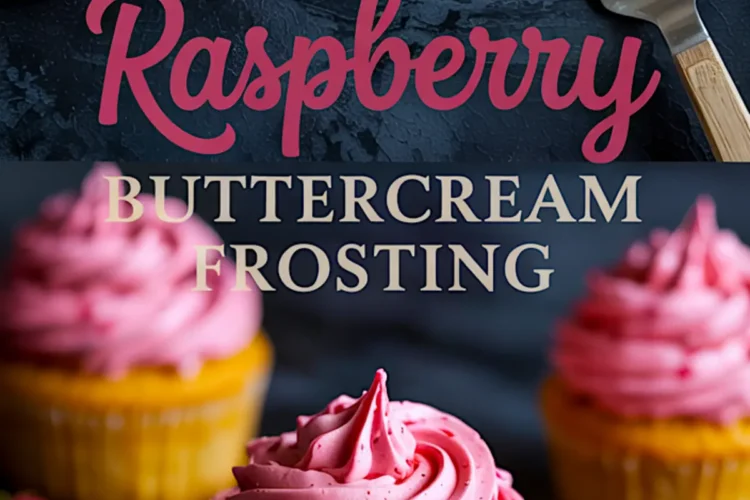
There’s something about raspberry buttercream frosting that makes everything feel a little more thoughtful, a little more personal.
You’ll learn how to make this raspberry frosting recipe step by step, with fresh berry purée folded right into whipped butter. You’ll also see why I use it often in my raspberry cupcakes and as a raspberry cake filling. It pipes beautifully, spreads easily, and carries that deep berry brightness you just don’t get from anything artificial.
You’ll also discover the little twist I add that gives this frosting its balance and polish. It’s subtle, but it matters.
This frosting stands out among frosting recipes easy to follow but full of flavor. It’s sweet and soft, but with a clean berry tang that doesn’t hide under sugar.
There’s one ingredient in here that doesn’t usually show up in standard buttercream recipes. I save the reveal for later, because it’s not what most expect. But once you try it, you’ll understand why I use it every time.

Why Fresh Raspberries Make All the Difference in Raspberry Buttercream

I use fresh or thawed raspberries, never jam. You get full flavor this way, and the texture stays smooth.
Raspberries break down quickly on heat, which makes them ideal for a fast purée. But that’s only half the story. The seeds need to go. I strain the purée through a mesh sieve for a completely smooth finish. It takes a minute. It’s worth it.

The color, once cooked down and strained, deepens to a soft crimson. When folded into butter, it turns into this silky, pink-berry frosting that feels real. You taste raspberries, not raspberry flavor.
If you have freeze-dried raspberries, you can grind them into powder and stir them in. The texture shifts slightly, but the result holds better in humidity. I’ve tested both. I prefer purée for softness, powder for structure.

Try this raspberry buttercream frosting on vanilla cupcakes or layer it as a raspberry cake filling. You’ll notice the difference instantly.
Butter That Whips Like a Dream
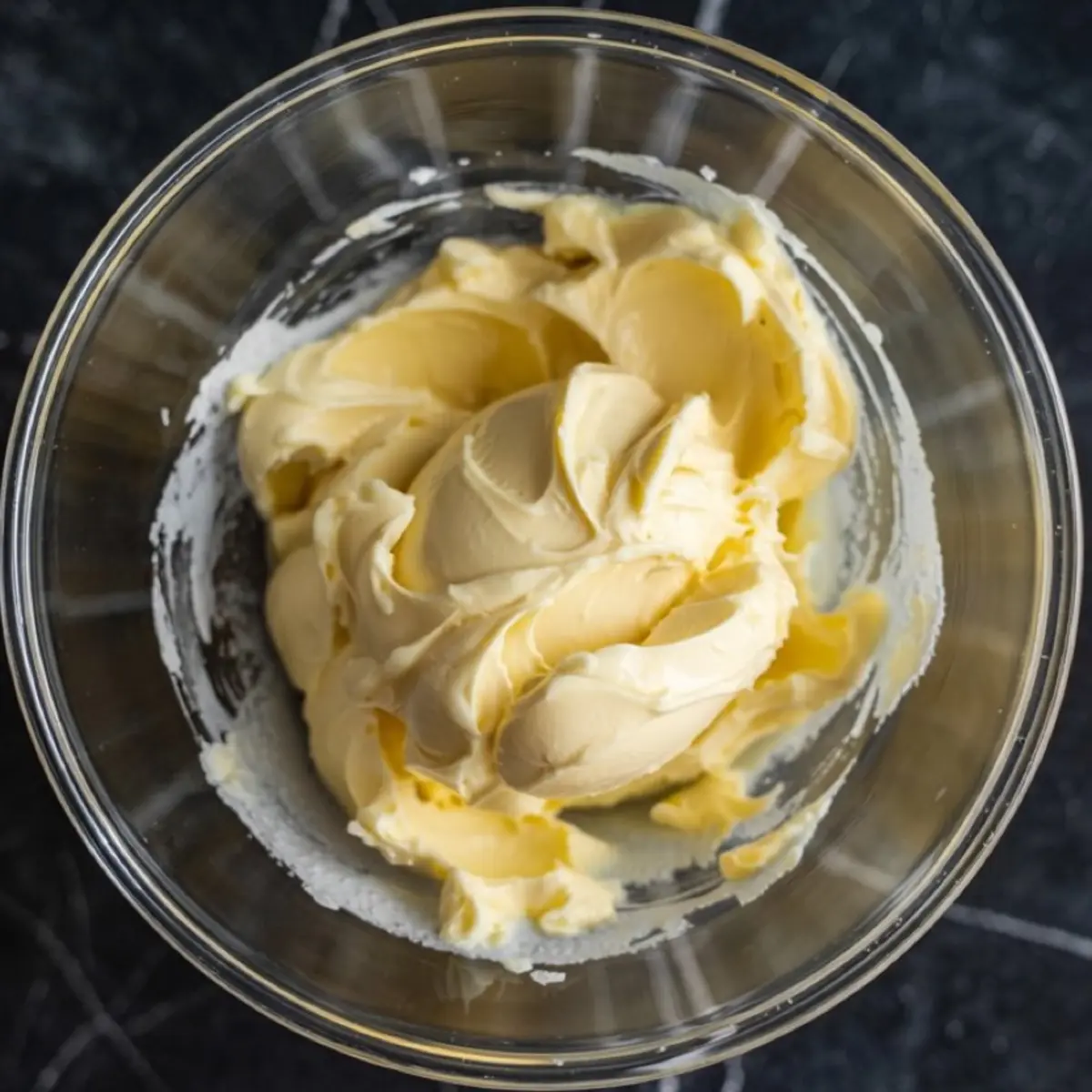
There’s no skipping here. The butter matters. I use unsalted, room-temperature butter and beat it long enough to look mousse-like. This part feels small, but it builds the entire structure of the frosting.
You want it pale, whipped, and soft enough that a spoon swipes through it cleanly.
Skip this step and the frosting won’t hold shape or blend properly. This is where most people stop too soon, especially if they’re rushing. I’ve done that myself when I didn’t plan time. Learned that lesson early on.
If your kitchen runs warm, chill the bowl for a few minutes before beating. It helps.
Powdered Sugar in Stages: Avoid the Dust
I sift the sugar first, then add it in slowly. One cup at a time. I’ve skipped the sifting on busy days, but the frosting always turns out lumpier.
Adding sugar gradually keeps the texture soft and gives you control. If you’ve ever watched sugar cloud up and stick to everything, you know what I mean.
This frosting doesn’t need as much sugar as American buttercream often calls for. The raspberries bring their own sweetness. I usually stop at 3½ cups and adjust later if I need to thicken it.
If you’re piping tall swirls or covering a large cake, the extra sugar gives a bit more hold.
Folding in the Raspberry Purée Slowly

The purée should be completely cool before it meets the butter. If it’s warm, the butter splits. That’s another early lesson I’ve written in my Pin Notebook in bold.
I add the purée one tablespoon at a time. Beat. Taste. Then add more. The raspberry frosting color builds as you go, like watercolor. One drop too many, and you’ll thin the structure.
That’s where powdered sugar helps again. If the frosting gets too soft, a spoonful or two brings it right back.
This method works best if you want a balanced flavor. Bold, but not sour. Smooth, but not runny.
A Side-by-Side: Raspberry Purée vs Freeze-Dried Raspberries
I’ve made this raspberry buttercream with both real purée and powdered freeze-dried raspberries. Both work, but the outcome changes.
The purée version gives a smooth, spreadable texture with a fresh berry flavor that lingers. The color runs softer but more natural. The frosting stays gentle on the tongue, and I like it especially for layer cakes and fillings.
Freeze-dried raspberries create a firmer frosting with a sharper, tart finish. Better for piping tall rosettes or cupcakes that need to sit out.
In my notes, I’ve marked purée for home bakes and soft finishes. I lean on freeze-dried when the frosting needs to stay stiff for hours.
The Final Step and a Tiny Dash of Brightness
Once the purée is fully mixed and the texture looks smooth and settled, I finish it off with a pinch of fine sea salt. That part is easy to overlook, but it makes a difference. The salt rounds out the sweetness and helps the berry come through.
Then comes the secret I mentioned earlier. Lemon juice.
Just a few drops.
The lemon sharpens the raspberry flavor without adding its own taste. It brings clarity, especially if your berries leaned sweet. Start small, then taste.
I’ve found that lemon gives this raspberry buttercream recipe its edge. A soft contrast that makes everything feel brighter without tipping sour.
If you’ve ever had frosting that tastes flat, this is what’s missing.
More Raspberry Desserts You Might Love
This raspberry frosting also layers beautifully inside cheesecakes. If you’re looking for ideas, I suggest pairing it with the Lemon Raspberry Cheesecake I wrote about here: Lemon Raspberry Cheesecake. The sweet lemon and tart raspberry are a natural fit.
You could also bake up a batch of cookies and press a thumbprint in the center, then pipe in a swirl of this frosting once they’ve cooled. I’ve done that with both Raspberry Coconut Thumbprint Cookies and White Chocolate Raspberry No-Bake Thumbprint Cookies, and both turned out beautifully.
If pie is more your pace, you might like this Raspberry Pie Recipe. It’s simple and honest. You can even use leftover frosting to decorate the crust edge or add dollops when serving.
Save This Raspberry Frosting Recipe and Share How It Turned Out

If this raspberry buttercream frosting found its way into your baking day, I’d love to hear how it went.
Did you use it on raspberry cupcakes, inside a cake, or as a raspberry cake filling? Did the lemon surprise you?
Pin this to your frosting or cupcake board for later. That way, when the next berry craving hits, you’ll know where to find it.
And drop a comment below to share your tips, your tweaks, or your thoughts. I always read them.
We’re all still learning, one spoonful at a time.
Raspberry Buttercream Frosting

Raspberry buttercream frosting is a smooth, fruit-filled frosting made with fresh or freeze-dried raspberries. I beat softened butter until fluffy, then add raspberry puree or powder for that bright color and flavor. This raspberry frosting is sweet, tangy, and holds its shape for piping. If you’re making raspberry cupcakes or need a buttercream frosting recipe that stands out, this one works every time. I use it as a raspberry cake filling too—it spreads easily and adds a pop of flavor. It’s one of my favorite frosting recipes easy enough for any baker to pull off with great results.
Ingredients
- 1 ½ cups fresh or thawed frozen raspberries
- 1 cup (2 sticks) unsalted butter, softened to room temperature
- 3 ½ to 4 cups powdered sugar, sifted
- ⅛ teaspoon fine sea salt
- Optional: ½ to 1 teaspoon fresh lemon juice, to taste
Instructions
- MAKE THE RASPBERRY PURÉE: Add raspberries to a small saucepan over medium heat and cook for about 10 minutes, stirring often, until the berries break down and release their juices.
- STRAIN THE PURÉE: Pour the cooked raspberries through a fine mesh sieve into a bowl, pressing to extract as much liquid as possible and discard the seeds. Set the purée aside to cool completely before adding it to the buttercream.
- BEAT THE BUTTER: In a large mixing bowl, beat the softened butter for 3 to 4 minutes until pale, fluffy, and mousse-like in texture.
- ADD THE SUGAR: Gradually add the sifted powdered sugar, 1 cup at a time, beating well after each addition to fully incorporate and avoid lumps or sugar dust clouds.
- ADD THE RASPBERRY PURÉE: Once the sugar is fully mixed in, add the cooled raspberry purée one tablespoon at a time, beating after each addition until the frosting is smooth and evenly colored.
- ADJUST CONSISTENCY: If the frosting is too thick, add more raspberry purée one teaspoon at a time. If it’s too loose, add more powdered sugar until the desired consistency is reached.
- FINISH AND TASTE: Add the salt and, if desired, a small amount of lemon juice to brighten the flavor. Beat for one final minute to ensure a smooth and creamy texture throughout.
Notes
Let the purée cool fully before mixing into the butter to prevent separation. Use fresh raspberries when possible for the best flavor. Store leftover frosting in an airtight container in the refrigerator for up to 5 days; re-whip before using.
Nutrition Information:
Yield:
1Serving Size:
1Amount Per Serving: Calories: 6195Total Fat: 13gSaturated Fat: 7gTrans Fat: 0gUnsaturated Fat: 3gCholesterol: 31mgSodium: 378mgCarbohydrates: 1560gFiber: 13gSugar: 1515gProtein: 2g
