

A well-made raspberry pie delivers a kind of satisfaction few desserts manage to touch. It’s tart, soft, gently sweet, and anchored in something as old as kitchen wisdom: fruit, flour, sugar, and butter working together without fuss. But timing matters. I reach for this pie when raspberries are either falling off the vine or overflowing the freezer soft and almost too ripe to eat on their own.
You’re going to learn how to bake a raspberry pie that balances structure and softness, where the crust stays crisp, and the filling doesn’t spill into syrup. We’ll keep the steps grounded and predictable, while the result still feels like a little surprise.
And tucked inside the filling, you’ll find something small but decisive. Something that deepens the flavor and changes the way the fruit tastes as it bakes. I’ll share that quiet ingredient soon—but first, let’s get you settled with everything you need to know.

Best Pie Dough Tips for Raspberry Desserts

A fruit pie needs support. That support begins with the crust. I follow the same base as I do for my pie crust recipe: cold butter, light touch, and enough water to bring it together, but never so much that it becomes pasty.
What matters most here is temperature. Keep your butter cold, your hands quick, and your fridge involved every step of the way. Chill the dough before rolling. Chill the crust after it’s shaped. Chill the assembled pie just before baking. These pauses help you avoid a soggy bottom and stop the crust from shrinking.
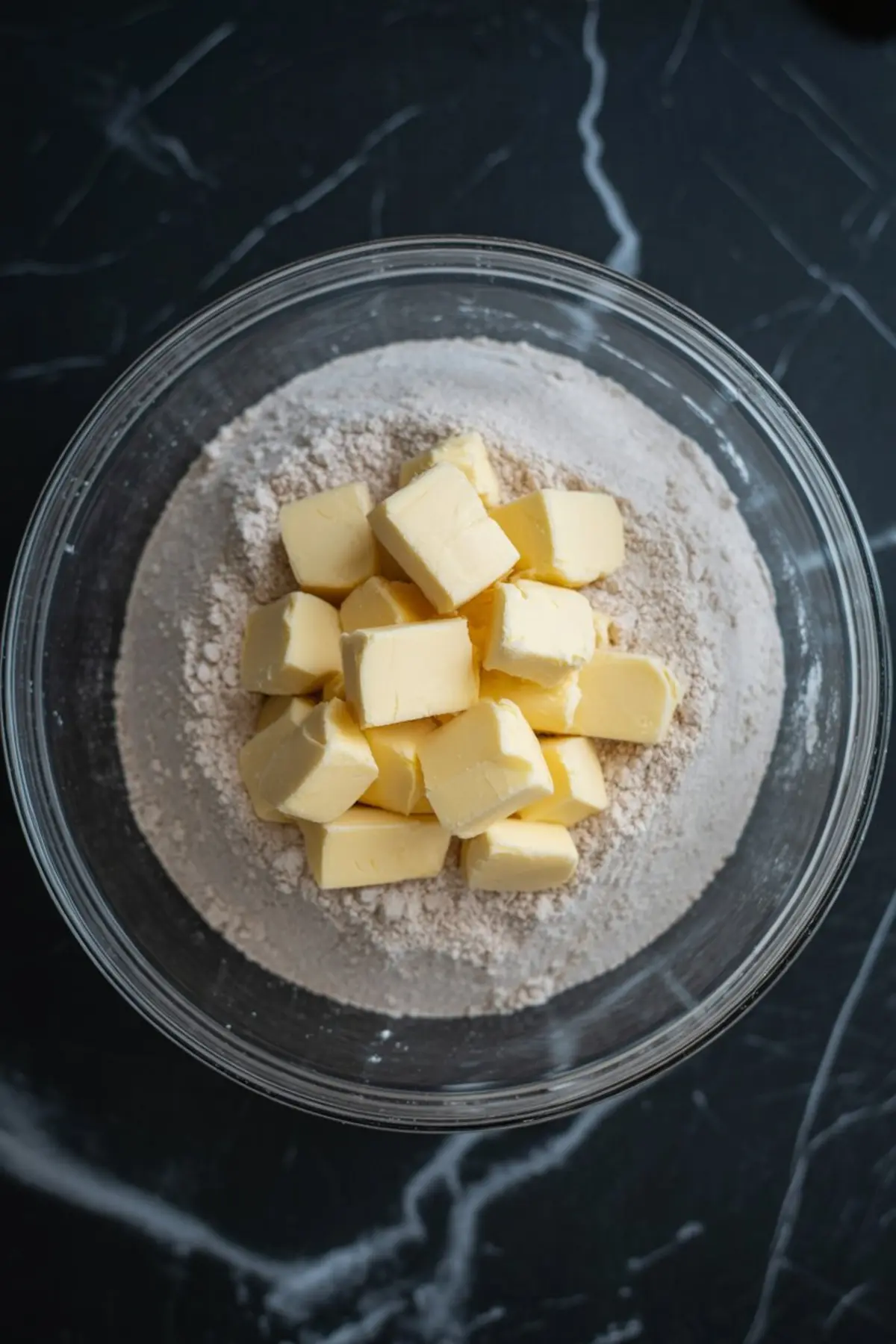
And when you roll the dough, don’t stress about the edges being even. It’s better to preserve those cold bits of butter inside the dough than to smooth the borders with warm hands. Imperfect edges lead to flaky layers.
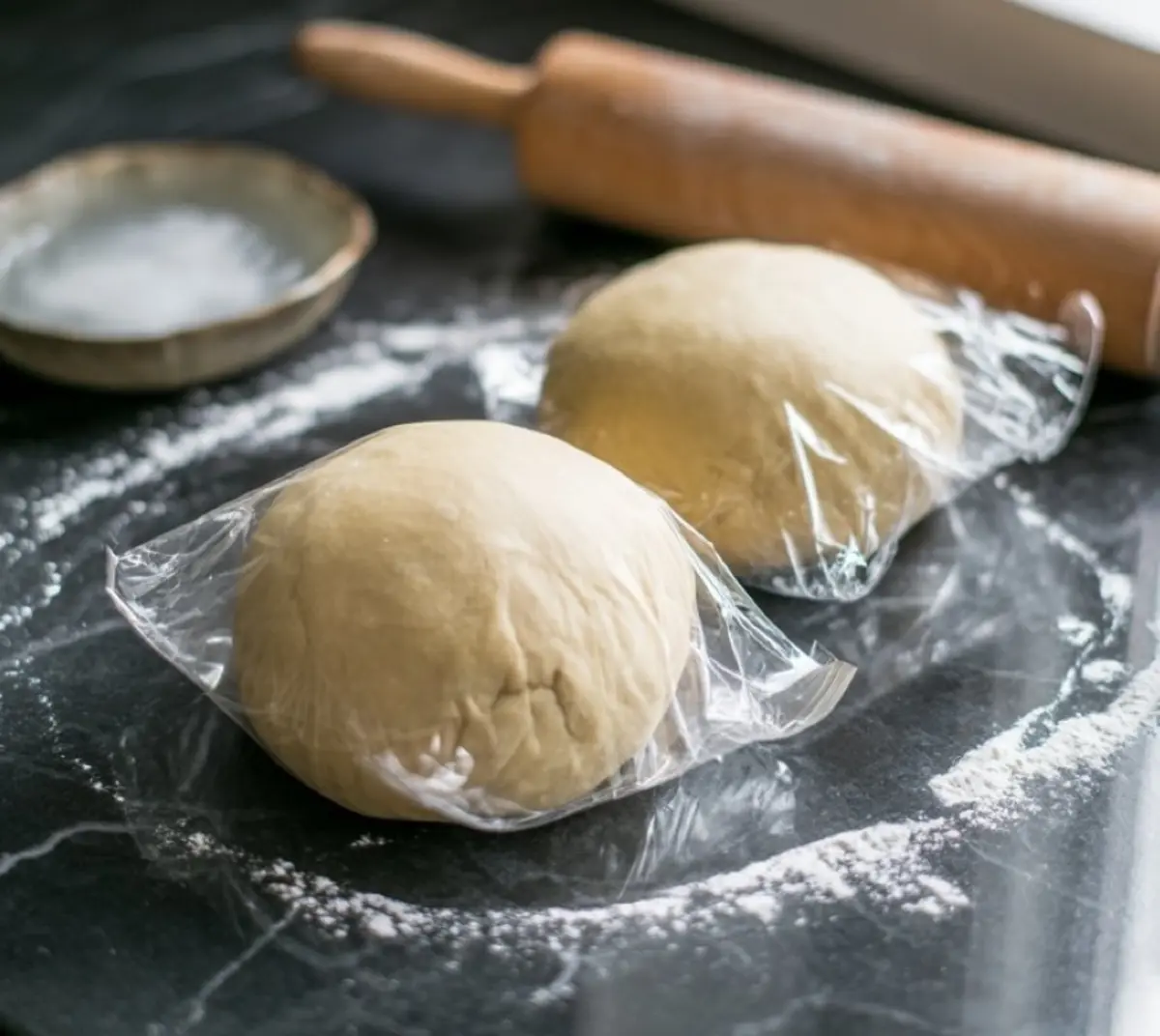
You can also use this crust for other pies like peach pie or strawberry rhubarb pie, where fruit softness meets pastry firmness.
Making the Best Raspberry Pie Filling

You have two good options: fresh or frozen raspberries. I’ve used both. Frozen berries work just as well if they’re fully thawed and drained. Otherwise, the filling may end up watery, and your base will suffer for it.
In my notes, I’ve tested using both flour and cornstarch to thicken. Cornstarch wins every time. It binds the raspberry juice without making the texture heavy or opaque. You’ll still see the glow of the berries beneath the top crust, and the set will be firm but soft.
Lemon juice brightens the entire filling. Just one tablespoon can lift the flavor enough that the sugar doesn’t dominate. A touch of lemon zest is optional, but I keep it in. It adds a fragrant top note that reminds me of early spring.
Assembling a Fruit Pie That Doesn’t Fall Apart
Don’t rush the structure. Place the base crust into the pan and chill it again before adding the fruit. Let the filling sit in a bowl while you prep the crust, so the cornstarch starts doing its job.
Then, pour the fruit in gently—without dumping in all the excess liquid at the bottom of the bowl. Too much juice and the bottom crust turns doughy instead of crisp.
At this point, you get to decide: full top crust or lattice. I like a simple lattice because it vents the pie naturally and lets the filling bubble up just enough. But either way, don’t forget the egg wash and sugar sprinkle. It’s a small step, but it gives the pie a bronzed, crisp finish that flakes under the fork.
Let the assembled pie chill one final time. Even 15 minutes in the fridge makes the edges firmer and helps the dough hold its shape as the heat hits.
You’ll want to bake it first at a high temperature, then reduce it to finish. This two-stage method creates the golden crust without burning the edges. And if the crust does start to darken too early, I just tent it with foil halfway through.
How Whipped Cream Balances a Raspberry Tart
This filling leans tart. That’s where the whipped cream comes in. It’s simple: cold cream, powdered sugar, vanilla, and air.
Whip it gently, stop at soft peaks, and add just a bit of crushed freeze-dried raspberry on top. The crunch and color from those crushed berries give each slice a little contrast—both in taste and texture.
The whipped cream is a soft landing for the vibrant filling. It’s a quiet answer to the pie’s brightness, and I never skip it.
If you enjoy this balance of creamy and tart, you’ll likely also enjoy a slice of classic cherry pie, where the fruit plays a similar note, but with a deeper tone.
A Quick Note on Comparing Thickeners
I’ve tried both flour and cornstarch in raspberry pies. Flour gives the filling a duller finish and sometimes a pasty texture if the fruit is juicy. Cornstarch, on the other hand, keeps things clear and soft. It dissolves smoothly and never overpowers the berries.
If your goal is a vibrant, clean slice that holds but still feels fresh, cornstarch is the better choice. I’ve never looked back.
The Secret Inside This Pie (And Why It Works)
Now here’s what I hinted at earlier—the ingredient that brings everything together without calling attention to itself.
It’s vanilla.
Not much, just half a teaspoon in the filling. But that half teaspoon does something subtle and important. It rounds out the edges of the raspberry’s tartness. It adds warmth to the lemon and sugar. And once it bakes, the vanilla softens the filling without masking the fruit.
You taste raspberry first, but there’s a quiet backdrop to it. That’s the magic. Not flashy. Just gentle support.
Make This Raspberry Pie Your Own
Once you master this recipe, you can build on it. Swap in part of the raspberries with blackberries for something closer to a razzleberry pie. Or layer a spoonful of raspberry filling into mini shells for simple raspberry tarts. Even a few spoonfuls folded into cheesecake batter turn into your own spin on raspberry cheesecake recipes.
Some of my readers enjoy experimenting with raspberry custard pie or chilled raspberry cream pie variations. If you go that route, keep the structure light. Let the raspberries speak.
Save and Share This Raspberry Pie Recipe
If this raspberry pie taught you something or made you feel more confident about baking fruit pies, go ahead and pin it for later.
And if you try it, leave a comment and tell me how it turned out. Did you use fresh or frozen raspberries? Lattice or full crust? I’d love to hear your take.
There’s something about baking pie that connects us. Let’s keep that connection going.
Raspberry Pie Recipe
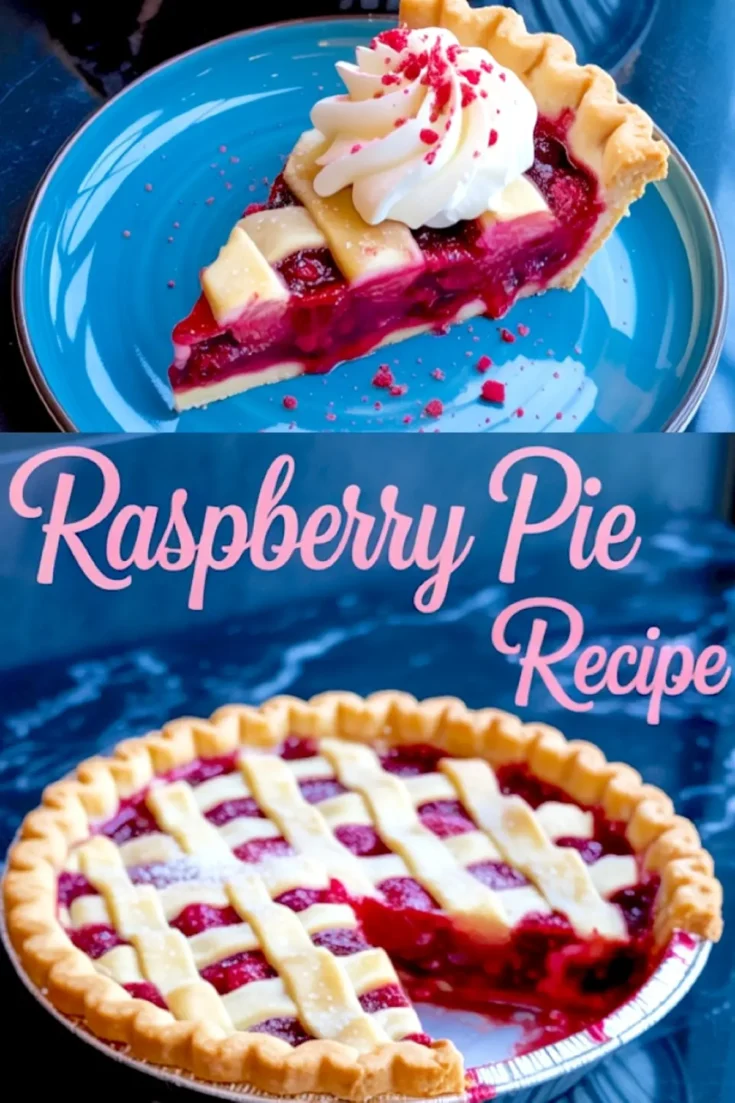
This raspberry pie features a buttery, flaky homemade crust and a bright, gently sweet raspberry filling. Fresh or thawed raspberries are tossed with sugar, lemon, and vanilla for a classic fruit center, all wrapped in golden crust. Serve each slice with softly whipped cream and a sprinkle of crushed freeze-dried raspberries for contrast in texture and flavor.
Ingredients
- FOR THE PIE DOUGH (MAKES 2 CRUSTS)
- 2½ cups (310g) all-purpose flour
- 1 tsp salt
- 1 tbsp sugar
- 1 cup (226g) unsalted butter, very cold, cut into small cubes
- 6–8 tbsp ice water
- FOR THE RASPBERRY FILLING
- 5 cups fresh raspberries (or frozen, thawed and drained)
- ¾ cup granulated sugar
- ¼ cup cornstarch
- 1 tbsp fresh lemon juice
- ½ tsp lemon zest (optional)
- ½ tsp vanilla extract
- Pinch of salt
- FOR ASSEMBLY
- 1 egg, beaten with 1 tbsp water
- Granulated sugar for sprinkling
- FOR WHIPPED CREAM TOPPING
- 1 cup heavy cream, cold
- 2 tbsp powdered sugar
- ½ tsp vanilla extract
- 1 tbsp crushed freeze-dried raspberries
Instructions
- MAKE THE DOUGH: In a large bowl, whisk together the flour, salt, and sugar. Add the cold butter cubes and use your fingers or a pastry cutter to cut the butter into the flour until the mixture forms pea-sized clumps. Gradually add the ice water, one tablespoon at a time, tossing with a fork until the dough begins to hold together. Do not overwork it. Divide the dough into two discs, wrap each in plastic wrap, and chill for at least 1 hour.
- PREPARE THE FILLING: In a separate large bowl, combine raspberries, sugar, cornstarch, lemon juice, lemon zest (if using), vanilla extract, and salt. Gently toss until evenly mixed. Let sit for 15 minutes so the berries begin to release their juices and the cornstarch starts to dissolve.
- ROLL OUT THE DOUGH: On a lightly floured surface, roll out one disc of dough into a 12-inch circle. Carefully fit it into a 9-inch pie dish, leaving some overhang. Place the lined dish in the refrigerator. Roll out the second disc of dough to use for the top—either whole, lattice, or decorative cut-outs.
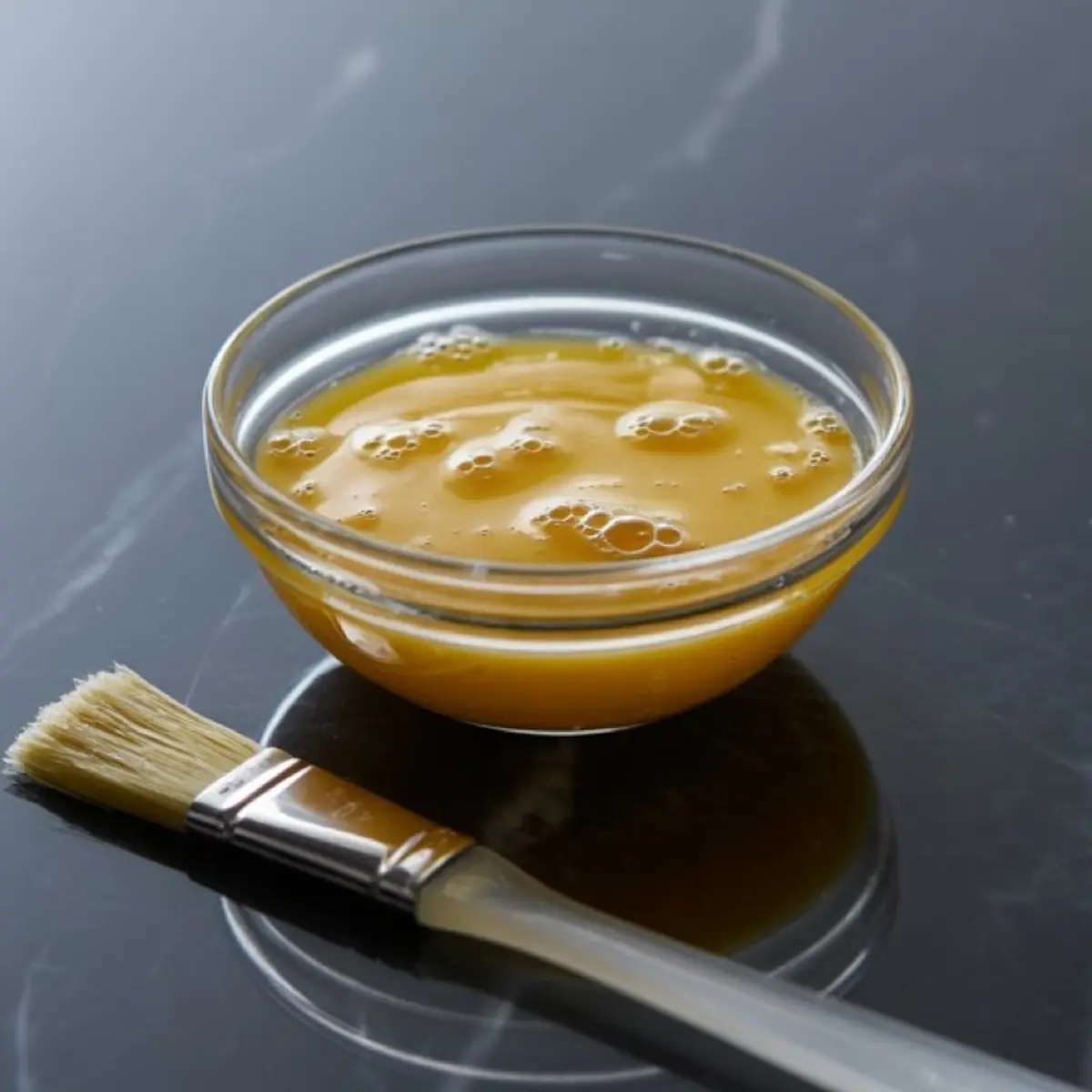
- ASSEMBLE THE PIE: Pour the raspberry filling into the chilled bottom crust, leaving behind excess liquid if necessary. Place the top crust over the filling and crimp the edges to seal. Trim any excess dough. Brush the top crust with the egg wash and sprinkle lightly with granulated sugar. Chill the assembled pie in the refrigerator for 15–20 minutes.
- BAKE: Preheat the oven to 400°F (205°C). Set the pie on a parchment-lined baking sheet. Bake for 20 minutes, then reduce the temperature to 350°F (175°C) and continue baking for 35–40 minutes, until the crust is golden and the filling is bubbling. If the crust begins to brown too quickly, cover it loosely with foil. Let the pie cool completely before slicing to allow the filling to set.
- MAKE THE WHIPPED CREAM: In a cold mixing bowl, whip the heavy cream with powdered sugar and vanilla extract until soft peaks form. Spoon onto slices just before serving and finish with a dusting of crushed freeze-dried raspberries.
Notes
If using frozen raspberries, make sure they are well-drained to prevent excess liquid in the filling. Chilling the dough and the assembled pie before baking helps prevent shrinking and improves texture.
Nutrition Information:
Yield:
8Serving Size:
1Amount Per Serving: Calories: 547Total Fat: 22gSaturated Fat: 11gTrans Fat: 0gUnsaturated Fat: 9gCholesterol: 63mgSodium: 505mgCarbohydrates: 81gFiber: 7gSugar: 27gProtein: 8g
