
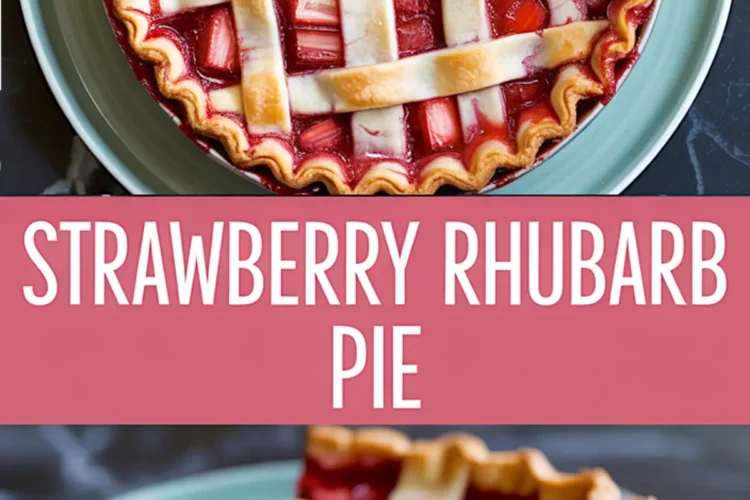
Strawberry rhubarb pie gets a lot of love in early summer but I’ve found most recipes don’t do it justice. They either lean too sweet or go heavy on tartness, without finding that fine line between. This version holds the balance.
You’ll learn how to create a juicy but sliceable filling, how to handle rhubarb so it softens without breaking down, and why your crust matters more than the fruit. I’ve baked this pie for family barbecues, church potlucks, and even on quiet Sundays when the mood needed lifting.
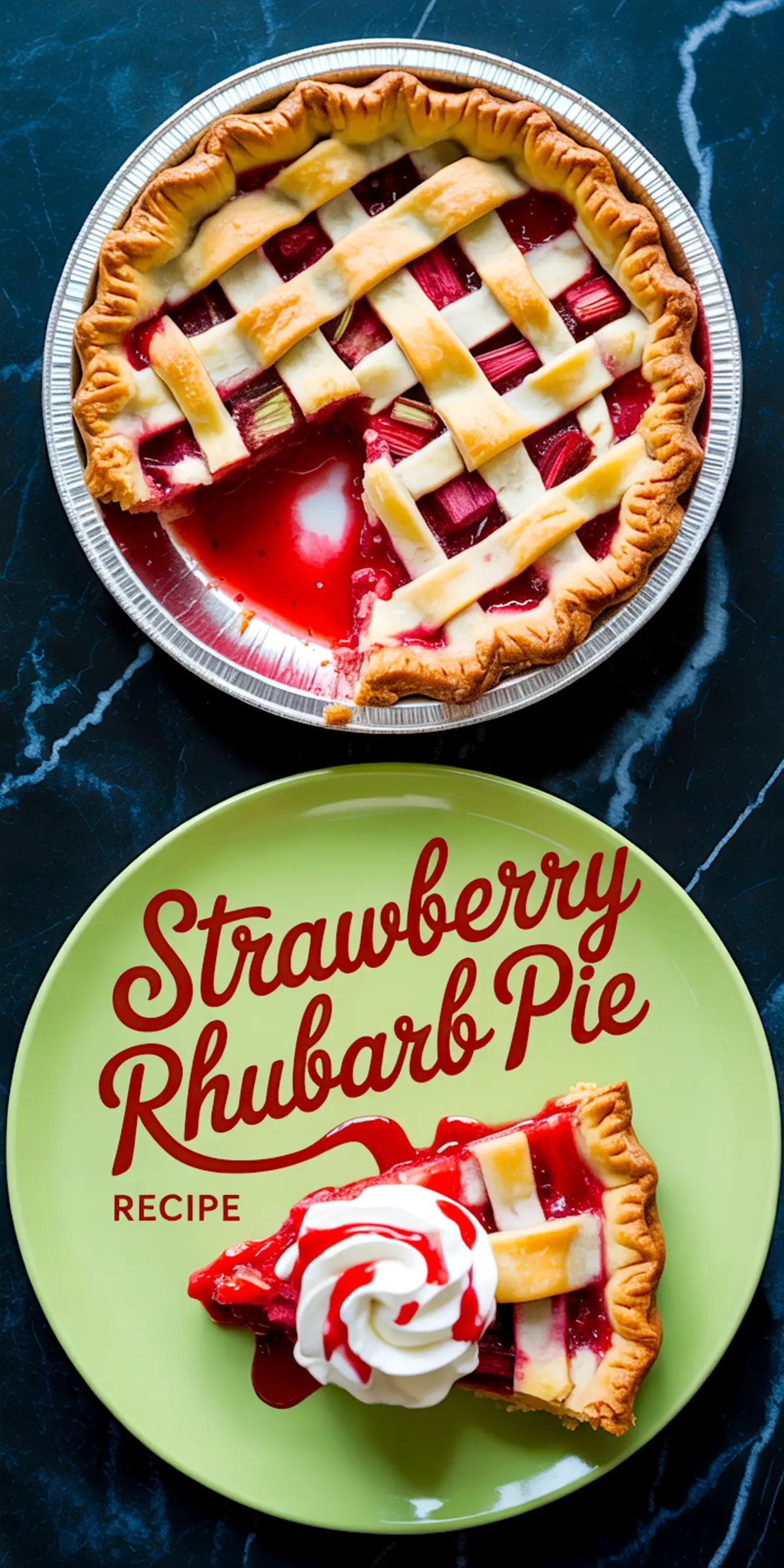
A flaky, crimped double crust holds a bubbling center of softened rhubarb and strawberries. But there’s a little something in the filling that pulls it all together. You won’t see it listed in every recipe. We’ll get to that soon.
Let’s start where every good pie begins at the crust.
Use the Right Pie Crust for a Golden, Flaky Finish
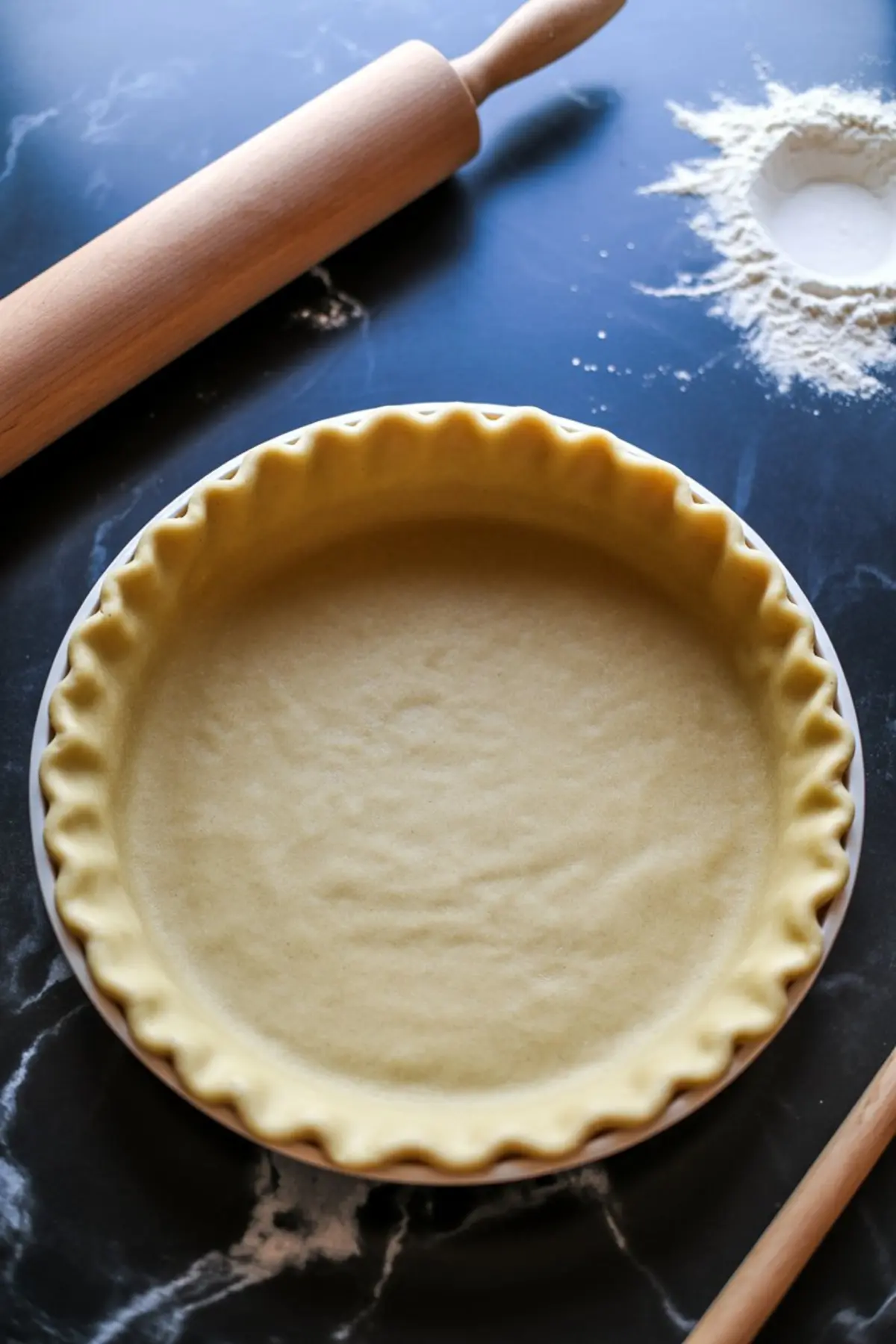
No filling can rescue a soggy crust. I always use my favorite buttery base, chilled and rolled firm enough to hold its shape through baking. If you’re unsure where to start, I keep my go-to method here: Pie Crust Recipe
This recipe uses a double crust. One lines the base of the dish, and the other weaves into a lattice that lets the steam escape and the sugars concentrate. The turbinado sugar on top adds crunch, but even without it, the golden sheen from the egg wash gives the pie a rich finish.
Preparing the Fruit for a Balanced Filling
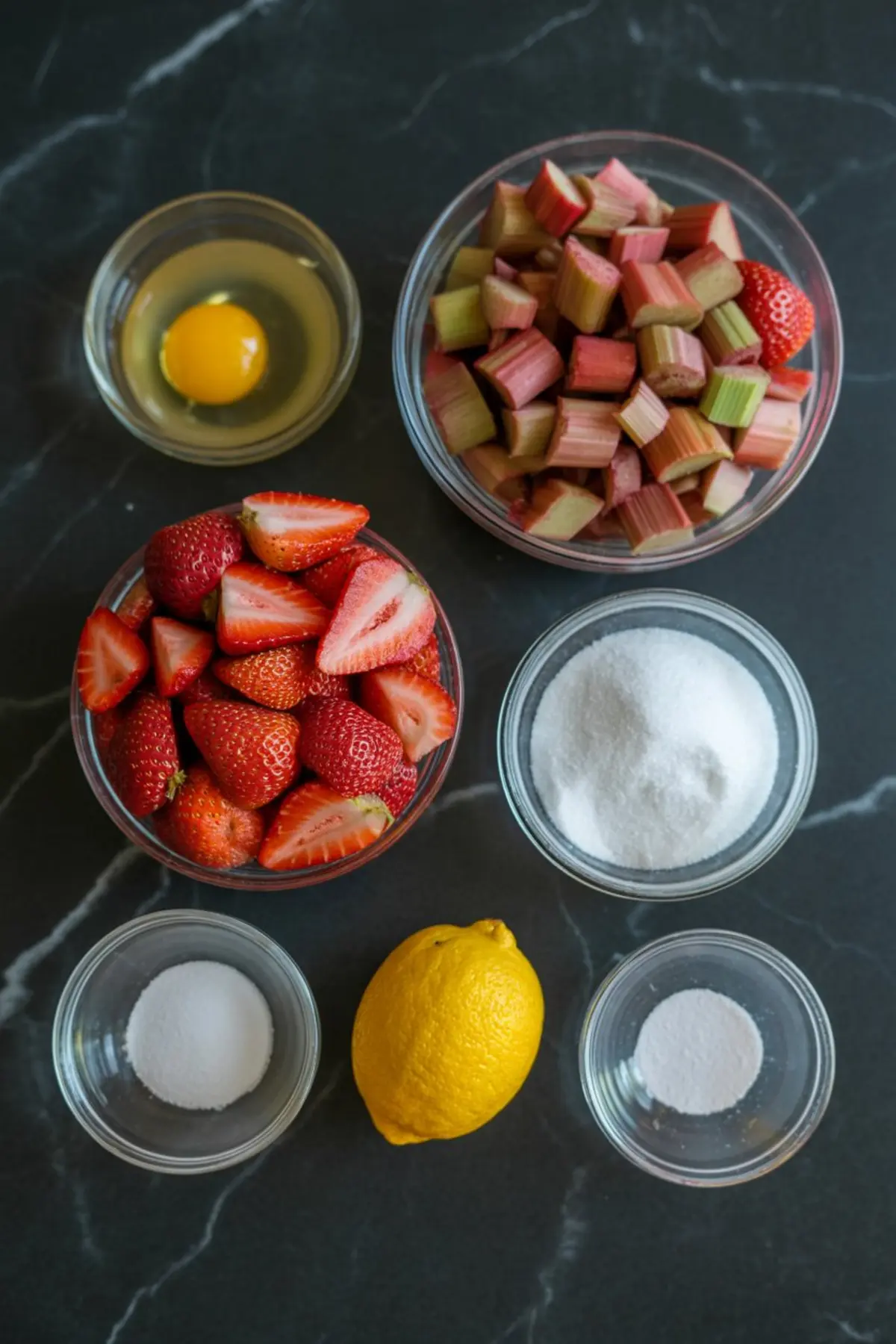
Fresh strawberries and rhubarb have different water content and structure. Rhubarb softens slower than strawberries, and you need both to hold together without turning to mush.
Slice the strawberries evenly not too thin, or they’ll collapse into the mix. I like quarter-inch thick slices for structure. As for rhubarb, choose stalks that are firm and deeply red. If the rhubarb is pale or limp, the color and flavor won’t shine through.
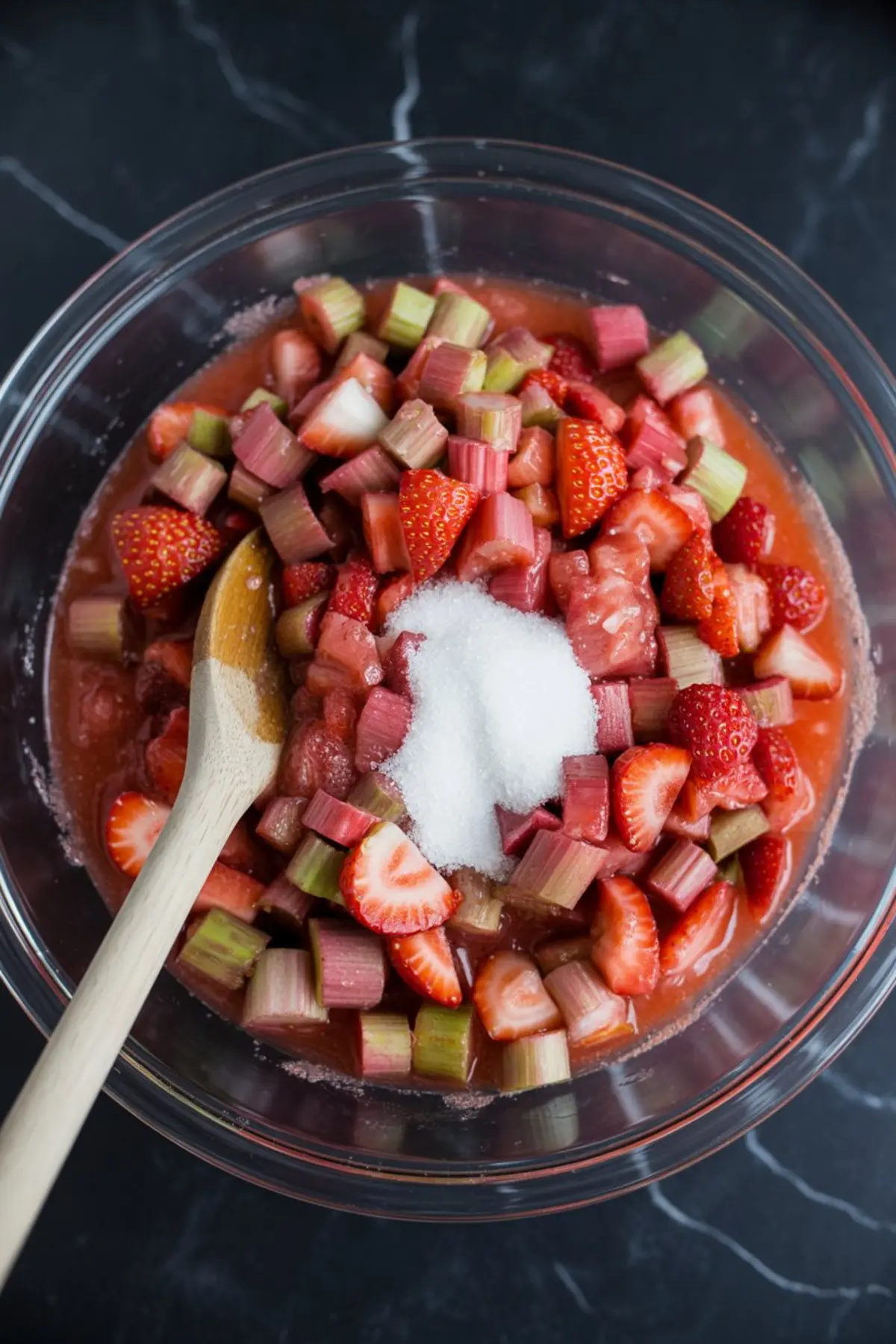
I’ve tested this with both fresh and frozen fruit. If you’re working from frozen, p articularly in colder months when cravings strike, thaw completely and drain the extra liquid. Too much moisture leads to a soupy filling. My Peach Pie goes through a similar test—it’s why I always recommend fresh when possible, but offer frozen as a backup.
The Right Thickener Makes a Difference
Cornstarch is the thickener of choice here. It works quickly, holds without clouding the filling, and doesn’t leave a pasty aftertaste. Flour makes the filling heavy. Tapioca pearls don’t distribute well enough.
In my notes, I’ve found ¼ cup of cornstarch to be just enough to bind the juices without gumming them up. It lets the rhubarb and strawberries keep their shape but prevents the pie from spilling out when you slice.
Lattice Top or Full Crust: A Quick Comparison
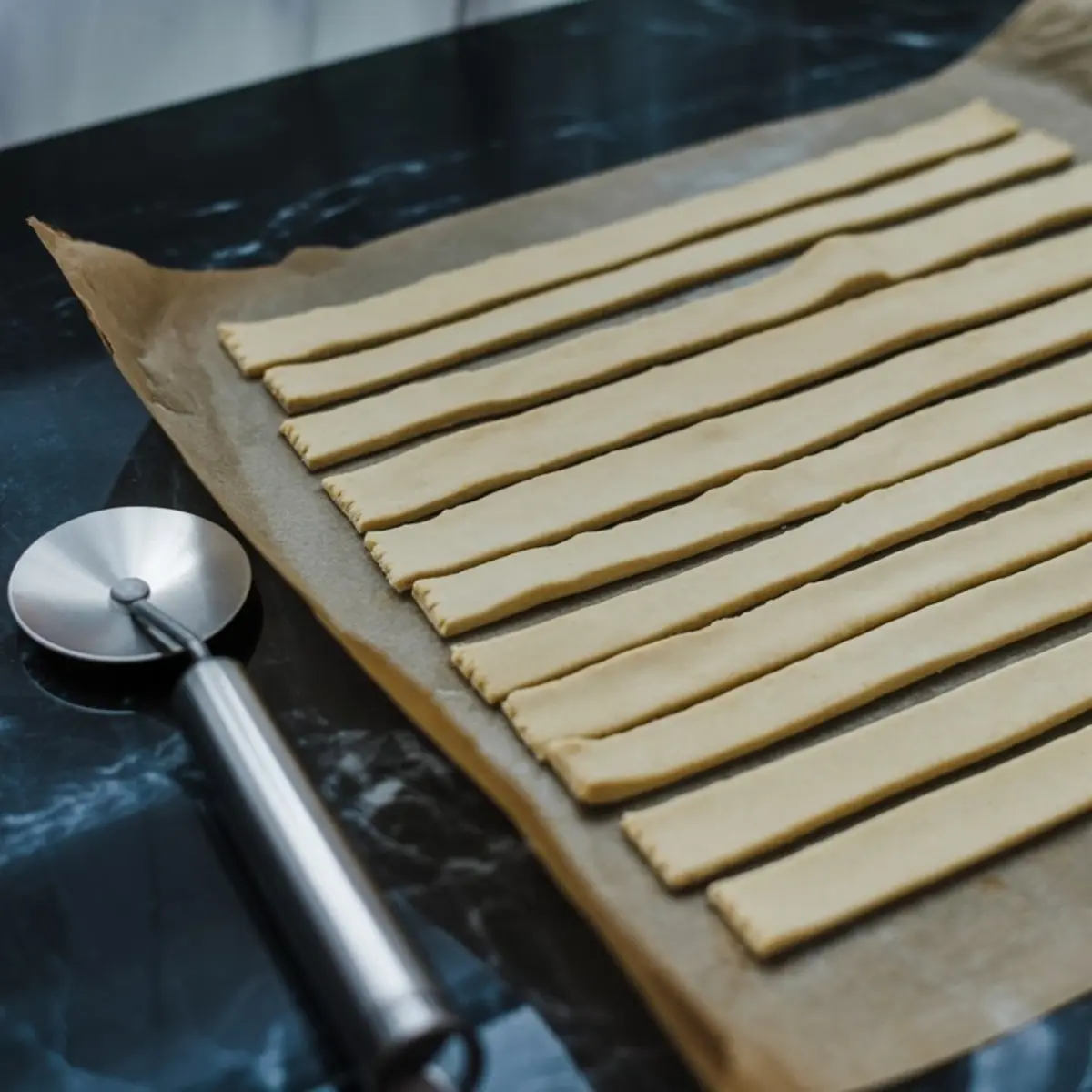
I’ve tried both styles. A lattice top helps moisture evaporate during baking, concentrating the flavor while keeping the crust crisp. A full top crust steams the filling, making it softer and more uniform in texture.
If you want contrast—crisp top with jammy center—go with the lattice. If you’re baking ahead and plan to serve the pie chilled, a full top crust holds better in storage. For this recipe, I stay with the lattice. It brings in just enough airflow and keeps the top light.
Egg Wash and Sugar: Small Touches That Matter
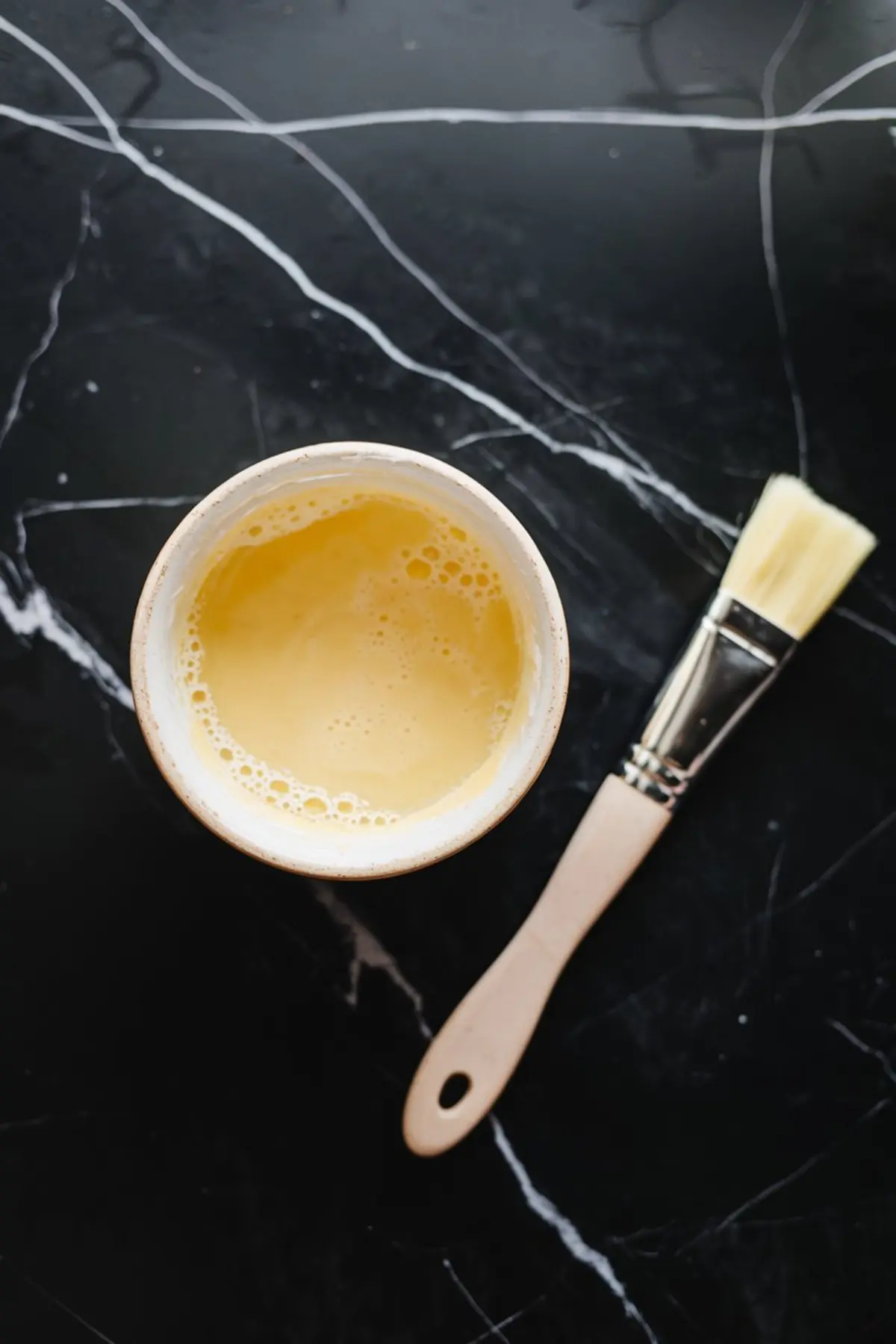
An egg wash does more than brown the crust. It acts like glue. It seals the strips in place and helps the sugar stick.
I use one large egg, whisked, and brush it lightly across the lattice and edge. A sprinkle of turbinado sugar gives it texture and a slight caramel edge when it bakes.
You don’t need much. The point isn’t to sweeten the crust—it’s to deepen the color and give it a light crunch.
If you’re into rhubarb textures, you might enjoy how this compares to a softer version like a Rhubarb Cream Pie which uses a custard base instead.
Bake and Cool with Patience
Start the bake at a high temperature to set the crust, then reduce it so the filling can bubble without burning the edges.
Mine usually comes out at around the 65-minute mark. The edges should be golden, the fruit bubbling through the gaps. But don’t slice it right away.
Cool for at least four hours. This step sets the filling. If you slice too soon, it will spill, and the lattice may break apart.
Refrigerating after cooling will give you cleaner slices. I often do this before bringing it to gatherings.
The Secret Ingredient That Ties It All Together
Remember the unexpected element I mentioned?
It’s lemon juice. Just one tablespoon brightens the whole filling. Not enough to taste citrus. Just enough to lift the strawberries and cut through the richness of the crust.
I’ve tried leaving it out. The filling turns flat, like something’s missing. The lemon keeps it lively. Even in Strawberry Rhubarb Pie With Frozen Fruit, this small touch wakes it up.
Save and Share Your Pie Story
If you’re planning a summer baking day, save this to your Strawberry Rhubarb Recipes board for later.
And if you make it, I’d love to hear how yours turned out. Did you use frozen fruit or fresh? Did you crimp the crust or go rustic? Share your notes in the comments I read every one.
This recipe brings out stories from readers, and I’d love yours to be part of it.
Strawberry Rhubarb Pie Recipe
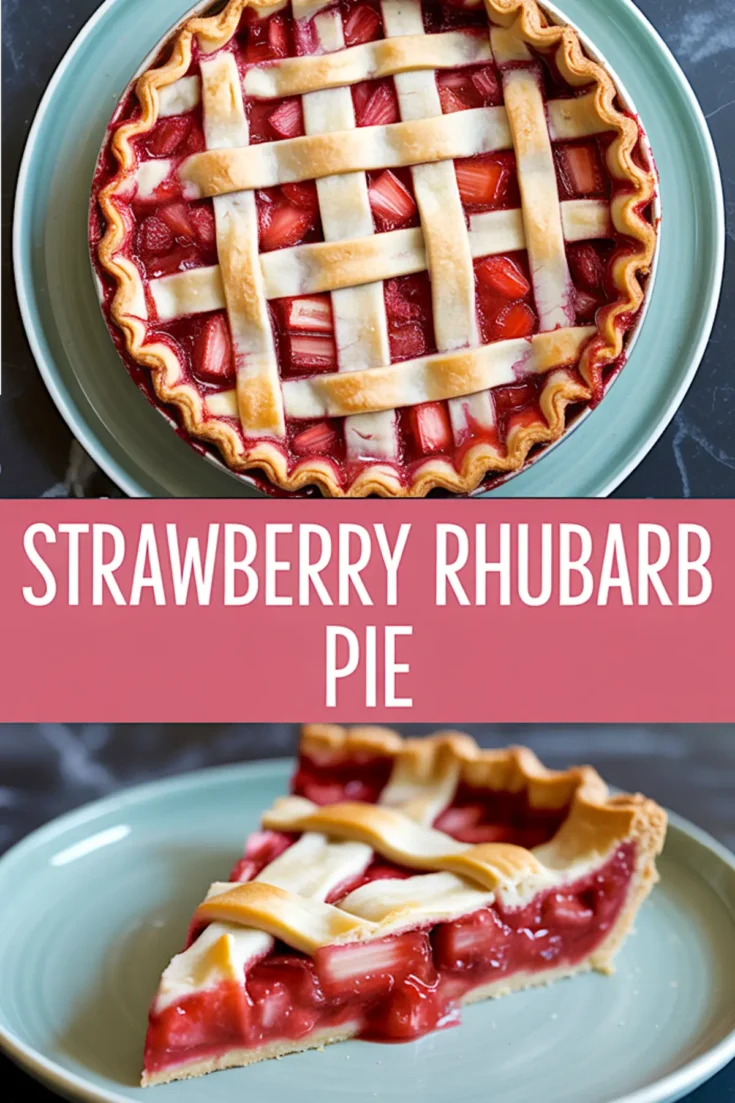
A sweet and tart fruit pie with a flaky double crust, filled with fresh strawberries and rhubarb bound in a lightly thickened filling.
Ingredients
- FOR THE FILLING
- 4 cups chopped fresh rhubarb
- 2 ½ cups sliced fresh strawberries
- 1 ¼ cups granulated sugar
- ¼ cup cornstarch
- ¼ teaspoon salt
- 1 tablespoon fresh lemon juice
- FOR THE CRUST
- Pastry dough for a double crust (homemade or store-bought
- FOR ASSEMBLY
- 1 large egg, beaten
- 1 tablespoon turbinado sugar (optional, for sprinkling)
Instructions
- PREPARE THE BOTTOM CRUST: Roll out one half of the chilled pie dough and fit it into a 9-inch pie dish. Press it gently into the corners and leave a slight overhang around the edges for sealing later. Place the prepared pie dish in the refrigerator while you make the filling.
- MIX THE FILLING: In a large mixing bowl, combine the rhubarb, strawberries, sugar, cornstarch, salt, and lemon juice. Stir gently until the fruit is evenly coated. Set the mixture aside to rest while you prepare the top crust.
- ROLL AND CUT THE TOP CRUST: Roll out the second half of the dough on a lightly floured surface. Cut into even strips for a lattice top, aiming for about ½ to ¾ inch in width. Keep the strips chilled until ready to use if your kitchen is warm.
- ASSEMBLE THE PIE: Remove the pie dish from the refrigerator and pour the fruit mixture evenly into the crust. Smooth the top gently with a spatula. Arrange the dough strips in a lattice pattern across the top, weaving the strips and trimming any excess. Press the edges to seal, then crimp with your fingers or a fork.
- APPLY EGG WASH AND SUGAR: Brush the top crust and edges with the beaten egg to encourage browning. Sprinkle with turbinado sugar if using.
- BAKE THE PIE: Preheat the oven to 425°F (220°C). Place the assembled pie on a parchment-lined baking sheet to catch any drips. Bake for 20 minutes, then reduce the oven temperature to 375°F (190°C) and continue baking for 40 to 45 minutes. The filling should be bubbling and the crust golden brown.
- COOL THE PIE: Remove the pie from the oven and let it cool on a wire rack for at least 4 hours before slicing. The filling needs time to set properly to avoid a runny texture.
Notes
Use fresh, firm rhubarb and ripe but not overly soft strawberries for best results. The pie can be made a day in advance and stored at room temperature, loosely covered. For a cleaner slice, refrigerate for an hour after cooling.
Nutrition Information:
Yield:
8Serving Size:
1Amount Per Serving: Calories: 347Total Fat: 10gSaturated Fat: 4gTrans Fat: 0gUnsaturated Fat: 5gCholesterol: 29mgSodium: 232mgCarbohydrates: 62gFiber: 3gSugar: 38gProtein: 3g
