
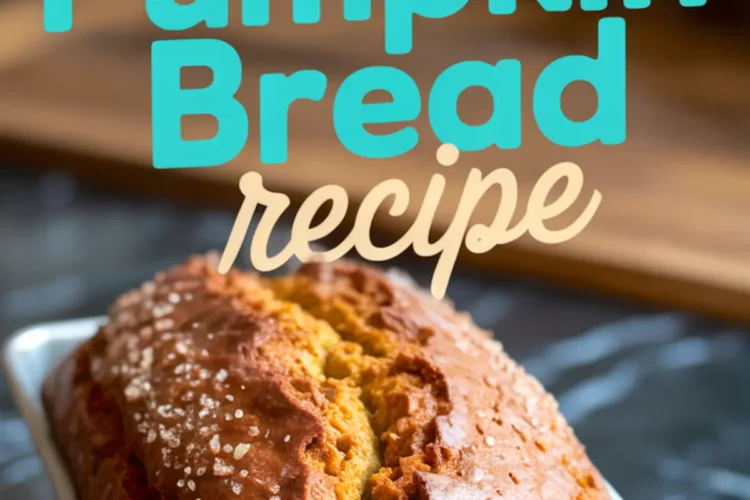
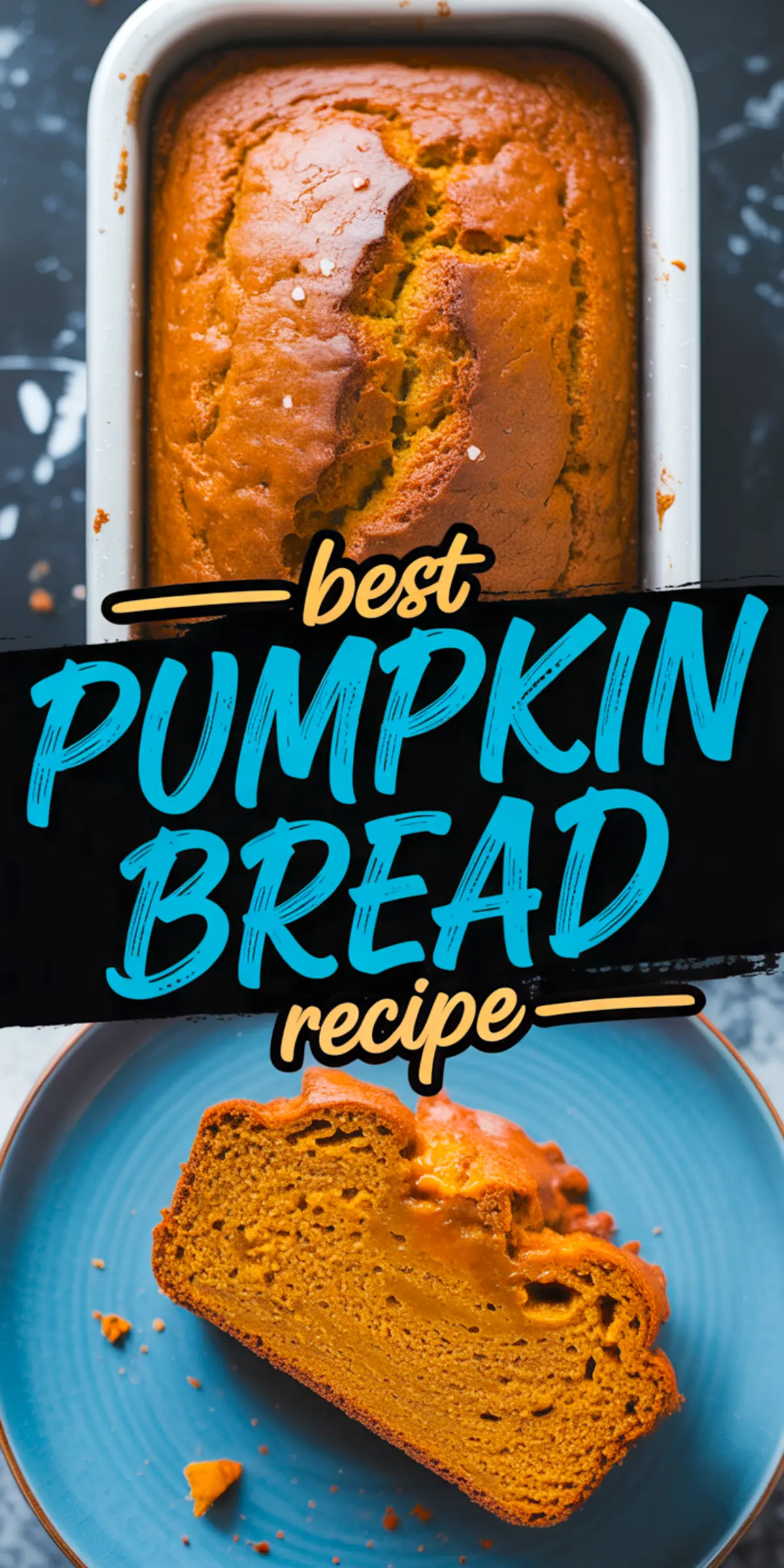
If you’ve baked more than a few loaves of pumpkin bread, you know the disappointment of slicing into a dry center or crumbling edge.
I’ve been there. Too cakey. Too dense. Too bland. This pumpkin bread recipe solves all of that without fuss. You’ll learn how to keep your loaf moist, softly spiced, and sturdy enough to slice without falling apart. The trick? It starts with how you handle the wet ingredients plus one quiet flavor move I’ll share soon.
This isn’t just another quick bread. This is the one I keep stocked in the freezer. It packs well for fall road trips, softens into magic by the second day, and holds flavor like no other.
But there’s one small addition I make every time, something that rounds out the flavor in a way most people never expect. I’ll show you after the steps. Let’s build up to that, together.
Ingredients That Keep This Pumpkin Bread Moist for Days
Start with canned pure pumpkin puree. That detail matters. Fresh puree adds water, not body, and throws the texture off. The oil, not butter, locks in moisture without needing refrigeration.
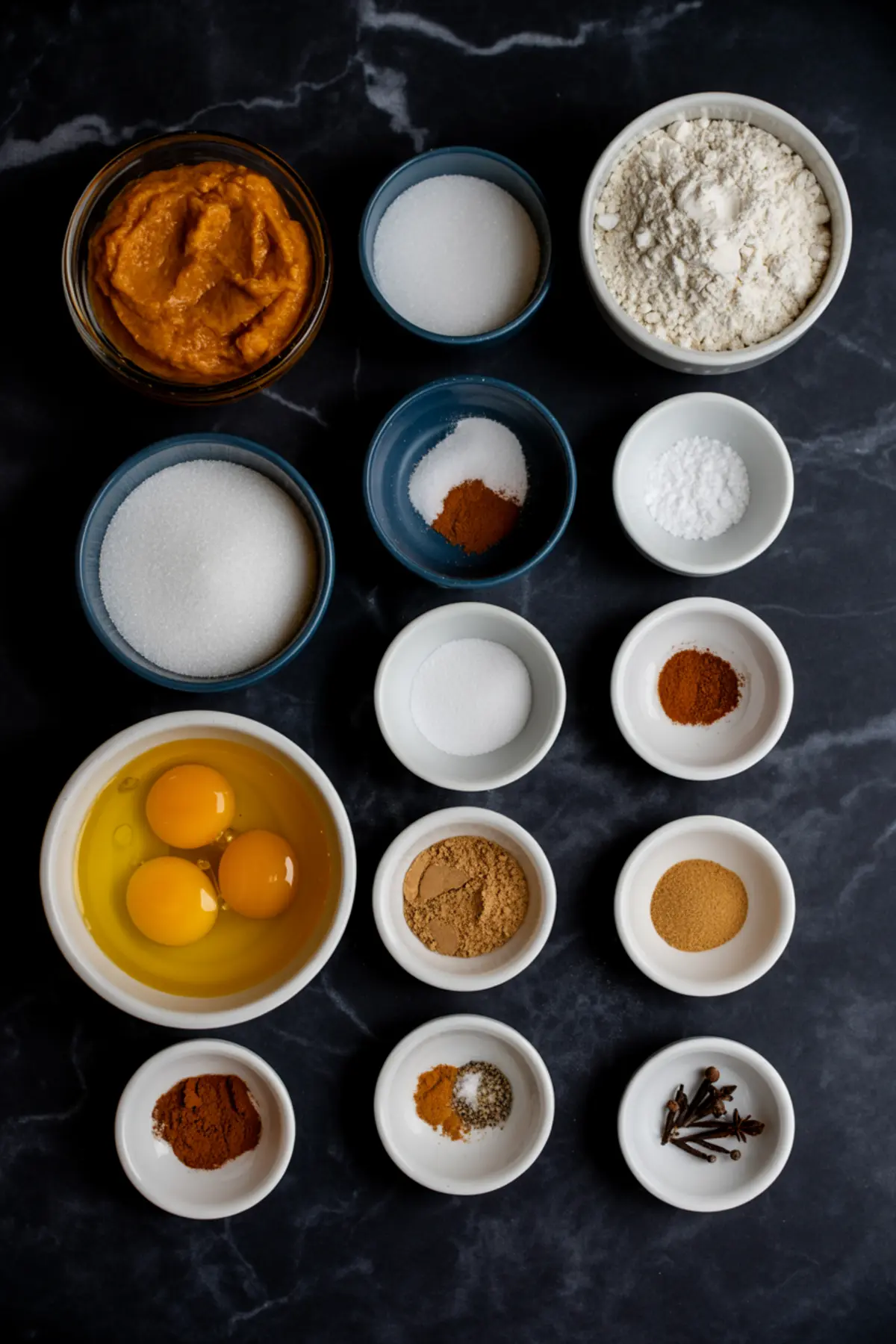
Eggs add structure without weight. Sugar sweetens and caramelizes the crust gently. This balance makes the loaf soft but not soggy. I’ve tested this base against a few others. Some call for melted butter. Others push for brown sugar. I always come back to this version because the crumb stays consistent and the spice doesn’t get lost.
You’ll find the cinnamon up front. Then nutmeg, ginger, and just a pinch of cloves lift the finish.
In the fall, I sometimes swap the pecans for dark chocolate chips. But I only do that when I know someone else is coming over. If I’m eating it alone, I want the clean, spiced version.
There’s a quiet comfort in it. The kind you want at the end of a long day.
How I Mix the Wet and Dry Ingredients Without a Mixer
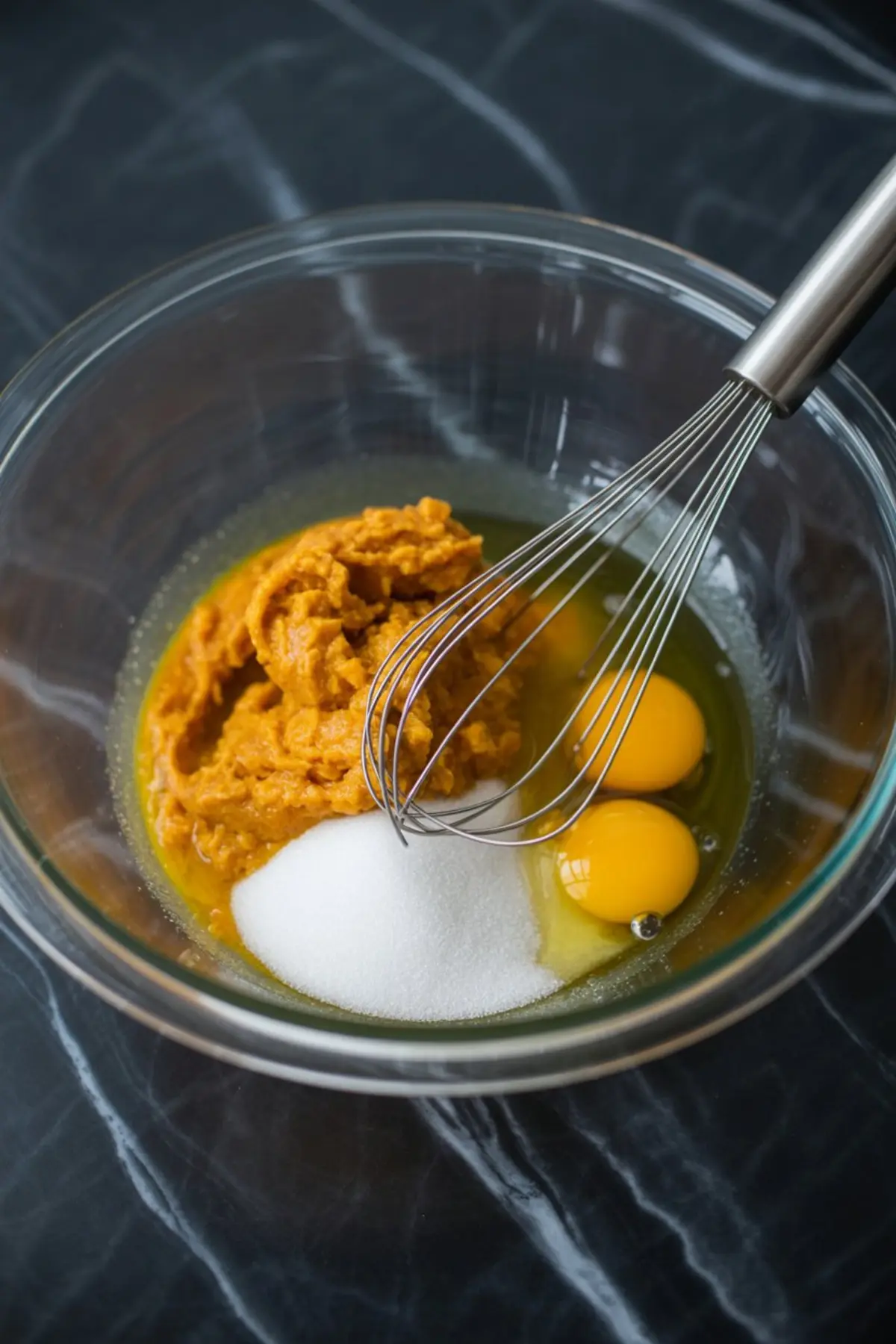
Use a large bowl and a whisk for the wet mixture. Pumpkin, oil, eggs, and sugar combine easily by hand. It should look shiny and loose when done.
The dry bowl needs care. Whisk everything well, especially the baking soda and spices. One uneven clump can shift the flavor.
I fold the dry into the wet with my old rubber spatula. It’s stained orange from years of use, but I trust it more than any spoon. Stir slowly and stop as soon as the flour vanishes. Overmixing makes the loaf chewy. Under-mixing gives you flour streaks. The line is fine, but once you see it, you know it every time.
Before I pour the batter in, I line my 9×5 pan with parchment. This makes lifting the loaf simple and keeps the bottom crust smooth.
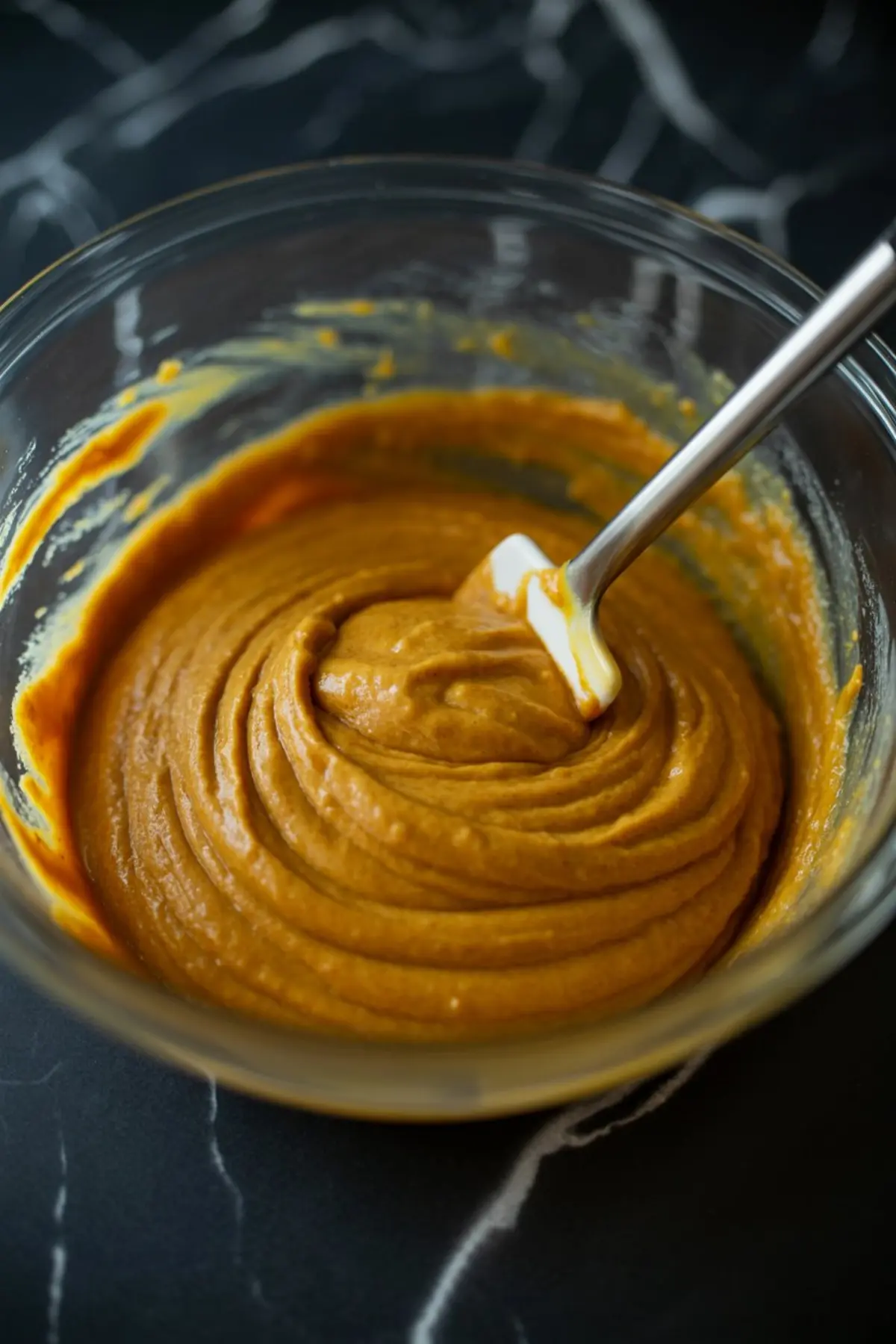
Whiskers always jumps onto the counter during this part. He knows the sound of the oven preheating. It’s become our signal. Bread is coming. He sits, stares, and waits like I’m about to drop a bite.
Baking Notes and a Little Comparison That Might Save You
Set your oven to 350°F. Don’t rush it. Let it heat fully before placing the pan inside.
Now, here’s something I’ve played with: using brown sugar instead of granulated. It gives a slightly deeper flavor, but I find it makes the texture a bit stickier the next day. In my Pin Notebook, I’ve marked this version with a star—white sugar wins for clean slices and a firmer set.
Bake the bread for 60 to 70 minutes. Your tester should come out with moist crumbs, not raw batter. If the top gets too dark before the center cooks through, you can tent it with foil in the last 15 minutes.
I always let the loaf cool in the pan for ten minutes before lifting it out. Then I rest it on a wire rack. The fragrance at that point carries through the kitchen. It clings to your clothes, in a good way.
And I always use my Golden Spoon to carve out that first slice. Aunt Marian would’ve said it adds luck. I just think it makes the moment feel more mine.
The Flavor Boost I Add That Most Recipes Skip
Here’s the part I hinted at earlier. I add one teaspoon of vanilla extract. That’s it.
It rounds out the cinnamon and nutmeg without drawing attention to itself. Vanilla doesn’t scream. It smooths the rough spots. Without it, the loaf feels flat to me.
You can skip it, sure. But the loaf won’t have the same warmth. I wrote it in the margins of my Pin Notebook after trying it once on a whim. Never left it out since.
For more cozy ideas, you might want to try my Pumpkin Cream Cheese Muffins next. They carry that same soft texture but with a tangy swirl.
More Fall Recipes That Pair With This Pumpkin Bread
Pumpkin bread has siblings. It fits neatly beside soft Pumpkin Scones and Pumpkin Coffee Cake, which both lean sweeter.
If you want something bolder, Pumpkin Spice Cake is a good contrast. It bakes tall and spicy, great with frosting.
I also keep a small roundup of Easy Pumpkin Desserts that includes bars, rolls, and other simple treats you can make on a weeknight.
Each has its moment, but pumpkin bread feels like the one that stays. The loaf you bake on a quiet Sunday, then wrap in wax paper for weekday comfort.
Save and Share This Classic Fall Favorite
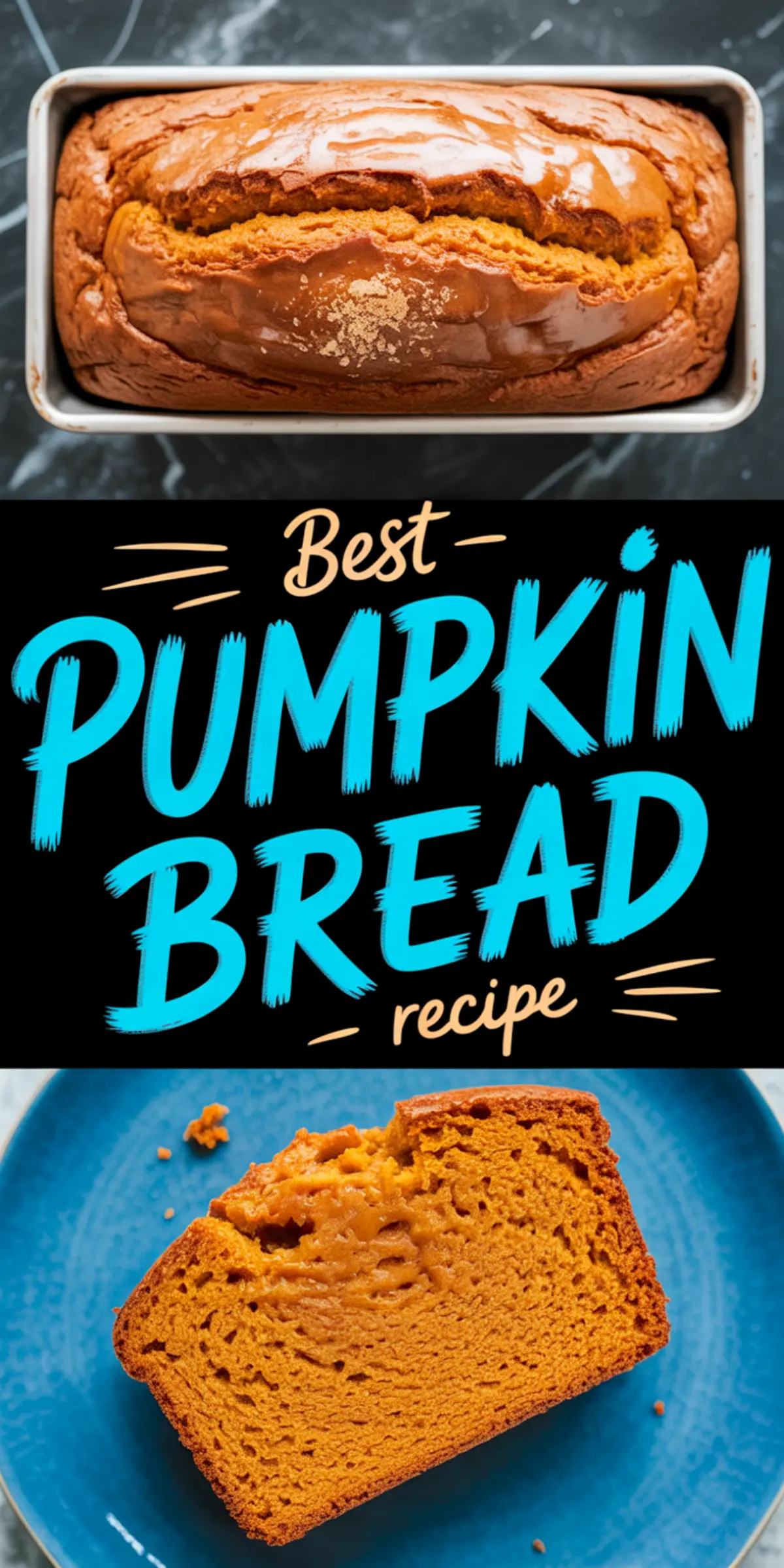
If this pumpkin bread finds a place in your kitchen, save it to your favorite board so you can find it again. Maybe even try it with pecans next time. Or a little maple glaze.
Let me know in the comments how yours turned out. Did you use chocolate chips? Did you skip the cloves? I’d love to hear.
And if you bake it with someone else—family, friend, or curious cat—tell me how that went too.
Pumpkin Bread Recipe
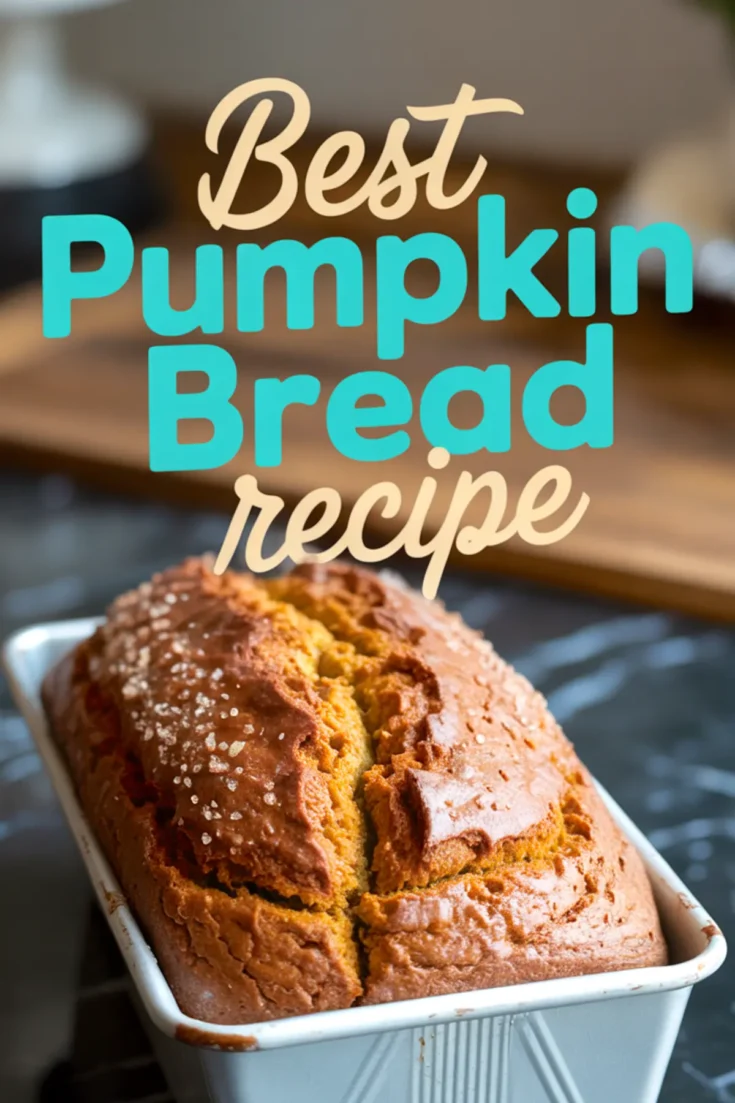
A classic pumpkin bread recipe that stays soft and moist for days. The oil-based batter, balanced spices, and generous pumpkin puree create a tender crumb and deep flavor. This version avoids dryness by keeping the moisture level high and the mixing gentle.
Ingredients
- 1 can (15 ounces) pure pumpkin puree
- 1 cup vegetable oil
- 4 large eggs
- 1¾ cups granulated sugar
- 2 cups all-purpose flour
- 1 teaspoon baking soda
- ½ teaspoon baking powder
- ½ teaspoon fine sea salt
- 1 tablespoon ground cinnamon
- 1 teaspoon ground nutmeg
- ½ teaspoon ground ginger
- Pinch of ground cloves
- Optional: ½ cup chopped pecans or chocolate chips
Instructions
- PREHEAT THE OVEN: Set the oven to 350°F. Grease a 9x5-inch loaf pan and line it with parchment paper to make removing the bread easier after baking.
- MIX THE WET INGREDIENTS: In a large mixing bowl, whisk together the pumpkin puree, vegetable oil, eggs, and granulated sugar until the mixture looks glossy and smooth. This can be done by hand; no mixer is needed.
- COMBINE THE DRY INGREDIENTS: In a separate bowl, whisk together the all-purpose flour, baking soda, baking powder, fine sea salt, ground cinnamon, ground nutmeg, ground ginger, and cloves until well blended.
- FOLD WET AND DRY INGREDIENTS TOGETHER: Gently fold the dry mixture into the wet mixture using a rubber spatula. Stir just until no streaks of flour remain. Avoid overmixing to maintain a tender texture.
- ADD MIX-INS IF USING: If desired, fold in chopped pecans or chocolate chips until evenly distributed.
- TRANSFER TO PAN AND BAKE: Pour the batter into the prepared loaf pan and smooth the top. Bake for 60 to 70 minutes, or until a toothpick inserted into the center comes out with just a few moist crumbs attached.
- COOL THE BREAD: Let the bread rest in the pan for 10 minutes after baking. Then carefully lift it out using the parchment and transfer it to a wire rack to cool completely before slicing.
Notes
Use canned pure pumpkin puree, not pumpkin pie filling. Letting the bread cool fully prevents the center from turning dense or gummy. Bread texture improves after a day, making it great for baking ahead.
Nutrition Information:
Yield:
1Serving Size:
1Amount Per Serving: Calories: 5175Total Fat: 293gSaturated Fat: 52gTrans Fat: 2gUnsaturated Fat: 226gCholesterol: 744mgSodium: 2871mgCarbohydrates: 605gFiber: 26gSugar: 384gProtein: 61g
