
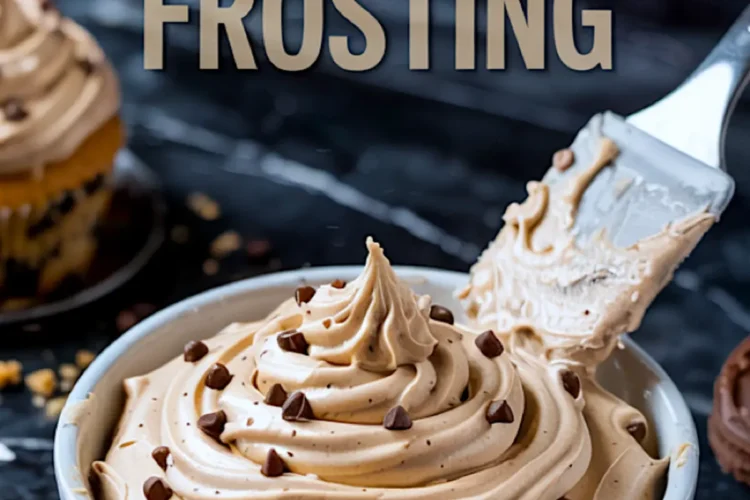
You already know the flavor. The one that lives in the bowl before the cookies hit the oven. The flavor your fingers always found first.
This Cookie Dough Frosting doesn’t just mimic that memory. It builds on it. You’ll learn how to make cookie dough frosting from scratch, with real structure, real scoopability, and a whisper of brown sugar warmth that hits different.
You’ll get clear guidance here on how to whip up a safe to eat frosting version of edible cookie dough, using pantry basics like heat treated flour and powdered sugar.
You’ll walk away with a frosting that belongs on cupcakes, sandwiches beautifully into cakes, and settles like silk over slow cooker desserts. The kind of frosting that doesn’t ask for sprinkles. It is the surprise.
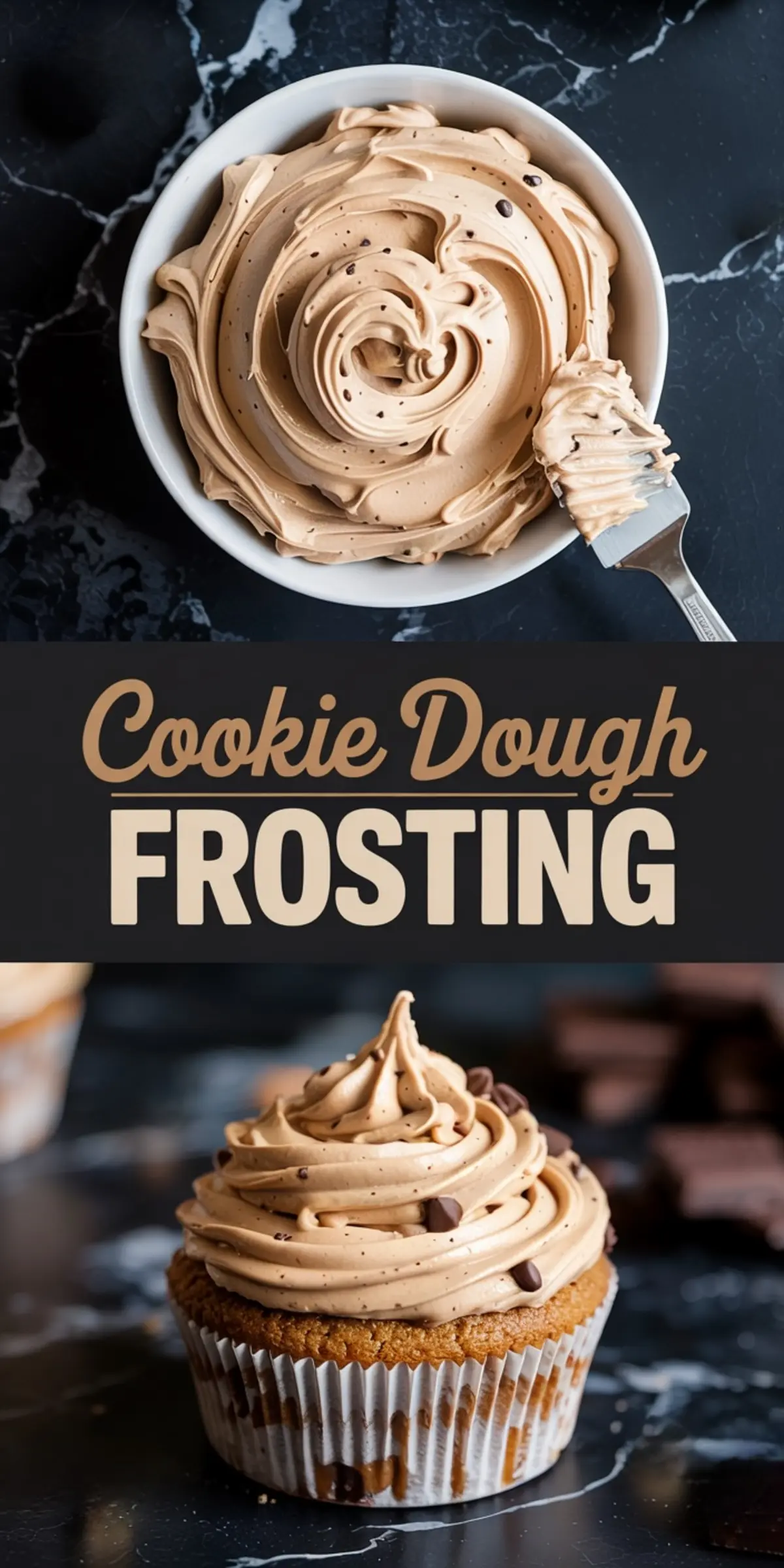
But here’s the twist. One little addition changes everything.
Not yet.
We’ll get there.
Let’s talk butter, first.
Why Butter Quality Matters in Cookie Dough Frosting
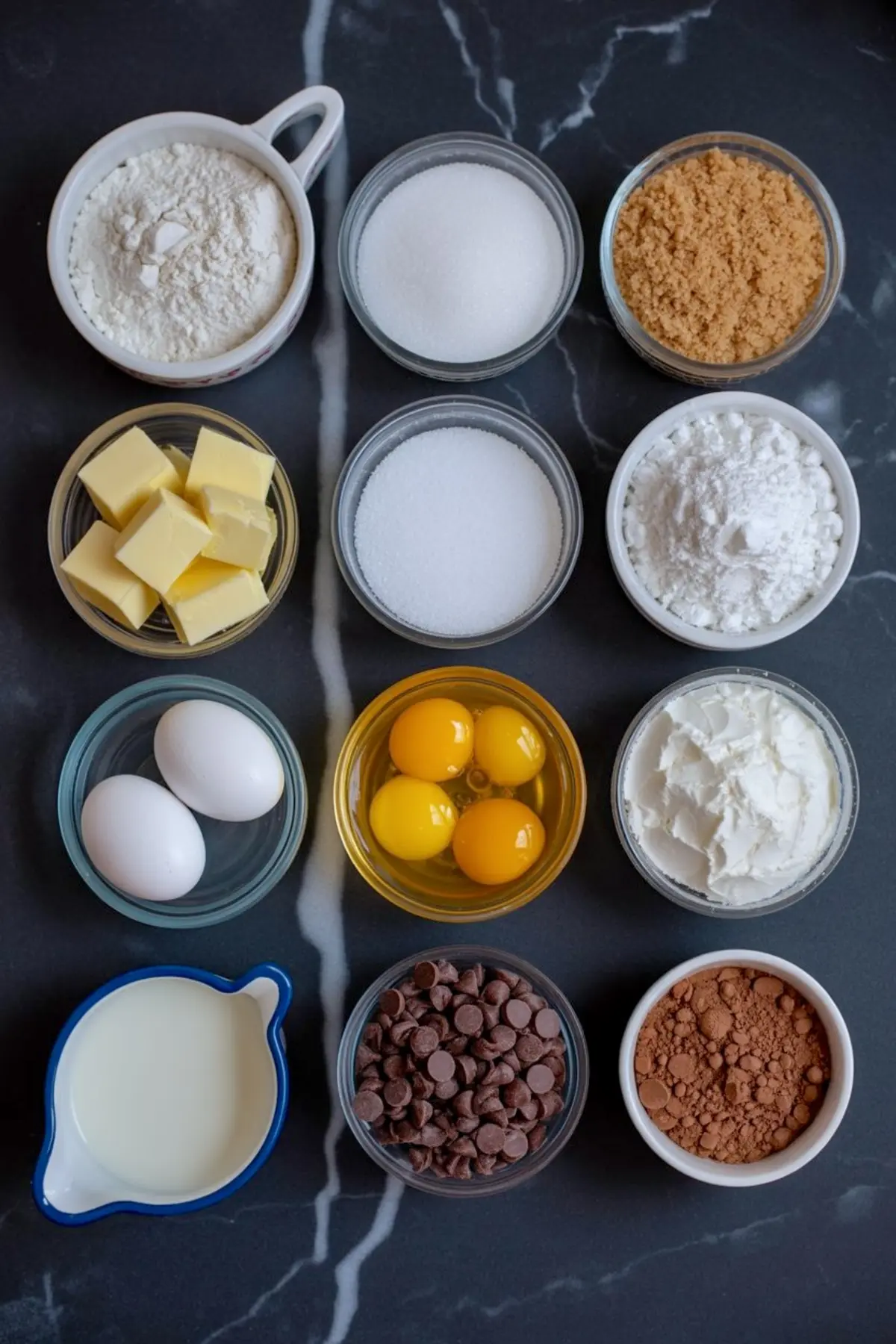
This recipe starts with two sticks of unsalted butter. Use a quality butter, not bargain bin blocks.
I’ve tested with both store brand and European style butters. The latter, with a higher fat content, brings creamier results and a deeper, richer taste. It also softens smoother, which matters in frosting texture more than people realize.
Cold butter fights the sugar. Room temperature wins.
If you’ve ever struggled with gritty cookie dough frosting, this is where your battle begins. Or ends.
I leave my butter out in the kitchen for about an hour. I poke it gently with a finger. When it gives with no resistance, it’s ready.
Brown Sugar Is the Backbone. Don’t Swap It Out.
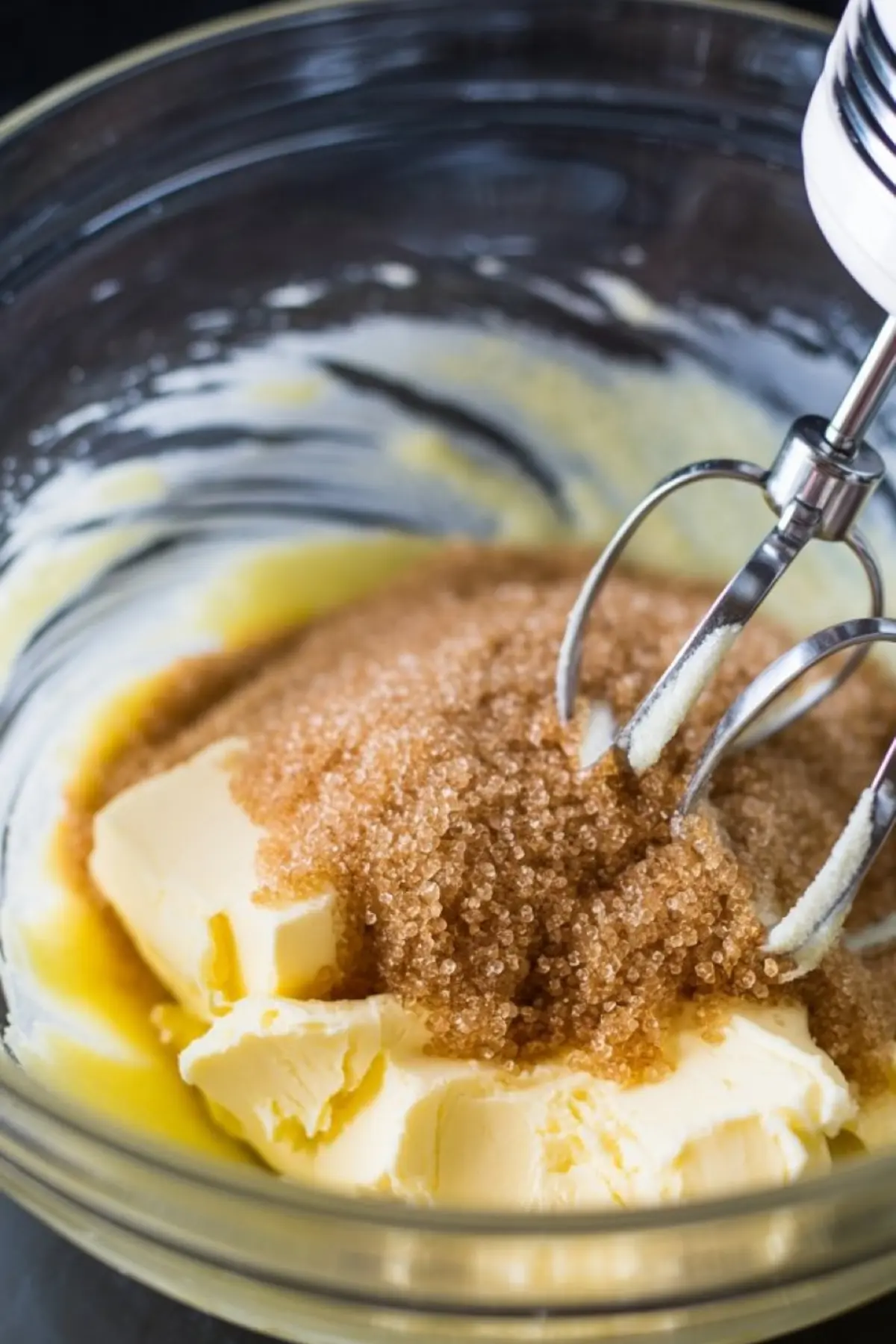
Light brown sugar does more than sweeten here. It brings that unmistakable cookie dough taste. That chew of memory.
I’ve tried swapping with coconut sugar and muscovado in my notebook tests. The texture changes. The taste warps. Stick to light brown sugar, packed well.
You want those caramel notes without bitterness. The kind of depth that plays off the vanilla later.
It’s also what gives this frosting its toffee sweet afterglow. Something you don’t get with white sugar alone.
Try it with this buttercream recipe to compare. It will show you how different brown sugar makes things feel.
How to Make Cookie Dough Frosting with the Right Vanilla and Salt
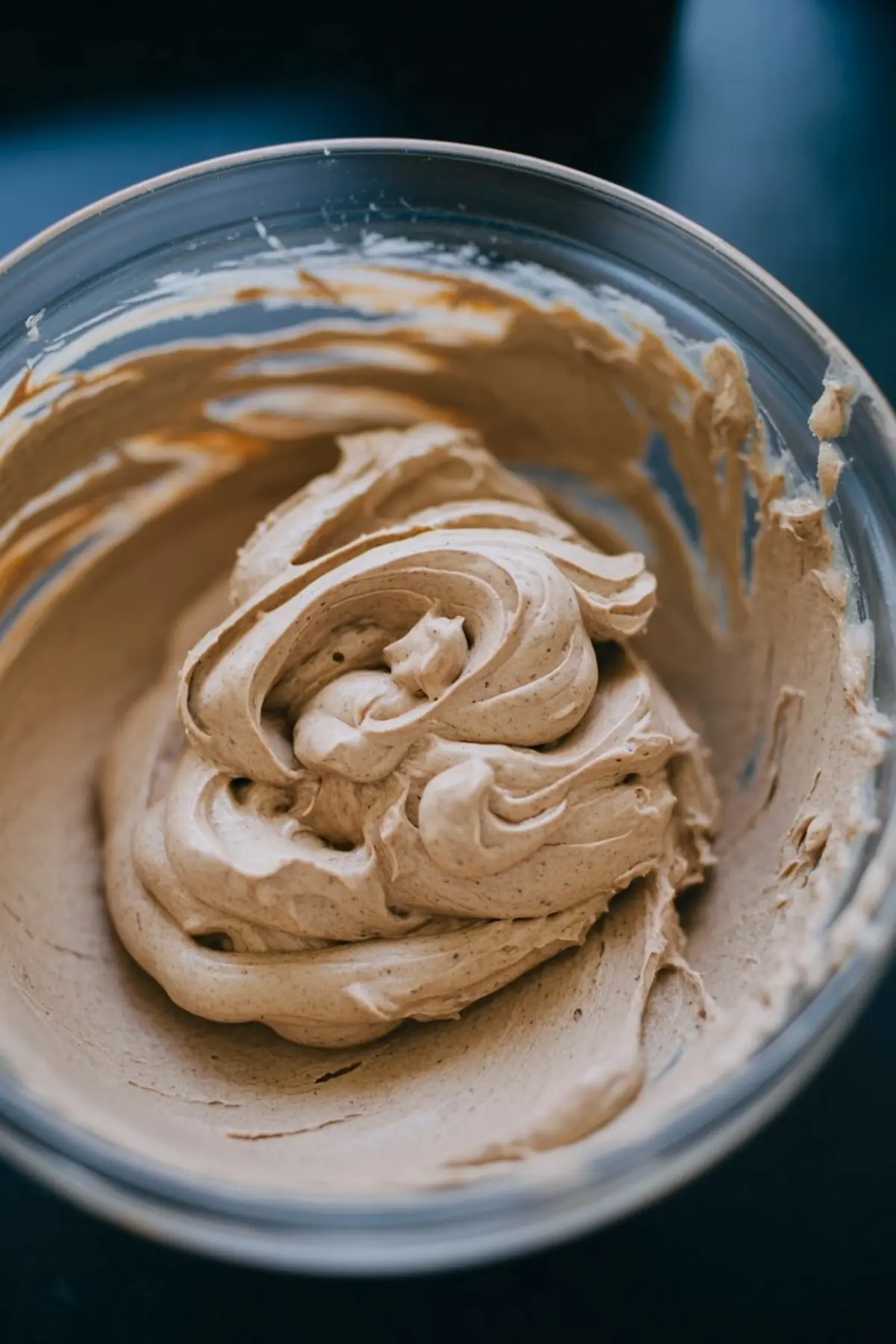
Once the butter and sugar cream together, it’s time for vanilla extract and salt.
I use real extract, not imitation. You’ll smell it bloom as it blends in, especially with the brown sugar already warming the bowl.
Salt doesn’t make this frosting salty. It sharpens every flavor. Without it, the frosting tastes flat. Just a half teaspoon here brings balance.
My cream cheese frosting recipe taught me this. Sweet needs structure. Salt provides that.
The Powdered Sugar Phase Isn’t Just Mixing. It’s Building Structure.
Adding powdered sugar in small amounts allows it to dissolve evenly. Dump it in all at once and you risk clumps and a chalky finish.
I always sift it if I’m feeling patient. But even unsifted, slow addition and scraping the sides keeps the texture smooth.
You’ll want a medium speed here once it’s all in the bowl. The goal isn’t just to combine. It’s to whip in air.
Your frosting should hold a soft peak. Not stiff like meringue. More like soft serve that’s just starting to melt.
Here’s a royal icing recipe that plays by different rules. But knowing both techniques teaches you when air helps and when it hinders.
How to Adjust Frosting Consistency with Milk or Cream
You’re not just thinning it. You’re shaping it.
Add one tablespoon at a time. Milk works. Heavy cream gives a fuller body and whiter finish.
Want pipable frosting for cupcakes? Stick to 2 tablespoons.
Want to spread it like a cloud over brownies or cakes? Add a little more and let it melt into the edges.
I’ve written in my Pin Notebook about how frosting that’s too thin sags fast. If you’re unsure, chill it for 10 minutes and test again. Cold frosting tells the truth.
And remember. Humidity plays a part. On rainy days, you may need less liquid. On dry days, a touch more.
Why Mini Chocolate Chips Matter for Edible Cookie Dough Frosting
Regular chocolate chips disrupt the texture. They turn your frosting into a chunky fight.
Mini chocolate chips blend in without breaking your piping bag. I fold them in gently, by hand, with a wide spatula.
They add the bite you remember from real cookie dough. But they don’t get in the way. And that matters.
This frosting should glide. Then surprise you with a crunch.
One tip. Chill the frosting slightly if it’s too soft after adding chips. That helps preserve its texture for piping.
It layers especially well on these cupcakes, when you want that cookie on cookie effect.
Heat Treated Flour: The Quiet Hero
Here comes that secret ingredient.
It’s optional, but I rarely skip it anymore.
One tablespoon of heat treated flour brings this frosting even closer to true edible cookie dough. That raw cookie chew. That doughy finish.
You have to heat it to kill any bacteria. I bake mine at 300°F for 4 to 5 minutes, let it cool, and whisk it smooth before adding.
It binds the frosting, too. Adds a subtle density that makes it spoonable without being stiff.
It’s a small step. But once you try it, you’ll taste the difference.
Should You Use Milk or Heavy Cream in Cookie Dough Frosting?
Here’s the comparison that changed my recipe notes.
I’ve used both. Many times.
Milk gives a lighter, airier texture. But I find it also shortens the life of the frosting if you don’t use it right away.
Heavy cream adds richness. It holds its shape better. And it tastes more indulgent. Closer to ice cream base than classic frosting.
If you’re piping onto cakes or storing overnight, go with heavy cream.
If you’re spreading immediately over brownies or baking with kids, milk will work fine.
The choice depends on how soon you plan to serve and how stable you need it to be.
Try This on Cupcakes, Cakes, or Brownies
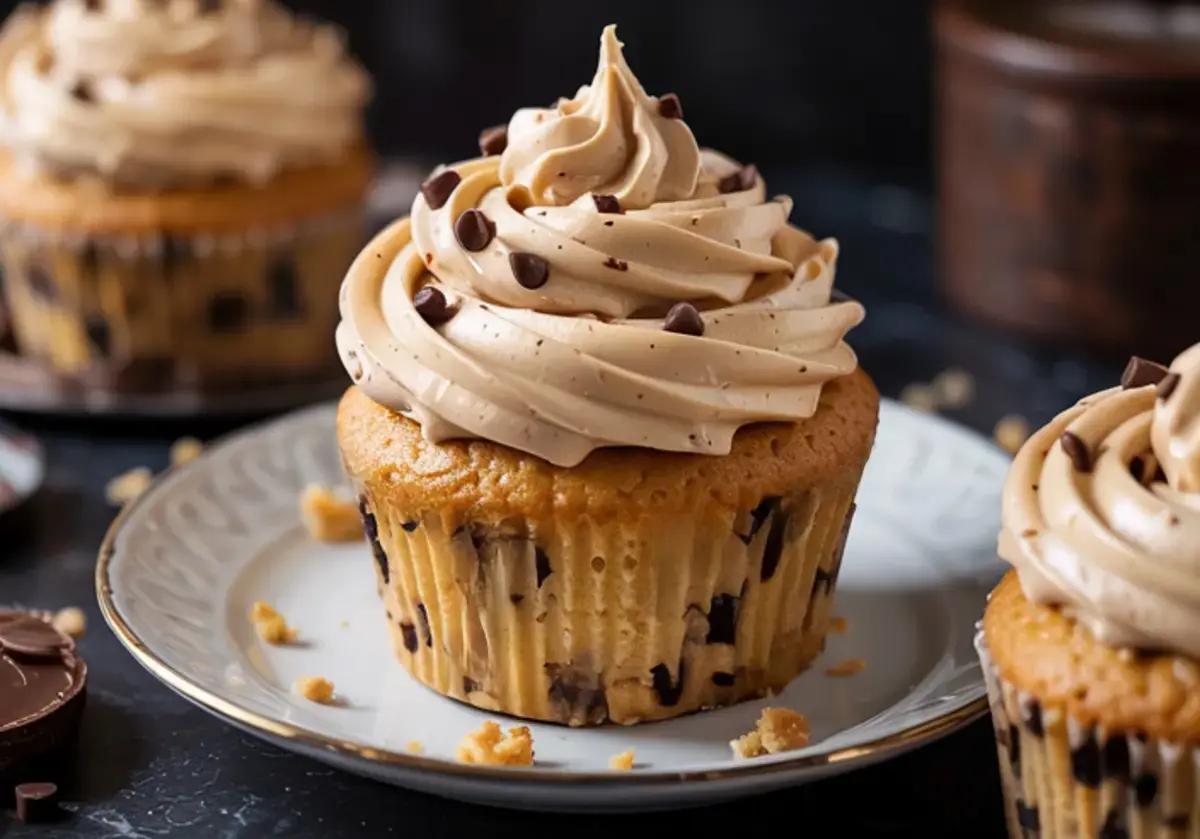
This cookie dough frosting pairs best with simple vanilla or chocolate bases. Let the frosting do the talking.
I’ve used it as a cake filling, piped it onto brownie squares, and even tucked it inside sugar cookie sandwiches.
It belongs in your frosting toolkit. Just like my go to cookie frosting that starts with a sugar base but ends up somewhere surprising.
You’ll find new uses every season. Birthday cupcakes, slow cooker desserts, even piping onto cookie pies.
It keeps well in the fridge, too. Just re whip gently before using.
Save and Share – Let’s Talk Frosting
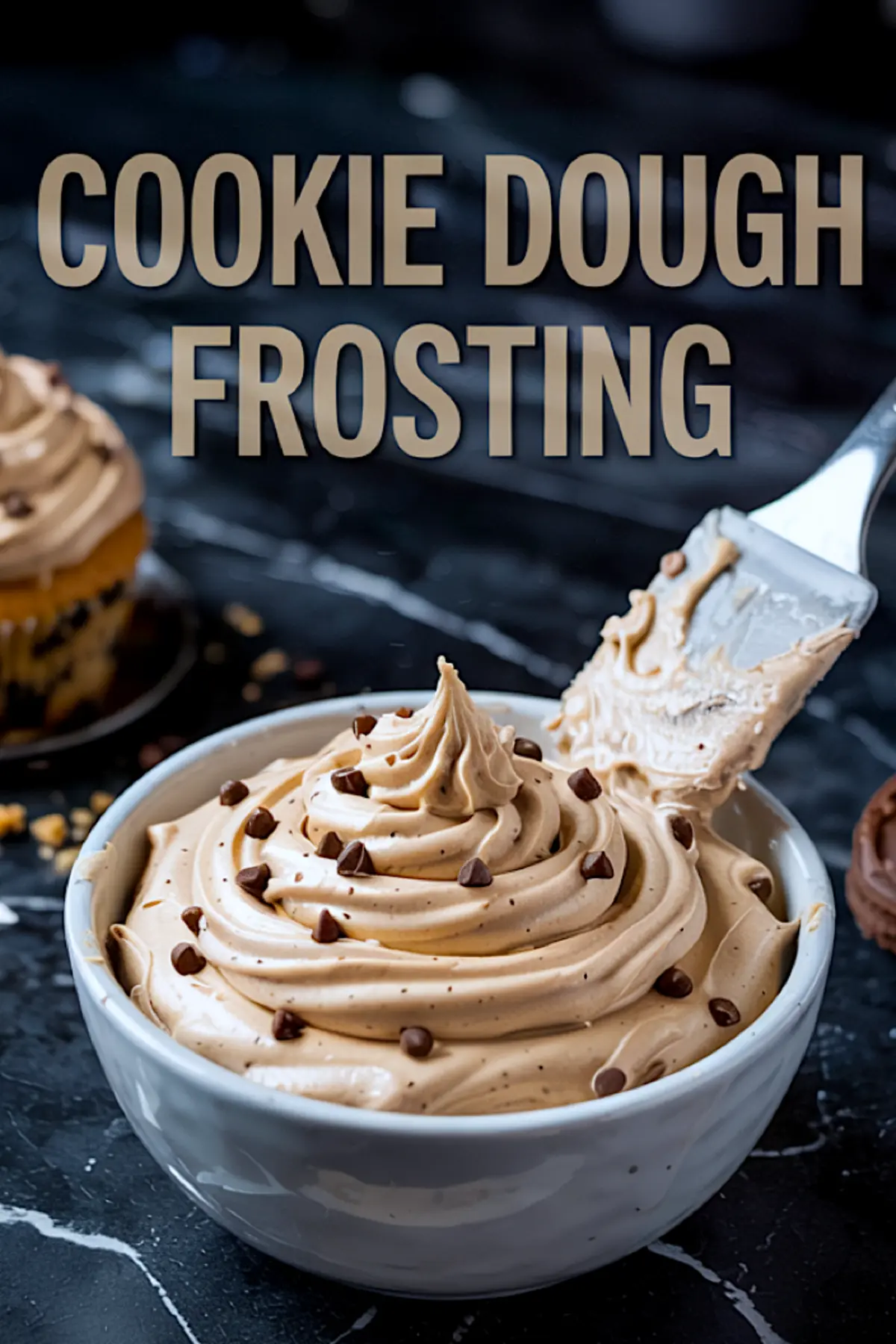
Pin this Cookie Dough Frosting Cupcakes recipe for later. You’ll want it again. Maybe even tomorrow.
If you try it, leave a comment below and tell me how you used it. Did you swap anything? Did the heat treated flour make a difference?
Let’s build something sweet together.
Cookie Dough Frosting Cupcakes Recipe
This Cookie Dough Frosting Recipe is a dream come true for cookie lovers! Made without eggs and safe to eat, it delivers the rich, nostalgic flavor of edible cookie dough in a smooth, fluffy buttercream. Perfect for piping onto cupcakes, layering in cakes, or spreading over brownies. Learn how to make cookie dough frosting from scratch using pantry staples like butter, brown sugar, and heat-treated flour. Whether you’re looking for a unique edible cookie dough filling, a fun topping, or new slow cooker desserts to pair with, this easy and indulgent frosting adds a playful twist to your favorite sweets. A must-try for dessert lovers!
Ingredients
- 1 cup (2 sticks) unsalted butter, softened
- 1 cup light brown sugar, packed
- 2 ½ cups powdered sugar
- 1 ½ teaspoons vanilla extract
- ½ teaspoon salt
- 2 tablespoons milk or heavy cream
- ½ cup mini chocolate chips
- Optional: 1 tablespoon heat-treated flour
Instructions
- CREAM THE BUTTER AND BROWN SUGAR: In a large mixing bowl, beat the softened butter and packed brown sugar together using a hand mixer or strong whisk until the mixture is light and fluffy, about 3–5 minutes. This step is key for dissolving the sugar and avoiding a gritty texture.
- ADD VANILLA AND SALT: Mix in the vanilla extract and salt until fully combined. The frosting should begin to smell like cookie dough at this point.
- INCORPORATE THE POWDERED SUGAR: Gradually add the powdered sugar, about ½ cup at a time, mixing on low speed to prevent it from puffing out of the bowl. Scrape down the sides of the bowl frequently. Once all the sugar is added, increase the speed to medium and beat until smooth and fully incorporated.
- ADJUST CONSISTENCY: Add the milk or heavy cream, one tablespoon at a time, mixing between additions until the frosting reaches your preferred consistency. Use 2 tablespoons for a thicker, pipeable frosting, or slightly more for a softer, spreadable texture.
- ADD CHOCOLATE CHIPS: Stir in the mini chocolate chips by hand using a spatula or spoon to preserve their shape and prevent them from breaking up.
- TASTE AND CHILL IF NEEDED: Taste the frosting and adjust if necessary. If it feels too soft, refrigerate for 10–15 minutes to firm it up before piping or spreading.
Notes
If you want a more authentic cookie dough flavor, you can mix in 1 tablespoon of heat-treated flour. Be sure the flour is fully cooled before adding. Use mini chocolate chips for the best texture—regular chips are too large and interrupt the smooth consistency.
