

A recipe from my old tin box of custards and comforts
Caramel pudding has always held a quiet place in my kitchen. It doesn’t ask for much. Just sugar, milk, and eggs. But the result is something full of warmth, like a soft hush after the oven door closes. This version isn’t fancy. It’s the one I’ve written out by hand more times than I can count. The same one Chloe asked for when she first moved into her own place.
This is a baked caramel custard. The kind that starts with sugar and water turning slowly into amber, then finishes in the fridge after hours of rest. It’s part of a family of caramel dessert recipes that I reach for when the weather turns or someone needs a quiet treat. If your pudding cracks or looks too jiggly, don’t worry. It should wobble. That means it’s set just right.

How to Make Caramel Pudding Step-by-Step
Begin with the caramel. Sugar and water go into a pan over medium heat. Don’t stir. Just let it melt, then deepen in color until golden brown. It’s easy to overdo it, so stay close. Once the color turns, act quickly. Pour a bit into each ramekin and swirl. That golden sugar becomes the top when you flip it later.

Warm your milk gently. Don’t let it boil. In a bowl, whisk the eggs with sugar until pale. Slowly add the warm milk to the eggs, whisking constantly. Then stir in the vanilla. This step takes some care. I always keep a clean towel under my bowl to keep it steady.
Strain the mixture. It removes any bits that might make the texture uneven. That little step makes all the difference. I’ve forgotten it before, and the custard came out a little grainy. Still good, but not quite right.
The Best Milk to Use for Caramel Pudding
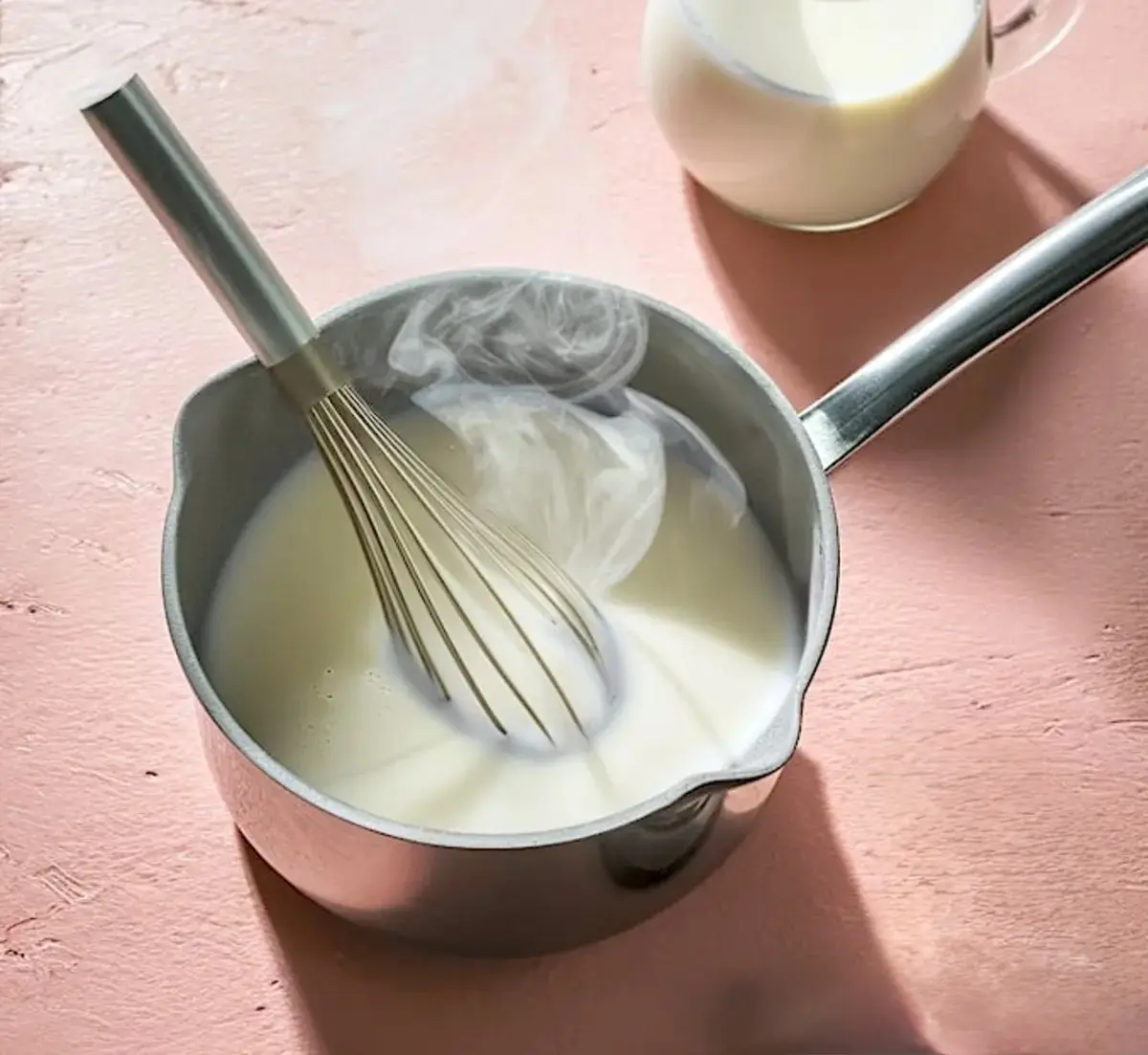
I’ve tried using low-fat milk in the past, but it never quite settles the way I want. Whole milk brings body. It helps the custard set softly, without becoming thin or rubbery. In my handwritten notes, I once wrote:
Tried 2 percent. Too soft. Flavor missing.
Whole milk carries the richness through to the final spoonful. It’s the only kind I use now. I don’t bother with cream either. It makes the pudding too heavy.
Bake Low and Slow with a Water Bath
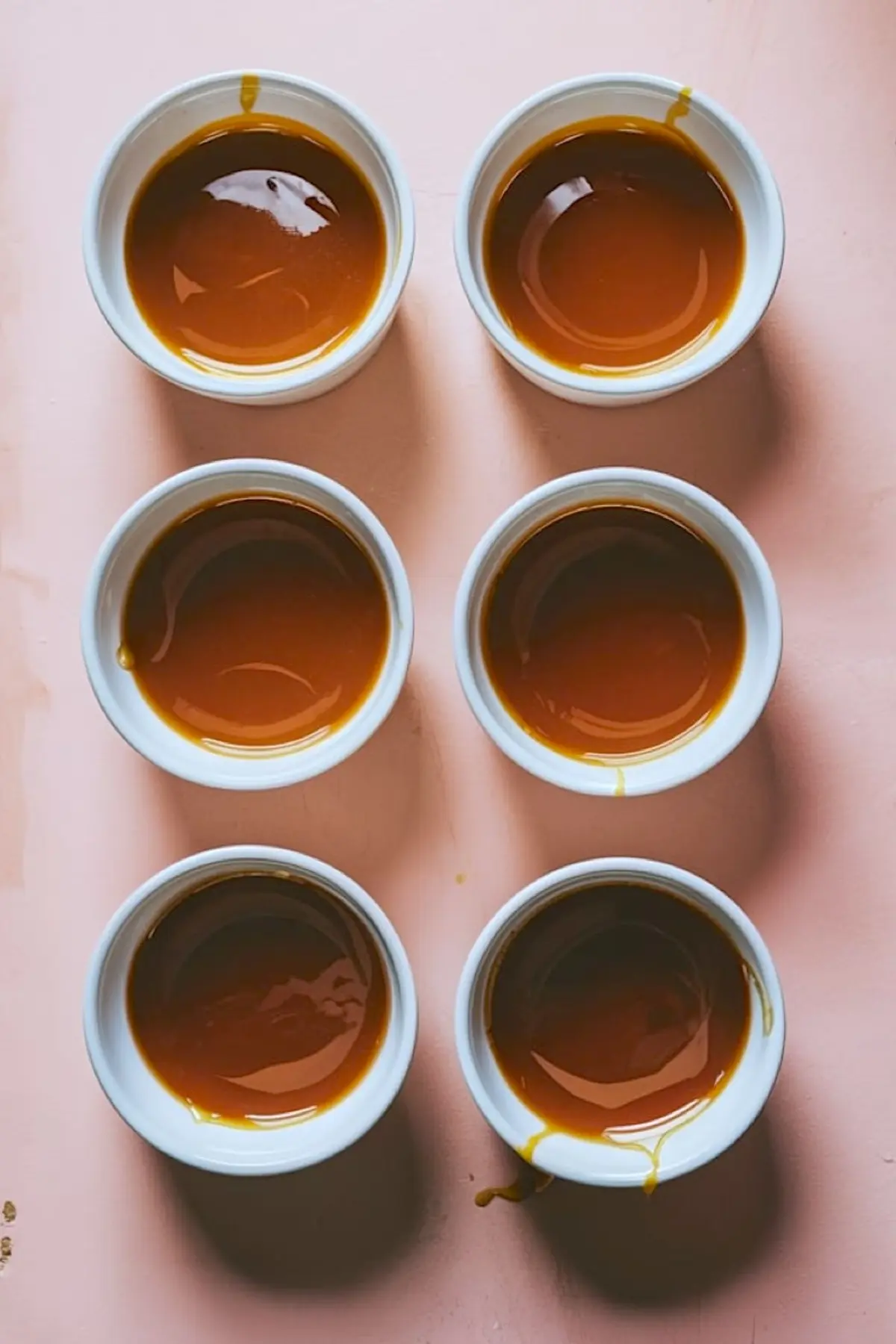
Fill the ramekins and place them in a deep baking dish. Pour hot water around them so it reaches halfway up the sides. That water bath matters. It keeps the heat gentle and the texture even. The custard should set around the edges but still tremble slightly in the center.
Once baked, let the ramekins rest in the hot water for a bit longer. Then move them to a wire rack. Let them cool fully before wrapping and placing in the refrigerator. This pudding needs at least four hours to chill, though I often leave mine overnight.
From Ramekin to Plate
To serve, run a thin knife around the edge of each pudding. Place a plate over the ramekin and invert. You might hear a soft pop as the custard drops and the caramel flows around it. If a little sticks, just scoop it out with a spoon. It’s all part of it.
Caramel pudding doesn’t need much else. But if you like contrast, try serving it with something crisp like my Chocolate Caramel Thumbprint Cookies or even a buttery shortbread.
Caramel Mousse, Caramel Bread Pudding, and Other Ideas
If you enjoy lighter textures, you might prefer caramel mousse. It’s whipped and airy, unlike this slow-baked custard. On the other hand, caramel bread pudding includes cubes of soaked bread and bakes into something heartier.
This recipe fits somewhere in between. Lighter than bread pudding, but deeper than mousse. It belongs next to my Peanut Butter Thumbprint Cookies with Caramel and Caramel Pecan Clusters. Soft textures. Simple ingredients. Deep flavors.
Save It, Try It, Ask Anything
I hope you make this one. I hope you write your own notes in the margin. If your sugar darkens too quickly or your custard bubbles, don’t throw it out. These things happen. Just take a deep breath and try again.
Let me know in the comments if you tried it. Save it to your caramel dessert recipes board. And if you have questions, I’ll be right here. Chloe reads them to me sometimes, and it always makes my day.
Caramel Pudding Recipe

Caramel pudding is a smooth, gently sweet dessert made with a base of homemade caramel and a simple custard. The caramel coats both the bottom and top, adding deep flavor and contrast to the silky texture of the baked custard. This recipe uses basic ingredients and a slow baking method to ensure a perfect set with a delicate, quivering center.
Ingredients
- FOR THE CARAMEL
- 1 cup granulated sugar
- 1/4 cup water
- FOR THE CUSTARD
- 2 cups whole milk
- 4 large eggs
- 1/2 cup granulated sugar
- 1 teaspoon pure vanilla extract
Instructions
- PREPARE THE OVEN AND WATER BATH: Preheat the oven to 325°F (160°C). Place a kettle of water on to boil and arrange six 6-ounce ramekins in a deep baking dish that fits them all comfortably.
- MAKE THE CARAMEL: In a heavy-bottomed saucepan, combine the granulated sugar and water over medium heat. Without stirring, let the sugar dissolve and come to a boil. Watch closely as it turns golden, then deep amber—tilt the pan gently if needed to ensure even coloring. Once it reaches a rich golden brown, immediately pour a small amount into each ramekin, swirling to coat the bottom. Set aside to let the caramel harden.
- WARM THE MILK: In a separate saucepan, heat the whole milk over medium-low heat just until warm to the touch. Do not let it boil.
- WHISK THE EGGS AND SUGAR: In a mixing bowl, whisk the eggs and granulated sugar together until the mixture becomes pale and slightly thickened.
- COMBINE WITH WARM MILK: Slowly pour the warm milk into the egg mixture while whisking constantly to prevent the eggs from cooking. Stir in the vanilla extract once combined.
- STRAIN THE CUSTARD: Pour the custard mixture through a fine mesh sieve into a large bowl to remove any curdled bits or bubbles for a smooth finish.
- FILL THE RAMEKINS: Carefully ladle the strained custard into the caramel-lined ramekins, dividing the mixture evenly.
- CREATE THE WATER BATH: Place the baking dish with the ramekins in the preheated oven. Gently pour the boiling water into the baking dish around the ramekins until the water reaches halfway up their sides.
- BAKE THE CUSTARD: Bake for 40 to 45 minutes, or until the custards are just set around the edges but still slightly wobbly in the center when lightly shaken.
- COOL IN WATER BATH: Remove the baking dish from the oven and let the ramekins sit in the hot water for an additional 10 minutes. Then carefully transfer them to a wire rack to cool to room temperature.
- CHILL THE PUDDINGS: Once cooled, cover each ramekin with plastic wrap and refrigerate for at least 4 hours, or overnight, to allow the custard to fully set and the caramel to soften.
- UNMOLD AND SERVE: To serve, run a thin knife around the inside edge of each ramekin. Invert onto a serving plate and allow the pudding to release. Spoon any remaining caramel from the ramekin over the top.
Notes
Use only whole milk for the best texture. Do not substitute with skim or low-fat varieties. Baking time may vary slightly depending on your oven, so begin checking around the 40-minute mark.
Nutrition Information:
Yield:
6Serving Size:
1Amount Per Serving: Calories: 336Total Fat: 7gSaturated Fat: 3gTrans Fat: 0gUnsaturated Fat: 3gCholesterol: 144mgSodium: 126mgCarbohydrates: 62gFiber: 0gSugar: 59gProtein: 8g
