
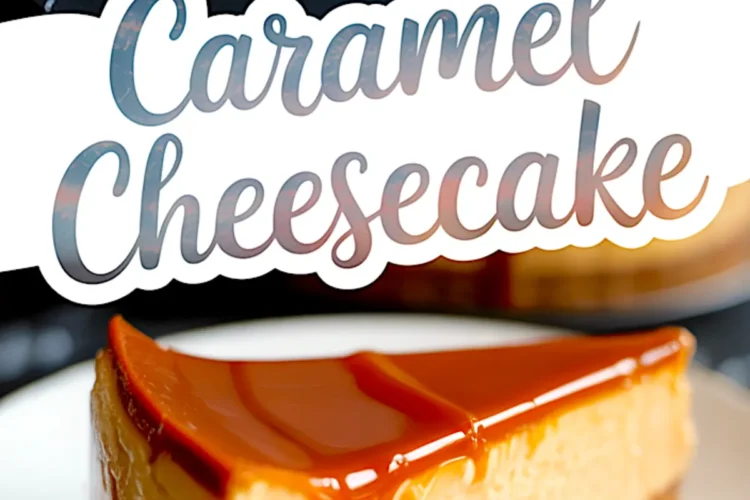
There are recipes that serve a purpose, and then there are recipes that stay with you. This caramel cheesecake did both.
You came here looking for a reliable, rich, creamy caramel cheesecake. You’ll get that. But let me give you something extra while you’re here: confidence. Confidence that yes, this recipe works. Confidence that you don’t need shortcuts. Confidence that when you take your first bite, it will taste like care.
This isn’t just a caramel cheesecake. This is a cheesecake that wraps around your spoon like silk. It holds its shape, but melts just enough. The top shines from the caramel, but there’s something else going on underneath. Something deeper than just sweet. We’ll get to that part later.

A Cheesecake With Structure and Soul
Every layer plays a role here. The base matters. I use digestive biscuits or graham crackers, depending on the season and what’s in the cupboard. Either way, butter does the binding. Brown sugar? Cinnamon? Only if the mood calls for it. They’re optional, but I reach for them when I want a bit more hug in the crust.
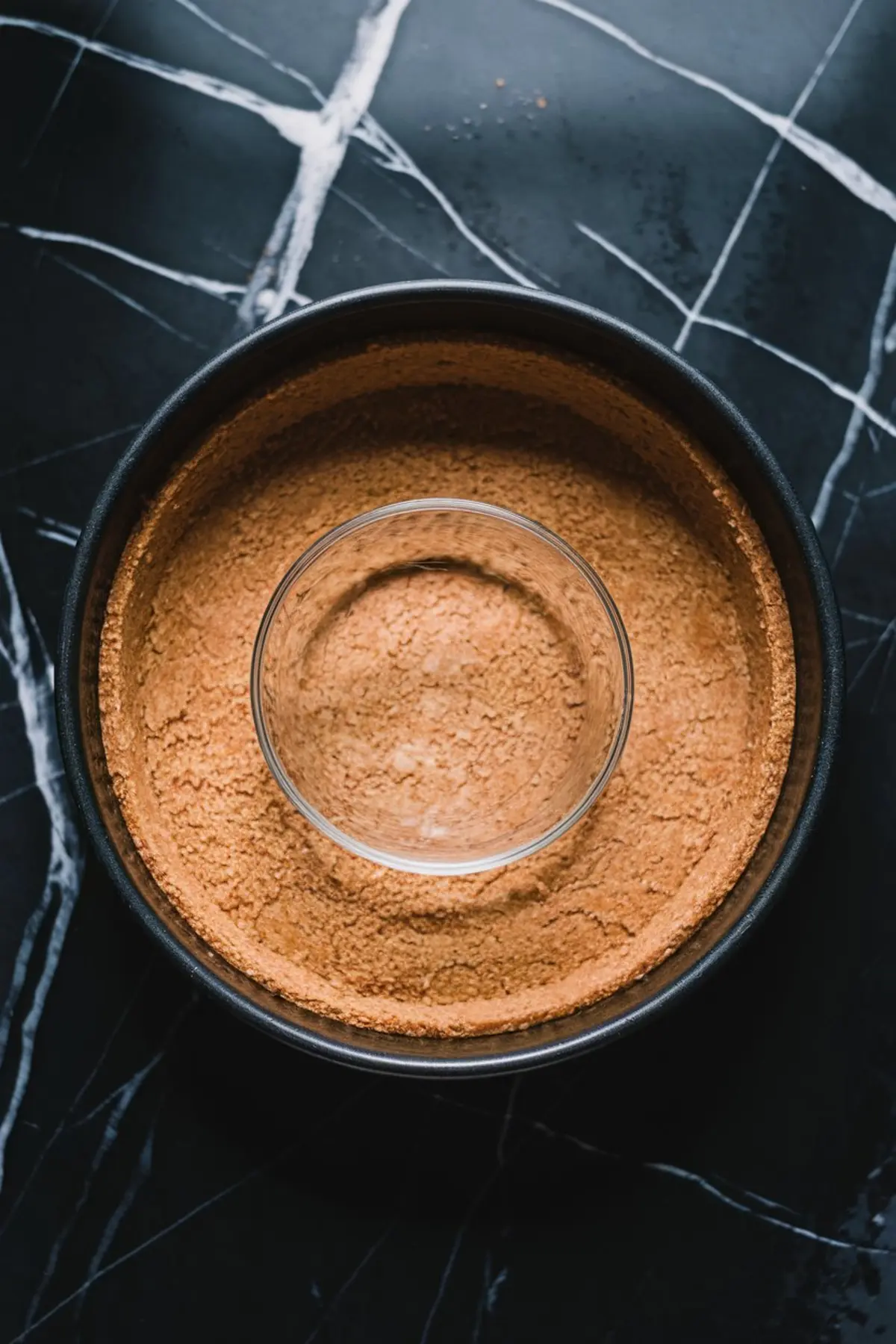
Once mixed, I press the crumbs in gently but firmly. There’s no need to overthink it. A flat-bottomed measuring cup works best. Ten minutes in the oven sets it.
The Cream Cheese Filling That Sets the Tone
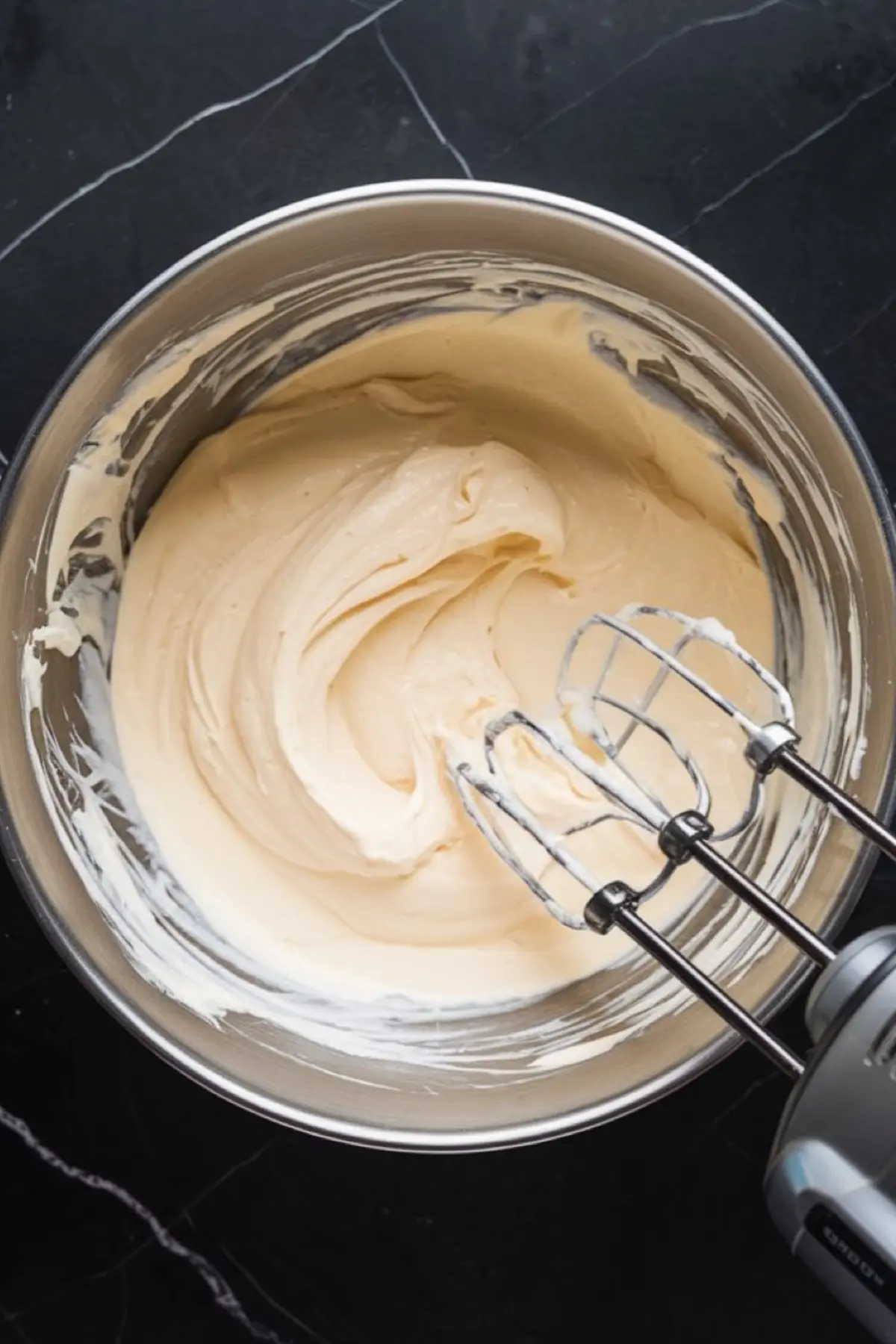
You need everything at room temperature. Cream cheese, sour cream, eggs. This step matters more than it gets credit for. If the ingredients are too cold, your batter turns lumpy. I’ve learned that the hard way.
I beat the cream cheese first. Slowly. Then sugar. Then eggs, one by one. Vanilla goes in last, after the sour cream. It’s important to stop beating as soon as everything blends. Too much air changes the texture. You’re after smooth, not fluffy.
Water Bath: The Secret to No Cracks
I used to skip this. I regretted it every time.
Wrap the springform pan in two layers of heavy foil. Set it in a larger pan. Add hot water halfway up. Then slide the whole thing into the oven.
Baking takes just over an hour. The edges should look firm. The center should still jiggle. That’s your signal. Turn off the oven, crack the door, and wait. Patience now pays off later.
Cooling Slowly, Then Waiting Overnight
This step takes longer than anything else, but rushing ruins it.
Let the cheesecake sit in the oven for one hour. Then bring it to room temperature. Only after that, refrigerate. It needs at least six hours. Overnight is better. Cheesecake texture improves with time.
Homemade Caramel
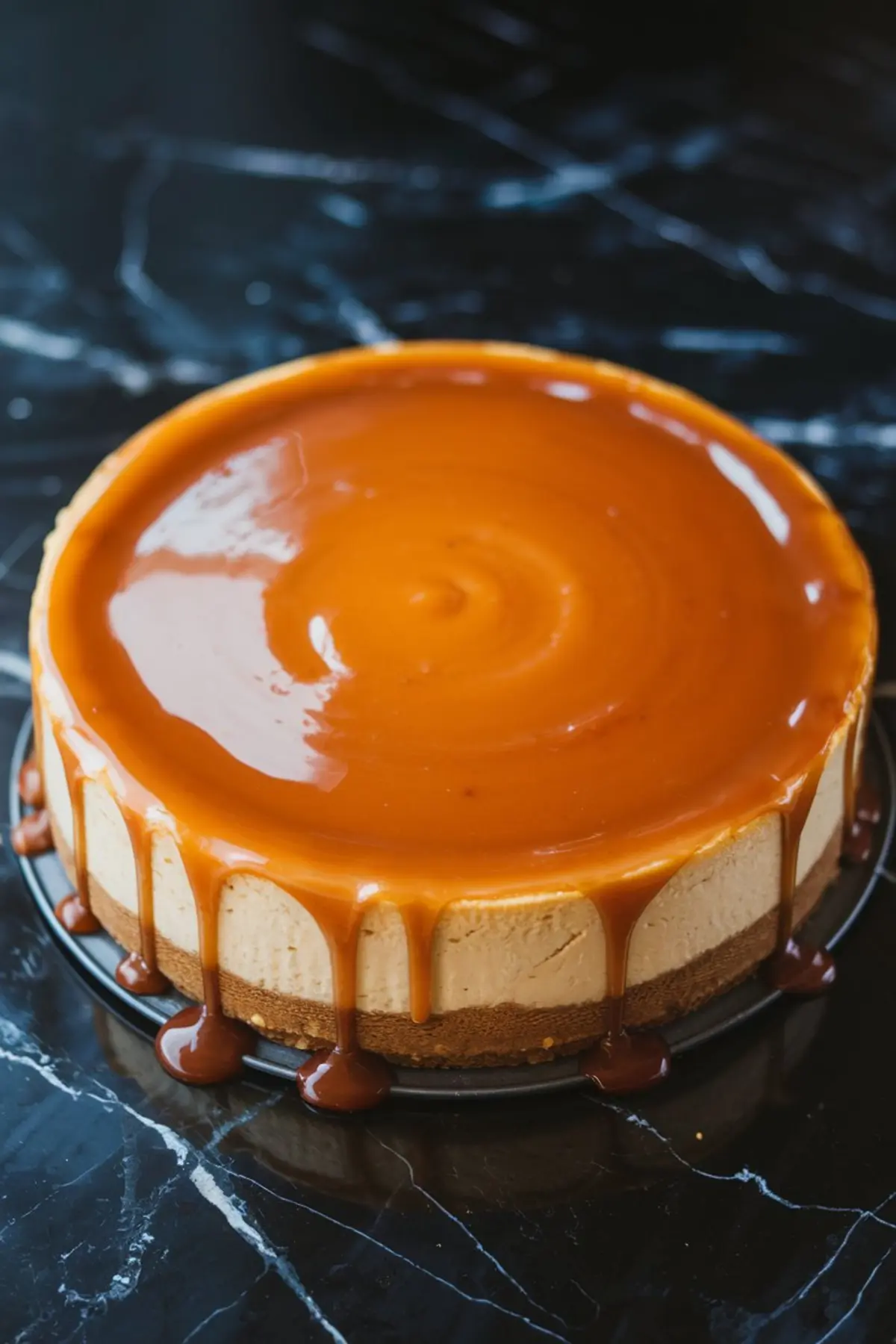
Sugar melts first. No water. Just sugar in a heavy-bottomed pan. Stir constantly. It clumps, then melts, then darkens.
Butter goes in next, then cream. It bubbles. That’s normal. Add salt last. Let it cool before pouring. You can make this up to a week ahead. Just reheat gently before serving.
Comparing Digestives and Graham Crackers
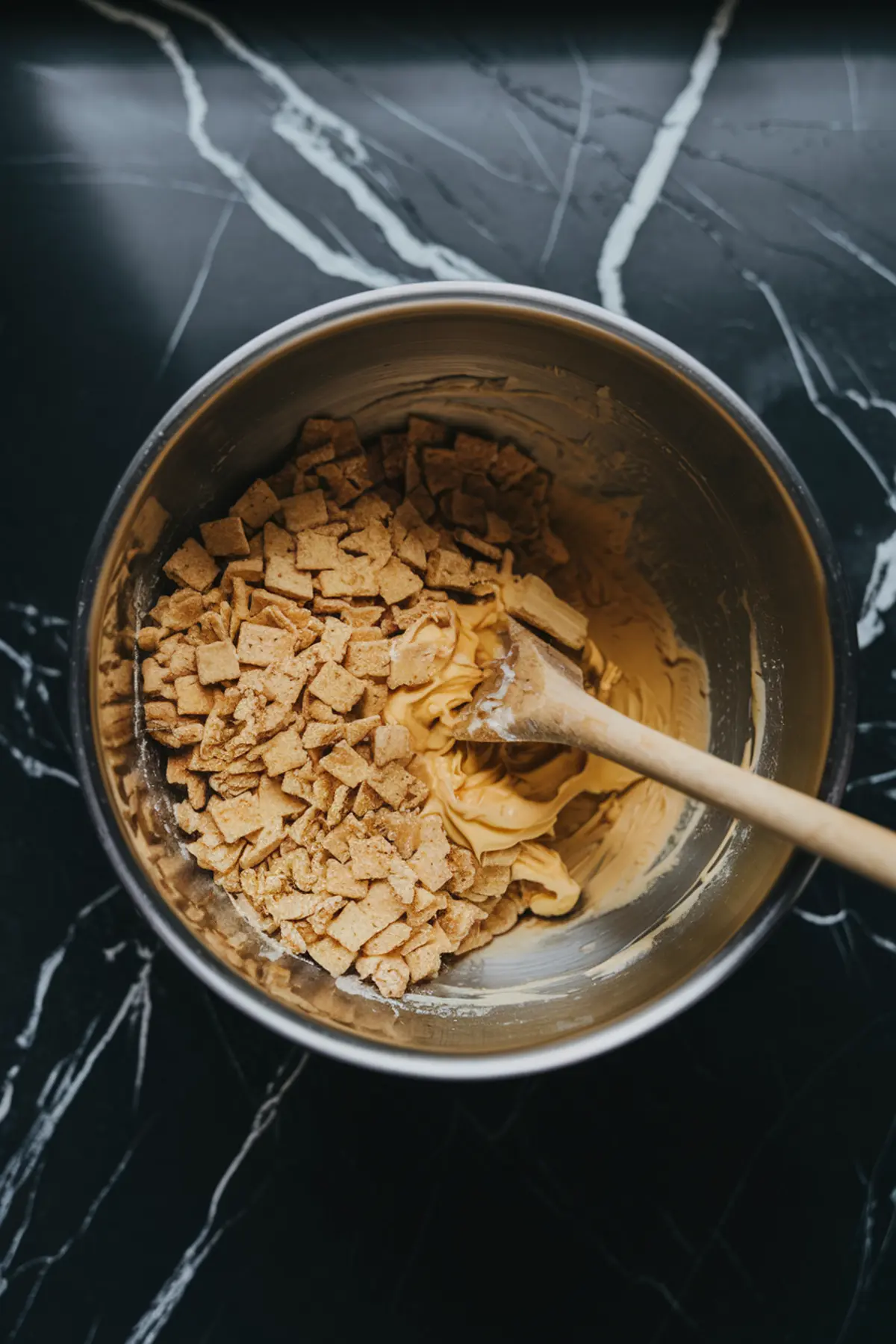
I’ve made this crust both ways. Digestives bring a mellow, almost nutty softness. Graham crackers lean slightly sharper and sweeter. If I’m pairing with apple or pumpkin caramel cheesecake, I use grahams. For a chocolate caramel cheesecake, digestives work better. Choose depending on the final tone you want the cake to carry.
The Final Assembly
Once the cheesecake chills completely, lift it from the pan. Pour caramel slowly over the top. Let it run to the edges and spill slightly.
For neat slices, use a hot, clean knife. Wipe between cuts. That gives you those cafe-style slices people always photograph but rarely achieve at home.
The Dash That Changed Everything
Now about that twist I hinted at.
The first time I made this, I added just a pinch of cinnamon to the crust. It was late fall. The air smelled like apples and chimney smoke. That small addition took the whole cheesecake in a warmer direction. It didn’t make it spicy. It just deepened the story.
Ever since then, I add a pinch of cinnamon even in summer. It’s not enough to taste outright, but enough to make people wonder why your cheesecake feels different.
Other Cheesecake Recipes to Try Next
If this caramel cheesecake recipe made your day better, I have more options to keep your cheesecake streak going. Try the Keto Cheesecake if you’re watching carbs but still want something creamy. For summer holidays, the Patriotic Swirl Cheesecake and Red White Blue Mini Cheesecakes always make a splash.
If you love deep chocolate notes, the Nutella Cheesecake might just become your new favorite. And for no-bake fans, there’s the No Bake Cherry Cheesecake or the wintery Cranberry Cheesecake that adds tang and brightness.
Keep This One Handy
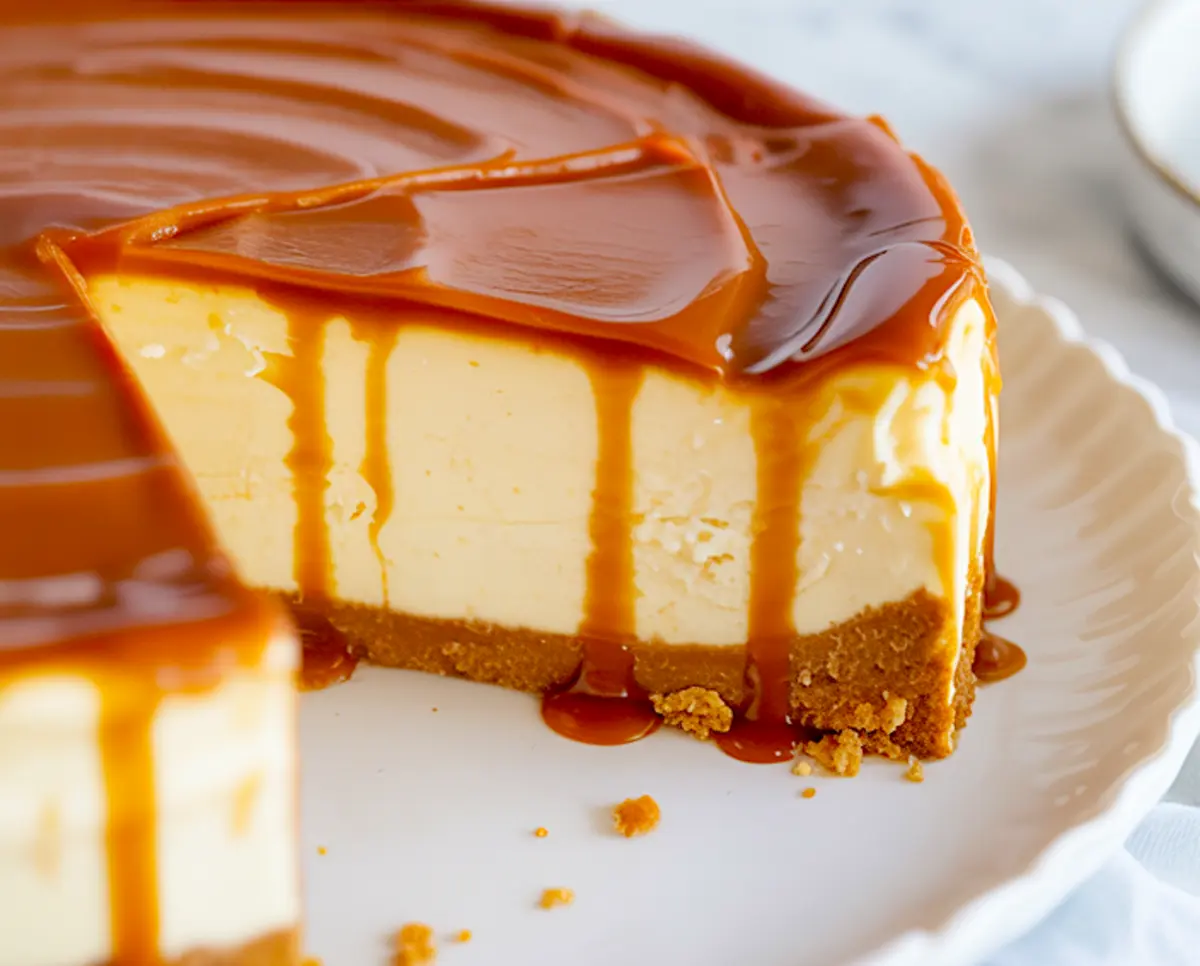
If you love caramel swirl cheesecake or bake caramel cheesecake bars for parties, this version gives you the same core, but with more balance and depth.
You can easily adapt it into apple caramel cheesecake or drizzle it with chopped pecans to make it feel like a caramel pecan cheesecake. But I still go back to the classic format. Dense center, buttery crust, silky topping.
Save this to your Pinterest dessert board so you don’t lose track. And when you make it, come back and tell me how it turned out.
Did you add cinnamon? Did you try chocolate? I’d love to know.
Caramel Cheesecake Recipe
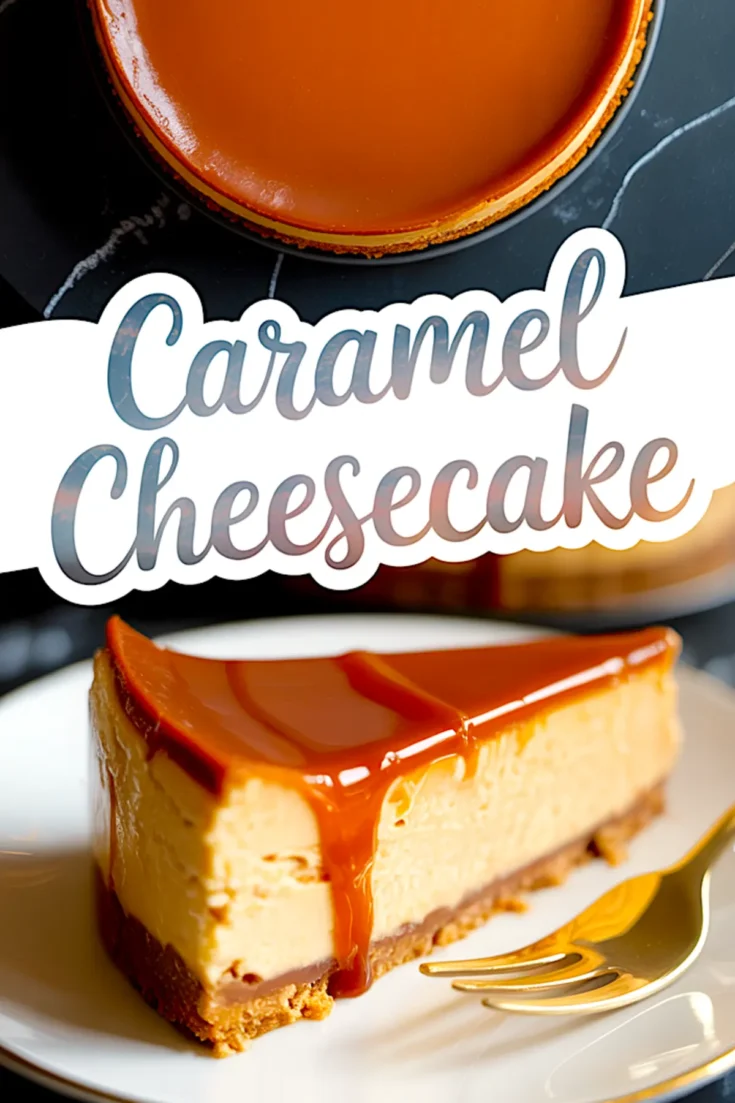
Caramel cheesecake combines a dense, creamy filling with a buttery biscuit crust and smooth caramel topping. The filling is rich and balanced with tang from sour cream, while the caramel adds warmth and depth. This recipe uses real ingredients with no shortcuts and delivers consistent results with careful technique and cooling.
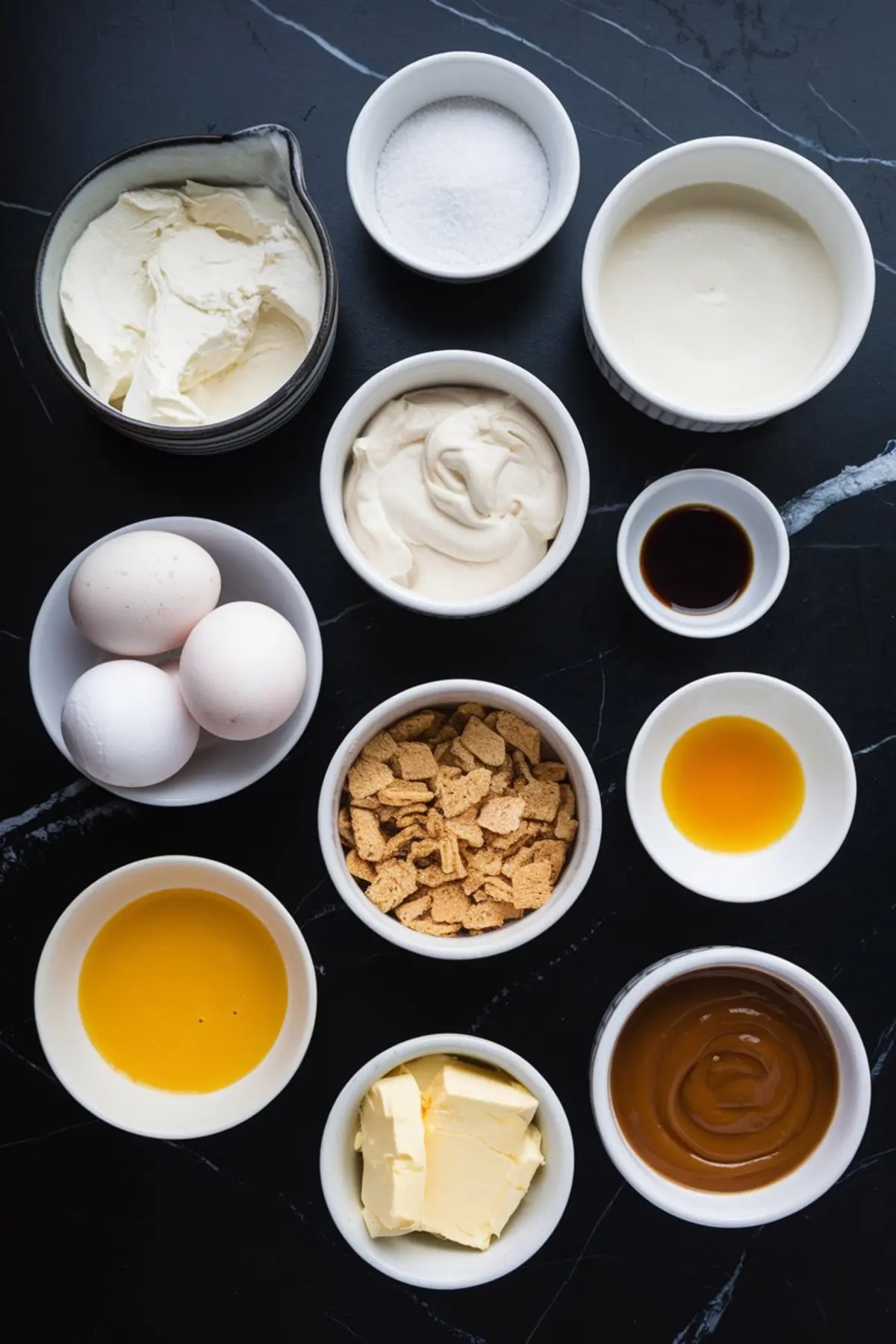
Ingredients
- for the crust
- 1 ½ cups (150 g) crushed digestive biscuits or graham crackers
- 6 tablespoons (85 g) unsalted butter, melted
- Optional: 1 tablespoon brown sugar
- Optional: ¼ teaspoon ground cinnamon
- for the filling
- 32 oz (900 g) full-fat cream cheese, at room temperature
- 1 cup (200 g) granulated sugar
- 1 cup (240 g) sour cream, at room temperature
- 4 large eggs, at room temperature
- 1 tablespoon pure vanilla extract
- for the caramel topping
- 1 cup (200 g) granulated sugar
- 6 tablespoons (85 g) unsalted butter, cut into pieces
- ½ cup (120 ml) heavy cream, at room temperature
- ½ teaspoon fine sea salt
Instructions
- PREPARE THE CRUST: Preheat the oven to 325°F (163°C). In a medium bowl, combine crushed biscuits or graham crackers with melted butter, mixing until the texture resembles wet sand. Add brown sugar and cinnamon if using. Press the mixture firmly into the bottom of a 9-inch springform pan using the bottom of a glass or measuring cup. Bake for 10 minutes, then set aside to cool while preparing the filling.
- MAKE THE FILLING: In a large mixing bowl, beat the cream cheese until completely smooth and fluffy, about 2 to 3 minutes. Add the granulated sugar and continue beating until incorporated. Add the eggs one at a time, beating on low speed and scraping down the bowl as needed. Mix in the sour cream and vanilla just until combined. Do not overmix.
- ASSEMBLE THE CHEESECAKE: Pour the filling over the pre-baked crust and smooth the top with a spatula. Wrap the outside of the springform pan tightly in two layers of heavy-duty aluminum foil to prevent water from seeping in during the water bath.
- BAKE IN A WATER BATH: Place the foil-wrapped pan into a larger roasting pan. Pour hot water into the roasting pan until it reaches halfway up the sides of the springform pan. Carefully transfer to the oven and bake for 60 to 70 minutes. The cheesecake is done when the outer edges are set and the center jiggles slightly when gently shaken.
- COOL GRADUALLY: Turn the oven off, crack the oven door open, and let the cheesecake cool inside for 1 hour. Remove from the oven and water bath, then allow to cool to room temperature. Transfer to the refrigerator and chill for at least 6 hours, preferably overnight.
- MAKE THE CARAMEL: In a heavy-bottomed saucepan over medium heat, melt the sugar, stirring constantly with a heat-resistant spatula or wooden spoon until it becomes a smooth amber-colored liquid. Add the butter and stir until fully melted and combined. Carefully pour in the cream—it will bubble—and stir until smooth. Remove from heat and stir in the salt. Let the caramel cool to room temperature before using.
- FINISH AND SERVE: Once the cheesecake is thoroughly chilled, remove it from the springform pan and transfer to a serving platter. Pour the cooled caramel sauce over the top, allowing it to drip slightly over the edges. Slice with a hot, clean knife for neat servings.
Notes
Use full-fat ingredients for best texture. Make sure all filling components are at room temperature to ensure a smooth batter. The water bath prevents cracks by regulating heat and adding moisture to the oven. Caramel can be made up to a week in advance and stored in the refrigerator. Warm slightly before using.
Nutrition Information:
Yield:
12Serving Size:
1Amount Per Serving: Calories: 442Total Fat: 42gSaturated Fat: 25gTrans Fat: 1gUnsaturated Fat: 13gCholesterol: 175mgSodium: 470mgCarbohydrates: 11gFiber: 0gSugar: 8gProtein: 7g
