
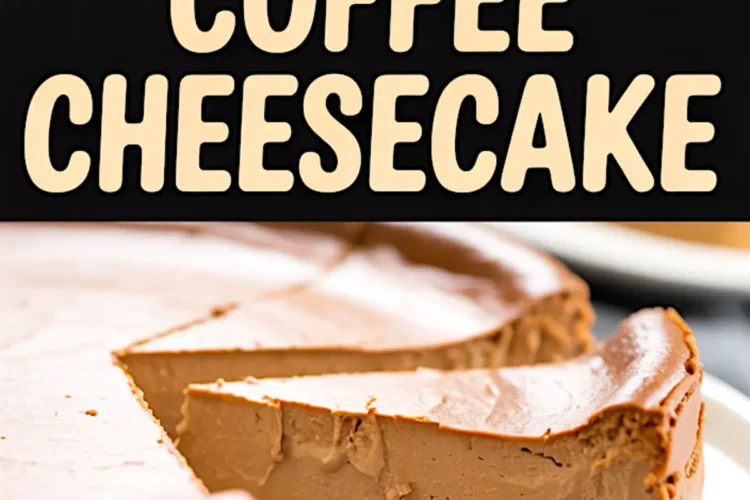
There is something about coffee and cheesecake that feels like a small act of comfort. Each bite delivers the creaminess you expect from a good cheesecake while the coffee hums quietly in the background, like a warm morning conversation.
You’re here because you want to bake a cheesecake that carries those coffee shop vibes straight to your table. You want something reliable, smooth, and flavorful. I will guide you through it.
You’ll learn how to make this creamy coffee cheesecake without complicated steps. You’ll understand why certain choices matter.
And along the way, I will share a small secret that gives this cheesecake its extra depth. But we’ll get to that soon.
Let’s start.

Coffee Cheesecake Is My Favorite Fall Cheesecake Recipe
In my kitchen, this recipe lives somewhere between breakfast and dessert. It’s rich like a traditional cheesecake but carries the inviting notes of espresso that make it feel like a morning indulgence.
I often call it my breakfast cheesecake because I have, more than once, stolen a slice with my first cup of coffee.
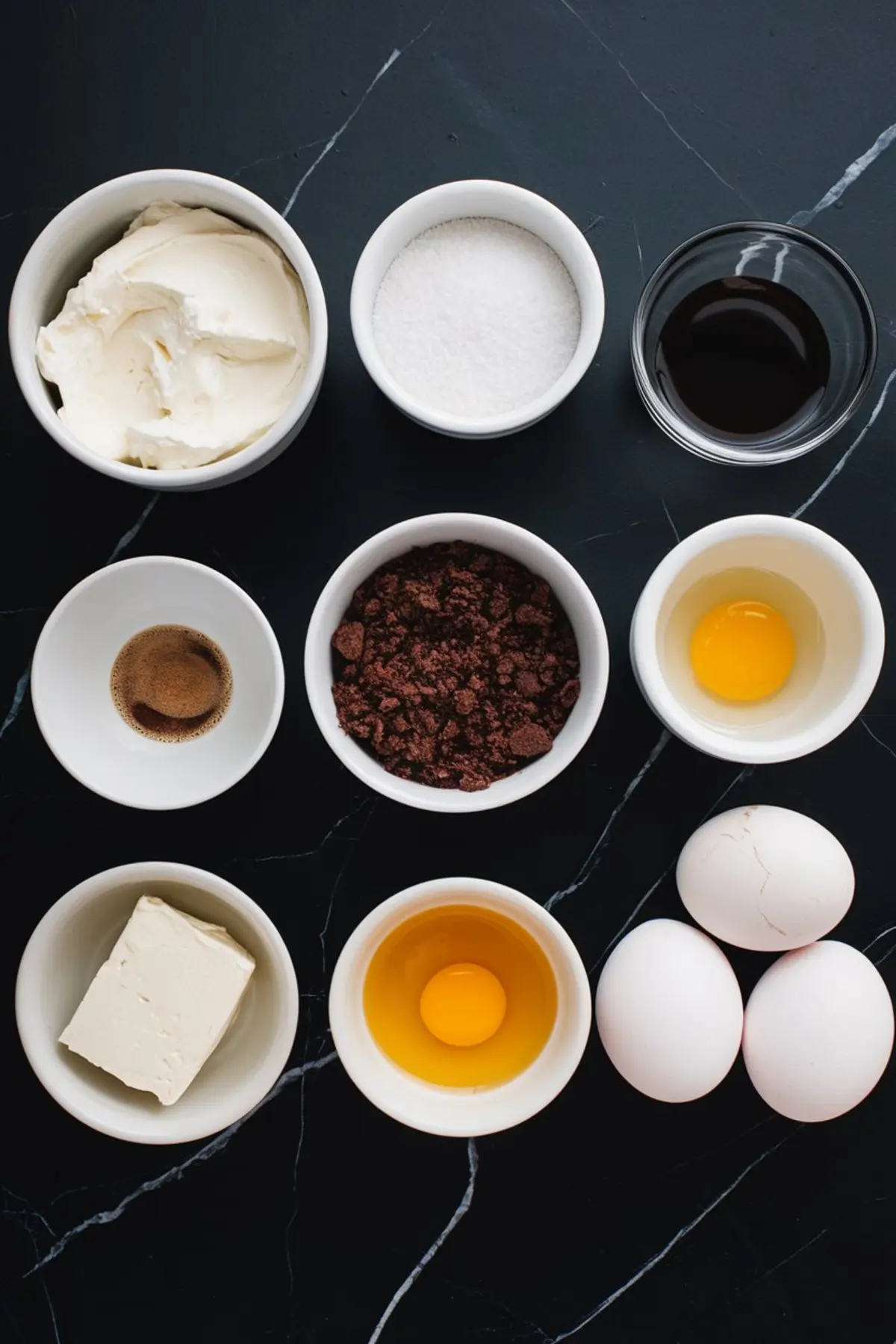
This dessert fits anywhere. It works on cozy autumn evenings. It serves as a showstopper during holiday gatherings. And for anyone searching for fall cheesecake recipes or unique coffee dessert recipes, this one delivers.
I’ve made plenty of cheesecakes, but few recipes offer this kind of balance. The bitterness from the coffee cuts through the richness. The chocolate cookie crust adds structure and contrast. And that’s exactly why my guests always reach for a second slice.
The Chocolate Cookie Crust Holds Everything Together
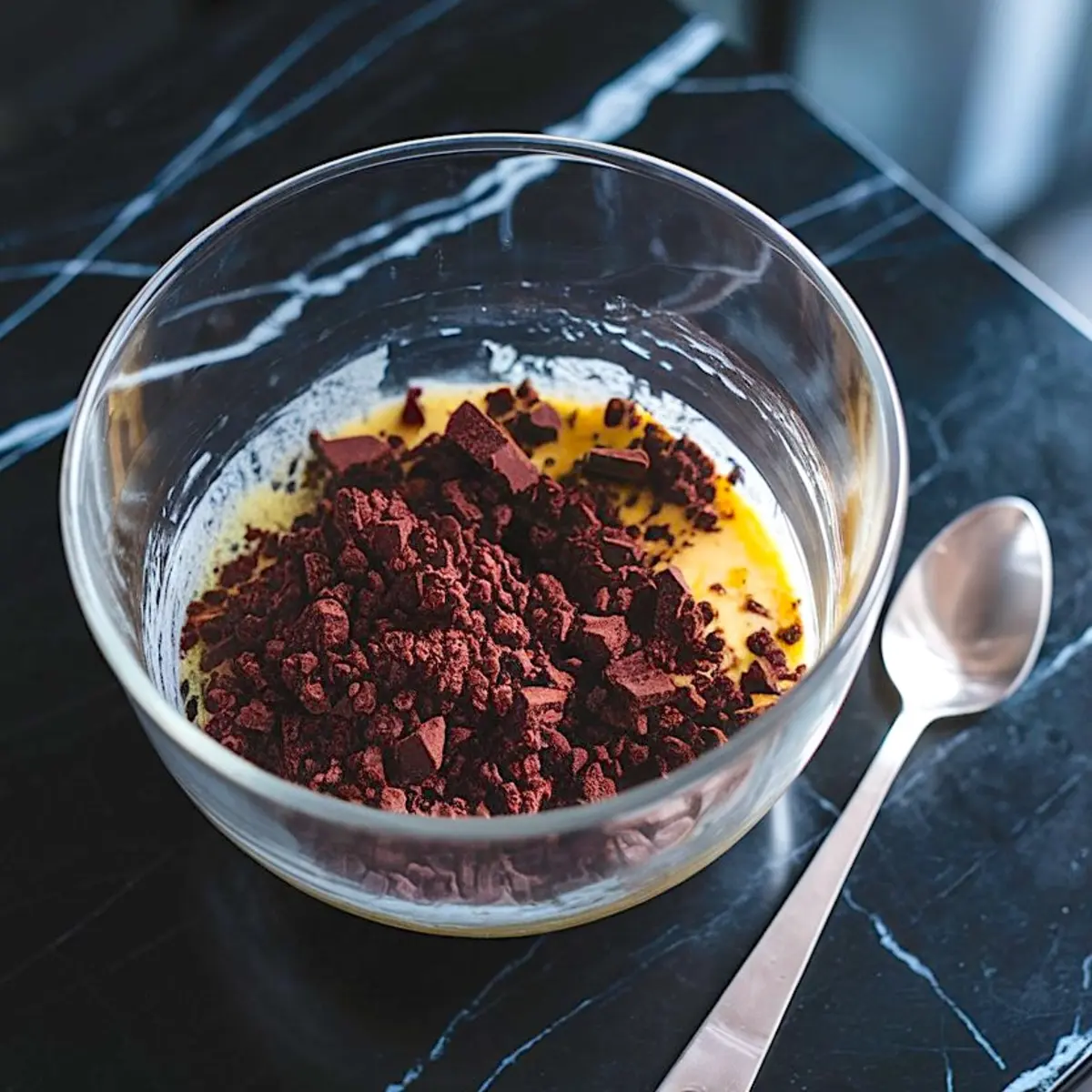
I always start by preparing the crust because it builds the foundation. For this recipe, I use chocolate cookies like Oreos with the filling removed or plain chocolate wafers.
The butter binds the crumbs, and I press them firmly into the bottom of my springform pan. A flat-bottomed glass helps create that even layer.
The crust bakes briefly, just ten minutes, giving it enough structure to hold the dense filling. This step may seem minor, but it makes slicing easier and keeps the crust from becoming soggy.
Cream Cheese and Sour Cream — The Heart of the Filling
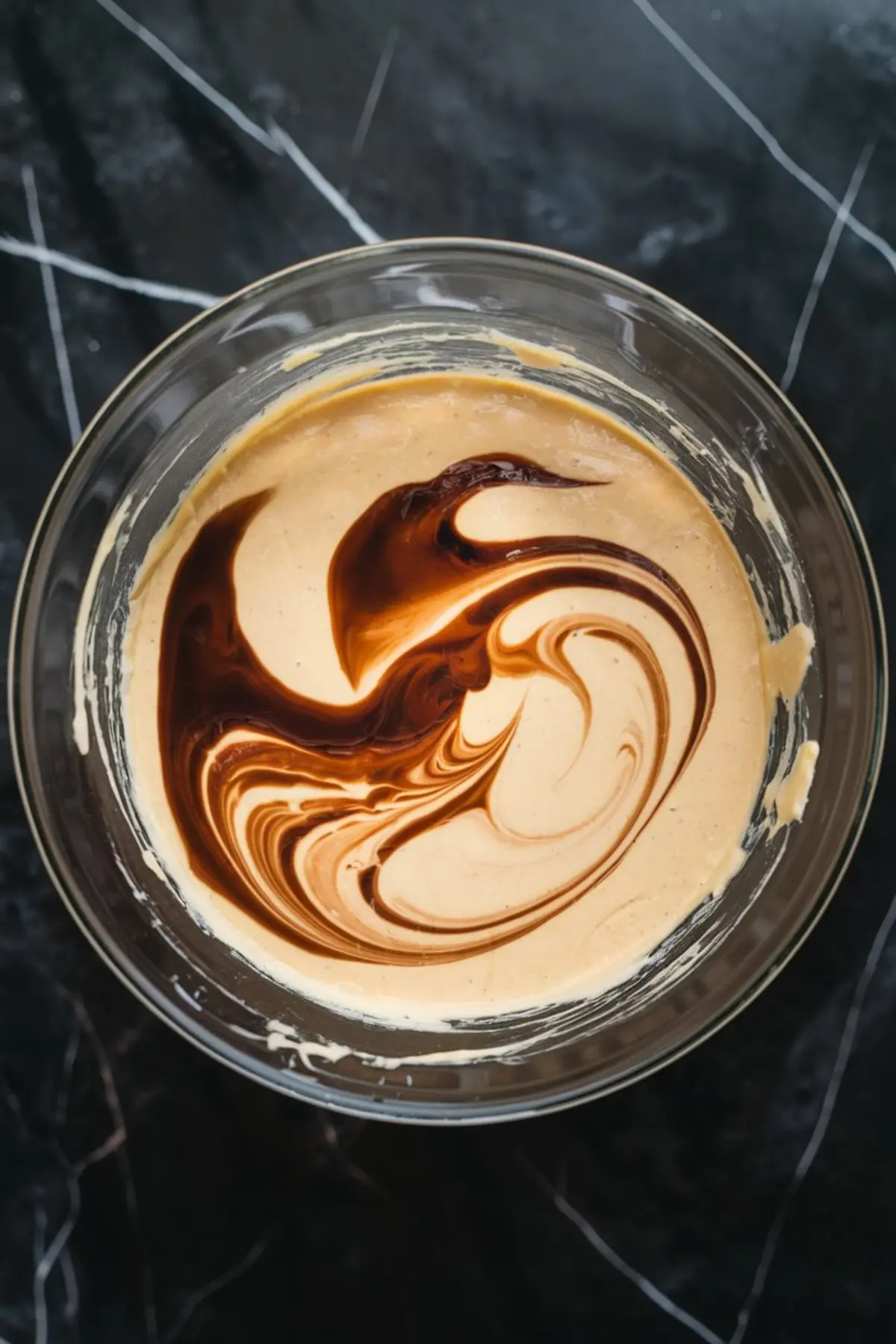
Full-fat cream cheese remains non-negotiable. Reduced-fat versions never produce the same silky texture. I soften it fully before mixing, which prevents lumps later.
Sour cream brings a gentle tang that balances the sweetness. Over years of testing, I’ve found this balance matters most. Without it, the cheesecake tastes flat.
With it, every forkful feels bright and smooth.
I blend the cream cheese until it’s completely smooth before adding sugar. This ensures the filling stays uniform, without those occasional tiny lumps that can sneak in if you rush.
Espresso Powder vs Brewed Coffee — What Works Better
Let’s pause here for a practical note. Many recipes suggest using brewed coffee. I’ve tested both, and I always return to espresso powder dissolved in hot water.
Brewed coffee adds too much liquid without delivering strong enough flavor. Espresso powder, however, gives a concentrated coffee punch without upsetting the cheesecake’s texture.
In my notes, I’ve marked this many times. For espresso cheesecake recipes, stick with powder. You control the strength without compromising the structure.
Adding The Flavor Mix
Once the espresso mixture cools slightly, I stir it into the batter along with vanilla extract and a small pinch of salt. This is where the aroma begins to bloom.
The kitchen starts to carry that cozy coffee shop smell. The eggs come last, added one at a time. I mix them in gently, just enough to incorporate.
Overbeating adds air, which leads to cracks during baking. Cheesecakes prefer a slow, steady hand.
Baking and Cooling — The Patience Game
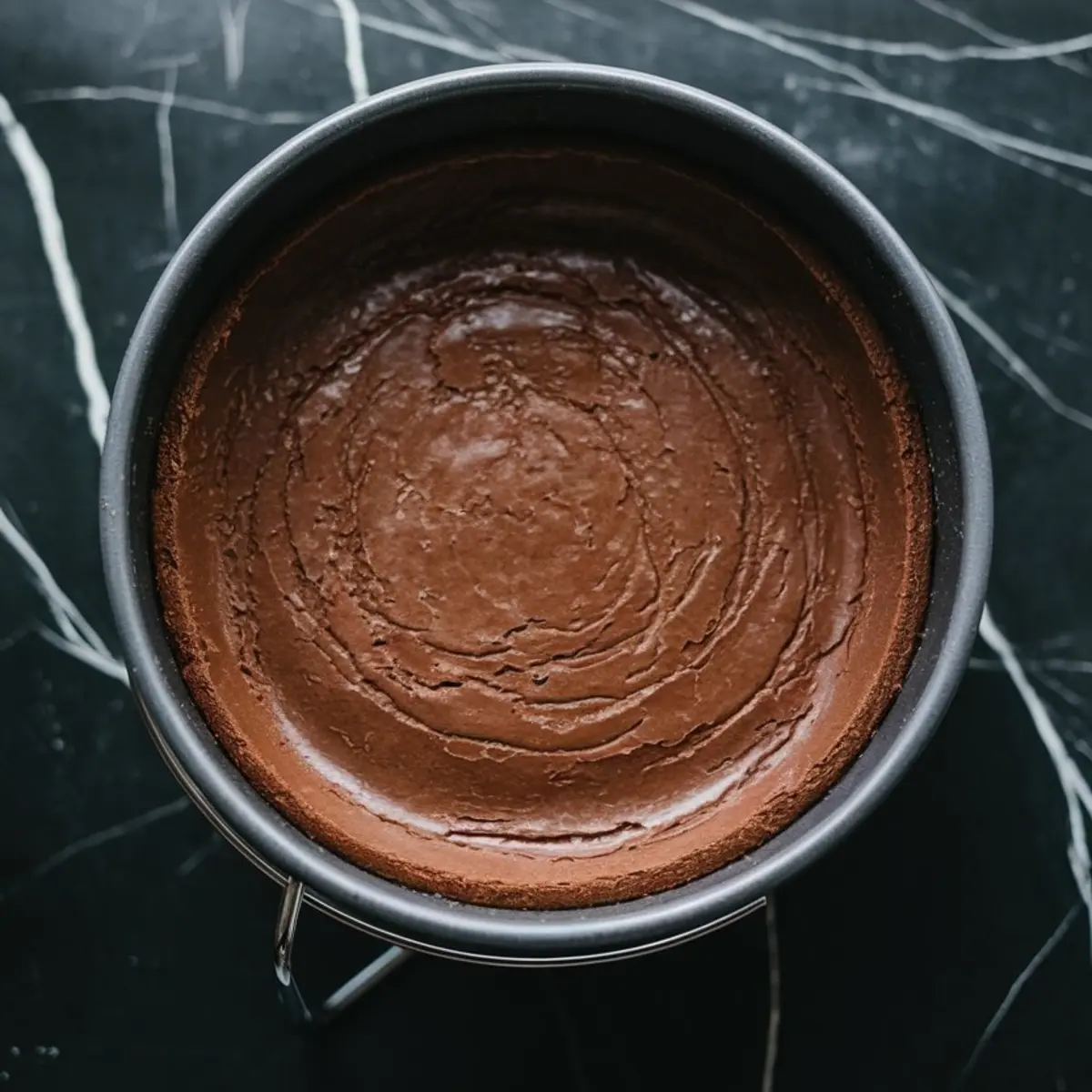
The filled pan goes into a 325°F oven. Depending on your oven, the cheesecake bakes for 55 to 65 minutes. The edges will firm up, while the center stays slightly wobbly.
Now comes the important part: cooling.
I turn off the oven, crack the door open, and let the cheesecake cool inside for an hour. This gradual cooling helps prevent those dreaded surface cracks.
Once cooled, I refrigerate it overnight. That long chill allows the flavors to settle and the texture to tighten into creamy slices that cut cleanly.
My Dash of Magic That Lifts The Flavor
Now that you’ve made it this far, I promised to share the little extra that sets this coffee cheesecake apart.
I add just a pinch of ground cinnamon to the espresso mixture before blending it into the batter.
It’s subtle. Most won’t notice it outright. But that tiny touch of spice warms the entire cheesecake and gently complements the coffee. This nod to cinnamon cheesecake flavors has stayed in my recipe notebook for years.
Whenever someone takes a bite and says, “There’s something extra here I can’t quite place,” I know the cinnamon did its job.
How To Serve This Cheesecake
I prefer to serve this cheesecake fully chilled, often after at least 12 hours in the refrigerator. The structure holds better, and the flavors fully develop.
A thin, sharp knife dipped in hot water helps slice clean pieces. Wipe the blade between cuts for picture-perfect servings.
And if you enjoy coffee cake cheesecake variations or like exploring more coffee dessert recipes, I highly recommend trying my Coffee Panna Cotta or this Coffee Cookies and Cream Ice Cream. They carry similar cozy flavors with their own personalities.
Variations You Can Explore Next Time
After mastering this recipe, you may want to experiment. You can easily turn this into a mocha cheesecake recipe by adding a touch of cocoa powder into the filling. This adds a rich chocolate backdrop that pairs well with the coffee.
Or take inspiration from my Tiramisu Cheesecake, which layers similar flavors with mascarpone and ladyfingers for another coffee-forward dessert.
And if you enjoy tropical spins, my Coconut Cheesecake brings creaminess with a different, lighter flavor profile.
Save This Coffee Cheesecake Recipe For Your Next Gathering

If this coffee cheesecake earns a spot on your table, I would love to hear how it turned out. Leave a comment and share your experience or questions.
Save this on your Pinterest board so you have it ready for your next gathering, holiday, or quiet Sunday breakfast slice. Sometimes dessert deserves to arrive before noon, don’t you think?
Coffee Cheesecake Recipe
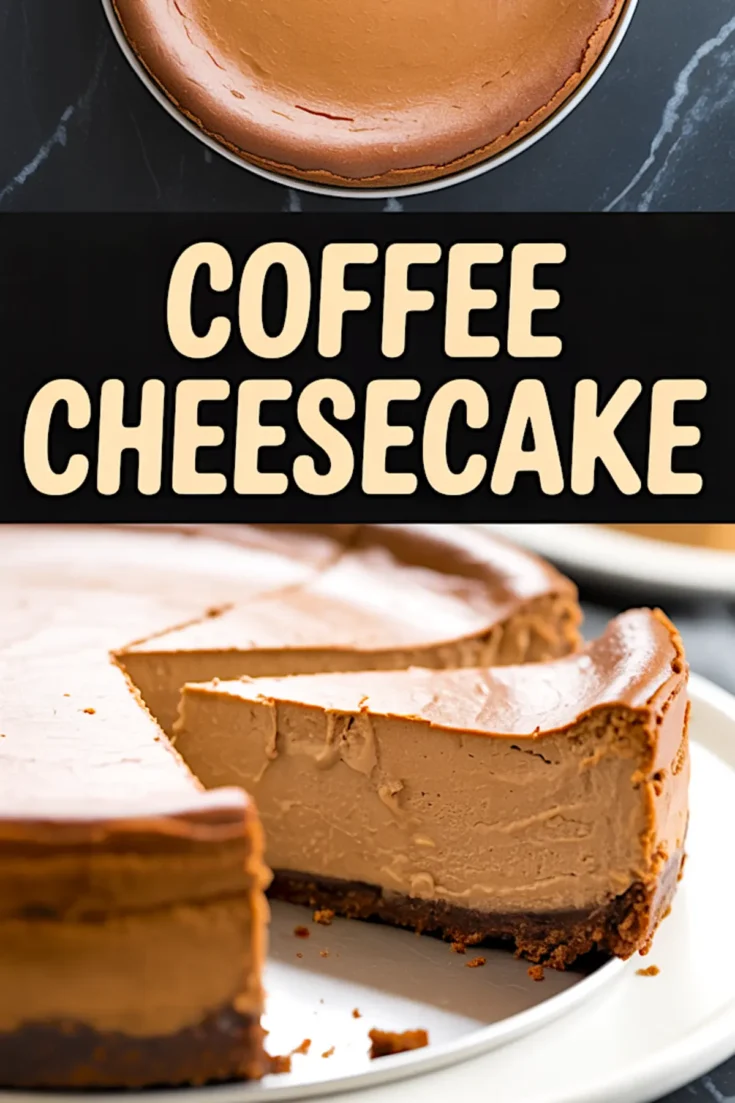
Rich coffee flavor blends with a smooth, dense cheesecake filling in this simple yet satisfying dessert. A chocolate cookie crust adds structure and contrast to the espresso-kissed interior. Best served cold, after a long chill, for the perfect texture and flavor balance.
Ingredients
- FOR THE CRUST
- 1 ½ cups crushed chocolate cookies (such as Oreos with filling removed or any plain chocolate cookie)
- 5 tablespoons unsalted butter, melted
- FOR THE FILLING
- 24 oz (3 blocks) full-fat cream cheese, softened
- 1 cup granulated sugar
- ¾ cup sour cream
- 1 tablespoon vanilla extract
- 1 tablespoon espresso powder
- 2 tablespoons hot water
- ¼ teaspoon salt
- 3 large eggs
Instructions
- PREHEAT AND PREP THE PAN: Set the oven to 325°F (160°C). Lightly grease a 9-inch springform pan and line the bottom with parchment paper to prevent sticking.
- MAKE THE CRUST: Combine the crushed chocolate cookies and melted butter in a bowl. Stir until the crumbs are evenly coated. Press the mixture firmly into the bottom of the prepared pan using the bottom of a glass. Bake for 10 minutes, then remove from the oven and set aside to cool.
- PREPARE THE FILLING: In a large mixing bowl, beat the softened cream cheese until completely smooth and lump-free. Scrape down the sides of the bowl to ensure even mixing.
- ADD SUGAR AND MIX: Add the granulated sugar to the cream cheese and beat until fully combined and smooth.
- INCORPORATE LIQUID INGREDIENTS: In a small bowl, dissolve the espresso powder in the hot water. Add the sour cream, vanilla extract, espresso mixture, and salt to the batter. Mix until well blended.
- ADD EGGS: Add the eggs one at a time, beating slowly and scraping the sides of the bowl after each addition. Mix just until incorporated. Avoid overbeating to prevent adding too much air into the batter.
- POUR AND SMOOTH: Pour the batter over the cooled crust in the springform pan. Gently tap the pan on the counter a few times to release any trapped air bubbles.
- BAKE THE CHEESECAKE: Place the cheesecake in the oven and bake for 55 to 65 minutes. The edges should be set and the center should still have a slight jiggle when gently shaken.
- COOL GRADUALLY: Turn off the oven and crack the door open. Leave the cheesecake inside for 1 hour to cool slowly. This helps prevent cracking.
- CHILL COMPLETELY: Transfer the cheesecake to the refrigerator and chill for at least 6 hours, preferably overnight, before slicing and serving.
Notes
For best texture, use full-fat cream cheese and sour cream. Cheesecake slices cleanly after a long chill and using a knife dipped in hot water and wiped clean between cuts.
Nutrition Information:
Yield:
12Serving Size:
1Amount Per Serving: Calories: 498Total Fat: 38gSaturated Fat: 21gTrans Fat: 0gUnsaturated Fat: 13gCholesterol: 155mgSodium: 352mgCarbohydrates: 34gFiber: 1gSugar: 31gProtein: 7g

Hi
For the powder coffee you mean the grounded coffee or something like instant coffee that desolves completely?
Great question! Espresso powder is a type of instant coffee, but it’s specifically made for baking. It’s much more finely ground than regular instant coffee and gives a stronger, richer flavor. It dissolves completely in liquids, just like instant coffee, but is more concentrated and smoother in texture.
If you don’t have espresso powder, you can use regular instant coffee as a substitute. just use a bit more to match the strength, and make sure it dissolves fully before adding it to the batter.