
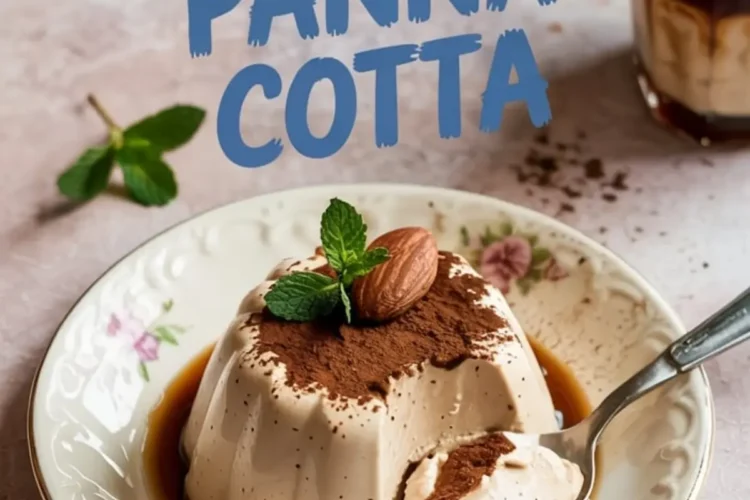
A gentle dessert for quiet evenings and steady hands
Some recipes don’t shout. They hum. This coffee panna cotta belongs to that quiet kind. It holds its shape like a whisper, smooth and still, with the depth of espresso just beneath the surface.
Coffee desserts often lean heavy or overly sweet. But panna cotta keeps its balance. The cream softens the coffee’s sharp edges without hiding them. It sets gently in the fridge with just a little help from gelatin, no baking, no rush.
I’ve written this one into my old notebook, between the lemon panna cotta and a scribbled page about coffee mousse I never quite perfected. It’s a recipe I’ve come to rely on, especially when I want something cool and calm to finish a meal.

The Importance of Quiet Texture in Panna Cotta
Texture matters more than people think. A proper panna cotta doesn’t wobble like jelly, nor does it sit stiff like a mousse. It yields slightly, like the center of a well-made flan.

The trick lies in balance. I use just enough gelatin to hold the shape, but never enough to make it rubbery. If it’s your first time blooming gelatin, don’t fret. Let it sit in cold water without stirring. It thickens quietly on its own, like most good things in the kitchen.
Use whole milk, not low-fat. Cream, not half-and-half. This isn’t a dessert that forgives shortcuts. But if it cracks when unmolding, don’t worry. A dusting of cocoa hides everything.
Instant Espresso vs. Brewed Coffee
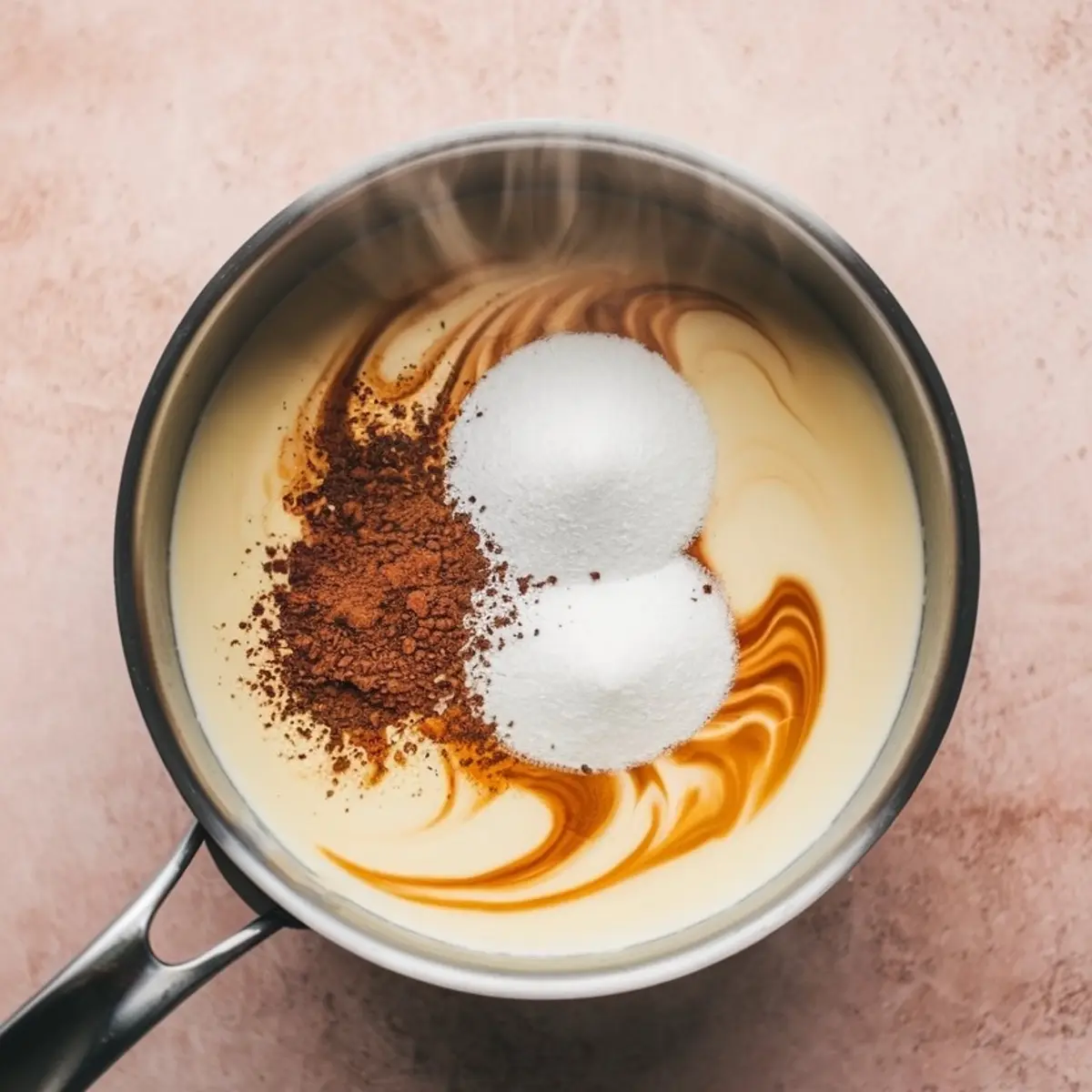
In my notes, I’ve tried both espresso powder and freshly brewed espresso for this recipe. Both work, but differently.
Instant espresso gives a sharp, concentrated flavor that blends evenly into the cream. It’s my choice when I want a consistent, reliable taste. Brewed espresso offers more nuance, especially if you’ve pulled the shot yourself. The flavor runs deeper, with hints of toasted chocolate and earth. But it can sometimes split slightly if added while too hot or strong.
Use whichever fits your day. If you’re tired, the powder helps. If you’re in the mood to linger, brew a small cup and sip what’s left.
Garnishes that Don’t Distract
I like to serve coffee panna cotta with very little on top. A soft sprinkle of unsweetened cocoa, a single roasted almond, maybe one small mint leaf. These are accents, not additions.
If I feel generous, I reduce a little espresso on the stove with a spoonful of sugar until it thickens. Drizzled around the plate, it deepens the dessert without overwhelming it. But that’s only if I have time and sometimes I don’t.
You can leave it plain. You’re allowed.
A Cool Finish to a Slow Dinner
This panna cotta sits quietly in the fridge while you go about your day. I often prepare it in the afternoon when the house is warm and still. By dinner, it’s set and waiting, cool and calm.
To unmold, I dip each ramekin in warm water for a few seconds and run a butter knife around the edge. Some days they slide out perfectly. Other days they need coaxing. If it slumps a little, I just dust cocoa on top and smile. It still tastes the same.
The texture holds. The coffee comes through. And everyone at the table leans in for another bite.
Pairing with Coffee-Flavored Desserts
If you enjoy this kind of quiet coffee dessert, you might like the Coffee Cookies and Cream Ice Cream too. That one’s colder, with crunch from crushed cookies and the same deep coffee flavor.
But this panna cotta doesn’t need contrast. It stands alone. Soft. Steady. Familiar.
A Quiet Recipe, Handwritten and Shared
I’ve passed this recipe to Chloe, who always asks good questions. She’s turned into a fine baker, patient, curious, and confident in the kitchen. I can see her handwriting in the margins already, making notes in her own style.
If you’re making this for the first time, trust your hands more than the timer. Warm the cream until it steams, not boils. Let the gelatin bloom without poking it. Taste before you pour.
And remember: if it cracks, don’t worry. Add cocoa, serve it chilled, and call it done.
Let’s Keep Sharing
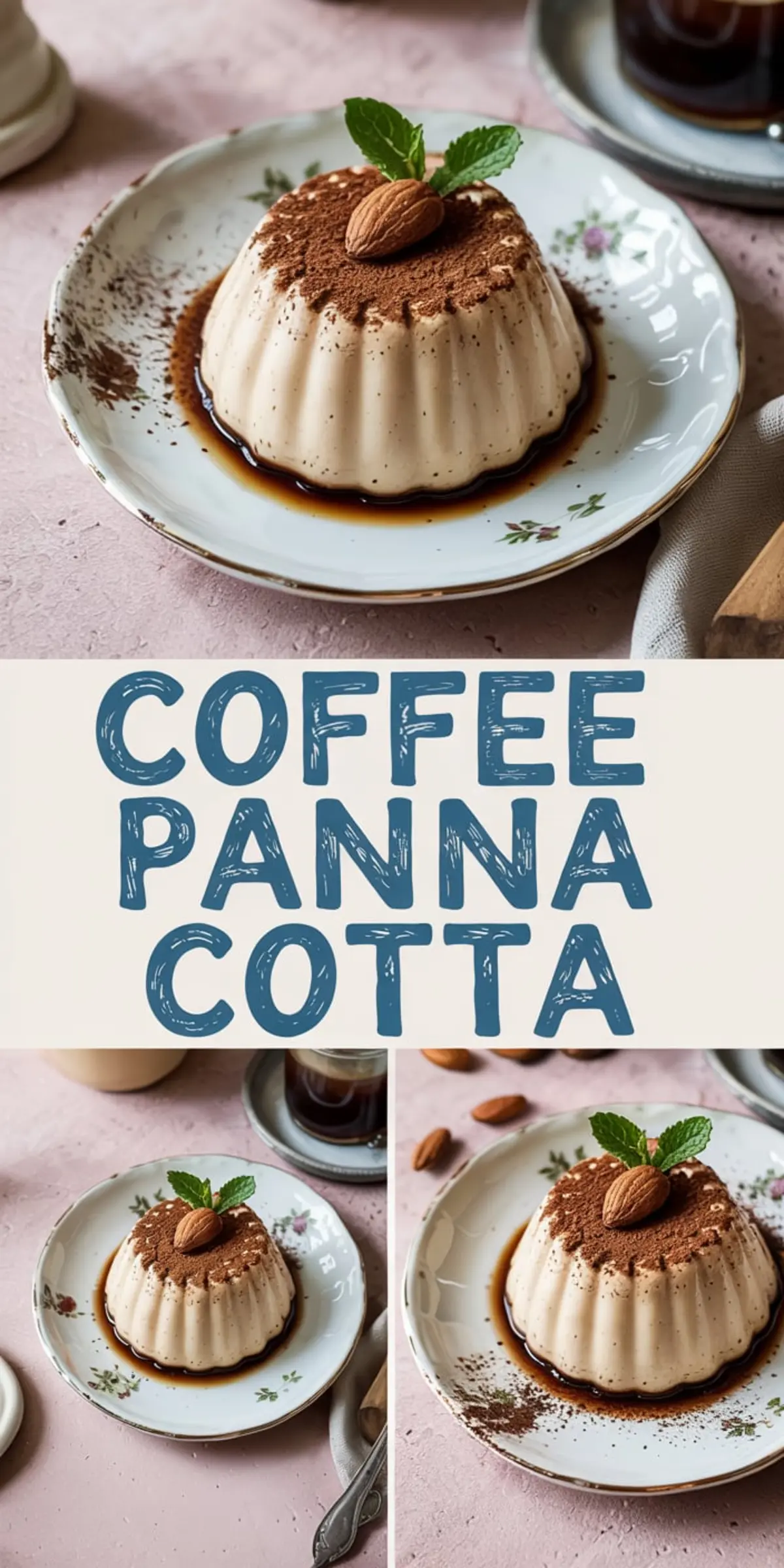
If you’ve made this recipe or plan to, I’d love to hear how it went. Leave a comment below or ask any questions. You can save this to your Pinterest board, too, so it’s there the next time you need a dessert that hums instead of shouts.
Coffee Panna Cotta Recipe
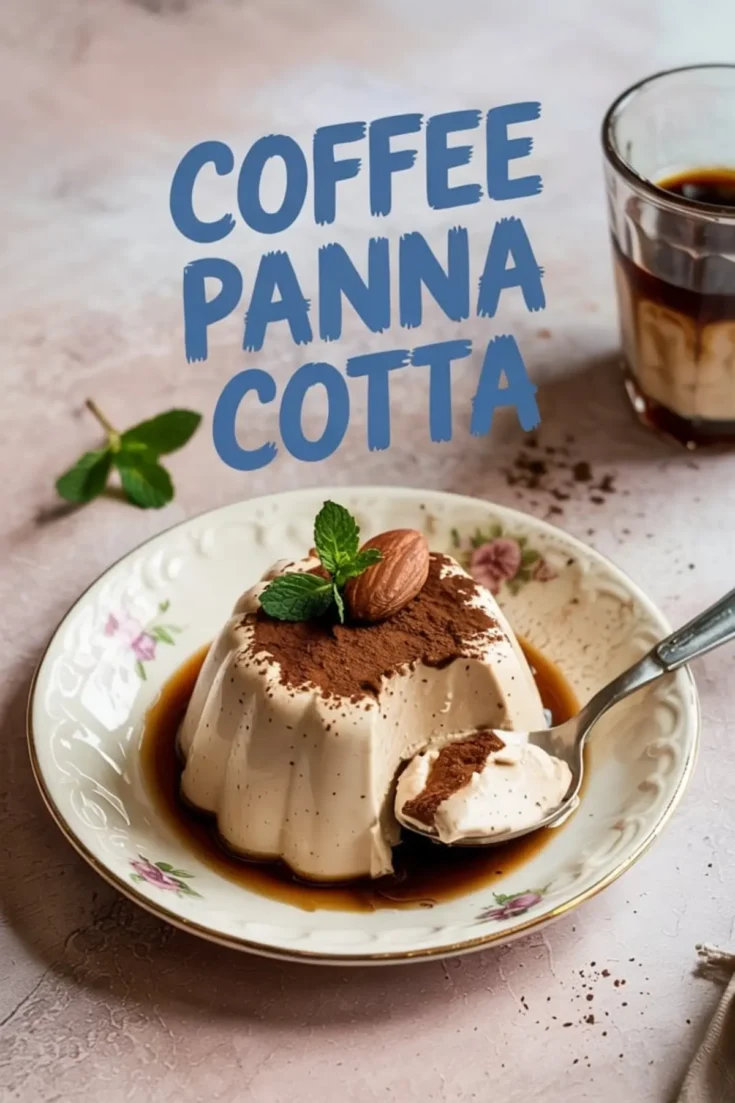
A quiet, creamy dessert with a bold espresso flavor and smooth texture. This recipe combines the richness of cream with the depth of coffee in a simple, no-bake preparation. Best served chilled and topped with understated garnishes.
Ingredients
- 1 ½ cups heavy cream
- 1 cup whole milk
- ½ cup granulated sugar
- 2 teaspoons instant espresso powder or 1 shot brewed espresso
- 1 ½ teaspoons unflavored gelatin powder
- 3 tablespoons cold water
- 1 teaspoon vanilla extract
- Pinch of salt
- FOR GARNISH
- Unsweetened cocoa powder
- Whole almonds
- Fresh mint leaves
- Optional: coffee syrup or reduced espresso for drizzling
Instructions
- BLOOM THE GELATIN: Sprinkle the gelatin over the cold water in a small bowl and let it sit undisturbed for 5 to 10 minutes until it becomes a thick, soft gel.
- HEAT THE DAIRY MIXTURE: In a medium saucepan, combine the cream, milk, sugar, espresso powder (or brewed espresso), and salt. Warm over medium heat, stirring gently until the sugar is fully dissolved and the mixture is steaming but not boiling.
- COMBINE GELATIN AND VANILLA: Remove the pan from the heat and stir in the bloomed gelatin until fully dissolved. Add the vanilla extract and mix well.
- STRAIN AND POUR: Pour the mixture through a fine-mesh sieve into a large measuring cup or bowl to remove any undissolved particles.
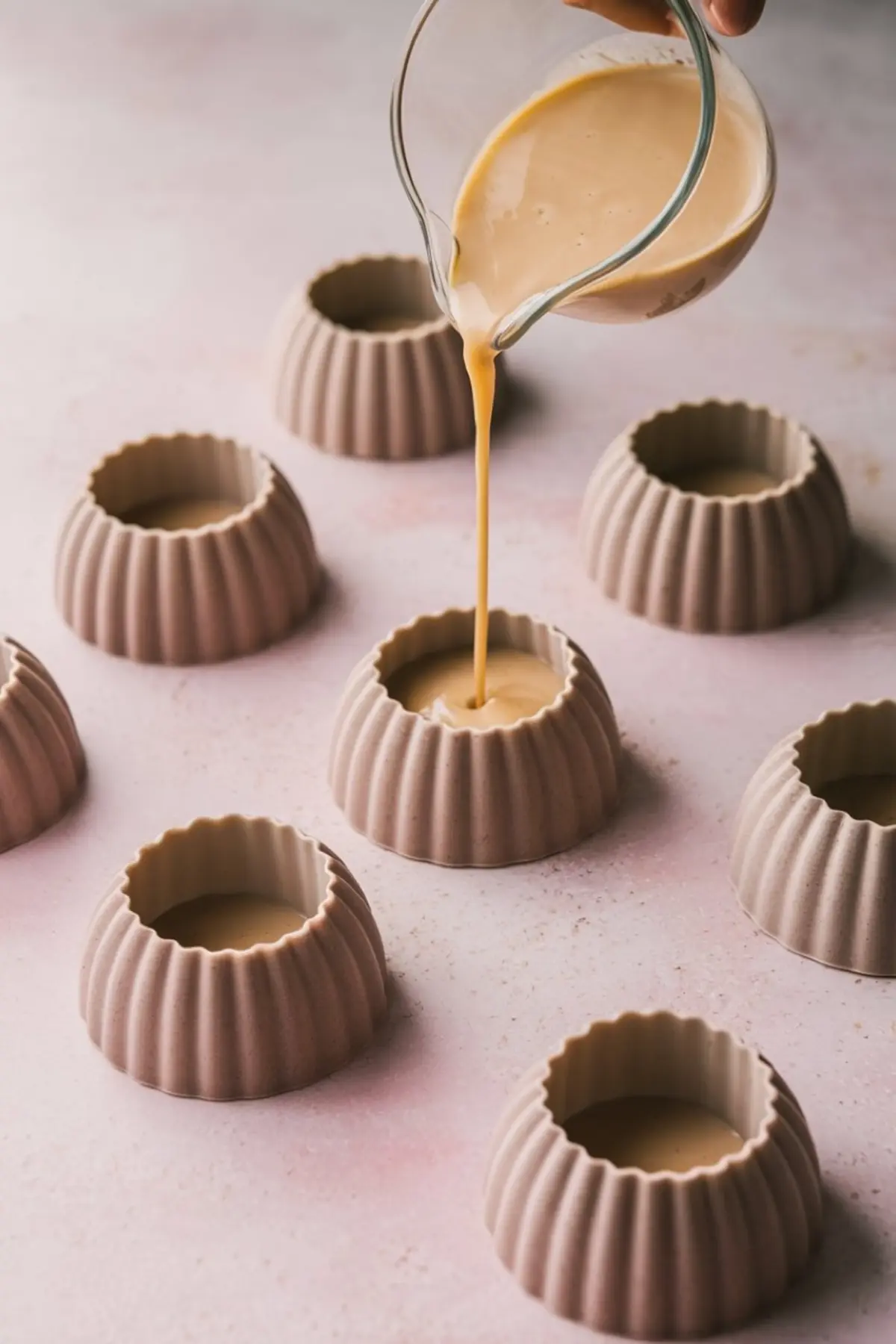
- DIVIDE AND CHILL: Evenly divide the liquid between 4 to 6 ramekins or silicone molds. Let them cool slightly, then cover and refrigerate for at least 4 hours, or overnight until fully set.
- UNMOLD AND GARNISH: To unmold, dip each ramekin in warm water for 10 seconds and run a small knife around the edge. Invert onto a plate and gently shake. Dust with cocoa powder, add a whole almond and mint leaf, and spoon coffee syrup around the base if using.
Notes
Use high-quality espresso powder or freshly brewed espresso for the best flavor. For a firmer texture, add up to ½ teaspoon more gelatin.
Nutrition Information:
Yield:
6Serving Size:
1Amount Per Serving: Calories: 317Total Fat: 23gSaturated Fat: 14gTrans Fat: 1gUnsaturated Fat: 7gCholesterol: 71mgSodium: 61mgCarbohydrates: 25gFiber: 0gSugar: 25gProtein: 4g
