
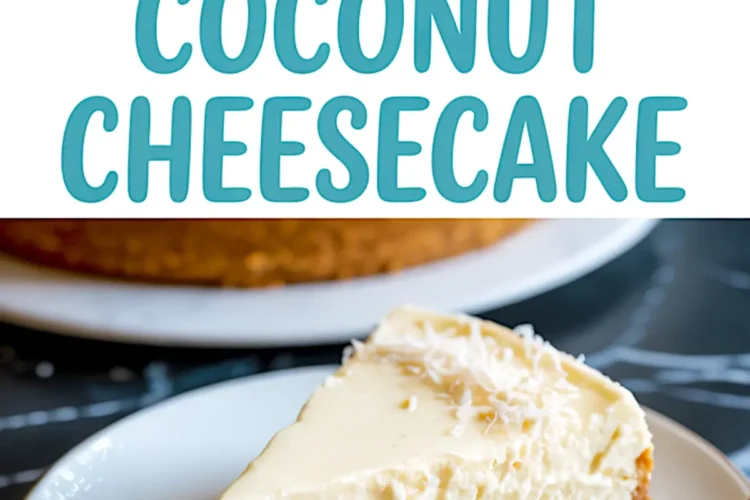
Cheesecakes often walk a fine line between rich and heavy. Many versions overload the senses with too much sugar or too much coconut, losing the balance that makes each bite satisfying.
You are here because you want to make a coconut cheesecake that tastes like more than just sweetened coconut on cream cheese. You want it smooth, creamy, balanced, with clear tropical notes that feel fresh, not artificial.
I spent quite a bit of time in my kitchen fine-tuning this recipe. The goal? A coconut cheesecake that allows the coconut to shine without turning the cake into candy. You will learn exactly how to achieve that.
And yes, there’s one small addition that takes this cheesecake from good to exceptional. I will share that little twist after we finish the steps.
Keep reading, because this is not just another Coconut Cheesecake Recipe floating online.
This is the one you will pin, make, and remake.
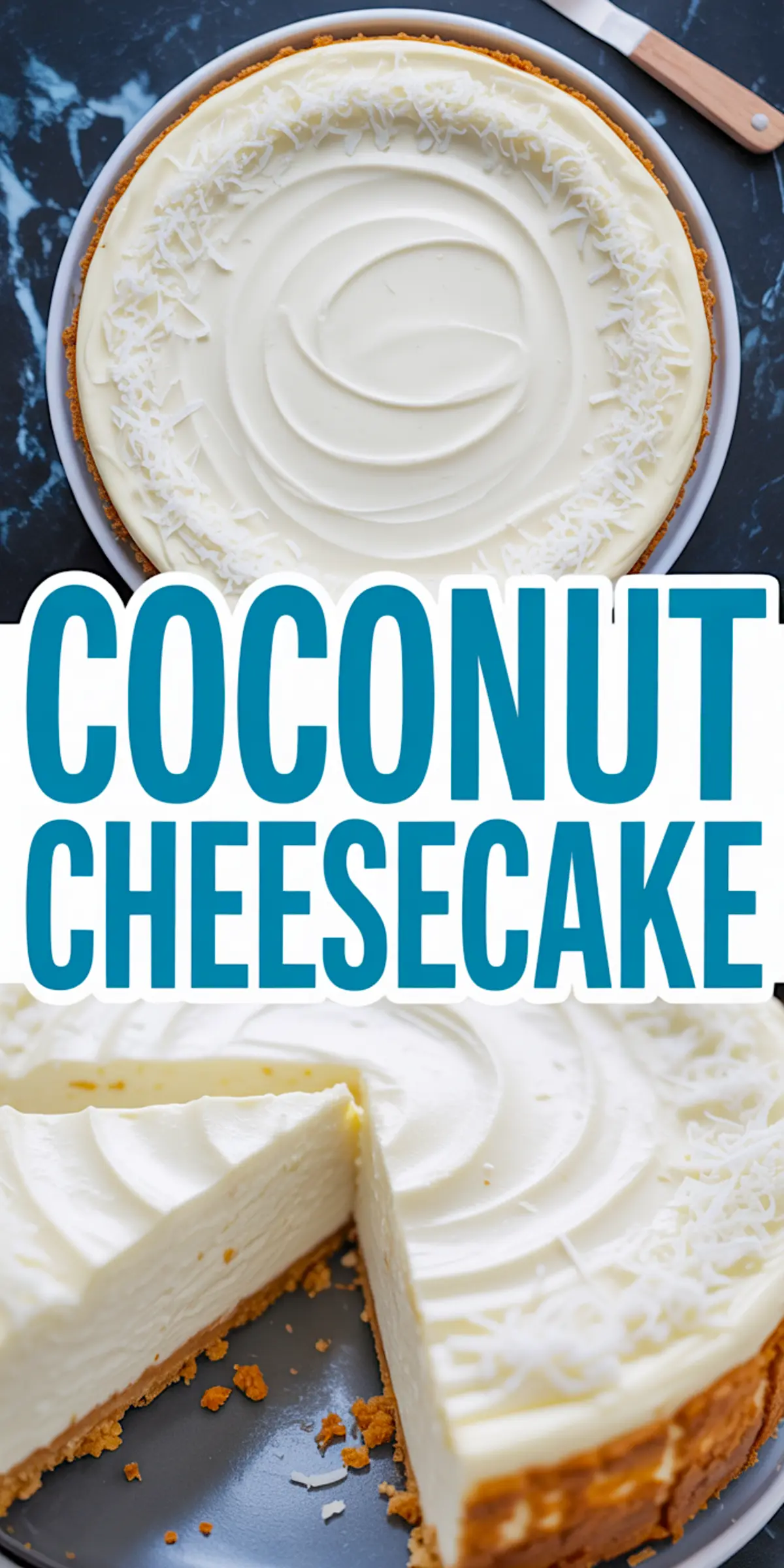
The Foundation of a Balanced Coconut Cream Dessert
The first question always starts at the base. The crust.
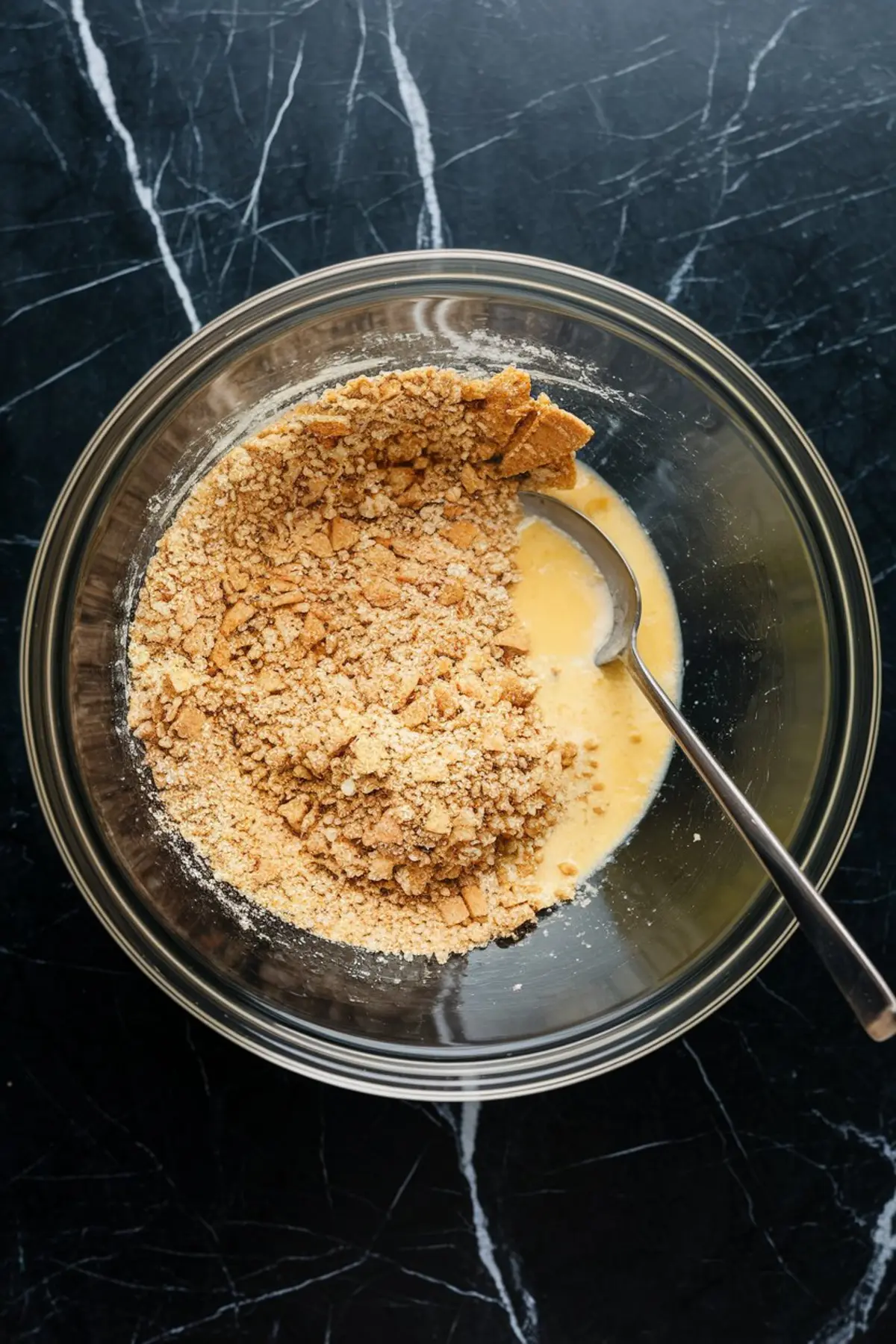
I stick to a classic graham cracker crust. The buttery crunch contrasts the creamy filling, keeping the texture interesting from the first forkful. In my tests, I’ve found that graham crackers outperform cookies or nut-based crusts for this recipe. Nut crusts compete with the coconut rather than support it. Graham crackers let the coconut flavor take center stage.
Once the crust bakes for a short ten minutes, you let it cool completely. This step stabilizes the base, preventing sogginess once you add the filling.
Why Coconut Cream, Not Coconut Milk
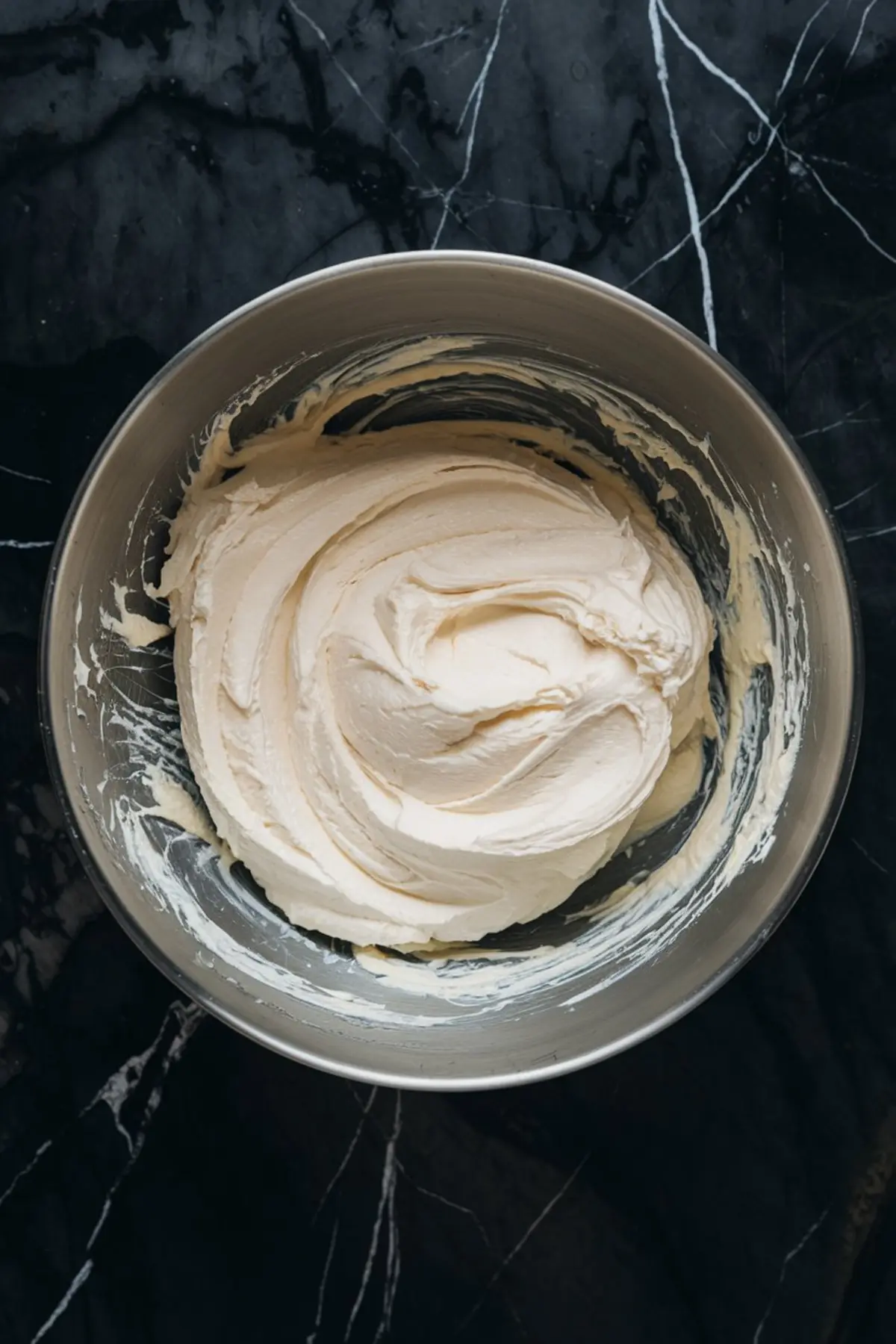
Now, the filling. Many recipes call for coconut milk, but I always use coconut cream. The difference matters.
Coconut cream holds more fat and less water than coconut milk. That extra richness creates a denser, silkier texture. The water content in coconut milk can thin out the batter, making it looser and more fragile during baking. I’ve tested both. Coconut cream delivers consistent results. Stir it well before using to make sure it’s fully blended.
Softened cream cheese forms the body of the filling. Full-fat cream cheese is non-negotiable. The reduced-fat versions break down during baking, leading to grainy texture.
Granulated sugar sweetens the filling while still allowing the natural coconut flavor to lead.
A small dose of vanilla extract adds warmth and rounds out the tropical flavor.
Gentle Mixing Protects Texture
The technique here matters as much as the ingredients.
I beat the cream cheese first to ensure it becomes smooth before anything else joins the bowl. Once lumps are gone, sugar, coconut cream, and vanilla blend in easily.
Then the eggs enter one at a time. I use my hand mixer on the lowest speed, sometimes even switching to a spatula. Overmixing at this stage adds air, which can lead to unsightly cracks during baking. You want the mixture unified, but not whipped.
At the end, I fold in sweetened shredded coconut. This adds soft coconut texture to every slice without making the filling dense or chewy.
The Importance of the Water Bath
Now we come to one of the most important parts: the bake.
The cheesecake bakes inside a water bath. The hot water buffers the oven heat, allowing the cheesecake to bake slowly and evenly. It prevents the edges from overbaking before the center sets.
Skip the water bath, and you risk cracks or rubbery edges. Place your springform pan inside a larger roasting pan and carefully pour hot water halfway up the sides.
Bake until the center has a slight jiggle, but not a wave. That gentle movement tells you the center is baked but still creamy inside.
Cooling in Stages Prevents Cracks
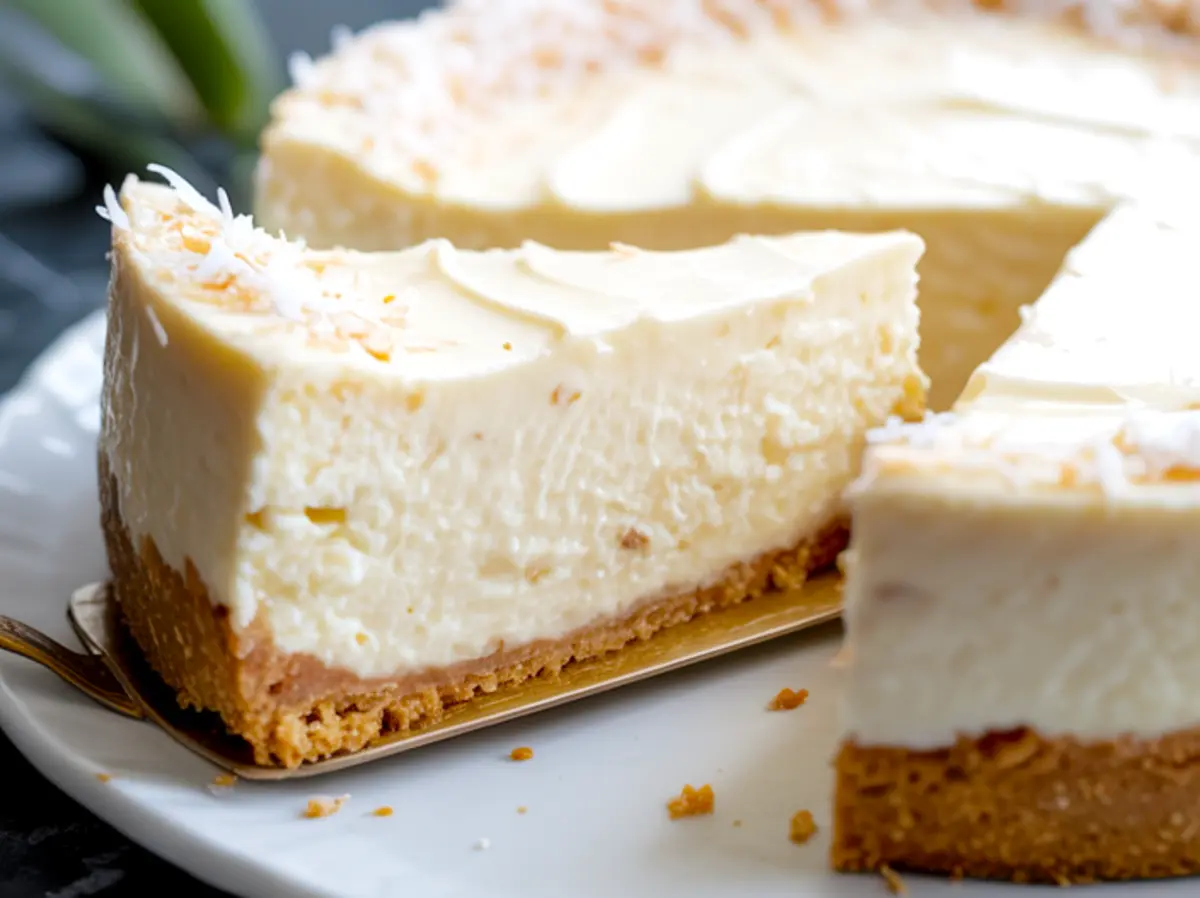
Once the bake finishes, resist the urge to pull it straight from the oven.
Turn off the oven, crack the door open, and let the cheesecake sit for one hour. This slow cooldown prevents the drastic temperature change that often causes cracking.
After an hour, lift it from the water bath and transfer to the fridge, uncovered, for at least four hours. Overnight is even better. The structure sets fully, and the flavors settle into balance.
Optional Sour Cream Topping Adds Lightness
You may stop here. The cheesecake stands fully on its own. But sometimes I add a simple sour cream topping before serving.
Whisk sour cream, sugar, and vanilla together until smooth, then spread it evenly over the chilled cheesecake. This adds a subtle tang and glossy finish that contrasts beautifully with the creamy filling.
My Secret Addition for a More Balanced Coconut Flavor
Now for that little detail I promised earlier.
Before folding in the shredded coconut, I like to toast it gently in a dry pan until golden. This small step amplifies the nutty notes, cutting the sweetness and giving the coconut more depth.
The difference shows up in the very first bite. Instead of one flat coconut flavor, you taste layers: creamy, tropical, and just slightly toasty.
If you enjoy this type of flavor layering, you may also like my Coconut Churro Cookies where the cinnamon sugar plays a similar balancing role.
One Key Comparison: Shredded Coconut vs. Coconut Extract
Some recipes add coconut extract to intensify the coconut flavor. I avoid it. Coconut extract can turn artificial quickly, especially in a slow-baked cheesecake.
In my tests, the combination of real coconut cream and toasted shredded coconut brings out true coconut flavor without overwhelming the palate. The result feels natural, smooth, and elegant.
If you want another coconut recipe with beautiful balance, try my Coconut Cookies which follow a similar approach with real coconut flavor leading the way.
Variations to Explore: Pineapple, Banana, Peach, Mango, and Protein Cheesecake Ideas
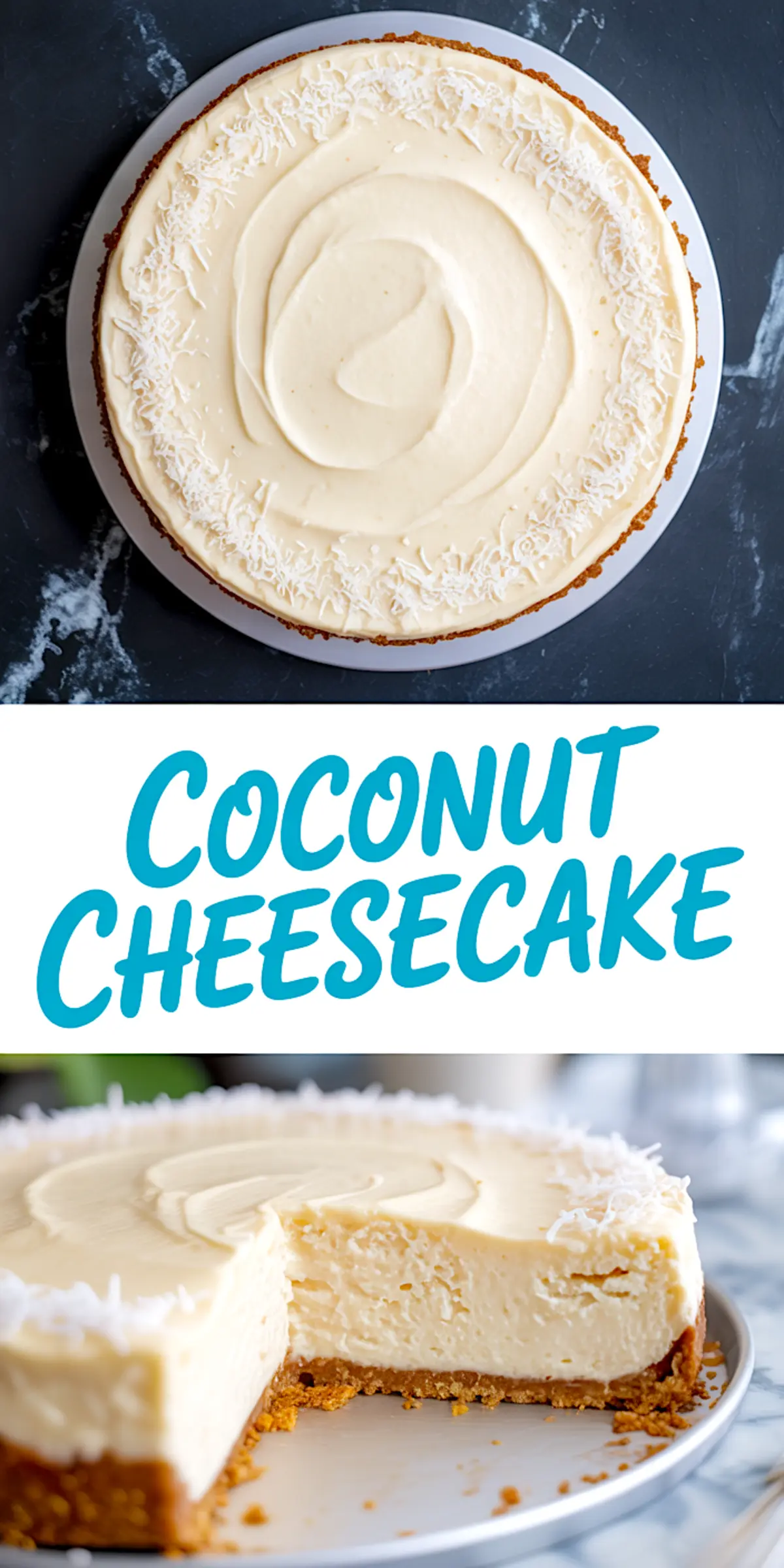
If you feel adventurous, you can adapt this base into other tropical versions.
I’ve made a Pineapple Cheesecake using crushed pineapple folded into the batter in place of part of the coconut cream. The natural acidity brightens the filling.
Another variation uses mashed banana blended into the filling for a Banana Cheesecake twist. This adds extra moisture and a soft, mellow sweetness that pairs well with the coconut.
If you enjoy fruity twists, my Peach Cheesecake delivers that same creamy texture layered with ripe peach flavor. It follows the same careful baking approach, which prevents cracks while preserving softness.
For a tropical no-bake option, my Mango Cheesecake skips the oven completely. It relies on chilled structure, making it a great summer version when you want something cool and refreshing.
I have also worked on lighter alternatives without sacrificing flavor. My Protein Cheesecake offers a high-protein, low-carb option that still holds rich, creamy texture. It follows the same principle of balance that I always look for in any cheesecake recipe.
Always keep the water bath when you experiment with baked versions. The gentle baking remains essential no matter which version you explore.
Let’s Bake Your New Favorite Coconut Cheesecake
You now have every detail I use when making my coconut cheesecake.
With proper balance, careful mixing, and patient cooling, your cheesecake will slice clean, taste smooth, and carry true tropical flavor without tipping into candy-sweet.
Save this recipe to your Pinterest Cheesecake Recipes board so you can come back to it easily.
And I would love to hear from you. Share in the comments how your cheesecake turned out or any small tweaks you tried. Let’s keep learning from each other. Every bake tells a story.
Coconut Cheesecake Recipe
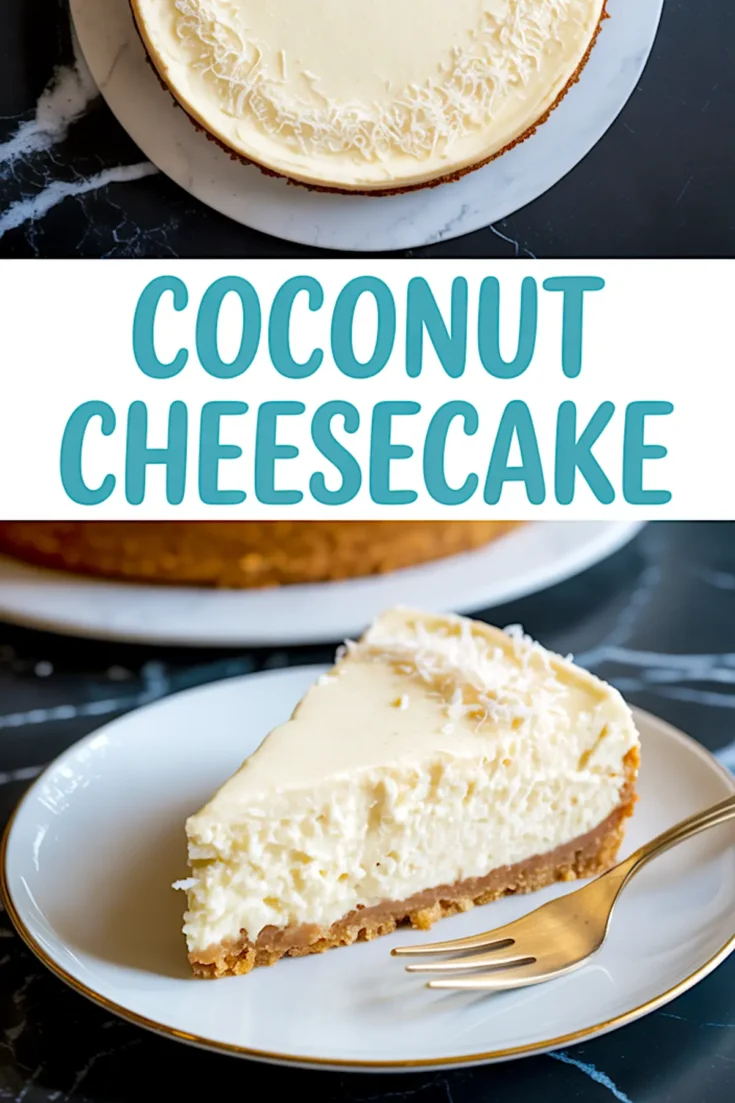
A smooth and creamy coconut cheesecake with a buttery graham cracker crust, thick coconut cream, and a topping of sweetened shredded coconut. A water bath helps the cheesecake bake evenly and prevents cracks. The flavor is rich but balanced, with a tropical note from real coconut.
Ingredients
- FOR THE CRUST
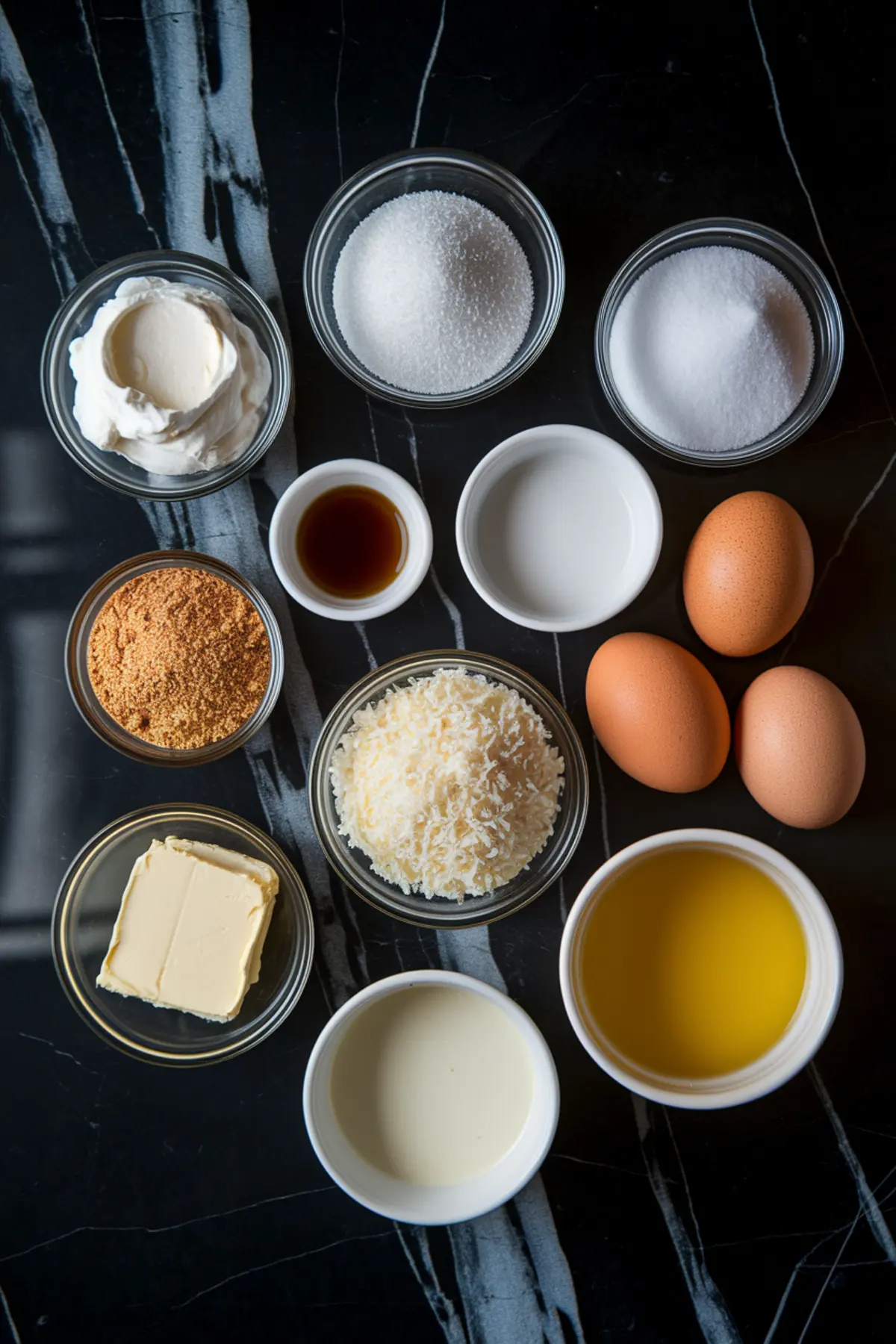
- Graham cracker crumbs: 1 ½ cups
- Granulated sugar: 1 tablespoon
- Unsalted butter, melted: 6 tablespoons
- FOR THE FILLING
- Cream cheese, room temperature: 24 ounces (3 blocks)
- Granulated sugar: ¾ cup
- Coconut cream (well stirred): 1 cup
- Vanilla extract: 1 teaspoon
- Eggs, room temperature: 3 large
- Sweetened shredded coconut: ½ cup
- FOR THE OPTIONAL TOPPING
- Sour cream: 1 cup
- Granulated sugar: 2 tablespoons
- Vanilla extract: ½ teaspoon
Instructions
- PREPARE THE PAN: Preheat the oven to 325°F (163°C). Line the bottom of a 9-inch springform pan with parchment paper. Set aside a larger roasting pan for the water bath.
- MAKE THE CRUST: Mix the graham cracker crumbs, melted butter, and sugar in a bowl until evenly combined. Press the mixture into the bottom of the prepared pan using the bottom of a glass. Bake for 10 minutes, then remove and let cool while preparing the filling.
- MAKE THE FILLING: In a large mixing bowl, beat the softened cream cheese until smooth and free of lumps. Gradually add the sugar and beat until the mixture is silky. Add the coconut cream and vanilla extract and mix until fully incorporated.
- ADD THE EGGS: Add the eggs one at a time, mixing slowly on low speed or by hand until just combined after each addition. Avoid overmixing to reduce the risk of cracks. Gently fold in the shredded coconut last.
- ASSEMBLE AND BAKE: Pour the filling over the cooled crust. Place the springform pan inside the larger roasting pan. Carefully pour hot water into the outer pan until it reaches halfway up the sides of the springform pan. Bake for 55 to 65 minutes, or until the edges are set but the center still jiggles slightly when shaken.
- COOL GRADUALLY: Turn off the oven and crack the oven door open. Let the cheesecake sit in the oven for 1 hour. Then remove it from the water bath, dry the bottom of the pan, and place it in the refrigerator uncovered to chill for at least 4 hours or overnight.
- OPTIONAL TOPPING: If using the sour cream topping, mix sour cream with sugar and vanilla until smooth. Spread evenly over the fully chilled cheesecake before serving.
Notes
Coconut cream can separate in the can; stir it well before measuring. Toast the shredded coconut before adding it to the batter if you prefer a nutty flavor. To avoid cracks, do not skip the water bath and be sure not to overbeat the eggs.
Nutrition Information:
Yield:
12Serving Size:
1Amount Per Serving: Calories: 346Total Fat: 30gSaturated Fat: 17gTrans Fat: 0gUnsaturated Fat: 9gCholesterol: 119mgSodium: 265mgCarbohydrates: 15gFiber: 1gSugar: 7gProtein: 6g
