
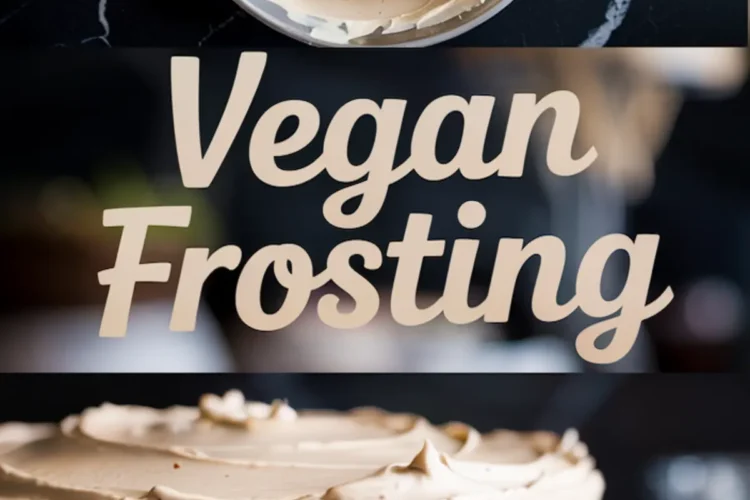
There’s something incredibly grounding about making your own frosting. You see each ingredient come together, right in front of you, and suddenly it transforms into something that makes the entire cake feel complete.
This vegan frosting recipe isn’t just a substitute. It stands on its own.
You’ll learn how to get a smooth, creamy, pipeable vegan buttercream frosting that spreads with ease, tastes clean, and works with almost any flavor. From chocolate cupcakes to spice cake layers, this one finishes your dessert with grace, not compromise.
In my notes, I’ve marked this recipe as my go-to. Because it always works. And because the secret to its stability is something most skip.
But we’ll get to that in a minute.
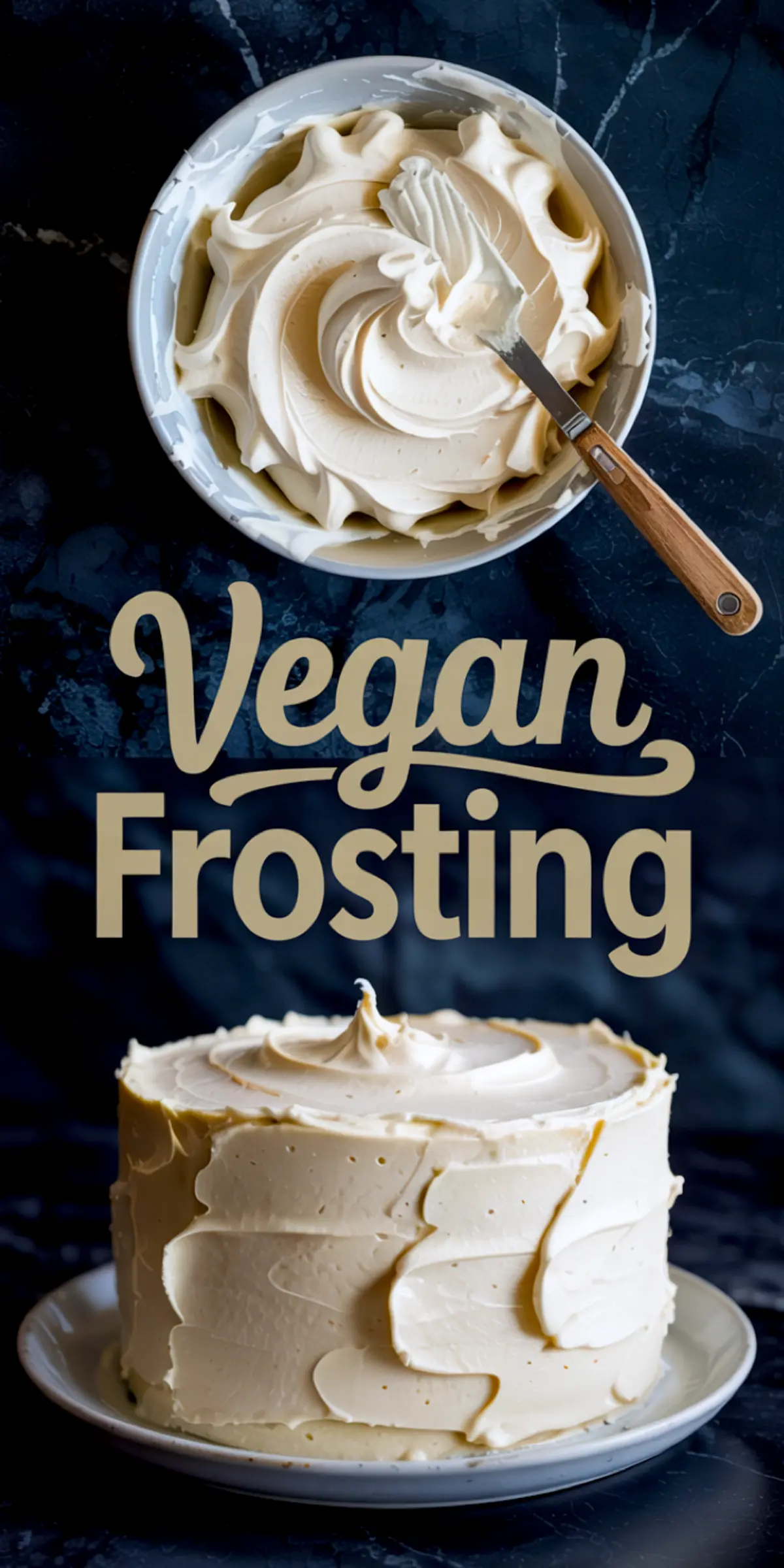
The Real Role of Each Ingredient in Vegan Buttercream
Vegan butter carries the weight here. I always use the stick version, not the tub. The texture holds up better, especially if you’re planning to pipe swirls or cover a layer cake. Stick-style vegan butter has less water, and that matters more than you’d expect.
Vegetable shortening makes a quiet entrance, but it keeps the structure intact. It doesn’t melt as quickly as butter, which means your frosting won’t collapse under a warm kitchen light. I’ve skipped shortening before, and the frosting lost its shape by hour three.
Powdered sugar builds the body. Sifting it keeps the texture smooth and prevents those little hard bits that ruin the finish. I’ve seen what happens when it’s unsifted. The mixer clumps, and the airiness disappears.
Vanilla adds depth. Use a good one. If I’m piping this onto chocolate cupcakes, I sometimes swap half the vanilla for almond extract. But that’s just me.
Plant-based milk brings it all together. Almond milk makes it taste cleaner, soy gives it more creaminess, and oat milk gives it a slightly earthy tone. Each one shifts the finish, subtly. My personal pick? Unsweetened almond milk for a light touch.
Getting the Base Right Without Melting It
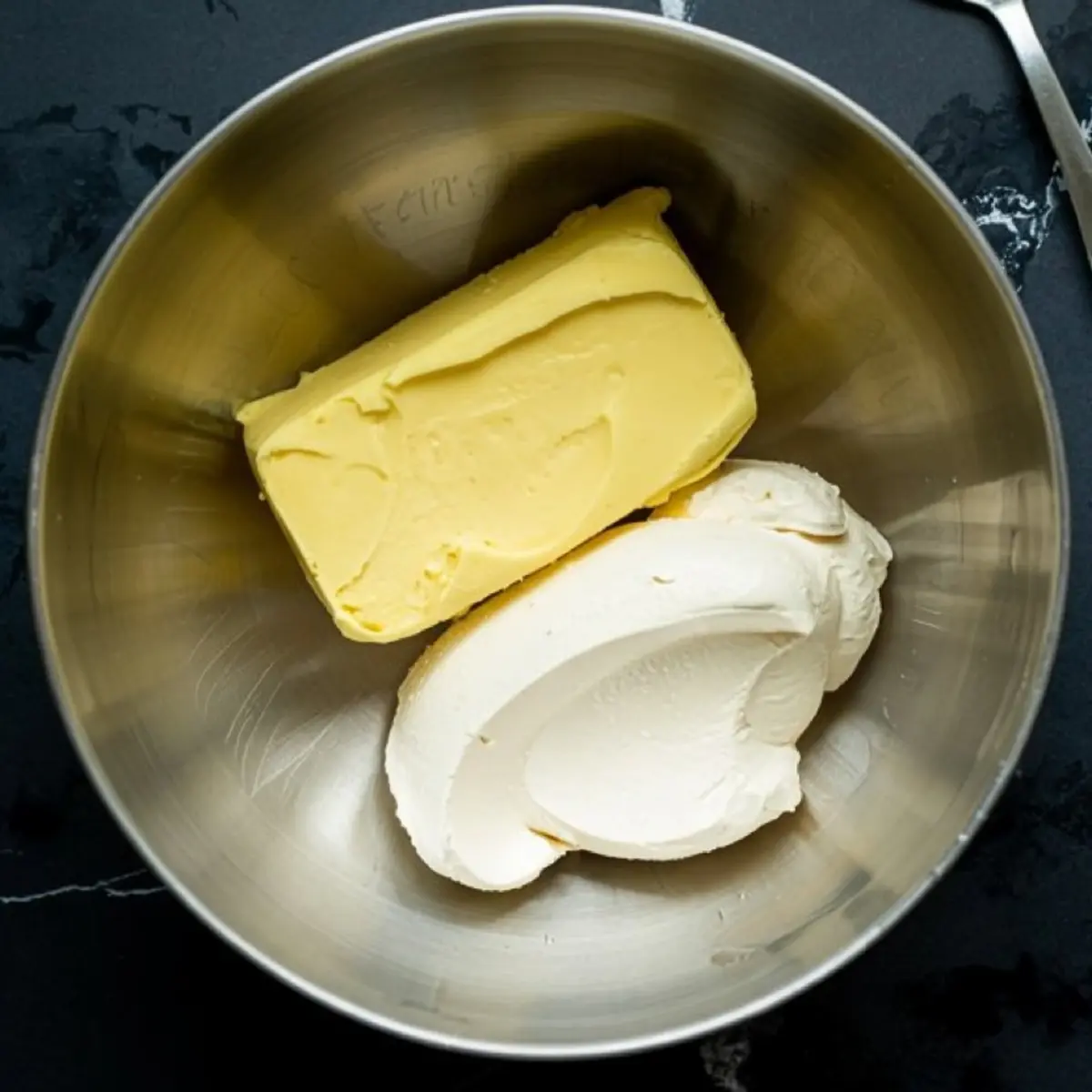
The fats need to soften, not melt. That’s the part many skip.
Leave both the vegan butter and shortening on the counter for about 15 minutes. Not longer. If you touch them and your finger leaves a slight indent, they’re ready. If they shine or feel oily, they’re too soft, and your base will break down mid-mix.
Why Mixing Speed and Sequence Matter
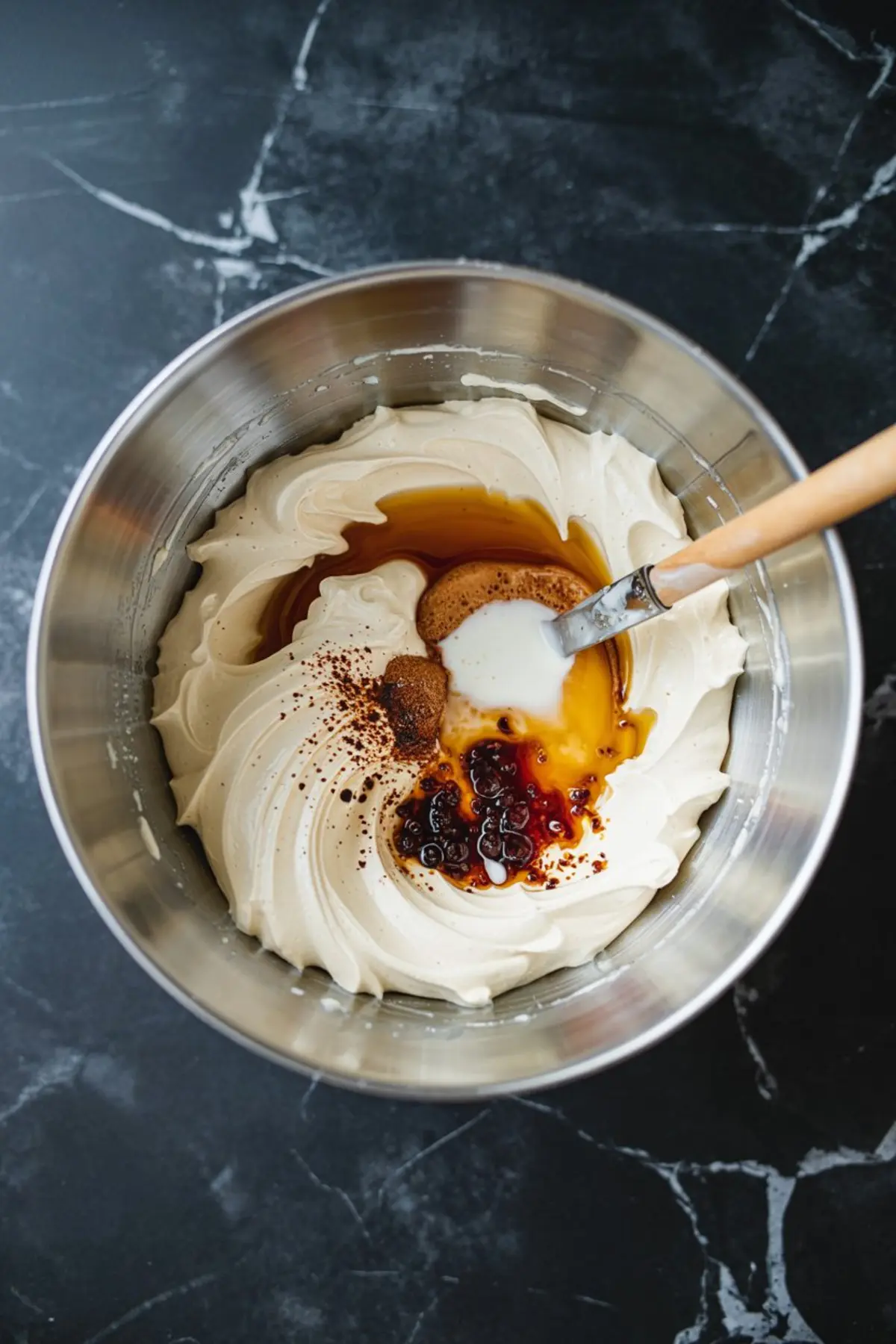
Once you start creaming, begin at medium speed. Let the butter and shortening whip until they turn pale and creamy. This step isn’t just about mixing — it builds the air into your base.
Add powdered sugar slowly, cup by cup, beating after each one. It’s tempting to speed it up, but I’ve done that and ended up wearing a sugar cloud. One-minute intervals after each cup keeps the texture even.
Building Structure with Flavor and Balance
After you’ve folded in the sugar, the vanilla comes next. Then a tablespoon of milk. Just one at first.
Turn up the speed to medium-high. Watch as it shifts from thick to cloudlike. If it looks too stiff, add a little more milk. If it feels too soft, another dusting of sugar will bring it back.
This is where it turns into frosting.
The Final Stir That Changes Everything
Once the mixer stops, you’re not done. Grab a spatula and stir it by hand. Just a few turns.
This knocks out big air pockets and makes the surface glossy. It’s a small moment, but it finishes the frosting in a way machines can’t. In my Pin Notebook, I’ve scribbled next to this step: “Don’t skip this. Ever.”
Why This Vegan Frosting Holds Its Shape Better Than Most
Shortening is the secret.
It doesn’t sound magical, but it works. It gives the structure that vegan butter can’t always guarantee alone. That’s why this frosting holds up on cupcakes even after a few hours on the counter.
In summer, I once brought a double batch of this to a picnic. The swirl stayed firm, even after the ice in the drinks melted. That’s when I knew this combination worked.
Comparison: Vegan Butter Alone vs Butter + Shortening
I’ve tested both.
Vegan butter alone gives you a more melt-in-the-mouth finish, but the structure softens quickly — especially under warm lights or in transport. Butter plus shortening gives a lighter texture with more hold.
If you’re serving outside or decorating tall cakes, use both. For an ultra-soft frosting on a small batch of cupcakes, you could go with butter only. But in my experience, the mixed fat method wins for stability and versatility.
If you’re exploring more frosting choices, you may want to try this dairy free frosting or my go-to cream cheese frosting — both hold up beautifully under piping too.
What to Pair With This Vegan Frosting
This frosting finishes more than just vegan cake recipes.
It works on sandwich cookies, snack cakes, sugar cookie bars, and even fruit tarts when piped cold. I’ve used it on chocolate sheet cakes and vanilla cupcakes. It even plays well with spice blends — cinnamon, nutmeg, cardamom — especially during cooler months.
If you’re looking for something more decorative, this royal icing recipe might help for cookies instead.
And if chocolate’s on your mind, this chocolate frosting adds a cocoa kick with a similar technique.
Pin It, Make It, Share It
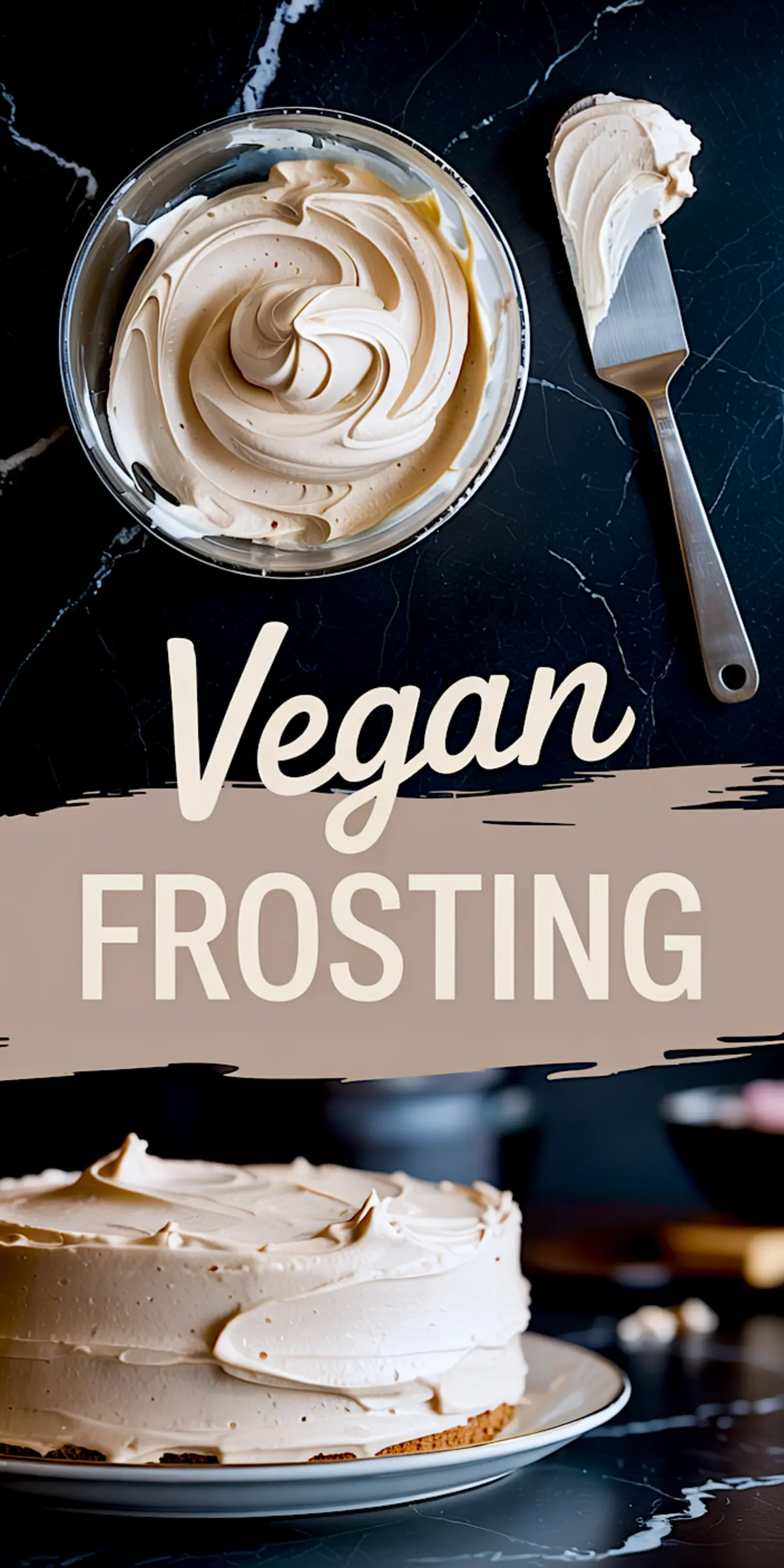
If you’re trying this vegan buttercream for the first time, save it to your Vegan Sweets or Vegan Cake Recipes board on Pinterest.
You’ll want to come back to it. And if you do make it, I’d love to hear how it worked for you. Did you swap the milk? Pipe tall swirls? Leave a comment and let’s talk frosting.
Vegan Frosting Recipe
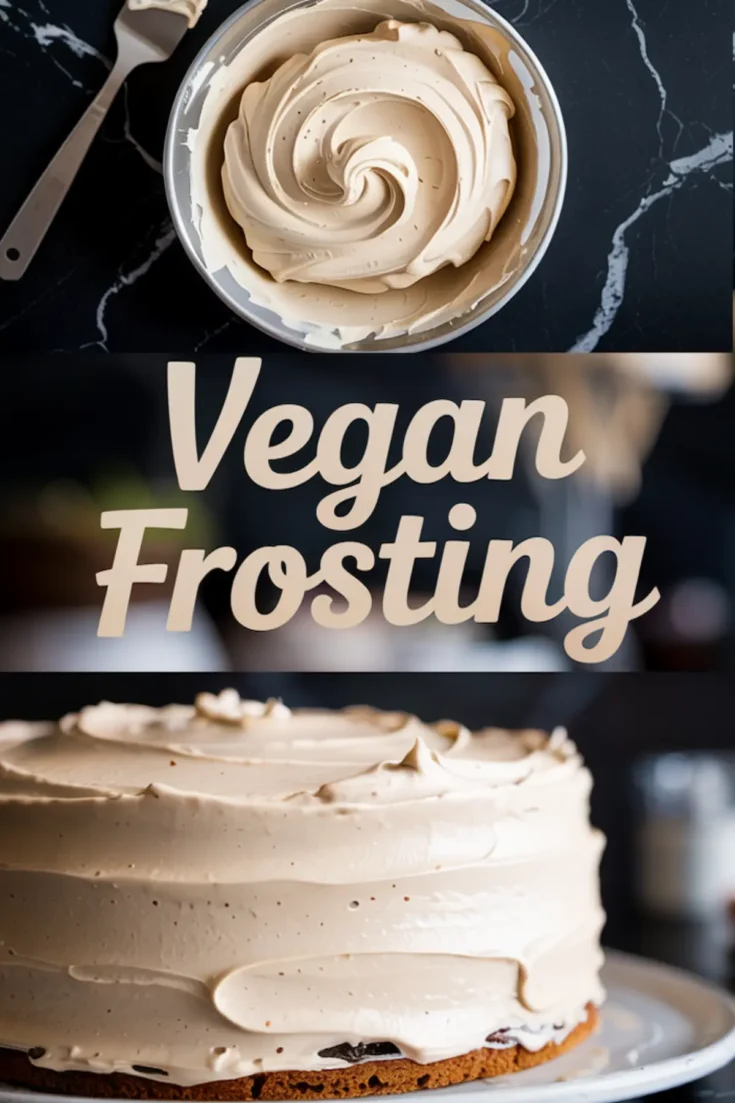
Vegan frosting recipe makes a smooth, creamy buttercream without any dairy. I use vegan butter, powdered sugar, plant-based milk, and a splash of vanilla for balance. It spreads beautifully and holds its shape for piping, making it my go-to for vegan cake frosting or topping cupcakes. The texture is light but rich, just like traditional frosting. This vegan buttercream frosting pairs well with chocolate, lemon, or spice cakes. If you’re making vegan sweets or testing out vegan baking recipes, this frosting finishes everything with a soft, clean sweetness. I keep it simple, and it never fails.
Ingredients
- 1/2 cup vegan butter (preferably stick, not tub-style)
- 1/2 cup vegetable shortening
- 3 1/2 cups powdered sugar, sifted
- 1 tablespoon vanilla extract
- 1 to 2 tablespoons unsweetened plant milk (almond, soy, or oat)
Instructions
- PREP THE FATS: Let the vegan butter and shortening sit at room temperature for 15 minutes. They should be slightly cool but not melted to ensure a whipped, stable texture.
- CREAM THE BASE: Place the butter and shortening in a large mixing bowl. Using a stand or hand mixer, beat on medium speed for about 3 minutes, until the mixture becomes pale and creamy.
- ADD THE SUGAR GRADUALLY: Add the sifted powdered sugar one cup at a time. Beat on low speed after each addition for about 1 minute to prevent clumping and avoid sugar dust flying out. Continue until all the sugar is fully incorporated.
- ADD FLAVOR AND LIQUID: Pour in the vanilla extract and 1 tablespoon of plant milk. Beat the mixture on medium-high speed for 2 to 3 minutes until it becomes light and airy. Adjust the consistency by adding a splash more milk if too thick, or a bit more sugar if too soft.
- FINAL TEXTURE CHECK: The frosting should be soft enough to spread easily but firm enough to hold its shape on a cake or cupcake.
- FINISH BY HAND: Use a spatula to give the frosting one final stir by hand to remove large air bubbles and smooth the texture before using.
Notes
For best results, use vegan butter sticks rather than tub-style spreads, as they contain less water and provide a better structure. Always sift powdered sugar before mixing to ensure a smooth finish.
Nutrition Information:
Yield:
1Serving Size:
1Amount Per Serving: Calories: 3286Total Fat: 195gSaturated Fat: 59gTrans Fat: 17gUnsaturated Fat: 129gCholesterol: 60mgSodium: 25mgCarbohydrates: 388gFiber: 0gSugar: 380gProtein: 1g
