
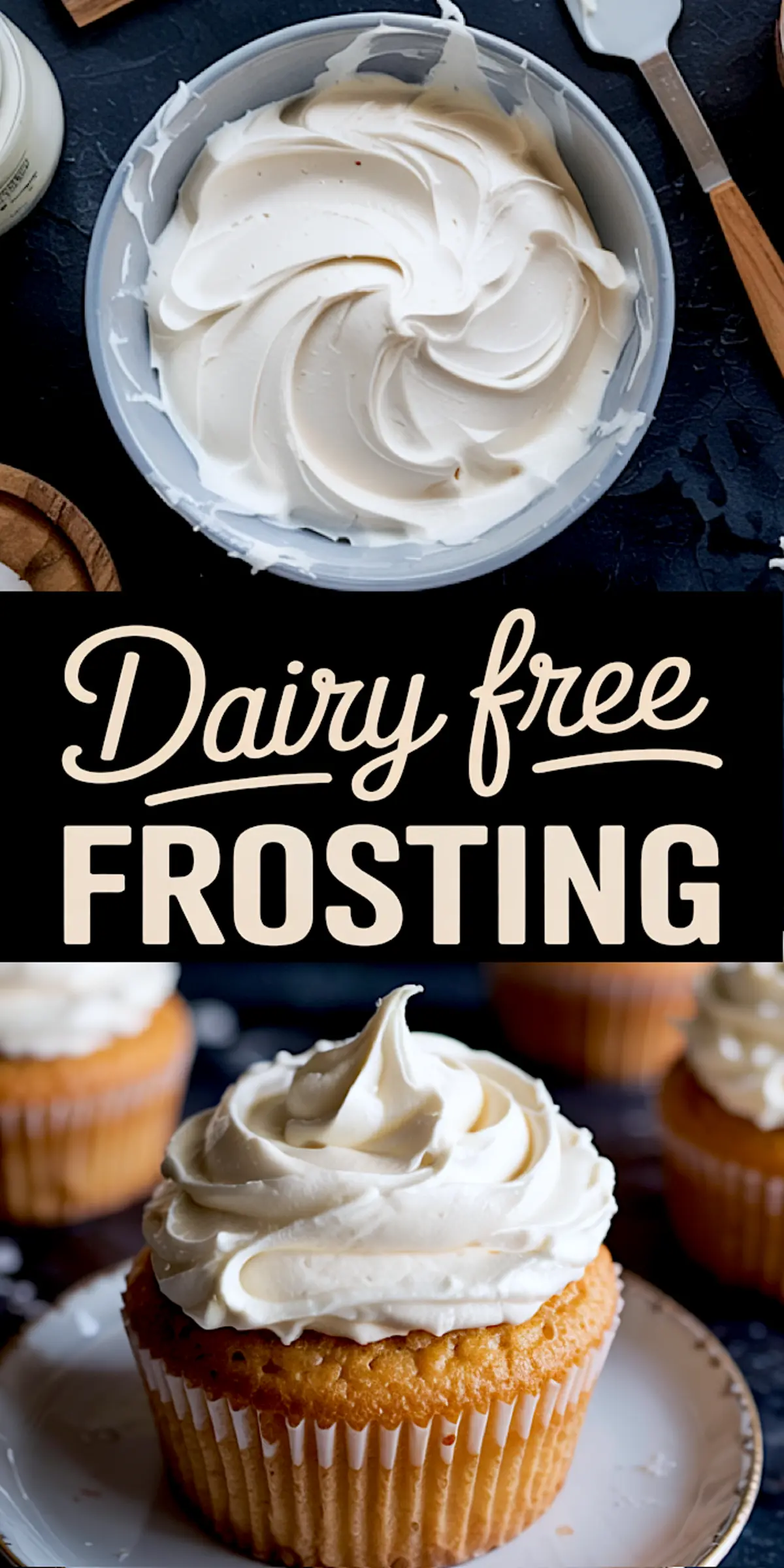
If you’ve ever tried making dairy free frosting for cake and felt like it either melted too fast or tasted like coconut straight from the jar, you’re not alone. I’ve stood in front of many cakes, spatula in hand, wondering why my dairy free buttercream frosting didn’t look or feel like the real thing.
This version changed everything for me.
Today, you’ll learn how to make a vanilla dairy free frosting that pipes beautifully, holds shape on cupcakes, and spreads like a dream across layer cakes. It’s smooth, creamy, and tastes like a classic whipped frosting ,without any lactose. Whether you’ve been searching for a dairy free icing for cake, cupcakes, or cookies, this recipe answers that need with confidence.
And there’s a little trick buried in here. Something I found by accident after several grainy, oily batches. We’ll get to that.
Ingredients That Make or Break Dairy Free Frosting Recipes
Start with the base. You’ll need a good-quality vegan butter. I’ve used both Earth Balance and Miyoko’s, depending on what’s in the fridge. The key is room temperature. Too cold and it won’t cream. Too soft and it won’t whip.
Next is refined coconut oil. And yes, it has to be refined. Unrefined versions bring a tropical smell and taste that fight with the vanilla. I’ve tested both side by side, and every time, the refined one wins. If you’re after that classic, clean buttercream flavor, this choice matters.
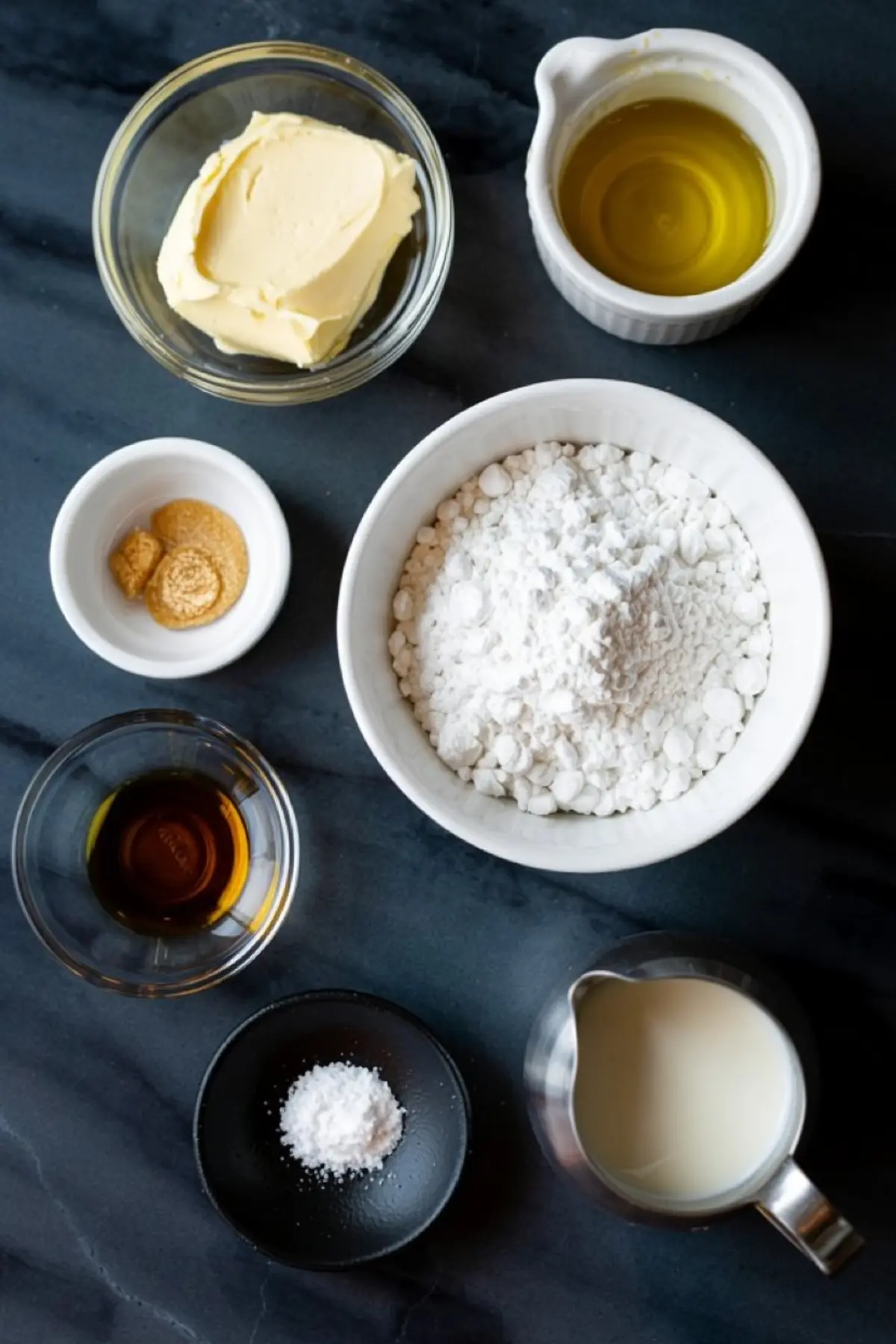
The structure comes from powdered sugar. Sifting helps, especially if yours tends to clump. Salt rounds out the sweetness, and vanilla extract pulls it all together.
Mixing It Right: Creaming, Beating, and Adjusting
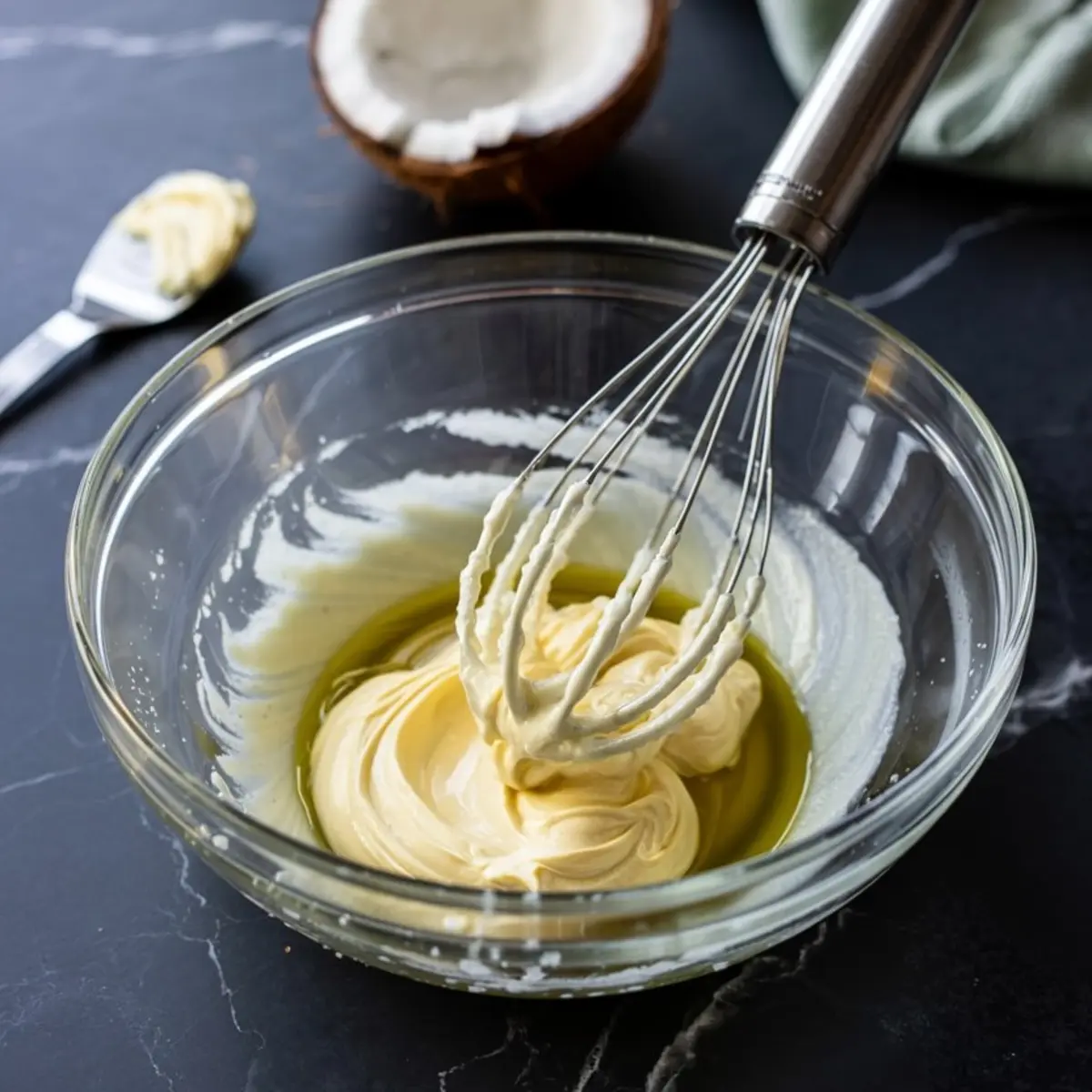
Start by creaming the fats together. This step should feel like waking up the ingredients. Two minutes on medium speed until you see a lighter, fluffy texture. Not greasy, not flat. It should look a little like whipped butter.
Add in vanilla extract and a touch of salt. Nothing fancy. Just mix until you don’t see streaks.
Now add the powdered sugar gradually. One cup at a time works best. I’ve rushed this step before, and the frosting clumped and split. Let each addition fully incorporate. Scrape down the bowl often.
If it gets too thick, add oat milk—just a spoonful at a time. Almond and soy milk also work, but oat gives the softest finish. You’ll know it’s right when the frosting spreads without tearing the cake.
Whip It Until It Smiles Back
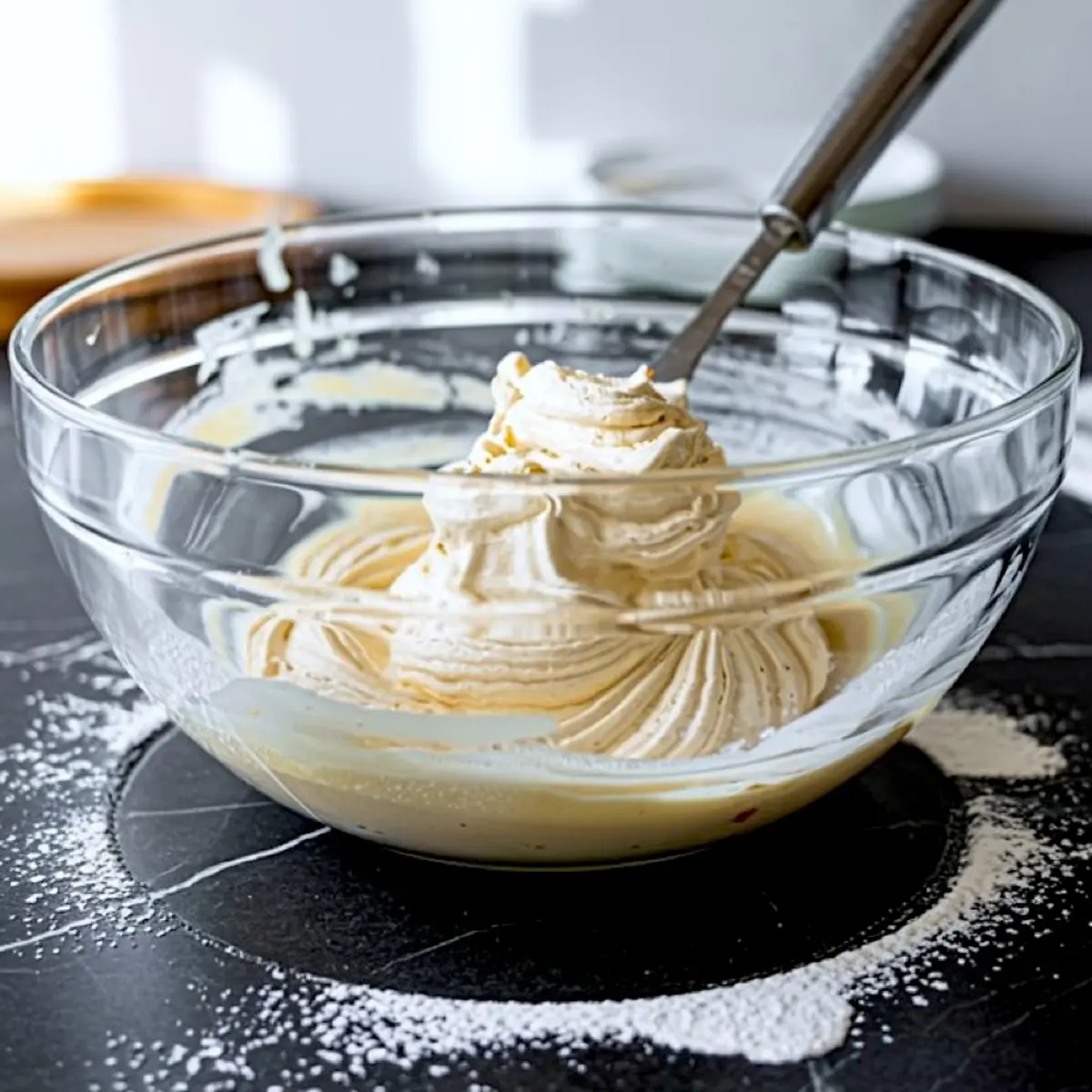
Once everything’s in, turn the speed up and let it whip. Two to three minutes is all it takes. You’ll feel it change. It starts looking like store-bought frosting, only smoother.
At this stage, if your kitchen runs warm (mine does in July), stick the bowl in the fridge for five minutes before piping. It holds shape better and firms up just enough to give clean edges.
This is where the frosting shines. It’s a non dairy frosting that doesn’t slide or melt under pressure. You can swirl it, smooth it, even pipe rosettes if you’re feeling bold.
One Frosting, Many Uses
I’ve used this frosting for everything from birthday cakes to cookie sandwiches. It works equally well on chocolate cupcakes and vanilla sheet cakes. I once spread it over graham crackers and called it lunch.
If you’re decorating a spiced cake, try swapping the vanilla extract for maple. Or stir in a spoonful of maple frosting for an autumn twist.
For something classic and airy, this sits right next to my favorite whipped cream frosting in my binder of saved go-to recipes.
A Quick Comparison: Oat Milk vs. Almond Milk
In my notes, I’ve tested this frosting with both oat milk and almond milk. Oat gives a silkier, softer texture and seems to blend more evenly with the fats. Almond milk holds its own, especially if you want a firmer finish.
If you need clean piping lines for decorations, almond wins. If you want a dairy free whipped frosting that spreads like a cloud, go with oat.
The Magic Touch: My Quiet Trick for Better Texture
Remember that trick I hinted at earlier?
It’s the refined coconut oil. The balance of structure from the oil and creaminess from the vegan butter makes this recipe stand out from other non dairy frosting recipes. It feels like buttercream. It acts like buttercream. It just doesn’t contain any dairy.
I stumbled on the 50-50 ratio by mistake. I was short on butter one day and added coconut oil to make up the volume. The result shocked me.
Ever since, this combo has become my favorite for dairy free buttercream frosting that doesn’t feel like a compromise.
Pin It, Try It, Share It

If you’re collecting easy and reliable dairy free frosting recipes, this one belongs in your folder. Whether you’re baking for allergies, preference, or curiosity, it gives consistent results and a clean, sweet finish.
Save this to your Pinterest board so it’s there when you need a go-to non dairy frosting. And if you try it, share your results in the comments below. Let me know if you made any changes or have questions. I read every one.
Dairy-Free Frosting Recipe
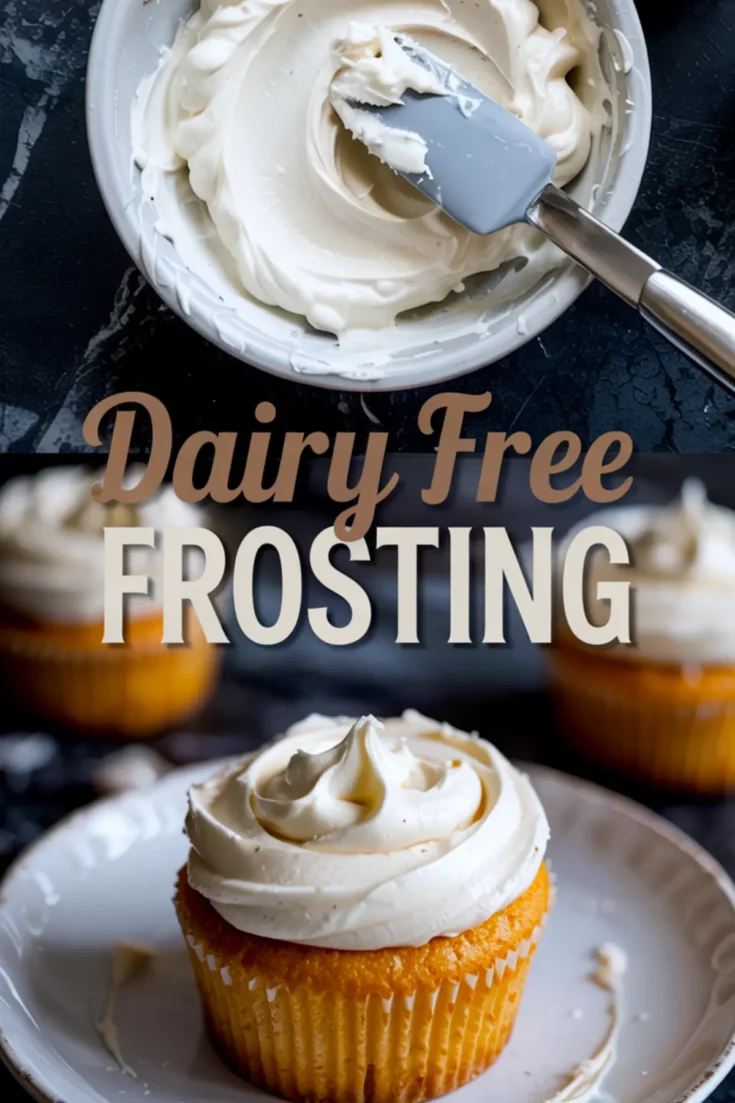
Vanilla dairy free frosting starts with vegan butter and powdered sugar whipped until smooth and fluffy. I add a splash of non-dairy milk and a little vanilla extract to round out the flavor. It spreads easily, pipes clean, and holds up at room temp. This dairy free frosting recipe has become my go-to for birthday cakes and cupcakes, especially when I need a clean finish without dairy. It works as a dairy free buttercream frosting or a simple base for other flavors. The texture stays light, like a dairy free whipped frosting, but stable enough for layers. I keep it in my lineup of non dairy frosting recipes, whether I need frosting for a cake or a quick lactose free icing that tastes like the classic.
Ingredients
- 1/2 cup vegan butter (such as Earth Balance or Miyoko’s)
- 1/2 cup refined coconut oil (must be refined to avoid coconut flavor)
- 1 tablespoon vanilla extract
- 1/4 teaspoon salt
- 3 to 3 1/2 cups powdered sugar, sifted if clumpy
- 1 to 2 tablespoons non-dairy milk (oat, almond, or soy milk work well)
Instructions
- CREAM THE FATS: Add the vegan butter and refined coconut oil to a large mixing bowl. Both should be at room temperature—not too hard or overly soft. Beat on medium speed for about 2 minutes until the mixture looks lighter in color and texture.
- ADD VANILLA AND SALT: Pour in the vanilla extract and sprinkle in the salt. Mix again just until everything is evenly blended.
- INCORPORATE THE SUGAR: Gradually add the powdered sugar, about 1 cup at a time, beating well after each addition. Scrape down the sides of the bowl regularly to ensure even mixing. The texture will shift from crumbly to smooth as you go.
- ADJUST CONSISTENCY: If the frosting becomes too thick, add 1 tablespoon of non-dairy milk and mix again. Add more milk only if needed. If the frosting is too soft, mix in a little extra powdered sugar.
- WHIP UNTIL FLUFFY: Once all ingredients are added and the texture is close to what you want, increase the mixer speed to high and beat for 2 to 3 minutes. The frosting should turn airy, smooth, and easy to spread or pipe.
Notes
If your kitchen is warm, place the frosting in the refrigerator for 5 minutes before piping to help it firm up. Oat milk gives the softest texture but any unsweetened non-dairy milk works. Refined coconut oil is essential for structure and neutral flavor.
Nutrition Information:
Yield:
1Serving Size:
1Amount Per Serving: Calories: 6331Total Fat: 200gSaturated Fat: 108gTrans Fat: 17gUnsaturated Fat: 81gCholesterol: 2mgSodium: 570mgCarbohydrates: 1156gFiber: 0gSugar: 1133gProtein: 1g
