
This strawberry buttercream frosting is soft, full-bodied, and made entirely from real ingredients you likely already have. It coats cakes like silk, pipes onto cupcakes with lift and hold, and tastes like strawberries and cream caught in a breeze.
You’re about to learn exactly how to make it at home without synthetic flavors, without dyes, and without guesswork. You’ll understand why the strawberries need to be cooked. You’ll know the tipping point between fluffy and runny. You’ll see how powdered sugar can be both friend and enemy. And one small thing at the end an unexpected twist pulls it all together.
That last part? I’ll explain it soon. For now, just know it changes everything.
This recipe blends the brightness of fresh strawberries with the creamy texture of classic American buttercream. It hits the sweet spot between fruit and fat, and walks the line between nostalgic and modern. You’ll see this same method used on strawberry icing for layer cakes, strawberry buttercream filling between macarons, and swirled peaks on bakery cupcakes that hold shape even under warm lights.
I’ve tested versions with freeze-dried powder, raw berry puree, and jam. But this method with reduced fresh strawberries—has been the most reliable, the most flavorful, and the most adaptable.
Why Reduce the Strawberries First?
Raw strawberries might seem like the easiest choice. They blend well and taste fresh. But when I tried using raw puree in my early batches, the frosting collapsed within minutes. It wept into the piping bag.
The heat transforms the strawberries. It removes water, deepens flavor, and thickens the texture into something you can actually build frosting on. I treat the reduction like an ingredient in its own right. It’s no longer fruit it’s a concentrated note of summer.
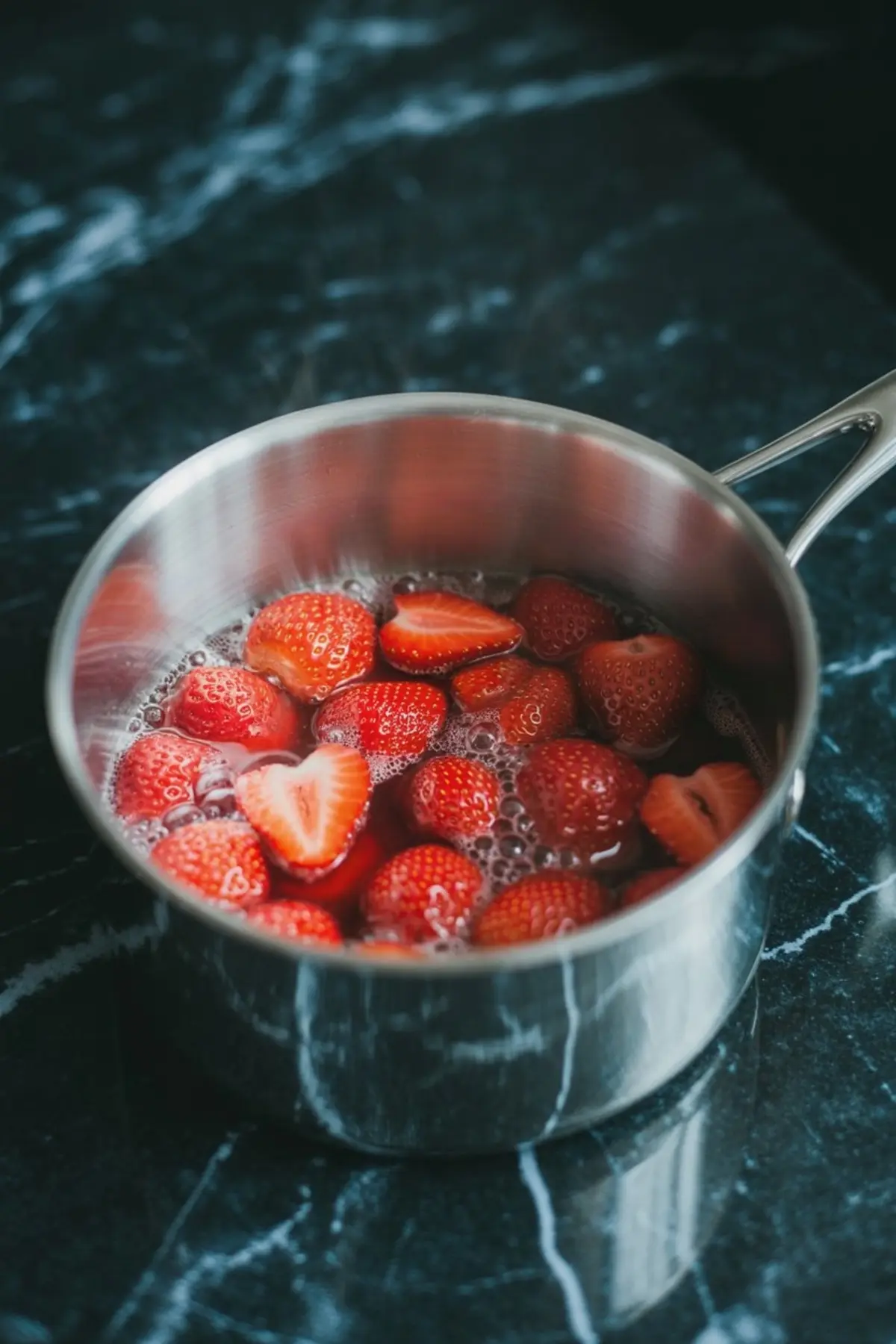
You can use fresh or frozen strawberries here. Both give the same flavor when simmered. What matters is how thick the reduction becomes. I cook mine until it coats the back of a spoon and barely drips. After cooling, I blend it smooth and measure out exactly a quarter cup.
More than that, and the butter loses its structure.
Butter First, Always
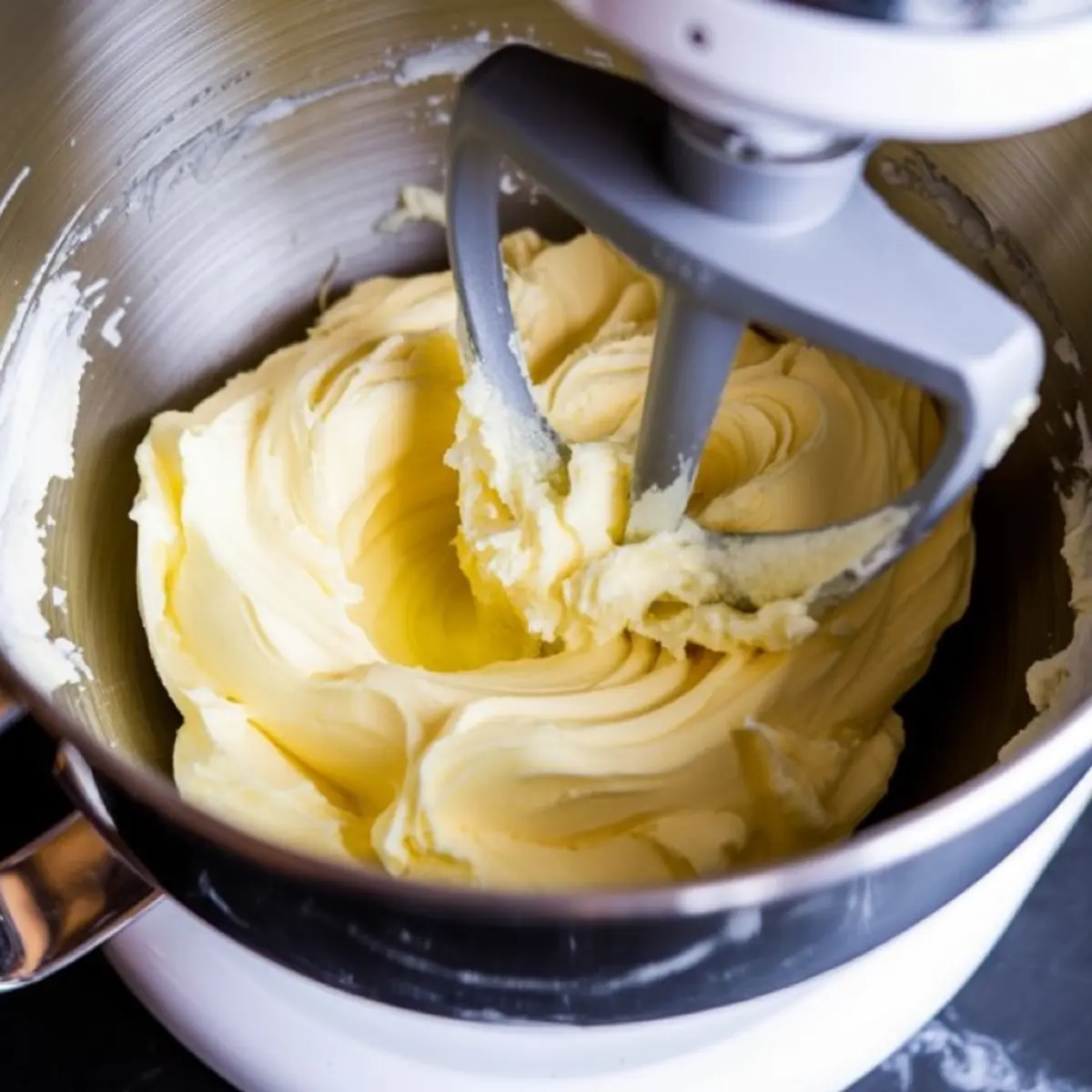
I once tried making this frosting using whipped cream cheese instead of butter. I thought it would be lighter, more cloudlike. It ended up soft, too soft. Pretty on the spoon, but unusable for tall swirls.
For this recipe, you’ll want unsalted butter that’s fully softened, but not greasy. Think cool room temperature, not melted. I beat mine for a full five minutes on medium-high until the color turns pale and the texture smooths out. The whipped base is what gives the frosting lift.
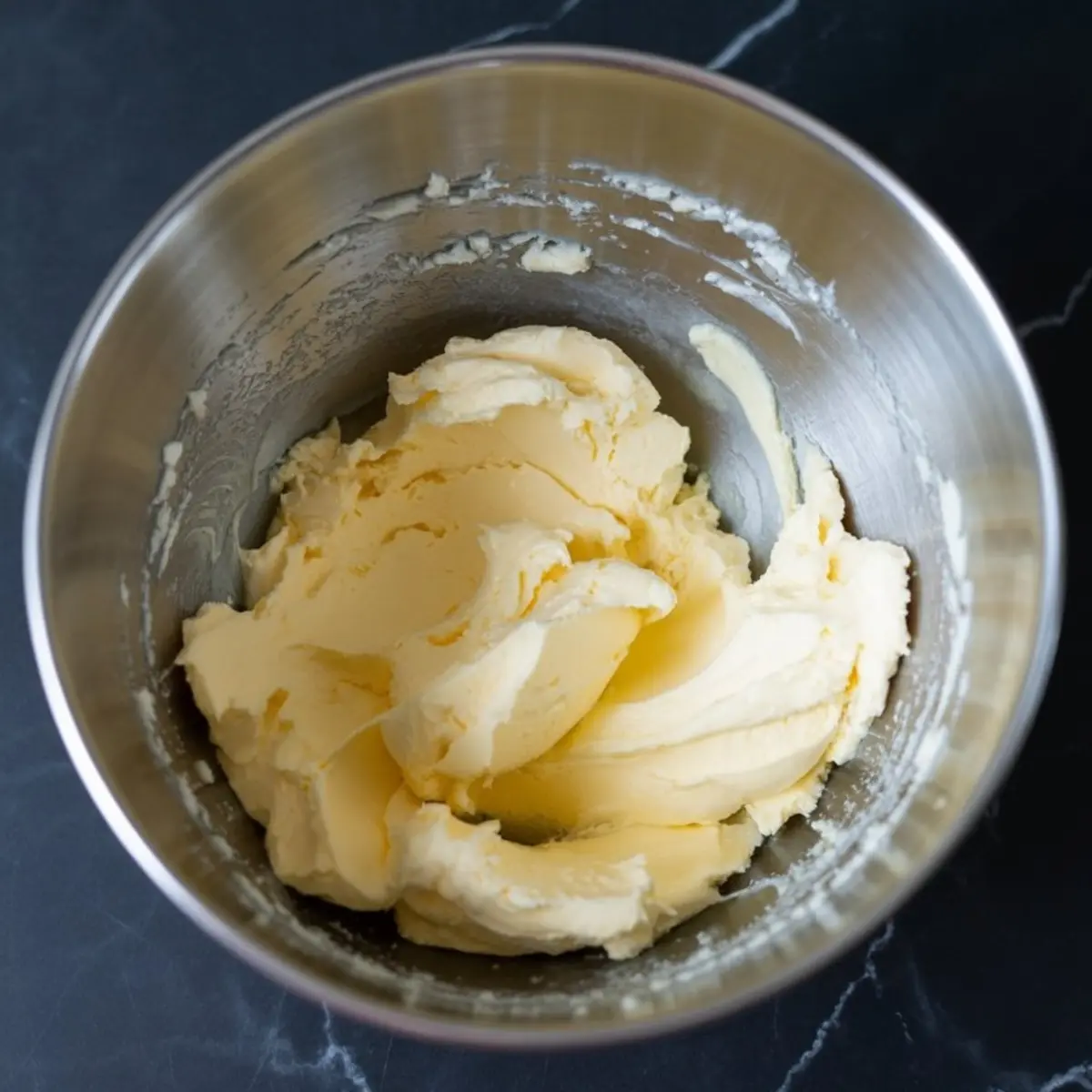
If you’ve made my Vanilla Buttercream Frosting before, the beginning will feel familiar. But this strawberry version takes on more moisture, so you’ll need to pay extra attention in the final step.
Flavor Comes From Balance, Not Just Strawberries
The frosting isn’t built on strawberries alone. Vanilla rounds out the tart edges. Salt sharpens the flavor and keeps it from tasting flat. I use just a pinch, but I never skip it.
When I need a berry frosting with more tang, I turn to my Cream Cheese Frosting and fold in a small spoonful of the same strawberry reduction. It gives a slight edge that works especially well for red velvet or spiced cupcakes. But for pure strawberry flavor, this buttercream stands stronger on its own.
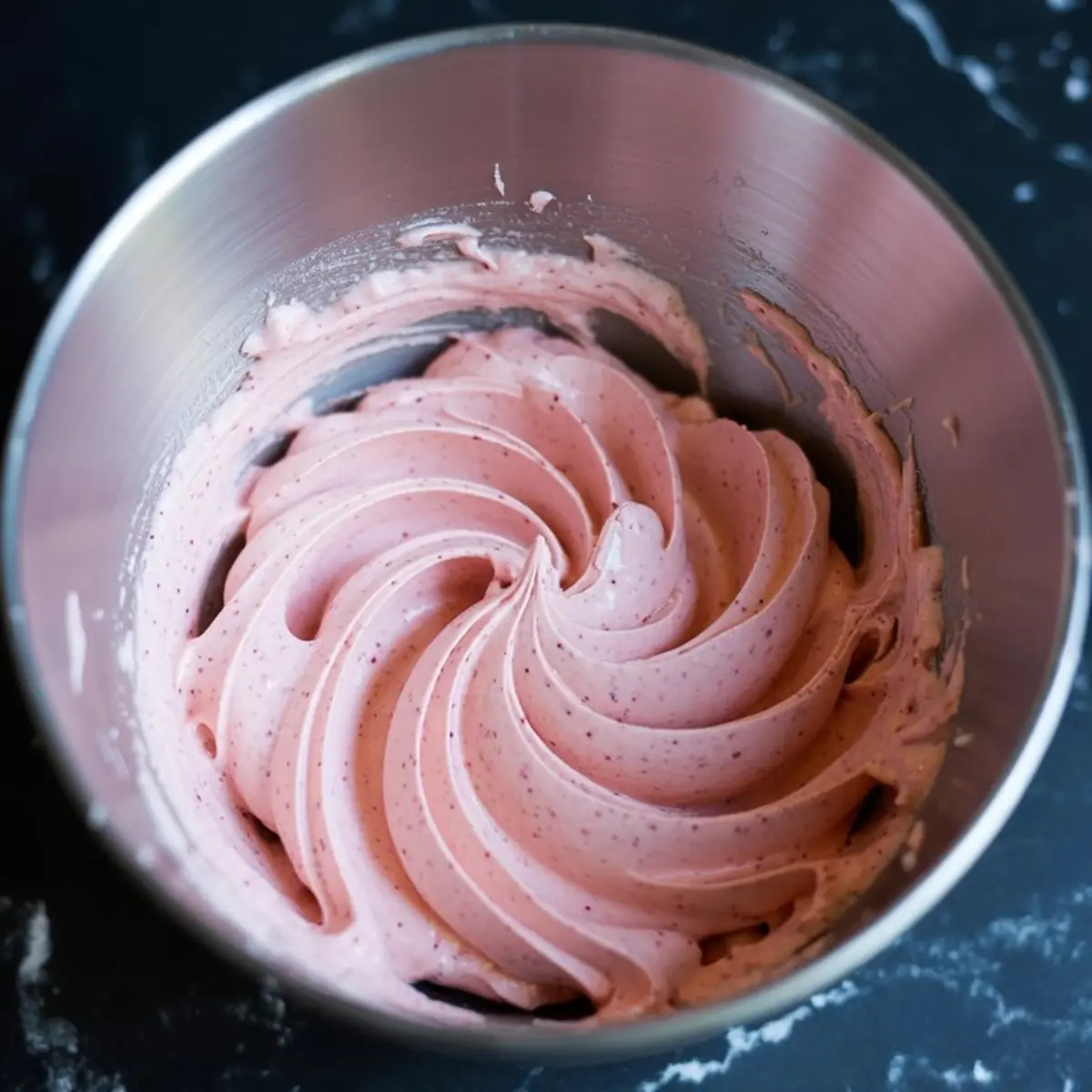
The texture here is closer to strawberries and cream frosting than to a glaze. It’s pipeable, thick, and soft all at once.
Powdered Sugar Isn’t a Fixed Measurement
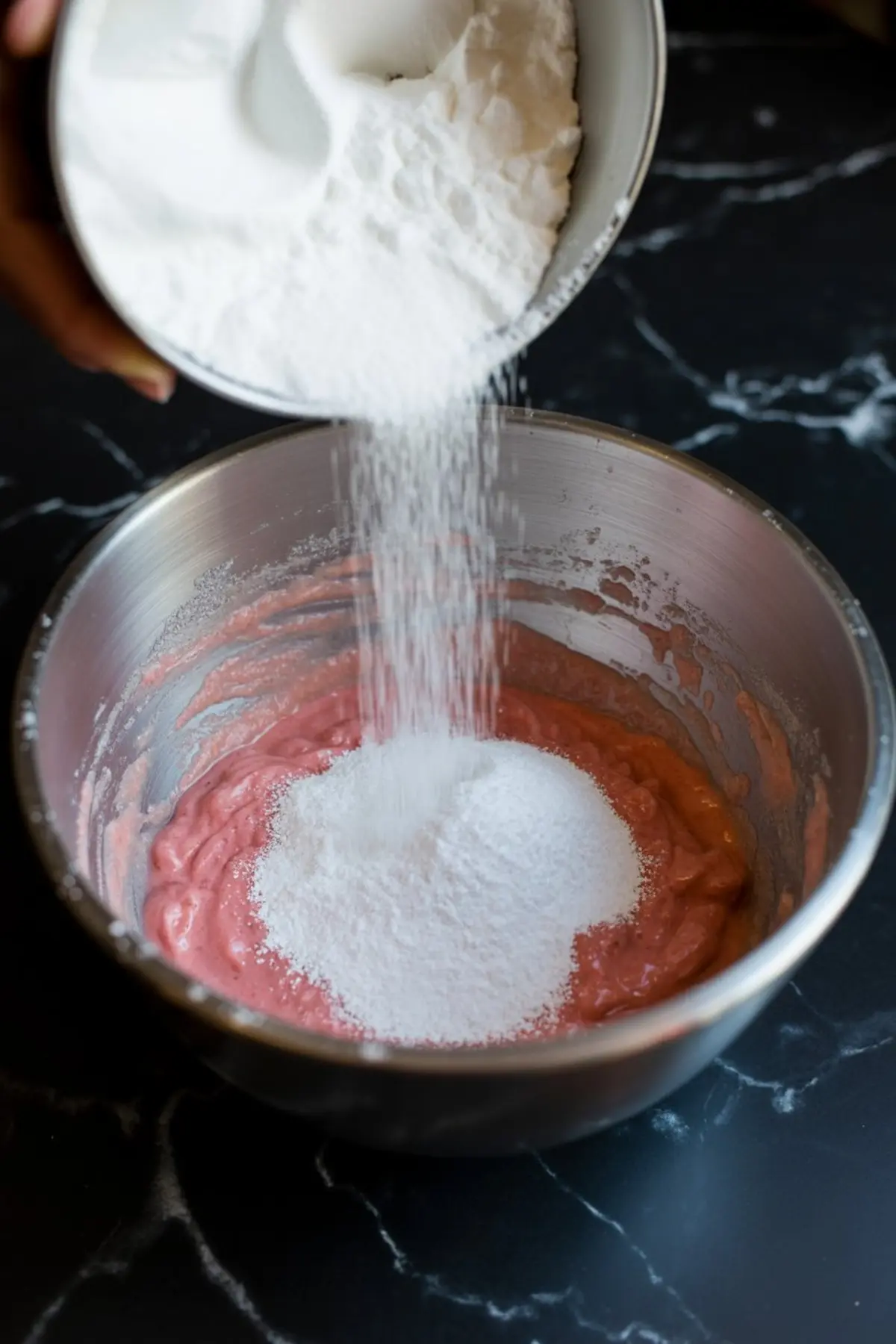
Here’s where you make it yours. I’ve listed three and a half to four cups of powdered sugar. The right amount depends on your strawberries, your butter, and your climate. If it’s warm in your kitchen or your strawberries held more water, go closer to four cups. If it’s already thick and sweet, stop at three and a half.
When mixing, add the sugar slowly. One cup at a time. Scrape the sides. Let each addition blend fully before moving on. You want it smooth, not clumpy.
Now, let’s talk about cream.
Milk vs Heavy Cream: A Small Change That Shifts Everything
In my notes, I’ve found that a tablespoon of heavy cream makes the frosting hold its shape longer. Milk works, but cream gives it weight and gloss. Especially if you’re piping rosettes or using this as a Strawberry Buttercream Fillingbetween cake layers, cream helps it stay firm without drying out.
For a softer, spreadable frosting for snack cakes or sugar cookies, milk is fine. But for that bakery texture, I recommend cream. Just a splash. No more than two tablespoons total.
Adjusting Texture After Mixing
If the frosting feels thick, almost like dough, add cream one spoonful at a time. If it’s too soft, pause. Chill it. Let the butter firm up again. Do not keep adding sugar until it’s stiff it’ll turn grainy and overly sweet.
Taste, rest, then taste again.
I’ve found the sweet spot after the second rest. Sometimes, letting it sit for five minutes helps the structure settle. Whip again, just briefly, then frost.
At this point, you might wonder about color. That blush-pink hue? It comes entirely from the strawberries. No dye needed.
Now, let’s revisit that small secret I mentioned earlier.
My Favorite Unexpected Add-In
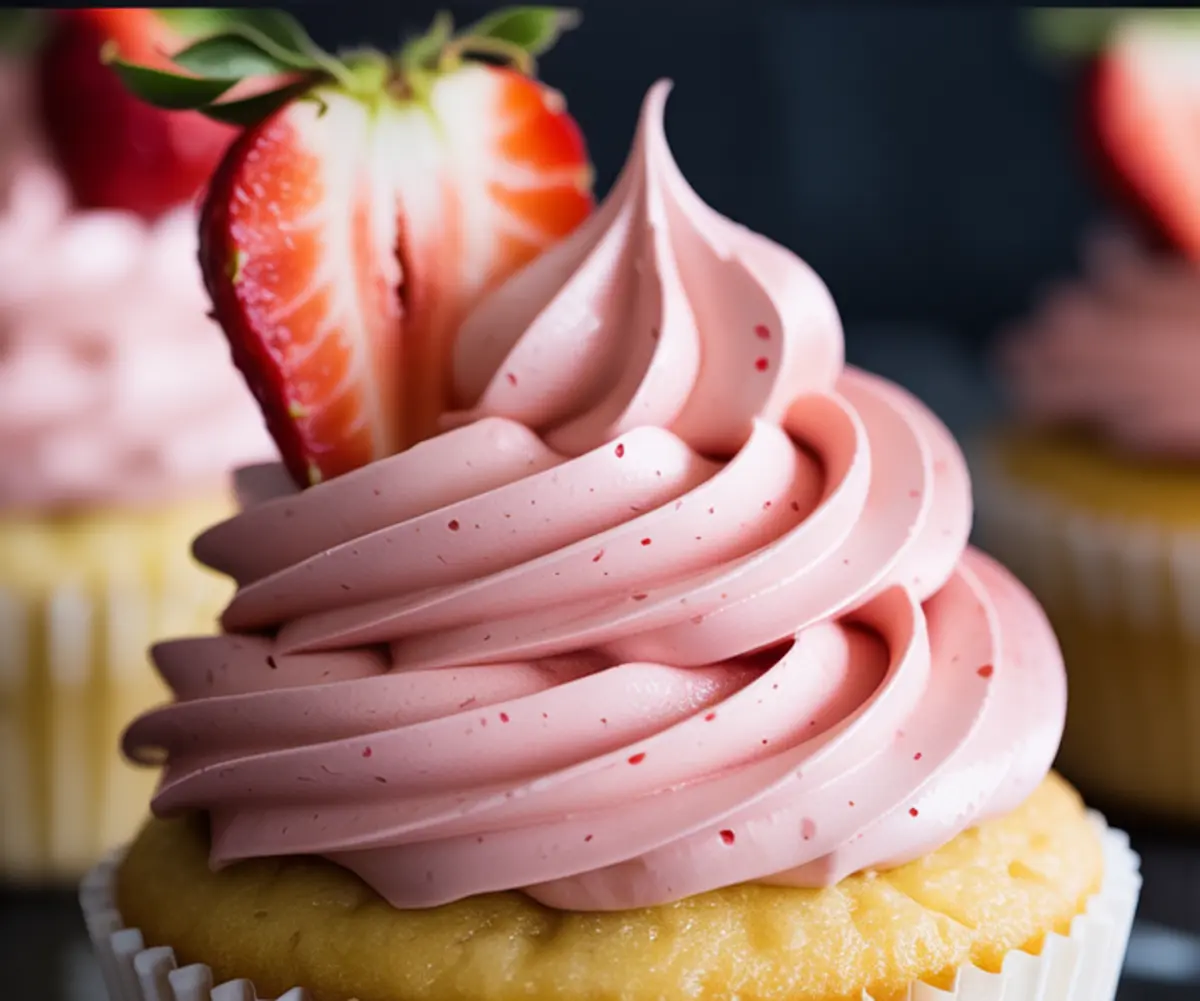
Sometimes, when I want a deeper, more vivid flavor, I add a teaspoon of strawberry jam. Just a spoonful. It brightens the frosting in a way that reduction alone doesn’t always deliver. You’ll feel it on the second bite, not the first. A slow bloom of berry sweetness.
It’s subtle, but once you taste it, you’ll keep doing it. I do.
For spring brunch cupcakes or layered birthday cakes, this extra boost makes the frosting taste fuller. And if you’ve ever tried Lemon Buttercream Frosting, you know how one small acidic note can bring everything forward.
This frosting works well on vanilla cakes, sponge layers, or sandwiching soft sugar cookies. It stores beautifully. Bring it to room temperature and re-whip with a paddle attachment before reusing.
If you’re curious about other flavors, Peanut Butter Frosting also benefits from this whip-and-rest method. The rhythm of mixing, tasting, pausing, and rewhipping lets the ingredients open up.
Save This One and Try It Yourself
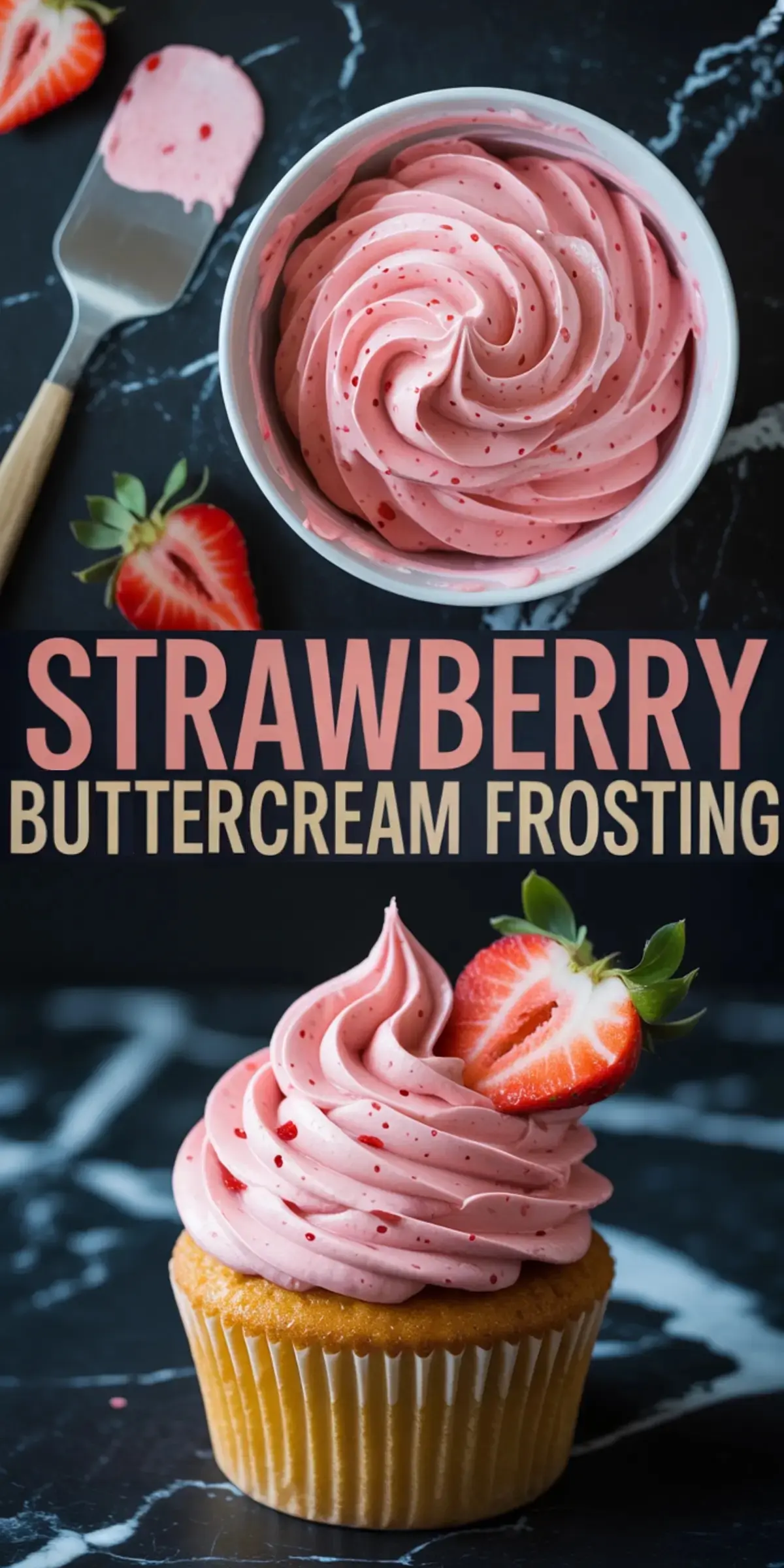
Strawberry buttercream frosting is one of those things that looks more complicated than it is. Once you reduce the berries and let them cool, the rest moves quickly.
The result is smooth, stable, and full of real strawberry flavor. It holds shape in warm rooms, spreads without tearing cakes, and makes everything it touches feel special.
Pin this now to your Strawberry Frosting Recipes board or your Cake Frosting Recipe board so you don’t lose it.
And tell me how yours turns out. Did you try it on cupcakes or in between layers? Did you go for fresh or frozen berries? Leave a comment—I’d love to hear what you did.
Strawberry Buttercream Frosting
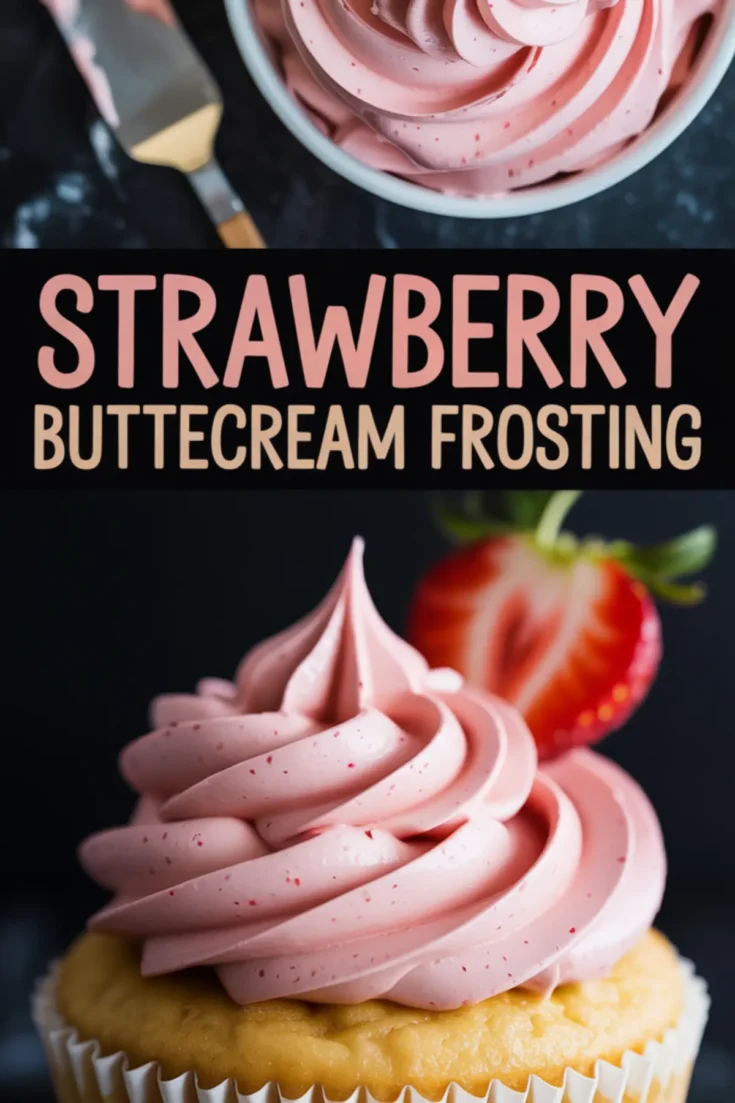
This Strawberry Buttercream Frosting is a smooth, fluffy, and fruity addition to your favorite cupcakes, layer cakes, or sandwich cookies. Made with real strawberries or freeze-dried strawberry powder, this rich buttercream frosting recipe delivers vibrant flavor and a gorgeous natural pink color—no artificial dyes needed. Whether you’re decorating for a birthday, spring brunch, or just need a go-to homemade frosting, this easy method is ideal. Use it as a strawberry buttercream filling between cake layers or pipe it onto cupcakes for a bakery-style look. This recipe blends classic strawberry frosting flavor with the texture of strawberries and cream frosting, perfect for anyone searching for frosting recipes easy, cake frosting recipe, or a crowd-pleasing buttercream recipe.
Ingredients
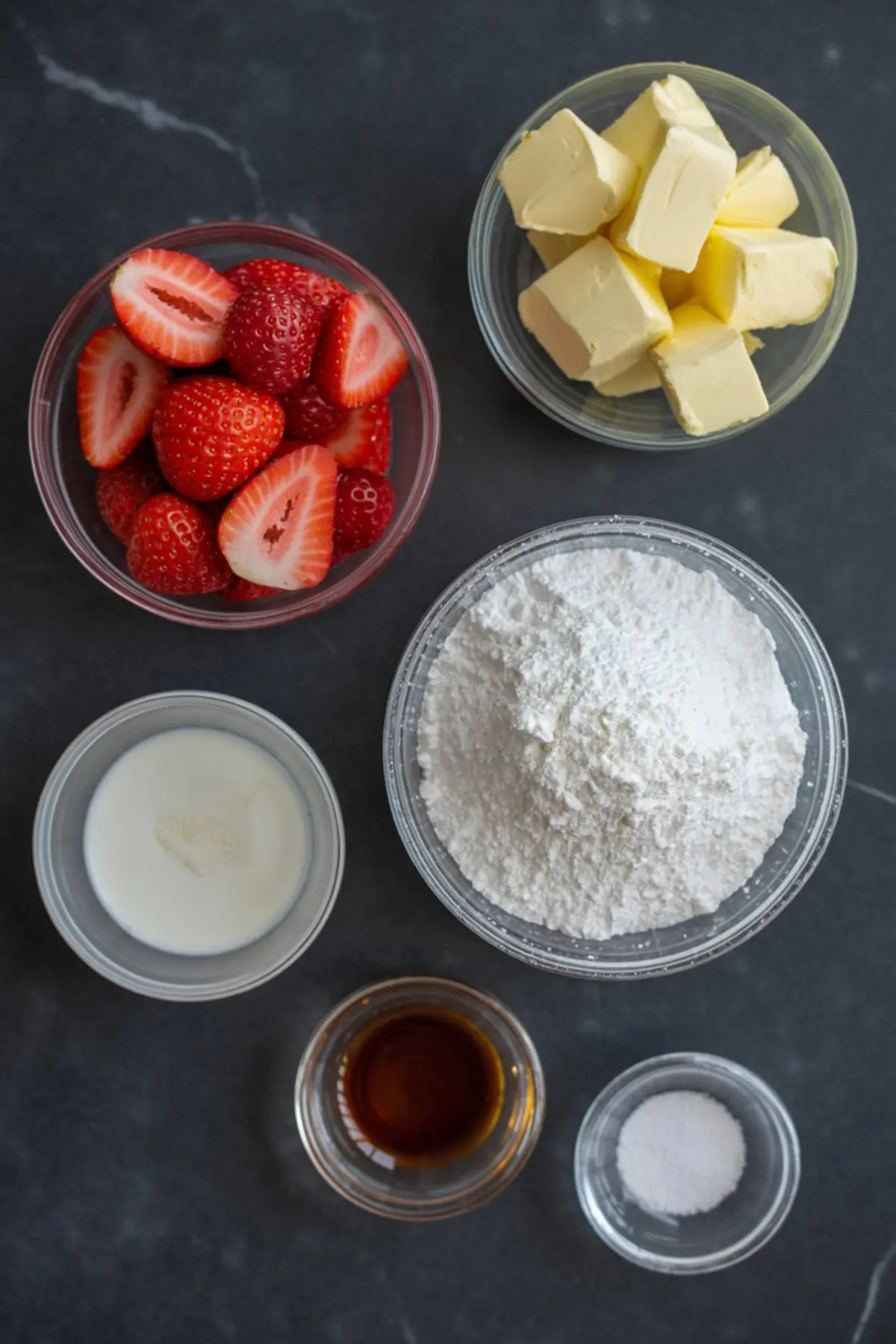
- 1 cup fresh strawberries, hulled and sliced (or thawed from frozen)
- 1 cup (2 sticks) unsalted butter, softened at room temperature
- 3 ½ to 4 cups powdered sugar, sifted
- 1–2 tablespoons heavy cream or milk, as needed for consistency
- 1 teaspoon vanilla extract
- A pinch of salt
Instructions
- REDUCE THE STRAWBERRIES: Add the sliced strawberries to a small saucepan over medium heat. Cook them for 10 to 15 minutes, stirring occasionally, until the berries break down, release their juices, and the mixture becomes thick and syrupy. Remove from heat and let cool completely.
- PUREE THE REDUCTION: Once the strawberry mixture is cool, transfer it to a blender or food processor and blend until smooth. Measure out ¼ cup of the puree to use in the frosting. Set aside.
- BEAT THE BUTTER: Place the softened butter in a stand mixer fitted with a paddle attachment. Beat on medium-high speed for 3 to 5 minutes until light, pale, and fluffy. This creates a smooth base for the frosting.
- ADD STRAWBERRY PUREE AND FLAVORINGS: Add the cooled strawberry puree, vanilla extract, and salt to the whipped butter. Mix on medium speed until the ingredients are fully combined and the color is uniform throughout.
- INCORPORATE THE SUGAR: Add the sifted powdered sugar one cup at a time, mixing on low speed after each addition. Scrape down the sides of the bowl as needed to ensure everything is evenly mixed.
- ADJUST THE CONSISTENCY: If the frosting becomes too thick, add heavy cream or milk, one tablespoon at a time, until the desired texture is reached. The frosting should be thick yet spreadable and able to hold its shape when piped.
- TASTE AND USE: Taste the frosting and adjust sweetness or salt as needed. Use immediately to frost cupcakes, cakes, or cookies, or refrigerate in an airtight container until ready to use. Bring to room temperature and re-whip before using if chilled.
Notes
To keep the frosting stable, use only the reduced puree—raw strawberries will make it too loose. Adjust powdered sugar depending on how soft or stiff you want the final texture.
Nutrition Information:
Yield:
1Serving Size:
1Amount Per Serving: Calories: 8417Total Fat: 254gSaturated Fat: 159gTrans Fat: 2gUnsaturated Fat: 81gCholesterol: 710mgSodium: 353mgCarbohydrates: 1567gFiber: 3gSugar: 1533gProtein: 16g
