
A frosting has one job. It must support the cake, lift the bite, and finish with a flavor you remember. This lemon buttercream frosting recipe does exactly that, but with something extra. A spark. A brightness. A clean citrus edge that doesn’t overwhelm.
In this post, I’ll show you how to make the best lemon buttercream frosting, explain why each ingredient matters, and share the small tip from my Pin Notebook that makes it taste even fresher than you expect. You’ll find everything here: how to balance tartness, how to make your frosting hold its shape, and how to use it on more than just lemon cupcakes.
You’ll also learn the quiet secret I add at the very end. It changes the whole texture.
Why This Is My Go-To Lemon Frosting Recipe
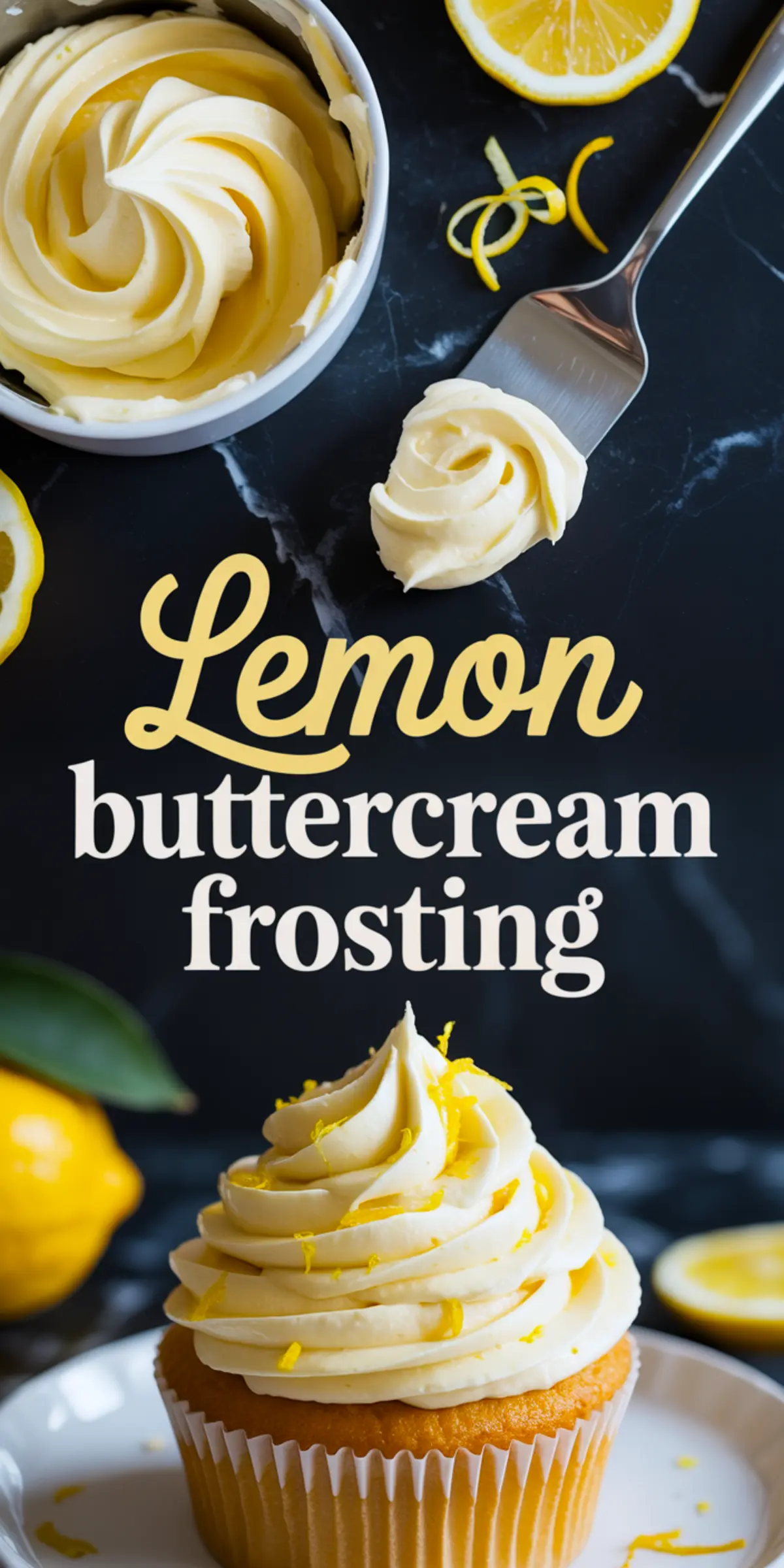
I’ve tried other lemon frosting recipes that left a sharp taste behind. Some leaned too hard on extract. Others lost their shape after five minutes on the counter. This one stays put. It pipes like a dream and holds soft peaks even after sitting out.
This homemade lemon buttercream frosting pairs beautifully with any light sponge or vanilla cake, but I love it most on citrus bakes. For example, it’s lovely swirled on top of these lemon cupcakes or sandwiched between graham cookies.
The ratio matters here. You’ll be using more zest than most buttercream frosting cake formulas call for. That’s intentional. It pulls the lemon flavor forward without drowning it in sugar.
How I Build Flavor Layer by Layer
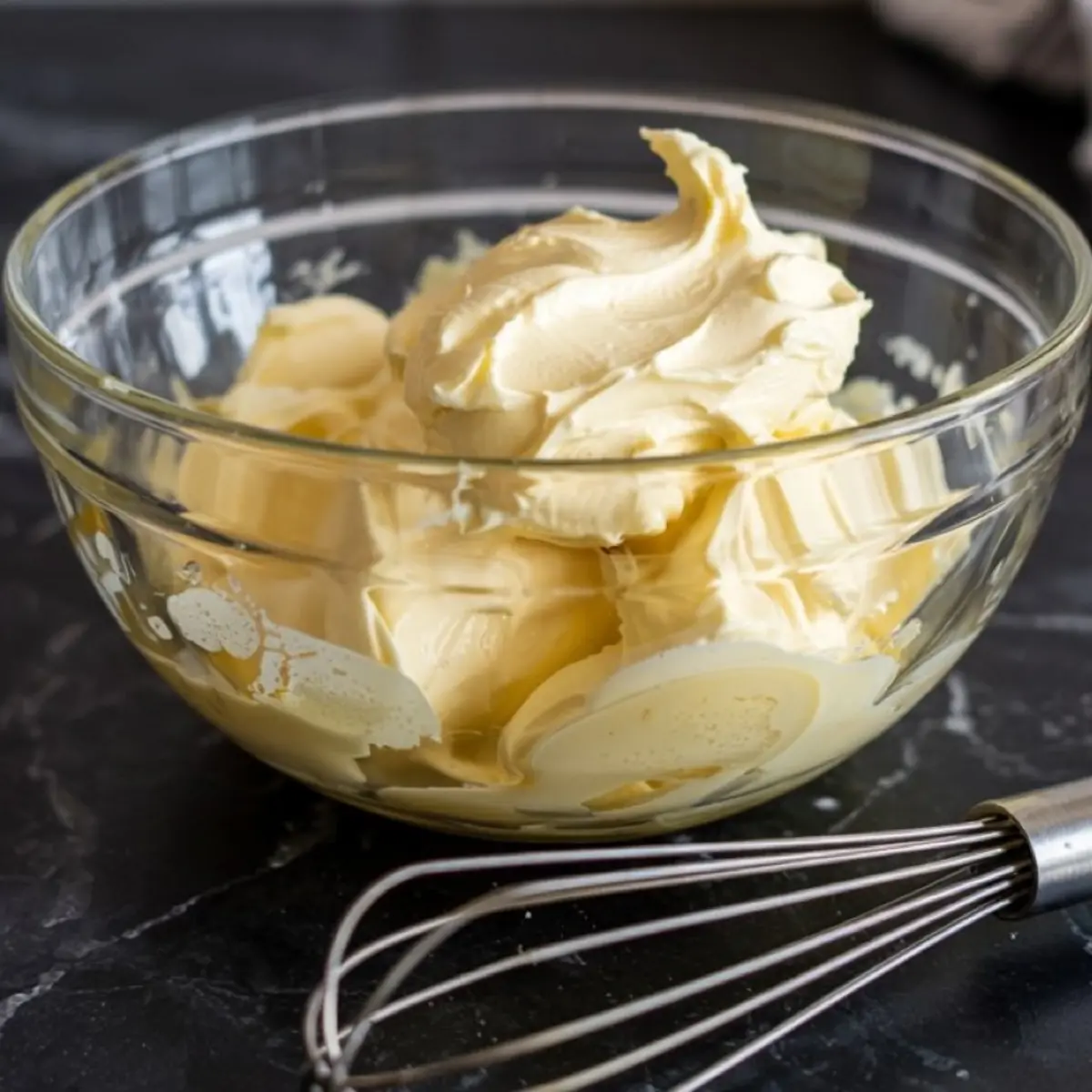
Start with good butter. Room temperature, not melty. I let mine sit out for about 90 minutes. It should give under your finger but still hold shape. The butter forms the base of the entire frosting.
I beat it until pale, about three minutes. This matters more than you think. That air gives the frosting its volume and keeps it from feeling heavy.
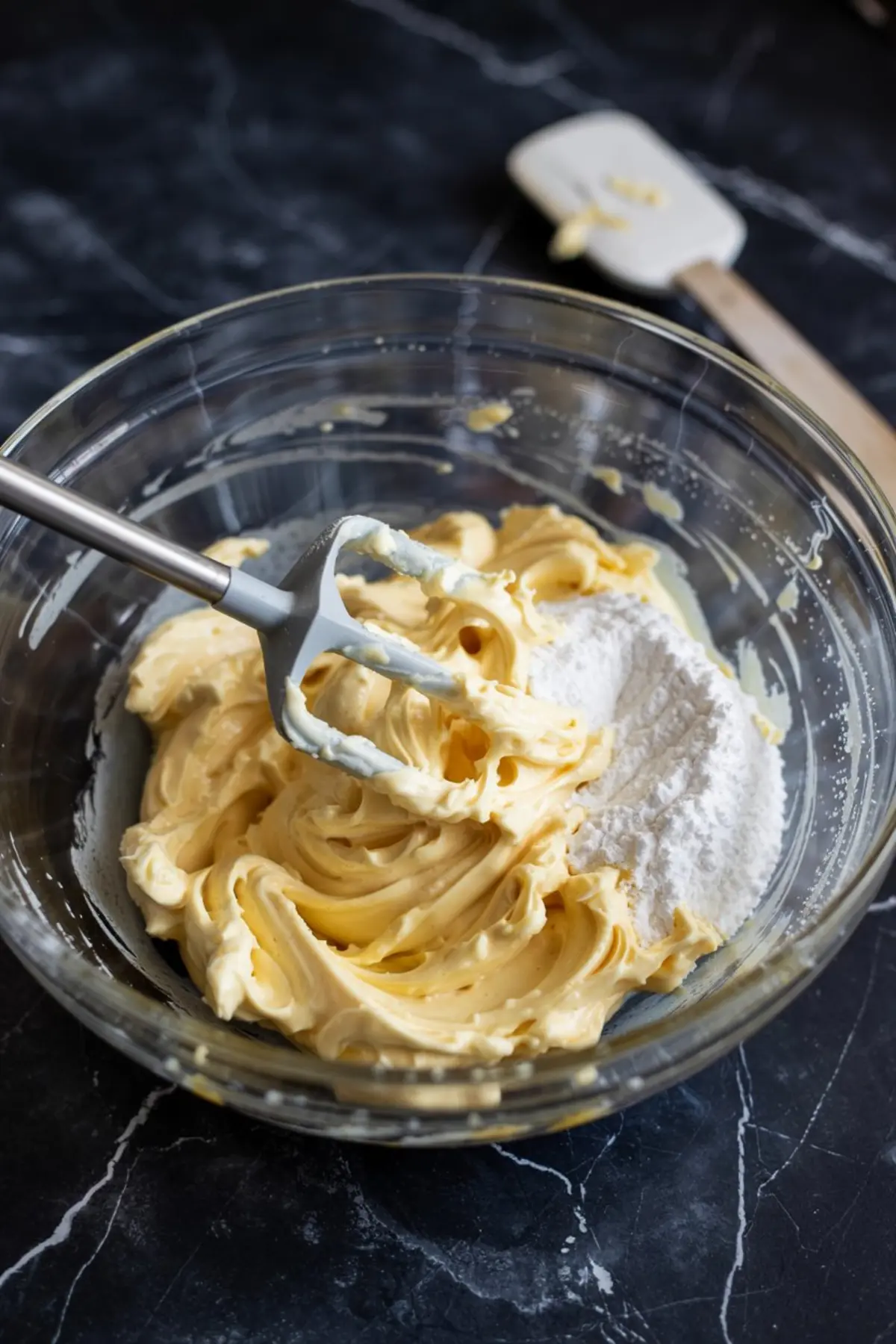
When adding powdered sugar, I go slowly, always sifting it first. You’ll avoid clumps and keep the texture silky. And trust me, that texture makes a difference when you’re piping over something delicate like a naked layer cake.
If you’ve been searching for a frosting that doesn’t crust over or weep under warm kitchen lights, this one stands firm.
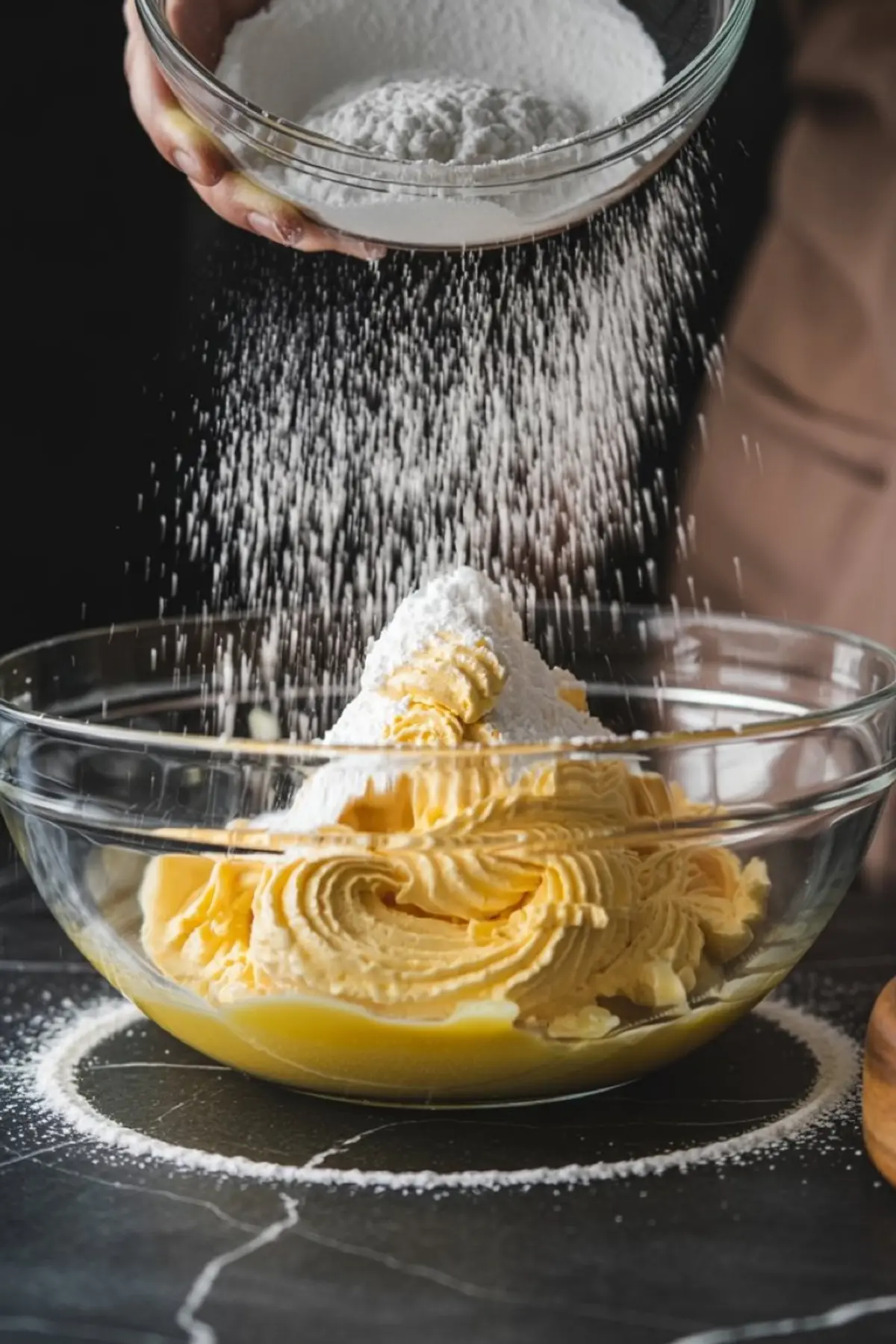
Fresh Lemon Zest and Juice – Not Optional
I use zest from two full lemons. Always zest before you juice. Otherwise the fruit collapses and becomes harder to grate. That citrus oil from the zest brings a floral sharpness that plain juice misses.
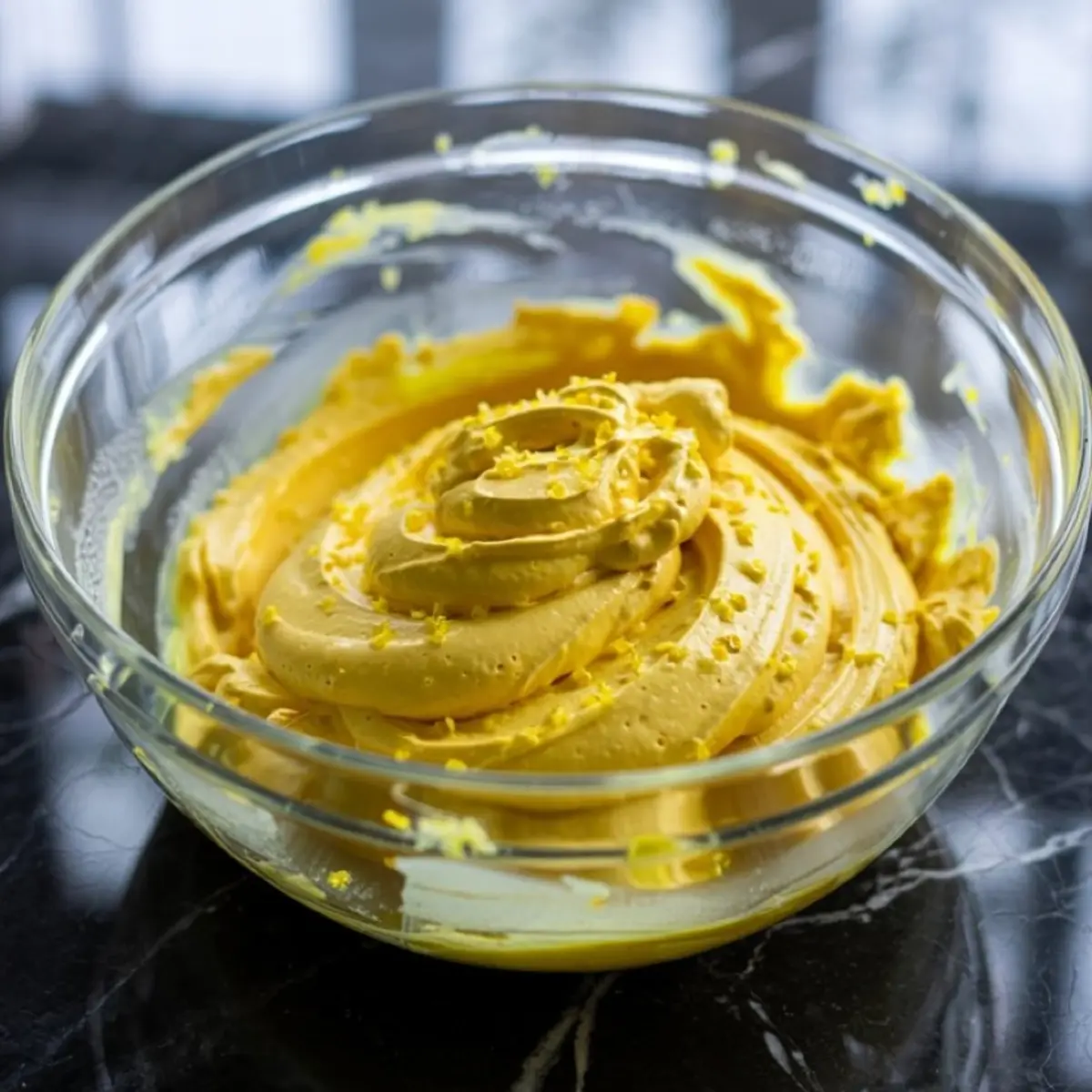
Begin with two tablespoons of lemon juice. Add more later if you want extra tang. I stop at three. Four works if you’re spreading it thin, like on cookies or mini tarts.
Here’s the thing: don’t substitute bottled lemon juice. It flattens the entire experience. You’ll taste the difference immediately.
For contrast, I once tested this with a shelf-stable lemon flavoring. The texture held up, but the flavor felt shallow. I wrote a note to myself in the Pin Notebook right then: “Zest first. Always.”
Salt, Cream, and That Tiny Optional Boost
Once the lemon is in, I mix in a pinch of fine sea salt. Just enough to pull the sweetness back. Then I sometimes add a teaspoon of lemon extract. It’s optional, but I find it helps if I’m frosting something that’s already quite rich.
The final step is cream. This makes the texture. I start with a tablespoon, then whip the frosting at medium-high speed for two minutes.
If your frosting turns out stiff, add a little more cream. If it’s too soft, place the bowl in the fridge for ten minutes. Then whip it again. This trick always brings it back into balance.
I use this same technique when I make cream cheese buttercream frosting for denser cakes.
A Quick Comparison: Butter Alone vs Butter Plus Mascarpone
In one batch, I replaced a third of the butter with mascarpone. It made the lemon frosting lighter on the tongue, almost like a whipped mousse. But it softened too fast.
If you want a lemon mascarpone frosting, that’s a beautiful texture for chilled desserts. But if you’re layering tall cupcakes or need it to hold in warm weather, stick with butter.
My notes say: “Mascarpone for mousse cakes. Butter for structure.”
If you’re curious, try both. Just don’t mix them without adjusting the chill time.
How to Store and Use This Lemon Cake Frosting
This frosting spreads well on layer cakes and pipes beautifully onto cupcakes. I’ve also used it as a filling between shortbread cookies and once on a lemon loaf that needed dressing up.
It keeps in the fridge for up to five days. Let it come back to room temperature and give it a quick whip before using again.
For cake layering, I often pair this with a firmer crumb. Something like a vanilla sponge or even a citrus olive oil cake. I used it recently beneath a shell of chocolate fudge frosting and it held its own surprisingly well.
Here’s That Tiny Trick I Promised
At the very end, after everything’s mixed and smooth, I add a pinch of lemon zest right on top and fold it in by hand. Not mixed through completely, just streaked in.
The result? Each bite gets a small surprise. A tiny pop of citrus oil. It makes the frosting feel alive.
I wrote in my Pin Notebook, “Leave it streaked. Don’t blend too far.” And now, that’s how I finish every batch.
You can try the same approach with orange zest too, if you’re ever adapting this for a creamsicle-style cake.
Save This Lemon Frosting Recipe for Later
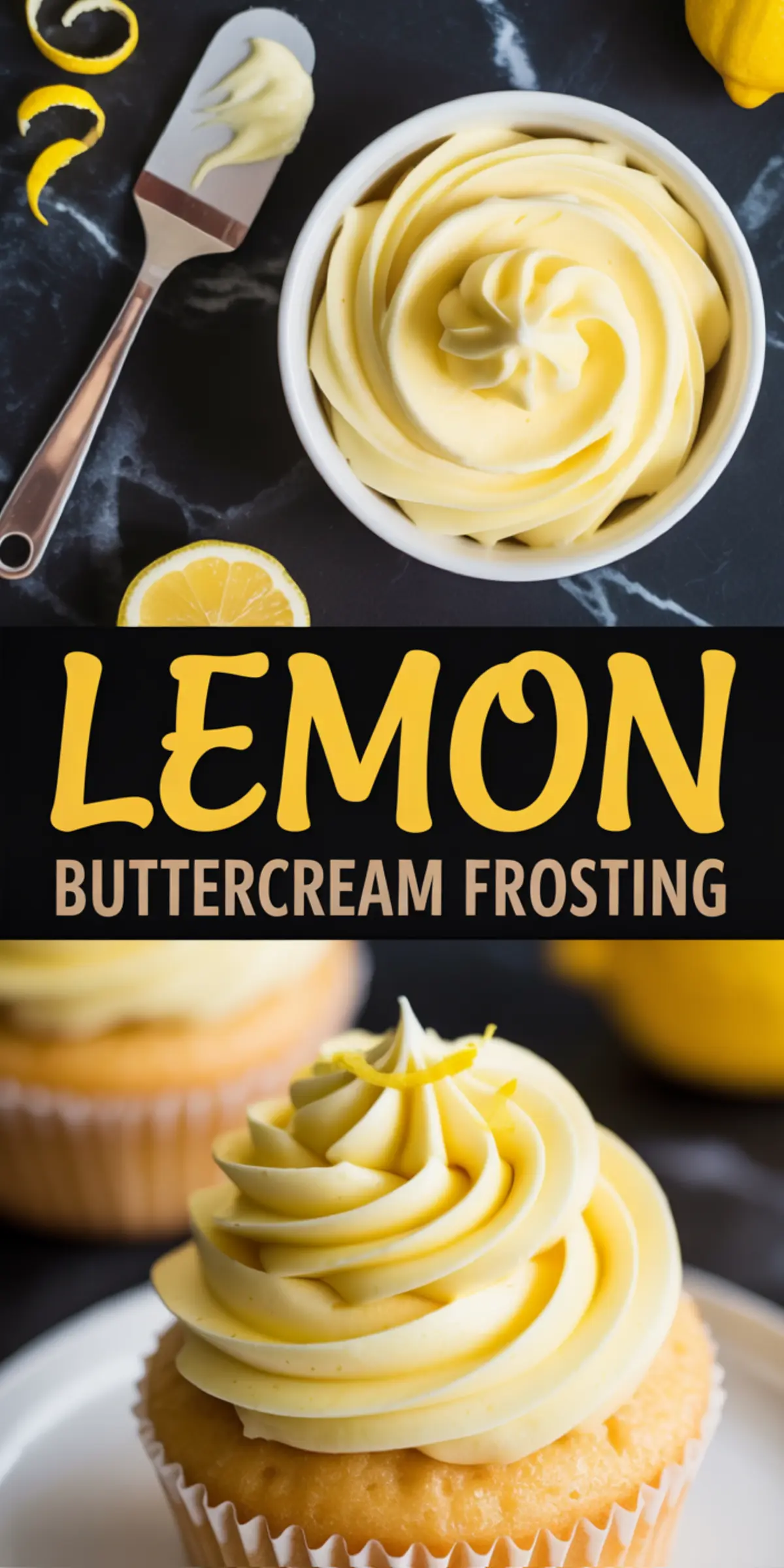
If you’ve been looking for the best lemon buttercream frosting recipe that’s soft, pipeable, and full of flavor without going overboard, this one deserves a spot in your collection.
I hope you give it a try. Pin it now so you don’t lose it. And if you bake with it, come back and tell me how it went. I always read the comments. Your tweaks might just end up in my Pin Notebook next.
Lemon Buttercream Frosting Recipe
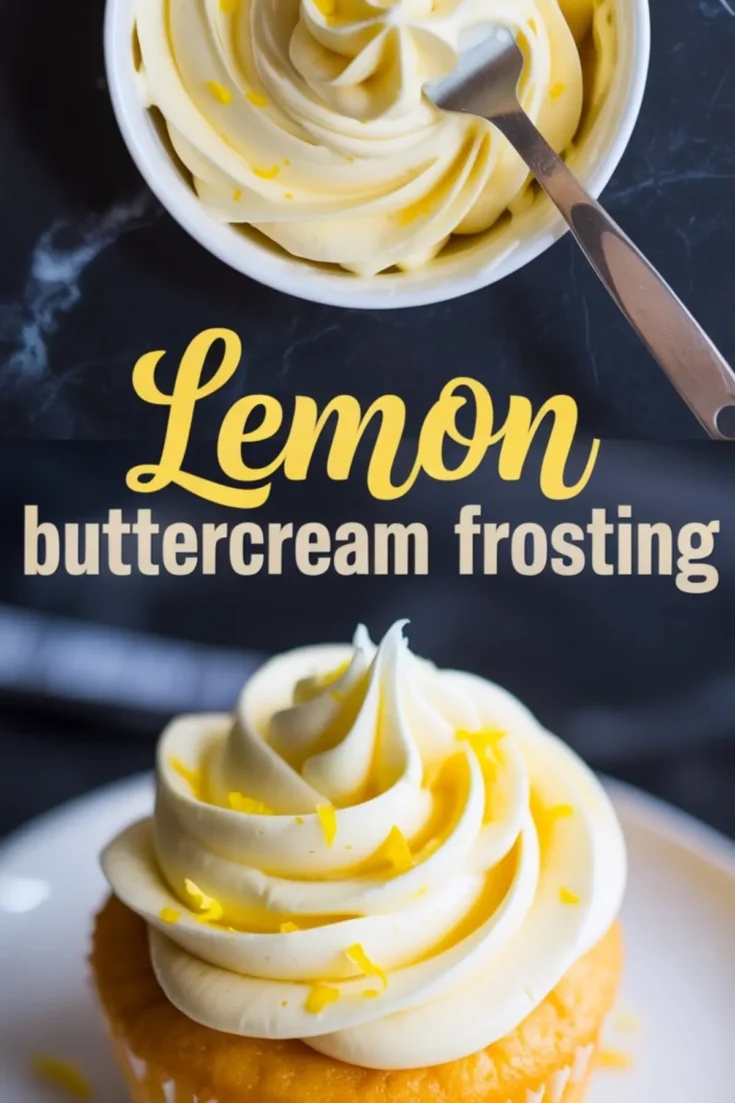
Lemon buttercream frosting blends soft butter with powdered sugar and fresh lemon juice for a smooth, tangy finish. I whip it until light and creamy, then add zest for an extra citrus kick. It’s the kind of lemon buttercream frosting recipe that pipes clean and spreads easily over cakes or cupcakes. I’ve used it as lemon cake frosting, frosting for lemon cupcakes, and even between cookie layers. If you need the best lemon buttercream frosting that isn’t too sweet, this version balances tart and rich just right. It belongs on your list of lemon frosting recipes, especially if you love homemade lemon buttercream frosting that tastes bright and fresh. Add it to your cake frosting recipe stack now.
Ingredients
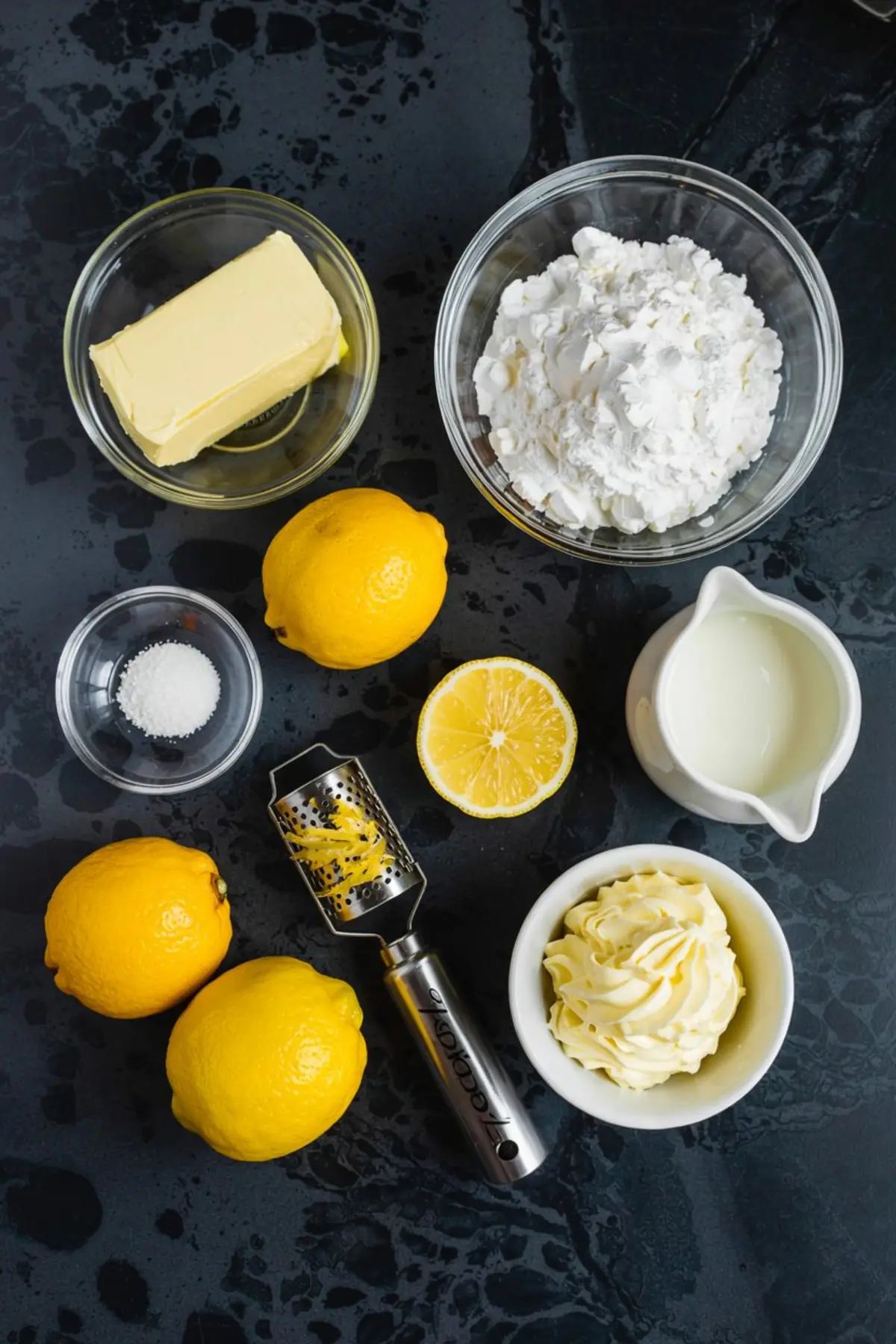
- 1 cup (226g) unsalted butter, room temperature
- 3 ½ cups (420g) powdered sugar
- 2 tablespoons fresh lemon zest (from 2 lemons)
- 2–4 tablespoons fresh lemon juice
- ¼ teaspoon fine sea salt
- 1 teaspoon lemon extract (optional)
- 1–2 tablespoons heavy cream
Instructions
- BEAT THE BUTTER: Place the room temperature butter into a stand mixer fitted with the paddle attachment, or use a hand mixer. Beat on medium speed for about 3 minutes until the butter is creamy, pale, and smooth.
- ADD THE SUGAR SLOWLY: Add the powdered sugar one cup at a time, mixing on low speed after each addition to prevent splattering. Scrape down the sides of the bowl as needed to ensure even mixing. Once all the sugar is incorporated, increase the speed to medium-high and beat for 1 minute to lighten the texture.
- MIX IN THE LEMON ZEST AND JUICE: Add the finely grated lemon zest. Begin with 2 tablespoons of fresh lemon juice, beating on low to combine. Taste the frosting and add more juice, 1 tablespoon at a time, if you prefer a tangier flavor. If the frosting becomes too thin, add an extra tablespoon of powdered sugar to thicken.
- ADD SALT AND OPTIONAL EXTRACT: Add the sea salt and, if using, the lemon extract. Mix on medium speed until well combined.
- ADJUST THE TEXTURE WITH CREAM: Add 1 tablespoon of heavy cream and beat the frosting on medium-high speed for 2 minutes until it is fluffy and smooth. If the frosting is too thick, add a few drops of cream. If it’s too soft, chill the bowl in the refrigerator for 10 minutes, then beat again until firmed slightly.
- FINAL CHECK: Taste the frosting and make any final adjustments to flavor or texture. The finished frosting should be soft, stable, and easy to pipe or spread.
Notes
Use freshly squeezed lemon juice for the brightest flavor. Bottled lemon juice will result in a flat-tasting frosting. Room temperature butter should be soft but not melting—if it looks shiny or oily, it's too warm. For a stronger citrus flavor without excess liquid, lemon extract can be helpful but is optional. Store any leftover frosting in an airtight container in the refrigerator for up to 5 days; bring to room temperature and re-whip before using.
Nutrition Information:
Yield:
1Serving Size:
1Amount Per Serving: Calories: 866Total Fat: 77gSaturated Fat: 49gTrans Fat: 3gUnsaturated Fat: 23gCholesterol: 233mgSodium: 673mgCarbohydrates: 47gFiber: 2gSugar: 30gProtein: 7g
