
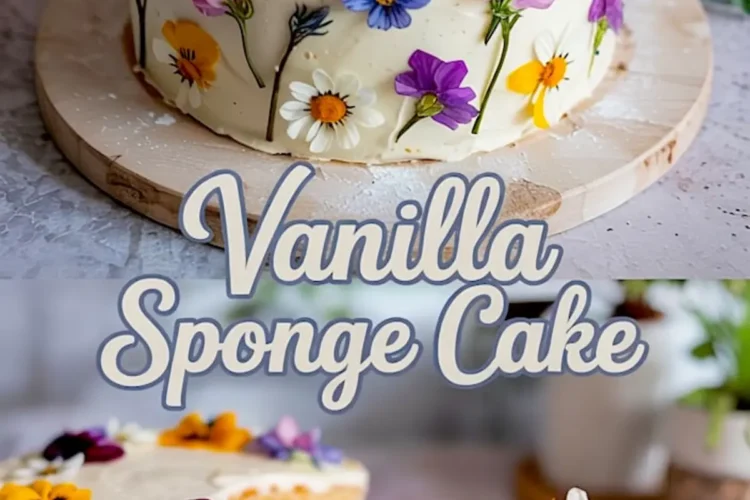
There’s a kind of calm that comes with baking a sponge cake.
No fancy ingredients. No elaborate steps. Just a reliable rhythm that hasn’t changed in decades. I’ve used this vanilla sponge cake recipe with oil more times than I can count, and each time, the result is a soft, even crumb that holds together without fuss. Some call it an easy sponge cake. I think of it as a conversation between flour and eggs, made sweeter by memory.
I reach for this when the days feel long and I want something familiar. The oil helps keep it moist. The whipped cream in between gives it lightness without needing frosting. It stands beautifully on its own, or beneath berries and curd, depending on the season.
Many who try this ask how such a simple sponge can feel so refined. I tell them the same thing every time: it’s in the hands, not the mixer.

What Makes This Vanilla Sponge Cake Recipe So Reliable
This isn’t a cake that demands precision from every angle. It just needs patience.
Sponge cake recipes can vary wildly, but the best ones teach you something as you bake. This version uses oil instead of butter. That keeps the texture tender for longer and makes it a good choice for filled or layered cakes. If you’ve ever had a sponge dry out before frosting it, you’ll appreciate what a small swap can do.
A sponge cake recipe with oil works especially well when you want a cake that holds its softness overnight. I’ve layered this one under jam, tucked it into trifles, and once even used it to build a birthday cake with lemon curd between each tier. It held its shape without complaint.
For birthdays or layered celebration cakes, I still lean on Emma’s vanilla cake recipe. It’s sturdy, slices clean, and holds up well under buttercream. But when the occasion calls for something softer, something you can layer with cream and berries, I return to this sponge.
Gathering Ingredients with Care

When I teach Chloe or her friends how to make this, I always pause at the eggs. Room temperature makes a difference. Cold eggs don’t whip the same. The sugar needs time to stretch them into something airy, and if you skip that patience, the cake won’t rise as it should.
Cake flour gives this sponge its fine texture. If you’ve never used it before, this vanilla pound cake recipe explains it well too. It’s lighter than all-purpose, and the sift matters. I often sift twice. Not for show, but because it really does make a difference you can feel between your fingers.
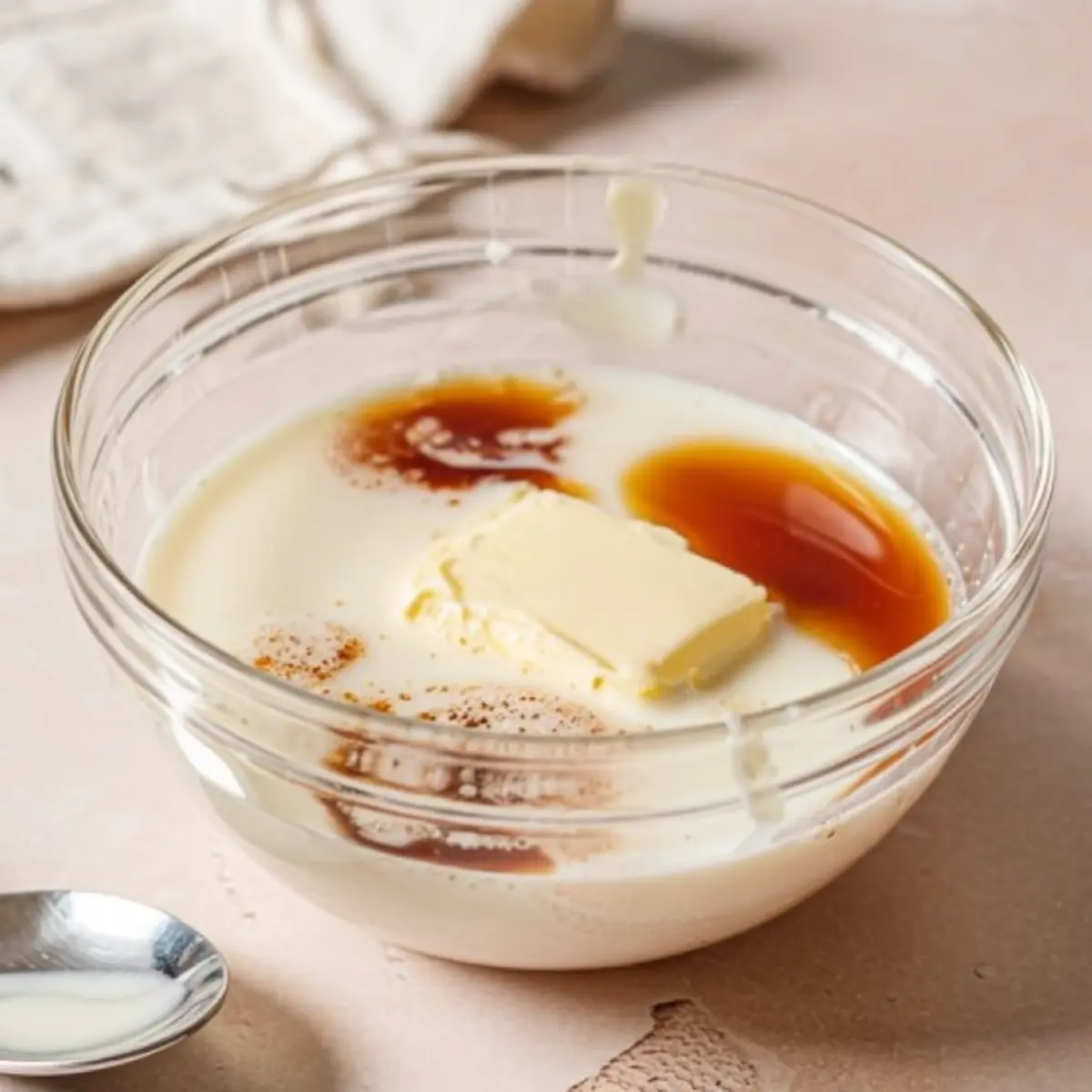
The milk and butter need gentle heat. I don’t let it boil. Just warm enough to melt and blend. In my notes, I’ve written “wait until you can dip your finger in without pulling back.” That’s the moment to stir in the vanilla.
If you’re wondering about margarine or lower-fat milk, I’ve tried both. They don’t give the same softness. Stick with whole milk and unsalted butter. It’s worth it.
Mixing and Baking Without Rushing
I always tell beginners that sponge cake batter isn’t supposed to feel heavy. If yours feels dense, you’ve mixed too long or folded too hard. You need to lift the flour in, not stir it. Use a balloon whisk or spatula, and keep your wrist loose. It’s more of a swirl than a stir.
When tempering the milk mixture, I scoop a bit of batter first to ease it in. That prevents the eggs from scrambling. It’s one of those quiet steps that gets skipped too often. But if you’ve ever had a sponge sink, that could be why.

Baking times can shift depending on your oven. I check mine at 20 minutes. The sponge should spring back when pressed. If a crack forms while cooling, don’t worry. A little whipped cream covers all.
I also bake this in three pans. If you only have two, bake the last layer quickly after the first two come out. Letting the batter sit too long changes its lift. I’ve learned this by watching many batches rise unevenly when I got distracted.
Whipped Cream Frosting from Chloe’s Notebook
This sponge cake doesn’t need heavy frosting. It pairs better with something soft, quiet, and just sweet enough. Chloe’s whipped cream frosting is the one I always use now. She wrote it down after a summer lunch at my table, and I’ve kept it in my recipe tin ever since.
You’ll find her full method here: Chloe’s Whipped Cream Frosting.
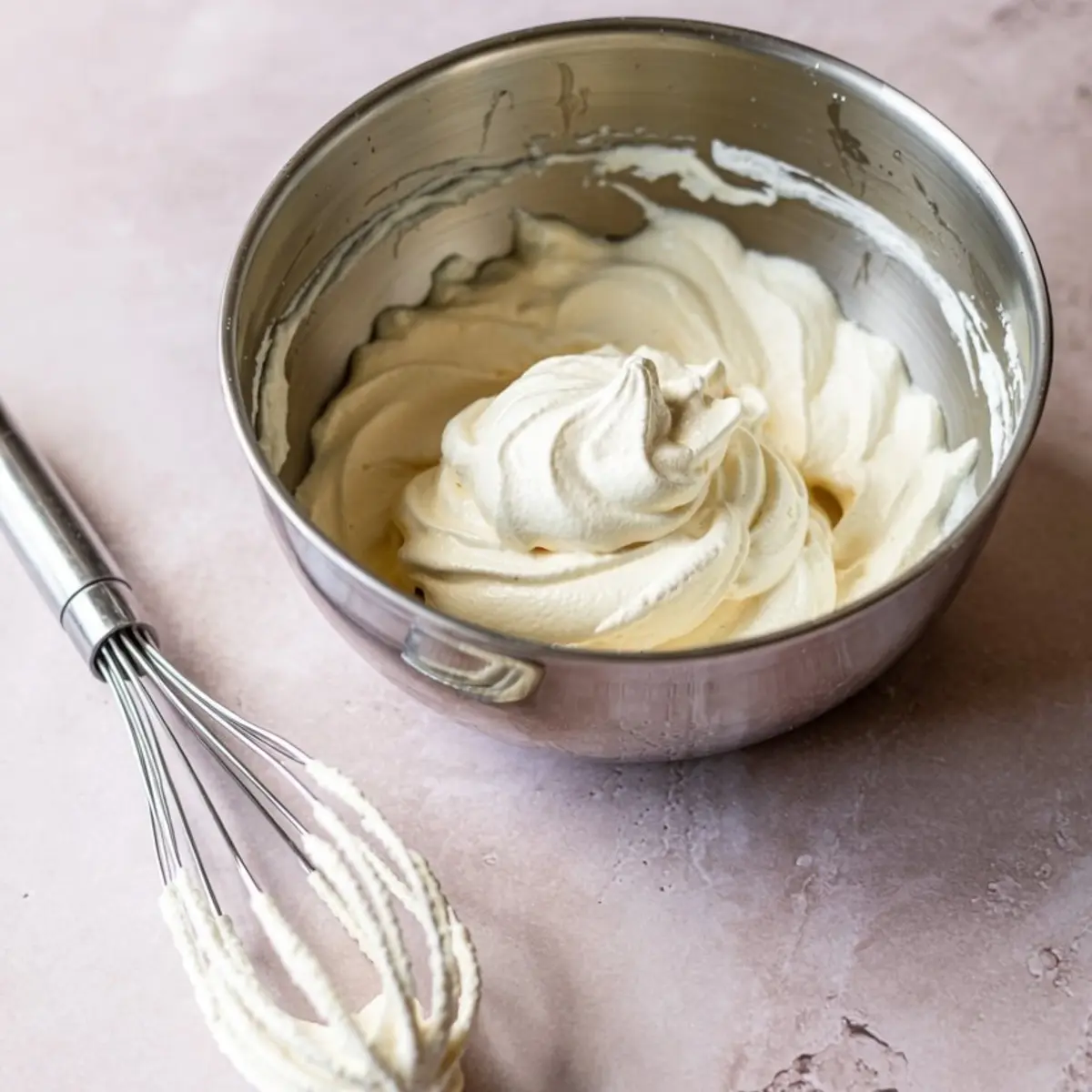
The texture holds without feeling dense. I like how it spreads between the layers without tearing the sponge. A few spoonfuls of lemon curd or fresh berries sit easily on top. If the cake shifts or the sides aren’t smooth, don’t worry. This frosting is forgiving. A swipe of the knife, a few flowers pressed gently to the top, and no one will notice a thing.

Chill your bowl and beaters first. Use cold cream. And stop mixing when it looks softly whipped, not stiff. It should feel like clouds just beginning to gather. Anything firmer and it starts to lose that gentle texture we want with sponge.
If you’ve never made whipped cream before, the vanilla cupcakes recipe walks through the steps slowly. It’s helpful for learning the feel of it.
A Comparison You Might Find Useful
Some ask whether oil or butter gives better flavor. I’ve used both. Butter adds richness, but oil keeps the crumb soft for longer. In this cake, where the vanilla and cream carry most of the flavor, I prefer oil. It keeps each slice from drying out by the second day. That makes it easier to bake ahead or refrigerate without worry.
In my handwritten notebook, I’ve marked this version with a star beside the oil. I trust it more when the cake will sit a while before serving.
Gentle Advice for New Bakers
If your sponge doesn’t rise evenly, it’s usually the folding. If the edges brown faster, rotate your pans halfway through. If the cake cracks while cooling, spread cream over it and call it beautiful.
There’s no need for perfection here. The soft crumb, the scent of vanilla, and the gentle touch of flowers do more than enough.
If you want something quicker but still soft, try this vanilla mug cake. It brings the same comfort, just in a single spoonful.
Save This Vanilla Sponge Cake Recipe for Your Baking Notebook
I hope this cake becomes one you return to, like I have.
If you try it, let me know in the comments. And if you have questions, I’m always glad to help.
Save it to your board so you’ll have it close the next time you want something quiet and sweet.
Vanilla Sponge Cake Recipe

Vanilla sponge cake bakes up light, fluffy, and soft with a tender crumb that holds its shape. I use oil instead of butter for a vanilla sponge cake recipe with oil that stays moist longer and doesn’t dry out. It’s the kind of easy sponge cake recipe you can layer, frost, or serve simply with fruit. I’ve tried plenty of sponge cake recipes, but this basic sponge cake recipe always turns out. If you’re searching for a cake flour recipe that’s reliable and light, this is the one I reach for. Works great as a vanilla cake recipe or a base for filled cakes. Add it to your list of sponge cake recipe best picks or cake recipes easy homemade enough to make on a weeknight. It’s easy sponge cake that never fails.
Ingredients
- FOR THE SPONGE:
- 6 large eggs (room temperature)
- 1 cup (200g) granulated sugar
- 1 cup (120g) cake flour, sifted
- 1/2 teaspoon baking powder
- 1/4 teaspoon salt
- 1/4 cup (60ml) whole milk
- 1/4 cup (60g) unsalted butter
- 1 1/2 teaspoons vanilla extract
- FOR THE CREAM FILLING:
- 2 cups (480ml) heavy whipping cream
- 3 tablespoons powdered sugar
- 1 teaspoon vanilla extract
- DECORATION:
- Edible flowers (pansies, violas, chamomile, etc.)
- Optional: fresh berries, thin fruit slices, or lemon curd between layers
Instructions
- PREHEAT THE OVEN: Set your oven to 350°F (175°C). Grease and line three 8-inch round cake pans with parchment paper. If you only have two pans, plan to bake in batches without letting the batter rest too long once mixed.
- BEAT THE EGGS AND SUGAR: Crack the eggs into a large mixing bowl and add the sugar. Using a stand or hand mixer, beat on high speed for 7 to 10 minutes. The mixture should become pale, thick, and triple in volume. You should be able to lift the beaters and draw a ribbon with the batter that holds briefly before sinking.
- PREPARE THE MILK MIXTURE: While the eggs are mixing, combine the milk and butter in a small saucepan and heat gently until the butter is just melted. Remove from heat, stir in the vanilla extract, and set aside to cool slightly.
- SIFT THE DRY INGREDIENTS: In a separate bowl, sift together the cake flour, baking powder, and salt. Sift twice for a finer texture, if desired.
- FOLD IN THE DRY INGREDIENTS: Add the sifted flour mixture to the egg mixture in three parts. Use a spatula or balloon whisk to fold gently after each addition, being careful not to deflate the batter.
- TEMPER THE MILK MIXTURE: Take a scoop of the batter and mix it into the warm milk-butter mixture to temper it. Then pour this back into the main batter and fold it in carefully until fully incorporated.
- DIVIDE AND BAKE: Divide the batter evenly between the prepared pans. Bake for 20 to 25 minutes or until the cakes are golden and spring back when lightly pressed. A toothpick inserted should come out clean.
- COOL THE CAKES: Allow the cakes to cool in their pans for 10 minutes, then turn them out onto a wire rack to cool completely before assembling.
- WHIP THE CREAM: In a large bowl, whip the heavy cream with powdered sugar and vanilla extract until soft peaks form. Stop mixing as soon as the cream holds shape but remains soft and smooth.
- ASSEMBLE THE CAKE: Place one cake layer on a serving plate and spread with whipped cream. Optionally, add a spoonful of lemon curd or a few berries. Repeat with the remaining layers. Finish with a layer of whipped cream on the top and sides.
- DECORATE: Press edible flowers gently onto the top and sides of the cake. Serve immediately or refrigerate for up to 4 hours before serving.
Notes
For best results, use room temperature eggs and avoid substituting lower-fat milk or margarine. If using only two cake pans, wash and re-grease before reusing for the final layer. Edible flowers should be food-safe and pesticide-free.
Nutrition Information:
Yield:
12Serving Size:
1Amount Per Serving: Calories: 216Total Fat: 10gSaturated Fat: 5gTrans Fat: 0gUnsaturated Fat: 4gCholesterol: 131mgSodium: 166mgCarbohydrates: 26gFiber: 1gSugar: 16gProtein: 6g
