
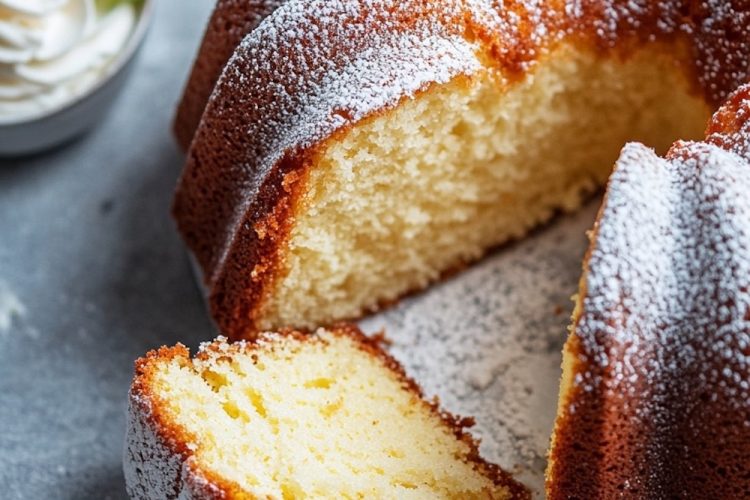
I’ve baked hundreds of cakes over the years, but this vanilla pound cake is the one I return to without hesitation. Readers tell me the same thing. They make it for family gatherings, bake it as holiday gifts, and keep coming back because it simply delivers every single time.
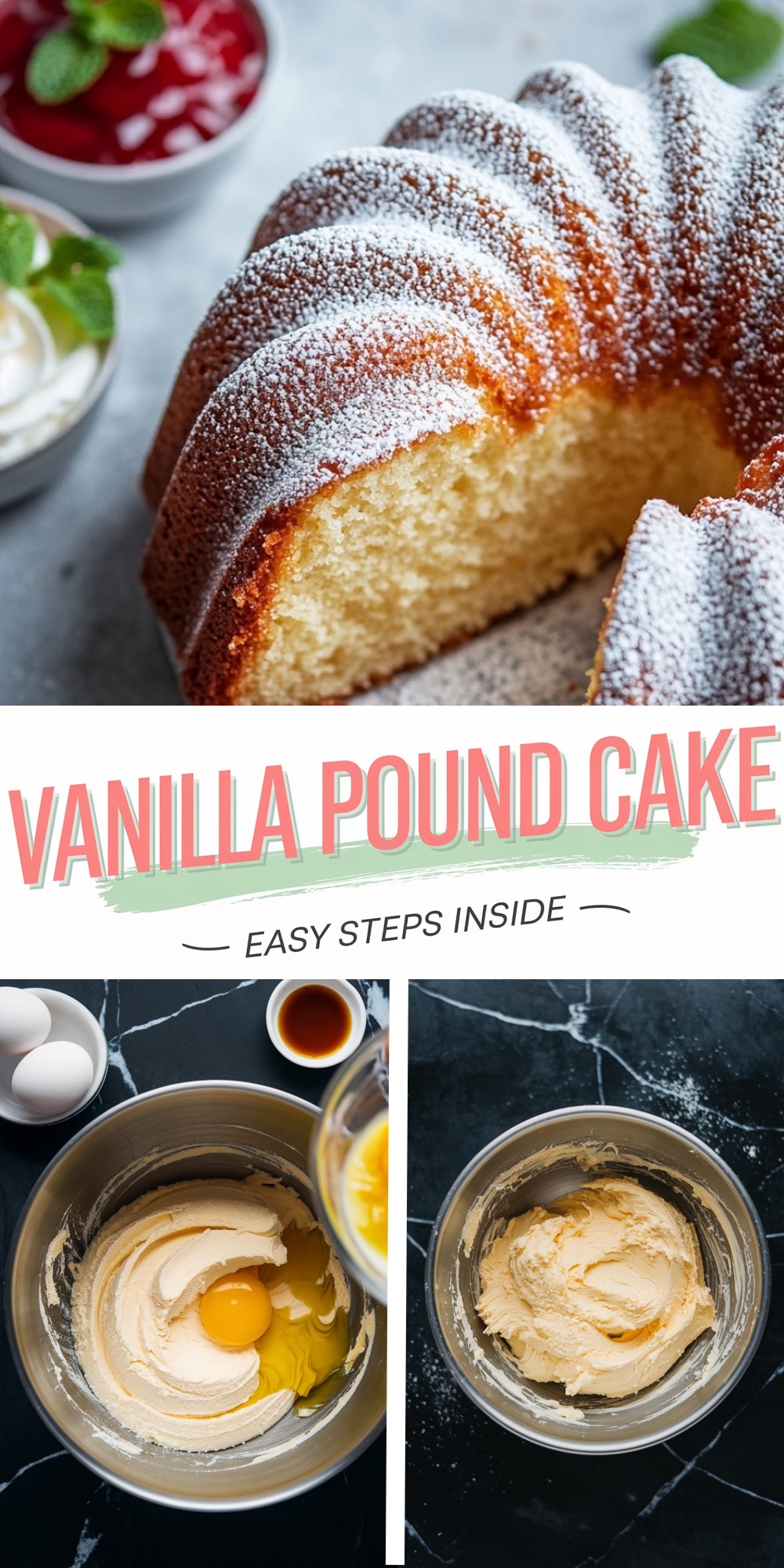
What makes it work? Pure simplicity executed perfectly. Butter, eggs, sugar, flour, and good vanilla combine to create a cake with a delicate golden crust and an impossibly tender crumb inside. It’s rich and buttery without being heavy, moist without being dense, and the vanilla flavor shines through in a way that needs no frosting or fuss.
As reader Mariely M. put it:
Scroll down to see how readers like Alissa and AJ have made it their own, including one genius vanilla soak variation.
Readers Made This
From AJ:
This was a delicious pound cake with a perfect crumb. Ate two slices in a row.
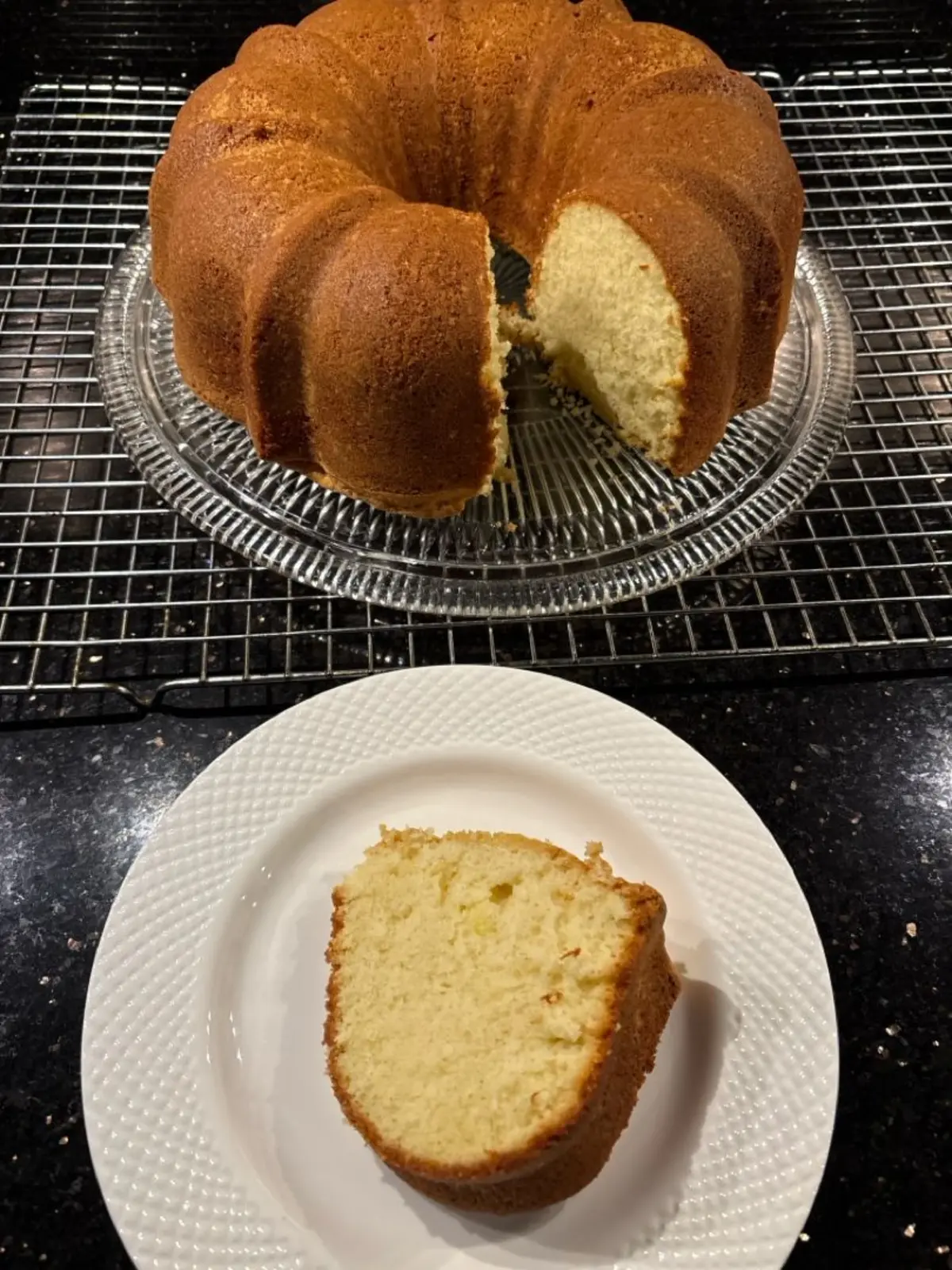
From Alissa:
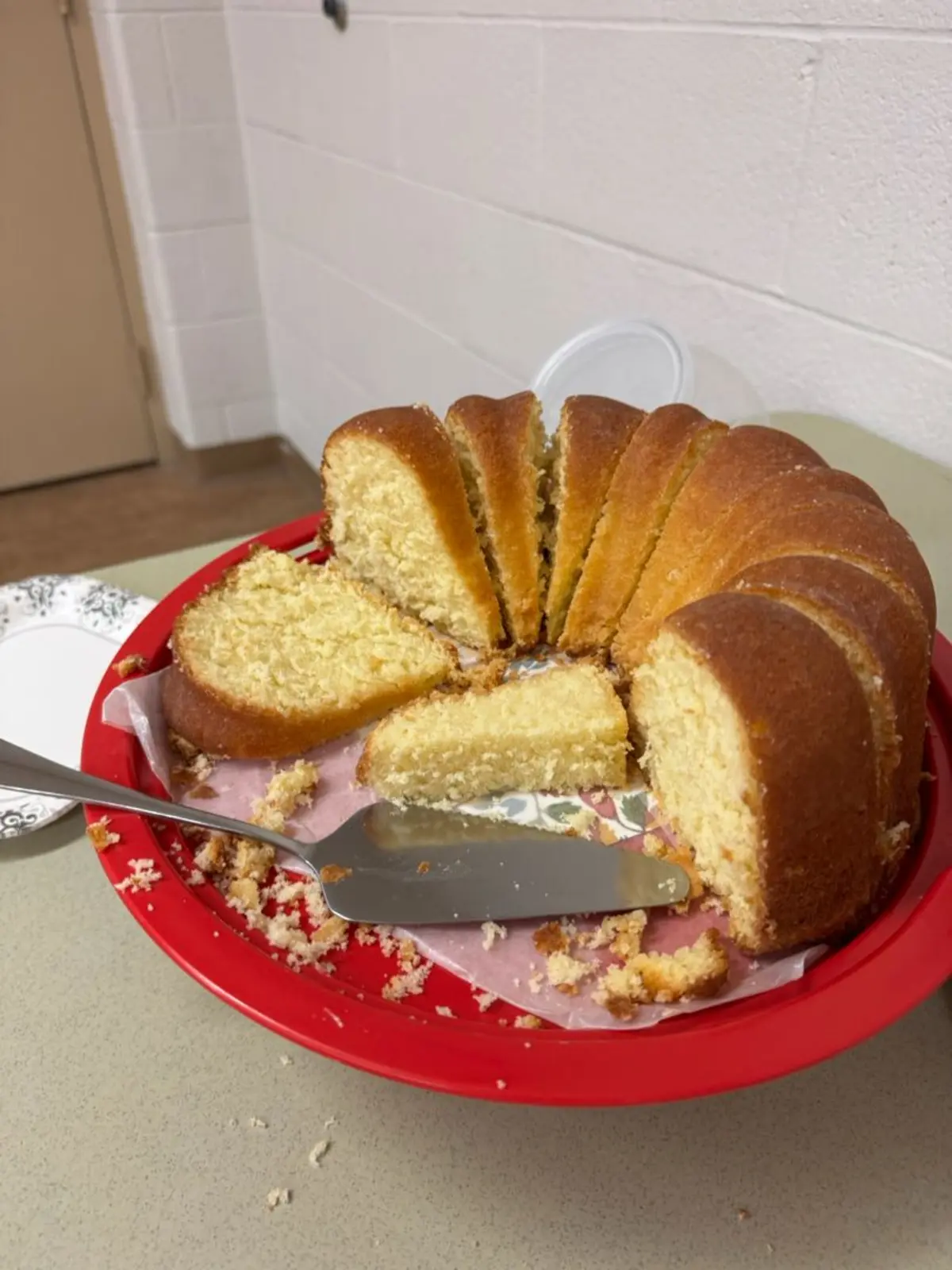
I served this at a meeting last night and I saw 4 people get up for a second slice! Was soooo good! I did a vanilla soak on top just to add a little extra – not that it needed it!
Why This Recipe Works
This isn’t your traditional “pound of each ingredient” pound cake. I’ve spent years refining the ratios to get the perfect balance of richness and tenderness.
Room temperature ingredients are non-negotiable. Cold eggs and milk won’t blend properly with the butter, resulting in a dense, uneven texture. Let everything sit out for 30-60 minutes before starting.
Proper creaming creates the cake’s signature texture. When you beat butter and sugar for a full 3-5 minutes, you’re creating thousands of tiny air pockets. These expand in the oven, giving you that tender crumb.
The alternating method prevents overmixing. By adding flour and milk in stages, you minimize gluten development. Always start and end with flour for the best texture.
Real vanilla extract is worth the investment. Imitation vanilla has a harsh, artificial aftertaste that lingers. Use pure extract for depth and warmth.
The Ingredients: Building Blocks of Perfection
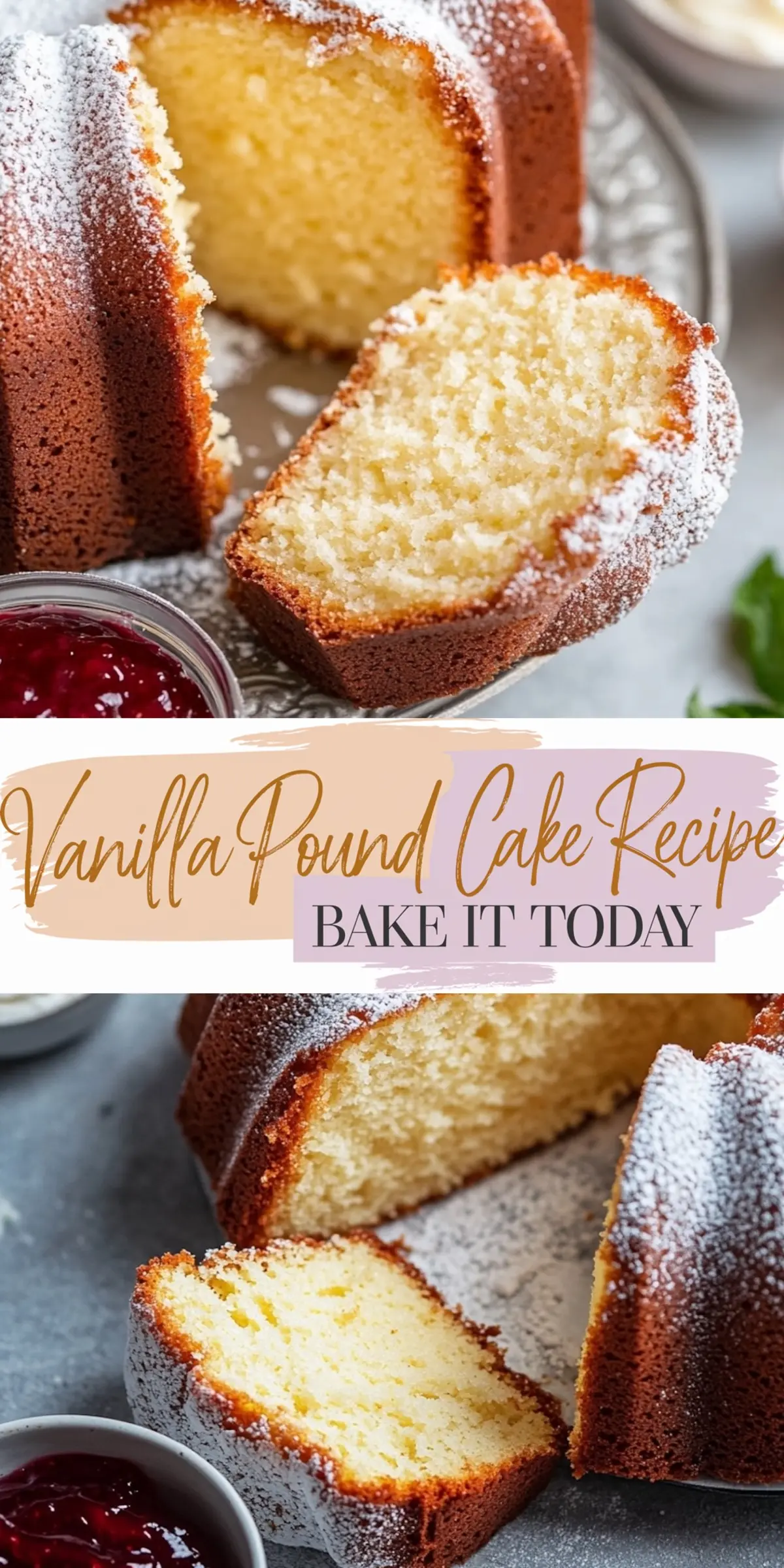
To craft a vanilla pound cake, you need quality ingredients. Start with all-purpose flour, the foundation for the cake’s structure. Baking powder provides the lift, while a touch of salt balances the sweetness.
Then comes the butter softened to perfection because its role is critical in lending the cake its tender crumb and rich flavor.
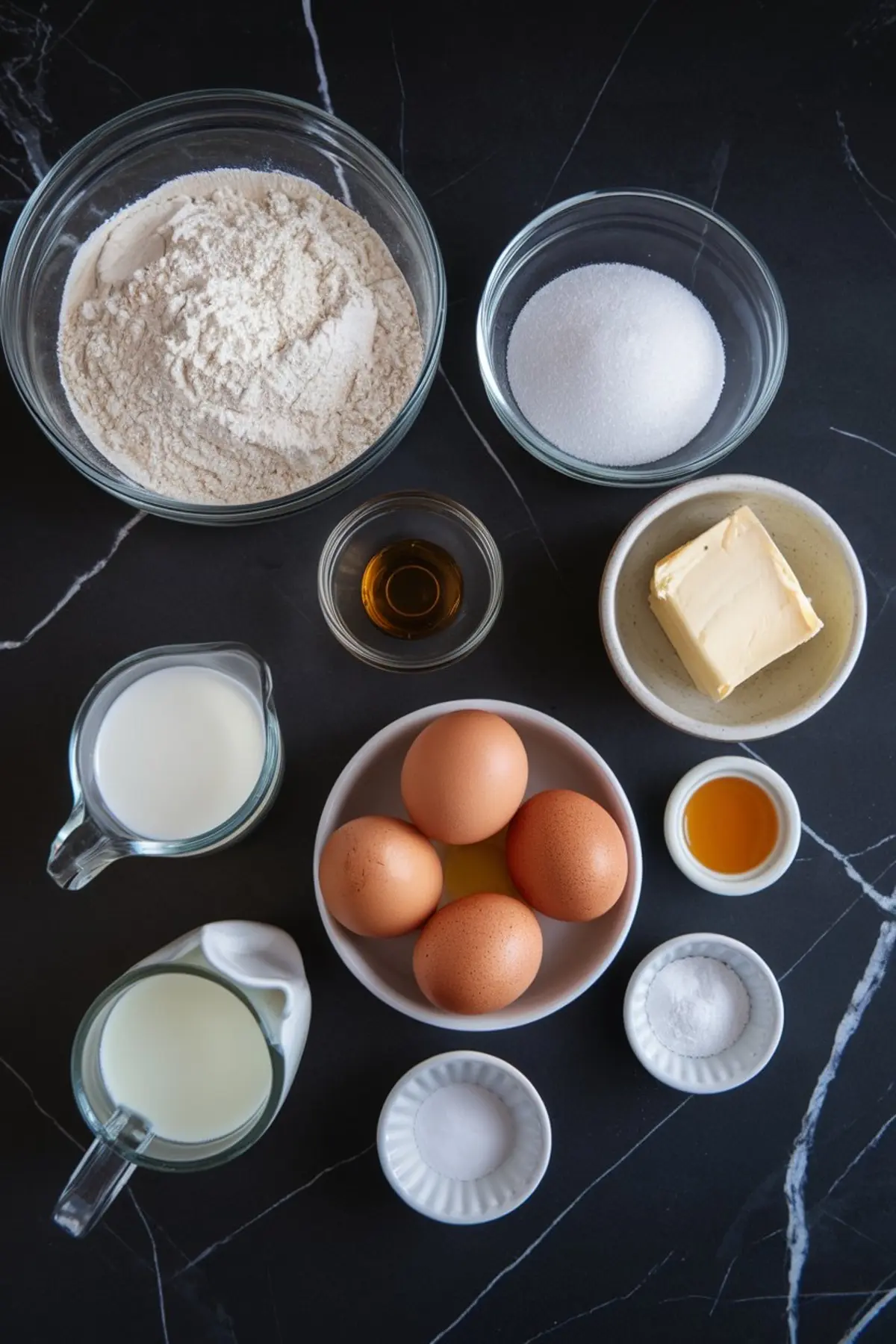
Granulated sugar is not just a sweetener; it’s the backbone of the cake’s moisture. Eggs are essential, not just for binding but for giving the cake its characteristic texture. Pure vanilla extract is non-negotiable.
It’s the soul of the cake, infusing every bite with warmth and depth. Finally, whole milk adds a touch of creaminess, ensuring the batter is silky and smooth.
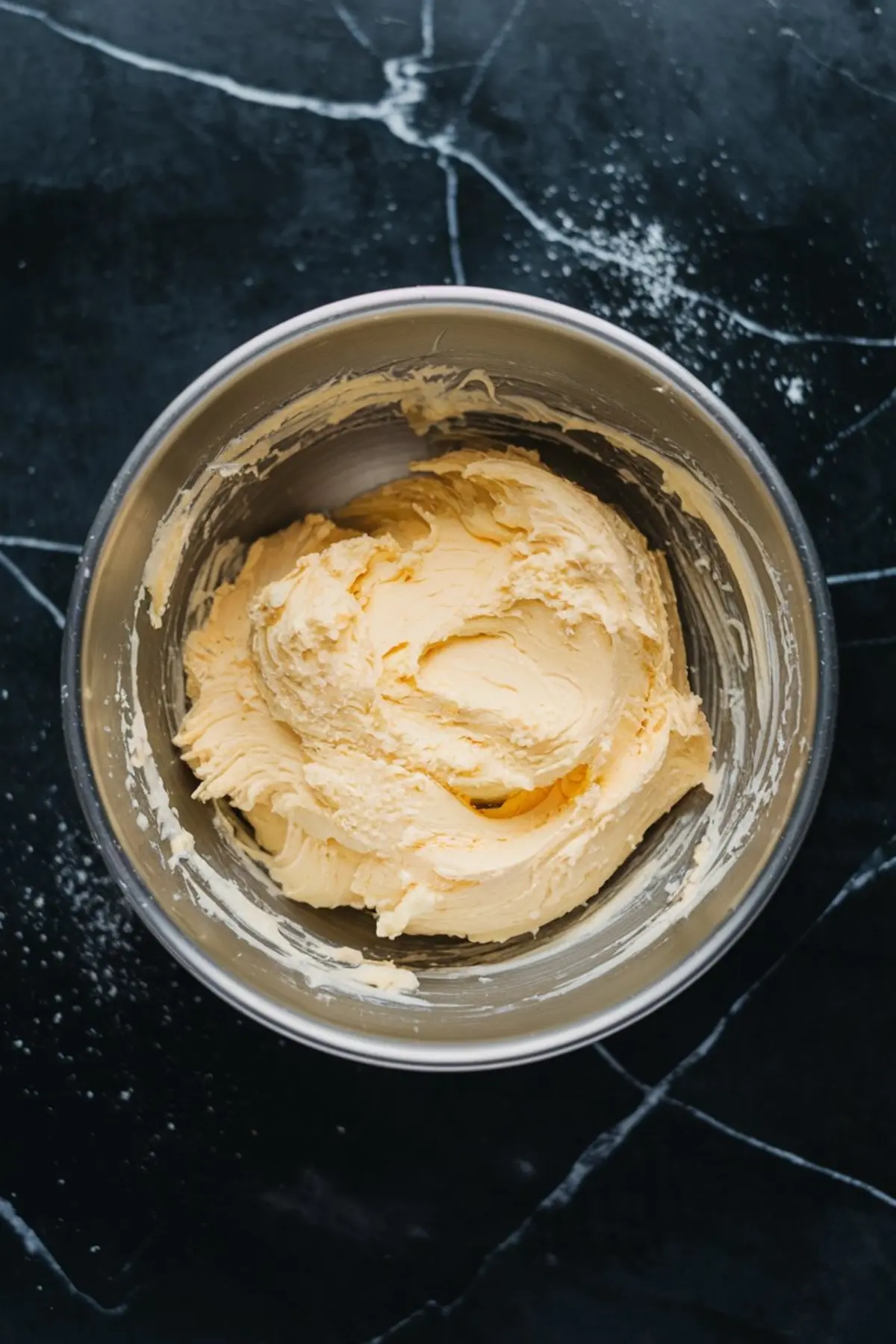
When you gather these ingredients, don’t rush. Choose fresh eggs, real vanilla, and butter that has time to soften. These small details make a world of difference.
You’ll know you’re there when the butter turns pale and fluffy, like a soft cloud.
Adding the eggs one by one teaches patience. Each addition enriches the batter, and the vanilla brings it all together. Alternating the dry ingredients with milk requires a gentle hand.
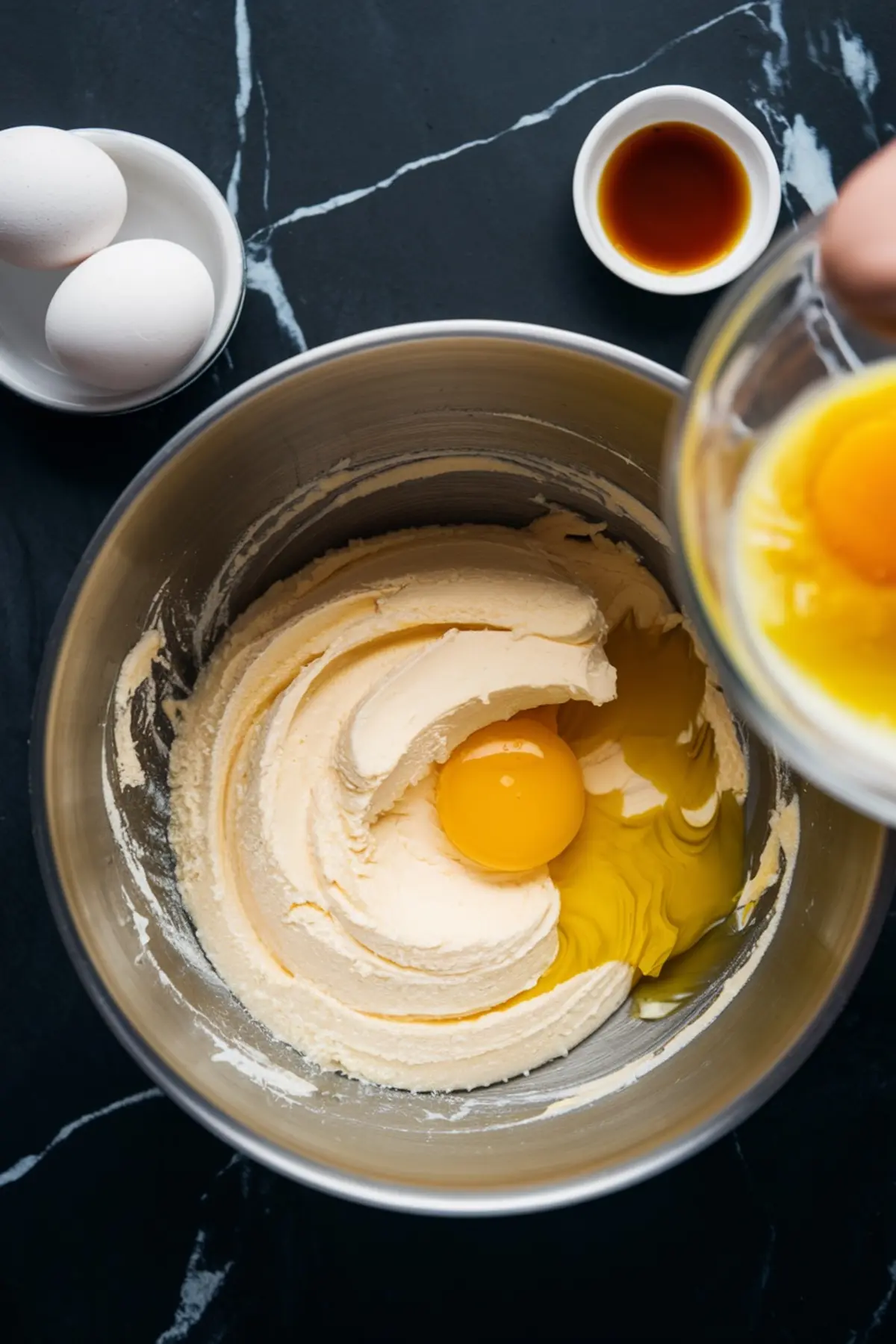
Overmixing is a common pitfall, so go slow. Let the batter stay velvety, not overworked.
Pouring the batter into the pan feels ceremonial. Smooth it out gently, and then into the oven it goes. The baking time is just enough for you to tidy up and anticipate the aroma that will soon fill your kitchen.
When it’s done, let it cool, resist the urge to rush this part. A good cake is worth waiting for.
Baker’s Tips for Success
Pan preparation is everything. Pound cakes are notorious for sticking. I use soft butter to grease every groove of the Bundt pan, then dust thoroughly with flour. Don’t use cooking spray alone, it doesn’t provide enough coverage.
Know your oven. Baking times vary depending on your oven and altitude. Start checking at 70 minutes. The cake is done when a toothpick comes out clean and the top springs back when touched.
Don’t skip the cooling time. If you try to remove the cake too soon, it will break. Wait the full 15 minutes, then invert confidently in one smooth motion.
Avoid overmixing. Once you add flour, mix only until the streaks disappear. Overmixing develops gluten, which makes the cake tough and chewy instead of tender.
Variations to Try
- Almond pound cake: Replace 1 tsp vanilla with almond extract
- Lemon pound cake: Add 2 tbsp lemon zest and 1 tbsp lemon juice
- Marble pound cake: Swirl in ¼ cup cocoa powder mixed with 2 tbsp milk
- Berry swirl: Gently fold in 1 cup fresh or frozen berries (don’t overmix)
- Vanilla soak: Mix ¼ cup sugar with ¼ cup water and 1 tsp vanilla. Brush over warm cake.
Storage & Make-Ahead
Room temperature: Wrap tightly in plastic wrap or store in an airtight container for 3-4 days. The cake actually improves after a day as the flavors meld.
Freezer: Wrap individual slices in plastic wrap, then place in a freezer bag. Freeze up to 3 months. Thaw at room temperature for 30 minutes or warm briefly in a 300°F oven.
Make-ahead tip: Bake the cake the day before serving. The texture is even better on day two.
How to Serve Vanilla Pound Cake
This cake is versatile enough for any occasion:
- Classic: Dust with powdered sugar and serve with coffee
- Elegant: Top with fresh berries and whipped cream
- Decadent: Serve warm with vanilla ice cream and caramel sauce
- Breakfast: Toast slices and spread with butter or jam
- Showstopper: Layer in a trifle with custard and fruit
Troubleshooting
Why is my cake dense?
Usually from overmixing the batter or using cold ingredients. Cream the butter and sugar thoroughly, and make sure eggs and milk are room temperature.
Why did my cake stick?
Insufficient greasing. Use soft butter (not cooking spray) and dust every crevice with flour.
Why did the top crack?
This is normal for pound cakes. The crack usually happens because the outside sets before the inside finishes rising. It doesn’t affect taste or texture.
Can I use cake flour instead?
You can, but the texture will be lighter and less dense. Pound cake is meant to have some heft.
Can I halve this recipe?
Yes, use a 9×5-inch loaf pan and reduce baking time to 50-60 minutes.
Final Thoughts
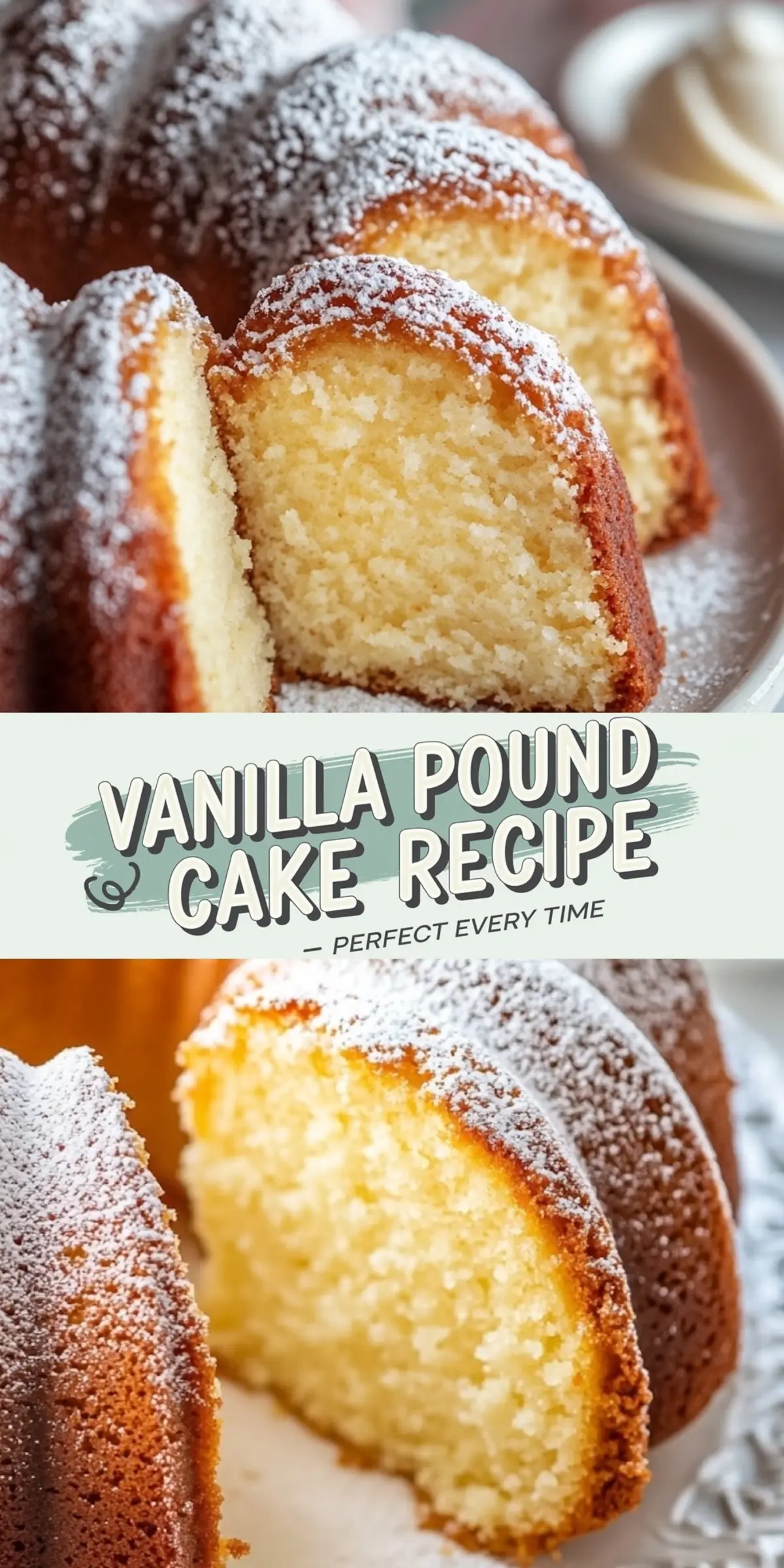
This vanilla pound cake proves that you don’t need complicated techniques or exotic ingredients to make something memorable. What you need is attention to detail: room temperature ingredients, proper creaming, gentle mixing, and patience while it bakes.
The result is a cake with a golden crust that gives way to a tender, buttery crumb. It’s the kind of cake that makes people ask for seconds, that tastes even better the next day, and that you’ll find yourself making again and again.
Vanilla Pound Cake Recipe

This vanilla pound cake features a tender crumb and rich flavor. With simple ingredients and precise instructions, it's a classic recipe perfect for gatherings or everyday enjoyment.
Ingredients
- DRY INGREDIENTS
- 2 ½ cups (320g) all-purpose flour
- 1 tsp baking powder
- ½ tsp salt
- WET INGREDIENTS
- 1 cup (227g) unsalted butter, softened
- 2 ½ cups (500g) granulated sugar
- 5 large eggs, room temperature
- 1 tbsp pure vanilla extract
- 1 cup (240ml) whole milk, room temperature
Instructions
- PREHEAT THE OVEN AND PREPARE THE PAN: Preheat oven to 325°F (165°C). Grease a 10-inch Bundt pan generously with butter or nonstick spray, then dust with flour. Tap out excess flour, making sure to coat every groove and crevice.
- PREPARE THE DRY INGREDIENTS: In a medium bowl, sift together flour, baking powder, and salt. Set aside.
- CREAM THE BUTTER AND SUGAR: Using a stand mixer with paddle attachment or handheld mixer, beat softened butter and sugar on medium speed for 3-5 minutes. The mixture should look pale yellow and fluffy, almost like frosting. Don't rush this step.
- ADD THE EGGS AND VANILLA: Add eggs one at a time, beating well after each addition. Scrape down the bowl as needed. Mix in vanilla extract until combined.
- INCORPORATE DRY AND WET INGREDIENTS: Reduce mixer to low speed. Add dry ingredients in three parts, alternating with milk (dry, wet, dry, wet, dry). Mix until just combined. Don't overmix or the cake will be tough.
- TRANSFER TO PAN: Pour batter into prepared Bundt pan. Smooth the top with a spatula and tap the pan gently on the counter to release air bubbles.
- BAKE: Bake 70-80 minutes, until a toothpick inserted in the center comes out clean. Start checking at 70 minutes. The top should be golden brown and spring back when lightly touched.
- COOL AND RELEASE: Cool in pan for 15 minutes, then invert onto a wire rack to cool completely.
- FINISH AND SERVE: Dust with powdered sugar if desired. Slice and serve.
Notes
For best results, ensure all ingredients are at room temperature before starting.
Nutrition Information:
Yield:
12Serving Size:
1Amount Per Serving: Calories: 150Total Fat: 4gSaturated Fat: 2gTrans Fat: 0gUnsaturated Fat: 2gCholesterol: 82mgSodium: 185mgCarbohydrates: 22gFiber: 1gSugar: 2gProtein: 6g

Hi Malinda, I appreciate you pointing that out. The directions should be showing right below the ingredients, but it looks like something isn’t loading correctly. I’m fixing the issue now, and the full step‑by‑step instructions will be back up shortly. Thanks for your patience!
Also, at what temperature does the cake cook?
Here are the steps for you, Malinda:
PREHEAT THE OVEN AND PREPARE THE PAN: Preheat the oven to 325°F (165°C). Grease a 10-inch Bundt pan generously with butter or nonstick spray, and lightly flour it. Tap out any excess flour.
PREPARE THE DRY INGREDIENTS: In a medium bowl, sift together the all-purpose flour, baking powder, and salt. Set aside.
CREAM THE BUTTER AND SUGAR: Using a stand mixer fitted with the paddle attachment or a handheld mixer, beat the softened butter and granulated sugar on medium speed until light and fluffy, about 3-5 minutes.
ADD THE EGGS AND VANILLA: Add the eggs one at a time, mixing well after each addition. Scrape down the sides of the bowl as needed. Then, add the vanilla extract and mix until combined.
INCORPORATE DRY AND WET INGREDIENTS: Reduce the mixer speed to low. Add the dry ingredients in three parts, alternating with the milk. Begin and end with the dry ingredients. Mix until just combined, avoiding overmixing to prevent a dense cake.
TRANSFER TO PAN: Pour the batter evenly into the prepared Bundt pan. Smooth the top with a spatula.
BAKE: Bake in the preheated oven for 70-80 minutes, or until a toothpick inserted into the center comes out clean. Begin checking at the 70-minute mark to ensure the cake is not overbaked.
COOL AND RELEASE: Let the cake cool in the pan for 10-15 minutes. Then, invert it onto a wire rack and allow it to cool completely.
FINISH AND SERVE: Once fully cooled, dust the cake with powdered sugar or glaze if desired. Slice and serve alongside tea, coffee, or fresh berries.