
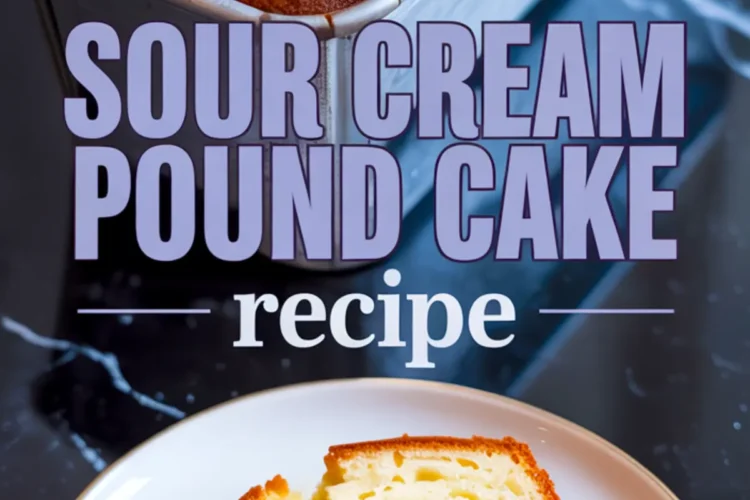
You’ll never think of pound cake the same after baking this. Most versions deliver sweetness and structure, but they miss the thing that keeps you coming back—texture that holds, a crumb that speaks, and a quiet tang that cuts through the butter.
This sour cream pound cake recipe does all three.
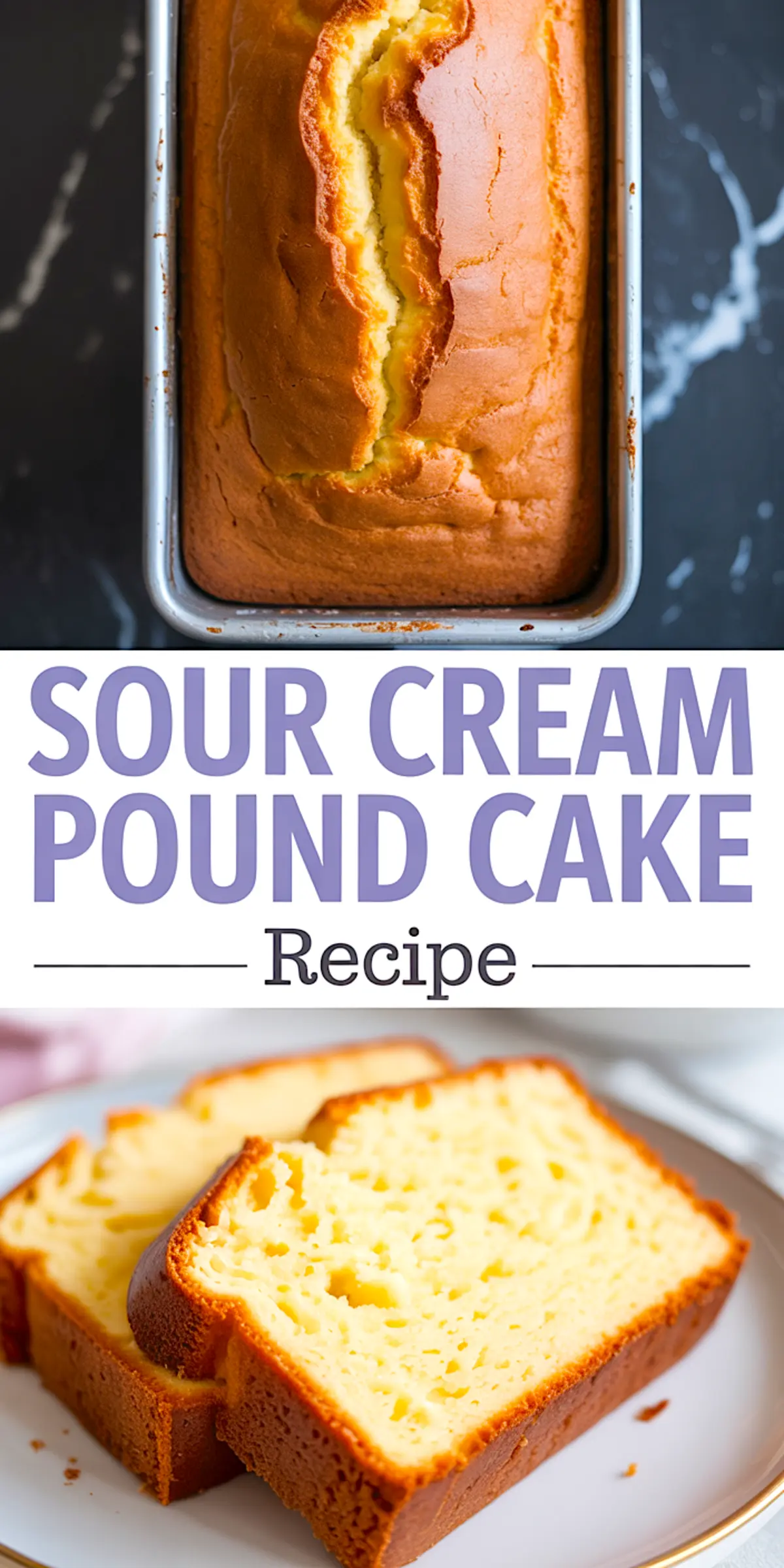
You’ll learn exactly how to get that golden crackled top, how long to cream the butter to get the softest crumb, and why full-fat sour cream changes everything.
There’s something unexpected that rounds this cake out—a small dash of something most people skip. I’ll explain that later, after the steps.
But first, let’s talk about what makes this recipe different from every other old fashioned pound cake or sour cream bundt cake you’ve ever baked.
Why This Pound Cake Works When Others Don’t
Most homemade pound cake recipes either lean too dry or collapse under their own weight. This one balances structure and softness without gimmicks.
I’ve tested it against versions with milk, yogurt, and even cream cheese. I always come back to sour cream. Its acidity works like a fine-toothed comb through the batter, smoothing the texture and keeping the crumb moist for days.
If you’ve ever tried the Cream Cheese Pound Cake I shared earlier, you’ll notice this one has a slightly airier lift. That’s due to the careful mix of baking powder and egg structure, not a leavening overload.
Every slice holds steady on a plate without crumbling or going rubbery—important for presentation, but even more for toasting leftover slices the next morning.
Ingredient Highlights: Don’t Skip the Sour Cream
This cake starts with unsalted butter and granulated sugar, creamed until pale and soft. That air you beat in? That’s your rise.
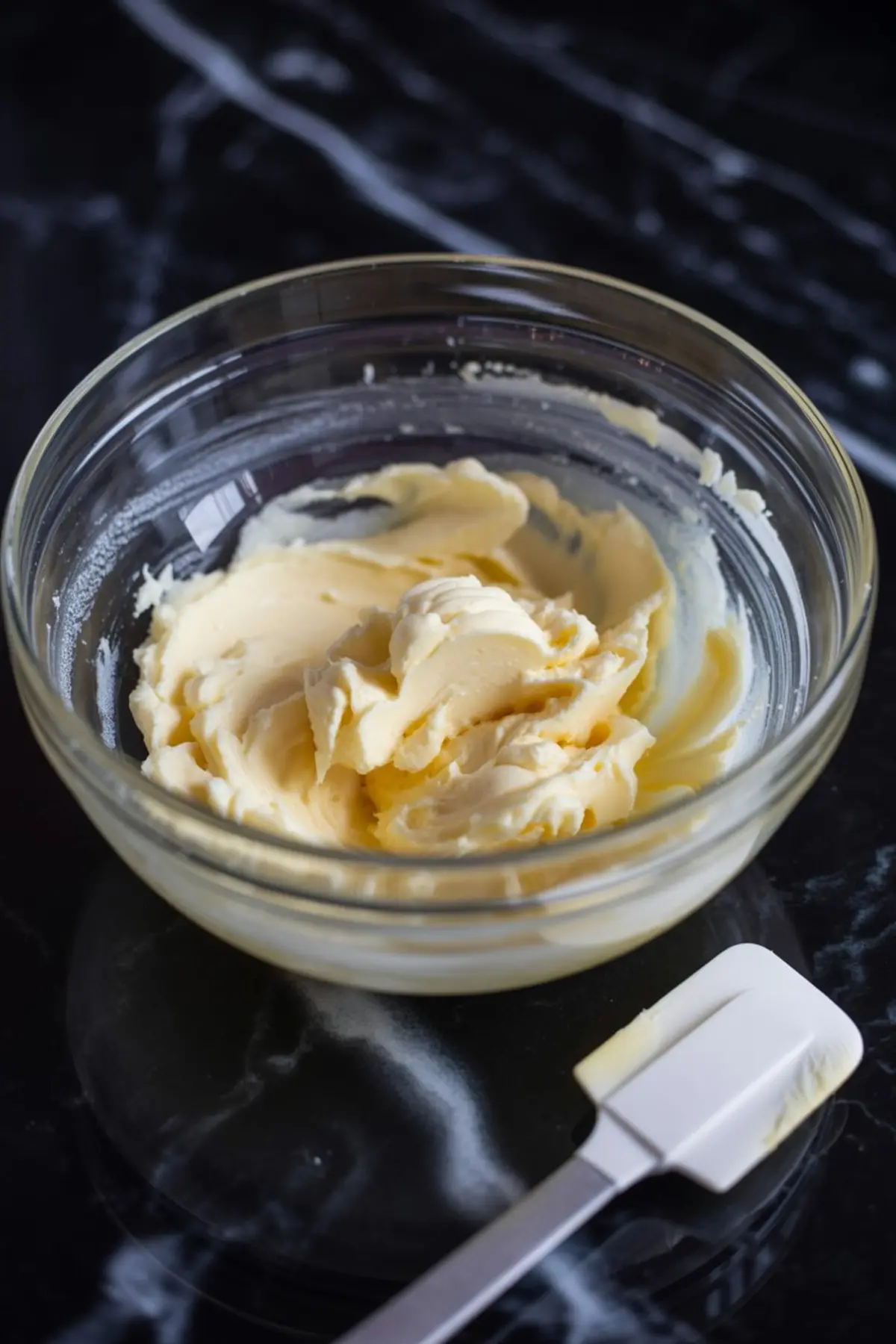
Use room-temperature eggs to avoid shocking the batter. Cold eggs cause curdling, and curdled batter loses volume.
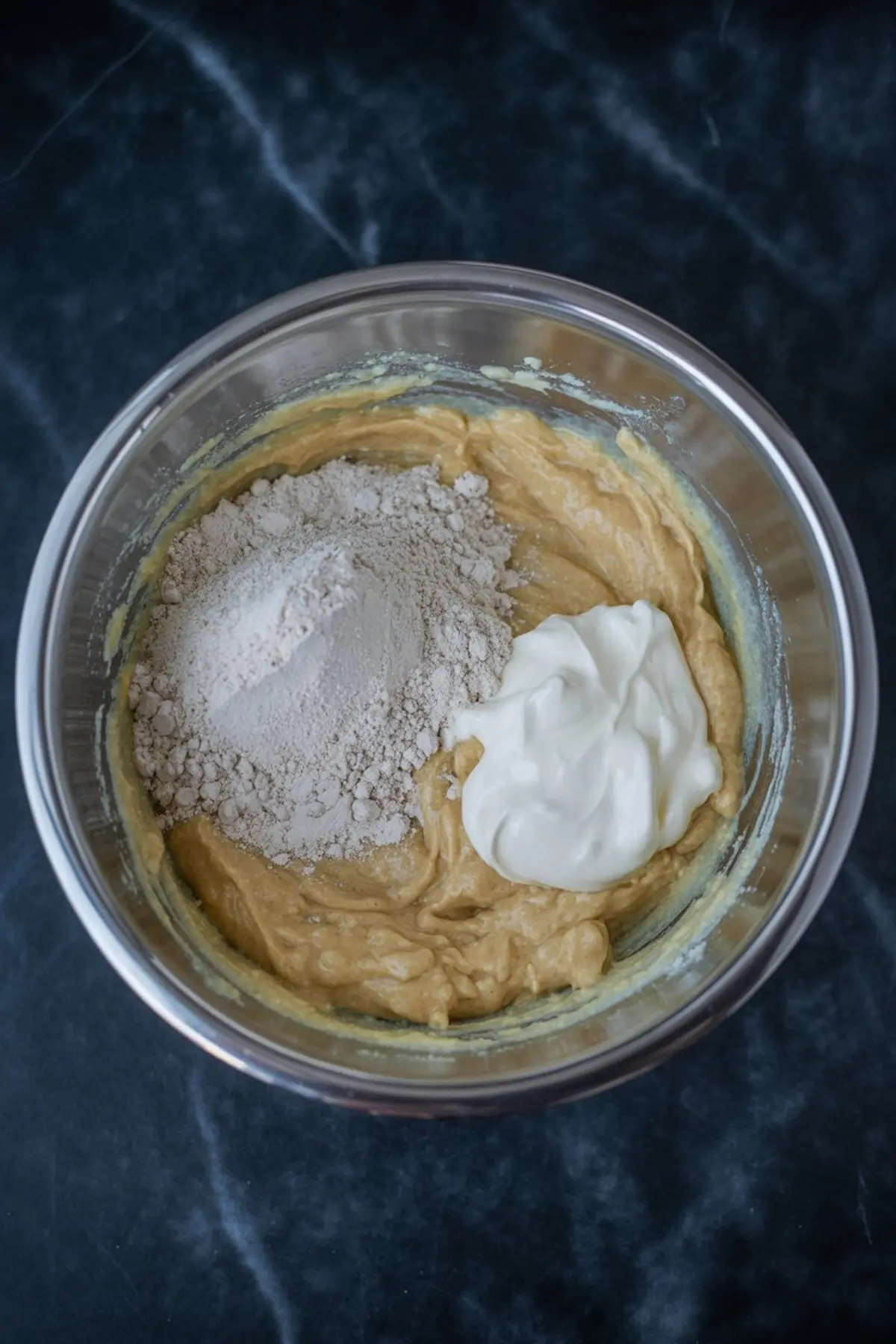
The dry mix—just flour, baking powder, and salt—needs no frills. What makes the batter shine is the full-fat sour cream. Don’t swap in Greek yogurt or light sour cream. In my tests, those left the crumb dry or too tight, even in humid weather.
In my Vanilla Pound Cake, I use whole milk and a touch more extract for an old-school feel. But for this Southern pound cake variation, I want that subtle tang and plush texture only sour cream can give.
My Golden Spoon stirs in the final vanilla by hand. It’s an old habit from my Aunt Marian, and one I trust. That gentle finish prevents overmixing right at the end.
How to Build That Crunchy Top Pound Cake Texture
Before anything, butter your pan generously. Use parchment along the bottom for insurance. The batter climbs and contracts during baking, and you want a clean release.
Once the batter is in, drop the pan firmly on the counter a few times. This removes hidden air pockets that cause uneven rise.
Place the pan low in the oven, and don’t open the door early. This cake needs consistent, gentle heat. Mine usually bakes for 65 minutes, but always test around the 60-minute mark with a toothpick. If it comes out clean with a few moist crumbs, you’re there.
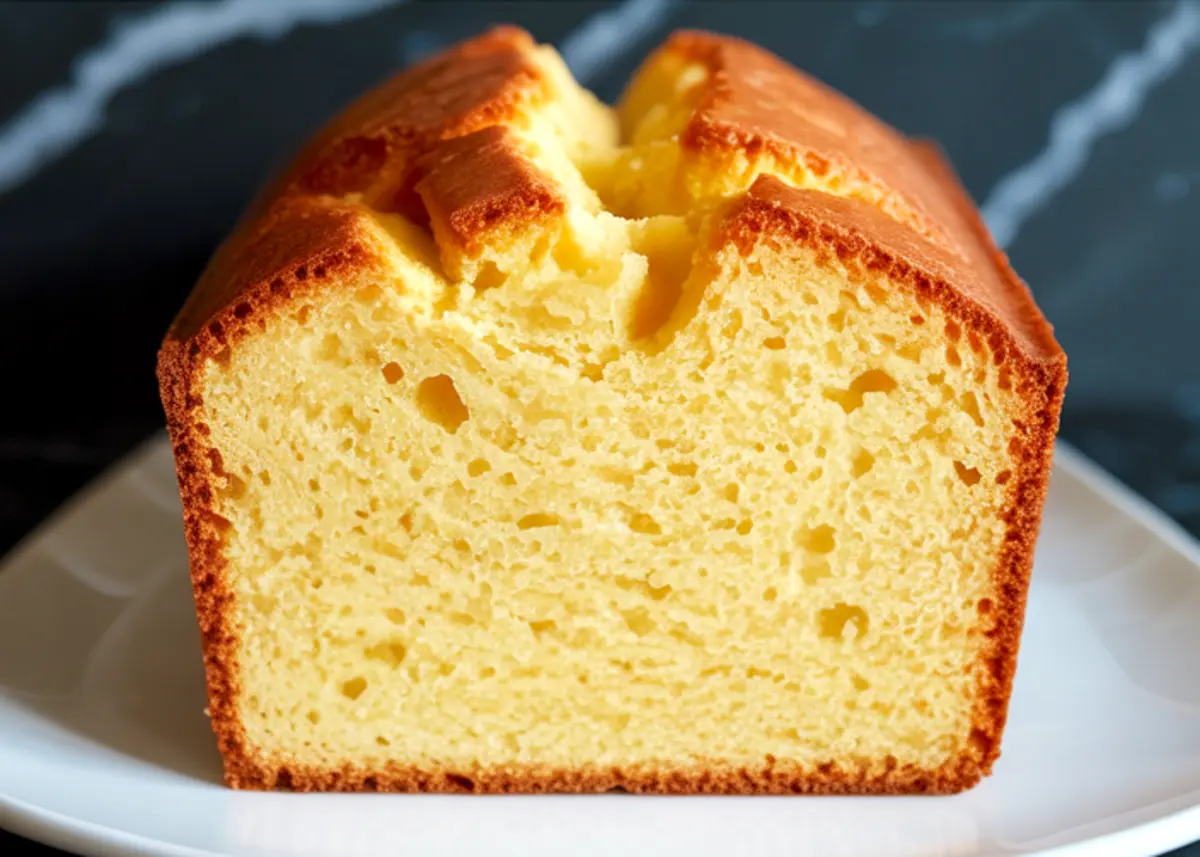
The top should crack—that’s your sign the interior rose steadily. That golden crust? That’s your reward for patience.
I’ve also made a variation of this with matcha, like in my Matcha Pound Cake with Velvety Matcha Glaze. The structure holds up just as beautifully. But here, we’re letting sour cream and vanilla do the talking.
A Quick Note on Butter Choices
Here’s a detail I wrote in my Pin Notebook and revisit every time: I’ve tested this with both European-style butter and regular unsalted sticks.
European butter adds a deeper richness, but it can overpower the sour cream’s effect. If you want a fluffier crumb and balanced tang, stick with standard American unsalted butter for this cake.
That contrast between deep golden crust and tender interior makes all the difference.
My Cat Whiskers and the Slice That Went Missing
The first time I baked this version, I left it to cool on the rack while I cleaned up. Whiskers hopped up—quiet as always—and helped himself to a corner slice. I didn’t notice until I went to slice it later. The little paw prints led me straight to the culprit.
Since then, I’ve kept it covered. But I’ll admit, I cut the rest of that cake and brought it to my neighbor anyway. She still talks about it.
Something about this cake invites sharing, even when a cat steals the first bite.
The Final Touch: A Dash of Salt That Does the Heavy Lifting
Here’s the detail most people overlook: the full half teaspoon of kosher salt.
That might sound like too much, but with this quantity of butter and sugar, it’s what keeps the flavor honest. It sharpens the vanilla, tames the richness, and amplifies the sour cream’s tang.
Without it, the cake veers bland. With it, every bite lands.
You don’t taste saltiness. You taste balance. That’s the real secret.
Pound Cake That Stays Soft for Days
Once baked and cooled, this cake holds up beautifully at room temperature. I’ve sliced it two days later and served it with berries and softly whipped cream, and the texture held like it was fresh.
You can even toast slices for breakfast, like I do with my Chocolate Pound Cake with Chocolate Glaze—only this time, add a smear of butter and a sprinkle of sea salt on top.
It travels well, stores cleanly, and never dries out in the center. That’s what I want from a Sourcream Poundcake recipe: consistency, simplicity, and softness you can count on.
Save and Share: Let’s Make This a New Classic

If you love old-fashioned pound cake but want something softer and easier to bake, this sour cream version deserves a spot on your board. Pin it now so you don’t lose track.
And if you bake it, let me know in the comments how it turned out. Did you go classic or add a twist? I always read through every note and love seeing what you create.
You can also try it side-by-side with my Cream Cheese Pound Cake or the Vanilla Pound Cake and see which texture you prefer.
Happy baking, and keep your Golden Spoon ready.
Sour Cream Pound Cake Recipe

A sour cream pound cake has a rich, dense crumb and a subtle tang that balances the buttery base. This version is simple and consistent, with a texture that stays soft for days. It’s excellent plain, lightly toasted, or served with fresh fruit and whipped cream.
Ingredients
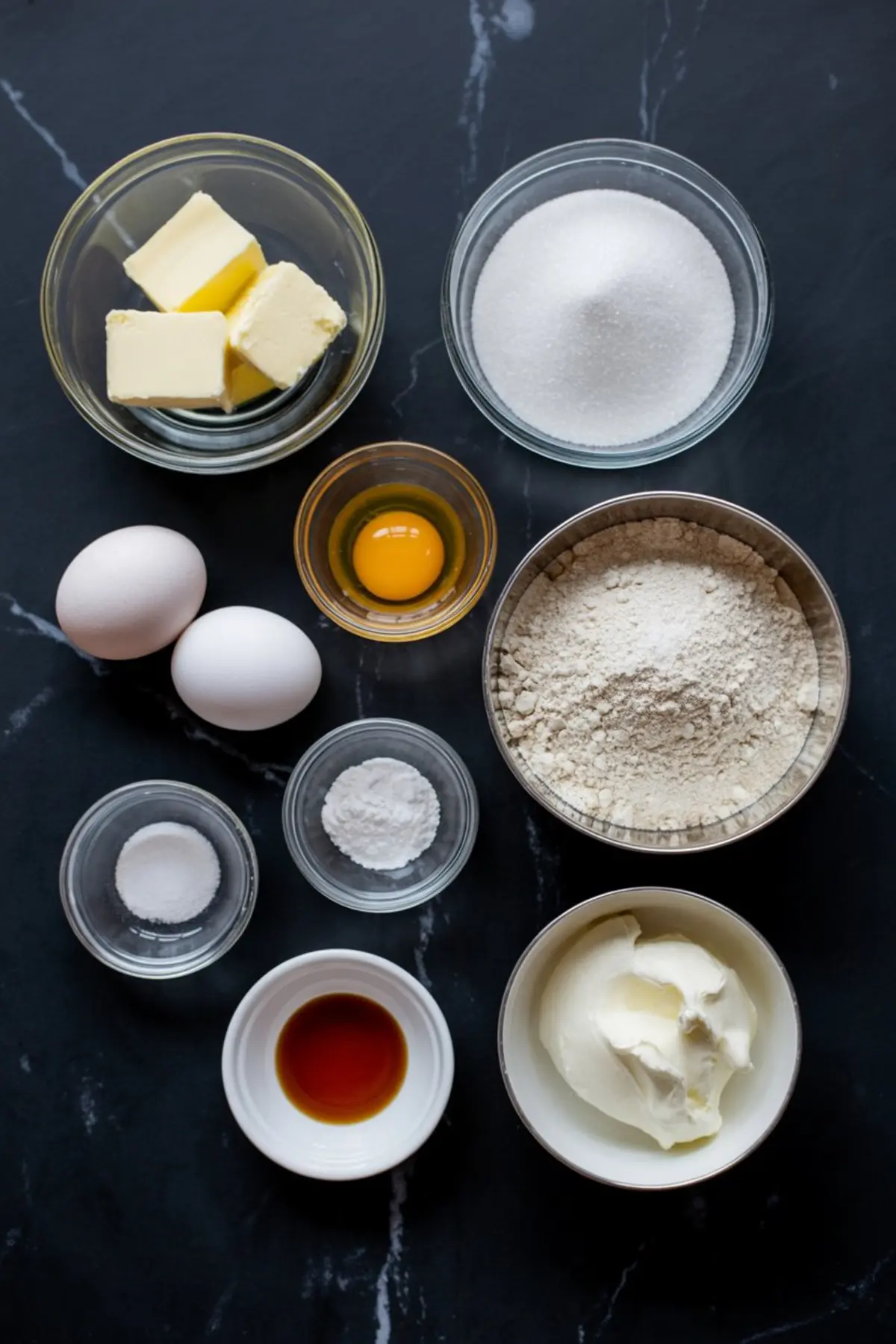
- unsalted butter, softened – 1 cup (226 grams)
- granulated sugar – 1 ½ cups (300 grams)
- large eggs – 3
- all-purpose flour – 1 ½ cups (188 grams)
- baking powder – ½ teaspoon
- kosher salt – ½ teaspoon
- full-fat sour cream – ¾ cup (170 grams)
- vanilla extract – 1 teaspoon
Instructions
- PREHEAT AND PREPARE THE PAN: Preheat the oven to 325°F (163°C). Generously butter a 9x5-inch loaf pan and line the bottom with parchment paper for easier release.
- CREAM THE BUTTER AND SUGAR: In a large bowl or stand mixer fitted with the paddle attachment, cream the softened butter and granulated sugar on medium speed until pale, light, and fluffy, about 3 to 5 minutes. Scrape down the bowl as needed.
- ADD THE EGGS: Add the eggs one at a time, mixing well after each addition. Scrape the sides and bottom of the bowl to ensure the batter stays smooth and cohesive.
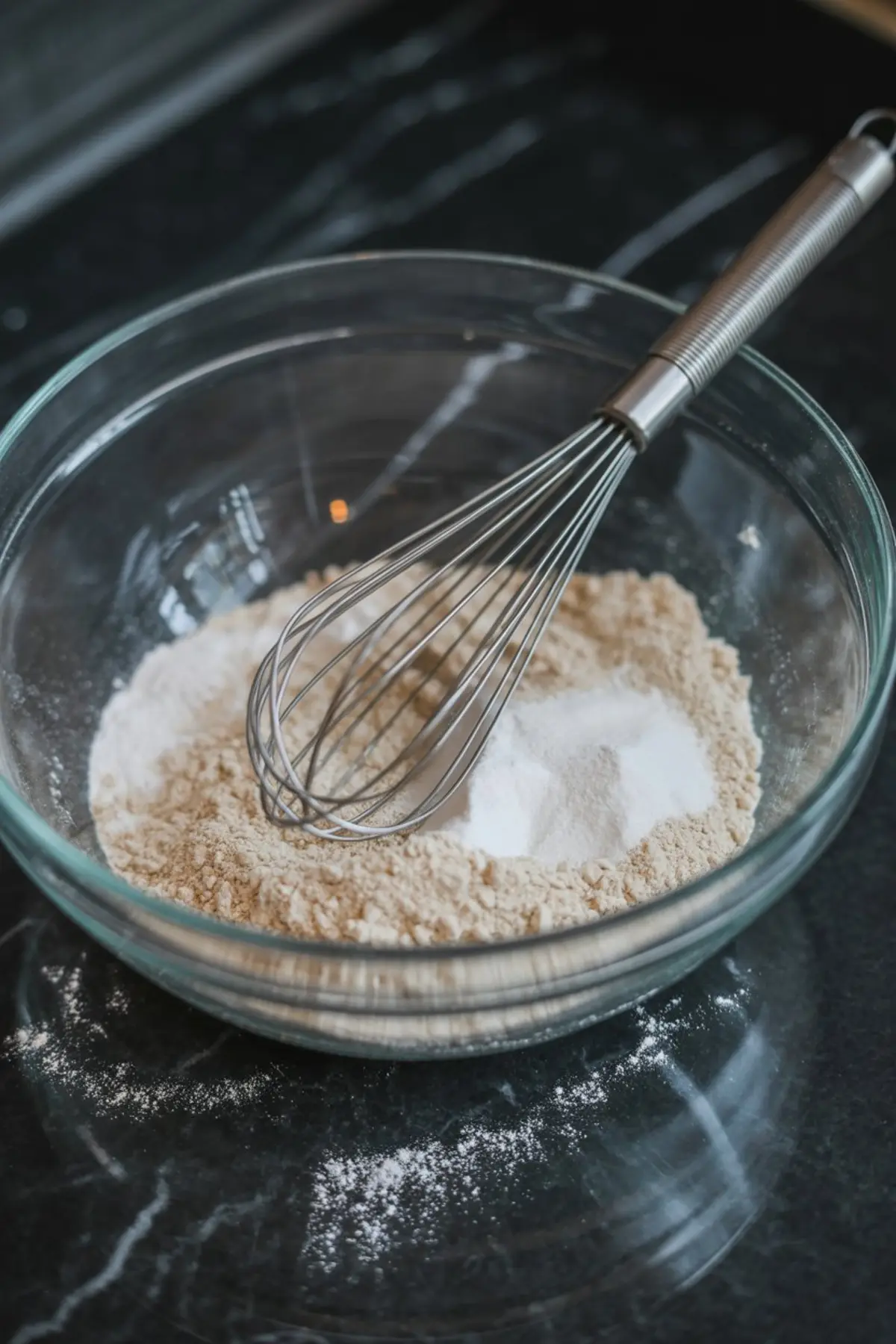
- MIX THE DRY INGREDIENTS: In a separate bowl, whisk together the flour, baking powder, and salt until well combined.
- COMBINE WET AND DRY INGREDIENTS: With the mixer on low, add the dry ingredients to the creamed mixture in three additions, alternating with the sour cream. Begin and end with the flour. Mix just until combined after each addition to avoid overmixing.
- ADD VANILLA: Stir in the vanilla extract by hand, mixing gently until fully incorporated.
- FILL THE PAN: Transfer the batter to the prepared loaf pan and smooth the top. Tap the pan firmly on the counter a few times to remove any large air bubbles.
- BAKE: Bake the cake for 60 to 70 minutes, or until the top is golden brown and a toothpick inserted in the center comes out clean. The top will likely crack—that’s normal and a good sign of proper rise.
- COOL: Let the cake cool in the pan for 10 minutes, then run a knife around the edges and carefully invert it onto a wire rack. Peel off the parchment and allow it to cool completely before slicing.
Notes
Ensure the butter is fully softened before creaming to help the batter aerate properly. Avoid using reduced-fat sour cream or substitutions for the best texture. Store the cooled cake in an airtight container at room temperature for up to 3 days, or refrigerate for longer storage.
Nutrition Information:
Yield:
10Serving Size:
1Amount Per Serving: Calories: 404Total Fat: 23gSaturated Fat: 14gTrans Fat: 0gUnsaturated Fat: 8gCholesterol: 115mgSodium: 117mgCarbohydrates: 45gFiber: 1gSugar: 31gProtein: 4g
