
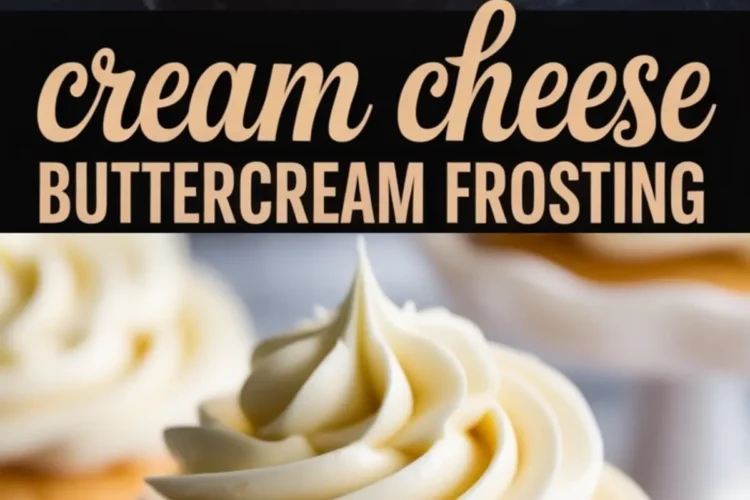
Some frosting recipes never quite live up to the promise.
They’re too sweet, or they melt in your piping bag, or they crust before you get a second swirl on the cupcake. This cream cheese buttercream frosting changes that. It gives you smooth, sweet structure without losing the tang you expect from a good homemade frosting.
It spreads like a dream but holds sharp edges. It pipes crisp rosettes that don’t collapse. And it tastes like an actual frosting, not just sugar.
In this post, you’ll learn exactly how to make a cream cheese buttercream for piping that doesn’t go soft on you. You’ll also get a simple mixing method that doesn’t require any extra bowls or chilling mid-way. If you’re tired of frosting that’s too sugary, too soft, or too stiff, you’ll like what this one does.
I use it for birthday cakes, cupcakes, sandwich cookies, and even as a surprise filling between cookie layers. And there’s one specific ingredient tweak in this recipe that makes it stand out. I’ll tell you what it is, right after the step-by-step.
But first, let’s get to the base.
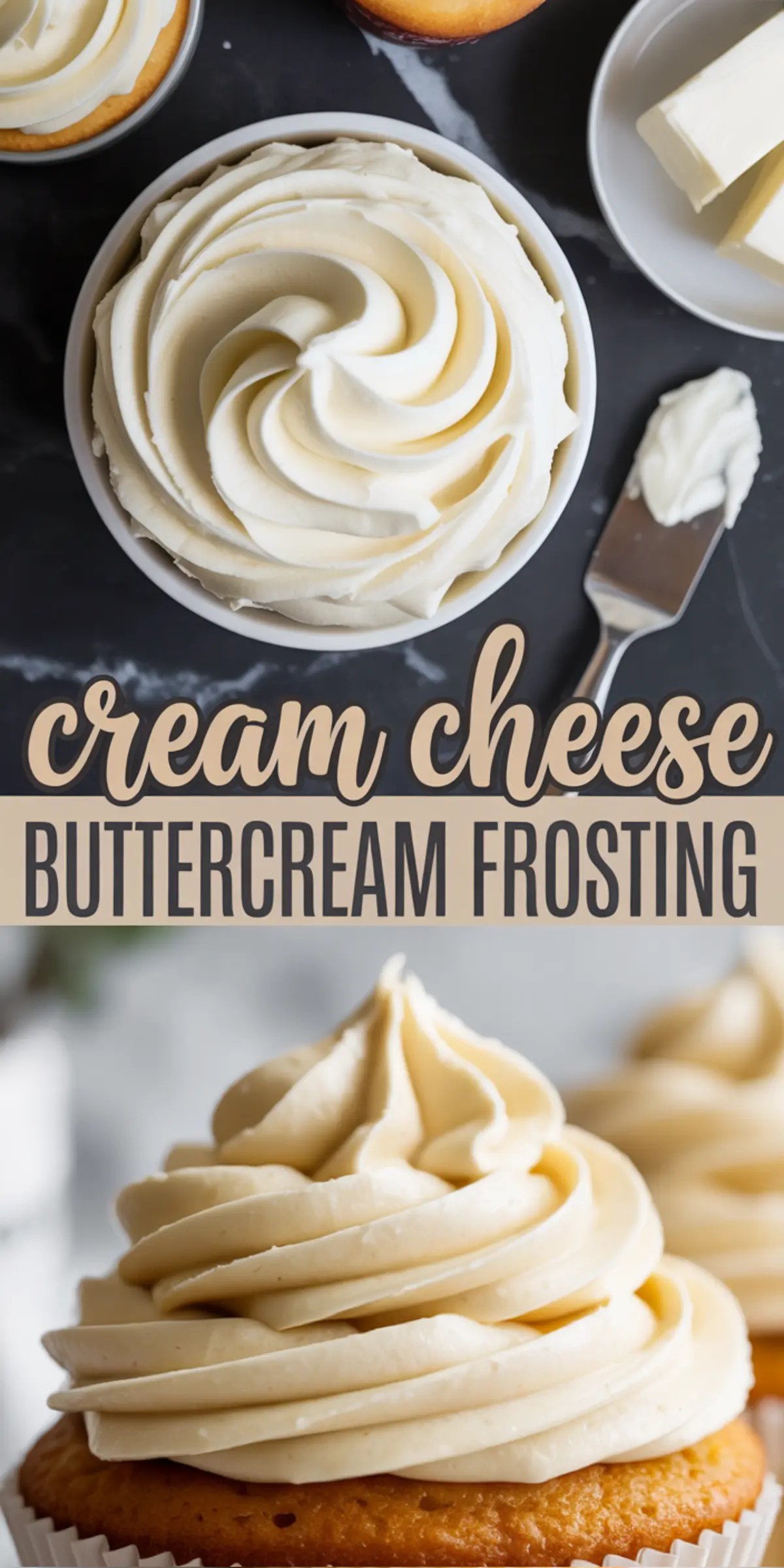
Ingredients for Easy Cream Cheese Buttercream Frosting That Works Every Time
Start with butter that’s truly softened — not melty, not firm, just soft enough that it dents when you press your finger gently. I’ve tried this with cold butter out of impatience, and the results never smooth out enough.
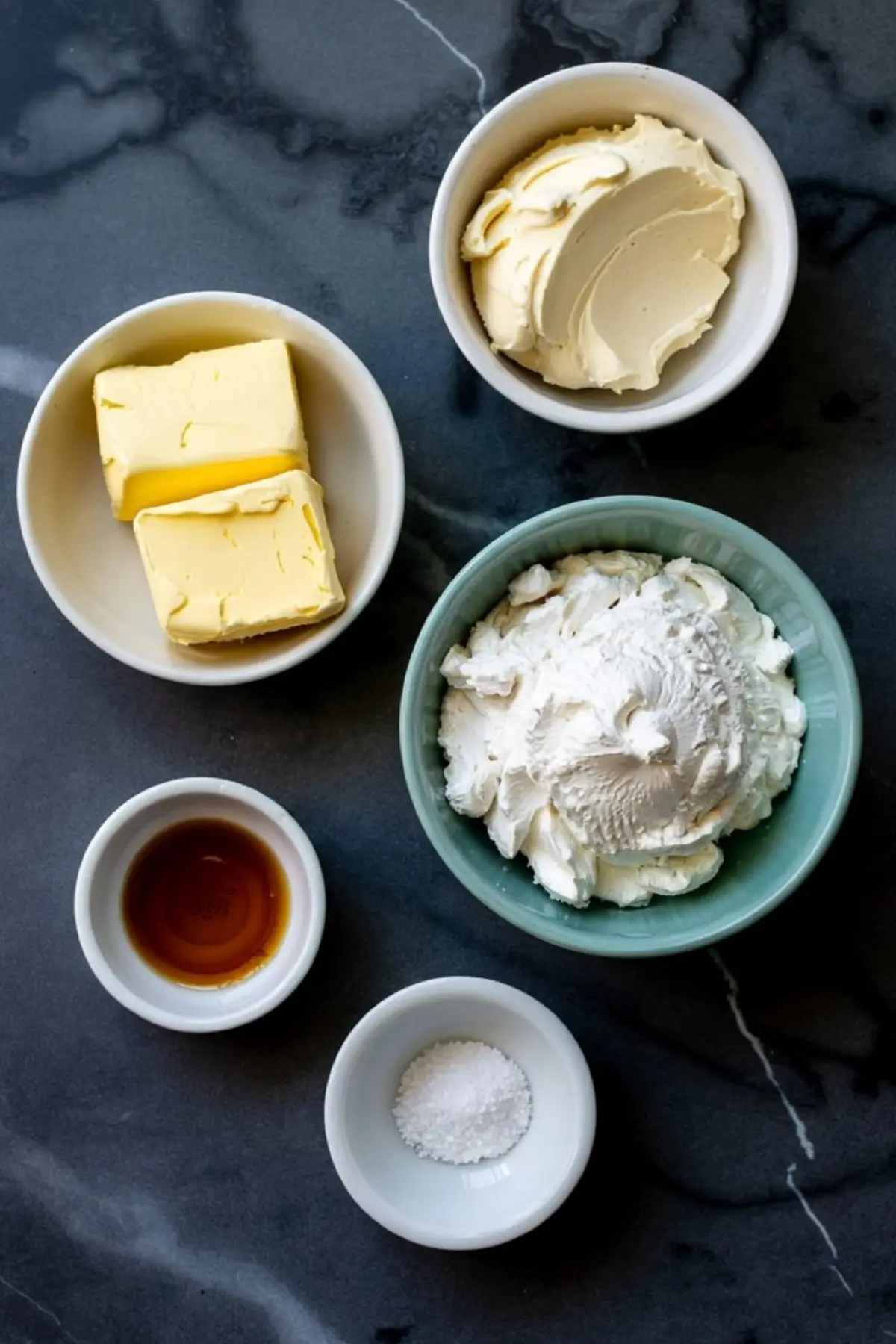
Add full-fat cream cheese. This is non-negotiable. Reduced fat brands tend to break down when beaten and give the frosting a soupy texture. Use block-style cream cheese, not the whipped tubs.
You’ll need powdered sugar, sifted. I know it’s tempting to skip sifting, but when you want the best cream cheese buttercream, texture matters. Those little clumps do show up on your spatula and ruin the finish on your cakes.
Vanilla and salt come next. A pinch of salt keeps this frosting from tasting flat. I usually taste before I finish mixing — sometimes I add a tiny bit more vanilla than the recipe calls for, depending on what I’m frosting.
You can find another version that skips the cream cheese altogether in this classic buttercream frosting recipe, if you’re in the mood for something fluffier.
How to Make Cream Cheese Buttercream That Pipes and Spreads Smoothly
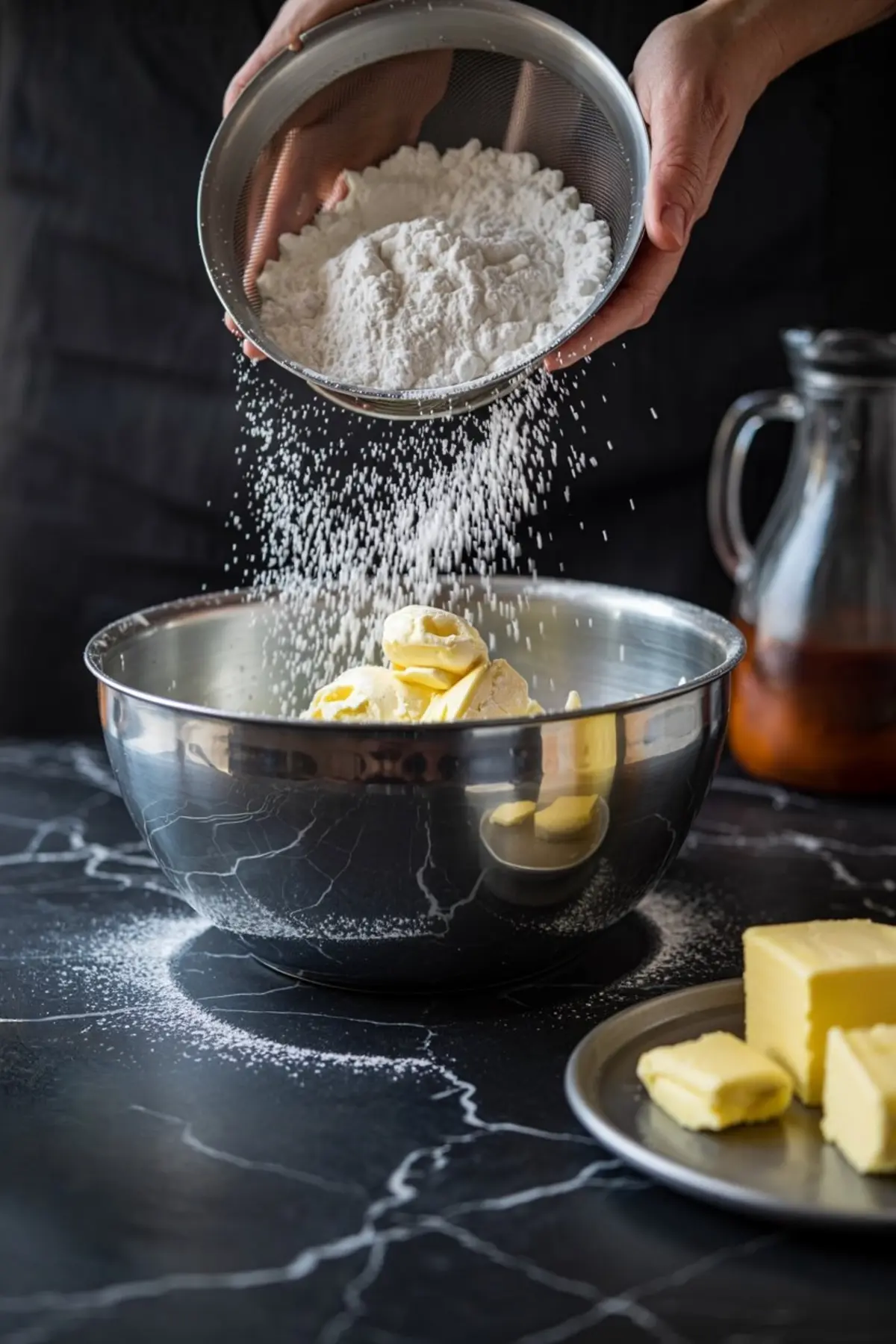
Beat the softened butter first, on medium-high, until it becomes pale and fluffy. This helps trap air early and gives your frosting more lift. When the butter looks a bit whipped, that’s when it’s ready for the next step.
Add your softened cream cheese. I always scrape down the bowl at this stage. It’s one of those small things that prevents hidden lumps and uneven mixing. You want everything smooth before the sugar goes in.
Reduce your mixer speed, then add powdered sugar in stages. One cup at a time, with a slow mix between additions. This keeps it clean, but also gives the frosting time to develop structure.

Once the sugar is in, add vanilla and salt. Then beat the frosting for a few more minutes, until it forms soft peaks and feels stable when lifted with a spoon. If it starts looking a little too soft, pop the bowl in the fridge for 15 minutes. That trick has saved me more than once when I was frosting in a warm kitchen.
I’ve also written about how texture shifts when you use whipped cream frosting instead. You can read that method herefor comparison.
The Difference Between Butter-First and Cream Cheese-First Methods
In my Pin Notebook, I’ve tested this both ways creaming the cream cheese first, then adding butter, and vice versa.
Creaming butter first gives you a sturdier frosting with a slightly fluffier texture. It builds air into the base early, which helps the final frosting pipe better. When I reversed the order, the frosting turned out silkier but struggled to hold its shape. Especially in warm weather.
So for piping details, birthday cakes, and cupcakes that travel, I recommend the butter-first method.
If you’re frosting a single-layer cake and want something velvety soft, you could go with cream cheese first. But for reliability, butter comes first in my kitchen.
You’ll also want to look at this cream cheese frosting recipe if you prefer a simpler base without the added structure of buttercream.
How to Adjust the Consistency If You Need To
Sometimes the final texture depends on your ingredients. If you use a different brand of cream cheese or slightly melted butter, the mix might feel too soft or too thick. That’s normal.
If it’s too soft, chill it. Fifteen minutes in the fridge usually firms it up just enough to pipe or spread neatly. If it’s too thick, add a teaspoon of milk or cream. Just a splash, and beat again briefly.
If you notice the frosting feels gritty or clumpy, it often means the powdered sugar wasn’t sifted well. That’s where the powdered sugar frosting method comes in handy. It uses less fat and more liquid, which dissolves clumps easier, but it won’t pipe the same way this cream cheese buttercream does.
Why I Use Cream Cheese Buttercream Instead of Mascarpone
This came up for me when I was making a red velvet birthday cake and ran out of cream cheese. I had mascarpone on hand, so I made the swap. The result? Softer, slightly sweeter frosting with a milky taste.
It wasn’t bad in fact, it paired well with berries. But it didn’t hold its shape as well when piped, and I had to re-chill it halfway through decorating. So now I save mascarpone for lighter desserts.
You can see the full mascarpone frosting recipe here, if you’re curious to try it.
But for cakes, cupcakes, and anything that needs sharp details, I always come back to cream cheese buttercream.
And That Little Twist I Promised You…
Here’s the quiet upgrade that changes everything: I use a pinch more salt than most recipes suggest.
Not enough to taste salty just enough to deepen the flavor and cut the sweetness. It brings out the tang of the cream cheese and the richness of the butter without overwhelming the vanilla.
Try it once. Just an extra pinch. You’ll notice the difference when you taste the final frosting. It’s fuller, smoother, and leaves less of that overly-sweet finish on your tongue.
For a broader view of frosting recipes easy enough to make without a stand mixer, explore the collection here.
Save This Cream Cheese Frosting for Your Next Bake
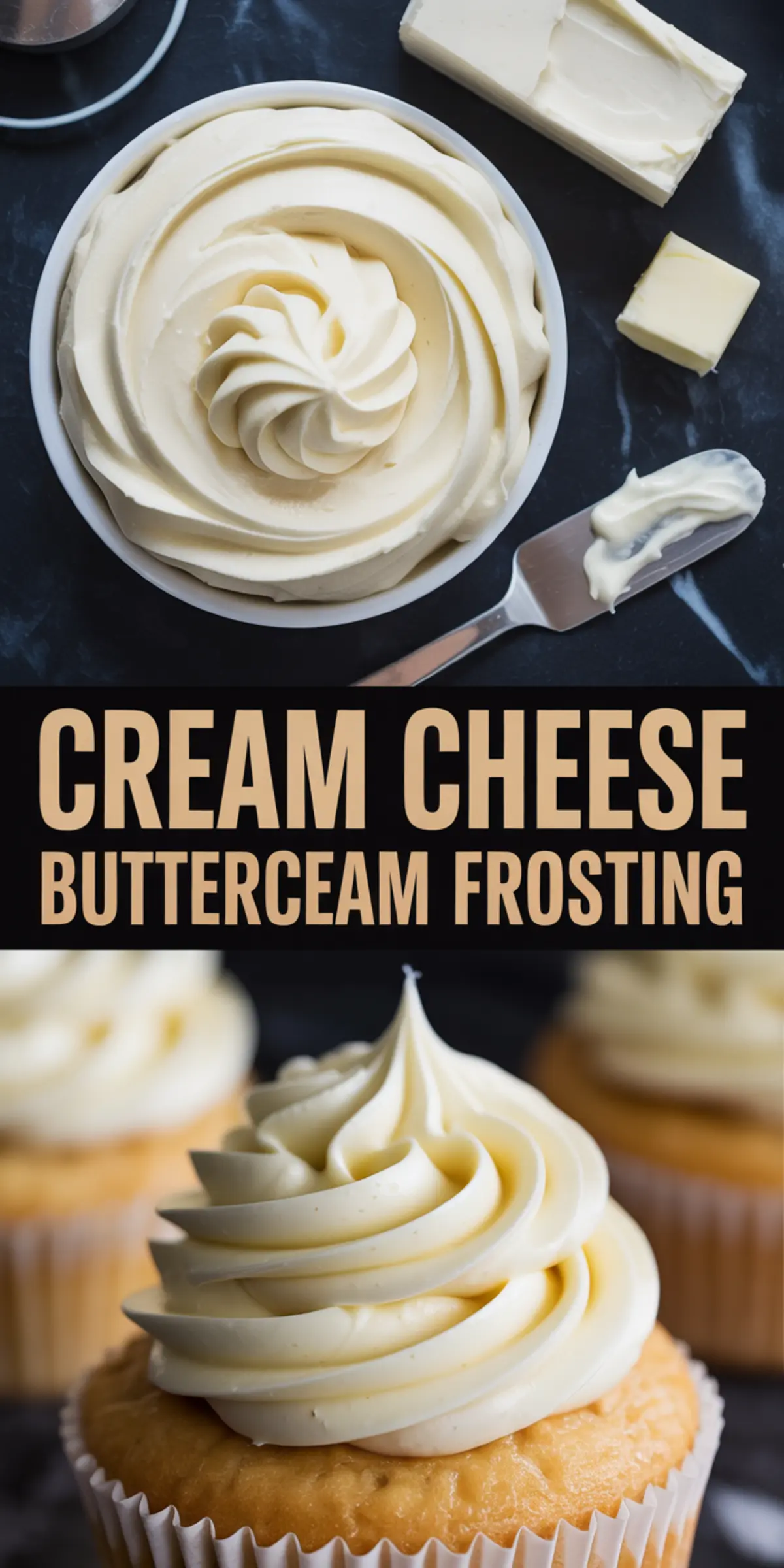
I’ve made this recipe at least a hundred times sometimes for celebration cakes, sometimes just to top a tray of cooled muffins on a quiet Thursday.
It’s easy to remember, easy to adapt, and easy to love. It pipes clean lines, spreads without breaking the crumb, and holds its flavor even after a few days in the fridge.
If you’ve been looking for an easy cream cheese buttercream frosting that doesn’t disappoint halfway through decorating, this is the one I’d give you from my notebook.
If you try it, let me know how it turns out. Did you go with sharp piping or smooth swirls? And if you have any questions, drop them in the comments I always check in.
Don’t forget to save this to your Pinterest board so it’s ready when your next cake is cooling.
Cream Cheese Buttercream Frosting
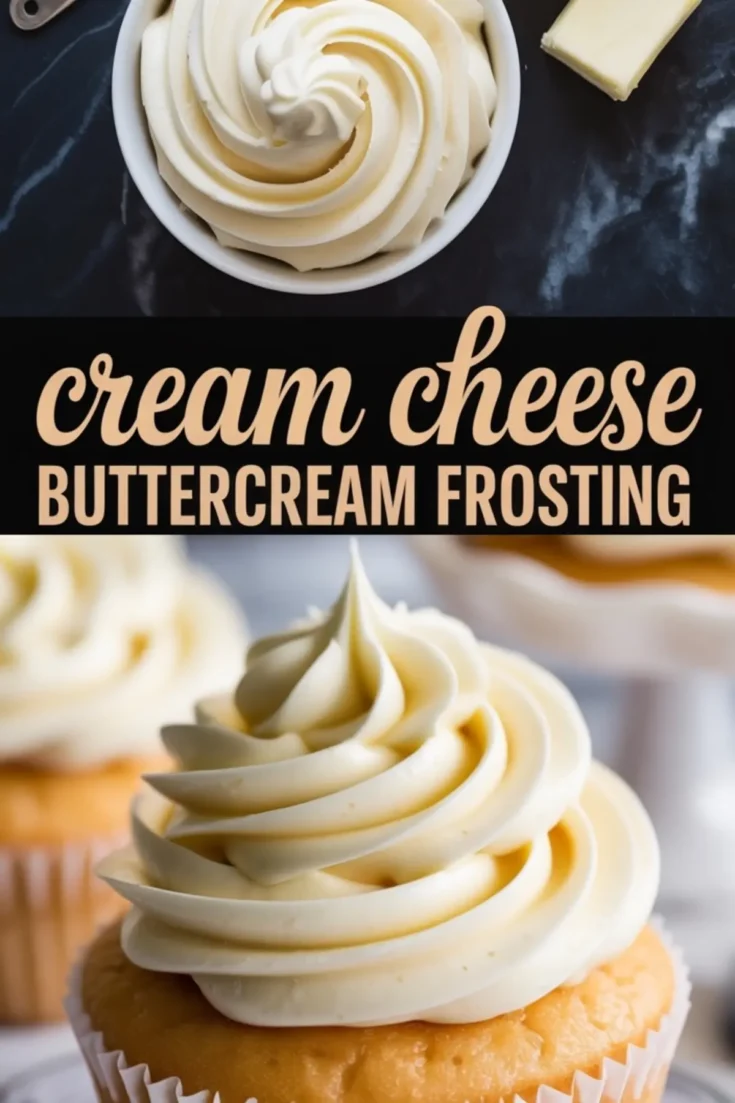
Cream cheese buttercream frosting blends soft butter and tangy cream cheese into a smooth, pipeable swirl that holds its shape. I beat everything until fluffy, then add just enough sugar to balance the flavor without turning it too sweet. This cream cheese buttercream works for cupcakes, cakes, or as a layer in cake filling recipes when you want something rich but not heavy. I use it often for birthdays or bakes that need a frosting recipe easy enough to make in one bowl. If you’re looking for the best cream cheese buttercream that spreads easily but firms up for detail work, save this one. It’s become my go-to buttercream frosting recipe for clean layers and homemade frosting flavor that lasts.
Ingredients
- 1 cup (2 sticks) unsalted butter, softened
- 8 oz full-fat cream cheese, softened
- 4 cups powdered sugar, sifted
- 2 teaspoons vanilla extract
- Pinch of salt
Instructions
- BEAT THE BUTTER: In a large mixing bowl, beat the softened butter using a hand mixer or stand mixer on medium-high speed for about 3 minutes, until pale and fluffy.
- ADD THE CREAM CHEESE: Add the softened cream cheese to the bowl and continue mixing until fully combined and smooth. Scrape down the sides of the bowl to ensure no lumps remain.
- ADD THE POWDERED SUGAR: Reduce mixer speed to low and gradually add the sifted powdered sugar, one cup at a time, mixing well between each addition to prevent clumps and powdery mess.
- ADD VANILLA AND SALT: Once all the sugar has been added, mix in the vanilla extract and a pinch of salt. Increase the speed to medium-high and beat for another 2–3 minutes until the frosting is smooth, creamy, and holds soft peaks.
- ADJUST CONSISTENCY IF NEEDED: If the frosting is too soft, refrigerate for 15–20 minutes to firm it up. If it's too thick, add a teaspoon of milk or cream and mix briefly to loosen the texture.
Notes
The butter and cream cheese should be softened at room temperature to avoid lumps. Sifting the powdered sugar helps achieve a smoother texture. Store leftover frosting in an airtight container in the refrigerator for up to 5 days; re-whip before using.
