
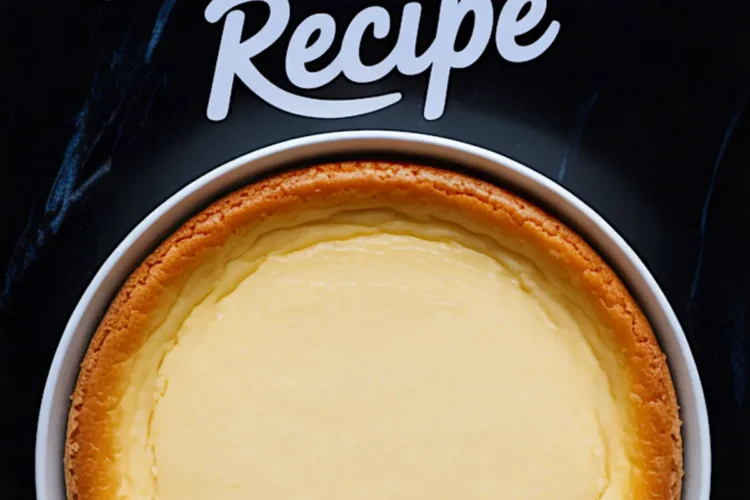
Most cheesecake recipes follow the same structure. Graham cracker crust, cream cheese filling, water bath.
But here is where many recipes fail you: they rush.
Cheesecake asks for patience. Not effort, just time. This recipe builds trust between you and your oven. You will feel calm as you move through each step, knowing the result will deliver that creamy cheesecake texture you always wanted.
You will finish with a cheesecake that holds its slice, cuts clean, and feels like silk on the tongue.
And yes, we will talk about that small dash of magic in just a moment.

Building the Graham Cracker Crust
I always start by crushing my graham crackers finely. Some bakers leave them a little coarse, thinking the texture adds charm. But coarser crumbs lead to uneven crust that can crumble when sliced.
The butter matters, too. Use unsalted, always. Salted butter throws off the balance of the filling later. Melted butter helps the crumbs bind together like damp sand.
I press the crust firmly into the springform pan. The bottom of a drinking glass works better than your hands here. The pressure packs the crumbs into a solid base that holds everything above it.
Ten minutes in the oven gives the crust a head start, allowing the butter to set and the edges to toast slightly. This small bake makes a big difference in the final texture.
Mixing The Cream Cheese Filling: My Hands-On Experience
This filling begins, of course, with cream cheese. Full-fat only. Low-fat versions cannot create that same creamy cheesecake result.
I always let the cream cheese sit on the counter for at least two hours. Room temperature cream cheese blends smoothly, preventing lumps from forming later.
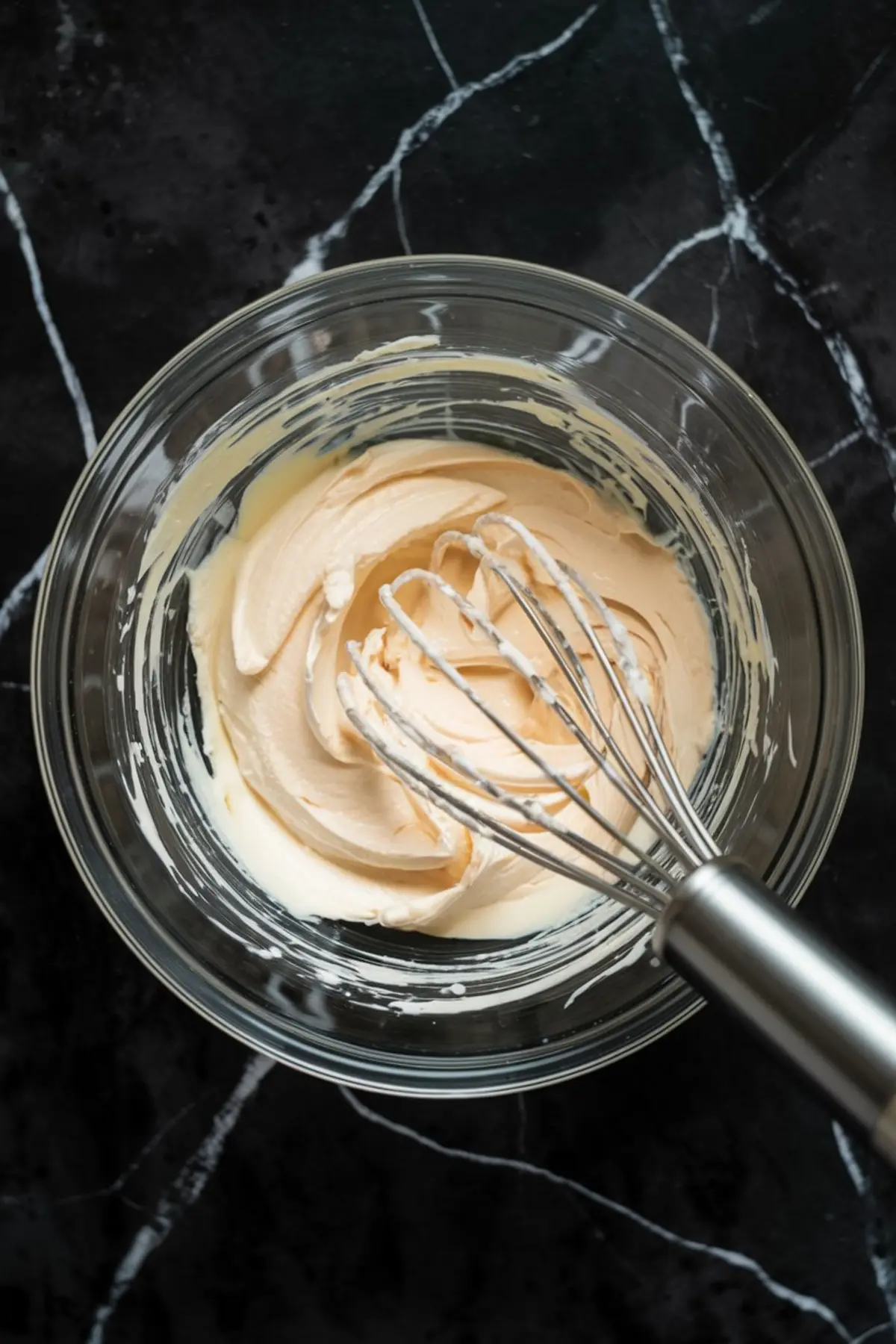
Once softened, I mix it with granulated sugar. Some recipes suggest beating vigorously, but overmixing can introduce too much air. Air creates bubbles, and bubbles lead to cracks. I keep my mixer on medium speed for about three minutes, just until smooth.
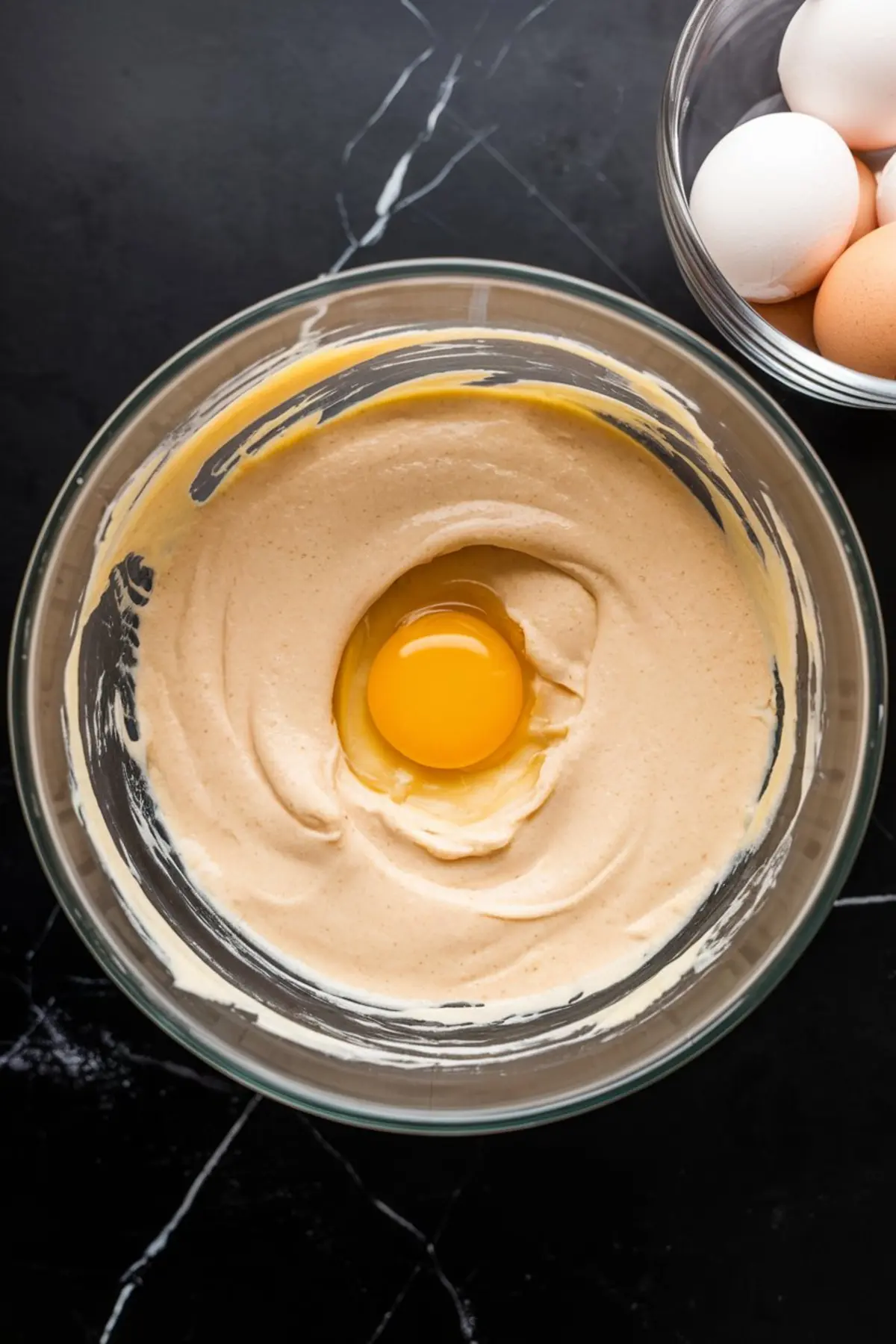
Eggs come next, one at a time. I add each egg slowly, scraping the bowl after every addition. This steady pace keeps the batter uniform.
The Key Comparison: Sour Cream vs. Heavy Cream
Here comes one of the most debated questions in homemade cheesecake recipes.
Should you use sour cream or heavy cream?
I have tried both, many times. Heavy cream gives you a denser, almost heavy mouthfeel. It leans richer, but risks feeling too thick.
Sour cream brings a slight tang and keeps the filling light, even with its richness. It helps the texture stay creamy without becoming heavy. My notes always lead me back to sour cream. It strikes the balance I want: rich but not heavy, creamy but not cloying.
In this recipe, one full cup of sour cream does the job beautifully.
Adding The Remaining Ingredients And The Hidden Trick
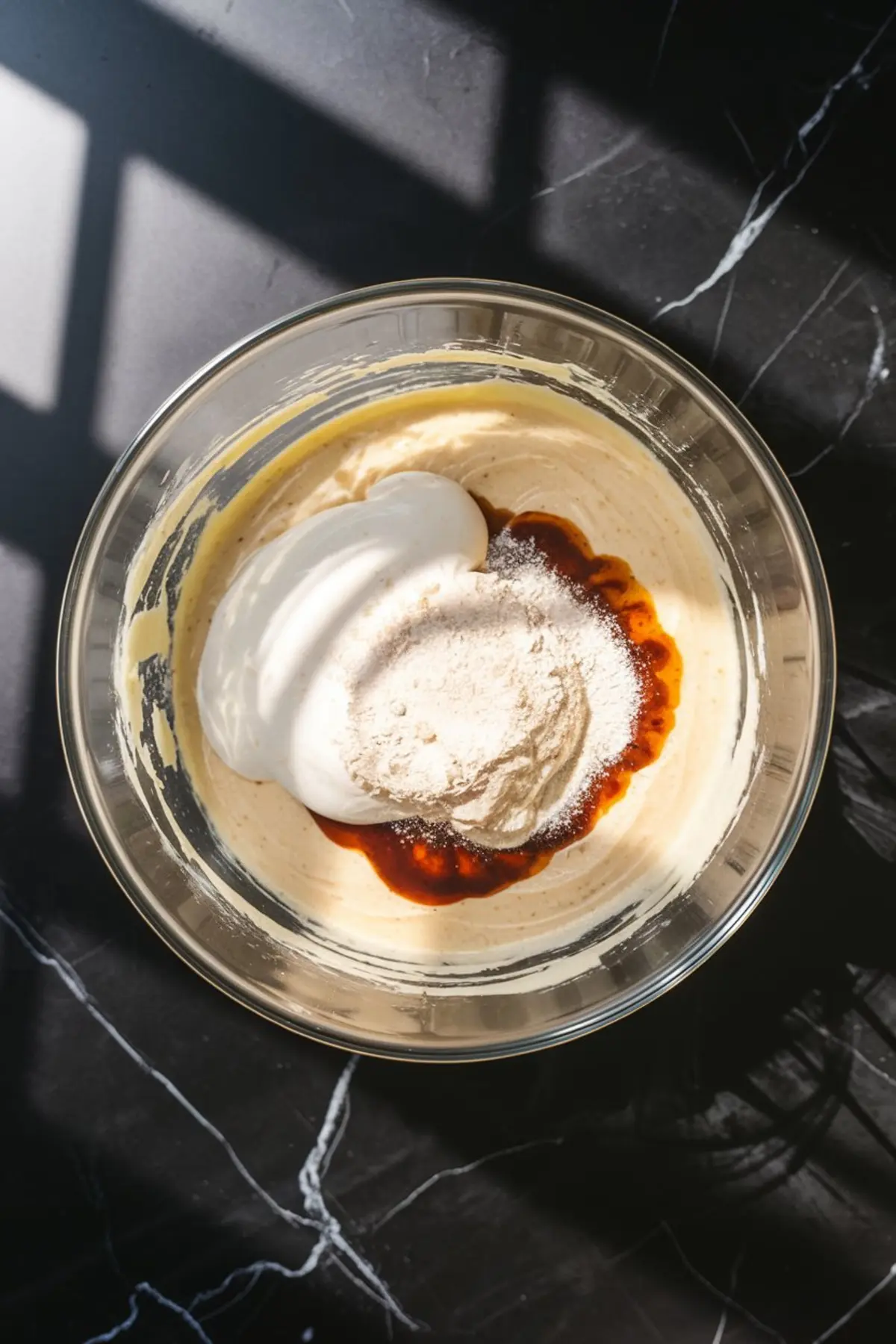
Once the eggs and sour cream join the party, I stir in flour and vanilla extract. The flour gives gentle structure to the filling, preventing collapse. Vanilla brings that familiar warmth you expect in creamy cheesecake recipes.
And now, the small unexpected element: lemon zest.
Just a teaspoon. It’s not enough to make it taste like a lemon cheesecake, but it brightens the entire filling. The citrus lifts the creaminess, making every bite feel clean and fresh instead of heavy.
That teaspoon changed everything for me.
Setting Up The Water Bath: The Protection Layer
A baked cheesecake needs even, gentle heat. Direct oven heat will cook the outer edges too fast while leaving the center underdone.
That’s why the water bath matters.
I double-wrap my springform pan with heavy-duty foil. Sometimes, I slide the pan into an oven bag first before wrapping in foil for extra insurance against leaks.
The foil-wrapped pan sits inside a larger roasting pan. I pour hot water halfway up the sides, creating that gentle steam that keeps the cheesecake moist and even.
Baking The Cheesecake Slowly And Safely
I bake at 325°F. That lower temperature gives the cheesecake time to gently firm without rushing the process.
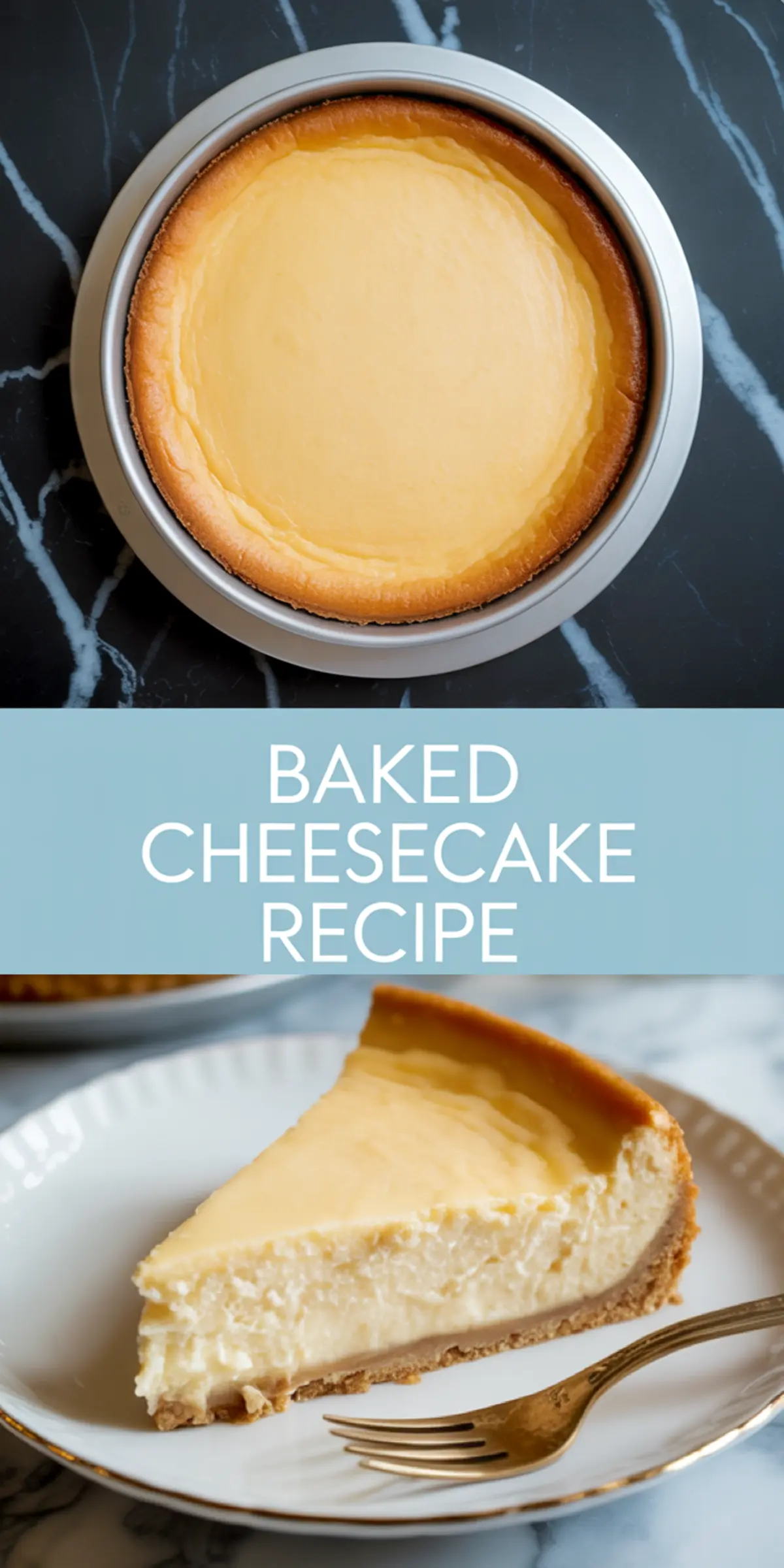
After about 60 minutes, I check. The edges should look set, but the center should still give a gentle wobble if you tap the pan lightly. That movement tells you the custard inside remains silky.
Now, the most important part. I turn the oven off, crack the door open slightly, and leave the cheesecake inside for another hour. This gradual cool prevents the top from cracking and allows the structure to stabilize.
Cooling, Chilling And Serving: The Final Patience Test
After the oven rest, I transfer the pan to a wire rack to cool completely.
Once cooled, it moves to the refrigerator for at least four hours. I prefer overnight. That extended chill allows the cheesecake to fully set into that smooth, creamy texture.
When ready to serve, I run a thin knife around the edge before releasing the springform sides. This gentle release keeps the edges clean and intact.
And there it is. Smooth, golden-topped, and ready for your favorite cheesecake toppings.
Topping Ideas To Customize Your Cheesecake Desserts
This baked cheesecake gives you a blank canvas.
You can spoon fresh peach compote for a fruity twist like my Peach Cheesecake.
Or you can lean into rich flavors with something dramatic like my Red Velvet Cheesecake.
For something elegant and slightly sophisticated, you might enjoy my Tiramisu Cheesecake.
Each one starts with this reliable base.
Save This Foolproof Cheesecake For Later
This baked cheesecake recipe finally gave me the confidence I searched for. I hope it does the same for you.
If you found this helpful, save this recipe to your Pinterest boards for easy access when your cheesecake mood strikes.
And please, share your baking stories in the comments below. Did the lemon zest surprise you too? Did your cheesecake hold its slice like you hoped? I love hearing how these recipes live in your kitchens.
Baked Cheesecake Recipe
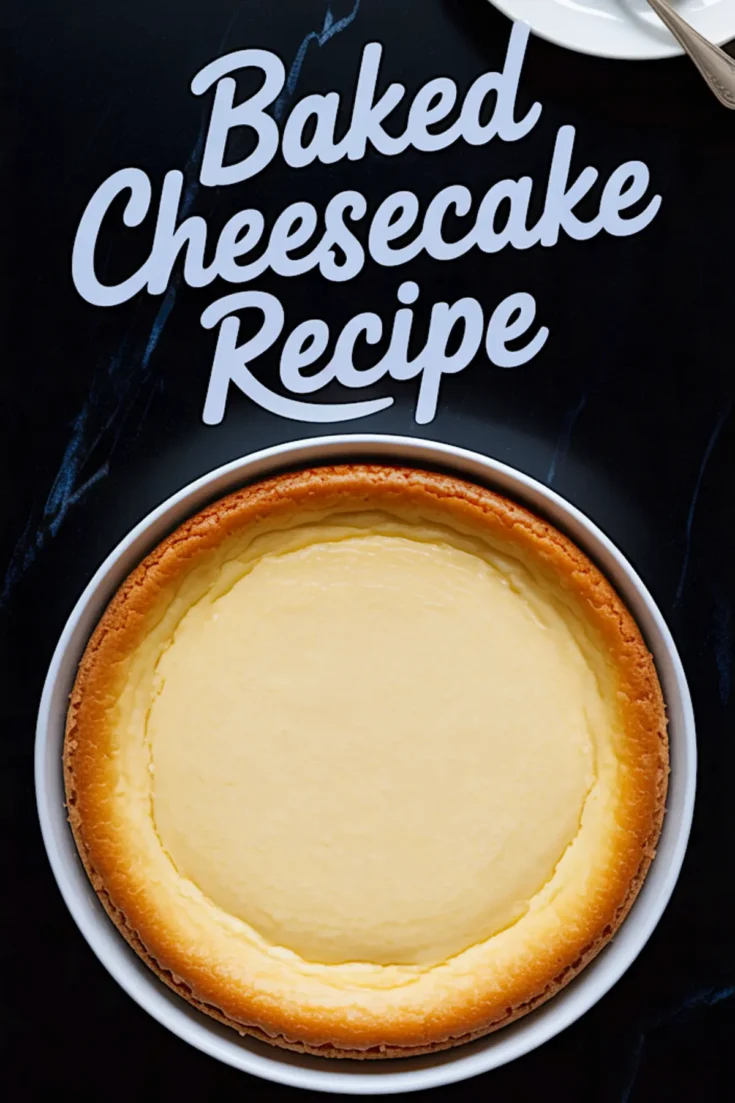
A smooth, rich cheesecake with a golden top and custard-like texture. This version bakes gently in a water bath and chills to set fully. A graham cracker crust gives it a toasted, buttery base, while the filling stays creamy and slightly tangy from sour cream. It's a dependable baked cheesecake recipe that uses simple ingredients and standard kitchen tools.
Ingredients
- for the crust
- 1 ½ cups finely crushed graham crackers
- 6 tablespoons unsalted butter, melted
- ⅛ teaspoon salt
- for the filling
- 32 ounces (4 blocks) full-fat cream cheese, softened
- 1 cup granulated sugar
- 4 large eggs, at room temperature
- 1 cup sour cream
- 2 tablespoons all-purpose flour
- 1 ½ teaspoons vanilla extract
- (Optional) 1 teaspoon finely grated lemon zest
Instructions
- PREHEAT AND PREPARE PAN: Preheat the oven to 325°F. Lightly grease a 9-inch springform pan and line the bottom with parchment paper if desired. Wrap the outside of the pan in a double layer of heavy-duty aluminum foil to prepare for the water bath.
- MAKE THE CRUST: In a medium bowl, mix the crushed graham crackers, melted butter, and salt until the texture resembles damp sand. Press the mixture firmly into the bottom of the springform pan. Use the bottom of a glass to smooth and compact the crust evenly.
- BAKE THE CRUST: Bake the crust for 10 minutes, then remove from the oven and let it cool while you prepare the filling.
- BEAT THE CREAM CHEESE AND SUGAR: In a large mixing bowl, beat the softened cream cheese with the sugar on medium speed until completely smooth and no lumps remain, about 2–3 minutes.
- ADD THE EGGS: Add the eggs one at a time, beating on low speed and scraping down the sides of the bowl between each addition to ensure a uniform mixture.
- ADD REMAINING FILLING INGREDIENTS: Stir in the sour cream, flour, and vanilla extract. Add lemon zest if using. Mix until fully combined and the batter is smooth and pourable.
- POUR AND TAP: Pour the filling over the cooled crust. Tap the pan gently on the counter several times to release any air bubbles from the batter.
- PREPARE THE WATER BATH: Place the foil-wrapped springform pan in a larger roasting pan. Carefully pour hot water into the roasting pan until it comes halfway up the sides of the springform pan, creating a water bath.
- BAKE THE CHEESECAKE: Bake for 55 to 70 minutes, or until the edges are set and the center jiggles slightly when gently shaken. Avoid overbaking.
- COOL IN THE OVEN: Turn off the oven and crack the door open. Let the cheesecake cool inside the oven for 1 hour to prevent cracking.
- COOL ON COUNTER, THEN CHILL: Remove the cheesecake from the water bath and foil. Cool completely on a wire rack at room temperature, then transfer to the refrigerator and chill for at least 4 hours, preferably overnight, before serving.
Notes
For easier cleanup and leak protection, place the springform pan in an oven bag before wrapping it with foil.
Use a thin knife to gently loosen the cheesecake from the edges of the pan before removing the sides.
Nutrition Information:
Yield:
12Serving Size:
1Amount Per Serving: Calories: 499Total Fat: 39gSaturated Fat: 22gTrans Fat: 0gUnsaturated Fat: 13gCholesterol: 167mgSodium: 343mgCarbohydrates: 31gFiber: 0gSugar: 23gProtein: 8g
