

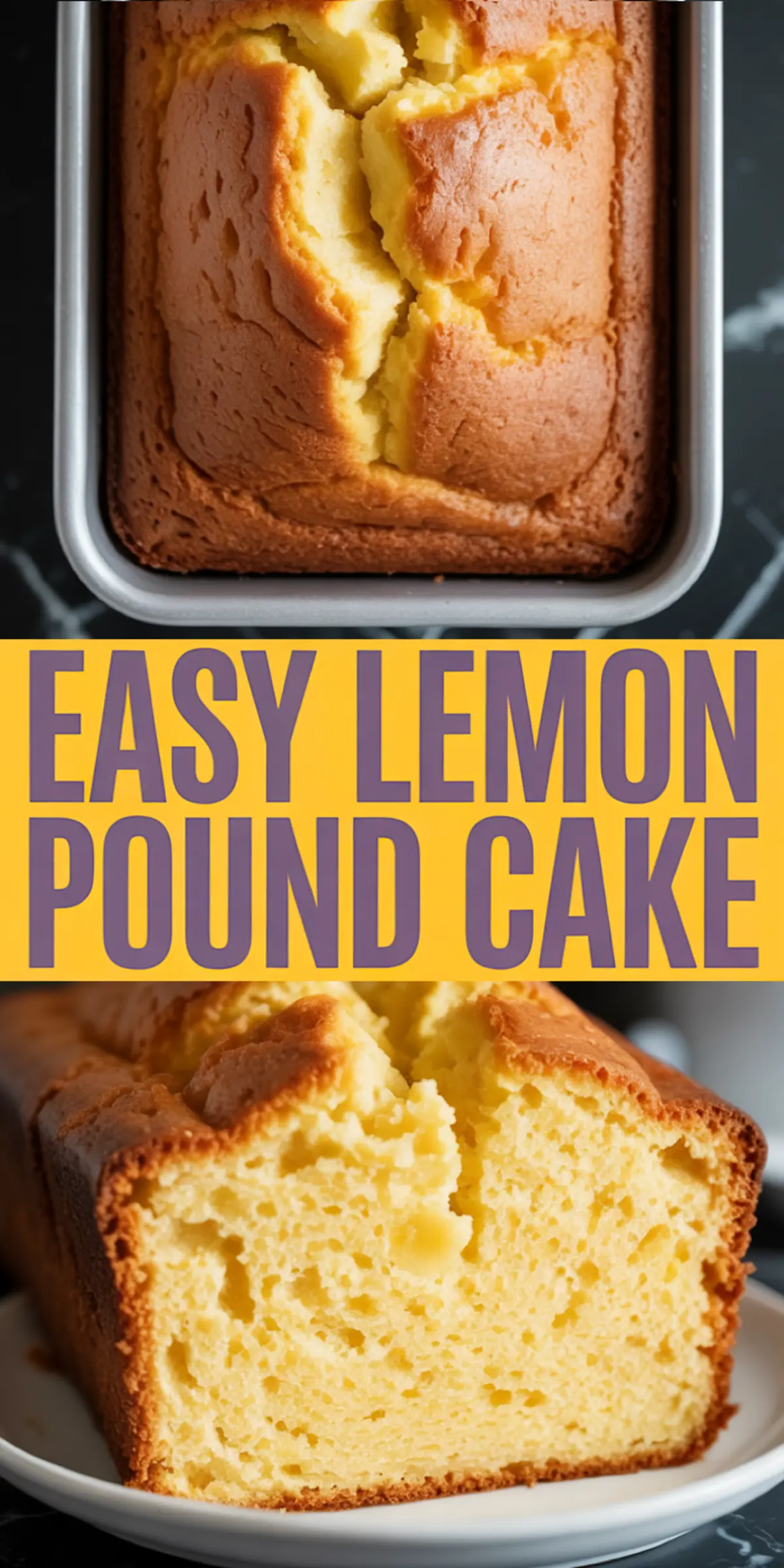
There are cakes that dress to impress, and then there are cakes that simply show up. This lemon pound cake belongs in the second group. No icing, no glaze, no tricks. Just a golden loaf with a crisp top and a fragrant, buttery crumb that slices clean every time.
You’ll find comfort here. You’ll also learn how to make a homemade lemon cake that delivers strong citrus flavor without becoming too sharp. This is the kind of cake that behaves—stable, moist, and easy to mix. You don’t need fancy tools or a long ingredients list.
You do need a curious detail, though. Something I kept tucked in my baking notes for a while. There’s a quiet little twist that sets this lemon loaf apart from most pound cake desserts. I’ll get to it after you’ve seen the steps.
Let’s begin.
Why This Loaf Works for Lemon Cake Mix Recipes and Homemade Pound Cake Fans
This recipe builds on the structure of a traditional butter pound cake but leans into the lemon. That balance takes practice. Too much lemon juice and the crumb breaks. Too little and the flavor vanishes under the butter.
I’ve used this as a base for lemon loaf cake variations, lemon Bundt cake recipes, and even lemon drizzle cake experiments. What makes this version stand out is the way it holds flavor without needing glaze.
If you’re searching through pound cake recipes easy enough to make on a weekend but worthy of saving, this one earns its place.
The Ingredients That Bring Lemon Pound Cake to Life
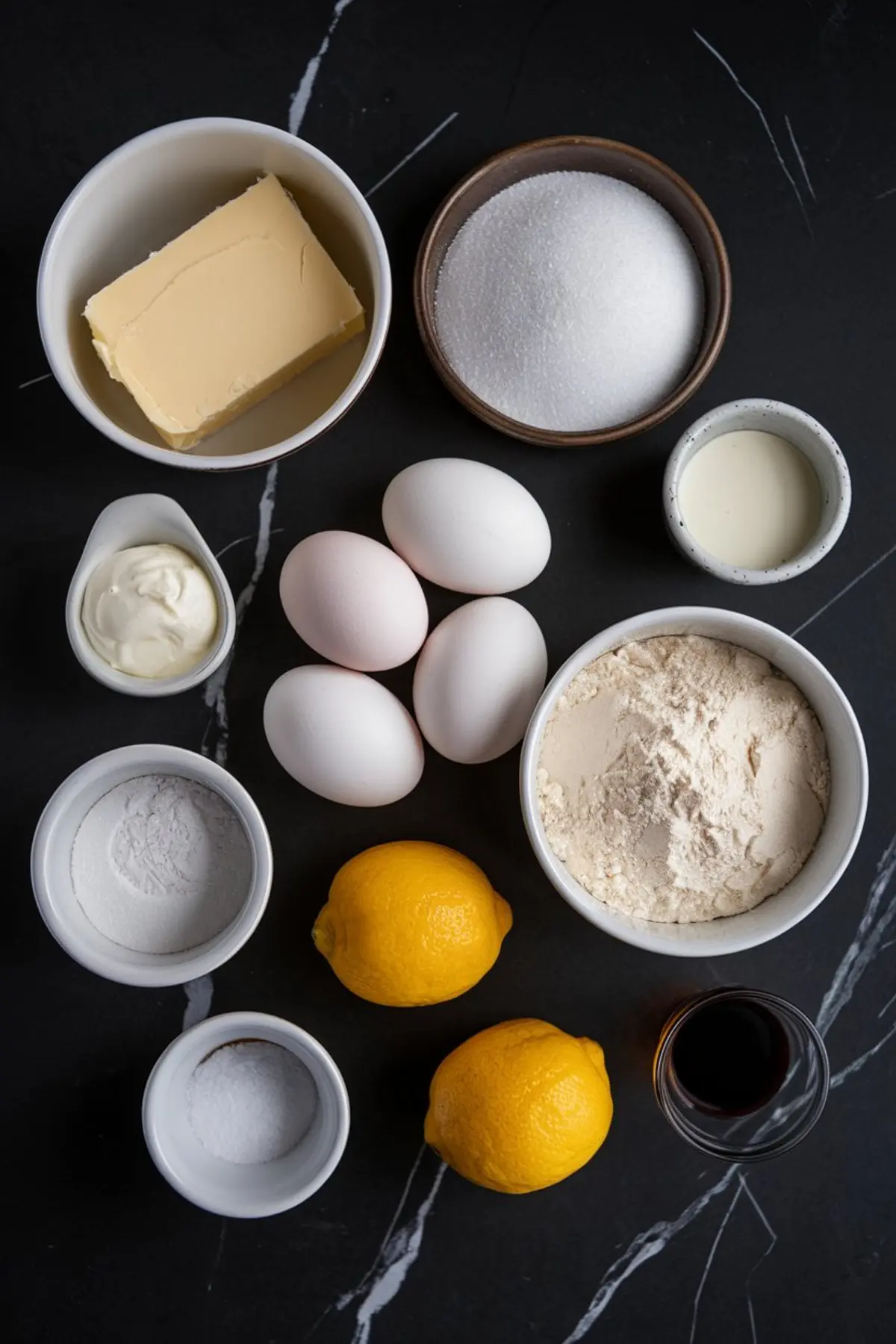
Softened butter is the base that gives this cake its structure and richness. It’s important to cream it well with sugar until it turns pale and fluffy. That’s where the lightness begins.
You’ll need eggs at room temperature. I crack them one by one, beating each until fully absorbed. This helps the crumb stay fine and uniform.
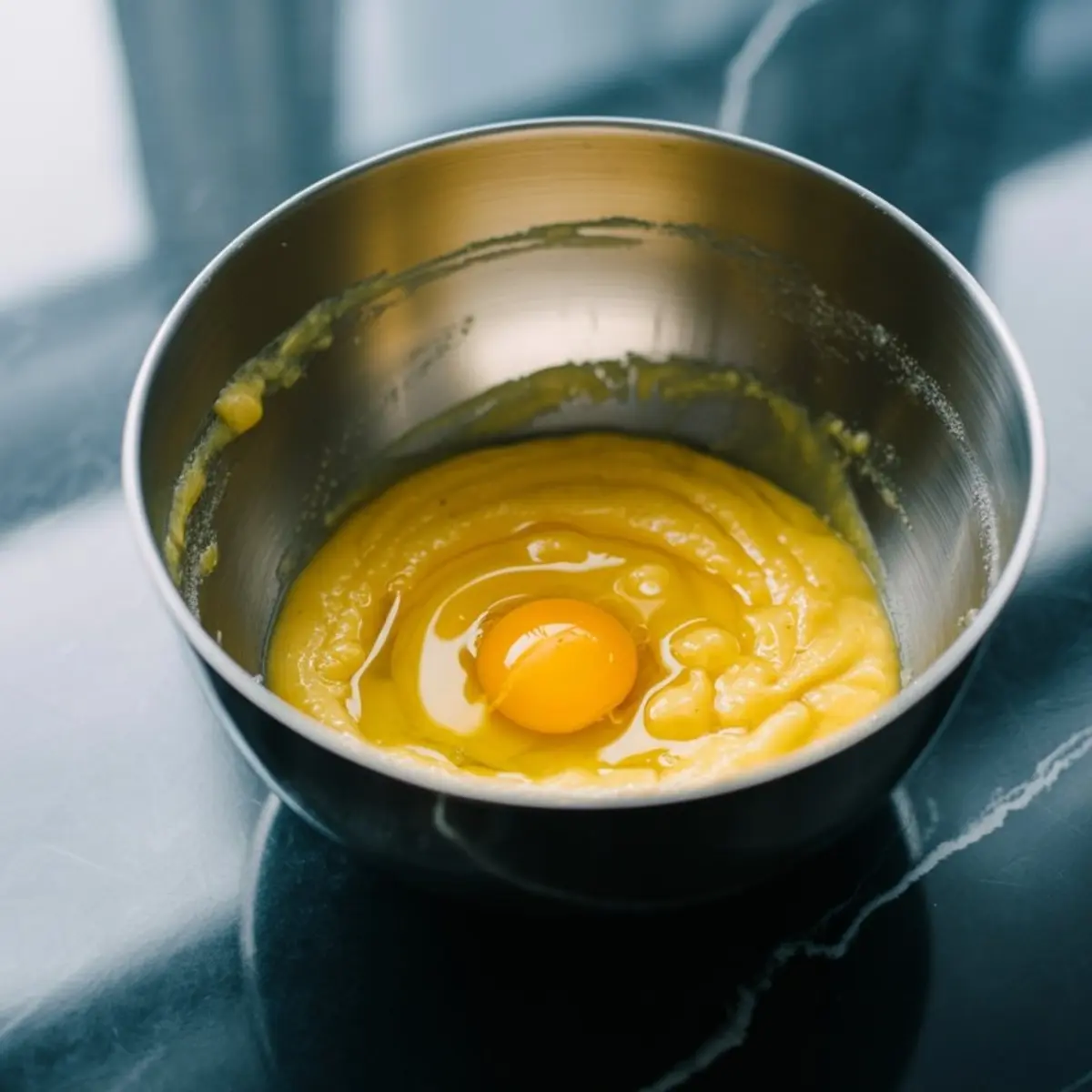
Zest and juice from fresh lemons go in next. Use both. The zest carries the oil and aroma, while the juice sharpens the flavor. Your batter might look split after this step. That’s normal.
Whole milk yogurt is where this cake starts to get interesting. You could use sour cream, but yogurt has a rounder flavor. I’ve tested both. In my notes, I found that yogurt gives a more tender crumb with a subtle tang that lifts the lemon. That’s the only comparison you’ll need today—yogurt keeps the crumb soft without overpowering the citrus. It’s the reason this cake stands on its own, no glaze required.
Mixing the Wet and Dry Ingredients for Best Texture
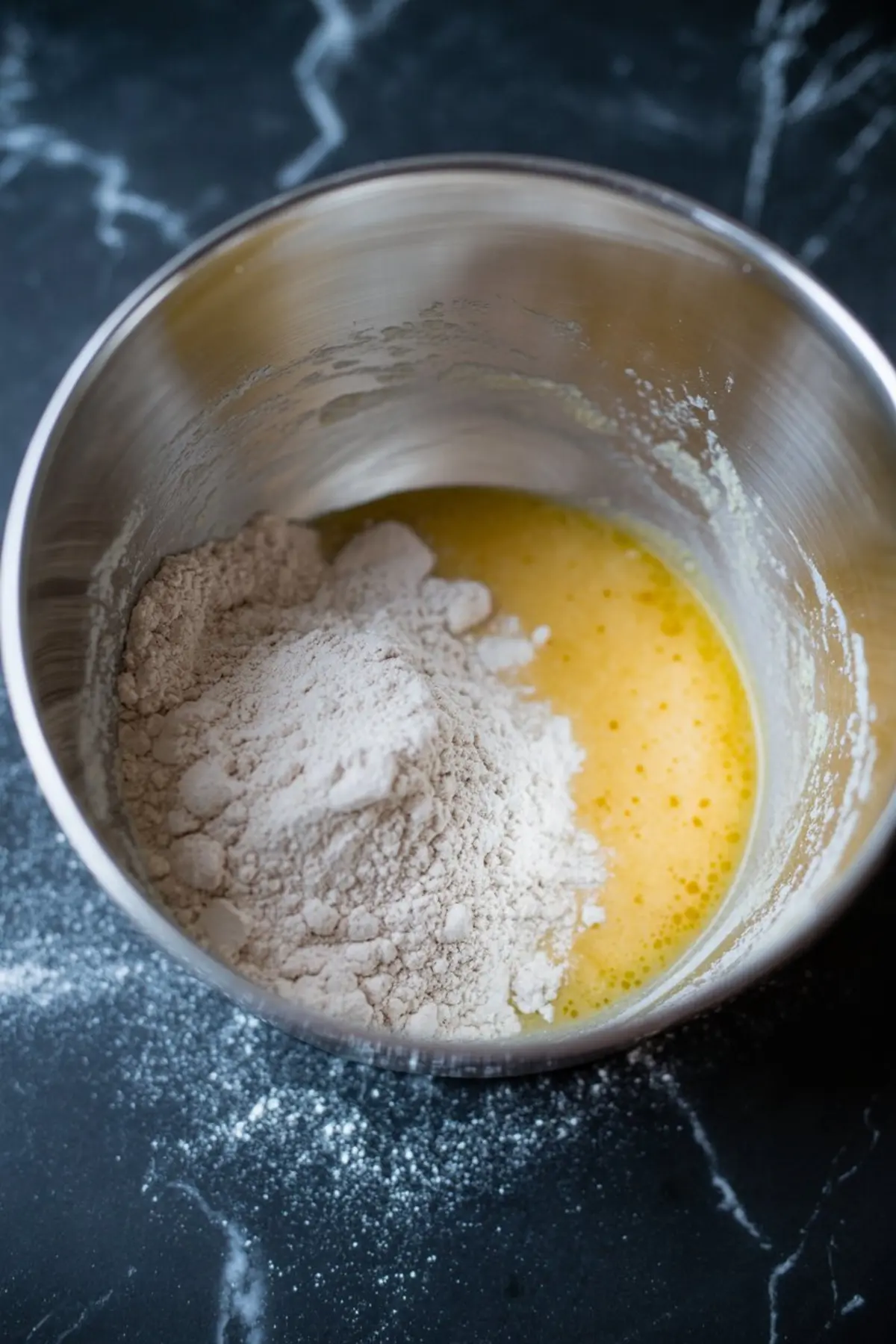
Once the wet ingredients are fully mixed—yogurt and vanilla stirred in—you’ll move to the dry. Sifted flour, a touch of baking powder and baking soda, and just a pinch of salt are enough to support the rise.
Add the dry ingredients gradually. Mix on low. You’re not trying to beat air into this stage. The goal is to fold in the flour without overworking the batter.
At this point, your batter should be thick, smooth, and fragrant. The lemon oils will be doing their work already.
How to Bake a Moist Lemon Pound Cake with a Crisp Top
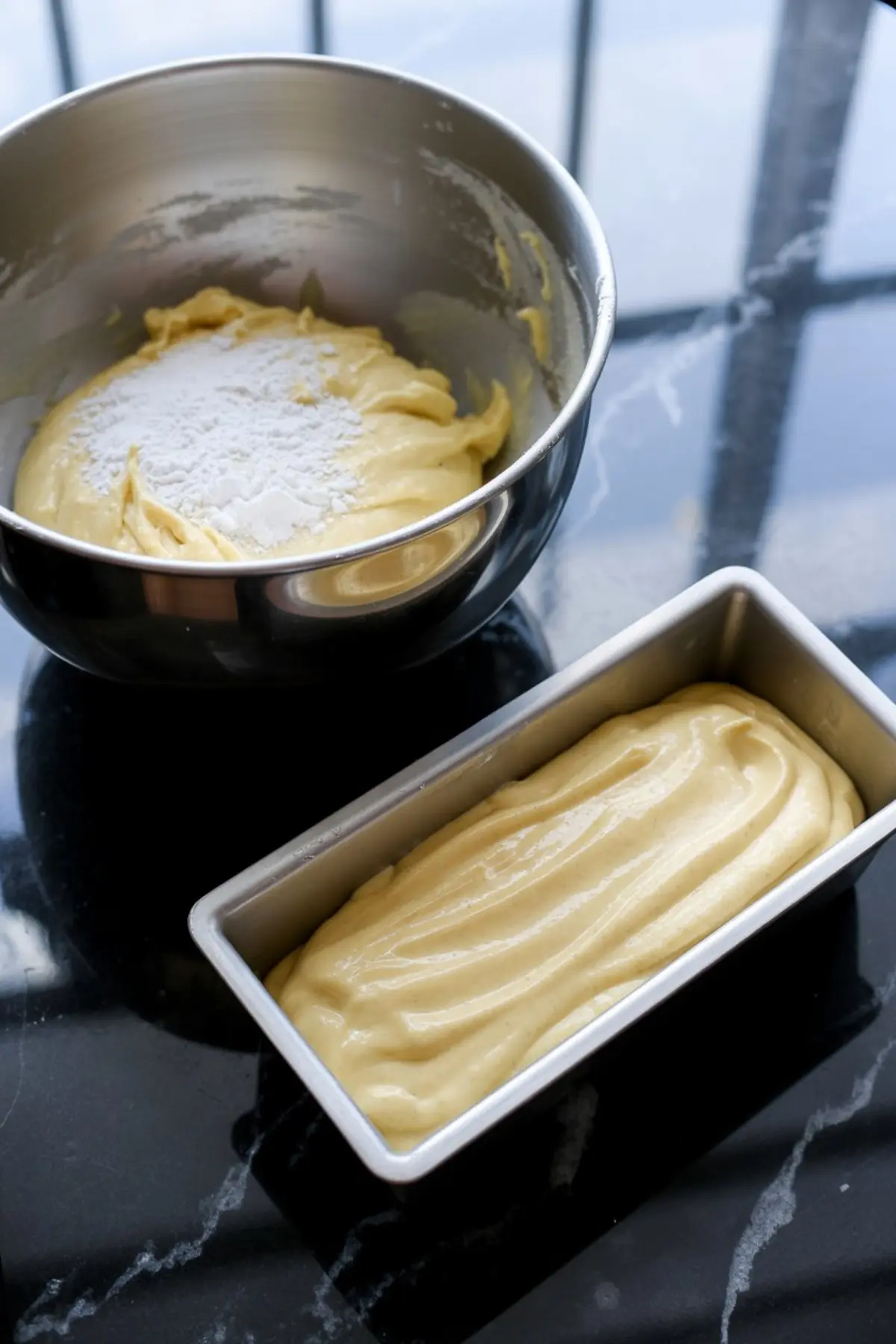
Pour the batter into a greased and parchment-lined 9×5 loaf pan. Smooth the top lightly and tap the pan once on the counter to let out any large air bubbles.
This goes into a preheated 325°F oven. Keep an eye on the top. After 45 minutes, if it starts to brown too deeply, cover it with foil for the remaining time. Total bake time will land somewhere between 55 and 65 minutes.
You’re looking for a golden crown, slightly cracked, and a clean toothpick from the center. Let it cool in the pan for about ten minutes, then lift it out gently and let it cool completely before slicing.
Lemon Pound Cake vs. Vanilla Pound Cake: What’s the Difference?
If you’re wondering whether this loaf is just a flavored version of a vanilla pound cake, the answer is no. This lemon version relies on acid. That changes the crumb, the lift, and the way the butter behaves.
If you want to explore that side-by-side, I’ve written out a Vanilla Pound Cake recipe that stands up well to this one. Try both and see what flavor speaks to you more.
Storage Notes and Pound Cake Dessert Ideas
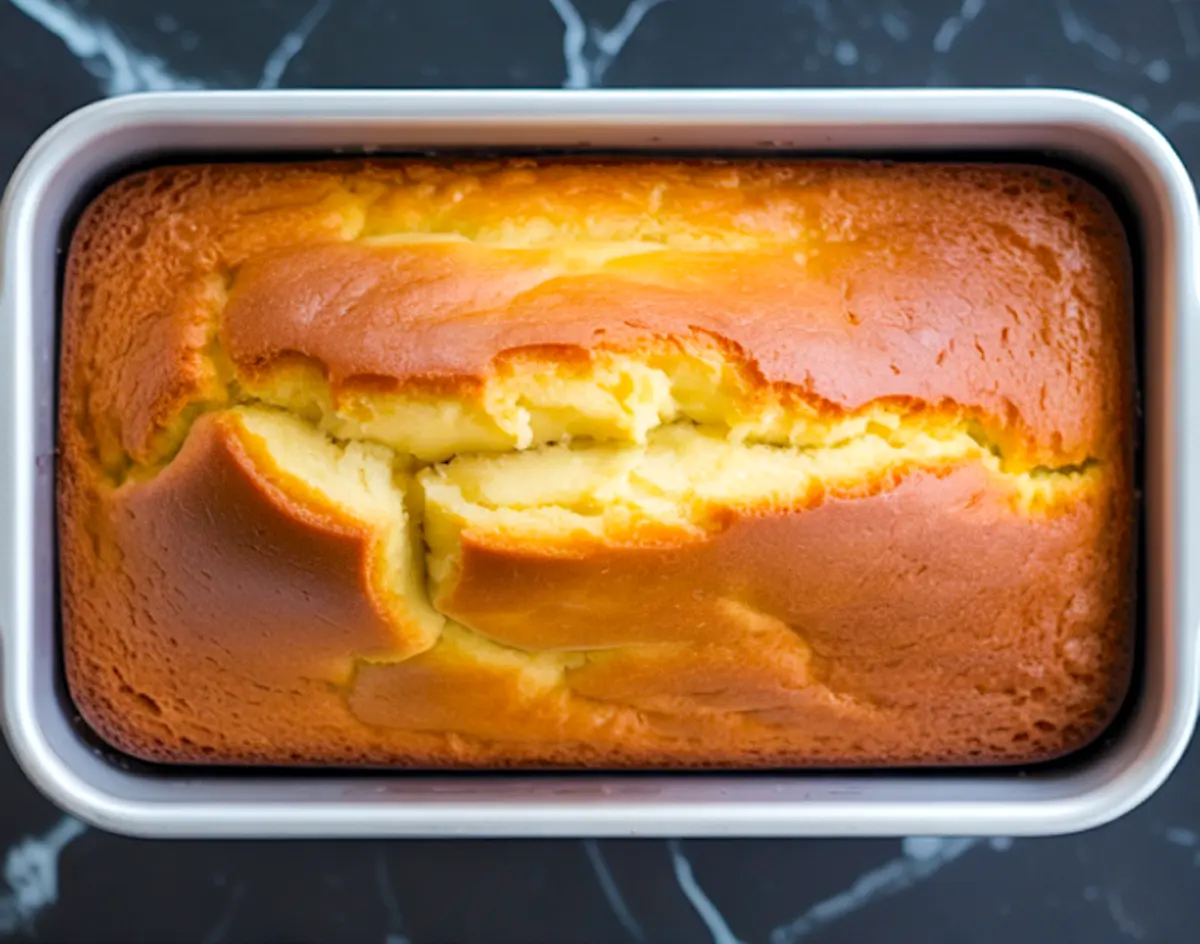
This lemon pound cake keeps well at room temperature for three days if wrapped tightly. The crumb stays moist, and the lemon doesn’t fade. It also freezes beautifully.
I’ve sliced leftovers and pan-toasted them in butter for breakfast. I’ve also served it with macerated berries and whipped cream as a quick dessert. You could even turn it into a trifle if you’re looking to stretch a loaf for guests.
If you’re looking for another variation, I’d recommend the Sour Cream Pound Cake. That one holds a richer crumb, but the base method remains nearly identical.
The Secret That Makes This Lemon Loaf Work
Now that you’ve seen the steps and texture, here’s the part I hinted at earlier.
Most lemon pound cake recipes use buttermilk or sour cream. I chose plain whole milk yogurt because it keeps the batter smooth while holding the structure better after baking. It also avoids the overly sharp tang that buttermilk sometimes adds. You get flavor without weight.
That one swap changed the whole game for me. It’s what made this recipe my go-to over even my Chocolate Pound Cake with Glaze on some days.
Final Thoughts: Keep This Lemon Loaf in Your Back Pocket
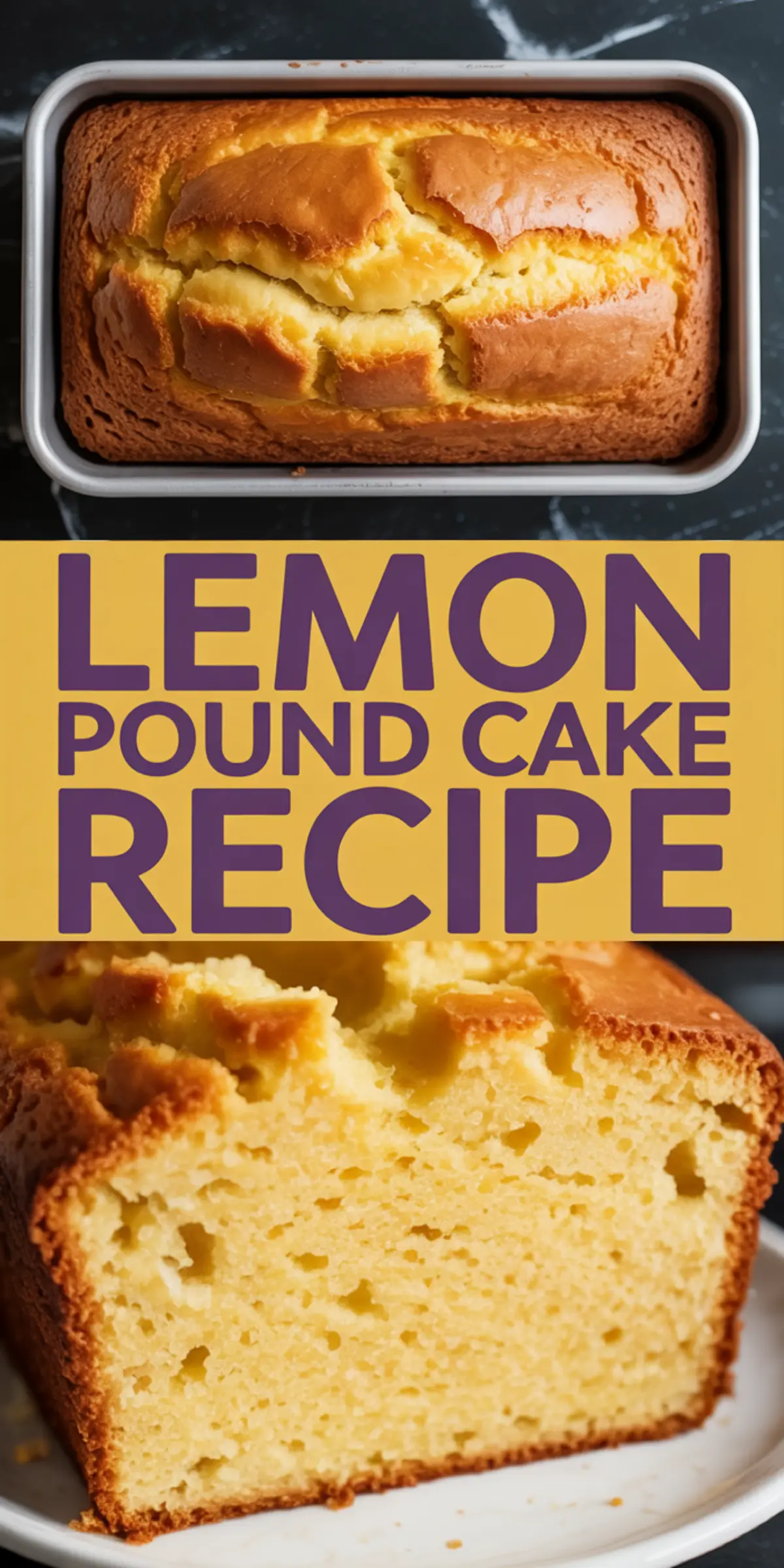
There are recipes you make once and forget. This won’t be one of them. It’s dependable, lemon-forward, and stands strong without icing.
You can bookmark this for your list of Pound Cake Recipes Easy enough for weekly baking, or save it as part of your spring and summer dessert planning.
If you’ve baked this and added your own spin, I’d love to hear about it in the comments. Or if you’ve tried both this and the banana nut version, tell me which one your table preferred.
Pin this lemon pound cake to your “Homemade Pound Cake” or “Lemon Cake Mix Recipes” board so you can come back to it. Your future self will thank you.
Lemon Pound Cake Recipe
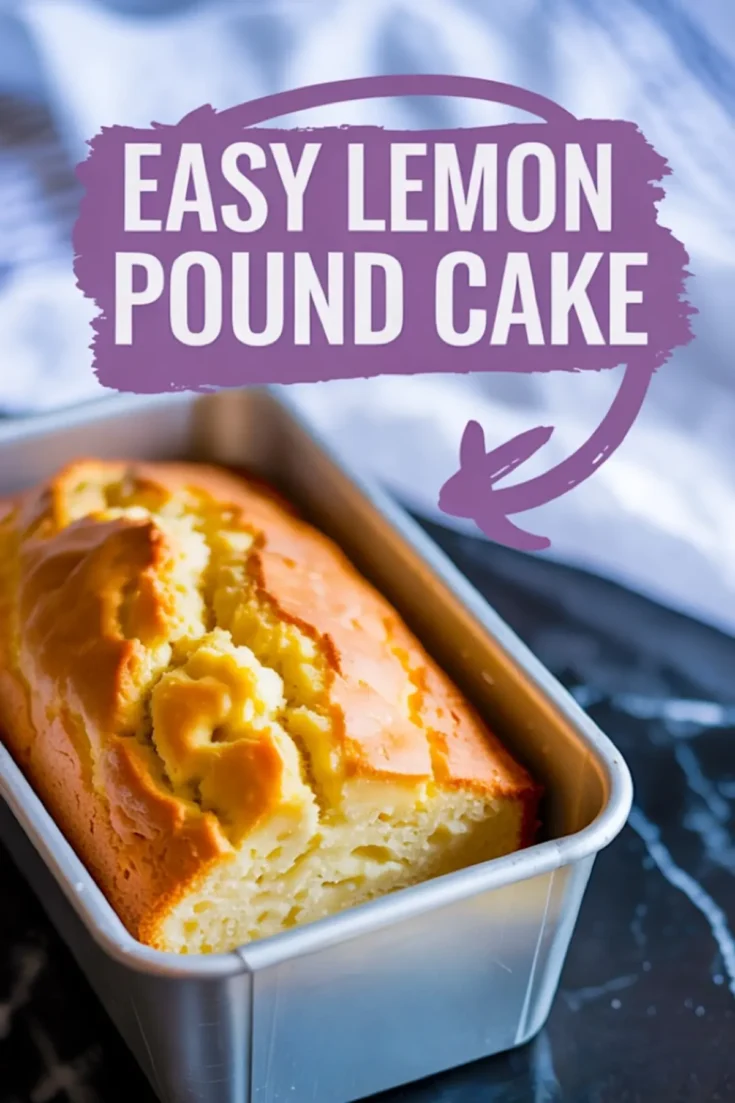
A lemon-forward pound cake made with fresh lemon juice, zest, and real butter. The result is a moist, buttery loaf with a crisp top and fragrant crumb. No icing needed—just bright citrus flavor and a tender texture that slices clean.
Ingredients
- 1 cup unsalted butter, softened
- 1 ½ cups granulated sugar
- 4 large eggs, at room temperature
- 2 tablespoons lemon zest (from about 2 lemons)
- ¼ cup fresh lemon juice
- ½ cup plain whole milk yogurt
- 1 teaspoon vanilla extract
- 2 cups all-purpose flour, sifted
- ½ teaspoon baking powder
- ¼ teaspoon baking soda
- Pinch of salt
Instructions
- PREPARE THE PAN AND OVEN: Preheat the oven to 325°F (160°C). Grease a standard 9x5-inch loaf pan and line it with parchment paper, letting the paper hang slightly over the edges for easy removal after baking.
- CREAM THE BUTTER AND SUGAR: In a large mixing bowl, beat the softened butter with the sugar on medium-high speed for about 4 minutes until the mixture is pale and fluffy. This step is essential for creating a light texture.
- ADD THE EGGS: Add the eggs one at a time, beating well after each addition. Scrape down the sides of the bowl as needed to ensure even mixing.
- MIX IN LEMON ZEST AND JUICE: Add the lemon zest and fresh lemon juice to the batter. Mix until incorporated. The mixture may look slightly curdled due to the citrus—this is normal.
- ADD YOGURT AND VANILLA: Mix in the plain whole milk yogurt and vanilla extract until smooth.
- COMBINE DRY INGREDIENTS: In a separate bowl, whisk together the sifted flour, baking powder, baking soda, and a pinch of salt.
- ADD DRY TO WET: Gradually add the dry ingredients to the wet ingredients, mixing on low speed until just combined. Avoid overmixing to keep the cake tender.
- TRANSFER TO PAN: Pour the batter into the prepared loaf pan and smooth the top. Tap the pan gently on the counter to release any large air bubbles.
- BAKE THE CAKE: Bake for 55 to 65 minutes, or until a toothpick inserted into the center comes out clean. If the top is browning too quickly, tent the cake loosely with foil during the last 15 minutes of baking.
- COOL AND SERVE: Let the cake cool in the pan for 10 minutes. Then lift it out using the parchment overhang and transfer it to a wire rack to cool completely before slicing.
Notes
Use fresh lemon juice and zest for best flavor. Room temperature eggs and dairy help the batter blend smoothly and evenly. Store leftover cake tightly wrapped at room temperature for up to 3 days or refrigerate for longer shelf life.
Nutrition Information:
Yield:
10Serving Size:
1Amount Per Serving: Calories: 409Total Fat: 21gSaturated Fat: 12gTrans Fat: 0gUnsaturated Fat: 7gCholesterol: 125mgSodium: 107mgCarbohydrates: 51gFiber: 1gSugar: 31gProtein: 6g
