
Caramel That Knows When to Stop
You can taste the difference when frosting tells a story.
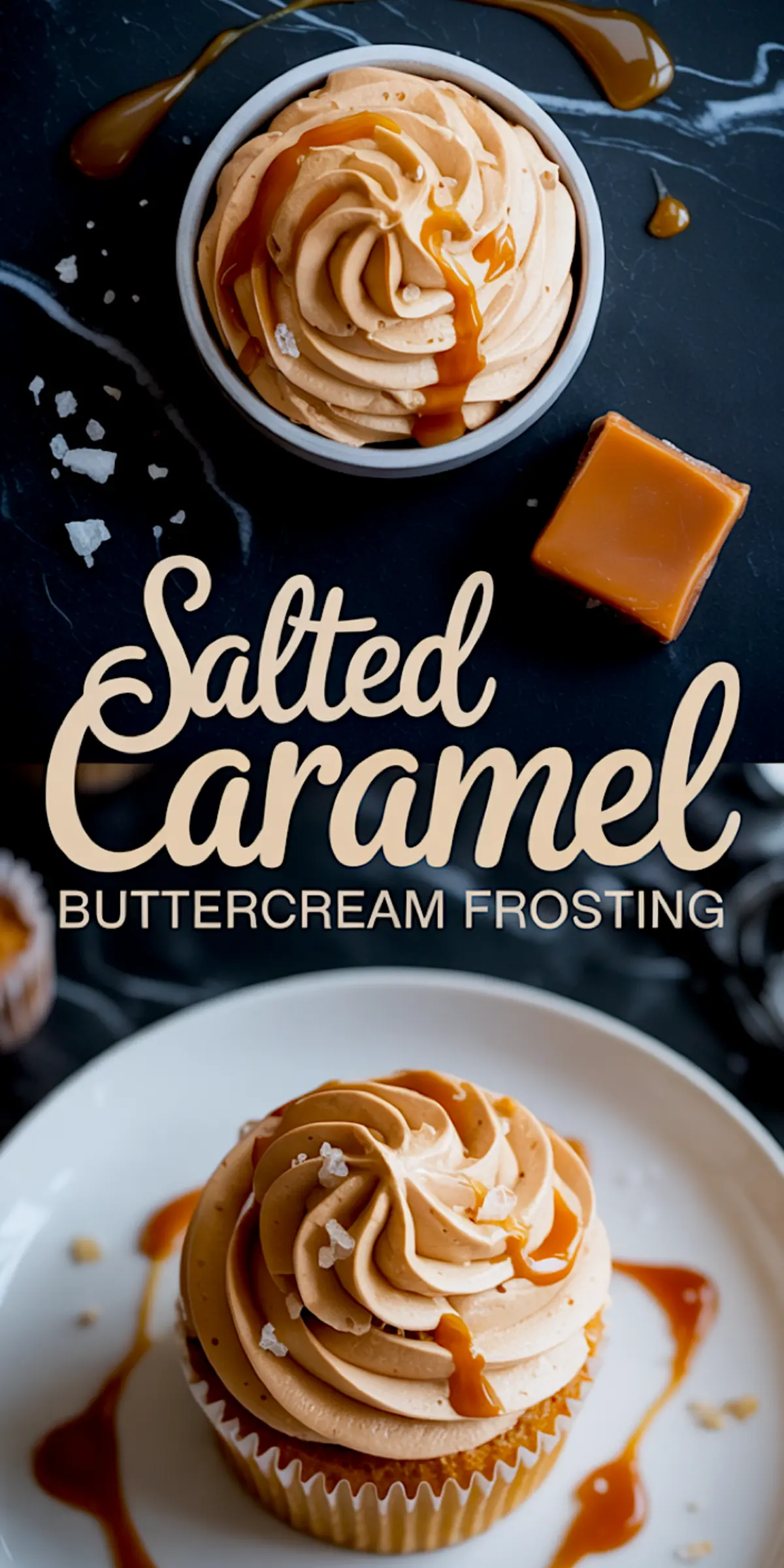
This Salted Caramel Buttercream Frosting doesn’t come from a jar or from shortcut syrups. It begins with real sugar, browned just enough to bloom into caramel without bitterness. Then, a slow pour of cream, a few thoughtful stirs, and time. That’s what makes this frosting sing. It’s smooth, rich, and made for the kind of cake you bake when you mean it.
If you’ve ever wondered how to get caramel buttercream that holds its shape for piping yet spreads like satin, this is it. You’ll learn how to make the caramel from scratch, how to balance sweetness with sea salt, and how to turn a basic butter base into something more soulful. It pairs beautifully with apple cupcakes, chocolate cake, and yes, even a banana loaf on a good day.
And the dash of magic I hinted at? We’ll get there. But first, let’s talk ingredients.
Why Each Ingredient Was Worth Choosing
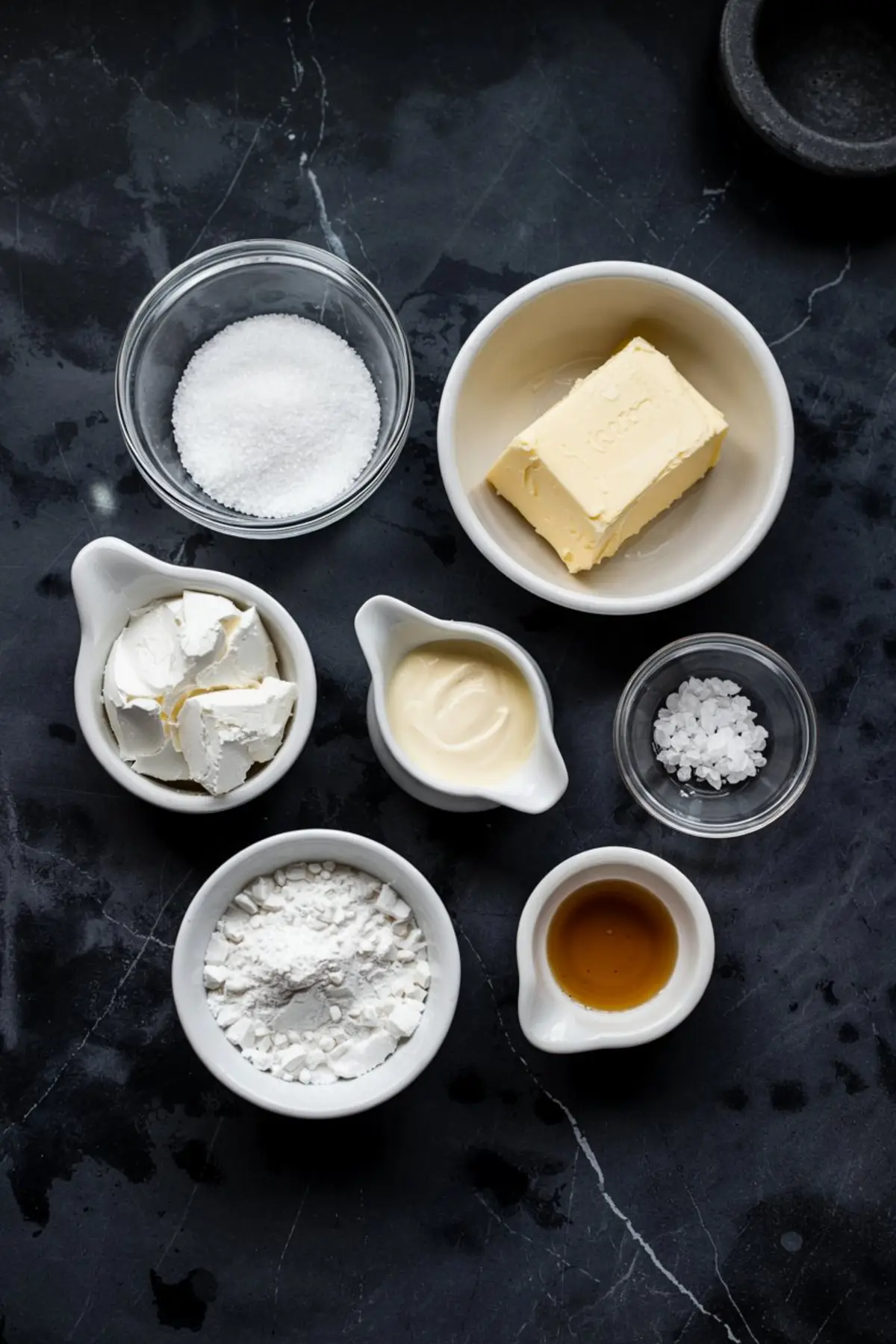
Granulated sugar gives the caramel its backbone. I’ve tried brown sugar in a pinch, but it steers the flavor too far into molasses. Granulated sugar stays clear and focused. It gives you control. You’ll see it when it melts clean.
Butter matters twice here. Once in the caramel, once in the buttercream. Unsalted gives you flexibility. The richness it brings depends on the quality, so I use a European-style butter if I have it. It creams higher and holds the caramel better.
Heavy cream helps carry the caramel’s heat into something creamy. It has to be room temperature. Cold cream into hot caramel throws a fit, and I’ve had too many splatters to go back.
Fine sea salt doesn’t just balance. It defines the frosting. Without it, caramel feels flat. Just a pinch lets the sweetness pull forward without going overboard.
Powdered sugar sets the structure. It thickens, sweetens, and gives the frosting its finish. I sift it because the frosting deserves smoothness. Lumps take away from the experience.
Vanilla is optional, but I often add it. Not to make it taste like vanilla frosting. Just enough to round out the caramel.
From Caramel to Cream – Step By Step Reflections
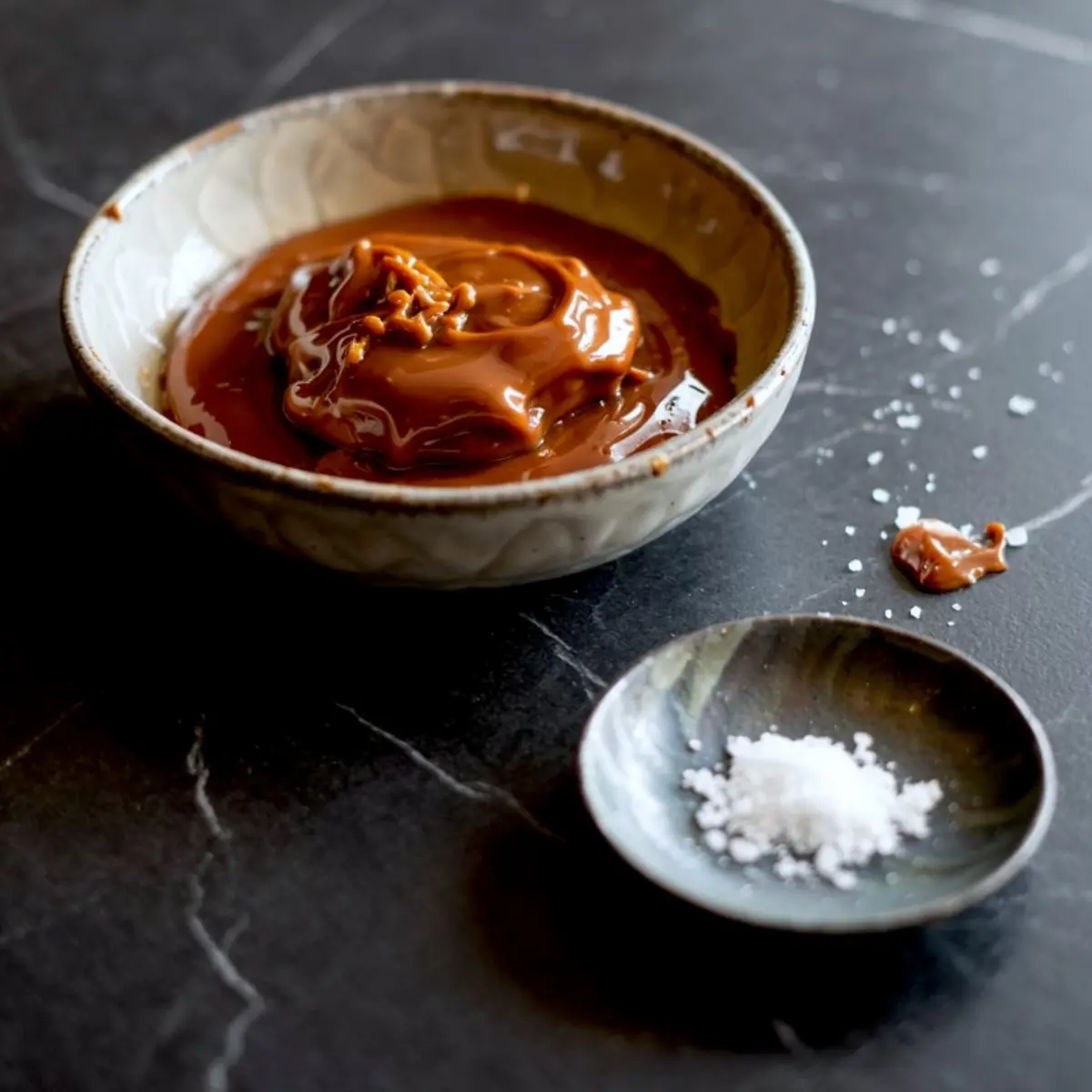
Making the caramel always feels like a moment of truth.
Once the sugar melts and darkens, it’s easy to second guess. But don’t. Keep stirring gently, stay with it, and look for the deep amber shade. That’s the point where the caramel gives you depth, not bitterness.
Adding the butter causes a small storm. It bubbles, steams, and hisses. I always tell myself to stay calm. Stir steadily until the butter melts and disappears.
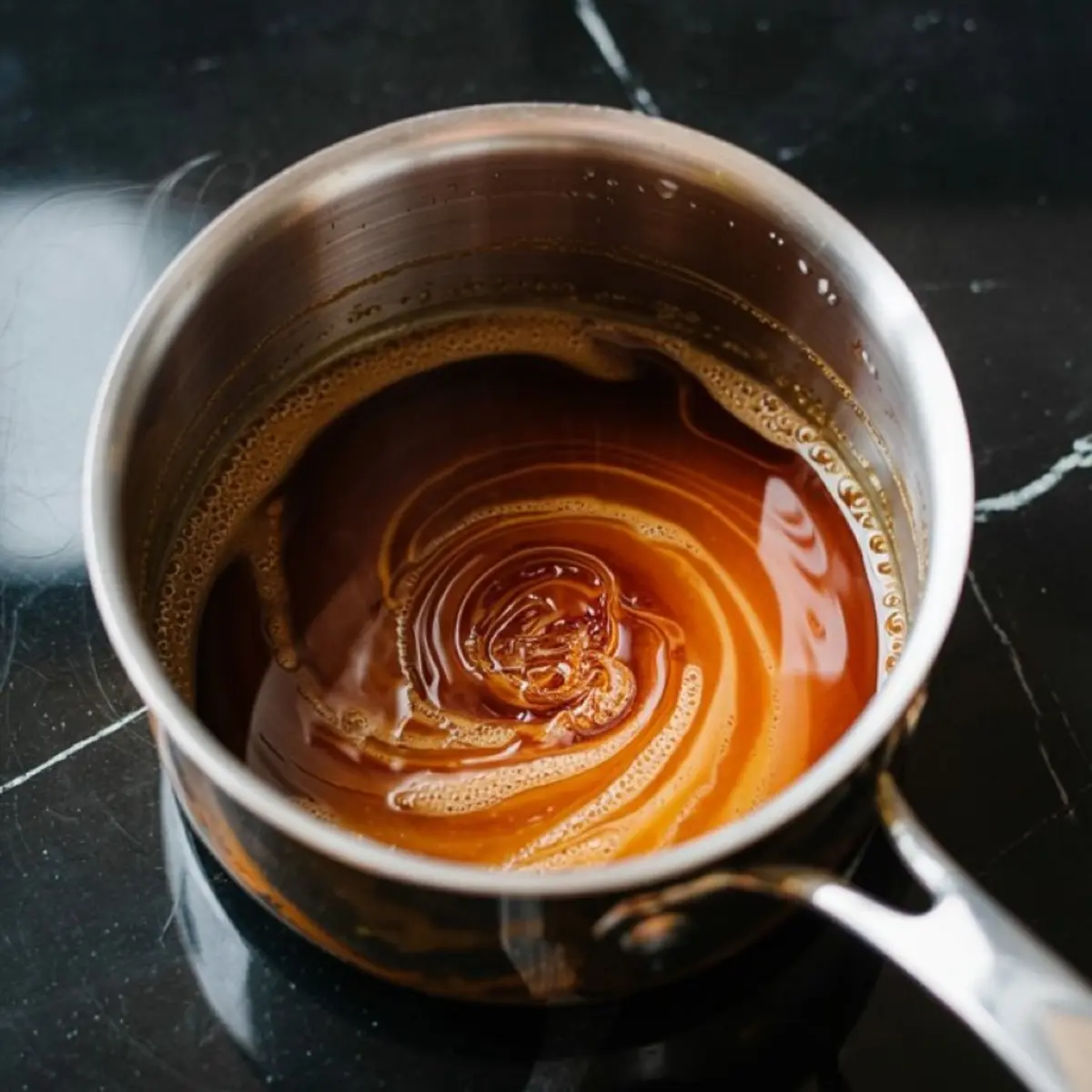
Then comes the cream. Pouring slowly, whisking always. The transformation happens fast here. The bubbling calms, the sauce thickens slightly, and the scent turns sweet and warm.
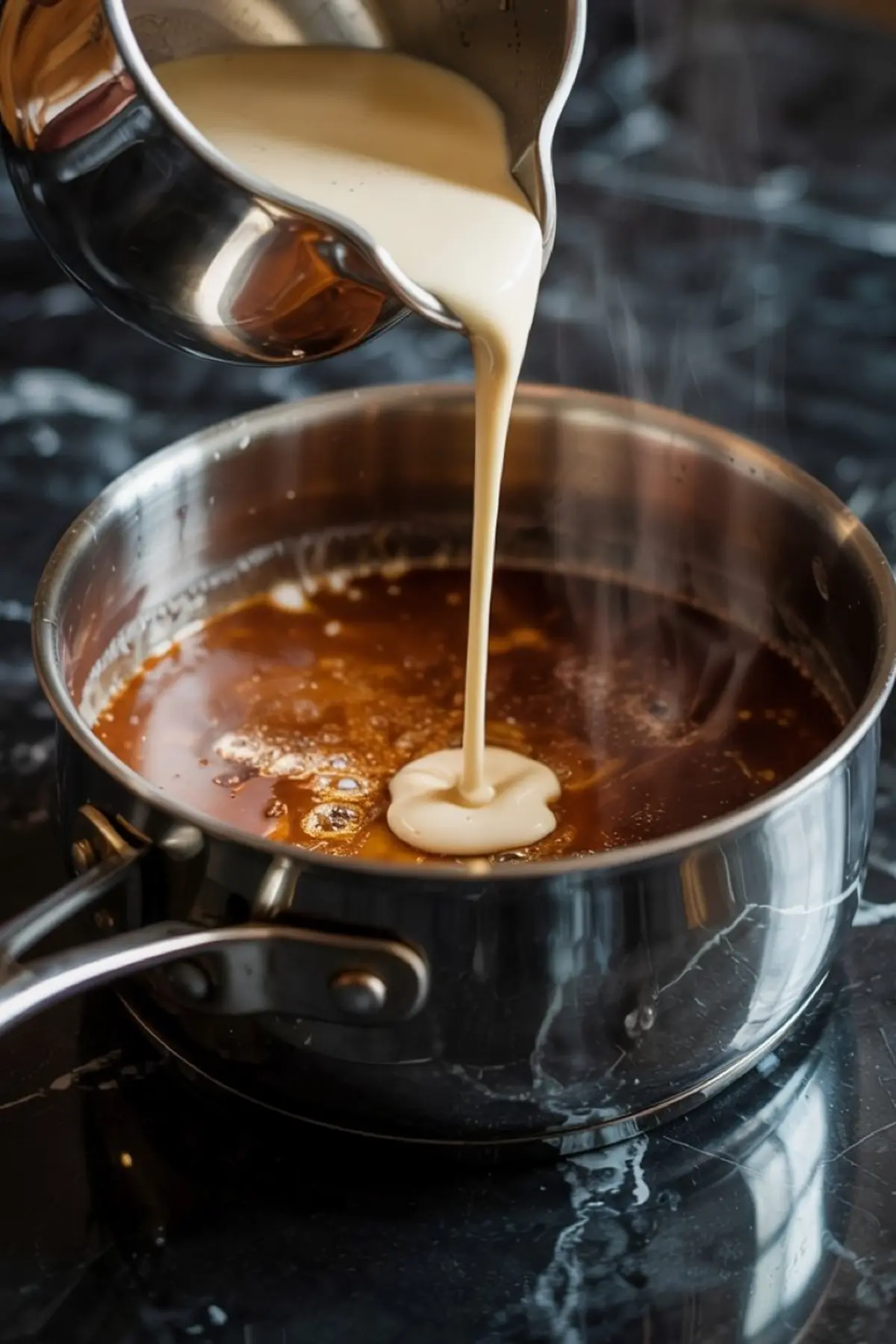
The salt goes in once everything settles. Then, I leave it. Cooling is non-negotiable. Rushing this part ruins the buttercream. Trust me, I’ve done it more than once.
Whipping and Folding the Buttercream Base
Softened butter changes the game.
When you beat it long enough, it goes from pale to nearly white. That’s how I know it’s ready. I’ve found that 3 to 4 minutes on medium-high is just right.
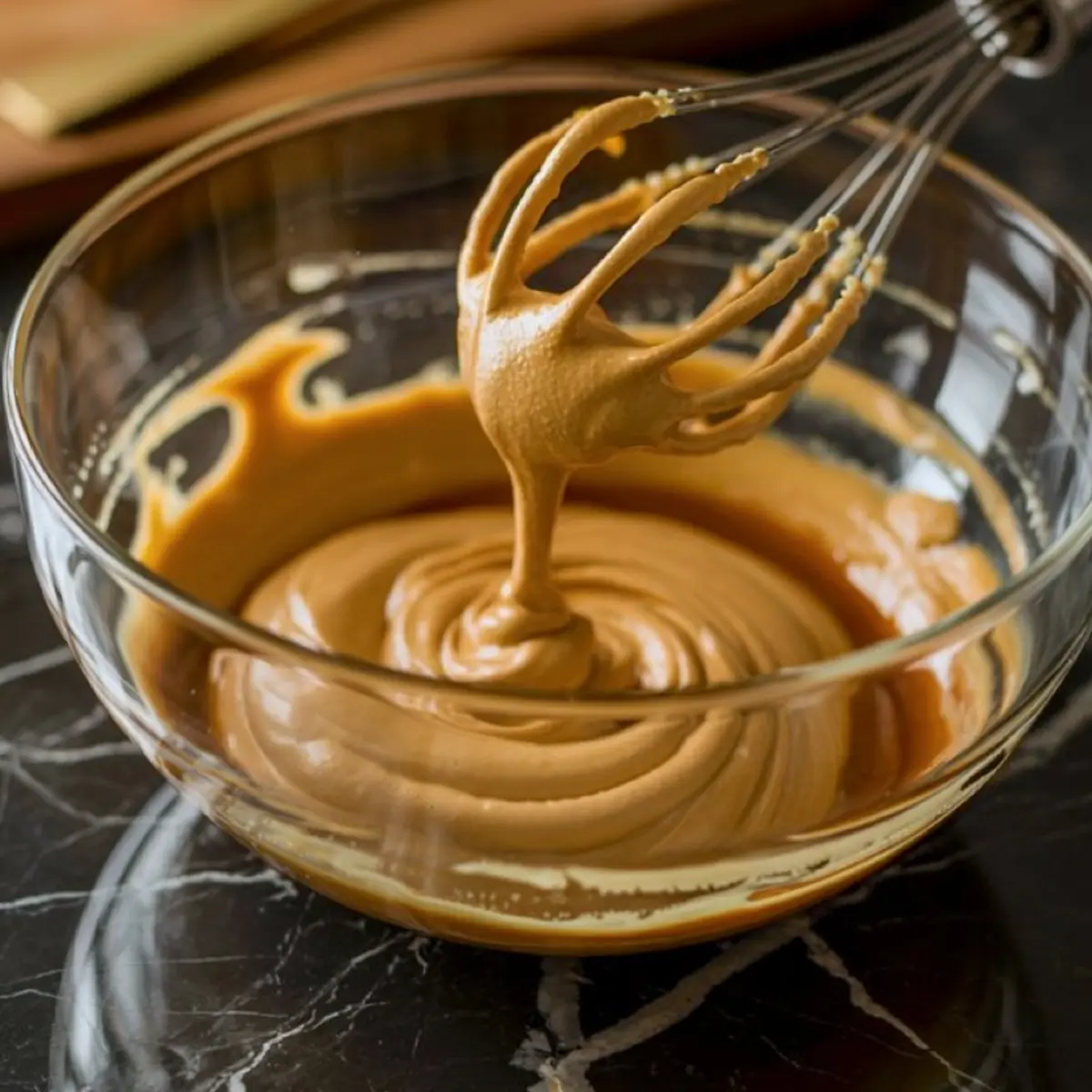
I add the caramel in stages. A spoonful at a time. Rushing this step can break the emulsion. I’ve had frosting curdle on me when I got impatient. Take your time, and beat it well between additions.
Once all the caramel is folded in, the frosting already tastes like something special.
Then the powdered sugar joins the mix. One cup at a time, with thorough mixing. Start with 2 1/2 cups. Add more if you need a firmer texture. For piping, it should stand on a spoon. For spreading, it should move easily.
If the frosting feels too loose, chill it briefly. If it feels too stiff, a tablespoon of cream helps.
Mascarpone vs Butter – My Tested Thoughts
I once made this frosting with mascarpone instead of butter.
It was smooth and creamy, with a lovely tang. But it didn’t hold up well under piping. In warm kitchens, it softened too quickly.
Butter, especially high-fat European-style, provides stability. Mascarpone can work for filling layers or chilled desserts, but for structure and hold, butter wins. That’s why I stay with it for this recipe.
If you’re curious, try mascarpone frosting on small batches. It’s a different experience, and worth exploring.
A Word on Texture and Taste Before You Use It
Always test a small spoonful before you commit to piping.
If it pipes clean and holds peaks, you’re ready. If it slouches, it needs more sugar or chill time.
This frosting plays well with rich cakes. Try it with easy pumpkin cupcakes, especially if you want something that highlights fall spices without clashing.
Want to explore more? You could swap this into any recipe that calls for cream cheese frosting for a warmer, buttery finish. Or pair it with peanut butter frosting in a layer cake. The contrast works.
For a more traditional sweet finish, you can always revisit a classic like American buttercream frosting. But once you’ve made this caramel one, you’ll find it hard to go back.
The Secret I Promised – Where the Magic Comes In
This frosting tastes rich, but it never feels heavy. That’s the salt working quietly, sure. But there’s one more thing.
When I make this, I always let the finished frosting rest.
Ten minutes at room temp, untouched. It settles. The texture smooths out. The flavor deepens just a little. Like stew the next day, it just gets better.
That’s the part no one writes into the recipe card. But it matters.
Save It, Share It, Make It Yours
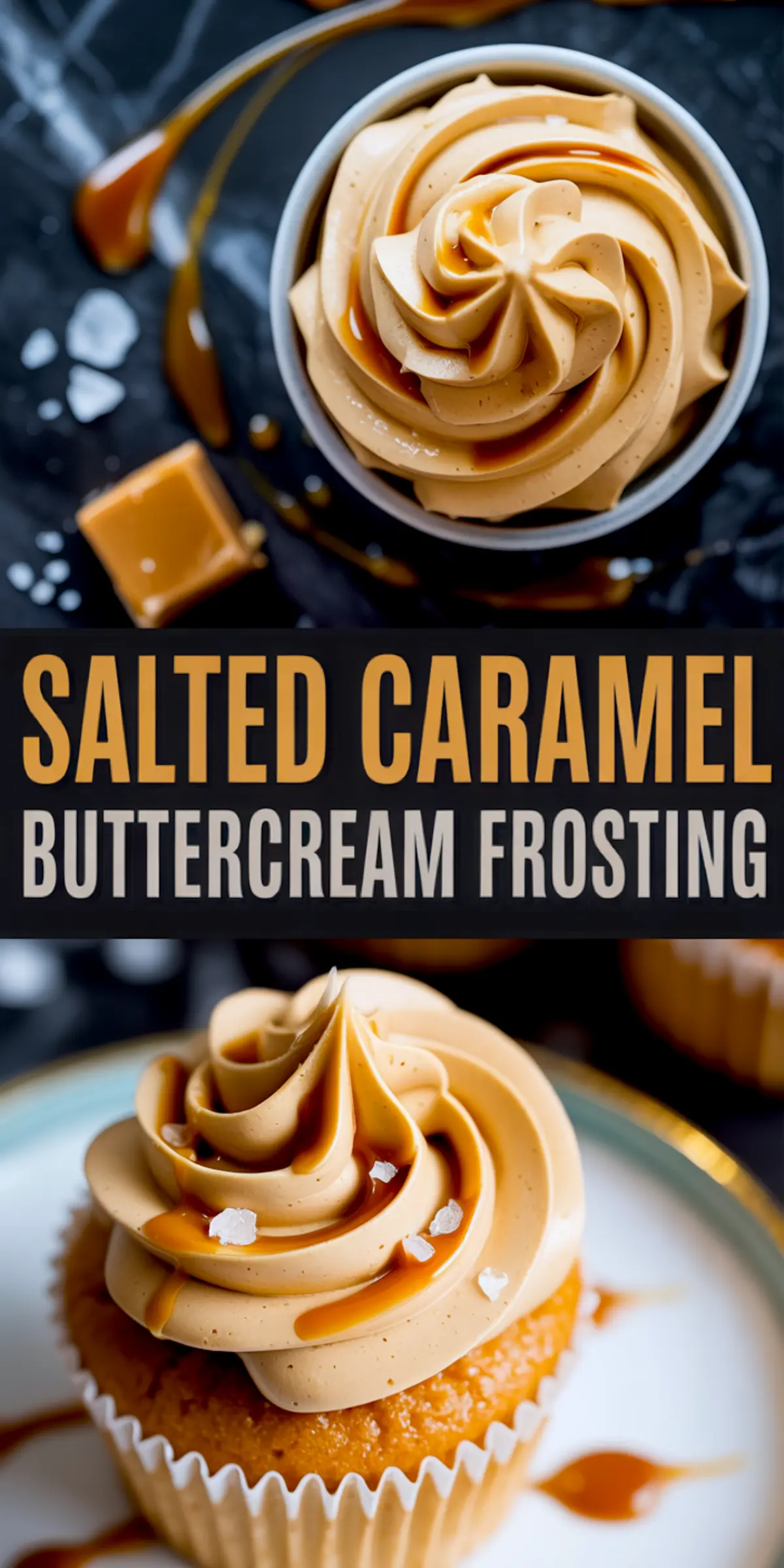
This Salted Caramel Buttercream Frosting recipe has lived in my Pin Notebook for years.
I reach for it when I want something made with care. When the cake needs more than a quick swipe of sweetness. It’s one of those recipes that feels earned.
Save this to your Pinterest frosting board so you have it when the moment calls for something special.
And if you try it, come back and tell me in the comments. Did you use it on cupcakes?
Salted Caramel Buttercream Frosting
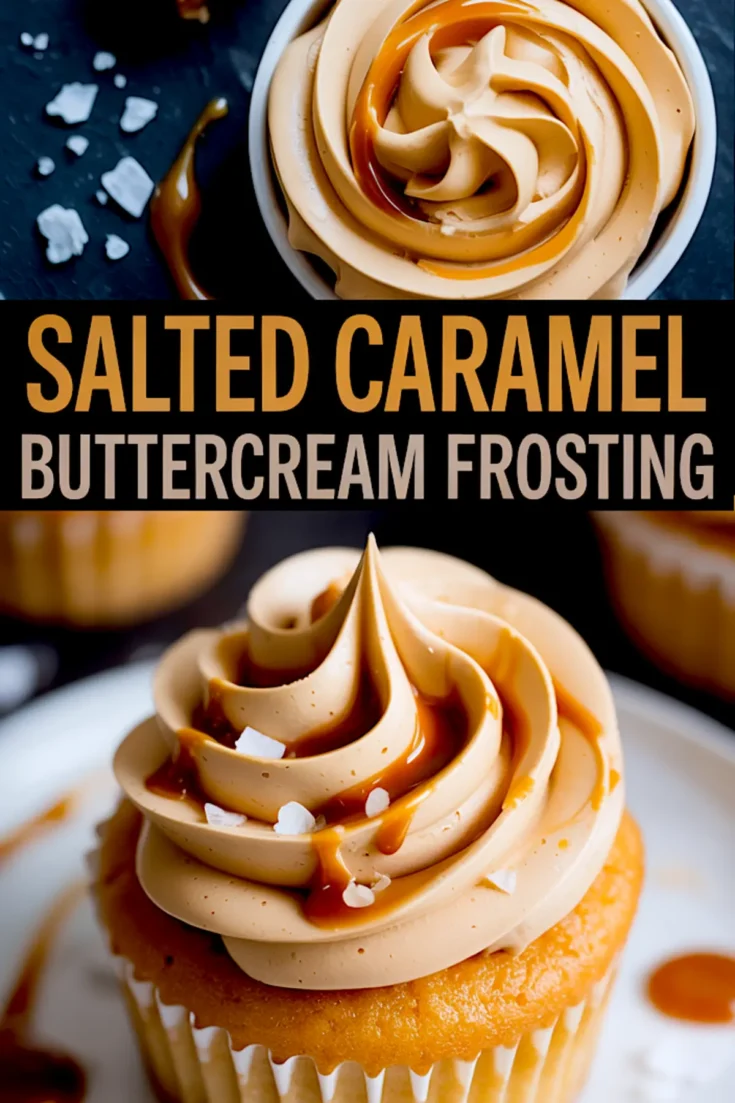
Caramel buttercream frosting mixes buttery caramel sauce into a smooth, pipeable base that spreads like a dream. I use this caramel buttercream when I want frosting that feels rich but not too heavy. It pairs well with chocolate cake, apple cupcakes, or anything you’d usually top with vanilla. This easy caramel frosting recipe starts with real caramel and finishes with just enough salt to balance the sweetness. I save it with my favorite frosting recipes easy enough for weeknight baking but still special enough for holiday cakes. It’s one of the best caramel frosting ideas I’ve made, and the texture holds up beautifully for piping. Keep it bookmarked with your go-to cake frosting recipe list.
Ingredients
- FOR THE SALTED CARAMEL
- 1 cup granulated sugar
- 6 tablespoons unsalted butter, cut into pieces
- 1/2 cup heavy cream, at room temperature
- 1/4 teaspoon fine sea salt
- FOR THE BUTTERCREAM
- 1 cup (2 sticks) unsalted butter, softened
- 2 1/2 to 3 cups powdered sugar, sifted
- All of the cooled salted caramel (from above)
- Additional pinch of sea salt, to taste
- Optional: 1/2 teaspoon vanilla extract
Instructions
- MAKE THE CARAMEL: In a heavy-bottomed saucepan, heat the granulated sugar over medium heat, stirring occasionally once it begins to melt. Continue stirring gently until all the sugar dissolves and the mixture becomes smooth and amber in color.
- ADD THE BUTTER: Carefully add the butter pieces to the melted sugar. The mixture will bubble and steam rapidly. Stir continuously until the butter is fully melted and incorporated.
- POUR IN THE CREAM: Slowly pour the room-temperature heavy cream into the hot caramel while whisking constantly. Allow the caramel to boil for 1–2 minutes, then remove from heat and stir in the sea salt. Let the caramel cool completely to room temperature before using.
- WHIP THE BUTTER: In a large mixing bowl, beat the softened butter with an electric mixer on medium-high speed for 3–4 minutes, until pale and fluffy.
- ADD THE CARAMEL: Once the caramel is fully cooled, gradually add it to the whipped butter, beating well after each addition until smooth and fully incorporated.
- ADD THE POWDERED SUGAR: Add the powdered sugar one cup at a time, beating thoroughly between additions. Start with 2 1/2 cups and add more as needed to achieve a thick, pipeable consistency.
- ADJUST FLAVOR AND TEXTURE: Taste the frosting and mix in an extra pinch of sea salt if desired. If using, beat in the vanilla extract. For a softer frosting, add a tablespoon of cream; for a firmer texture, chill briefly or add more powdered sugar.
- TEST AND USE: Test the frosting by piping or spreading a small amount. Use immediately to frost cupcakes or cake, or store in the refrigerator and bring to room temperature before using.
Notes
Ensure the caramel is fully cooled before adding it to the butter to prevent melting. If your caramel firms up too much while cooling, microwave it in 10-second intervals and stir until smooth.
Nutrition Information:
Yield:
1Serving Size:
1Amount Per Serving: Calories: 5427Total Fat: 131gSaturated Fat: 82gTrans Fat: 2gUnsaturated Fat: 41gCholesterol: 367mgSodium: 1095mgCarbohydrates: 1093gFiber: 0gSugar: 1076gProtein: 5g
