
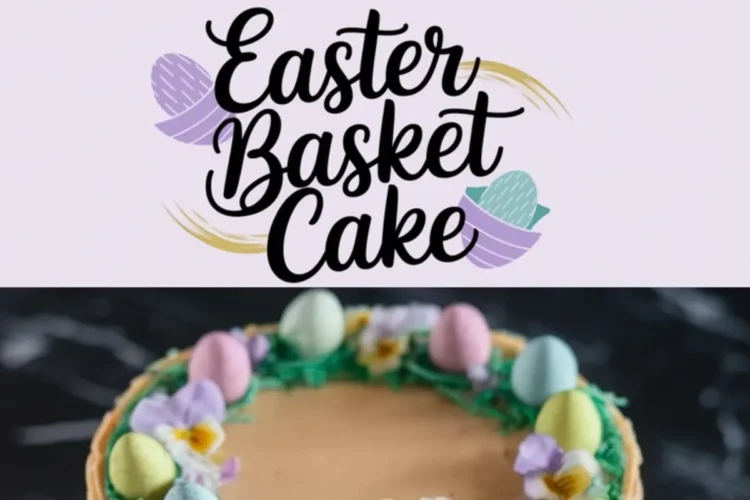
Easter memories fill my thoughts with colorful images and sweet aromas. My aunt often baked cheerful confections during spring, setting a joyful mood throughout her kitchen. My own attempt at an Easter Basket Cake began after recalling her warmth and noticing a curious gap in my dessert repertoire.
An unspoken twist always lingered in my childhood version of this cake, something small yet surprisingly transformative. You might guess it right away, but I prefer to keep it under wraps until later. Can you sense the suspense?
I first tasted this cake during a bustling family gathering. My mother teased everyone with hints of a “secret dash” that lifted each bite. My sense of wonder grew with every slice she handed out, and I now honor that same whimsy with my own approach.
Gathering the Sponge Cake Ingredients
A combination of all-purpose flour, baking powder, and salt creates a stable base. Softened unsalted butter and granulated sugar give the batter structure and sweetness. Eggs bring richness, while vanilla extract adds a welcoming aroma.
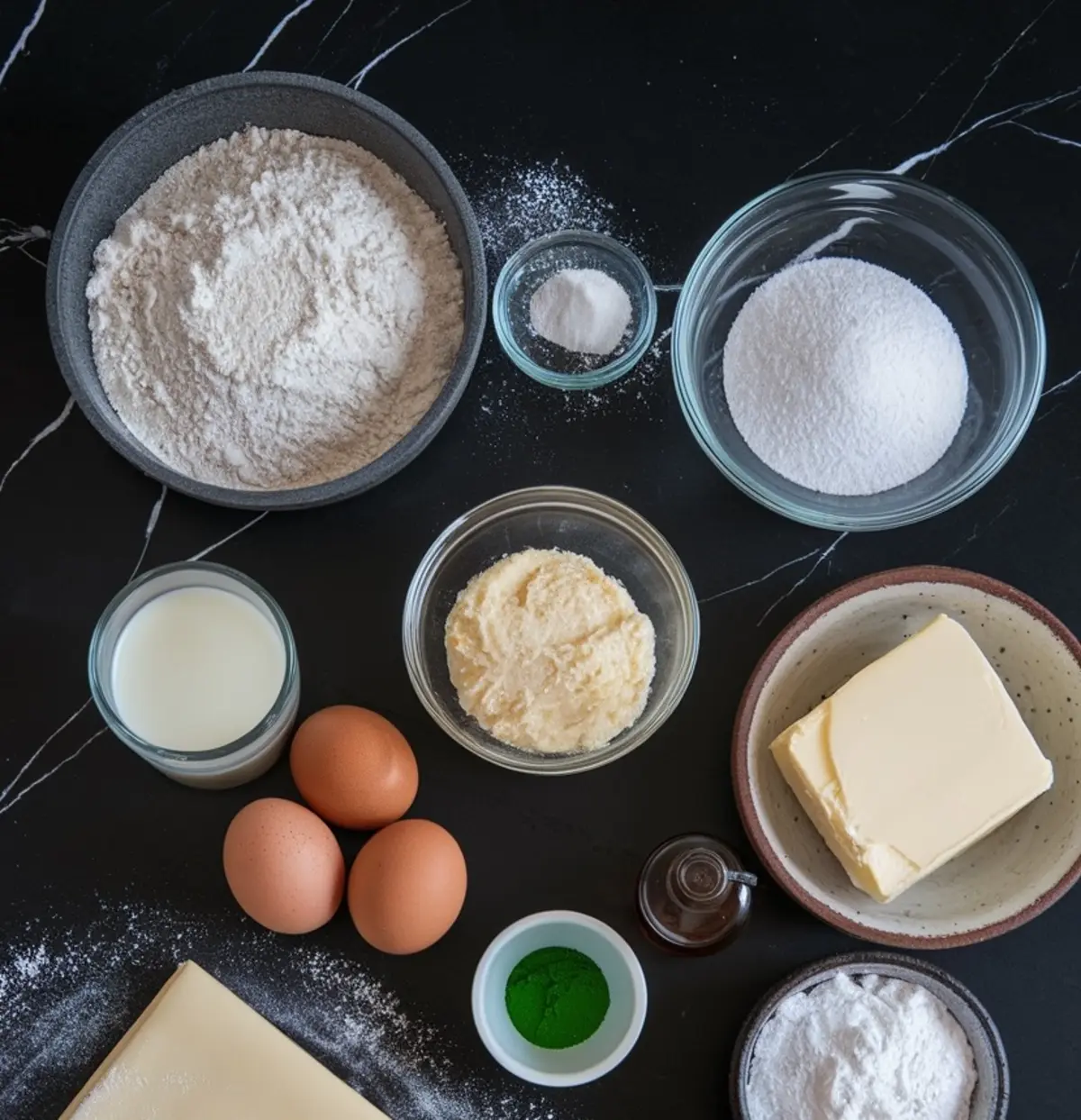
Whole milk ensures a moist crumb and smooth batter consistency. Precision in measuring each component prevents surprises later. This lineup supports a cake that stands tall and tastes light.
Four layers might sound extravagant, but each contributes to the visual appeal. The gentle rise from the baking powder means an even texture. I like that tidy uniformity when slicing through each round.
Baking the Sponge Cake
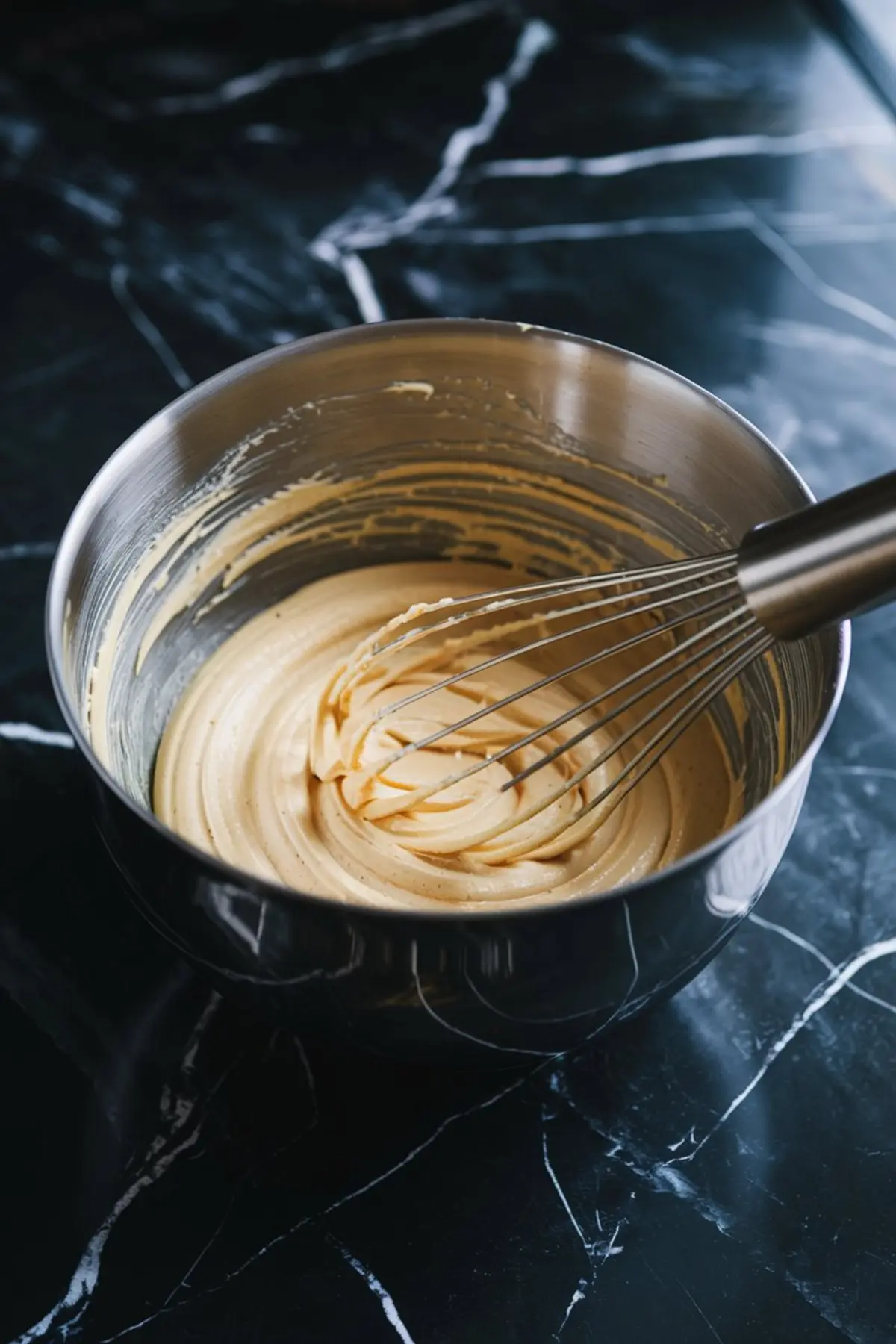
A moderate oven temperature (350°F or 175°C) helps the batter bake evenly. Parchment-lined pans guard against sticking and allow each cake to release without trouble. I watch for a golden hue that signals readiness after about 30 to 35 minutes.
Cooled layers are easier to handle when splitting them horizontally. A quick crumb coat of buttercream seals everything in place before fondant arrives. This protective step keeps any loose bits from spoiling the final look.
Spreading a thin layer of buttercream between each layer provides a delightful texture shift. The sweet cream balances the airy cake. Consistency matters here, so a brief chill helps the entire stack stay firm.
Preparing the Buttercream and Fondant
Softened butter whipped with powdered sugar forms the base of a smooth filling. Vanilla extract and a splash of heavy cream bring a soft, spreadable consistency. A slow and steady approach ensures no lumps and a balanced sweetness.
Fondant creates the “basket” around the cake. Rolling it out on a dusted surface keeps it from sticking. A basket-weave embosser or careful cuts with a sharp knife develops the pattern that resembles woven reeds.
Attaching those strips around the cake requires gentle pressing. Slight overlaps hide seams, so the final appearance stays consistent. Fingers clean of excess cornstarch produce a neat finish.
Assembling and Decorating
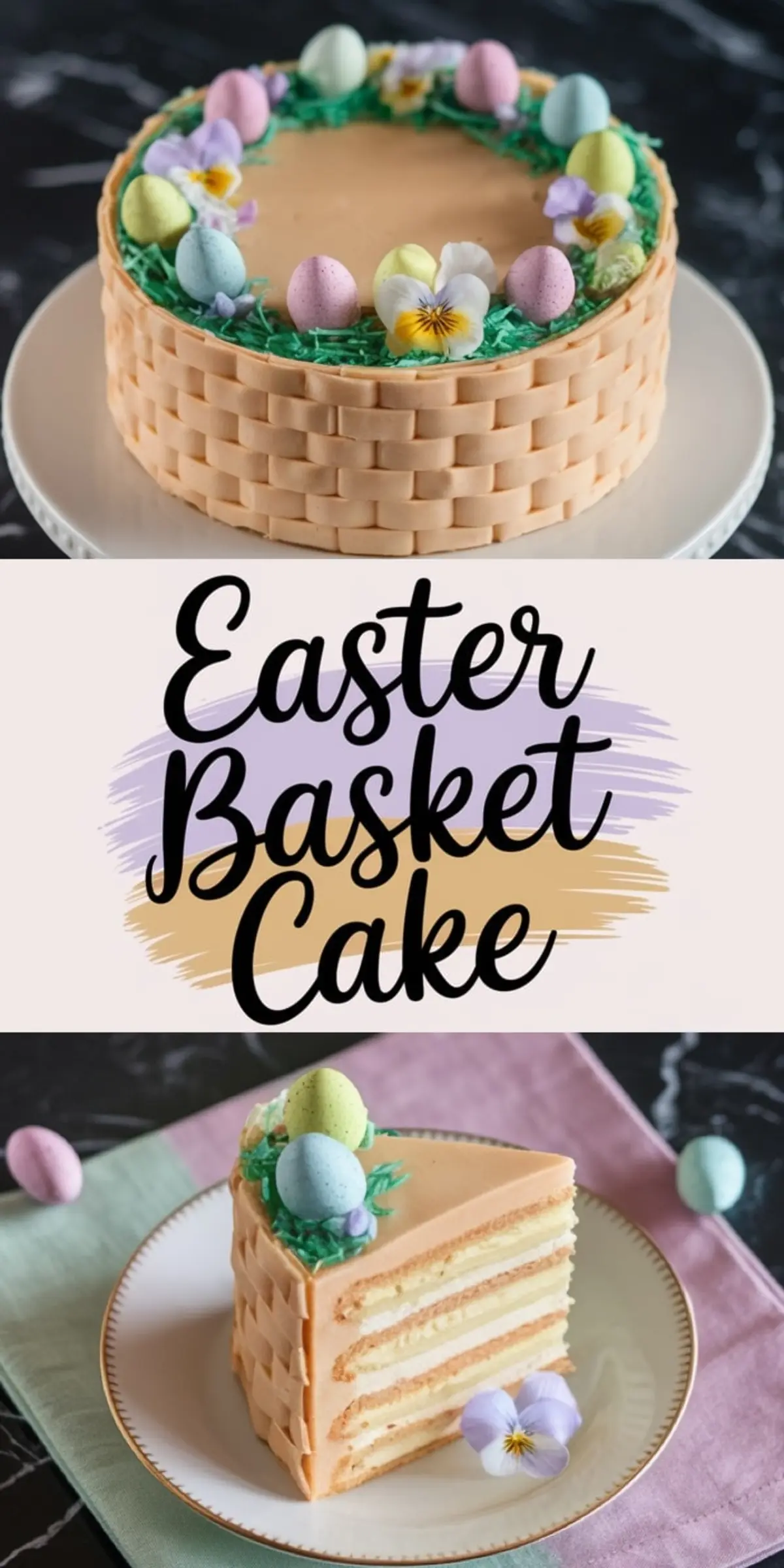
Sliced cake layers meet the buttercream in a neat tower. Fondant covers the entire exterior, forming a smooth canvas. Further strips add texture and complete the illusion of a woven basket.
Shredded coconut transforms into bright green “grass” once dyed with a few drops of food coloring. A simple shake in a plastic bag spreads the color evenly. No one expects ordinary plain coconut after seeing that vivid hue.
Candy eggs and edible flowers rest on the vibrant grass. Gentle placement keeps them secure. This lively display fits the spirit of Easter celebrations, and curious onlookers often lean in for a closer look.
Revealing the understated ingredient feels important after these steps. My mother believed a dash of grated lemon zest in the buttercream provided a subtle lift. She once told me it mirrored the first breath of spring, so I always add it now as a nod to her quiet innovation.
Easter Inspiration
My cat, Whiskers, often peers from a safe distance whenever I’m in the kitchen. He once nudged a measuring spoon off the countertop, and I learned to keep him entertained elsewhere before I start. I rely on my Golden Spoon, inherited from my aunt Marian, for that final swirl of batter or buttercream.
I also keep a Pin Notebook, a cherished little guide where I record my tweaks and improvements. Adding half a teaspoon more lemon zest or adjusting fondant thickness might seem minor, but these notes save time later. That’s how I keep track of subtle changes between different bakes.
Easter Basket Cakes often inspire me to explore more holiday favorites. My recent trials include Blueberry Babka with cream cheese swirls and a comforting Carrot Cake Recipe. I also adore the fragrant traditions of Simnel Cake during spring gatherings.
Warm chatter about sweetness and color connects people. Do you have any memories that revolve around a kitchen table and a batch of treats? Easter is a time to revive those recollections and celebrate them with a new twist.
Save This Easter Basket Cake on Pinterest and Share Your Experience

Friends sometimes call this dessert a nod to tradition with a modern flourish. A pinned snapshot of this cake can inspire your next holiday bake or spark a child’s curiosity. Are you ready to join the conversation?
Feel free to leave a comment if you try this recipe or encounter any hiccups. Home bakers often find that sharing tips and stories brings everyone closer. A simple line about your favorite additions may improve someone else’s baking adventure.
This cake resonates with families who love playful designs and gentle flavors. Its buttery layers meet a pleasant creaminess, and the basket-weave fondant never fails to impress. Everyone can admire the joy it spreads during bright, blossom-filled afternoons.
Savor each bite and indulge that curiosity about fresh ingredients. My approach continues to evolve, thanks to the playful spirit of spring baking. I trust that your own journey will bring comfort and delight for years to come.
Easter Basket Cake Recipe
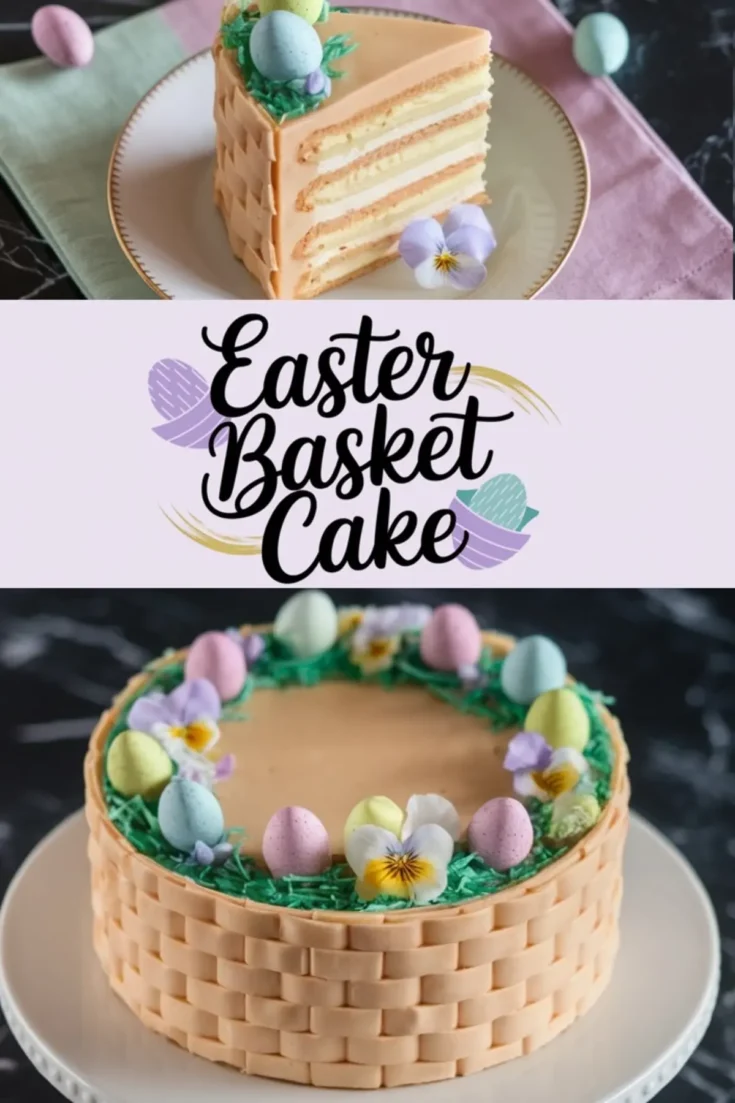
A light and fluffy sponge cake is layered with vanilla buttercream and covered in fondant to create a charming Easter basket design. Shredded coconut tinted green mimics grass, while candy eggs and edible flowers add festive decoration.
Ingredients
- FOR THE SPONGE CAKE (FOUR LAYERS)
- 2 ½ cups (315g) all-purpose flour
- 2 ½ teaspoons baking powder
- ½ teaspoon salt
- 1 cup (226g) unsalted butter, softened
- 2 cups (400g) granulated sugar
- 4 large eggs
- 1 tablespoon vanilla extract
- 1 cup (240ml) whole milk
- FOR THE BUTTERCREAM FILLING
- 1 cup (226g) unsalted butter, softened
- 4 cups (480g) powdered sugar
- 1 tablespoon vanilla extract
- 3-4 tablespoons heavy cream
- FOR THE FONDANT BASKET WEAVE
- 1 ½ pounds (680g) beige or light brown fondant
- Cornstarch for dusting
- Rolling pin
- Basket weave fondant embosser or sharp knife
- FOR DECORATION
- 1 cup shredded coconut
- Green food coloring
- Mini chocolate or candy eggs
- Edible flowers (such as pansies or violets)
Instructions
- BAKE THE SPONGE CAKE: Preheat the oven to 350°F (175°C). Grease and line two 8-inch round cake pans with parchment paper. In a medium bowl, whisk together the flour, baking powder, and salt. In a separate large bowl, beat the butter and sugar until light and fluffy. Add the eggs one at a time, mixing well after each addition. Stir in the vanilla extract. Gradually add the dry ingredients, alternating with the milk, and mix until smooth. Divide the batter evenly between the two cake pans and bake for 30-35 minutes, or until a toothpick inserted into the center comes out clean. Let the cakes cool in the pans for 10 minutes, then turn them out onto a wire rack to cool completely. Once cooled, slice each cake in half horizontally to create four even layers.
- MAKE THE BUTTERCREAM FILLING: In a mixing bowl, beat the butter until smooth. Add the powdered sugar one cup at a time, mixing on low speed. Stir in the vanilla extract and gradually add heavy cream until the buttercream reaches a spreadable consistency.
- ASSEMBLE THE CAKE: Place one cake layer on a serving plate. Spread a thin layer of buttercream on top. Repeat with the second and third layers, finishing with the fourth layer on top. Cover the entire cake with a thin crumb coat of buttercream and chill for 30 minutes.
- COVER THE CAKE WITH FONDANT: Roll out the fondant on a cornstarch-dusted surface until it is about ⅛ inch thick and large enough to cover the cake. Carefully drape it over the cake and smooth it down. Trim any excess. For the basket weave effect, roll out another piece of fondant and use a basket weave embosser to imprint the pattern. Cut into strips and apply them around the sides of the cake, overlapping slightly to create the woven effect.
- MAKE THE EDIBLE GRASS: Place the shredded coconut in a ziplock bag. Add a few drops of green food coloring, seal the bag, and shake until evenly colored. Sprinkle the coconut grass on top of the cake.
- ADD THE FINISHING TOUCHES: Arrange the candy eggs and edible flowers on top of the coconut grass. Gently press them into place so they stay secure.
Notes
For best results, use gel food coloring to tint the shredded coconut, as it provides a more vibrant color without excess moisture.
If fondant becomes too soft while working, let it rest at room temperature for a few minutes before continuing.
To achieve clean and even cake layers, use a serrated knife or a cake leveler when slicing.
Store the finished cake in a cool, dry place. If refrigerating, allow it to come to room temperature before serving for the best texture and flavor.
Nutrition Information:
Yield:
12Serving Size:
1Amount Per Serving: Calories: 271Total Fat: 9gSaturated Fat: 6gTrans Fat: 0gUnsaturated Fat: 3gCholesterol: 95mgSodium: 288mgCarbohydrates: 39gFiber: 1gSugar: 16gProtein: 7g
