

I remember my first taste of this cake during a spring gathering at my aunt’s home. She lived near a small orchard, where blossoms scattered across the lawn in early April. The cake’s color charmed me. The scent of warm fruit and toasted almond teased my senses.
My aunt served each slice with a smile that said this was more than a dessert. I felt an instant sense of comfort and delight. You will taste that same warmth in your own kitchen. A small surprise lies within the recipe, hinting at a dash magic that changes everything. Keep reading to discover what sparks this cake’s extra charm.

Personal Memory And The Cake’s Charm
I have baked many versions of fruitcake, but this one holds a special place in my heart. Friends often wonder about the differences they see between my usual treats and this specific loaf. The top looks glossy, and the interior includes a hidden layer that always draws eager questions. This cake goes beyond the usual fruit-and-spice combination.
A smooth almond presence permeates each bite. That flavor lifts the sweet dried fruit, and a final flicker of citrus ensures a fresh aftertaste. I keep the secret ingredient in my cupboard at all times. Even Whiskers, my cat, wanders in when the aroma drifts through the house. He meows as if he understands good cooking from across the room.
Preparing The Batter For Success
I start by warming the oven to a low temperature. The slow-and-steady approach prevents over-browning, which is a common issue with dense fruit loaves. Softened butter and light brown sugar create a fluffy beginning. I add eggs, one by one, to form a creamy mixture. The warm color deepens with each addition.
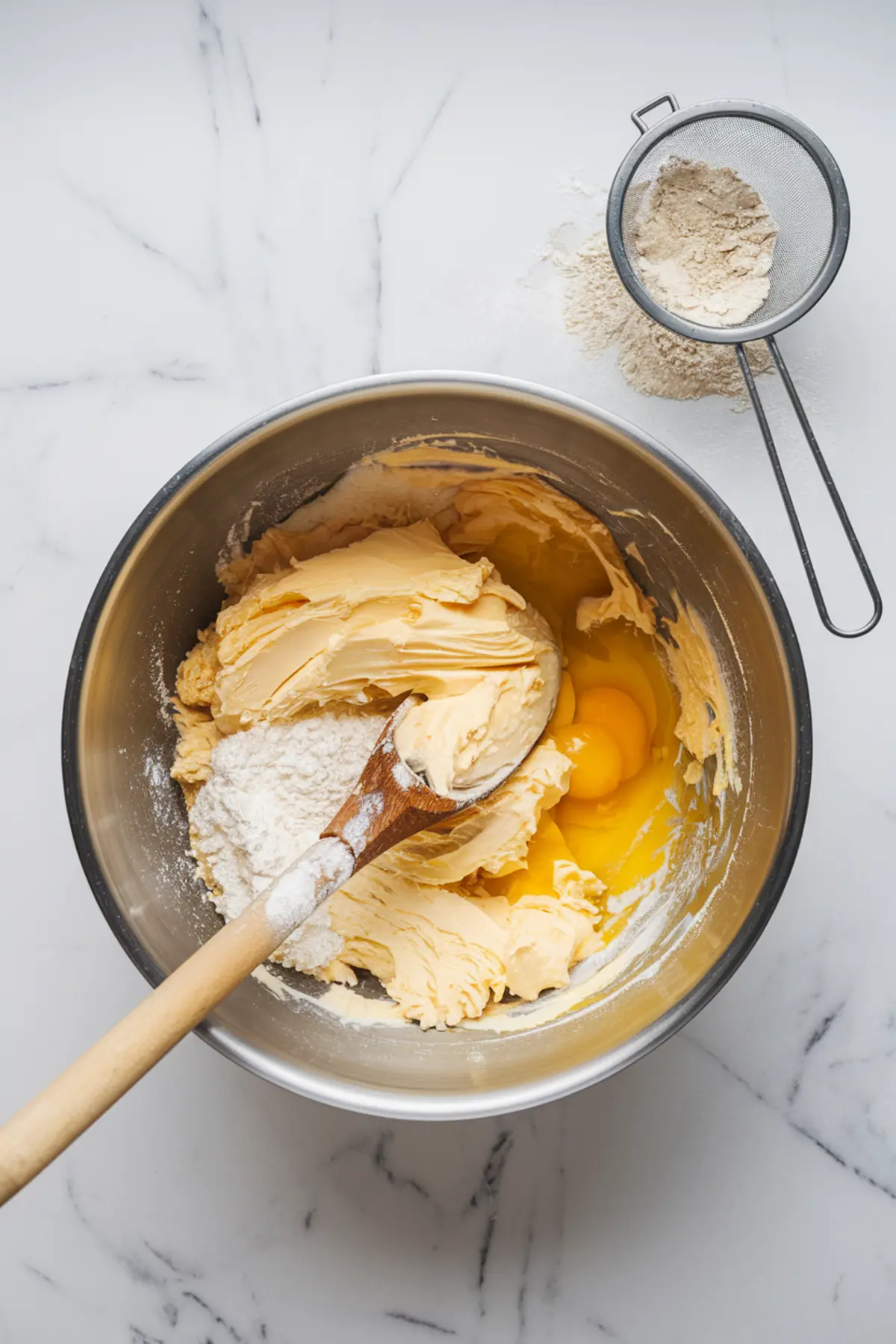
My aunt Marian’s Golden Spoon has stirred this blend for decades. That heirloom feels like a piece of family history each time I reach for it. I toss in flour, salt, and a balanced trio of cinnamon, nutmeg, and ginger. The mixture thickens, and I add a splash of milk for consistency. I fold in the dried fruit, candied peel, and zest of lemon and orange. The hidden joy rests in that combination of bright citrus and subtle spice.
Rolling Out The Marzipan Layer
I reach for one-third of the marzipan next, shaping it into a circle that mirrors my cake pan. This step remains crucial for flavor and moisture. That layer bakes in the middle of the cake and protects the fruit from drying out. I pour half the batter, smooth it down, then place the marzipan circle on top. I pour the rest of the batter, level the surface, and let it cook for about two and a half hours. The house soon smells like sugar and spice with an almond hint that stirs pleasant memories.
A Low And Slow Bake
I wait patiently while the cake bakes. I check it near the end to confirm the top remains a lovely golden-brown shade. If it starts to darken too quickly, I place a piece of foil over the top. After the timer goes off, I rest the cake on a cooling rack. This part takes a bit of time, but I never rush it. The fruit needs to settle, and the marzipan layer remains soft inside.
Decorating With Care
I brush the top of the cooled cake with warmed apricot jam for a sticky base that helps the next layer cling. Another third of the marzipan goes on top. Then I shape the rest into small balls that line the edge. I recall a little mishap a few years ago. I first placed ten of them, then realized I should follow the tradition of eleven to honor a time-honored custom. I removed them and placed all eleven. My friend joked about me “reloading” the topping. That memory still makes me grin whenever I arrange the final balls.
Toasting For A Final Touch
I use an egg yolk wash on each ball. The sweet almond smell is strong at this point. A quick toast under the grill or a gentle pass with a kitchen torch sets the marzipan into a golden finish. The extra color creates a contrast that looks good on any spring table. This final step reveals the cake’s signature look and signals that it’s nearly time to slice and enjoy.
Revealing The Dash Magic
That hidden detail is a tiny bit of lemon juice mixed into the marzipan. A small dash wakes up the almond flavor and keeps the texture fresh. This step might seem small, but it boosts the overall taste. I note each step of the process in my Pin Notebook, which holds every little tweak that I pick up along the way. My mother wrote her own tips inside those pages years ago, and I carry on the habit by scribbling new observations every time I refine a recipe.
Serving And Storing This Easter Tradition
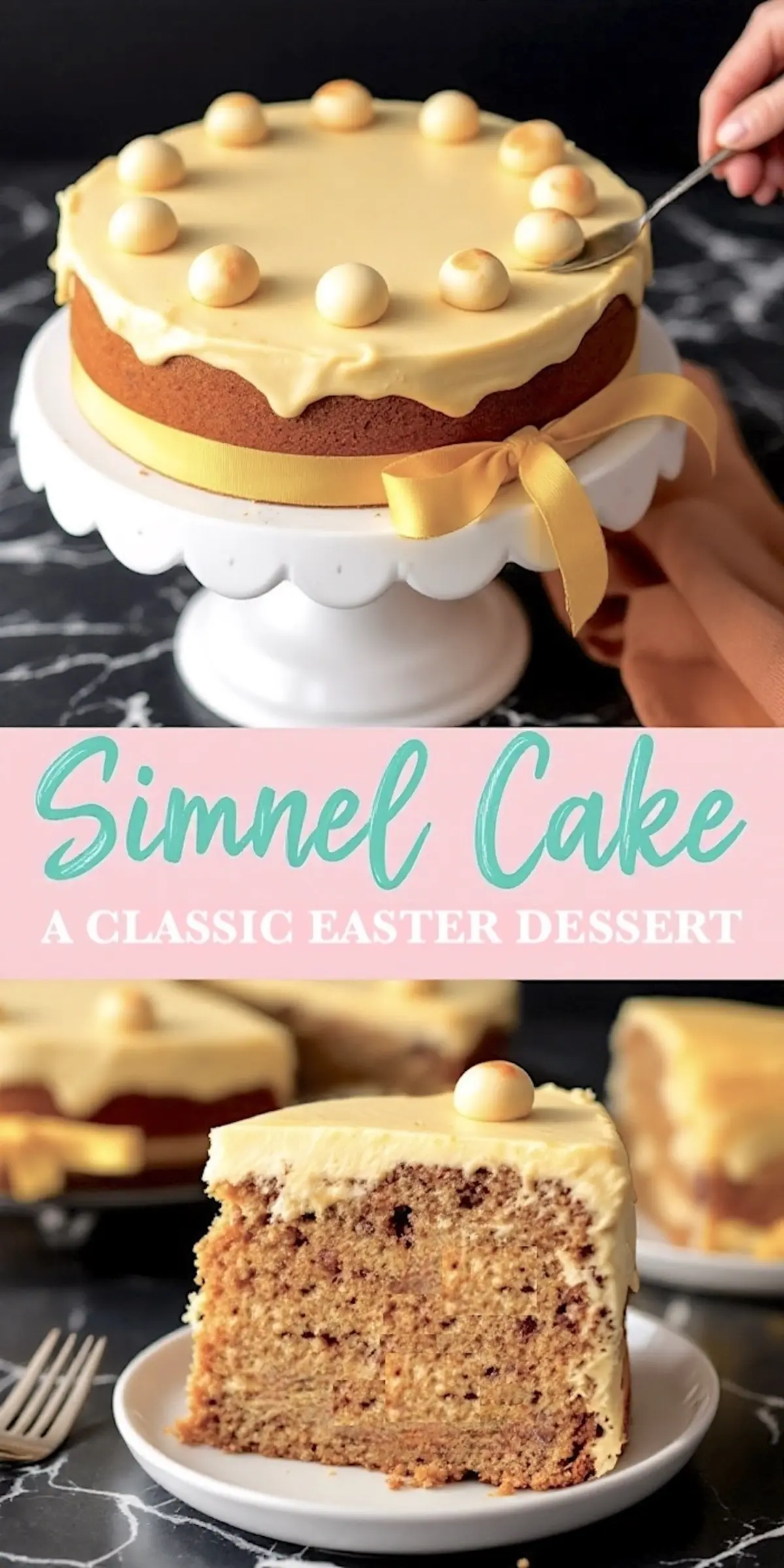
I cut the cake once the top has cooled, revealing the hidden layer of almond goodness. The marzipan in the middle balances the sweetness of the fruit and creates a moist crumb. Friends might ask for seconds. I store any leftovers in an airtight container. If there’s any cake left by the weekend, I keep it in the freezer for future cravings. A slice can thaw quickly on the counter, and the taste remains impressive.
Links To My Other Easter Favorites
You can enjoy more ideas by checking out my Carrot Cake Bars. They offer a sweet bite with a cream cheese swirl. I also suggest the Easter Dip Recipe for a quick and fun spread during gatherings. If you prefer cookies with a festive flavor, try these Italian Easter Cookies. Those small rings taste wonderful with coffee or tea.
Sharing And Saving
I hope you enjoy baking this cake and share your experience with family and friends. You can save this recipe on your favorite Pinterest board so you can find it later. Feel free to invite others to explore the tastes of this cake. I would love to read comments below about how your own version turned out or if you have questions. That sense of community keeps me excited about testing new ideas, and I want you to share in the fun.
Traditional Simnel Cake Recipe

A classic British Easter fruitcake with a hidden layer of marzipan and a toasted marzipan topping. The rich, spiced sponge is filled with dried fruit and citrus zest, making it a flavorful treat for spring celebrations.
Ingredients
- FOR THE CAKE:
- 175g (¾ cup) unsalted butter, softened
- 175g (¾ cup) light brown sugar
- 3 large eggs
- 225g (1¾ cups) plain flour
- ½ tsp salt
- 1 tsp ground cinnamon
- ½ tsp ground nutmeg
- ½ tsp ground ginger
- 1 tsp baking powder
- 2 tbsp milk
- 350g (2⅓ cups) mixed dried fruit (raisins, currants, sultanas)
- 50g (⅓ cup) chopped glacé cherries
- 50g (⅓ cup) chopped candied peel
- Zest of 1 lemon
- Zest of 1 orange
- FOR THE MARZIPAN:
- 250g (2 cups) ground almonds
- 250g (2 cups) icing sugar
- 1 tsp almond extract
- 1 egg, beaten
- 1 tbsp lemon juice
- FOR DECORATION:
- 2 tbsp apricot jam, warmed
- 1 egg yolk, for glazing
Instructions
- PREPARE THE CAKE BATTER: Preheat the oven to 150°C (300°F). Line a deep 20cm (8-inch) cake tin with parchment paper, doubling the lining for even baking. In a large bowl, beat the butter and sugar until pale and fluffy. Add the eggs one at a time, mixing well after each. If the mixture curdles, stir in a spoonful of flour. Sift in the flour, salt, spices, and baking powder. Fold gently, then mix in the milk, dried fruit, cherries, candied peel, and citrus zest until well combined.
- ADD THE FIRST LAYER OF MARZIPAN: Roll out one-third of the marzipan into a circle the same size as the cake tin. Pour half the cake batter into the prepared tin, smooth the surface, and place the marzipan layer on top. Add the remaining batter, level it, and bake for about 2½ hours, or until a skewer inserted in the center comes out clean. If the top browns too quickly, cover it with foil. Let the cake cool in the tin for 15 minutes before transferring it to a wire rack to cool completely.
- DECORATE WITH MARZIPAN: Once the cake is cool, brush the top with warmed apricot jam. Roll out another third of the marzipan to fit the top of the cake and press it gently into place. Form eleven small balls from the remaining marzipan and arrange them around the edge. Lightly brush the marzipan with beaten egg yolk.
- TOAST THE MARZIPAN: Place the cake under a hot grill for 1 to 2 minutes, or until the marzipan turns golden. Watch closely to prevent burning. Let the cake cool before serving.
Notes
The marzipan layer inside the cake adds moisture and enhances the almond flavor. For best results, roll it out evenly to match the tin size.
If the cake starts browning too quickly in the oven, loosely cover it with foil to prevent over-darkening while ensuring it bakes through.
Store the cake in an airtight container at room temperature for up to a week. It can also be wrapped well and frozen for up to three months.
For an extra smooth finish on the marzipan topping, lightly dust the rolling surface with icing sugar to prevent sticking.
If you don’t have a grill, use a kitchen torch to gently toast the marzipan balls for a golden finish.
