
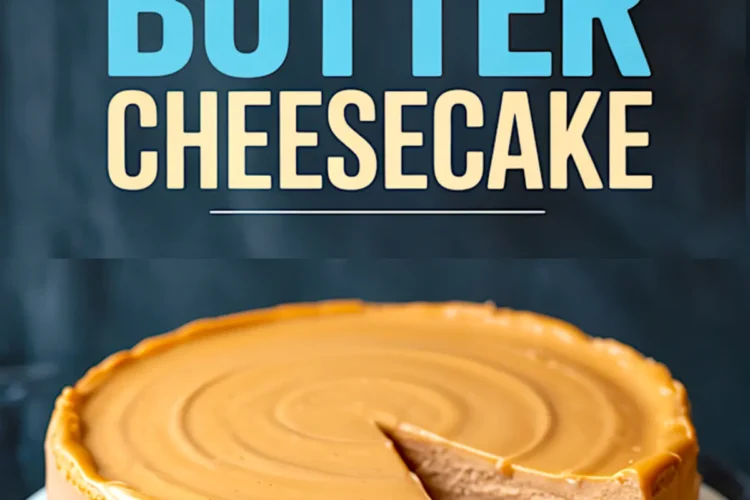
Cheesecake used to intimidate me. I thought it belonged to pastry chefs in white coats, with their professional ovens and mystery techniques. But that changed the day I finally trusted my hands and my own kitchen.
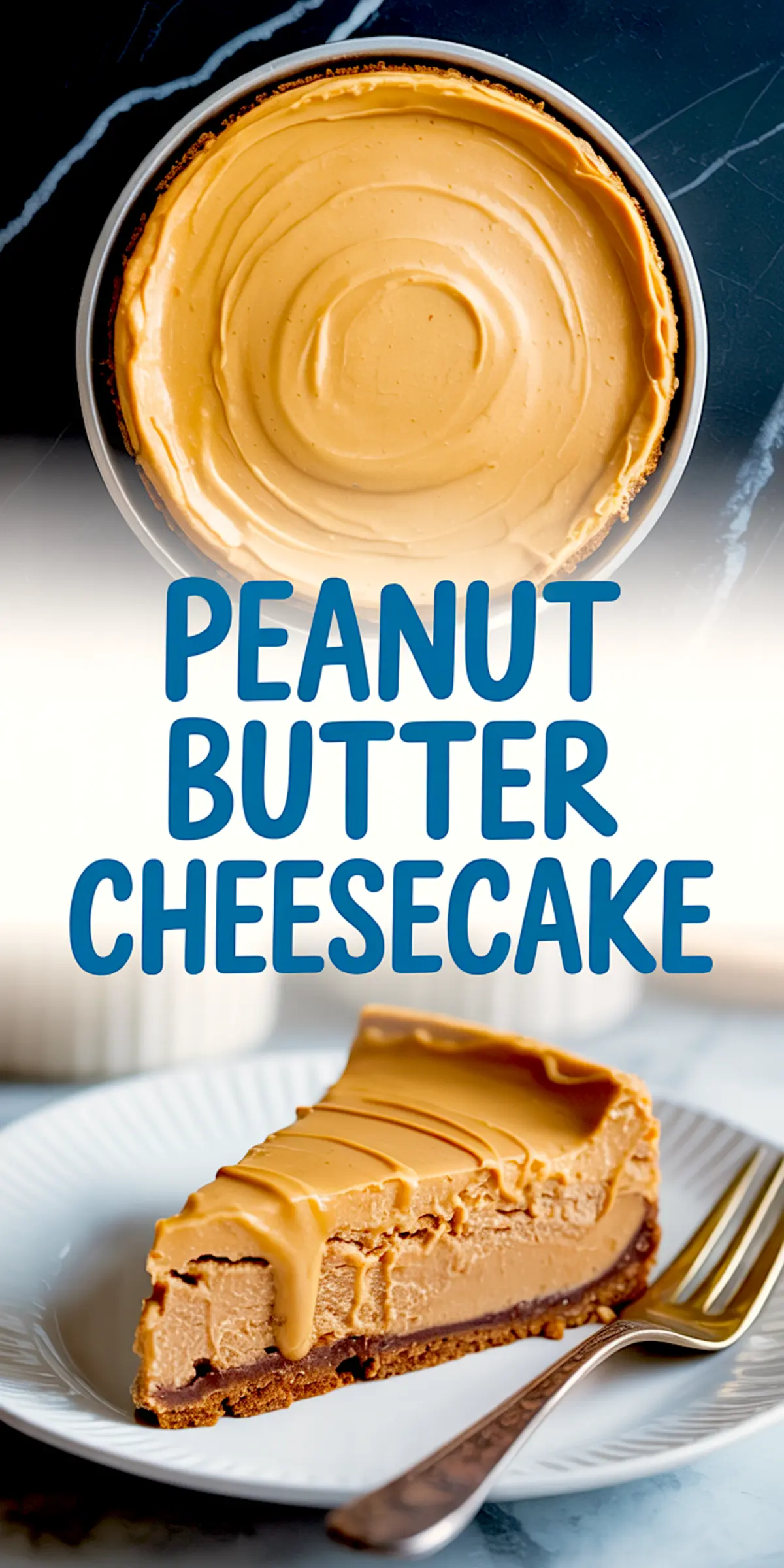
This Peanut Butter Cheesecake is where confidence starts. This Peanut Butter Cheesecake is where confidence starts, just like many of my favorite cheesecake desserts.
You learn how smooth cream cheese, sweet peanut butter, and a quiet little trick combine into something that feels like it came from a fancy bakery, yet lives comfortably in your fridge.
You will walk away knowing exactly how to avoid cracks, get that creamy texture, and make a homemade cheesecake that stays luscious for days. And yes, I will share my tiny secret that makes this one stand out from other easy cheesecake recipes.
Let’s begin.
Ingredients for Peanut Butter Cheesecake Success
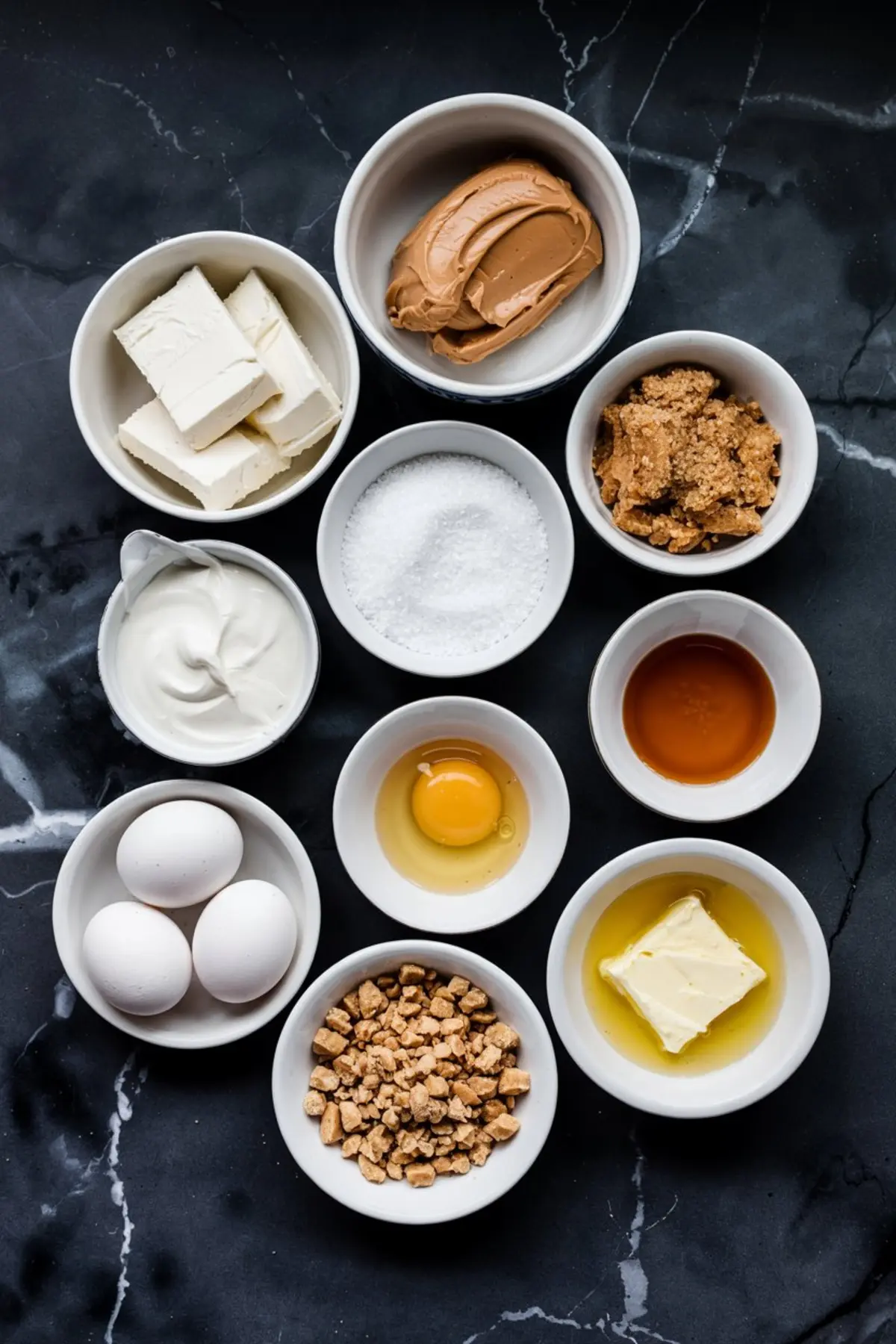
The backbone of any cheesecake is cream cheese. For this, I always pull out the full-fat blocks, not the tubs. The firmness keeps the batter structured, while the fat brings out the richness. Skimp here, and you lose that dense, smooth bite that defines homemade cheesecake.
Peanut butter brings its own rules. I only use creamy, stabilized brands like Jif or Skippy. Natural peanut butters with their oil separation won’t blend the same way. The goal is a silky, even texture. The wrong peanut butter gives you a grainy filling, and once you notice it, there’s no going back.
Brown sugar joins the crushed graham crackers for the crust. That bit of molasses flavor rounds out the peanut butter beautifully. Melted butter binds it all together, forming that sweet, golden base that anchors the entire dessert.
The filling layers continue with granulated sugar for sweetness, vanilla extract for balance, sour cream for tang, and heavy cream for that custardy silkiness. Eggs hold everything firm as it bakes.
My Comparison: Sour Cream vs. Greek Yogurt
Many recipes offer Greek yogurt as a substitute for sour cream. I’ve tested both. Greek yogurt gives you a firmer, slightly chalkier texture. Sour cream, however, gives the filling a more luxurious, smooth consistency that stays creamy even after refrigeration. My notebook has circled this more than once: always sour cream for cheesecake.
How I Prepare the Pan and Oven
Temperature control is everything here. I preheat the oven to 325 degrees Fahrenheit. That moderate heat gently sets the filling without rushing it. I line my springform pan with parchment on the bottom and lightly grease the sides. This helps the cheesecake release easily after chilling.
Crafting the Graham Cracker Crust
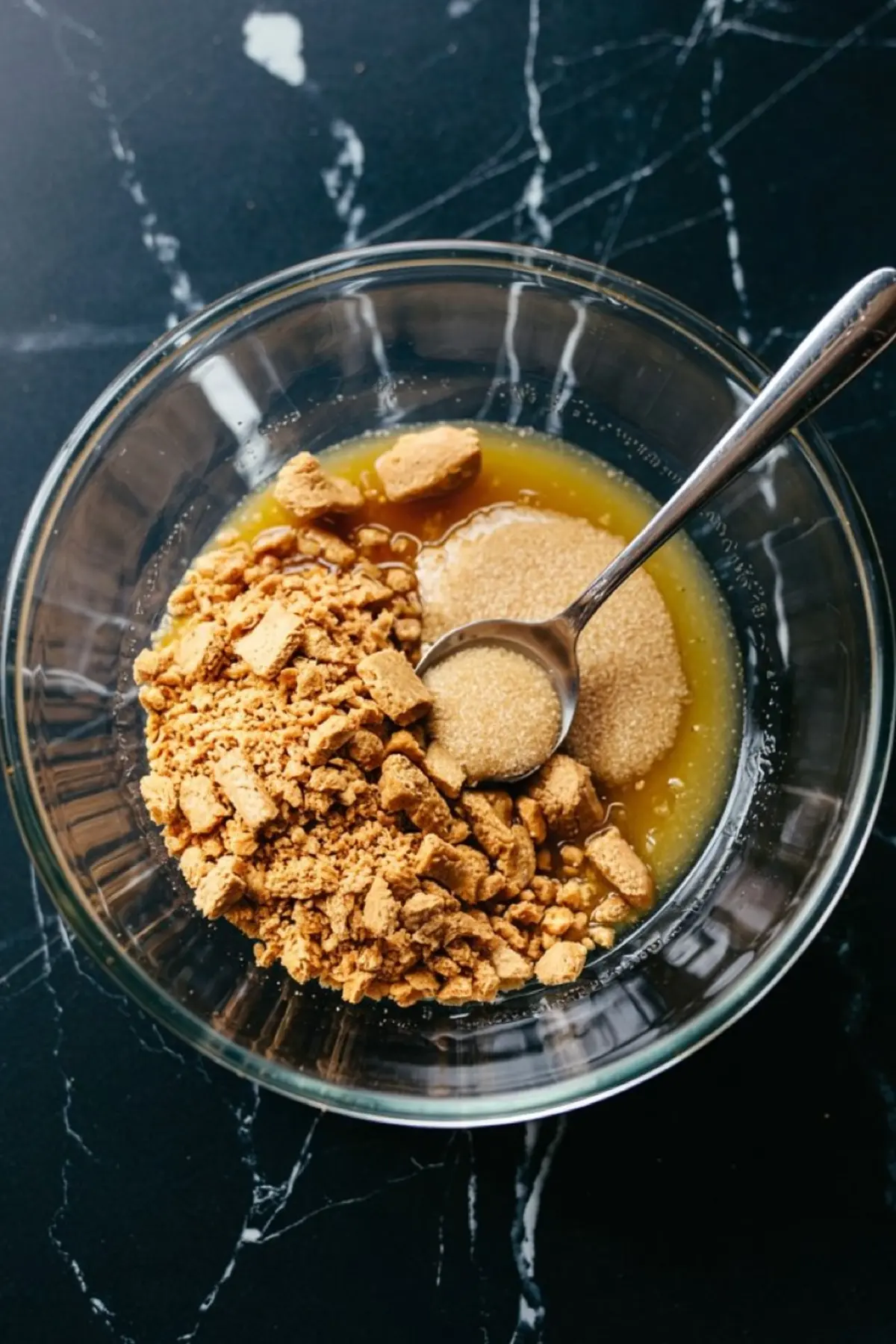
In a mixing bowl, I combine the finely crushed graham crackers, brown sugar, and melted butter. I stir until the mixture feels like wet sand. Then I press it firmly and evenly into the bottom of my springform pan. It bakes for 10 minutes. This short bake gives the crust structure without risking a burnt base.
Creating the Peanut Butter Cheesecake Filling
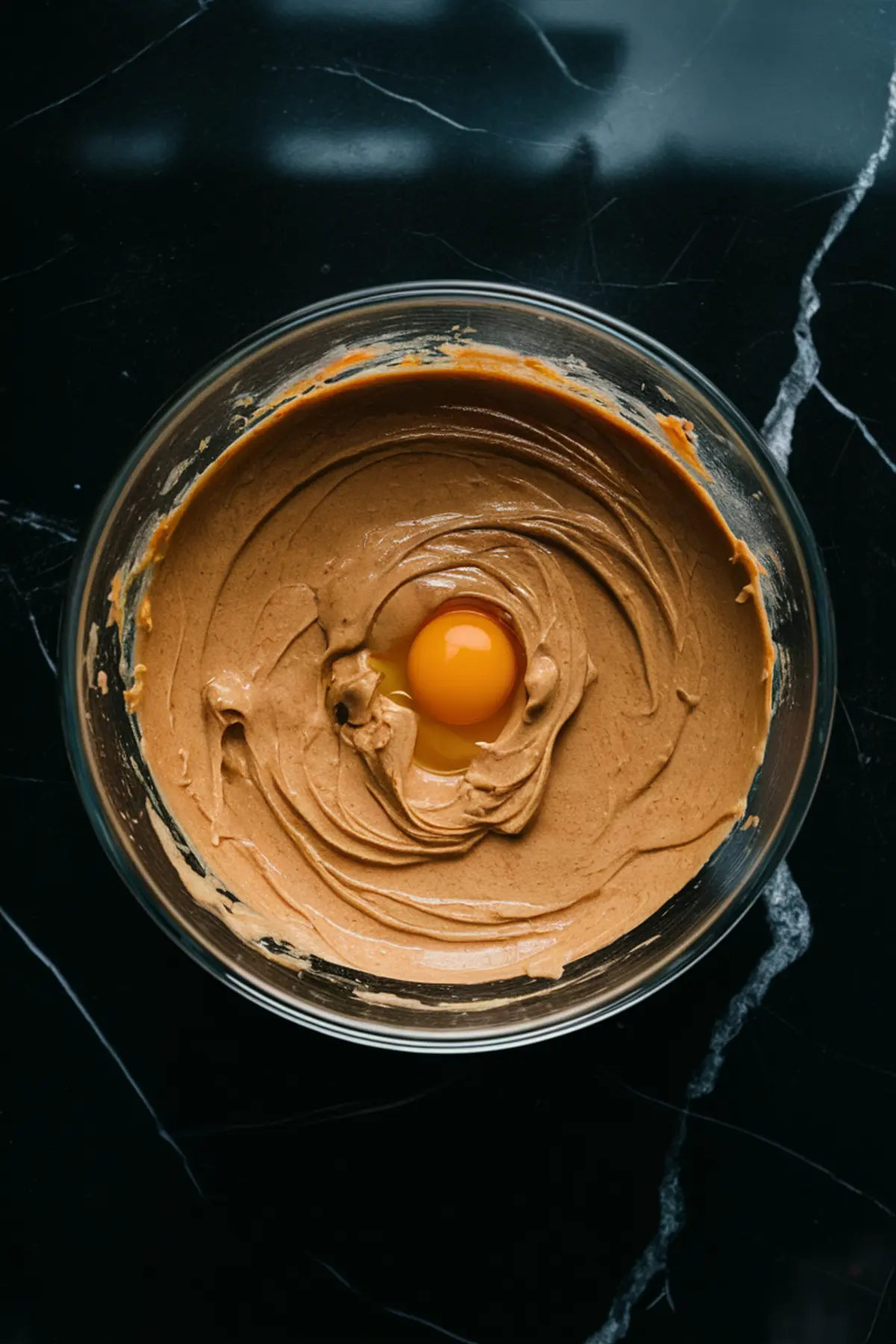
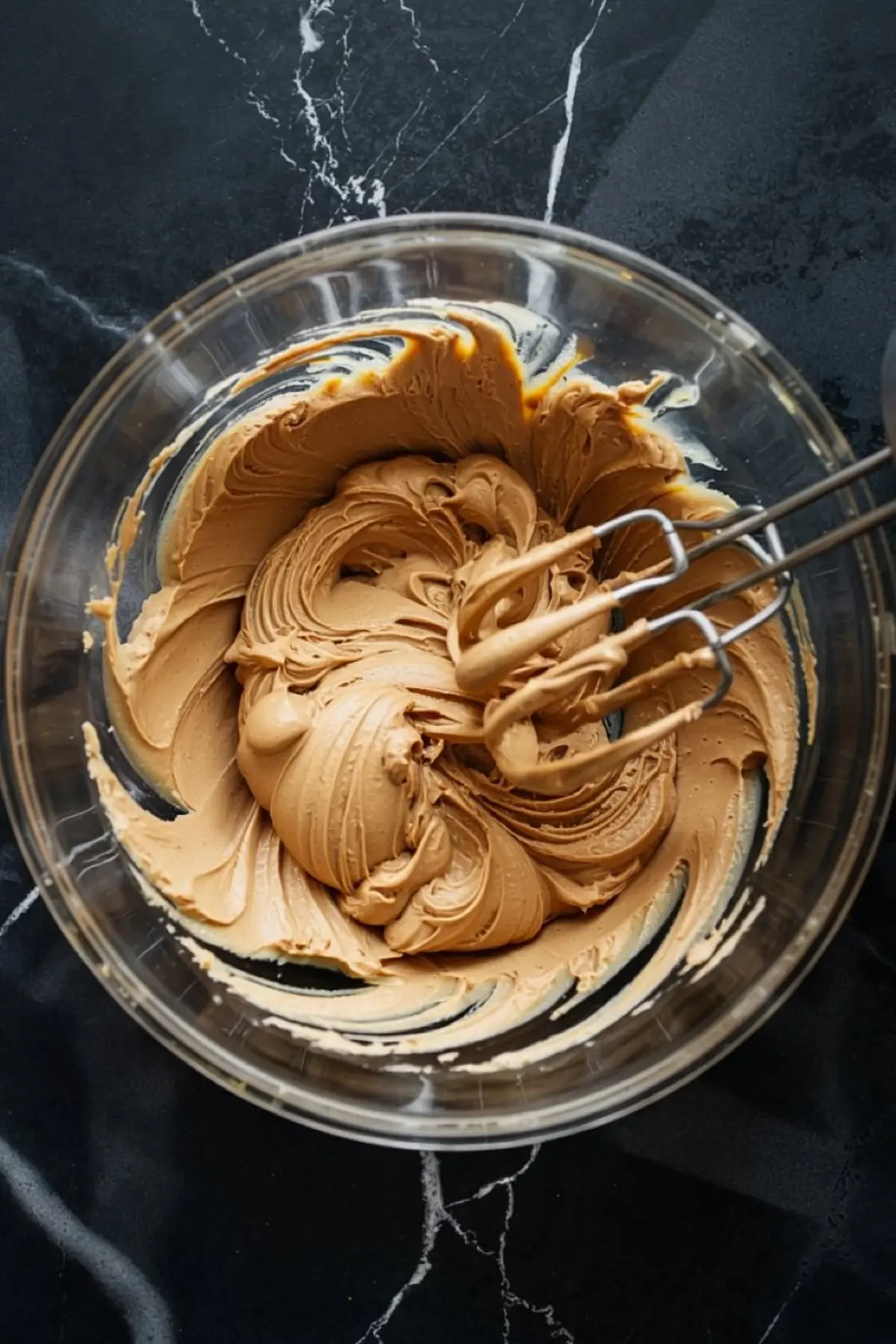
I start by beating the softened cream cheese until it’s completely smooth. No lumps allowed at this stage. Then I blend in the creamy peanut butter, followed by the granulated sugar. Each addition gets mixed thoroughly, creating a cohesive base.
Vanilla extract, sour cream, and heavy cream go in next. I mix only until smooth, avoiding overmixing. Overworking the batter here invites air bubbles, which lead to cracks during baking.
One egg at a time, I add them gently, mixing on low speed. After each egg, I scrape down the sides to keep the batter uniform. This slow process ensures even structure in every slice.
Water Bath: The Secret Weapon
Now comes the part many skip, but I never do. I pour the batter into the cooled crust and smooth the top. Then I wrap the springform pan tightly with aluminum foil to protect it.
The pan goes into a large roasting pan. I pour hot water into the roasting pan, reaching halfway up the sides of the springform. This water bath controls the temperature and humidity inside the oven. That’s what gives the cheesecake its custard-like texture and prevents those dreaded cracks.
Baking to the Right Jiggle
The cheesecake bakes at 325 degrees Fahrenheit for 55 to 65 minutes. I watch for the edges to look set while the center still wobbles slightly. That wobble means the center will finish setting as it cools, keeping the texture creamy instead of dry.
Cooling: Where Patience Pays Off
Once baked, I turn off the oven, crack the door, and leave the cheesecake inside for 1 hour. This gradual cooling keeps the structure stable. Afterward, I move it to the counter for another hour before transferring it to the fridge to chill at least 6 hours or overnight.
Unmolding and Serving the Cheesecake
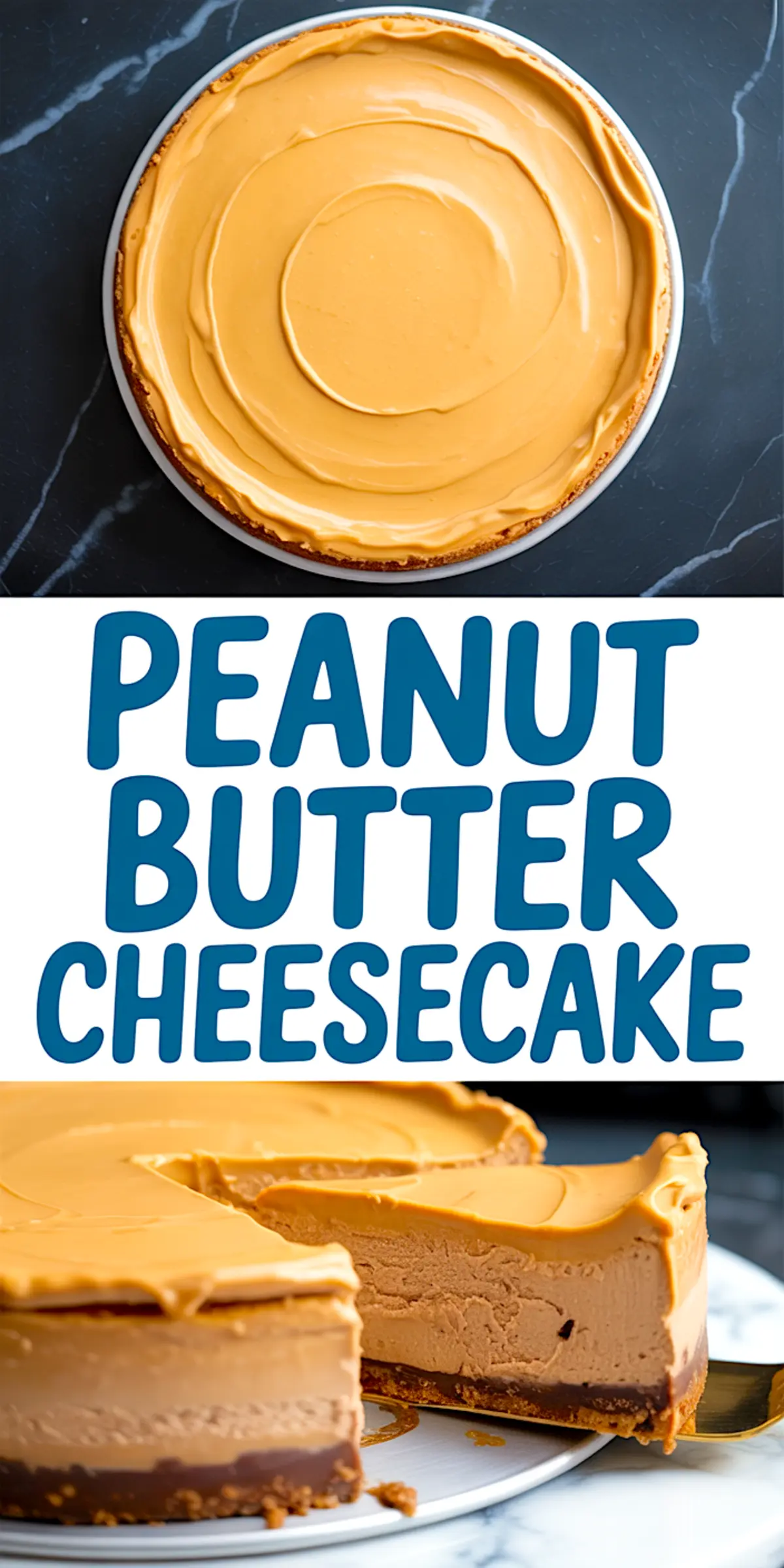
When ready, I run a thin knife around the edge to release the cheesecake from the pan. The springform ring lifts off cleanly, revealing that glossy top and firm sides.
You can serve it plain, which is how I prefer it most days. But sometimes, I drizzle a quick peanut butter ganache over the top for extra flair.
The Secret Ingredient That Changes Everything
Now let me circle back to that tiny detail I hinted at earlier. My quiet magic comes from the sour cream. Most skip or substitute it, but that silky, slightly tangy addition balances the dense richness of the peanut butter and cream cheese. It smooths the texture and keeps every bite from feeling heavy.
Without the sour cream, you lose that balance. With it, you get a slice that feels indulgent but never overwhelming. This is what separates this Peanut Butter Cheesecake from other homemade no bake cheesecake recipes like No Bake Cherry Cheesecake, No Bake Lemon Cheesecake, and No Bake Strawberry Cheesecake.
Save and Share Your Peanut Butter Cheesecake
I hope this has given you both confidence and clarity. Save this recipe to your Pinterest board so you can always find it when cheesecake cravings strike.
When you bake it, come back and share how it turned out for you. Did you add a topping? Did your family ask for seconds? I would love to hear your stories and answer any questions in the comments below.
Peanut Butter Cheesecake Recipe
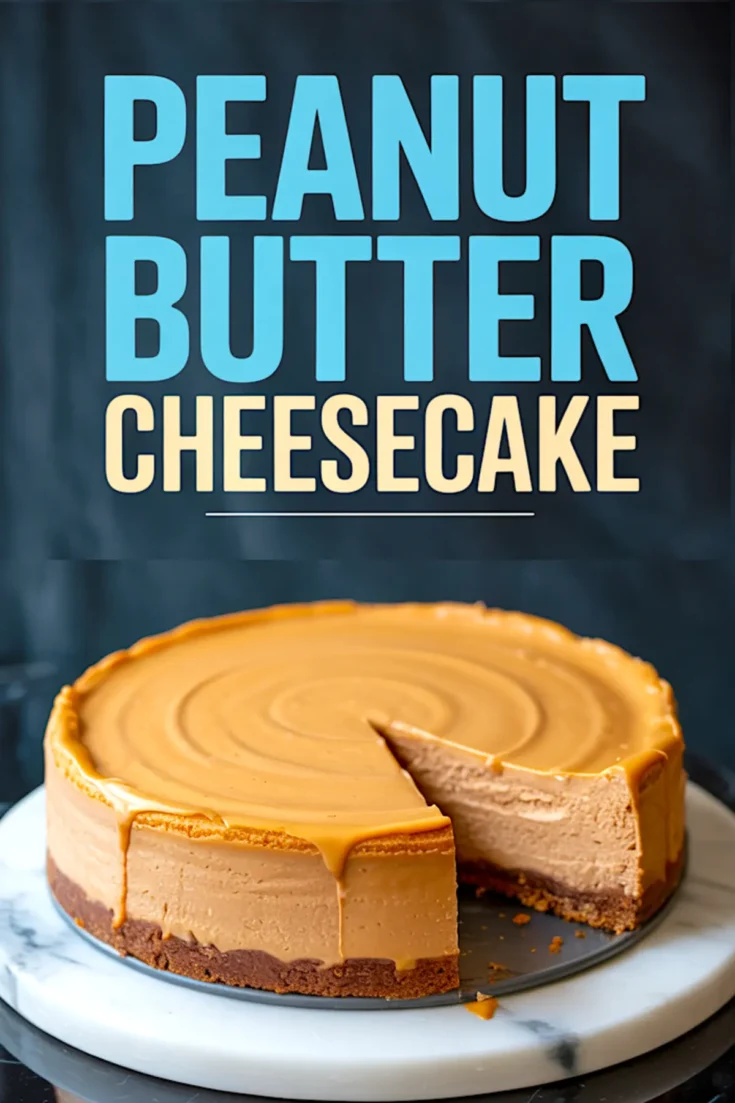
A smooth, rich peanut butter cheesecake with a classic graham cracker crust. This recipe keeps it simple with pantry staples and no unnecessary topping. The filling is creamy and well-balanced, with just enough tang from sour cream and a deep, salty-sweet peanut butter flavor. The water bath ensures a crack-free finish and a custard-like texture.
Ingredients
- FOR THE CRUST
- 1 ½ cups finely crushed graham crackers
- ¼ cup brown sugar
- 6 tablespoons unsalted butter, melted
- FOR THE FILLING
- 24 ounces full-fat cream cheese, softened (about 3 blocks)
- 1 cup creamy peanut butter (not natural style)
- 1 cup granulated sugar
- 1 teaspoon vanilla extract
- ¾ cup sour cream
- ½ cup heavy cream
- 3 large eggs
Instructions
- PREPARE THE PAN AND OVEN: Preheat the oven to 325°F (163°C). Line the bottom of a 9-inch springform pan with parchment paper and lightly grease the sides with butter or cooking spray.
- MAKE THE CRUST: In a medium bowl, combine the crushed graham crackers, brown sugar, and melted butter. Stir until the mixture resembles wet sand. Press firmly and evenly into the bottom of the prepared pan. Bake for 10 minutes, then remove from the oven and set aside to cool slightly.
- BEAT THE CREAM CHEESE: In a large mixing bowl, beat the softened cream cheese until completely smooth and lump-free using a hand or stand mixer.
- ADD PEANUT BUTTER AND SUGAR: Add the peanut butter to the cream cheese and beat until fully combined. Add the granulated sugar and continue mixing until the mixture is smooth and cohesive.
- INCORPORATE FLAVORINGS AND CREAMS: Add the vanilla extract, sour cream, and heavy cream to the bowl. Mix just until smooth, being careful not to overmix.
- ADD EGGS ONE AT A TIME: Crack in the eggs one at a time, mixing on low speed after each addition. Scrape down the sides of the bowl as needed to ensure the batter is evenly blended.
- PREPARE FOR BAKING: Pour the cheesecake batter onto the pre-baked crust and smooth the top with a spatula. Wrap the outside of the springform pan tightly in aluminum foil to prevent leaks.
- SET UP A WATER BATH: Place the wrapped pan into a larger roasting pan. Pour hot water into the roasting pan until it reaches halfway up the sides of the springform pan.
- BAKE THE CHEESECAKE: Bake at 325°F for 55 to 65 minutes. The edges should be set while the center remains slightly wobbly when gently shaken.
- COOL IN OVEN: Turn off the oven and crack the door open. Let the cheesecake rest inside for 1 hour to gradually cool and reduce the chance of cracking.
- COOL ON COUNTER AND CHILL: Remove the cheesecake from the oven and water bath. Let it cool at room temperature for another hour, then transfer it to the refrigerator to chill for at least 6 hours or overnight.
- UNMOLD AND SERVE: Run a knife around the edge of the cheesecake to loosen it, then remove the springform ring. Slice and serve as is, or add a simple peanut butter ganache if desired.
Notes
Use commercial creamy peanut butter (like Jif or Skippy), not natural varieties, to ensure a stable, smooth texture. Avoid overmixing once the eggs are added to prevent excess air, which can cause cracking. Cheesecake keeps well covered in the refrigerator for up to 5 days.
Nutrition Information:
Yield:
12Serving Size:
1Amount Per Serving: Calories: 581Total Fat: 45gSaturated Fat: 21gTrans Fat: 0gUnsaturated Fat: 18gCholesterol: 139mgSodium: 356mgCarbohydrates: 38gFiber: 2gSugar: 27gProtein: 11g
