

I learned to love lemon crème brûlée by chance, but this recipe soon became a favorite in my kitchen. You will discover fresh ways to combine zesty citrus with velvety custard, resulting in a balanced spoonful. I tested many versions before settling on this smooth approach, which now sits at the top of my personal recipe list.
Curiosity often leads to delightful kitchen adventures. I tried different sweeteners, cooking times, and garnish ideas until I uncovered a small yet vital spark. My confidence grew after seeing friends reach for second and third servings, and that energy fuels this guide.
You will soon find an unexpected twist that I sometimes call the dash of magic. I decided to hold that back for a brief moment, so it lingers in your mind as you gather your ingredients. This dessert already includes lemon zest and blackberries, but there is another detail that might surprise you.

Lemon Custard Preparation for a Silky Base
I begin by warming heavy cream on a medium flame, watching it closely so it steams gently but does not bubble. Lemon zest infuses the cream when I let it rest off the heat, which gives a gentle fragrance that awakens the senses. Egg yolks and sugar mix smoothly, but I pace myself when adding the warmed cream to avoid shocking the yolks.
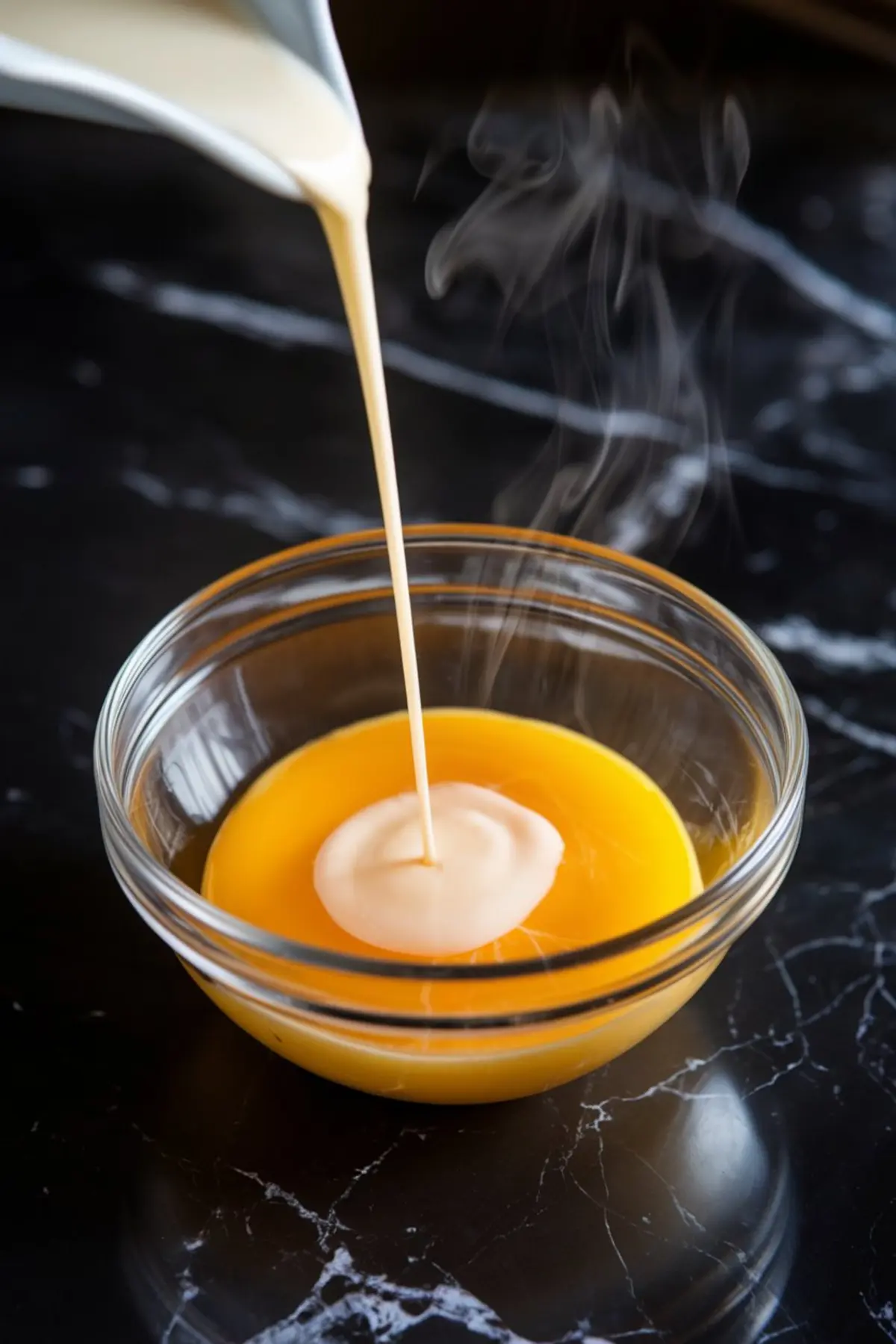
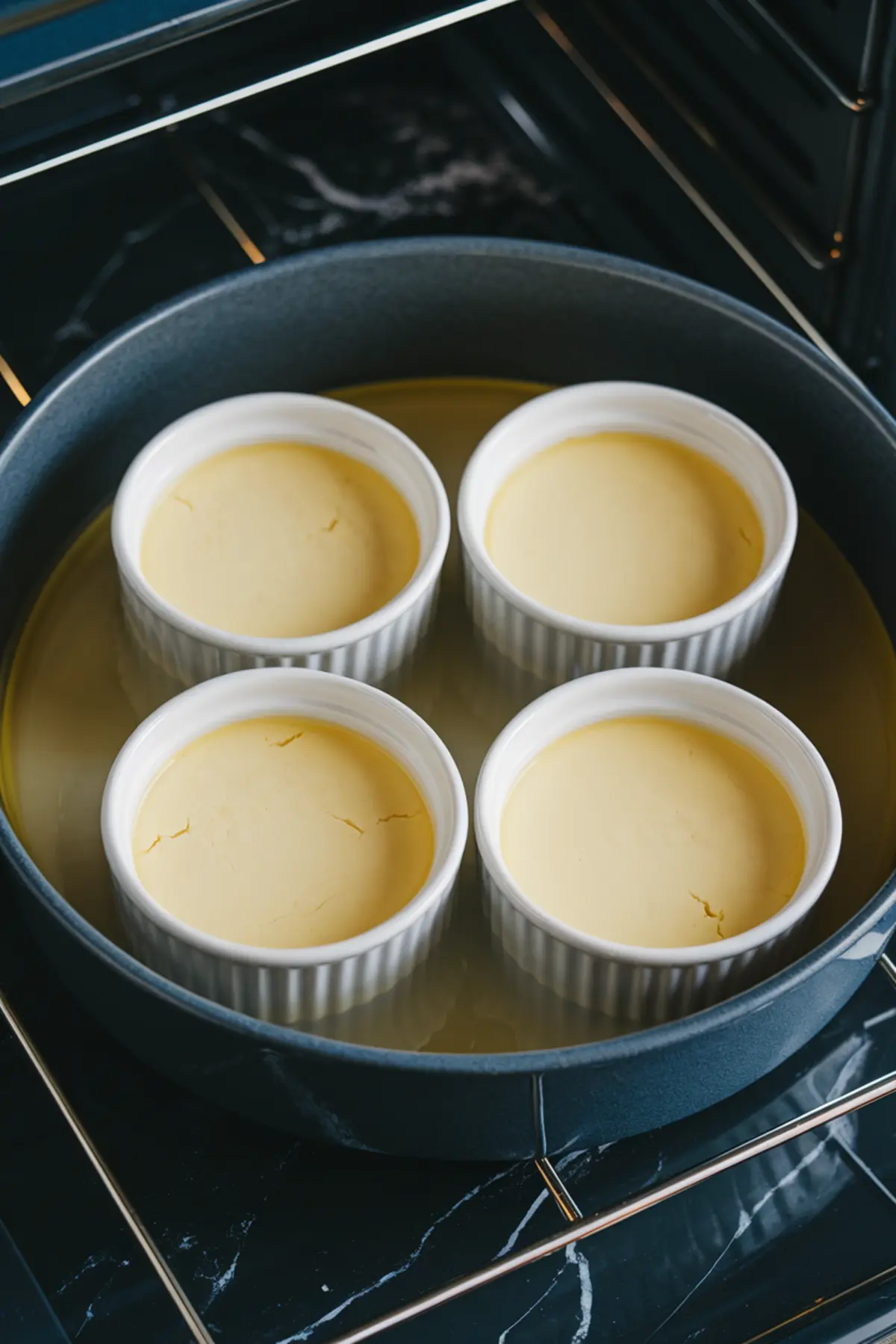
I keep whisking until the mixture turns slightly thicker, then strain away any stubborn bits of zest or egg. Ramekins receive the blended custard, and they nestle snugly in a water bath. This gentle method prevents uneven cooking and helps maintain a consistent, velvety texture.
I bake the custard at 325°F (163°C) for around half an hour, monitoring the subtle jiggle at the center. My personal habit is to tap a ramekin gently, trusting my eyes to judge that delicate wobble. Cool the custards at room temperature, then tuck them into the fridge for a minimum of four hours.
Creating a Crisp Sugar Topping on Lemon Crème Brûlée
I remove the cooled desserts from the fridge, then I sprinkle a fine layer of granulated sugar on each surface. A kitchen torch gives me the best control over caramelizing the sugar, though a broiler can also do the trick with careful supervision. The golden sheen appears quickly, and I stop the heat as soon as the layer sets into a crisp shell.
That glassy surface cracks delightfully under a spoon, revealing the creamy lemon base. I adore that harmony of hot, crunchy sweetness against chilled custard. Fresh blackberries often join the party right after caramelizing, adding a bright touch that highlights the tangy citrus flavor.
My Pin Notebook features this dessert as a prime example of how small details transform a recipe. I keep track of each trial, noting sugar amounts, oven time, and new flavor accents. One evening, I ventured beyond standard additions and stumbled upon something that gave this dessert extra flair.
The Zesty Blend and Hint of Something Extra
I put a strong focus on lemon zest because it infuses a fresh, lively character without overwhelming the sweetness. The cream base softens the tartness, creating a balanced result that captures the essence of sunlit citrus. That combination won me over during my earliest experiments, but I wondered if a subtle companion spice might elevate the taste even more.
Are you ready for that dash of magic? I discovered a tiny pinch of cardamom blends beautifully with lemon, coaxing an aromatic note that surprises the palate. This step came from a late-night brainstorming session, and I documented it in my Pin Notebook with an enthusiastic flourish.
I enjoy exploring other dessert ideas as well, and you might like to see a few special favorites. These pistachio coconut macarons bring a bright crunch with a subtle tropical note. For something quick and fun, deviled strawberries require no baking at all. If you’re in the mood for something cozy and filled with cream cheese, blueberry babka never disappoints.
Serving Essentials for Consistent Results
I prefer to caramelize the sugar right before serving, because the top loses its crunch if stored too long. A little extra lemon zest on top of the sugar can add extra flair, though I usually keep it simple. Fresh berries, like the blackberries suggested in this recipe, seal the deal with their vivid color and juicy bite.
I once tried topping the custard with raspberries, but blackberries bring a deeper note that pairs perfectly with lemon. A friend introduced me to the idea, and it captured my taste buds instantly. That moment remains a treasured memory because it reminds me how personal tweaks can elevate an otherwise classic dessert.
I serve each ramekin immediately after I torch the sugar. People tap their spoons against that hardened top, then break through to reveal the mellow, luscious interior. Lemon crème brûlée tends to vanish quickly once the spoonfuls begin, which makes me grin each time.
Wrap-Up and Community Invitation

I suggest you pin this recipe to your dessert board so you can easily recall every detail. I would also love to hear how your version turned out, especially if you add your own dash of magic. Feel free to share tips, questions, or cheerful triumphs in the comments so we can learn from each other and grow together.
Lemon Crème Brûlée with Blackberries

A smooth lemon-infused custard with a crisp caramelized sugar topping, served with fresh blackberries for a balance of sweetness and tartness.
Ingredients
- FOR THE CUSTARD:
- 2 cups heavy cream
- 4 large egg yolks
- 1/2 cup granulated sugar
- 1 teaspoon vanilla extract
- Zest of 1 lemon
- 2 tablespoons fresh lemon juice
- A pinch of salt
- FOR THE CARAMELIZED SUGAR TOPPING:
- 1/4 cup granulated sugar
- FOR SERVING:
- Fresh blackberries
Instructions
- HEAT THE CREAM: Pour the heavy cream into a saucepan and heat over medium heat until it starts to steam but does not boil. Stir in the lemon zest and let sit for 10 minutes to infuse the flavors.
- WHISK THE YOLKS AND SUGAR: In a mixing bowl, whisk the egg yolks with sugar until pale and slightly thickened. Add a pinch of salt, then slowly mix in the fresh lemon juice and vanilla extract.
- TEMPER THE EGGS: Slowly pour a small amount of the warm cream mixture into the yolks while whisking constantly to prevent the eggs from scrambling. Once combined, return the mixture to the saucepan and heat over low heat, stirring constantly, until slightly thickened. Do not boil.
- BAKE IN A WATER BATH: Preheat the oven to 325°F (163°C). Strain the custard through a fine-mesh sieve into a pouring jug to remove any zest or cooked egg bits. Divide the mixture into four ramekins and place them in a deep baking dish. Carefully pour hot water into the baking dish until it reaches halfway up the ramekins. Bake for 30-35 minutes or until the edges are set but the center has a slight jiggle. Remove from the oven and let cool to room temperature before refrigerating for at least 4 hours or overnight.
- CARAMELIZE THE SUGAR: Just before serving, sprinkle a thin layer of granulated sugar over each custard. Use a kitchen torch to melt the sugar until golden brown and crisp. If using a broiler, place the ramekins under high heat for a few minutes, watching closely to prevent burning.
- SERVE WITH BLACKBERRIES: Once the sugar has hardened, top each crème brûlée with fresh blackberries before serving.
Notes
For the smoothest custard, strain the mixture before pouring it into the ramekins. This removes any bits of cooked egg and lemon zest, ensuring a velvety texture.
Tempering the eggs is a crucial step that prevents them from scrambling when combined with the warm cream. Slowly adding the heated cream while whisking constantly helps the mixture blend smoothly. If the custard starts to curdle, strain it immediately to salvage the texture.
A water bath, or bain-marie, is essential for gentle, even cooking. Hot water surrounding the ramekins prevents the custard from cooking too quickly, which can cause it to curdle or crack. Make sure the water reaches halfway up the ramekins for the best results. Using hot water from a kettle helps maintain the correct baking temperature from the start.
Chilling the custard for at least 4 hours, preferably overnight, allows the flavors to develop fully and gives the crème brûlée its signature silky texture. Cover the ramekins with plastic wrap during refrigeration to prevent them from absorbing any fridge odors.
When caramelizing the sugar, use a fine layer of granulated sugar to ensure even melting. A kitchen torch provides the best control over browning, but if using a broiler, keep a close eye to prevent burning. If using a torch, move it in a circular motion to evenly caramelize the top. Let the sugar harden for a minute before serving to achieve the perfect crisp texture.
Blackberries add a fresh contrast to the rich custard and crunchy topping. Other berries like raspberries or blueberries also pair well with the bright lemon flavor. For an extra touch, lightly macerate the blackberries with a sprinkle of sugar before serving to enhance their natural sweetness.
Crème brûlée is best enjoyed fresh after caramelizing the sugar, as refrigeration can cause the topping to soften. If making ahead, keep the custards refrigerated and caramelize the sugar just before serving.
Nutrition Information:
Yield:
4Serving Size:
1Amount Per Serving: Calories: 651Total Fat: 49gSaturated Fat: 29gTrans Fat: 1gUnsaturated Fat: 16gCholesterol: 367mgSodium: 139mgCarbohydrates: 45gFiber: 1gSugar: 43gProtein: 11g
