
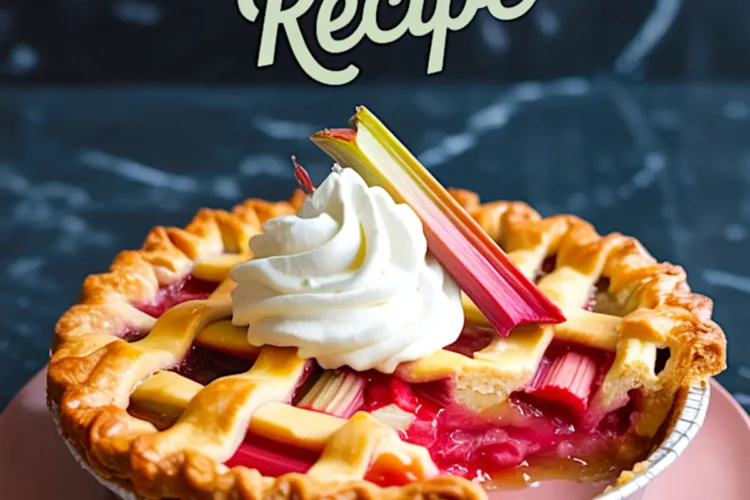
Some pies whisper. This one doesn’t. It speaks up. If you’re here looking for a bold and honest rhubarb pie recipe—without strawberries holding its hand, you’re in the right place.
You’ll learn how to make a sweet-tart filling with just enough sugar to tame rhubarb’s bite without losing its voice. You’ll get tips on how to keep that crust flaky and proud. And yes, there’s a small secret folded quietly into the mix that changes the way this pie finishes on the tongue. But we’ll get to that.
For now, just know this: I’ve made rhubarb pies that turned into puddles and others that bit back so hard they ended up in the bin. This version came from my Pin Notebook after seasons of testing, adjusting, tasting, and learning.
Let’s walk through it together.
Making the Pie Dough Work for You
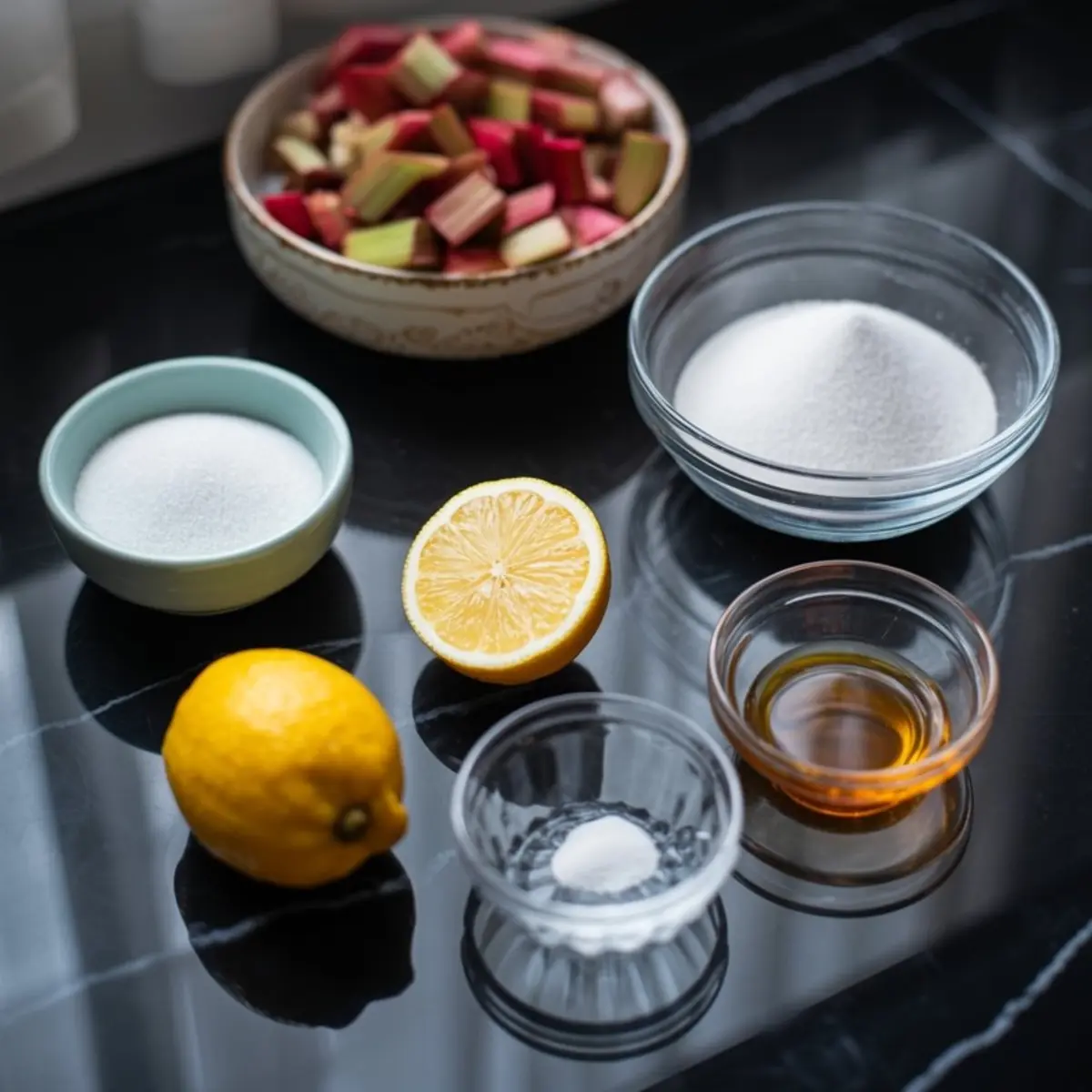
I like to use my homemade dough for this, but a good-quality store-bought crust will get the job done if time is tight. If you need a reliable recipe, start with this pie crust recipe that never slouches or turns soggy.

The bottom crust needs to settle naturally into the plate. Don’t stretch it. That tension bakes into shrinkage. I give it a slight overhang, then leave it alone until it’s time to crimp.
You can chill the crust again for 10 minutes after placing it in the pan. It helps keep the shape during baking.
Building the Rhubarb Pie Filling Without Guesswork
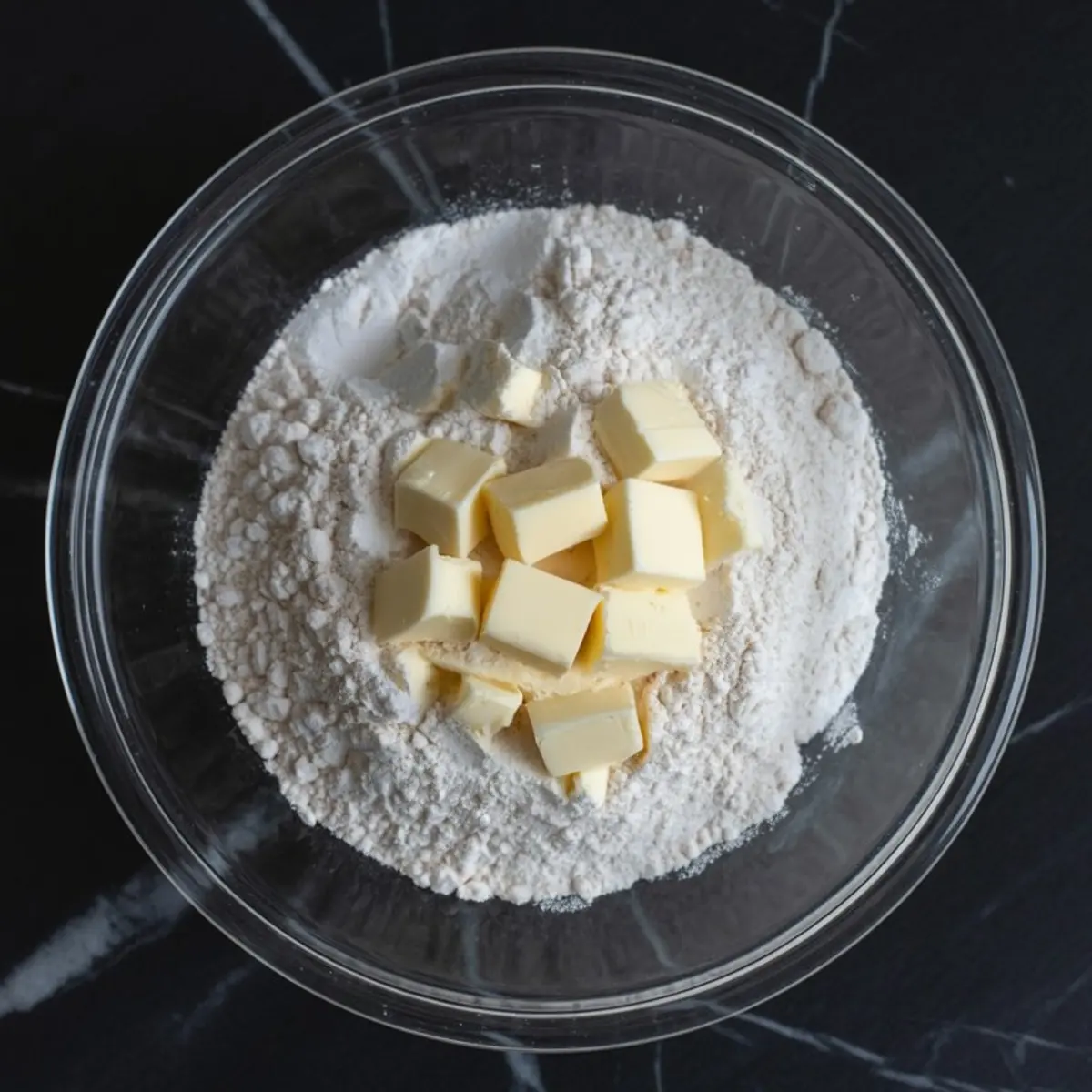
Fresh rhubarb should feel firm and snap easily when bent. If your stalks are green instead of red, don’t panic—the color doesn’t predict flavor.
In my bowl, I combine five cups of chopped rhubarb with sugar, cornstarch, lemon juice, a pinch of salt, and vanilla. I let that sit for ten minutes. The sugar starts pulling juice from the fruit, and that gloss tells me the filling is on track.
Some folks use flour instead of cornstarch. I’ve tried both. Cornstarch gives a cleaner finish, especially when the filling cools. Flour can leave a cloudy aftertaste if not balanced. I stick with cornstarch now.
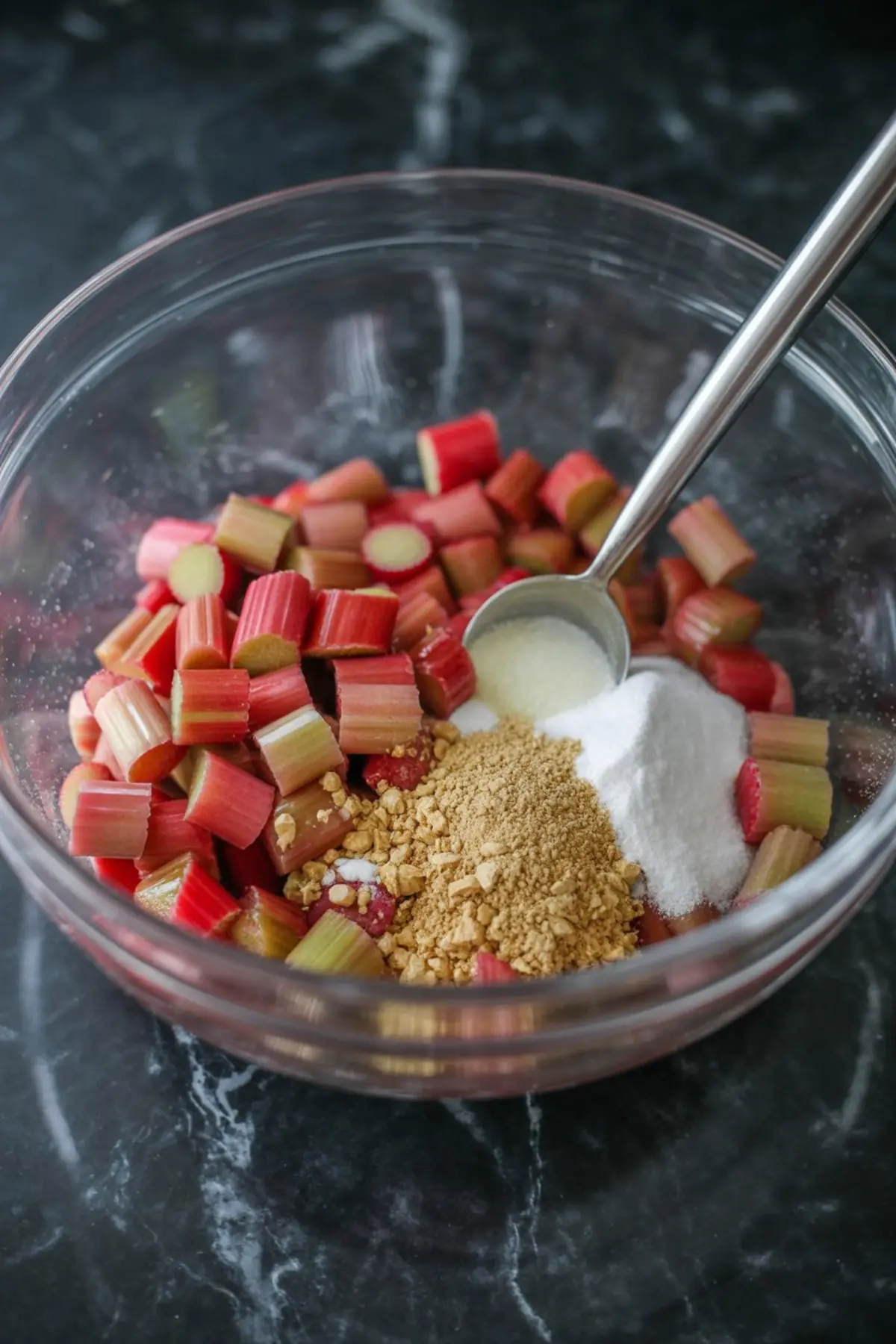
This mix becomes the base for more than just pies. I’ve used it to top waffles, too. But that’s for another day.
Assembling and Baking the Pie Without Fuss
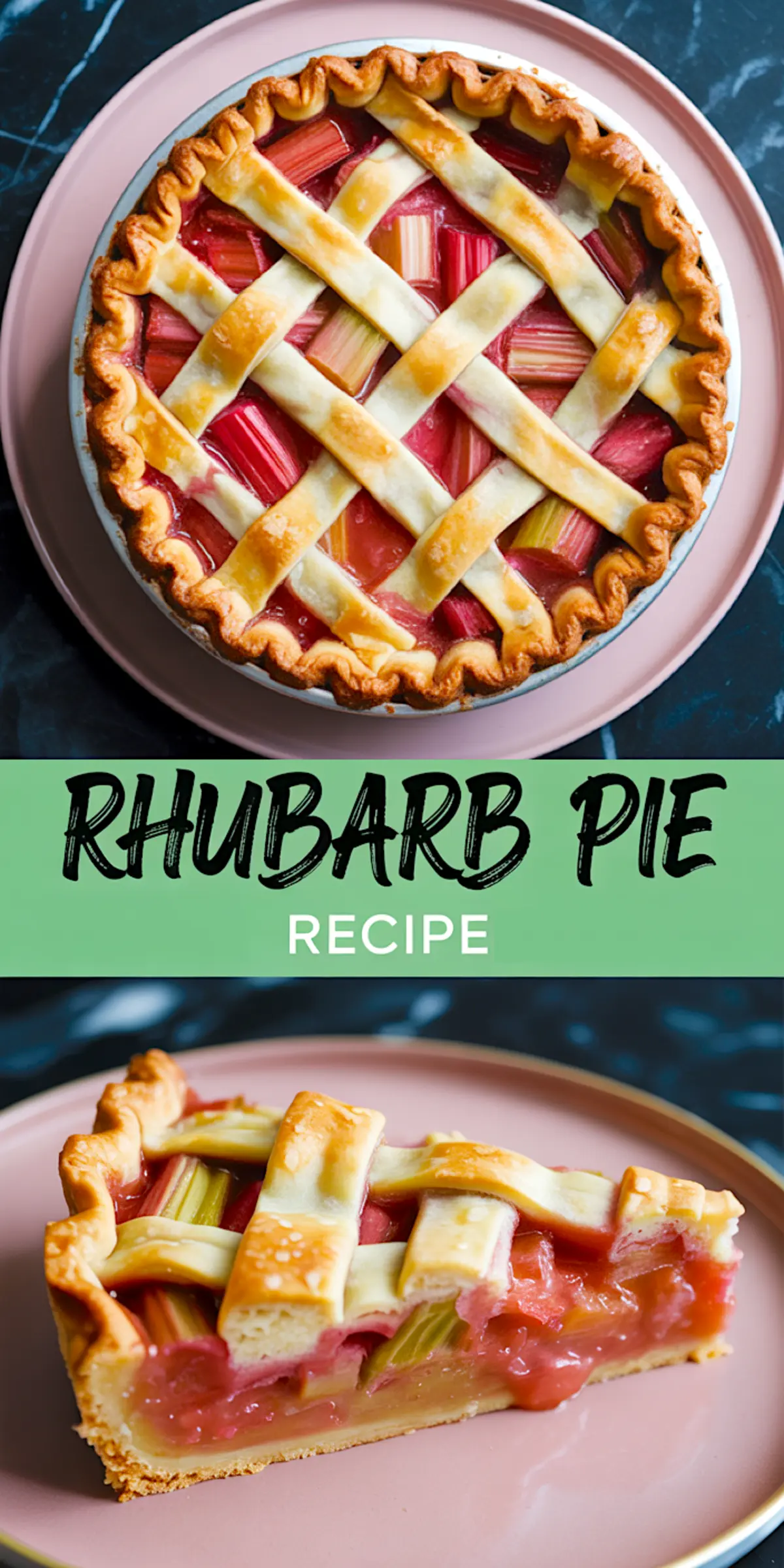
Once the crust is ready, I spoon in the filling gently, letting it spread naturally. I avoid pressing or packing it down. This keeps the pie from baking into a soggy, compact block.
I roll out the top crust and decide on the design based on time and mood. Lattice looks pretty and vents steam well, but a full top crust seals in more moisture. Either way, crimp the edges with care. A loose seal leads to overflow.
Before baking, I brush the top with egg wash. One egg beaten with a bit of milk gives it that golden, glossy finish. Then I slide it onto a baking sheet, because I’ve cleaned enough burnt syrup off oven floors to learn better.
I start the oven hot to crisp the bottom, then reduce the heat. This two-temperature method keeps the crust light without burning the edges. You’ll want to see bubbles through the vents before calling it done.
Cooling Time Matters More Than You Think
Don’t slice too soon. I let mine cool for at least two hours on a rack. Cutting early turns the filling to soup.
This pie holds its shape beautifully when cooled. You get clean slices, not sliding messes. It serves just as well the next day if you’ve got leftovers. I often leave mine covered on the counter overnight. It stays tender, not soggy.
If you enjoy pie chilled, give Frozen Blueberry Pie a try next. That one plays with contrast in temperature and texture.
What Sets This Rhubarb Pie Apart
Here’s the quiet twist I promised. I add just a teaspoon of vanilla extract to the filling. Some purists might scoff. But I’ve tested batches side by side—and that small dash brings out the rhubarb’s natural sweetness without smothering its sharpness.
Vanilla smooths the finish. It gives your tongue a soft landing after the tart hits.
Rhubarb desserts can lean into too much sugar or run from the tartness. This pie finds a balance. It keeps rhubarb at the center. If you’re looking for other options that celebrate bold flavor without masking it, this Coconut Cream Pie knows how to do that, too.
Rhubarb Pie Variations to Explore
Once you’ve mastered this, try playing with different textures. Some folks like adding a custard base. Rhubarb pie custard-style is softer, more pudding-like. Others add a crumb topping, which brings crunch. I prefer my top crust to carry the weight.
If you’re after something fruitier and a bit more colorful, strawberry pie might be what you want. But this one—this rhubarb-forward version—stands on its own without needing backup.
Rhubarb crumble pie, rhubarb tart, and rhubarb pudding might come up in your searches, but this pie remains my standard. I come back to it every spring when the stalks show up at the market.
Final Notes and a Small Ask
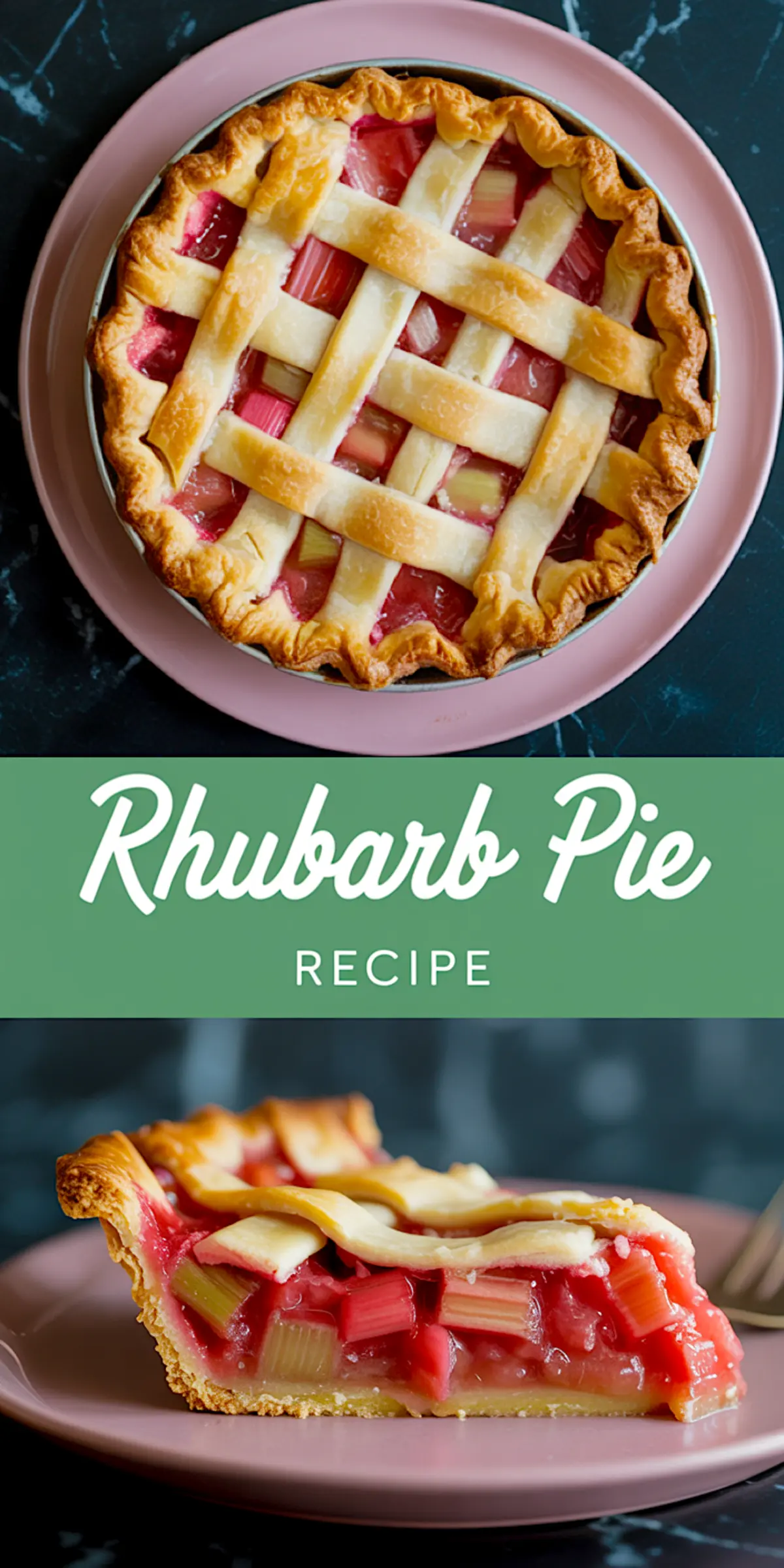
Save this recipe to your board if it sounds like your kind of pie. You might not see it often, but when you need it, you’ll be glad it’s close.
If you bake it, share how it turned out in the comments. Did you keep the full top crust or go lattice? Did you taste the vanilla or leave it out? Let’s swap notes.
The best part of baking isn’t just the smell in the kitchen. It’s the stories we share after the pie is gone.
Rhubarb Pie Recipe
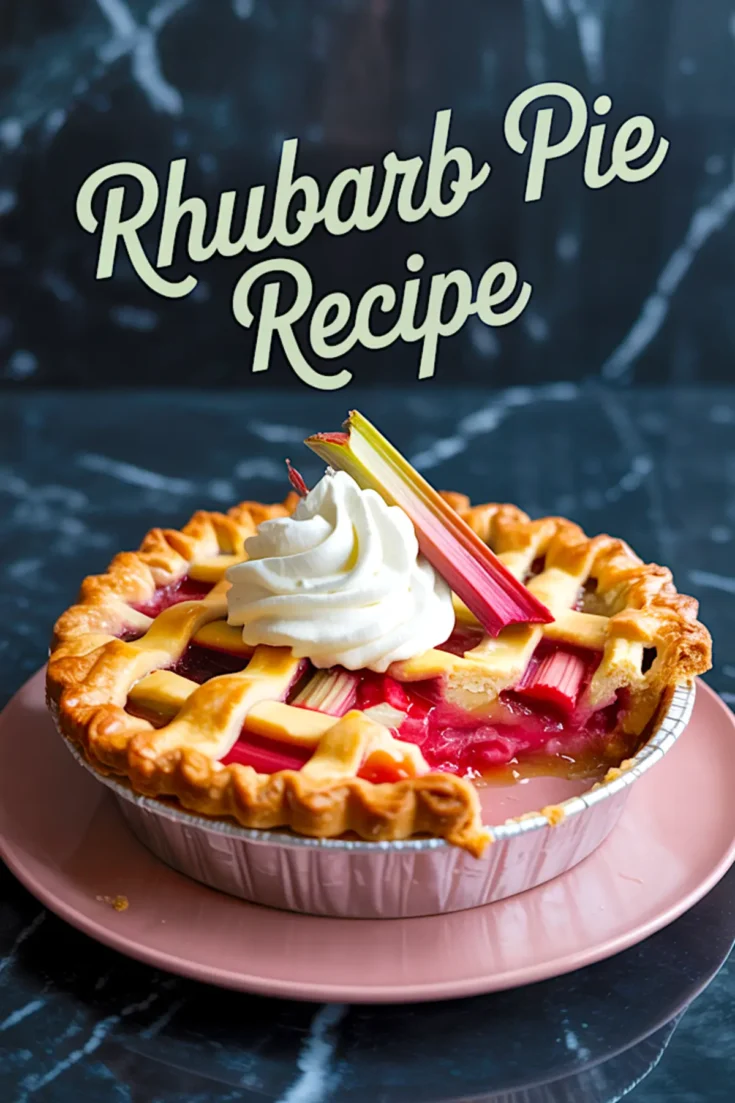
A tart, sweet rhubarb pie with a flaky crust and a bright, syrupy filling. This recipe balances the bold flavor of rhubarb with just enough sugar and a hint of lemon and vanilla for a clean, satisfying finish. Serve warm or at room temperature.
Ingredients
- FOR THE FILLING
- 5 cups chopped rhubarb (½-inch pieces)
- 1¼ to 1½ cups granulated sugar
- ¼ cup cornstarch
- 1 tablespoon lemon juice
- 1 teaspoon vanilla extract (optional)
- Pinch of salt
- FOR THE CRUST
- 1 double pie crust (homemade or store-bought)
- FOR THE EGG WASH
- 1 egg, beaten
- 1 tablespoon milk
Instructions
- PREHEAT THE OVEN: Set your oven to 400°F (200°C) and allow it to preheat fully while you prepare the pie. The consistent heat helps ensure an even bake and a well-browned crust.
- PREPARE THE BOTTOM CRUST: Roll out one half of your pie dough and place it into a 9-inch pie plate. Let it settle into the pan without stretching. Trim the edges, leaving a slight overhang for crimping later.
- MIX THE FILLING: In a large mixing bowl, combine the chopped rhubarb, sugar, cornstarch, lemon juice, vanilla extract (if using), and a pinch of salt. Stir well until the mixture begins to look glossy and syrupy. Let it rest for 10 minutes to help the flavors meld and the sugar start breaking down the fruit.
- FILL THE PIE: Spoon the rhubarb filling evenly into the prepared bottom crust. Avoid pressing it down; allow it to settle naturally to prevent compacting the fruit.
- ADD THE TOP CRUST: Roll out the second half of the dough and place it over the filling. Choose your preferred design—full top, lattice, or cut-out shapes. Trim and crimp the edges with your fingers or a fork to seal the pie.
- BRUSH WITH EGG WASH: In a small bowl, mix the beaten egg with milk. Brush this mixture evenly over the top crust to promote browning and shine during baking.
- BAKE THE PIE: Place the pie on a baking sheet to catch any overflow. Bake at 400°F (200°C) for 20 minutes, then reduce the temperature to 350°F (175°C) and continue baking for 40 to 45 minutes. The pie is done when the filling is thick and bubbling through the vents and the crust is golden brown.
- COOL THE PIE: Transfer the pie to a wire rack and let it cool at room temperature for at least 2 hours. This cooling time allows the filling to set properly and prevents it from spilling when sliced.
Notes
Taste a piece of raw rhubarb before measuring sugar—adjust the sweetness if the stalks are especially sour. A lattice crust helps steam escape and shows off the bright filling but is optional. The pie is best eaten the day it's made but keeps well covered at room temperature for up to 2 days. Refrigerate for longer storage.
Nutrition Information:
Yield:
8Serving Size:
1Amount Per Serving: Calories: 331Total Fat: 7gSaturated Fat: 2gTrans Fat: 0gUnsaturated Fat: 4gCholesterol: 47mgSodium: 129mgCarbohydrates: 65gFiber: 2gSugar: 49gProtein: 4g
