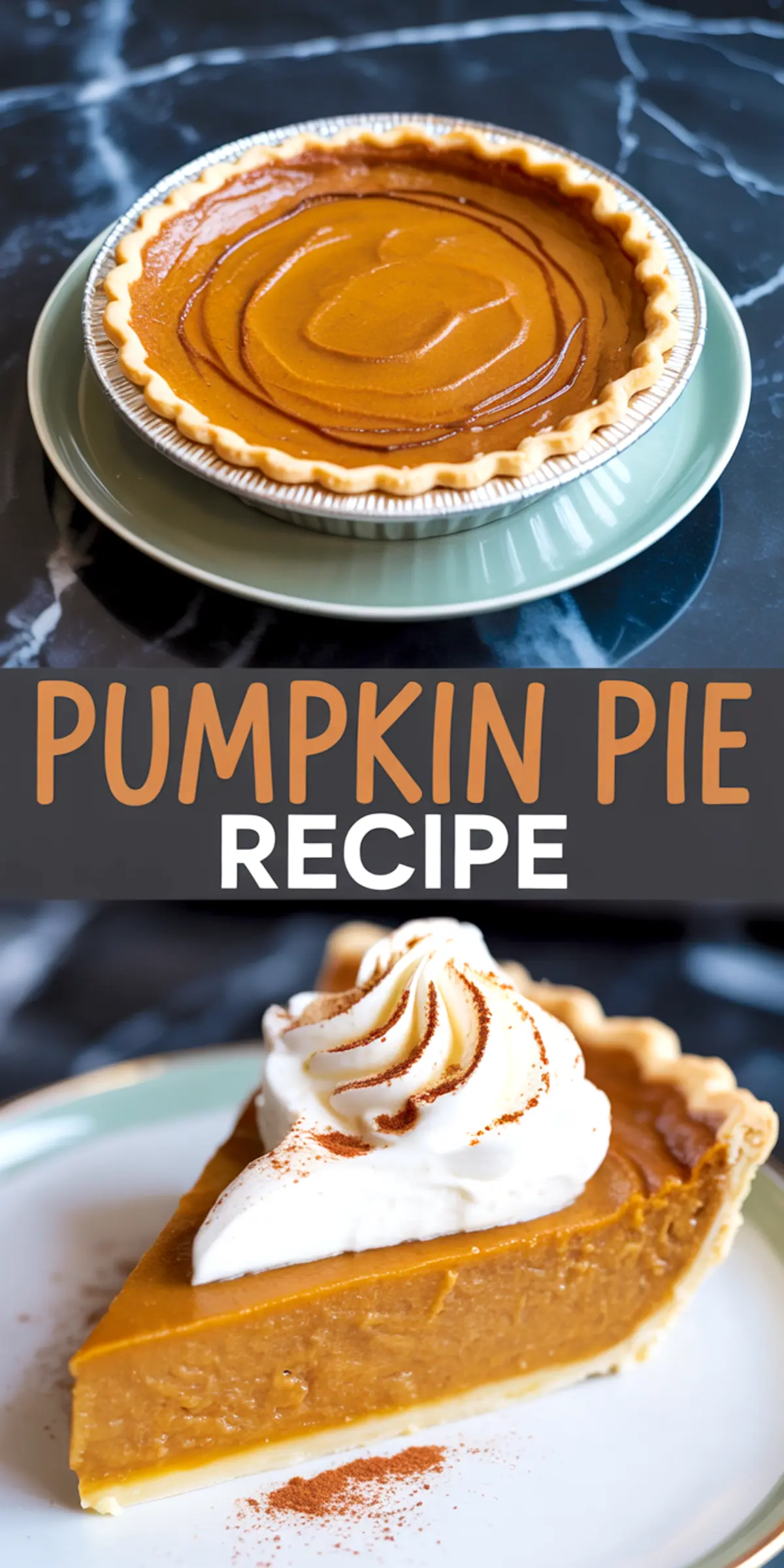
Pumpkin pie shouldn’t feel like a backup plan.
It should lead the table. It should stand next to apple or pecan pie without blinking. It should slice clean, smell like cinnamon, and taste like quiet certainty.
This pumpkin pie recipe does exactly that. It’s built around a silky custard filling, steady spice, and a crisp, chilled crust. I’ll walk you through the way I’ve made it year after year, with notes from my own recipe journal and one small ingredient choice that changed everything for me.
That final detail might not be what you expect. I’ll share it a little later, after we get through the steps.
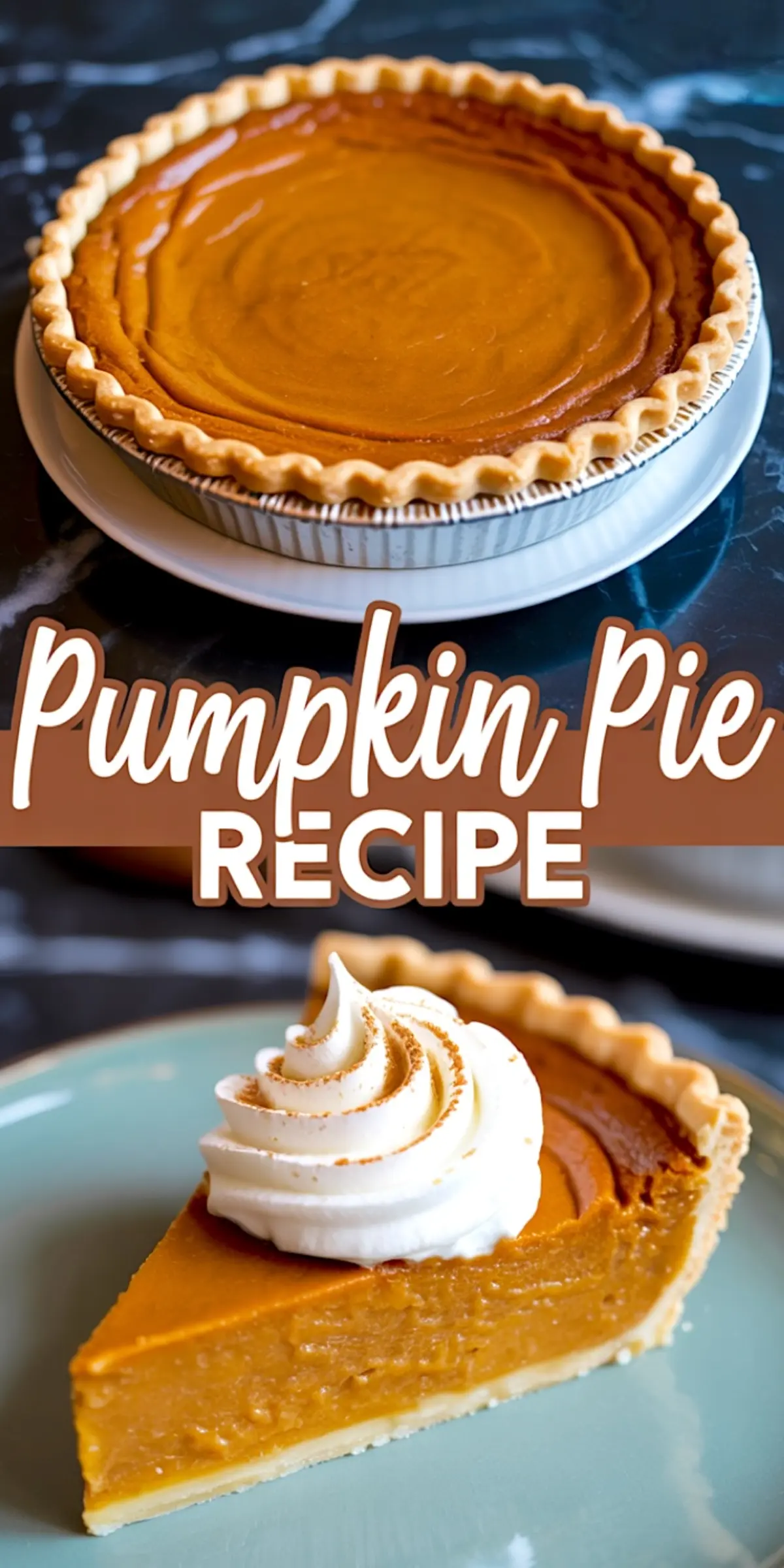
Canned Pumpkin or Fresh Pumpkin for Pie?
Let’s start here because I’ve made both.
Pumpkin pie from real pumpkin sounds romantic. But every time I’ve gone that route, I’ve ended up blending, straining, and adjusting the moisture until it barely resembles anything simple. Canned pumpkin puree gives you consistency and structure. That’s what you want when baking custard.
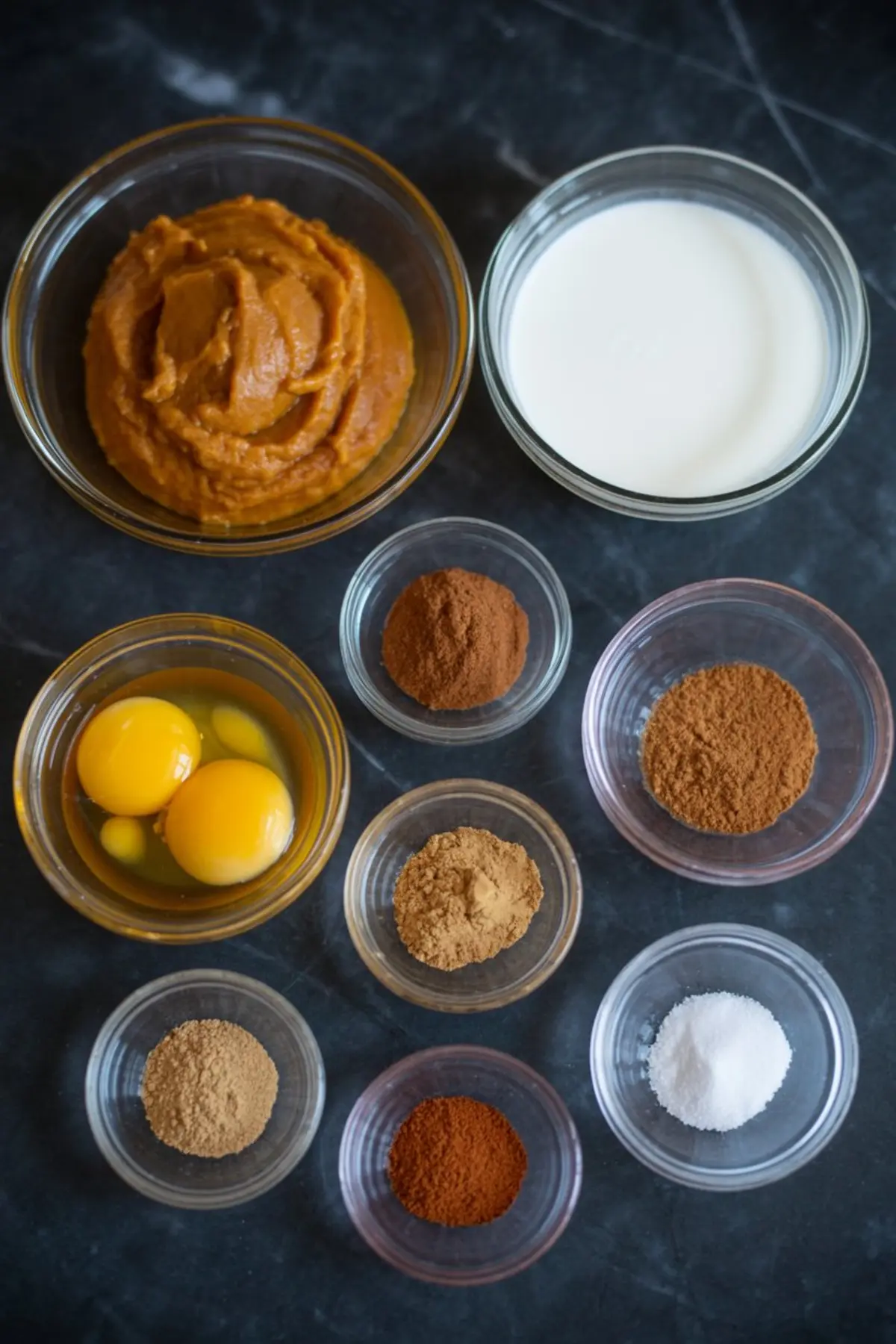
I combine the puree with eggs one at a time. There’s no need for a mixer. Just use a spatula. The texture builds gradually smooth, glossy, and quiet.
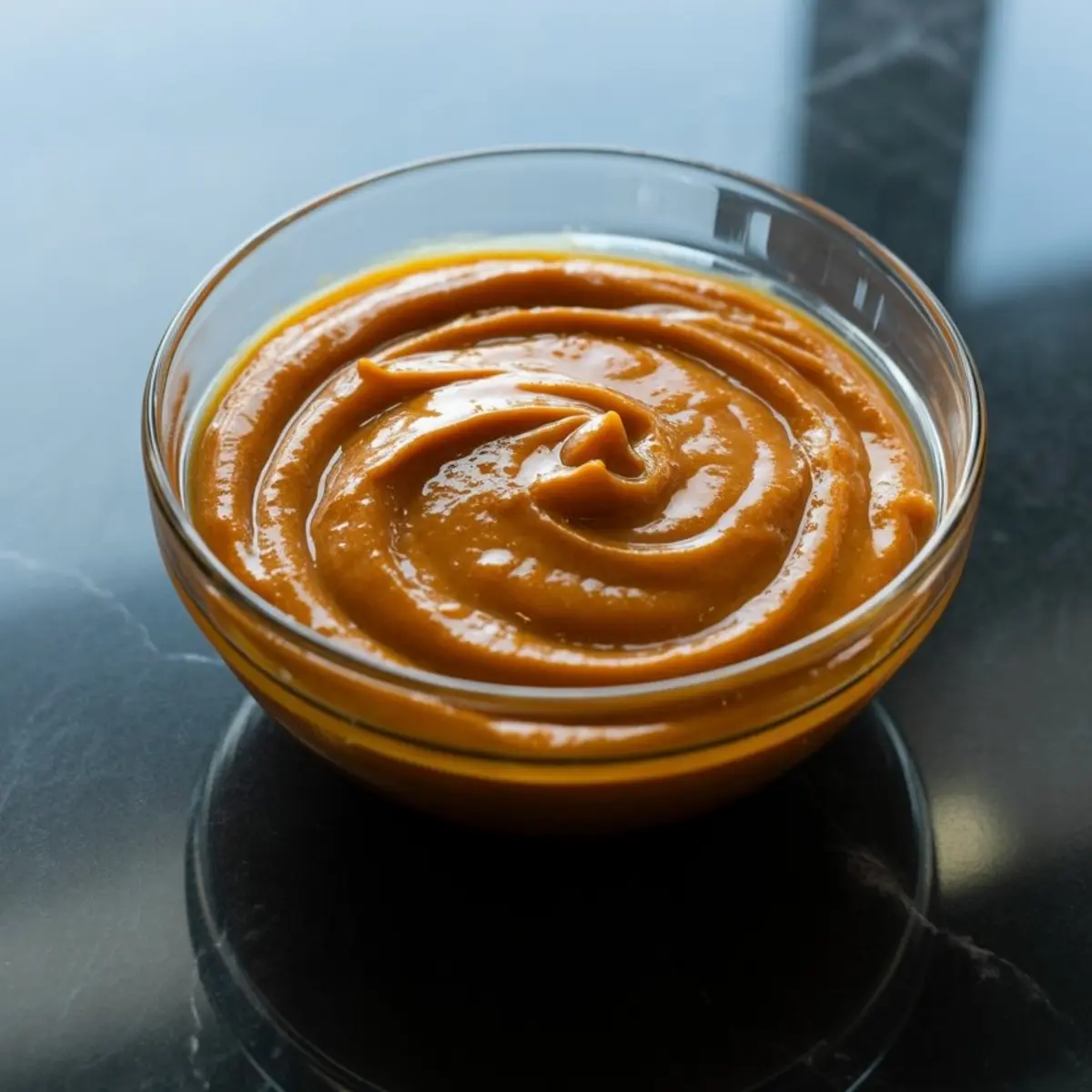
Then comes the sweetened condensed milk.
Why the Crust Needs to Be Cold and Unbaked
This pie bakes in a raw crust. But it must be cold before the filling goes in.
You can use a store-bought one, but when I have time, I go with this pie crust recipe. It’s flour-based, buttery, and sturdy enough to hold the filling without getting soggy.
Press the crust into your pie plate and dock the bottom with a fork. Don’t skip that step. It keeps the air from bubbling underneath.
No blind baking here. That first blast of high heat will set the shape and give it color.
Mixing Pumpkin Pie Filling Without Cracks or Bubbles
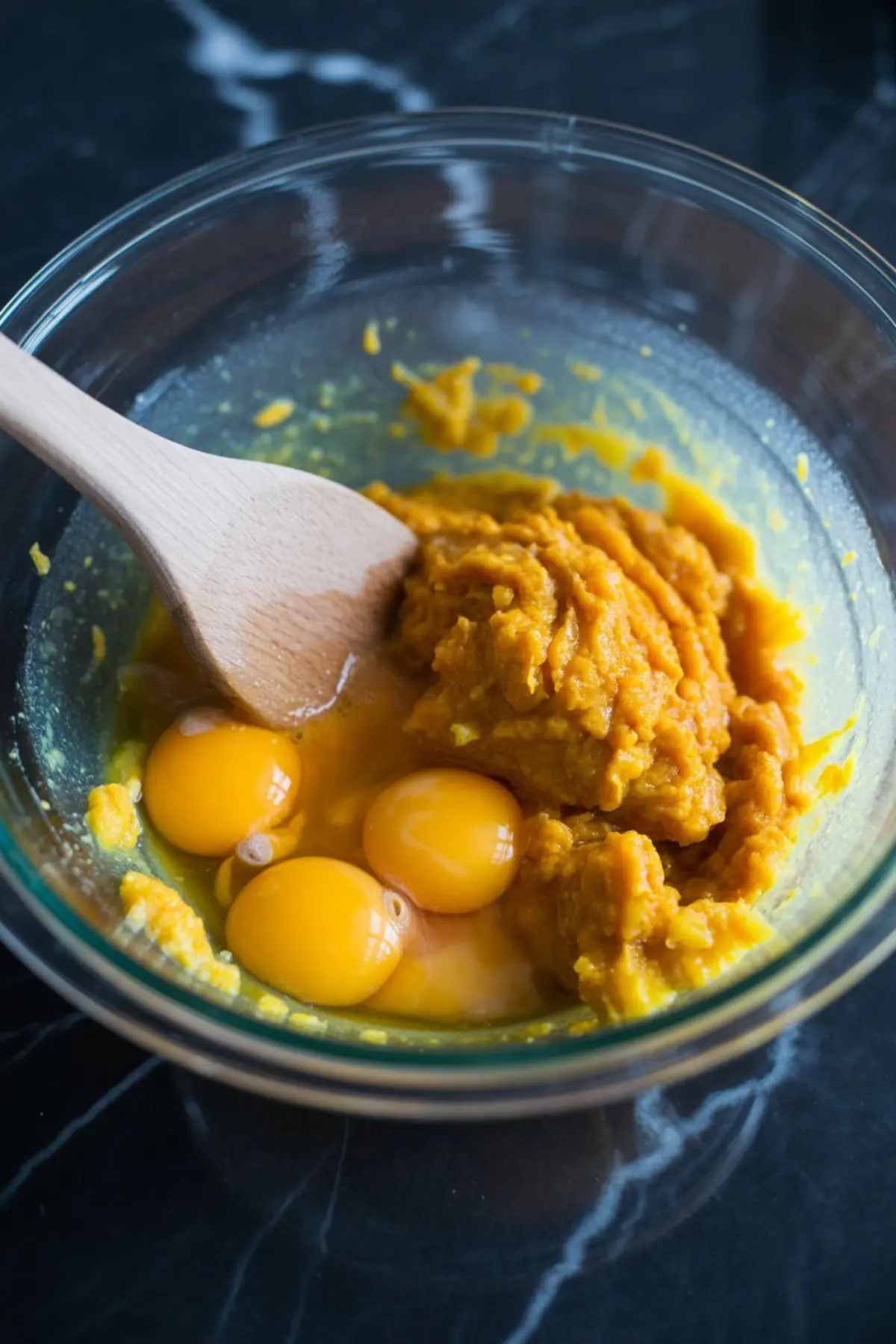
Add your spices—cinnamon, nutmeg, ginger, clove—and just enough salt to sharpen everything. Stir slowly. You’re not whipping cream. You’re blending.
Overmixing adds air, and air leads to cracks. I learned that the hard way when I rushed one Thanksgiving morning and tried to speed things up. The top split across the center. Since then, I stir gently and tap the pie plate before baking to settle the filling.
It makes a difference.
Baking Tips That Help the Filling Set Properly
Start your oven at 425°F. After 15 minutes, lower it to 350°F and continue baking for 35 to 40 minutes.
The edges will puff slightly, and the center should jiggle softly. Not a ripple—just a soft wobble.
Cool it for at least two hours on a rack. That part is non-negotiable. It helps the filling firm up and keeps the crust crisp.
If you’re making other pies like this apple pie recipe or a pecan pie recipe, bake this one early so it has time to rest.
Why I Switched to Condensed Milk in My Pumpkin Pie
This is the part most recipes don’t mention.
Sweetened condensed milk replaces both sugar and cream. It gives you a thicker texture and holds shape beautifully once chilled. It also adds a mild caramel note that fits better with fall spices than plain white sugar ever could.
I used to bake with evaporated milk and sugar. It worked fine, but the texture felt looser and didn’t always slice well on day two.
This version holds up. It cuts clean. It tastes better cold. That’s why I’ve stuck with it.
One Ingredient Swap That Changed My Results
In my notes, I compared condensed milk and heavy cream over several bakes. Cream added richness, but didn’t give the same structure. The pie wept slightly after refrigeration. Condensed milk kept its body.
So that’s what I use now.
If you’re planning Thanksgiving pie recipes in advance, this gives you a stable, make-ahead option that’s still soft in the center and never dry on the edge.
Pumpkin Pie vs. Pumpkin Cupcakes and Other Easy Pumpkin Desserts
I love a batch of pumpkin cream cheese muffins. They’re fast and satisfying. But if you want a proper dessert that holds its place next to other fall pie recipes, this one delivers.
Compared to pumpkin cupcakes, this pie sets deeper spice and smoother texture. There’s something calming about the way it bakes—slowly, evenly, without surprise.
I usually serve it alongside those other dishes. But it always disappears first.
Save This Recipe and Share Your Version
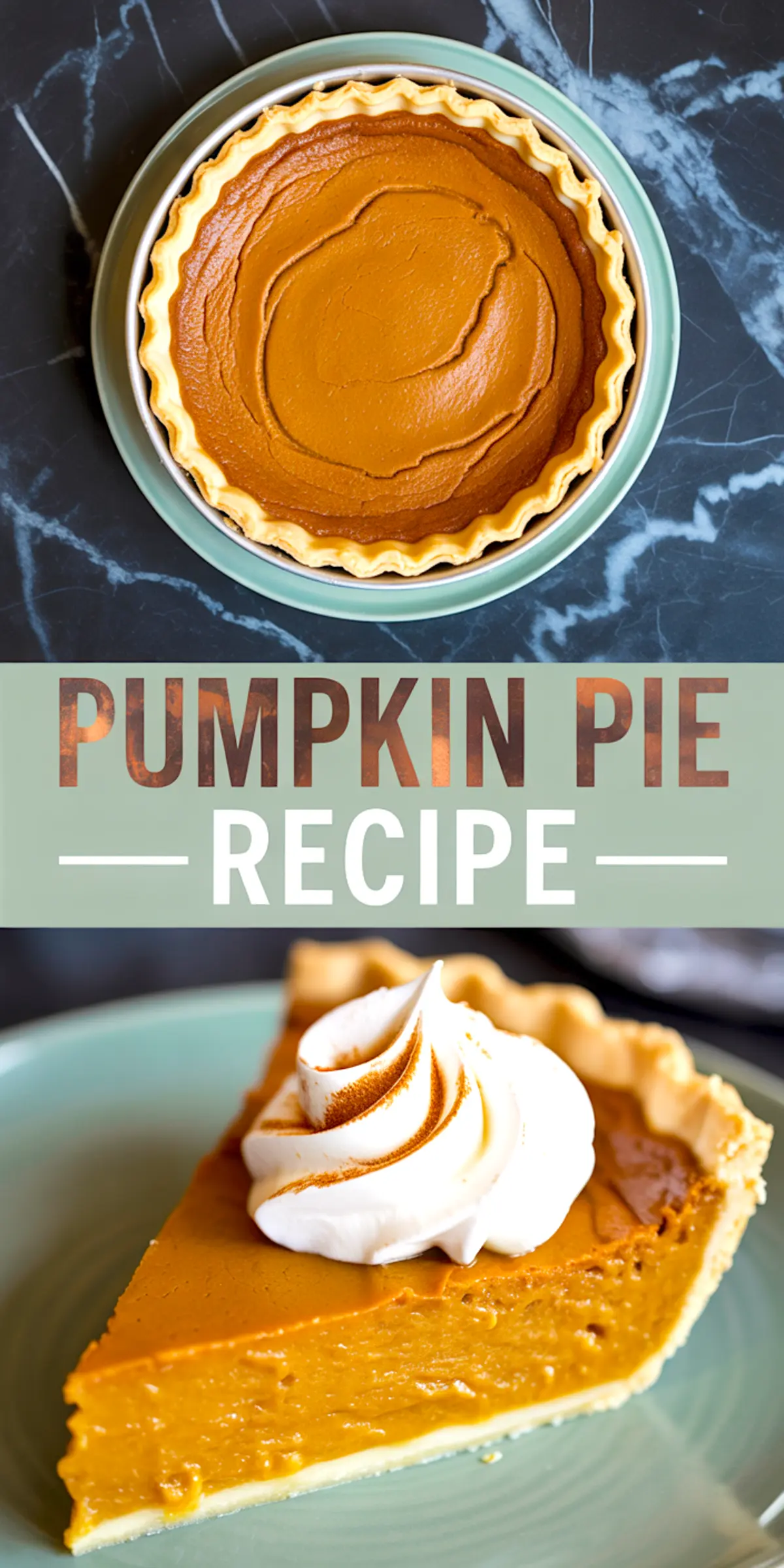
This pie has become a fixture on my fall table. It doesn’t shout. It doesn’t need whipped cream swirls or maple glaze to feel finished. It just stands there, ready.
If you’re searching for pumpkin pie desserts that actually taste like pumpkin, pin this now so you have it on hand for later.
Tried it? Leave a comment and let me know how it turned out. Did you go with store-bought crust or use the homemade one? Did you chill it overnight? I love hearing your tweaks and seeing which version becomes your favorite.
Let’s bake through fall together.
Pumpkin Pie Recipe
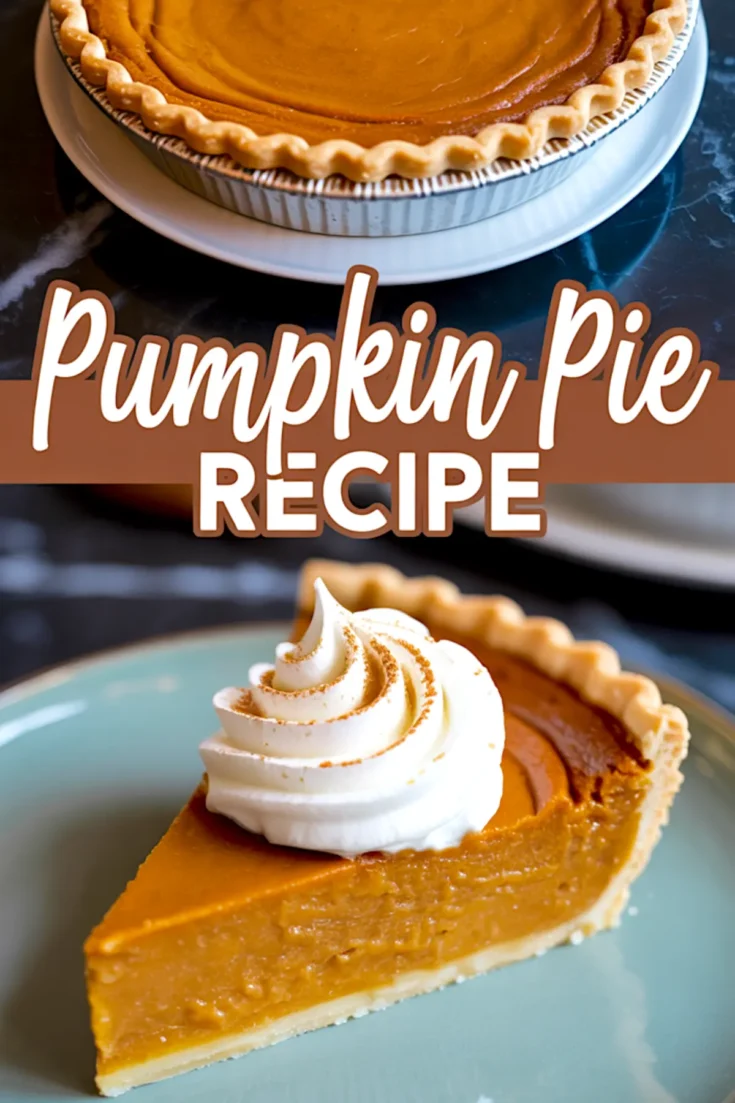
A smooth, spiced pumpkin pie with a custard-like filling and a crisp crust. The balance of cinnamon, nutmeg, ginger, and clove creates a warm flavor, while sweetened condensed milk adds a rich, creamy texture. This classic dessert rewards slow preparation and proper cooling.
Ingredients
- FOR THE FILLING
- 1 can (15 ounces) pumpkin puree
- 3 large eggs, at room temperature
- 1 can (14 ounces) sweetened condensed milk
- 1 teaspoon ground cinnamon
- 1/4 teaspoon ground nutmeg
- 1/4 teaspoon ground ginger
- Pinch of ground clove
- 1/2 teaspoon salt
- FOR THE CRUST
- 1 9-inch unbaked pie crust, store-bought or homemade
- (flour-based butter crust recommended, chilled before baking)
Notes
Use canned pumpkin for consistent texture and moisture content. Avoid overmixing to prevent air bubbles that can lead to cracks during baking. Ensure the crust is chilled before filling and baking.
Nutrition Information:
Yield:
8Serving Size:
1Amount Per Serving: Calories: 171Total Fat: 10gSaturated Fat: 4gTrans Fat: 0gUnsaturated Fat: 5gCholesterol: 71mgSodium: 282mgCarbohydrates: 18gFiber: 1gSugar: 3gProtein: 4g