
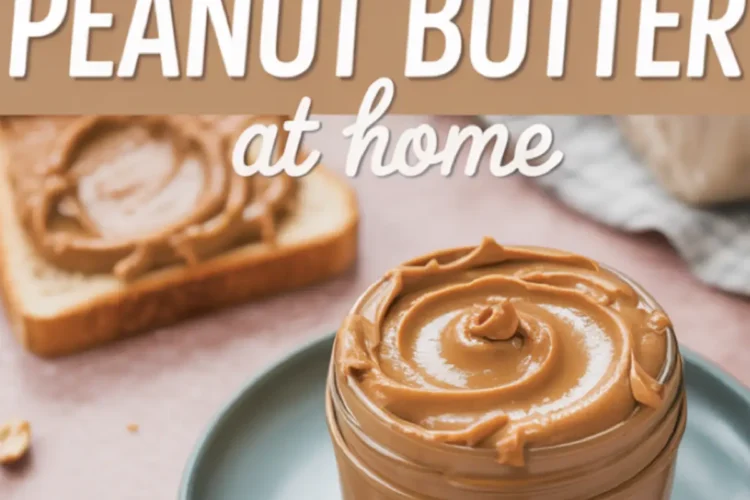
Peanut butter should taste like peanuts. That sounds obvious. But most jars taste like sugar, preservatives, and texture thickeners. I stopped buying them after reading one too many labels that listed oils I didn’t recognize and sweeteners I never asked for.
This homemade version brings the flavor back. It’s simple. It takes under ten minutes. It also gives you full control over salt, sweetness, and texture. You’ll learn how to make peanut butter at home using ingredients you already have, and once you try it, there’s no reason to return to the shelf-stable stuff.
What makes this one stand out? There’s a subtle step at the end, easy to miss but powerful. Most people skip it. I never do. I’ll show you what it is after we go through the basics.

How to Make Peanut Butter at Home from Scratch
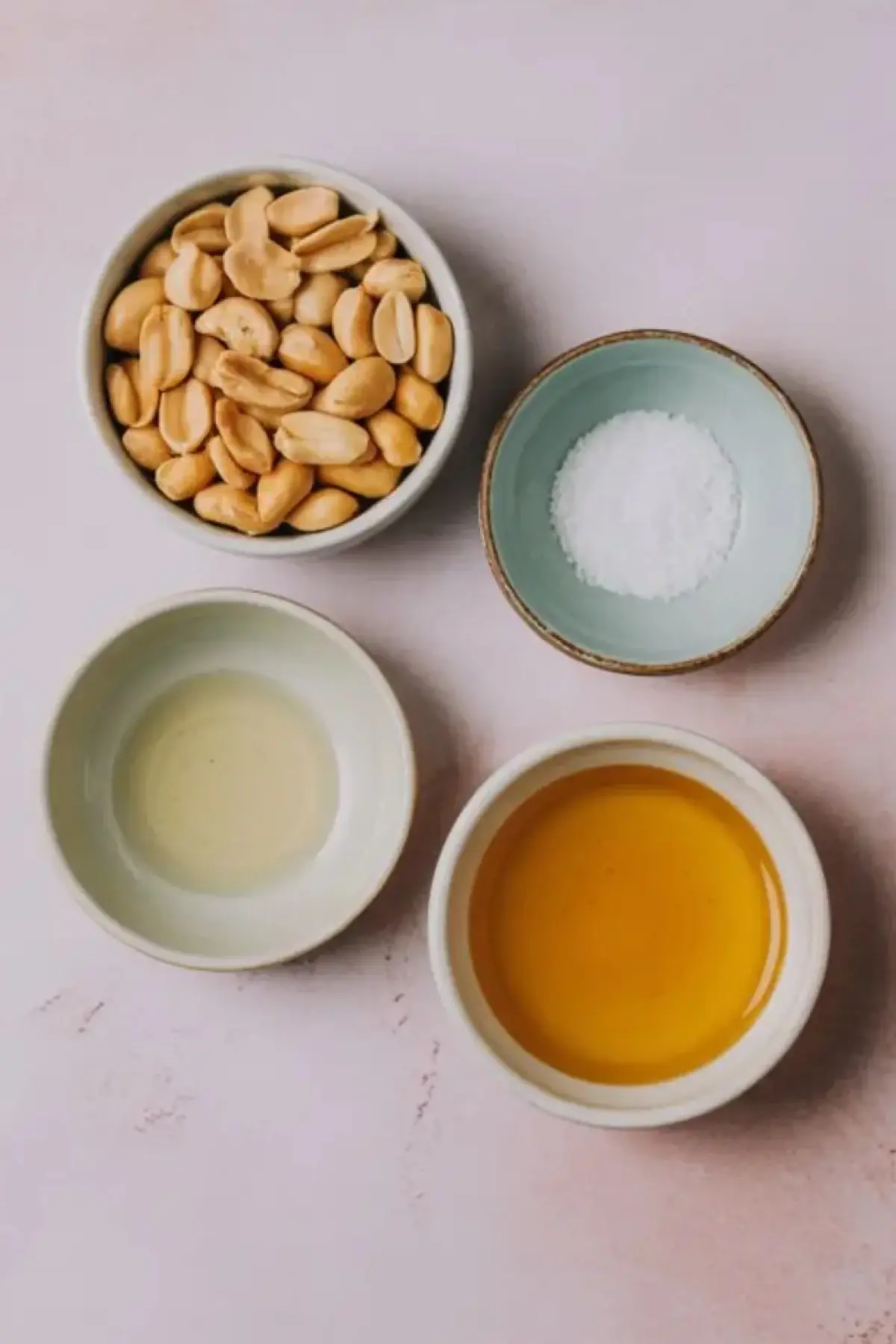
Start with two cups of unsalted, dry-roasted peanuts. Drop them into a high-speed food processor. Blend for 30 to 60 seconds. The peanuts will first crumble, then start to clump. Pause to scrape the sides.
Keep going. You’re looking for the point when the mixture begins to release oil and smooth out. That usually happens after two to four minutes. If the machine seems to slow, give it a break and continue in short pulses. This stage turns peanuts into a thick, warm paste.
In my kitchen, this moment always smells like Saturday mornings. I keep a note in my Pin Notebook to use slightly warmed peanuts for a faster, creamier blend. Cold peanuts take longer and don’t process as evenly.
Adjusting Texture and Sweetness

Once the base is blended, add salt and oil. I usually start with a quarter teaspoon of salt and one tablespoon of peanut oil. If the butter feels too thick, add another spoon of oil. Stir and taste as you go. The salt opens up the flavor without overpowering the nut.
If you enjoy a touch of sweetness, blend in a teaspoon of honey or maple syrup. Honey makes the spread brighter. Maple syrup adds a mellow, toasty note. Both options taste great in peanut butter recipes that lean sweet, like overnight oats or freezer bars.
Smooth vs Chunky Peanut Butter: What to Choose
Before you finish, you’ll need to decide on texture. For smooth, continue blending until the spread flows like soft frosting. For chunky, set aside a quarter cup of whole peanuts before you begin. Once your base is creamy, pulse in the saved peanuts three to five times. This gives you pieces that still have bite without making the butter gritty.
I’ve tried mixing in chopped peanuts by hand before, but they don’t distribute well. Pulsing in whole ones is faster and more even. If you’re using your peanut butter for peanut butter snacks, the chunkier version adds extra crunch and satisfaction.
Raw vs Roasted: What Kind of Peanuts Work Best
I’ve tested both raw and roasted peanuts. Raw peanuts work if you toast them lightly first, but they tend to taste mild. Roasted peanuts bring out that familiar, hearty flavor most people expect.
If you plan to use the spread in easy peanut butter cookies, roasted works better. The deeper flavor holds up during baking, while raw peanuts can taste bland once heated.
How to Store Homemade Peanut Butter Safely
Transfer the finished spread to a clean jar. I use glass jars with tight lids. Keep it in the refrigerator. It stays fresh for up to three weeks. Stir before using if the oil rises to the top. That’s natural.
This recipe fits well with most diy peanut butter ideas. It spreads easily on toast, swirls into smoothies, and pairs beautifully with sliced apples. I’ve even mixed it into yogurt bowls when I needed something quick that felt more like a treat.
The Secret Step Most Recipes Skip
Now for the tiny trick I mentioned earlier. After you blend and jar your peanut butter, stir in a pinch of cinnamon before serving.
It doesn’t change the texture. It doesn’t turn it into a cinnamon spread. It lifts the flavor, especially if you’ve added maple syrup earlier. The warmth is subtle but noticeable.
I discovered this by accident. I once reused a jar that had a little cinnamon sugar residue at the bottom. The batch turned out better than anything I’d made before. Since then, I’ve added a pinch with every new batch. It works in everything, even peanut butter chocolate chip cookies.
Try it once. You’ll start looking forward to that little step every time.
Save This Recipe and Share Your Results
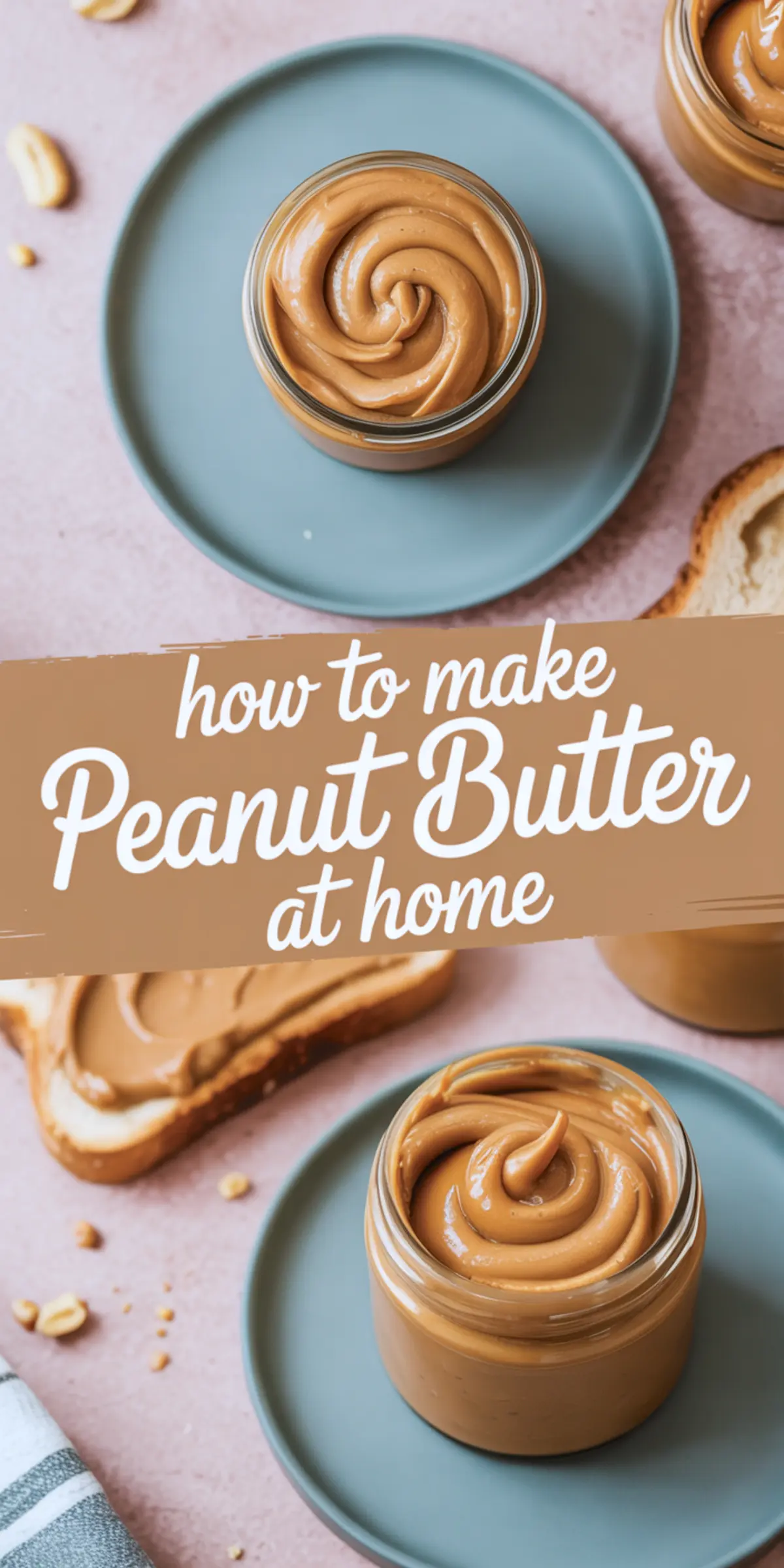
This is more than a spread. It’s a shift in how you stock your kitchen. You don’t need a long ingredient list or preservatives to get a creamy, flavorful peanut butter. You just need ten minutes and a good food processor.
If you’ve ever wondered how to make peanut butter at home, this is the place to begin. Pin this recipe now so you’ll have it ready when your next jar runs low.
Have questions? Tried a variation? Let’s talk in the comments. Did you go smooth or chunky? Add cinnamon or skip it? I’d love to hear what you did differently and what you’ll try next.
Homemade Peanut Butter
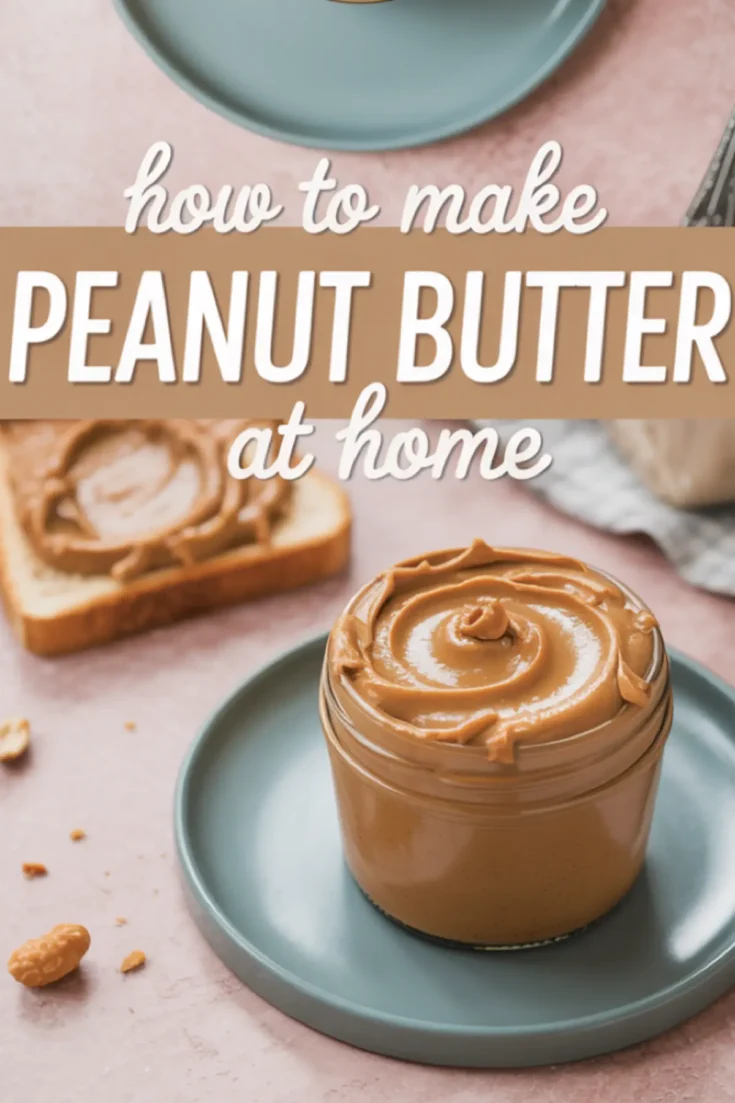
Creamy peanut butter made from just a few pantry staples. Smooth, flavorful, and ready in under 10 minutes.
Ingredients
- 2 cups unsalted dry-roasted peanuts
- 1/4 to 1/2 teaspoon salt (to taste)
- 1 to 2 tablespoons neutral oil (such as peanut or canola)
- 1 teaspoon honey or maple syrup (optional, for sweetness)
- 1/4 cup additional peanuts (optional, for chunky style)
Notes
Use a high-powered food processor to avoid overheating or straining the motor. Roasted peanuts give deeper flavor, but raw peanuts can be used if lightly toasted first. Coconut oil can be used for a subtle aroma and is especially nice in breakfast dishes.
Nutrition Information:
Yield:
1Serving Size:
1Amount Per Serving: Calories: 2249Total Fat: 191gSaturated Fat: 27gTrans Fat: 0gUnsaturated Fat: 143gCholesterol: 0mgSodium: 1227mgCarbohydrates: 89gFiber: 28gSugar: 34gProtein: 80g
