
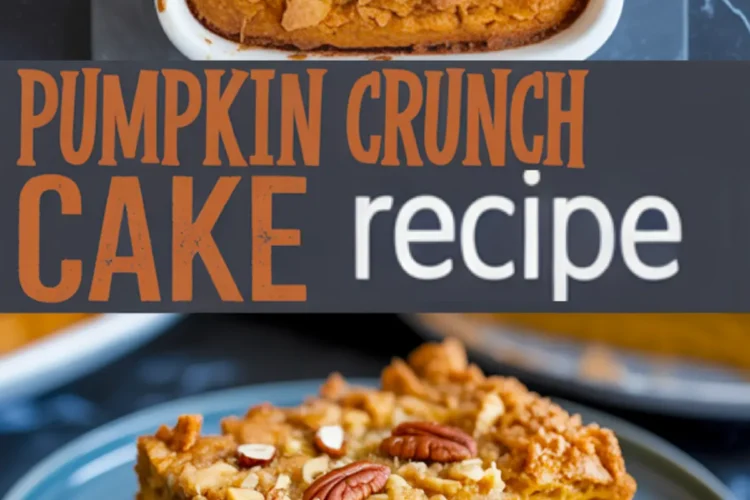
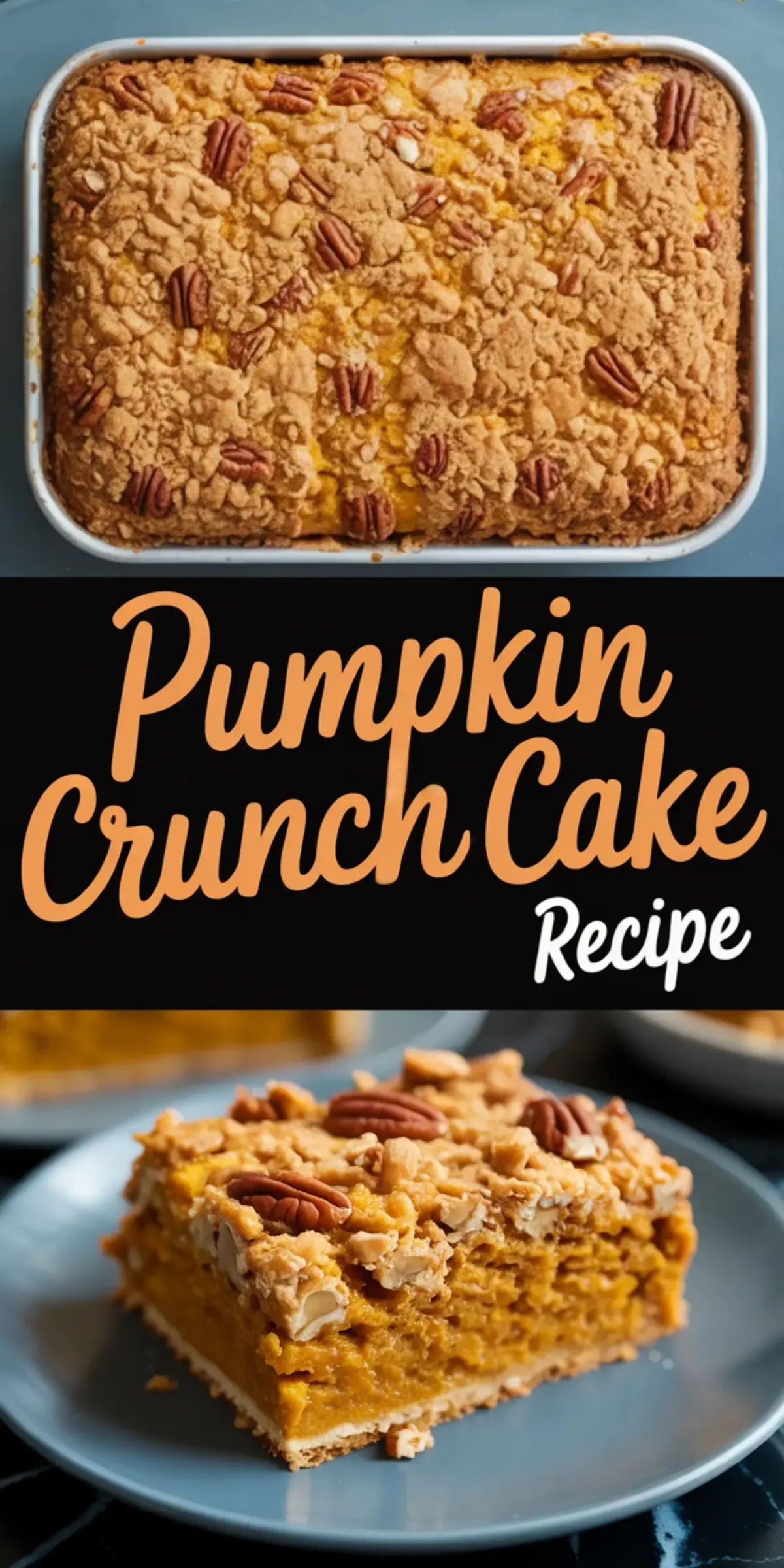
Some recipes feel like fall even before the oven preheats. You look at the ingredients, and something stirs. A mix of cinnamon, pumpkin, and the kind of crunch that echoes cozy evenings and warm plates.
This Pumpkin Crunch Cake delivers that comfort in layers. There’s a buttery biscuit base, a silky pumpkin custard middle, and a crumbly, golden pecan topping that cracks ever so slightly beneath your fork.
If you’re searching for a pumpkin crunch dessert that actually holds its shape and balances sweetness with texture, you’re in the right place.
You’ll learn exactly how to layer each component so it bakes into a cohesive slice. I’ll also walk you through one comparison that can change the entire base of your cake.
And yes, there’s one odd little detail in the recipe that might raise eyebrows. More on that soon.
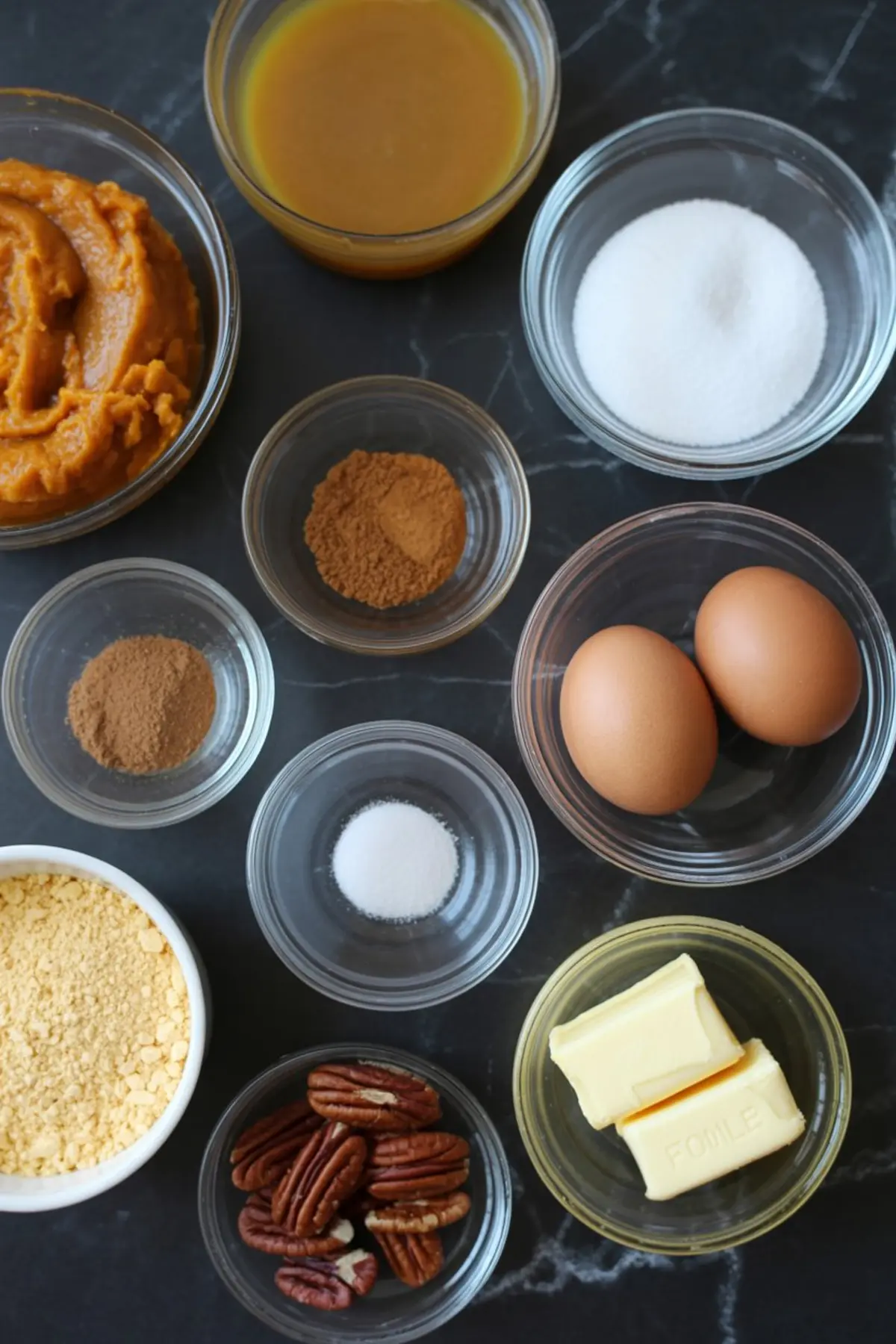
Ingredients for the Best Pumpkin Crunch Cake Texture
Start with the crust. I use crushed digestive biscuits, but I’ve also tested graham crackers and vanilla wafers. All work. But digestive biscuits create a firmer base that holds up best when the custard sets.
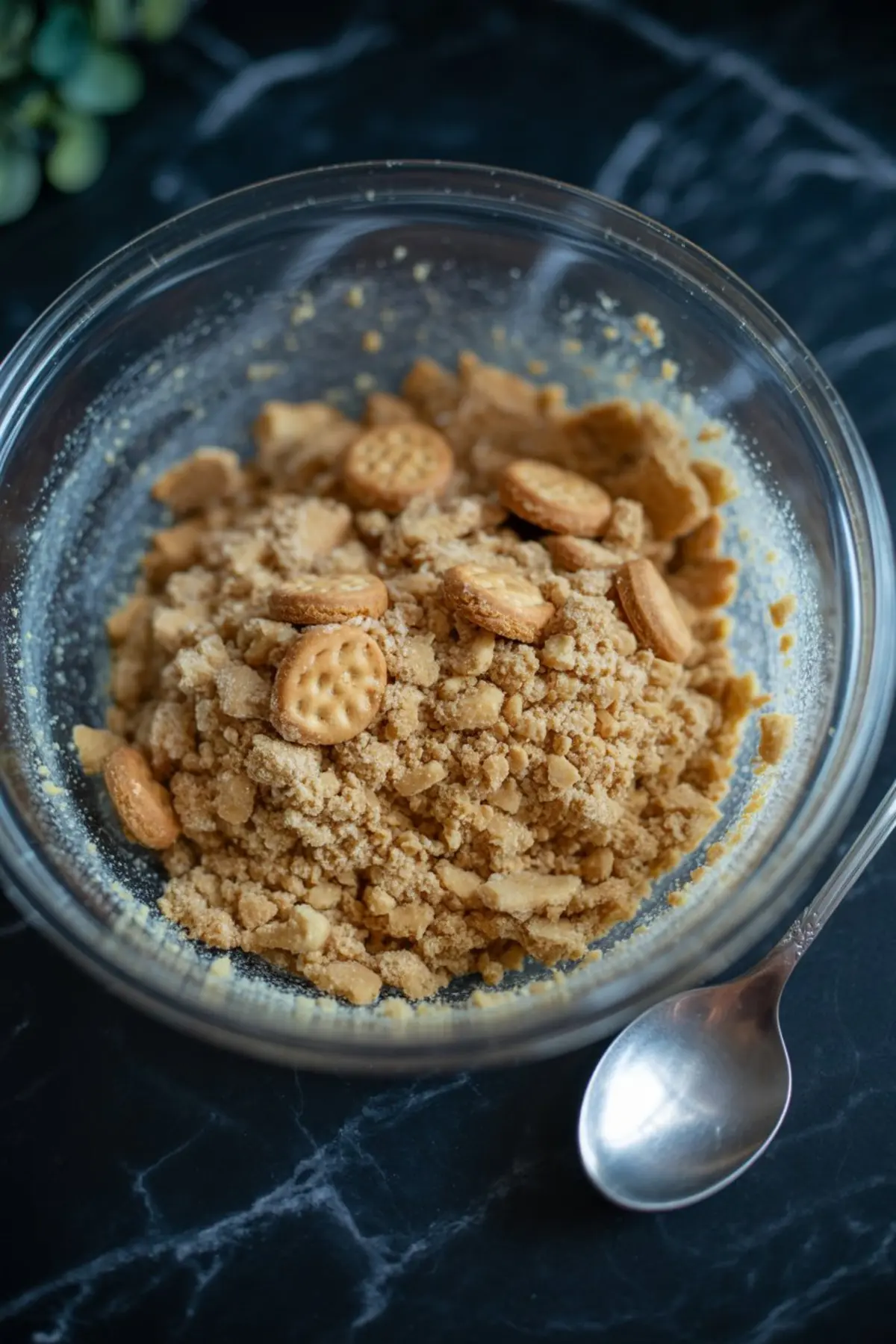
I mix the crumbs with melted unsalted butter and a little sugar until it looks like wet sand. This layer gets pressed into the bottom of a 9×13-inch pan and pre-baked until just set. It’s not flashy, but it matters more than people think. A soggy base ruins a cake like this.
The custard layer blends canned pumpkin puree, sweetened condensed milk, eggs, sugar, cinnamon, nutmeg, and salt. It bakes into a soft but sliceable middle that tastes like pumpkin pie filling with smoother edges.
If you’ve been eyeing other pumpkin cake recipes like pumpkin cheesecake or pumpkin spice cake, this one leans more custard than crumb.
Cake Mix Topping: Pour, Don’t Stir
Here’s where things take a turn. The top layer uses dry yellow cake mix. Yes, dry.
You sprinkle it directly over the unbaked custard. Then pour melted butter over the top and finish with chopped pecans. It feels a bit wrong while you’re doing it. But it bakes into a crunchy, buttery crumble that floats over the custard instead of sinking in.
In my Pin Notebook, I wrote once: “Don’t be tempted to mix.” I tried once. The top turned gluey and lost its structure. Dry mix first. Butter second. Always.
If you enjoy texture contrasts like those in a pumpkin coffee cake, this technique creates even sharper separation between soft and crisp.
A Quick Note on Crust Choice
Let me pause for a second to talk about the base again.
I’ve tried digestive biscuits and graham crackers back-to-back. Graham crackers bring a familiar flavor but tend to get too soft under the custard unless you toast them more.
Digestives, on the other hand, don’t absorb moisture as quickly. They also have a gentle malted sweetness that deepens the overall flavor. So if you’re deciding which to use, go with digestive if you want structure. Graham if you want a softer bite.
That little difference affects the entire slice.
Cooling Time Makes or Breaks the Texture
After baking, let the cake cool fully.
I’ve rushed this before and regretted it. While warm, the layers haven’t quite settled. The custard shifts and the crumble topping falls apart.
Wait at least an hour. Better yet, chill it if you’re slicing for a gathering. This pause lets everything firm up, and it makes the cleanest slices. If you’ve ever made a pumpkin cake pop and waited for it to cool before dipping, it’s a similar kind of patience.
The Unexpected Element: Biscuit Crust Instead of Cake Base
Here’s the twist I hinted at earlier. Most pumpkin crunch cake recipes, especially ones like the Pumpkin Crunch Cake Recipe Allrecipes or the Pumpkin Crunch Cake Recipe Hawaii-style, skip the crust entirely.
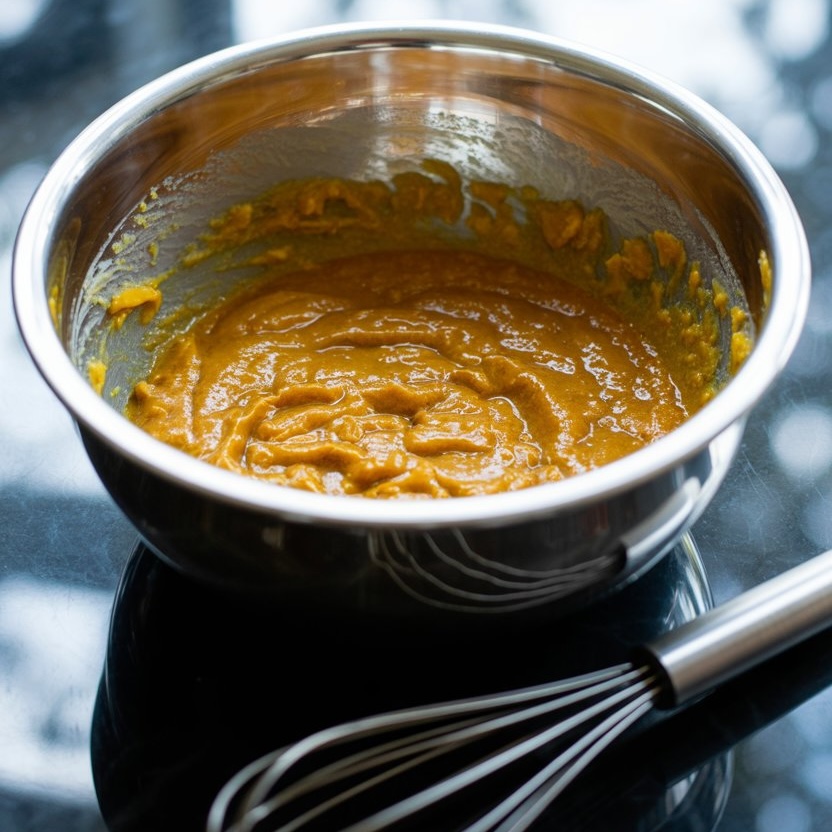
They start with pumpkin on the bottom and cake mix on top. But I found that layering a biscuit crust under the custard adds texture that holds the whole dessert together.
It prevents sogginess. It gives you a base that cuts cleanly. And it makes this pumpkin crunch recipe stand apart from others like pumpkin crumb cake or pumpkin pound cake recipes.
That crust layer is the reason guests ask me why this one feels more complete. It holds each forkful like a slice of pie met a crunch cake halfway.
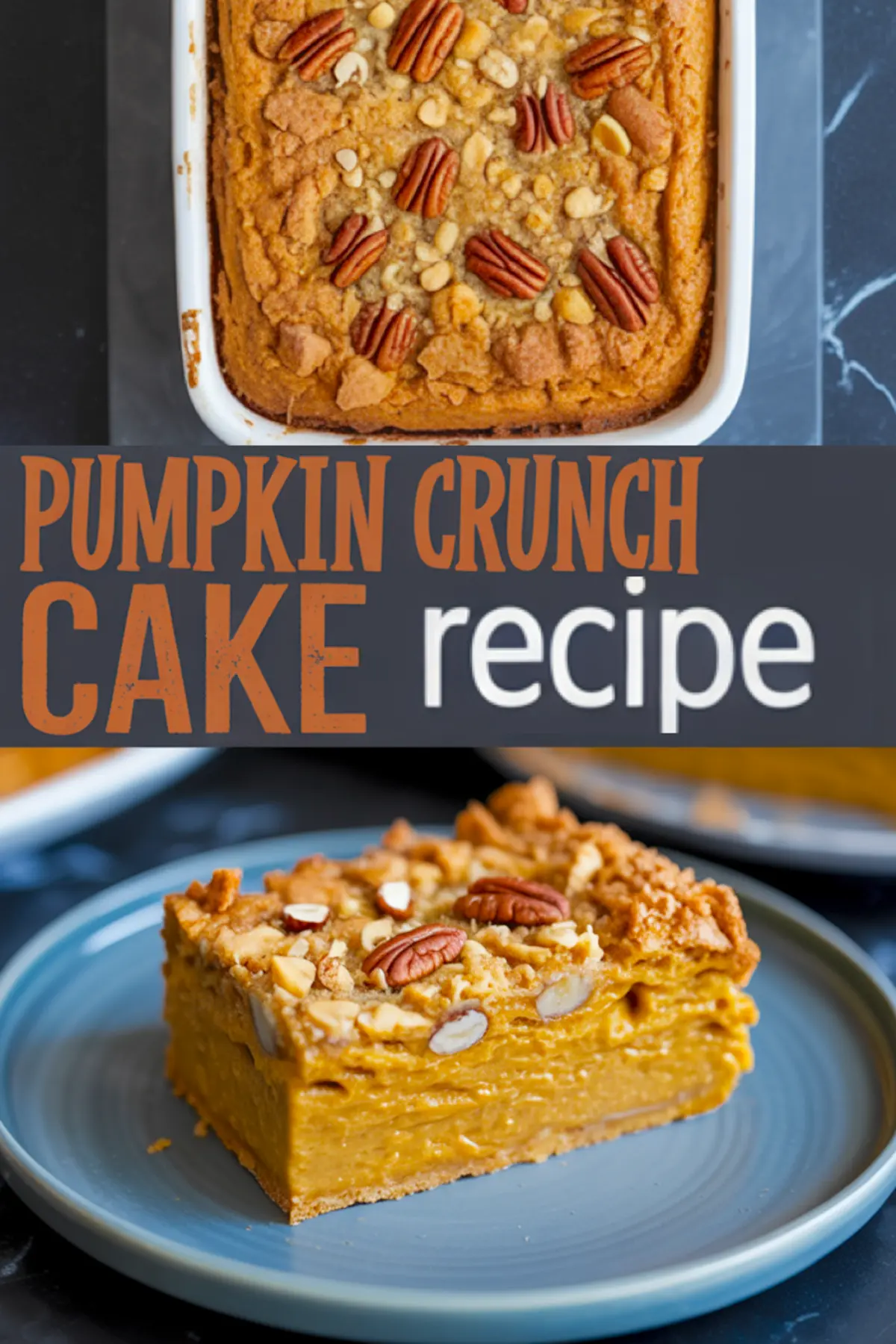
How to Store and Serve Pumpkin Crunch Cake
Once cooled, I cover leftovers and keep them in the fridge. They hold up for four days. The topping stays crisp for the first two.
I serve this cake cold or at room temperature. Some like it warm, but I find the layers lose their sharp edges when reheated.
For a fall spread, I usually plate it beside a chilled pumpkin cheesecake and a slice of apple crisp. It complements both without overwhelming them.
Save This for Fall Baking and Share Your Thoughts
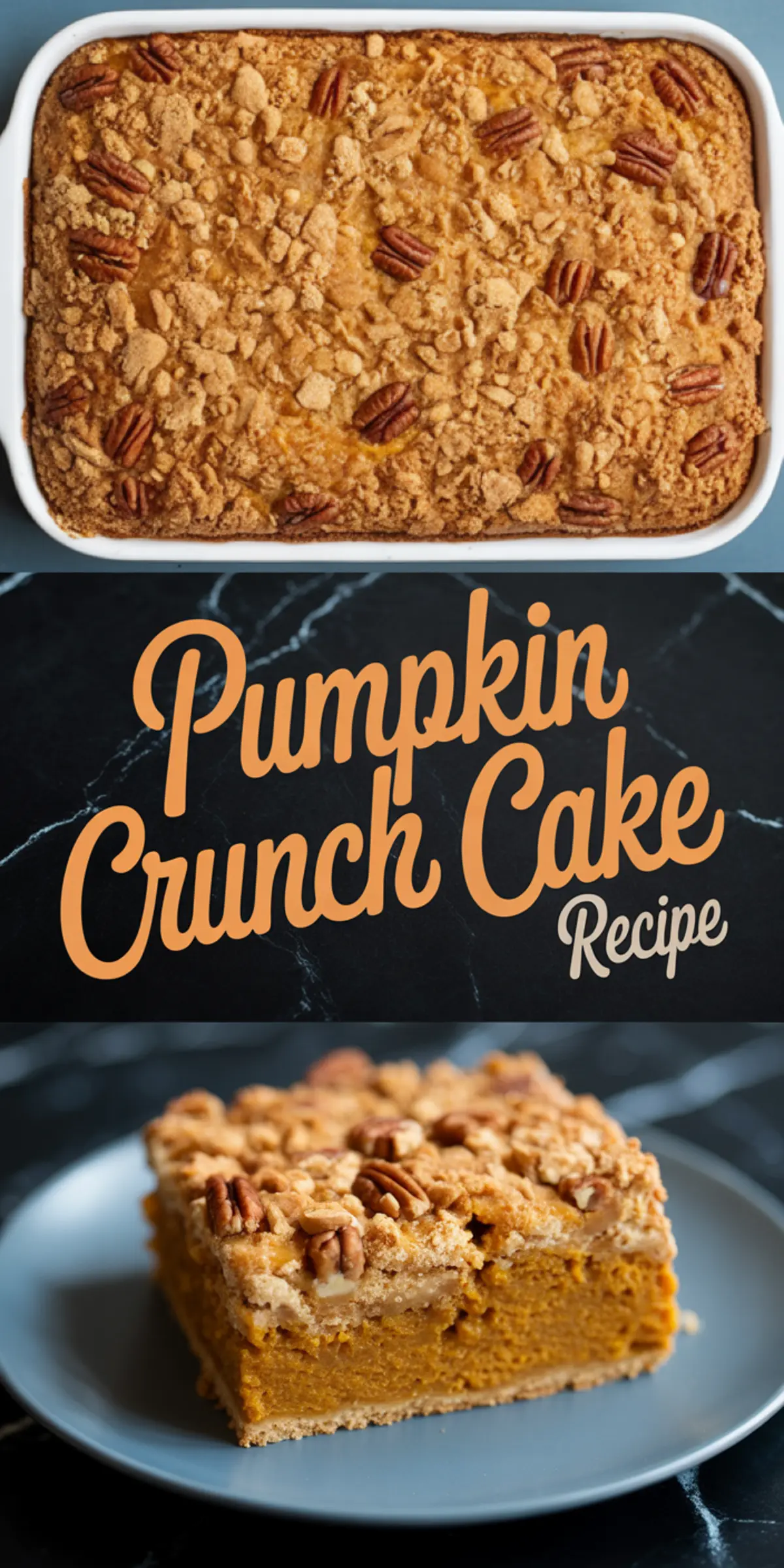
If you’re planning fall desserts or building your own Pinterest board of pumpkin cake recipes, save this Pumpkin Crunch Cake recipe for later. It’s one of those dishes that surprises you.
First, with how simple it is. Then, with how many textures it manages to pack into a single bite.
Drop a comment if you try it. I’d love to hear what crust you chose or if you added a twist of your own.
Let’s swap notes.
Pumpkin Crunch Cake Recipe
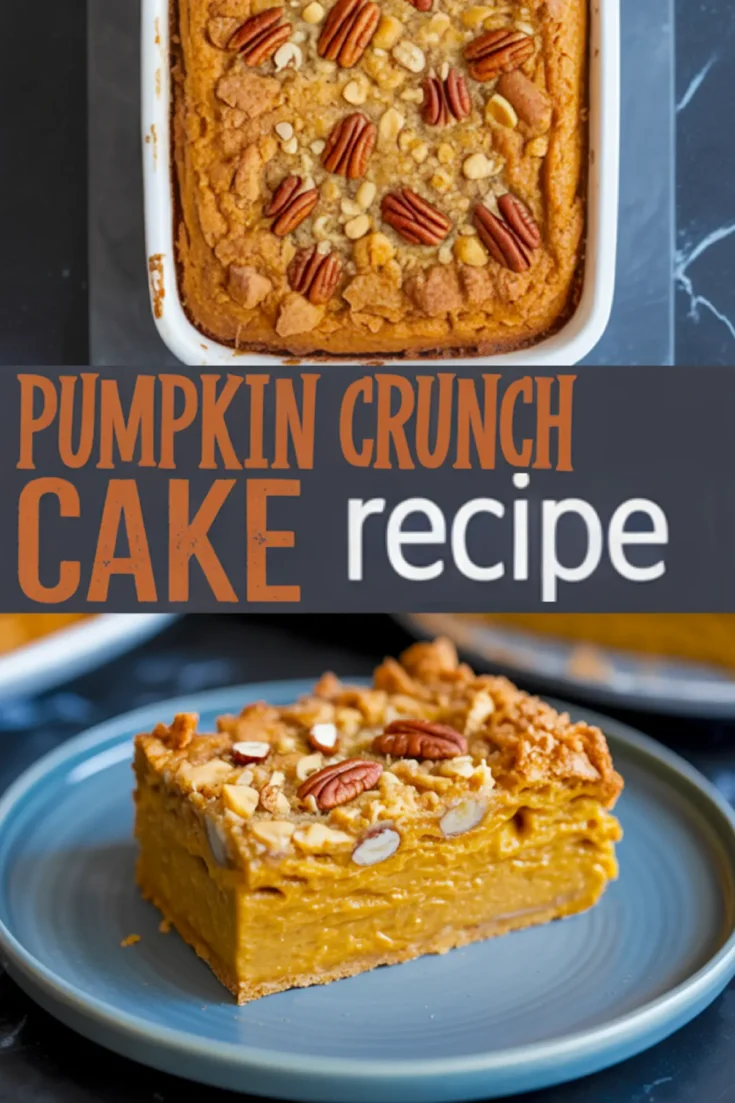
A buttery biscuit base, silky pumpkin custard, and crisp pecan topping—layered for texture in every bite.
Ingredients
- FOR THE BISCUIT CRUST
- 1 ½ cups crushed digestive biscuits (or graham crackers, or vanilla wafers)
- 6 tbsp unsalted butter, melted
- 2 tbsp granulated sugar
- FOR THE PUMPKIN CUSTARD LAYER
- 1 can (15 oz) pumpkin puree
- 1 can (14 oz) sweetened condensed milk
- 3 large eggs
- ½ cup granulated sugar
- 1 ½ tsp ground cinnamon
- ½ tsp ground nutmeg
- ½ tsp salt
- FOR THE TOPPING
- 1 box yellow cake mix (dry)
- 1 cup unsalted butter, melted
- 1 cup chopped pecans
Instructions
- PREP THE CRUST: Preheat the oven to 350°F (175°C). Grease or line a 9x13-inch pan with parchment paper. In a bowl, stir together crushed biscuits, granulated sugar, and melted butter until the texture is evenly damp and sandy. Press this mixture firmly into the bottom of the prepared pan using a flat-bottomed cup or spatula. Bake the crust for 8 minutes, then remove from the oven and let it cool slightly while preparing the custard.
- MAKE THE CUSTARD: In a large bowl, whisk together the pumpkin puree, sweetened condensed milk, eggs, granulated sugar, cinnamon, nutmeg, and salt until smooth and fully combined. Pour the custard over the pre-baked crust, spreading it evenly to the edges.
- ADD TOPPING: Sprinkle the dry yellow cake mix evenly over the pumpkin custard layer. Do not stir. Slowly drizzle the melted butter over the entire surface, covering as much of the cake mix as possible. Some areas may remain dry. Scatter the chopped pecans evenly on top.
- BAKE AND COOL: Bake for 55 to 60 minutes, or until the top is golden and the center is just barely set with a slight jiggle. Remove from the oven and allow the cake to cool at room temperature for at least 1 hour before slicing. This cooling time helps the custard set, the topping crisp, and the crust remain firm when cut.
Notes
Crushing biscuits finely helps the crust hold its shape without crumbling. For best results, press the crust firmly and evenly. Letting the cake cool fully ensures clean slices and optimal texture. Store leftovers covered in the refrigerator for up to 4 days.
