
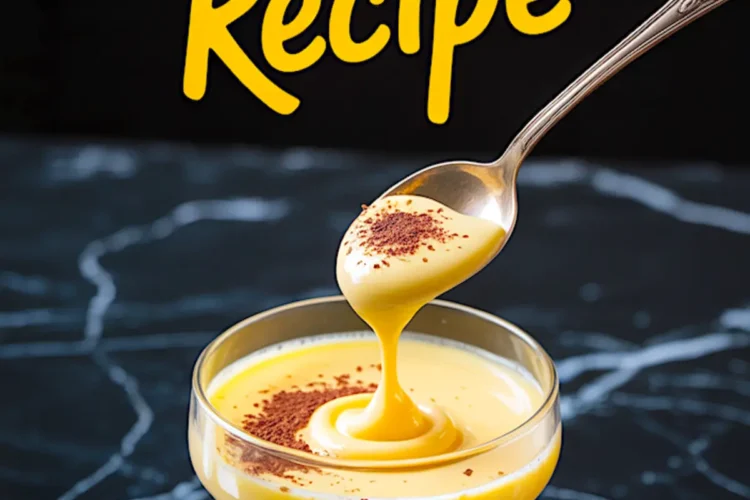
Zabaglione recipe is a lesson in simplicity.
With just egg yolks, sugar, and wine, you get a warm, airy custard that tastes far more indulgent than it should. It doesn’t need flour. It doesn’t need butter. What it needs is your attention and a good whisk.
In this post, I’ll walk you through how to make zabaglione step by step. You’ll learn what ingredients matter, how to keep it from curdling, and when to add my favorite twist that lifts the entire dessert. If you’ve never made zabaglione before, this is the place to start.
It’s fast, forgiving, and teaches you to trust your hands over any timer. You’ll also learn a small flavor addition that takes it from expected to unforgettable.
What Is Zabaglione and Why You’ll Want to Make It Again
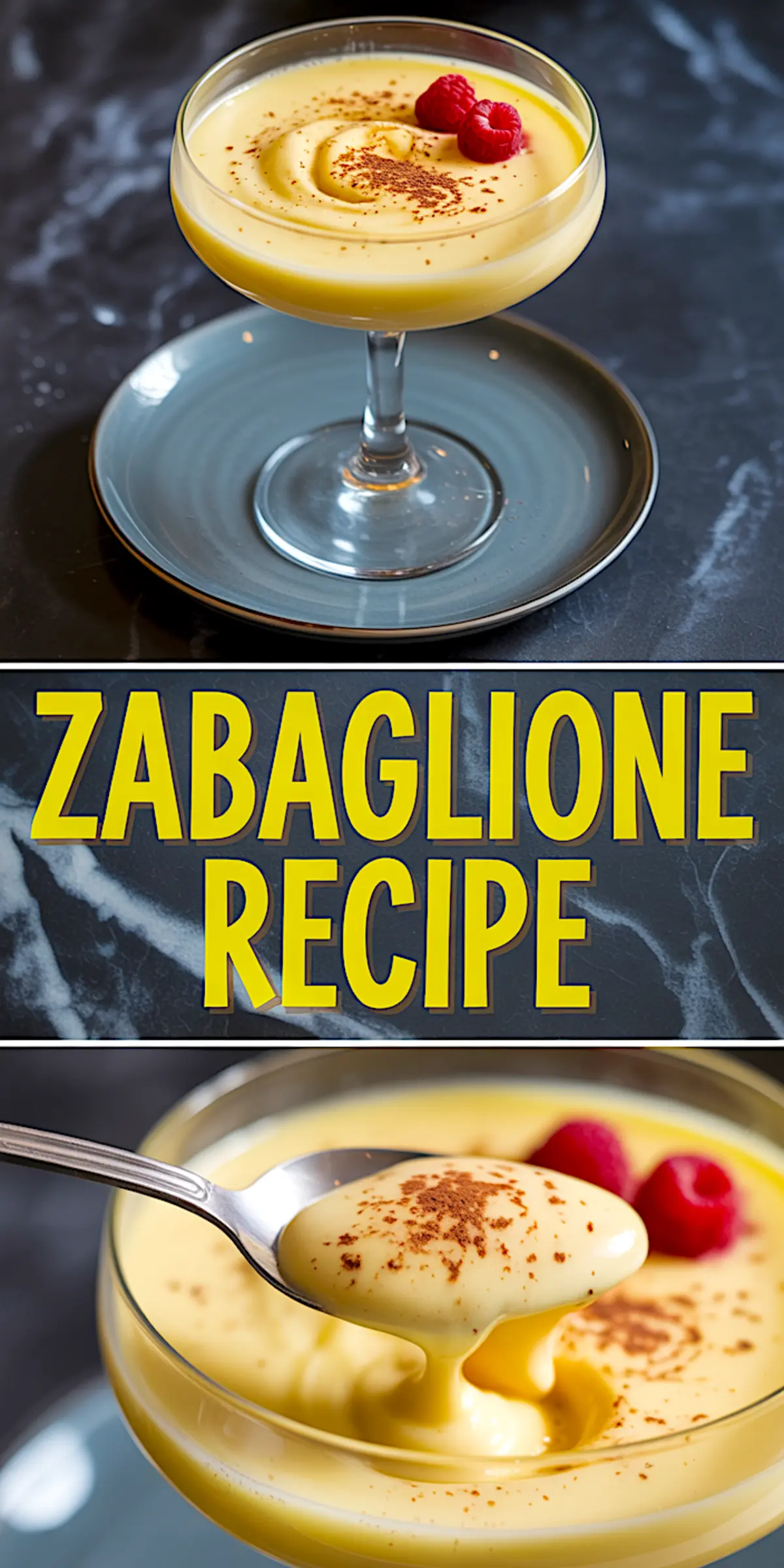
Zabaglione is a traditional Italian wine custard made from egg yolks, sugar, and Marsala. You cook it gently over steam until it becomes pale, thick, and smooth.
Unlike heavy puddings or whipped creams, zabaglione feels light on the spoon and warm on the tongue. It’s usually served warm in small glasses, often with fruit. Some call it a sauce, others a dessert. I say it’s both.
If you’re looking for a dessert that feels homemade but still elegant, zabaglione fits that space perfectly. It’s quick to prepare and easy to remember. And because it uses no flour or cream, it works well for gluten-free guests or anyone avoiding dairy.
4 Ingredients for Zabaglione That Actually Make a Difference
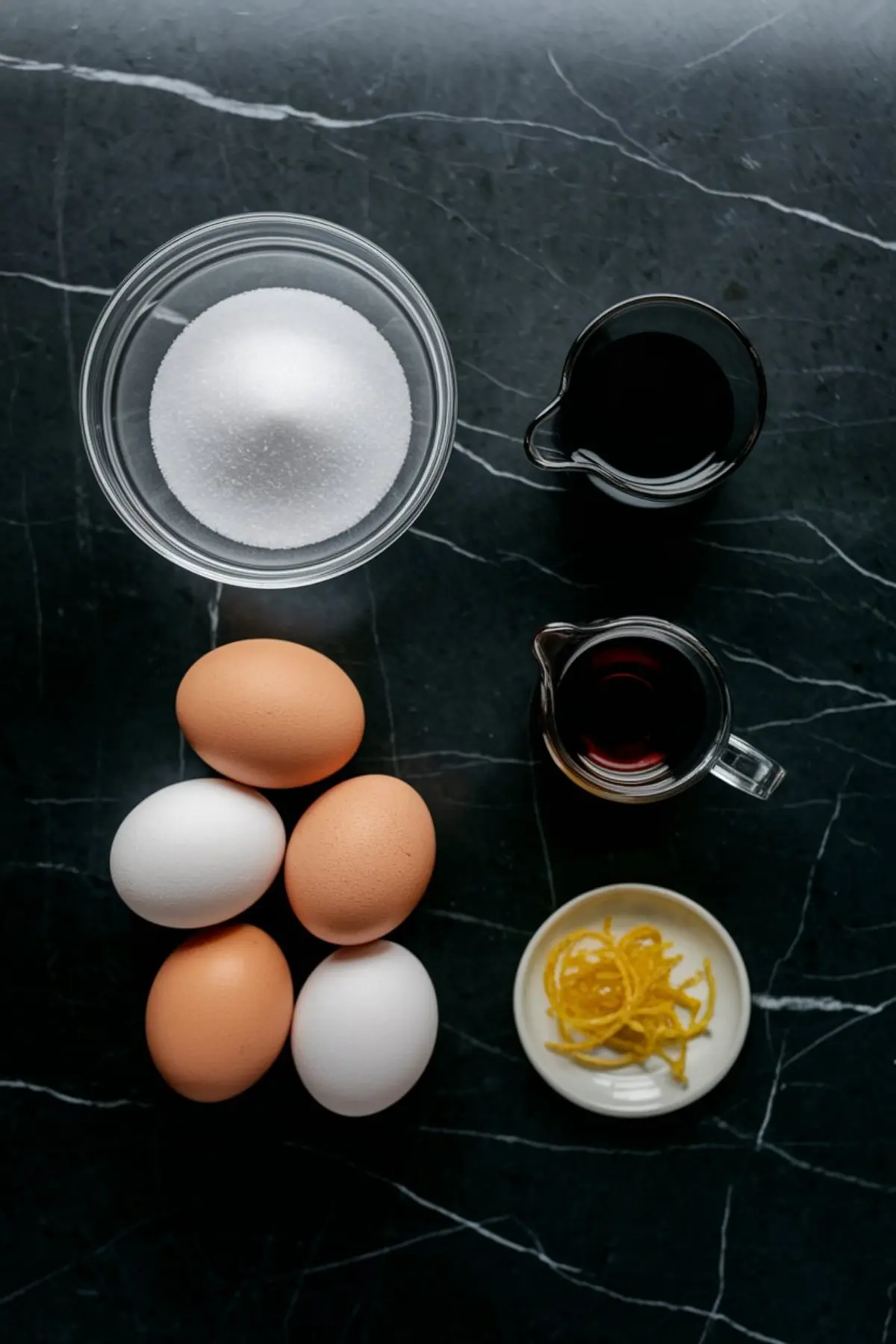
To make zabaglione, you’ll need six large egg yolks, half a cup of granulated sugar, and half a cup of dry Marsala wine. That’s the traditional base. You can also use Prosecco or even a dark rum if you want to experiment.
I’ve tried all three versions. Marsala has the richest flavor and gives the custard a deeper warmth. Rum makes it bolder, while Prosecco lightens the whole profile. For your first batch, I recommend Marsala. It’s the most forgiving and blends smoothly with the sugar.
There’s also an optional ingredient that changed the game for me. I’ll reveal that after the cooking steps. It’s subtle but makes a real impact.
Why Marsala Wine Beats Prosecco in Zabaglione (and When It Doesn’t)
If you’re wondering whether to stick with Marsala or swap in Prosecco or even rum, here’s what I’ve learned from many batches:
Marsala gives zabaglione its classic warmth. The flavor is rich, slightly nutty, and smooth. It blends easily with sugar and yolks, creating a mellow base with no sharp edges.
Prosecco, on the other hand, brings brightness. It makes the custard lighter, almost sparkling on the tongue. But it also thins the texture slightly, and you’ll need to whisk a bit longer to get the same thickness.
Rum leans bold. It adds punch and a hint of caramel, but it can overpower the custard if you’re not careful. I use dark rum only when pairing zabaglione with strong flavors—like roasted figs or a slice of spiced cake.
If it’s your first time making zabaglione, go with dry Marsala. It’s consistent, reliable, and delivers that signature flavor. Once you know what zabaglione is meant to taste like, try the others and see what suits you.
How to Prepare a Double Boiler for Zabaglione
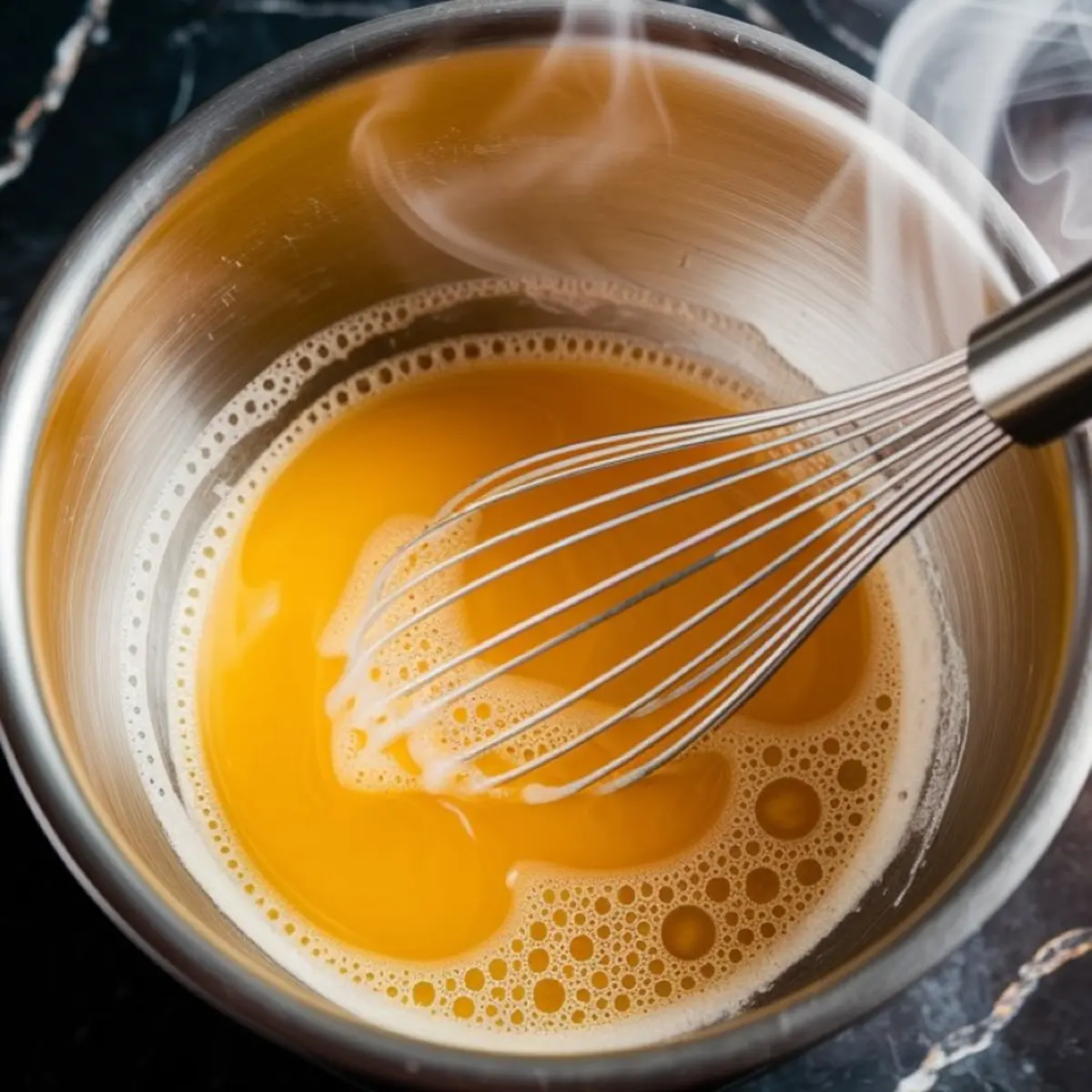
Fill a small saucepan with two inches of water and bring it to a simmer. Place a heatproof bowl on top, making sure it doesn’t touch the water. This steam bath is how the custard cooks evenly without curdling.
It’s simple, but don’t rush it. The steam should stay gentle. You want a simmer, not a rolling boil.
Whisking Egg Yolks and Sugar Until Thick and Pale
Add the yolks and sugar to the bowl and start whisking right away. You’re dissolving the sugar and incorporating air. Keep going until the mixture turns light yellow and thickens slightly. You’ll notice it grow in volume and change texture.
This is the first sign your zabaglione is forming its base. It should feel creamy but still pourable.
Slowly Adding Marsala Wine Without Breaking the Mixture
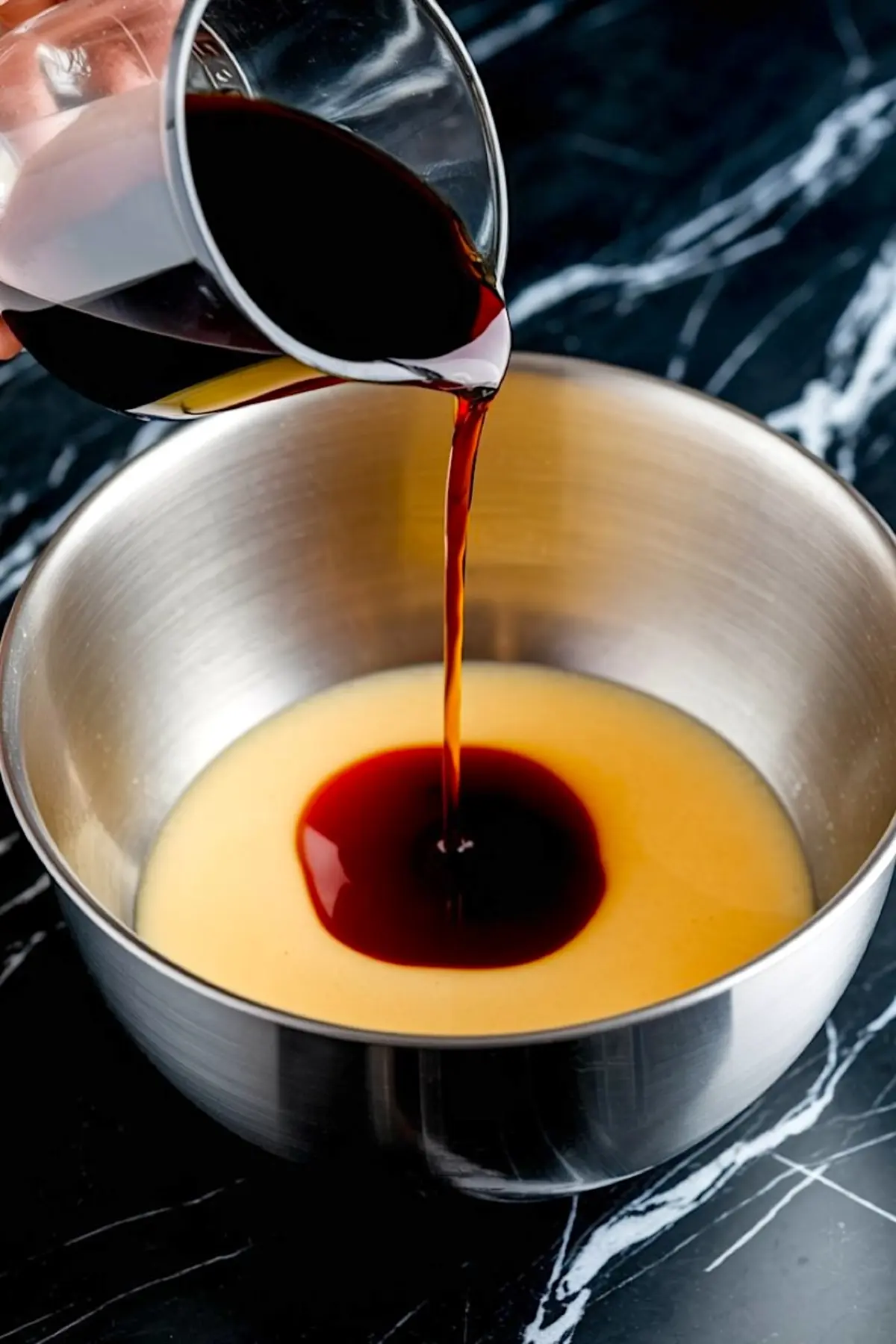
Continue whisking and begin adding the Marsala slowly. A little at a time works best. Don’t stop whisking during this step.
This is where the flavor comes in. If you pause or pour too fast, the custard could split. Keep it steady and smooth, and the wine will blend in without a problem.
Cooking Zabaglione Until Ribbons Fall Off the Whisk
Keep whisking over the simmering water for about 8 to 10 minutes. You’ll feel the texture change under your whisk. It becomes thicker, silkier, and darker in color.
You’ll know it’s ready when the mixture falls back into the bowl in soft ribbons. Lift your whisk, and if the strands sit on top before sinking in, it’s done.
Remove the bowl from the heat as soon as it hits that stage. Don’t wait. The residual heat will continue cooking the eggs if you leave it too long.
How to Serve Zabaglione for the Best Flavor
You can spoon it straight into small cups and eat it warm. That’s how I serve it most of the time. You can also chill it for 30 minutes and serve it over berries, poached pears, or cake.
It pairs beautifully with strawberries, figs, or even a slice of panettone. Some people fold it into whipped cream to make a mousse, but I prefer it as-is. It’s simple and doesn’t need dressing up.
The Small Addition That Makes a Big Difference
Now for the detail I promised: lemon zest.
Just half a teaspoon of finely grated zest stirred in at the end. I don’t add it while cooking because I want it to stay bright and sharp. It cuts through the richness without overpowering the custard.
The first time I added it, I thought I’d made a mistake. But the second spoonful convinced me. It brings the whole dessert into focus.
Try it once. You’ll taste what I mean.
Save This Zabaglione Recipe and Make It Again

Zabaglione is more than a recipe. It’s a rhythm. It rewards focus and gives you something gentle and warm in return.
It also proves that a short ingredient list doesn’t mean a dull result. It just means you have to pay closer attention to what’s there.
If this was your first time, I hope it won’t be your last. Save this recipe to your Italian dessert board, and let it become part of your collection.
I’d love to know how it turned out for you. Did you try a different wine? Did you add the zest? Leave a comment below. I always read them, and I always learn something new.
Zabaglione Recipe
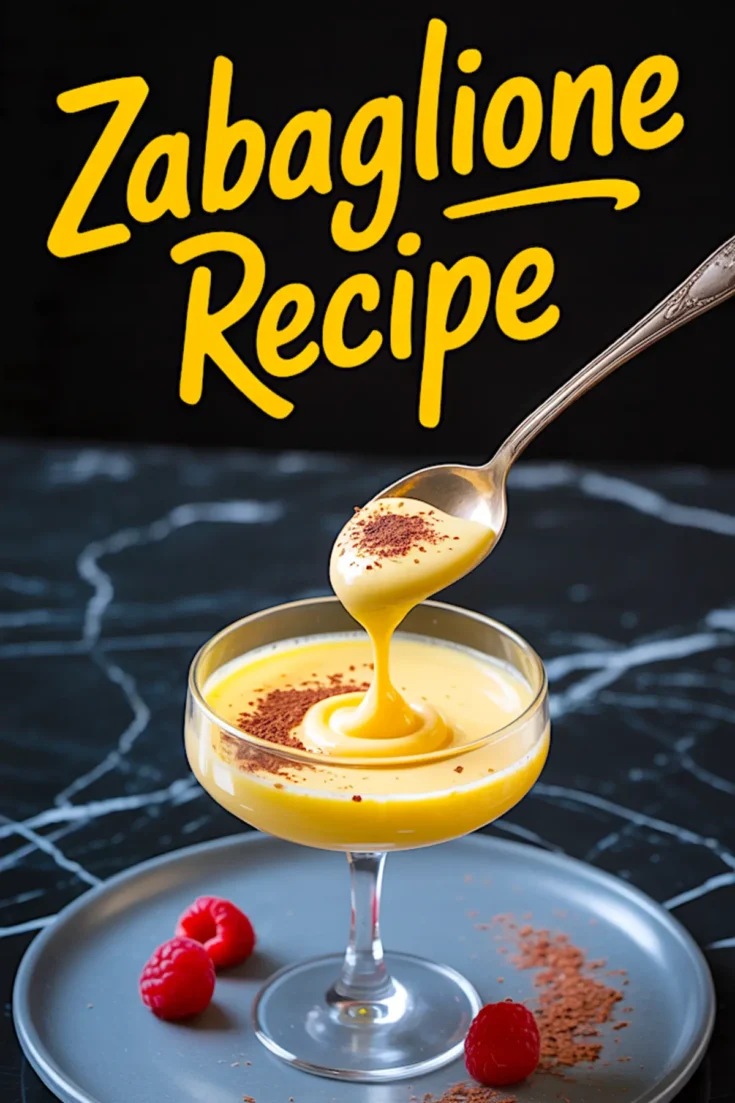
A classic Italian dessert made from just three main ingredients—egg yolks, sugar, and wine—zabaglione is gently cooked over steam until light, airy, and custard-like. Traditionally served warm, it has a smooth texture and a rich, sweet flavor enhanced by the depth of Marsala wine. This version keeps things simple and true to the original, with optional lemon zest for a touch of brightness.
Ingredients
- 6 large egg yolks
- 1/2 cup granulated sugar
- 1/2 cup dry Marsala wine (or substitute Prosecco or dark rum)
- Optional: 1/2 teaspoon finely grated lemon zest
Instructions
- PREPARE THE DOUBLE BOILER: Fill a saucepan with about two inches of water and bring it to a simmer. Place a heatproof metal or glass bowl on top, ensuring the bottom of the bowl does not touch the water. The steam, not direct heat, should cook the mixture.
- WHISK YOLKS AND SUGAR: Add the egg yolks and granulated sugar to the bowl. Begin whisking immediately and continuously until the sugar dissolves and the mixture becomes pale, thick, and creamy. It should increase in volume and turn light yellow.
- ADD THE WINE SLOWLY: While continuing to whisk, gradually pour in the Marsala wine. Do not stop whisking during this step. The mixture must stay in motion to prevent curdling and ensure a smooth texture.
- COOK UNTIL THICKENED: Continue whisking over low steam for 8 to 10 minutes. The mixture will slowly thicken and turn a deeper golden color. You’ll know it’s ready when it forms soft, thick ribbons that fall back into the bowl when you lift the whisk.
- REMOVE FROM HEAT AND SERVE: As soon as the zabaglione reaches the right consistency, remove the bowl from the heat. Serve immediately while warm, or let it cool slightly if you prefer it at room temperature. Optionally, garnish with a light grating of lemon zest just before serving.
Notes
Use room temperature ingredients to ensure the mixture foams and cooks evenly. Cold yolks or chilled wine will slow down the process. Zabaglione is traditionally served in small glasses or bowls on its own but can also be spooned over fresh berries, poached fruit, or a slice of sponge cake.
