
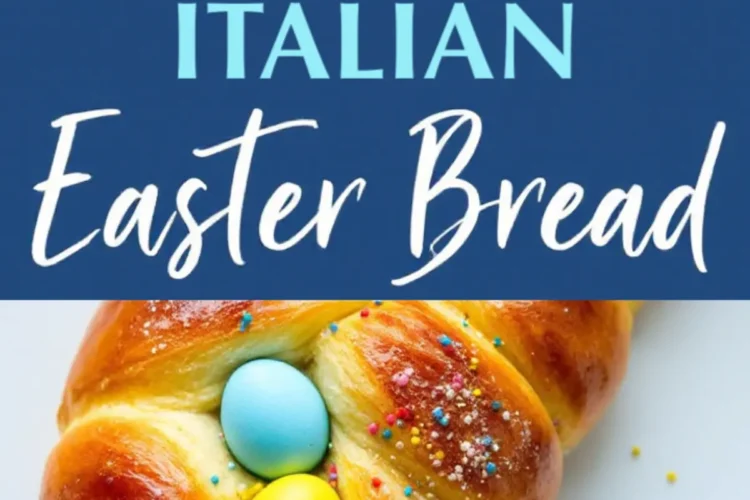
My experience with Italian Easter bread started in my aunt’s cozy kitchen. The aroma of warm citrus always lingered. She told stories about distant relatives who cherished this bread during spring gatherings. I remember leaning in close, hoping to learn every detail about its soft interior and eye-catching colors.
Her lively tales sparked my curiosity about this braided loaf. I adored how those small eggs sat snugly in the dough, as if resting in a nest. A feeling of anticipation grew each time I smelled the yeast and citrus blending together.
Aunt would mention a single surprising twist that took her recipe from pleasant to extraordinary. She never revealed it right away, which kept me on the edge of my seat. That sense of mystery always made my taste buds extra alert.

Italian Easter Bread With Small Dyed Eggs
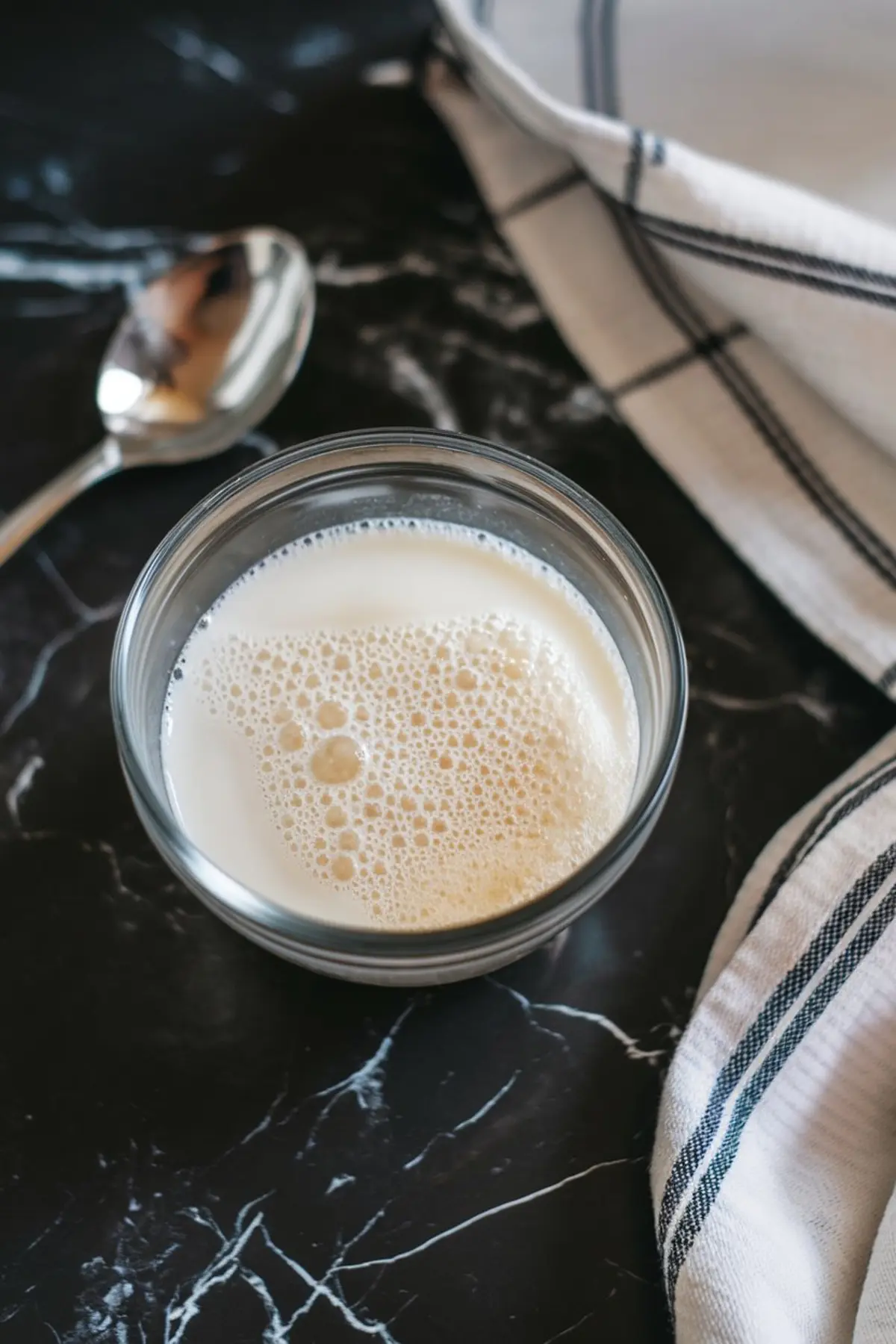
This bread stands out for its gentle sweetness, balanced by orange zest and a hint of vanilla. The texture remains pillowy, thanks to a patient rise and a careful kneading process. Warm milk and yeast work hand in hand, producing a dough that feels soft beneath your fingertips.
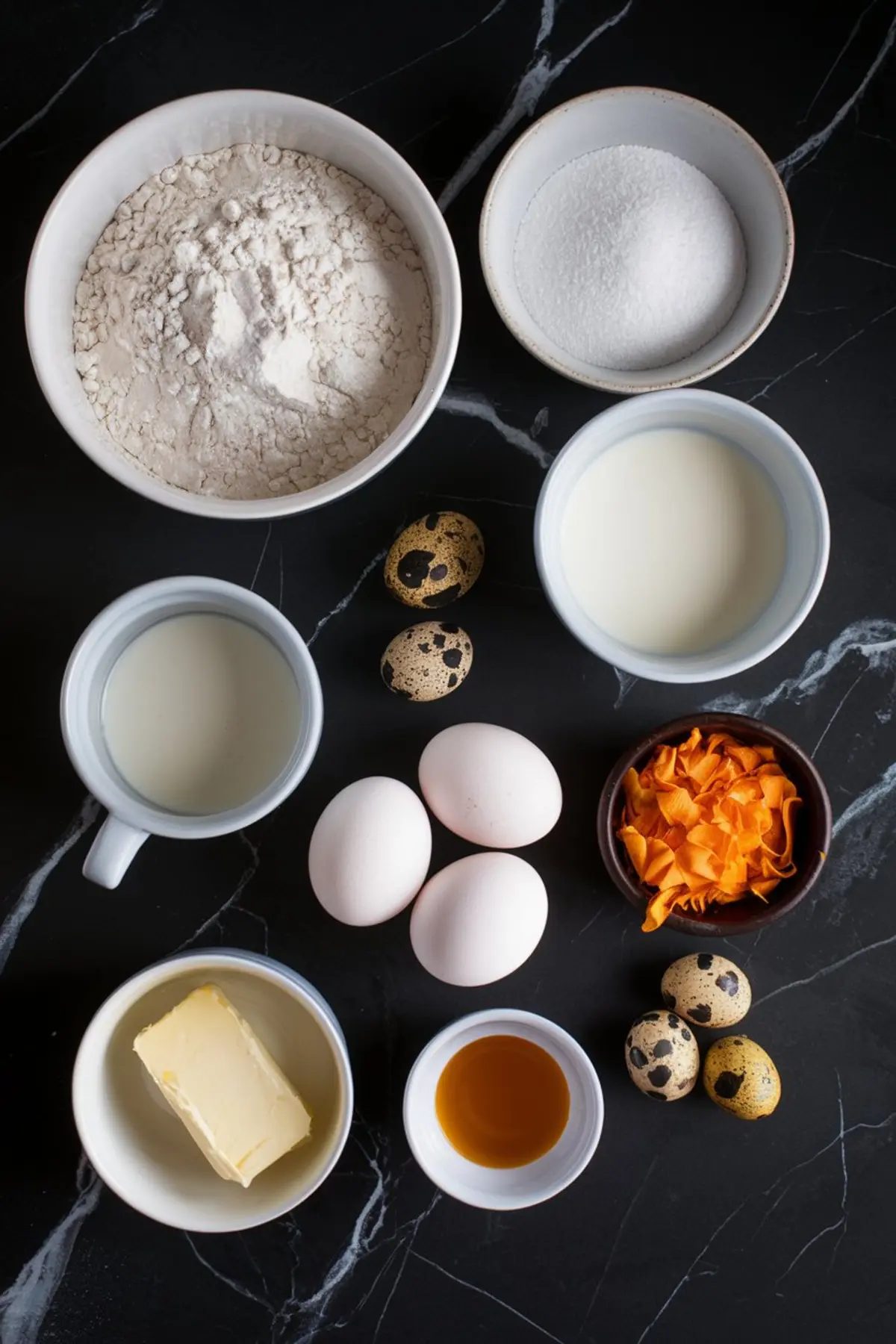
Milk, butter, and sugar unite to add richness without overpowering the subtle citrus essence. Yeast brings the dough to life, prompting it to puff gently as it rests. Eggs supply structure and flavor, binding the mix into a smooth mass that becomes more elastic with each minute of kneading.
Mixing The Dough And Building Flavor
A warm spot in your kitchen encourages the dough to stretch and grow. Flour, salt, and melted butter join the yeast mixture, creating a partnership that rewards you with a fragrant ball of dough. Patience during kneading ensures each ingredient has a chance to unify properly.
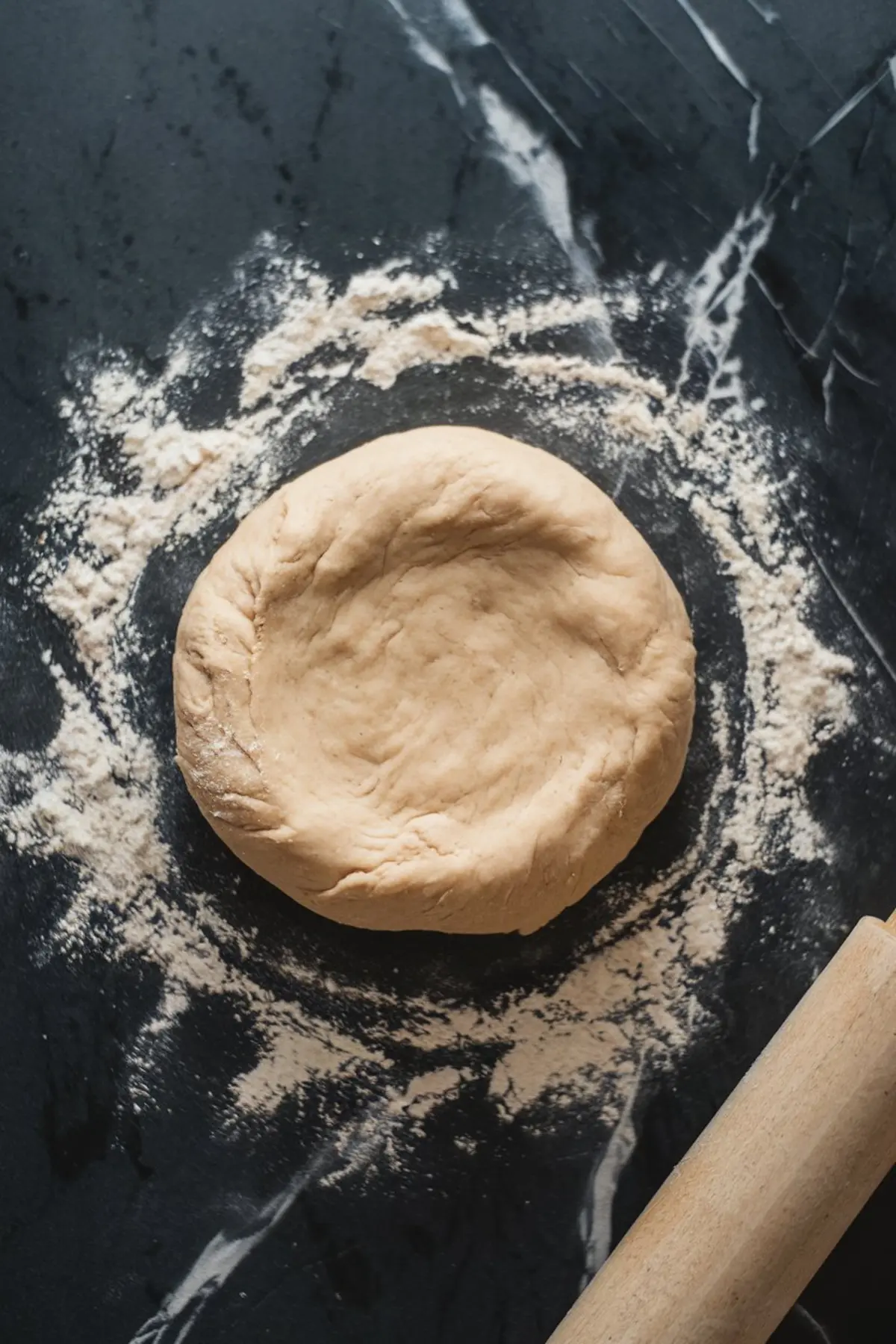
Fingers might get a bit sticky, but a light dusting of flour helps maintain order. Gentle pressure on the dough helps you feel each stage as it becomes more resilient. A simple approach suits many baking styles and keeps the process fun, even for beginners.
Braiding And Adding Dyed Eggs
Dividing the dough into three sections helps create even strands for a neat braid. Stretching each rope to a similar length guarantees consistent thickness, so the final loaf bakes uniformly. Tucking the ends beneath keeps the loaf polished and compact.
Small dyed eggs fit between each braided fold, adding a bright pop of color. These eggs cook at the same time as the bread, which solves the problem of separate boiling or dyeing. A gentle press locks them in place, preventing them from rolling away before the oven finishes its job.
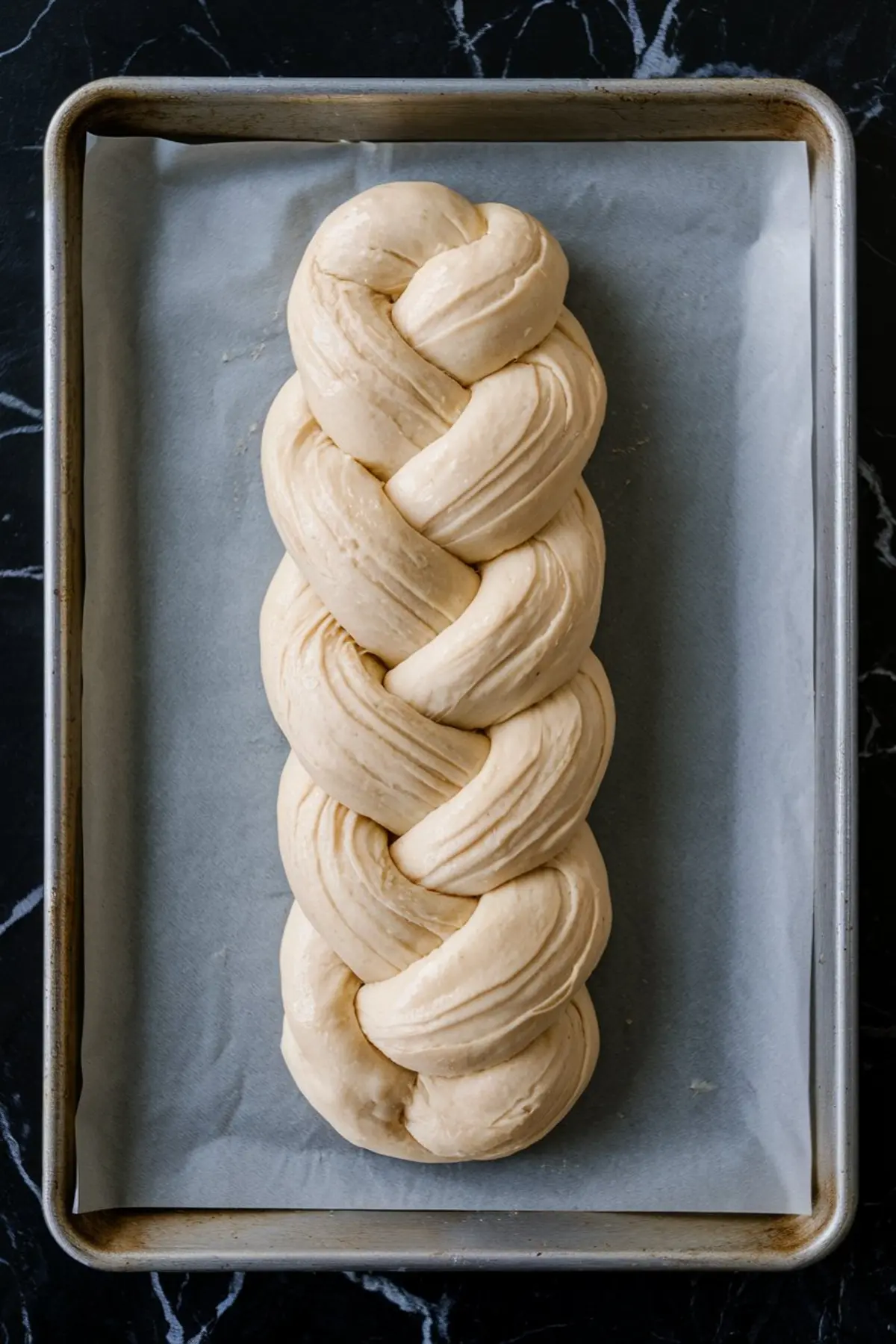
This braided method also appears in other spring treats, such as Homemade Hot Cross Buns, which share a similar theme of lively designs and celebratory flair. Some bakers prefer to form a circle with the braided strands, creating a wreath-style bread. Either shape delivers a festive appearance on the table.
Baking Guidance For A Golden Finish
An egg wash helps the dough develop that beautiful, glossy sheen. The bread expands in the oven, and the dyed eggs set into place with gentle heat. The result is a sweet delight that your guests might remember long after the meal ends.
A moderate oven temperature, around 350°F (175°C), lets the loaf bake evenly without scorching. The dyed eggs emerge cooked through, saving you the effort of pre-boiling them. A few extra sprinkles lend more color, though their absence never takes away from the overall appeal.
A similar concept applies to Easter Bunny Pancakes and Easter Brownies. Sweet celebrations often call for vibrant toppings or whimsical shapes. Children and adults both appreciate these playful touches in holiday bakes.
Surprising Ingredient And Cherished Memories
I discovered my secret dash in my Pin Notebook, where I jot down every kitchen experiment. A pinch of nutmeg found its way into my notes as a hidden gem for lifting the overall profile of this bread. That subtle spice adds a spark that makes each slice extra tempting.
My cat, Whiskers, always seems drawn to the counter whenever I bring out these ingredients. He tries to sniff around, hoping for a tiny taste. I admire his persistence, though I keep him from sneaking any raw eggs.
I rely on my Golden Spoon—passed down from Aunt Marian—to stir everything. The handle shows signs of wear, but it stands firm as it blends the milk, sugar, and yeast. I feel Aunt Marian’s spirit each time I use it, which turns the process into a comforting ritual.
Personal Tips For Your Baking Session
I love rechecking my Pin Notebook after each baking trial, seeing if the results matched my memory. This habit keeps me from repeating simple errors and sparks new ideas for flavor changes. A tiny note about adjusting kneading times or oven settings can rescue future attempts.
Kneading for a full eight to ten minutes might seem long, but I always notice the dough become more elastic and smooth. That transformation signals it’s ready for a rest and rise. An hour and a half usually delivers a dough that’s doubled in size.
Tucking in the colored eggs remains my favorite step. The combination of bright shells and braids transforms an ordinary dough into a centerpiece. This little tradition reminds me that homemade treats are about more than just taste.
Encouragement For Adventurous Bakers
You might wonder if you can add a sprinkle of cinnamon or a spoonful of honey to the dough. Experiments can lead you to new versions that still capture the essence of this holiday bread. Fresh juices or zests are also fair game if you enjoy a citrus boost.
Some of my friends prefer replacing half the milk with orange juice for a sharper citrus note. Others like to use lemon zest instead of orange. Each choice can reflect your personal style, much like selecting your own egg colors to match the season.
Balancing Sweetness And Texture
Granulated sugar in moderation keeps the dough from turning overly sweet. Butter contributes flavor and softness, while the eggs help lock in moisture. This balance means you can serve the bread with jam or even as a breakfast treat.
I appreciate how the crust turns slightly golden yet remains soft under the surface. The dyed eggs also bake gently, yielding a fully cooked egg without any dryness. The entire loaf exudes warmth, which reminds me of joyous Easter mornings in my grandmother’s kitchen.
Friends sometimes compare this bread to brioche or challah. Each bread has its own identity, shaped by region, tradition, and personal touches. Italian Easter bread stands out with its focus on vibrant dyed eggs and citrus flavoring.
Connection To Seasonal Cheer
Spring signals new beginnings, and this bread embodies that spirit. Bright eggs reflect fresh starts, and the sweet aroma offers comfort during family meals. I see it on many tables beside other cheerful plates.
Parents love how children anticipate discovering their own colored egg in each slice. Young ones might sneak around the kitchen, hoping to watch the dough rise. Observing their excitement gives me pure delight, much like seeing Whiskers hover by my feet.
These shared moments also connect you to time-honored customs. Simple steps can carry a heritage that spans generations. My grandmother’s stories still whisper around me whenever I shape that braid.
Serving And Storing Suggestions
Easter brunch or a midday get-together offers a chance to present this bread proudly. A warm slice pairs well with mild cheese or a hint of jam. Leftovers store nicely, although they rarely last beyond a couple of days in my home.
I warm leftover pieces in the toaster oven for a quick snack. The bread regains its tender crumb, and the subtle fragrance reawakens. Nobody complains when I slice it up again in the afternoon.
Friends sometimes wrap this bread as a gift. A bright ribbon transforms it into a thoughtful gesture for neighbors or family. An edible surprise often beats a store-bought card.
Conclusion: Share And Pin For Later

I believe you’ll have fun trying this Italian Easter bread. The satisfying mix of soft dough, bright eggs, and that hidden pinch of spice deserves a spot in your personal recipe notes. Your loved ones might ask for this year after year, which adds another memory to your baking collection.
Save this post on your Pinterest board so you can find it easily next time. Let me know in the comments how your loaf turns out, or if you have any questions. Hearing about your experience always brings me joy, because each attempt weaves a new tale into this cherished tradition.
Italian Easter Bread with Small Dyed Eggs Recipe
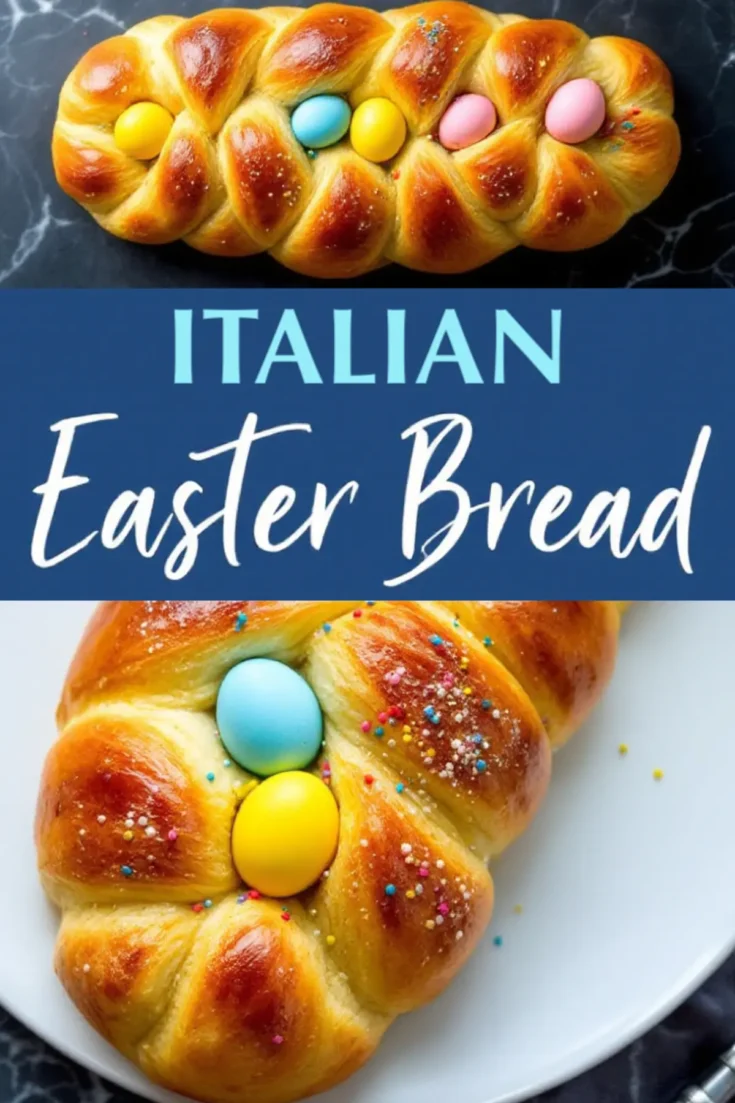
Soft, lightly sweet braided bread with hints of vanilla and citrus, traditionally topped with small dyed eggs that bake to perfection. This festive bread is perfect for spring gatherings and Easter celebrations.
Ingredients
- FOR THE DOUGH
- 3 ½ cups all-purpose flour
- ¼ cup granulated sugar
- 1 packet (2 ¼ tsp) active dry yeast
- ½ tsp salt
- ⅔ cup warm milk (about 110°F)
- ¼ cup unsalted butter, melted
- 2 large eggs
- 1 tsp vanilla extract
- 1 tsp orange zest
- FOR THE TOPPING
- 1 egg yolk + 1 tbsp milk (for egg wash)
- 5-6 small raw dyed eggs (quail eggs or small pullet eggs)
- Sprinkles (optional)
Instructions
- ACTIVATE THE YEAST: In a small bowl, mix the warm milk, sugar, and yeast. Let it sit for about 5 minutes until foamy. If it doesn’t foam, start with a fresh batch of yeast.
- PREPARE THE DOUGH: In a large mixing bowl, combine the flour and salt. Make a well in the center and add the yeast mixture, melted butter, eggs, vanilla, and orange zest. Stir until a shaggy dough forms.
- KNEAD AND LET IT RISE: Turn the dough onto a lightly floured surface and knead for about 8-10 minutes until smooth and elastic. If using a stand mixer with a dough hook, knead for about 5 minutes on medium speed. Place the dough in a greased bowl, cover it with a towel, and let it rise in a warm place for about 1 ½ hours or until doubled in size.
- SHAPE THE BREAD: Once risen, punch down the dough and divide it into three equal parts. Roll each section into a long rope, about 14 inches in length. Braid the ropes together, tucking the ends under. The bread can be shaped as a long braided loaf or formed into a circular wreath. Both styles create a beautiful presentation and allow the dyed eggs to nestle into the dough.
- ADD THE SMALL DYED EGGS: Gently press the small raw dyed eggs into the folds of the braid. These eggs will cook as the bread bakes, resulting in perfectly hard-boiled eggs.
- EGG WASH AND BAKE: Preheat the oven to 350°F (175°C). Brush the bread with an egg wash made from the egg yolk and milk. Sprinkle with sprinkles if using. Bake for 25-30 minutes, or until golden brown and fully baked.
- COOL AND SERVE: Let the bread cool slightly before serving. The eggs will be cooked through, and the bread will be soft and fragrant.
Notes
Use small raw dyed eggs, such as quail eggs or small pullet eggs, as they will cook perfectly during baking. Avoid using pre-cooked or large eggs, as they may not bake evenly.
If the dough is too sticky while kneading, add a tablespoon of flour at a time until it becomes smooth and elastic.
For a richer flavor, substitute half of the milk with orange juice to enhance the citrus notes.
Store leftover bread in an airtight container at room temperature for up to 2 days or in the refrigerator for up to 5 days. Warm slices slightly before serving for the best texture.
If using large eggs instead of small ones, place them gently on the bread after baking to prevent overcooking.
Italian Easter bread can be shaped in different ways. It can be left as a long braided loaf or formed into a circular wreath shape. Both styles create a beautiful presentation and allow the dyed eggs to nestle perfectly into the dough.
Nutrition Information:
Yield:
8Serving Size:
1Amount Per Serving: Calories: 484Total Fat: 19gSaturated Fat: 8gTrans Fat: 0gUnsaturated Fat: 9gCholesterol: 193mgSodium: 334mgCarbohydrates: 65gFiber: 2gSugar: 8gProtein: 13g
