
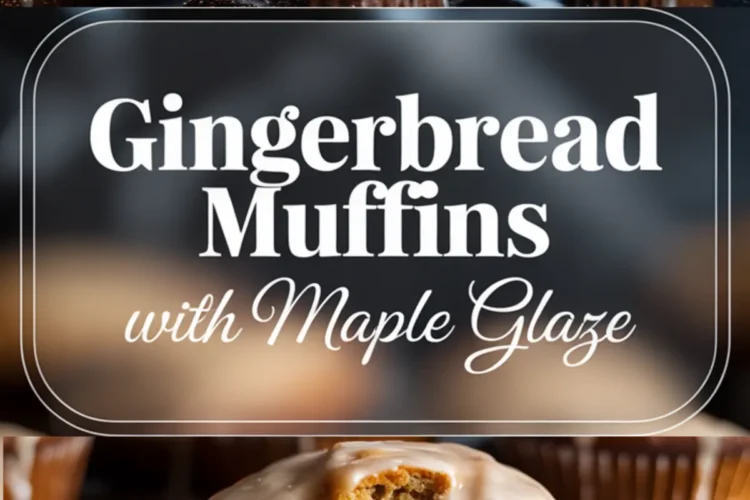
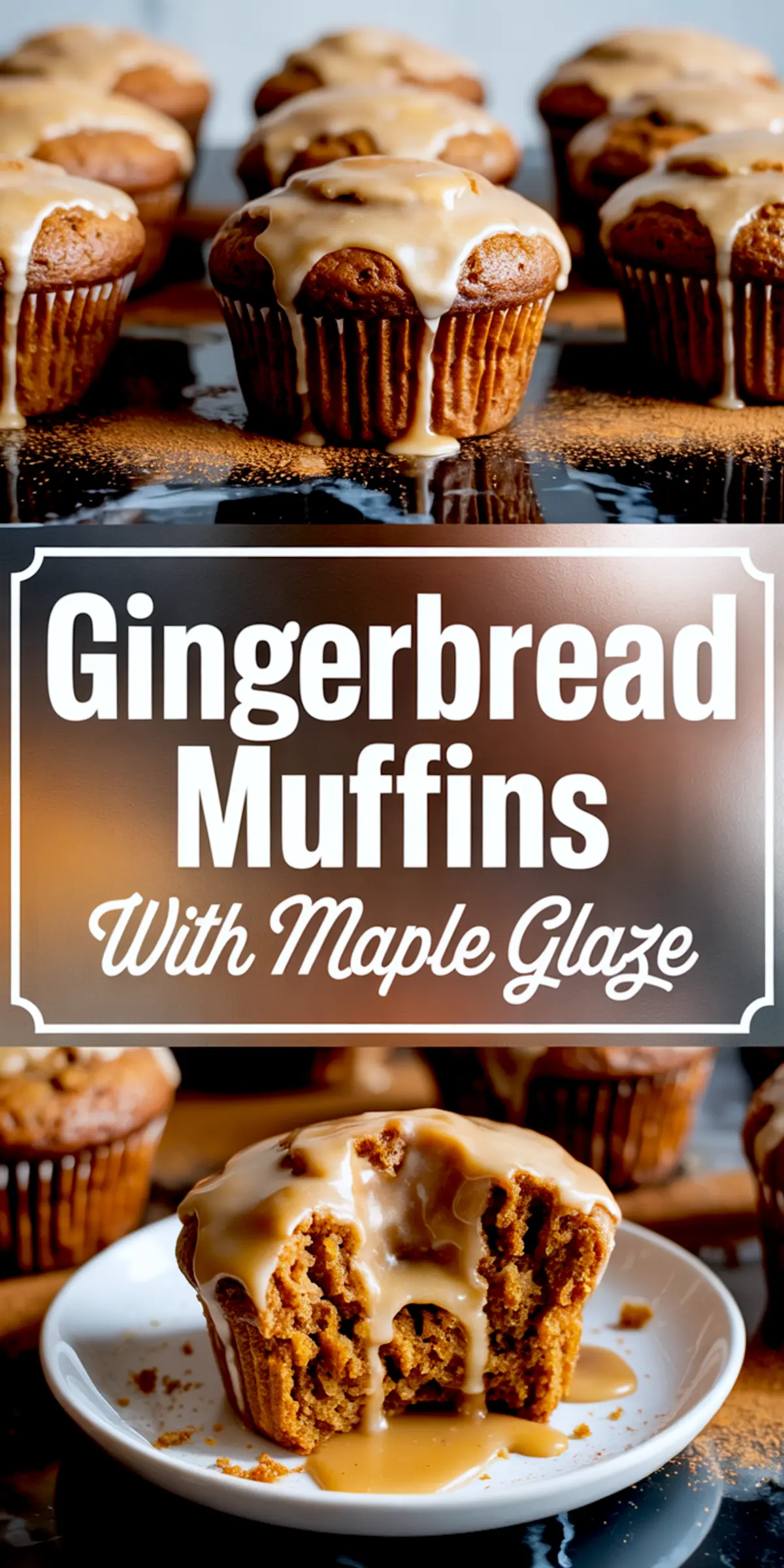
Gingerbread Muffins with Maple Glaze are the kind of holiday dessert that sits somewhere between breakfast and a small sweet gift. These muffins are tender, deeply flavored, and bring out the best of what gingerbread can be when you don’t want to fuss with a full cake.
You’ll learn how to balance spice and sweetness, how to keep your muffins soft, and how to glaze them without losing that cozy texture. This recipe brings confidence to the table. No special tools. No hard-to-find ingredients. Just a bowl, a whisk, and a few thoughtful steps.
The secret to making these gingerbread muffins more than just another Christmas treat? The maple glaze. It wraps the warm spice in a soft sweetness that lingers. But there’s also one ingredient I use that’s often skipped in other gingerbread recipes. You’ll meet it after the steps. I like a bit of suspense. Keeps things fun.
Let’s walk through each part so you feel ready the moment your oven warms up.
Buttermilk and Molasses Bring Depth to Gingerbread Muffins
Molasses is what gives gingerbread its unmistakable richness. I use it because it coats the flour and spice in a way sugar alone never could. That sticky, dark syrup carries a toasty bitterness that balances the brown sugar and highlights the ginger. It tastes like December to me.
Brown sugar adds a soft, melting sweetness that also gives moisture. Together with molasses, it forms the foundation of that tender crumb. Without both, you might find yourself with dry muffins. I learned this the hard way years ago while testing a version that only used granulated sugar. Never again.
Buttermilk brings tang. It also reacts with baking soda to lift the batter. If you don’t have buttermilk on hand, the milk-and-vinegar trick works. Just make sure you let it sit for five minutes. That little pause makes a big difference in structure. I’ve skipped the resting before, and the muffins lost some of their fluff. A small wait, a better result.
Here’s a related note. You might wonder if regular milk works just as well. I’ve tried both. In my Pin Notebook, I wrote down the difference after a side-by-side bake. The batch with real buttermilk held moisture longer and had a slight tang that complemented the cloves. So I stick with it when I can.
How I Combine the Spices for Depth Instead of Heat
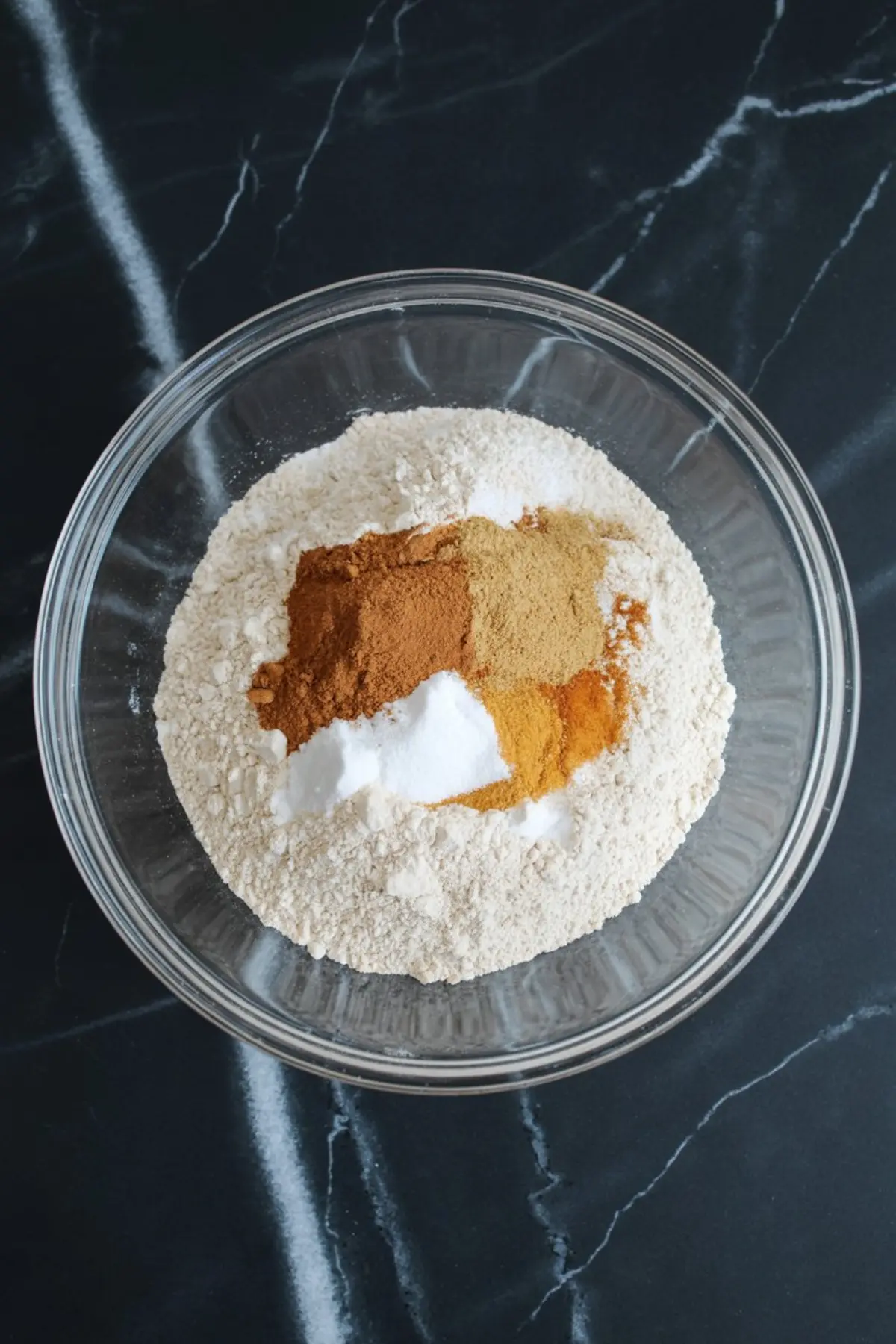
Ginger leads the flavor in this recipe. One and a half teaspoons may sound bold, but ginger needs that room to speak. Cinnamon softens it. Cloves and nutmeg deepen it. Together, they create what I think of as “comfort spice” rather than heat.
I mix these dry spices into the flour early, so every spoonful of batter gets a balanced taste. This matters more than it seems. When I skipped that step once, I ended up with a bite of muffin that was heavy on nutmeg and another that tasted flat. Spices need even ground to dance.
This mix makes the muffins taste layered. Not loud. I’ve used the same spice blend in my Gingerbread Cheesecake Parfait and it translates beautifully across soft textures.
Why You Should Melt the Butter and Whisk the Eggs Gently
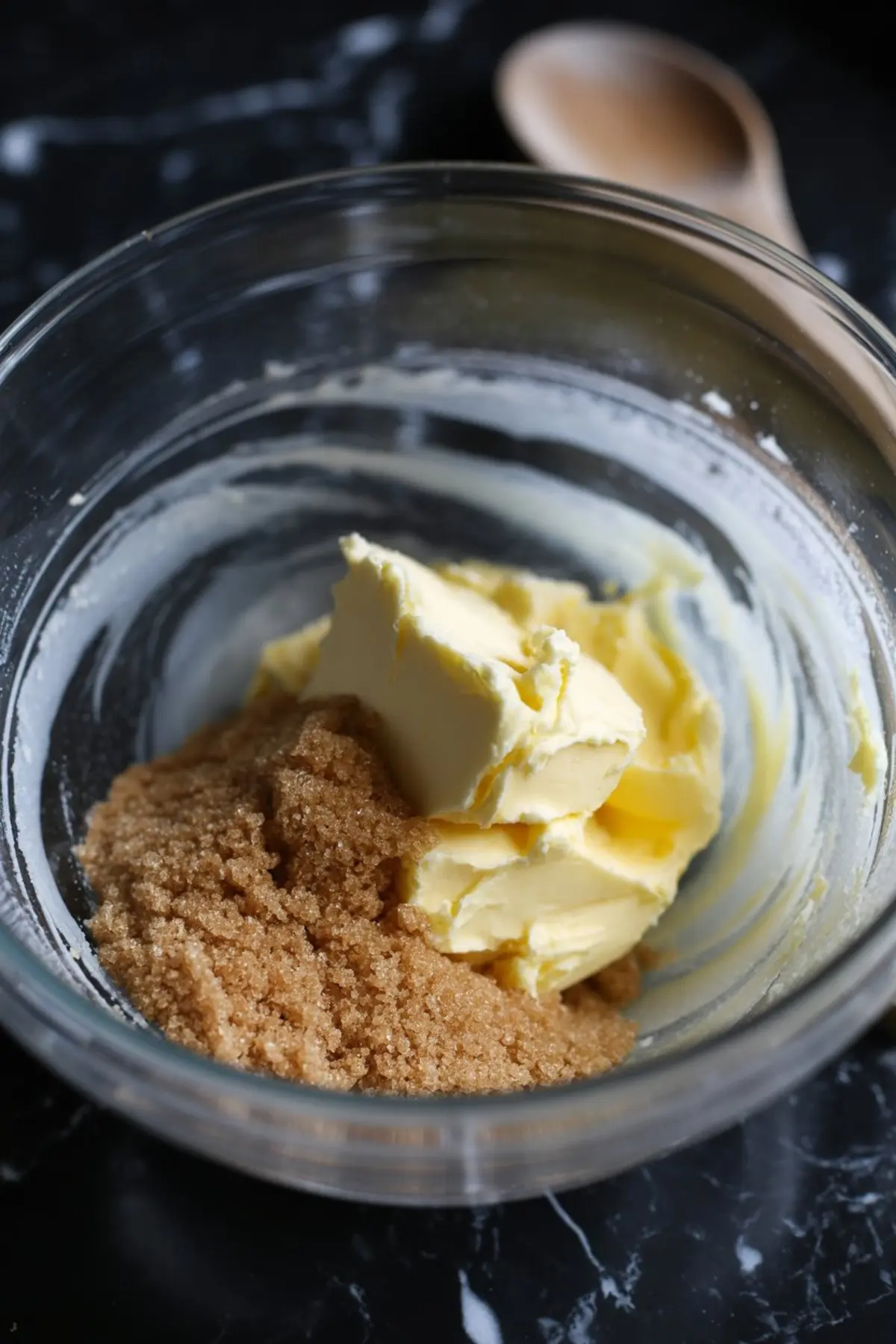
Melted butter gives a smooth, rich base without creaming. It slips into the flour instead of puffing it. That’s why I prefer melted over softened butter here. Less air. More structure.
The eggs go in after the butter cools just slightly. If it’s too hot, they’ll start to scramble. If it’s too cold, the mix tightens. I aim for just warm to the touch. My trick is to set the butter aside after melting and prep the dry mix in the meantime. Timing works out every time.
Once you’ve combined the wet and dry, don’t overmix. The batter should look thick and slightly sticky. Like gingerbread cake batter, only a little looser. I’ve written that same line in the corner of my Gingerbread Muffins Recipe card because it’s the visual that keeps me from stirring too much.
Overworked batter makes tough muffins. Gently folding does the opposite.
How to Fill the Muffin Tin and Know When They’re Done

Three-quarters full is the sweet spot. It gives enough rise without risking overflow. I use a cookie scoop for even portions, but a spoon works if you take your time.
These bake fast. I check mine at the 17-minute mark. The tops should bounce back when pressed. A toothpick will come out with a few soft crumbs, not wet batter. That means they’re ready. Let them cool in the pan for five minutes before moving them. Muffins finish setting during that short rest.
Once they’ve cooled just enough, that’s your window to glaze. Too hot and it runs off. Too cool and it won’t set right. Aim for warm.
In the background while these baked, I made a batch of Gingerbread Fudge. The scent of molasses and spice filling my kitchen reminded me why I keep returning to these holiday desserts.
My Favorite Way to Glaze Gingerbread Muffins
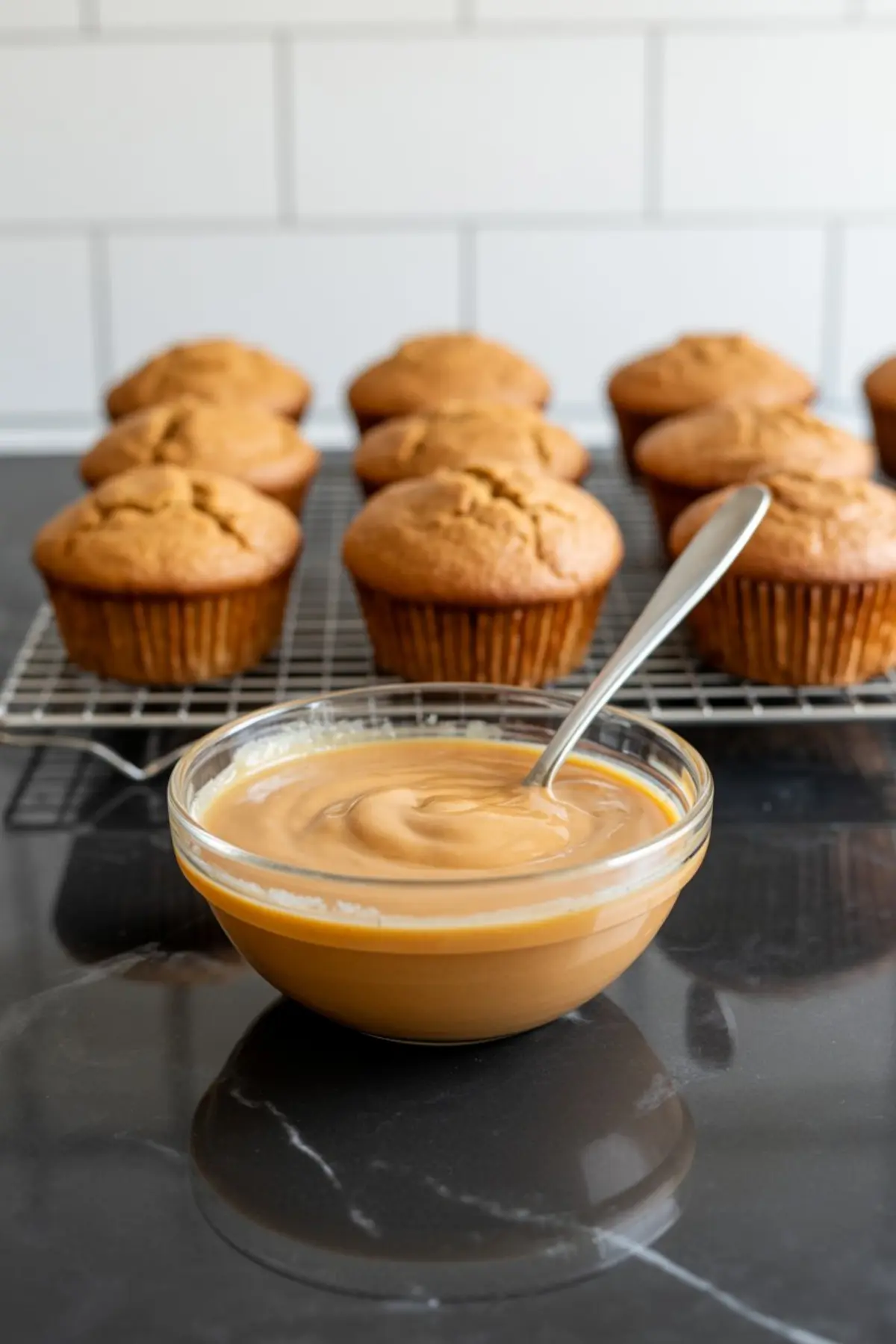
I whisk together powdered sugar and maple syrup first. Then I thin it slightly with milk. A spoonful at a time. The glaze should drip slowly, not pour. It should catch the top of the muffin and run just a bit down the sides. That’s the look I aim for.
Sometimes I double the glaze if I want more contrast between the dark muffin and the pale topping. I like the look for holiday brunch tables.
One tip: spoon the glaze. Don’t dip. Muffins are delicate while warm and dipping presses them down. Spoon and swirl instead.
I do the same with my Gingerbread Mug Cake. It keeps the crumb light and the finish clean.
My Secret Ingredient and Why I Won’t Skip It
The unexpected boost in this recipe is vanilla. Not just a splash for aroma, but a full teaspoon. It lifts the spices and softens the bitterness of the molasses. Without it, the muffin leans too far into savory spice. With it, everything tastes rounder.
I first added it on instinct, years ago, while tweaking the base of my Gingerbread Cheesecake Bars. The result was smooth. Balanced. I never left it out again.
If you’ve ever had a gingerbread that tasted sharp, chances are it needed vanilla to soften the edges. I always include it now. A teaspoon may be small, but it changes the entire feel of the bite.
Save These Gingerbread Muffins with Maple Glaze and Join the Baking Conversation
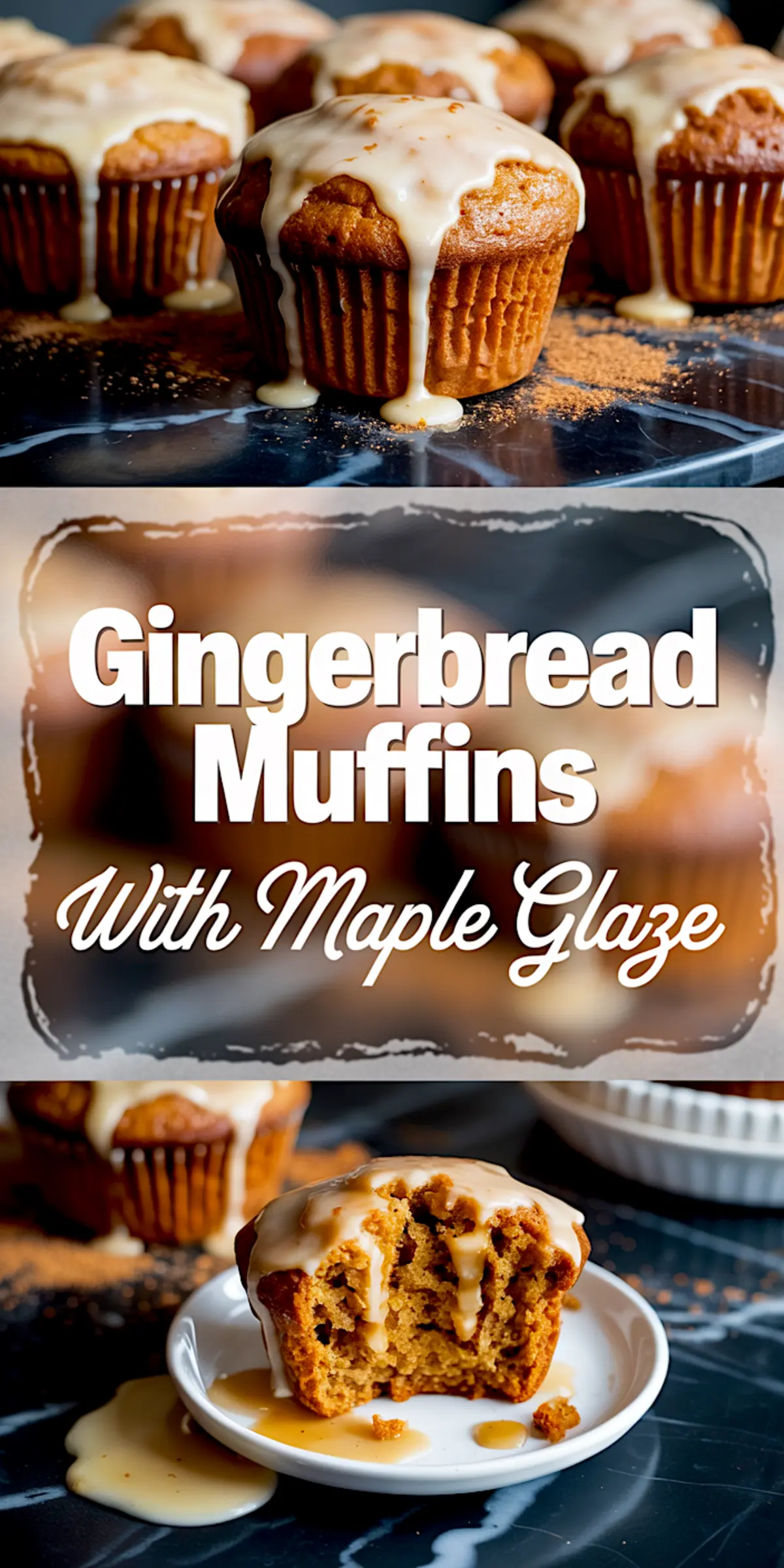
This Gingerbread Muffins Recipe brings soft crumb, bold spice, and just enough sweetness to stand on its own. The maple glaze sets it apart and the balance of ingredients makes it worth repeating every year.
Pin this to your board so you can find it again for holiday brunch, bake sales, or quiet December mornings.
I’d love to know if you try it. Let me know in the comments how yours turned out. Did you use buttermilk or the milk-vinegar version? Did you add extra glaze? Every detail helps us learn from each other.
Gingerbread Muffins with Maple Glaze
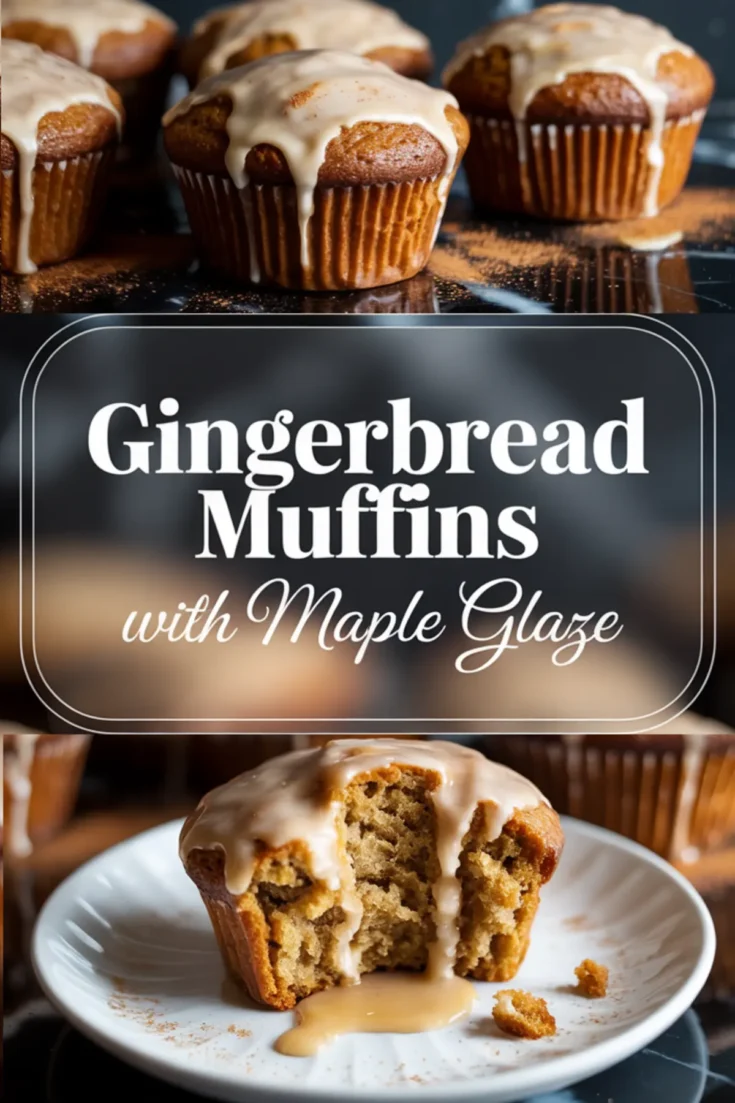
These soft and moist muffins are filled with cozy holiday spices and topped with a sweet maple glaze, making them the ultimate gingerbread muffins recipe for the season. Whether you’re hosting brunch or baking festive gifts, these Christmas muffins are a crowd-pleasing addition to your table. Rich molasses, warm spices, and a tender crumb make them perfect holiday desserts or homemade treats. Embrace the flavor of classic gingerbread recipe in a quick, grab-and-go muffin format. Save this for your list of must-try spice muffins and enjoy the aroma of fresh ginger bread muffins straight from the oven.
Ingredients
- 1 and 3/4 cups all-purpose flour
- 1 teaspoon baking soda
- 1/2 teaspoon baking powder
- 1/2 teaspoon salt
- 1 and 1/2 teaspoons ground ginger
- 1 teaspoon ground cinnamon
- 1/4 teaspoon ground cloves
- 1/8 teaspoon ground nutmeg
- 1/2 cup packed light brown sugar
- 1/2 cup molasses
- 2 large eggs, at room temperature
- 3/4 cup buttermilk (or 3/4 cup milk + 2 teaspoons vinegar, rested 5 minutes)
- 1/2 cup unsalted butter, melted and slightly cooled
- 1 teaspoon pure vanilla extract
- FOR THE GLAZE
- 1 cup powdered sugar
- 2 tablespoons pure maple syrup
- 1 to 2 tablespoons milk, as needed
Instructions
- PREHEAT THE OVEN: Set your oven to 375°F (190°C) and line a 12-cup muffin tin with paper liners. Lightly grease the liners if desired for softer edges.
- MIX DRY INGREDIENTS: In a large mixing bowl, whisk together the flour, baking soda, baking powder, salt, ginger, cinnamon, cloves, and nutmeg until well combined and evenly distributed.
- COMBINE WET INGREDIENTS: In a separate bowl, whisk together the brown sugar, molasses, eggs, buttermilk, melted butter, and vanilla extract until smooth and slightly glossy.
- COMBINE WET AND DRY: Pour the wet mixture into the dry ingredients and fold gently using a spatula or wooden spoon. Mix only until no visible streaks of flour remain; the batter should be thick and slightly sticky.
- FILL THE MUFFIN TIN: Divide the batter evenly among the 12 muffin cups, filling each about three-quarters full.
- BAKE THE MUFFINS: Place the pan in the oven and bake for 17 to 20 minutes, or until the tops spring back when lightly pressed and a toothpick inserted in the center comes out with a few moist crumbs.
- COOL THE MUFFINS: Let the muffins cool in the pan for 5 minutes, then transfer them to a wire rack to cool slightly before glazing.
- MAKE THE GLAZE: In a small bowl, whisk together the powdered sugar and maple syrup. Add milk a little at a time until the glaze is thick but pourable, clinging to the spoon without running too fast.
- GLAZE THE MUFFINS: Spoon the glaze over the warm muffins, letting it settle naturally across the tops and into the cracks.
- SERVE AND STORE: Serve warm or allow the glaze to set completely. Store muffins in an airtight container at room temperature for up to 2 days, or refrigerate for up to 5 days.
Notes
If you don’t have buttermilk, the milk and vinegar substitute works well. Let the batter rest for a few minutes if it feels too thick—it will loosen slightly. You can double the glaze if you prefer a thicker coating.
Nutrition Information:
Yield:
12Serving Size:
1Amount Per Serving: Calories: 241Total Fat: 9gSaturated Fat: 5gTrans Fat: 0gUnsaturated Fat: 3gCholesterol: 52mgSodium: 265mgCarbohydrates: 39gFiber: 0gSugar: 32gProtein: 3g
