
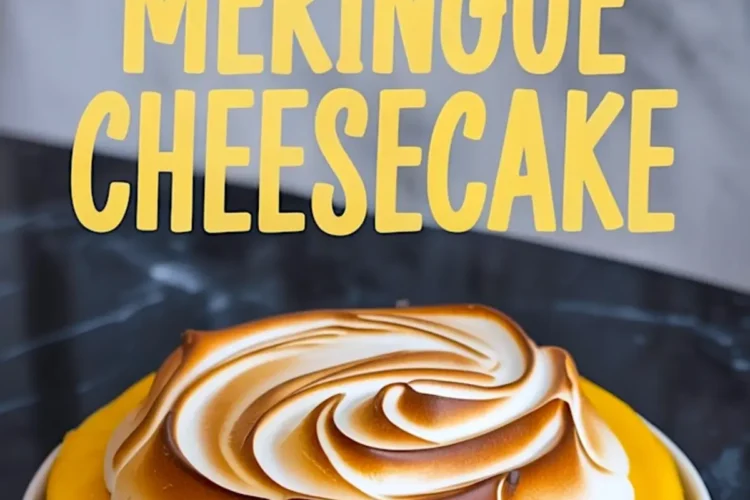
Some desserts capture attention the moment they hit the table. Lemon meringue cheesecake belongs in that category. This recipe creates tall layers of flavor, where creamy filling, sharp lemon curd, and toasted meringue work together to create both balance and beauty.
You will learn how to build each layer confidently. I’ll guide you through each step while sharing the small detail that changed my result entirely. That one change made my cheesecake smoother and more stable, and I’ll reveal it after we finish the process.
Let’s get started. You are about to master a dessert that looks like bakery work but stays fully achievable at home.
The Lemon Meringue Cheesecake Stands Out from Other Lemon Cheesecake Recipes
The structure is what sets this recipe apart.
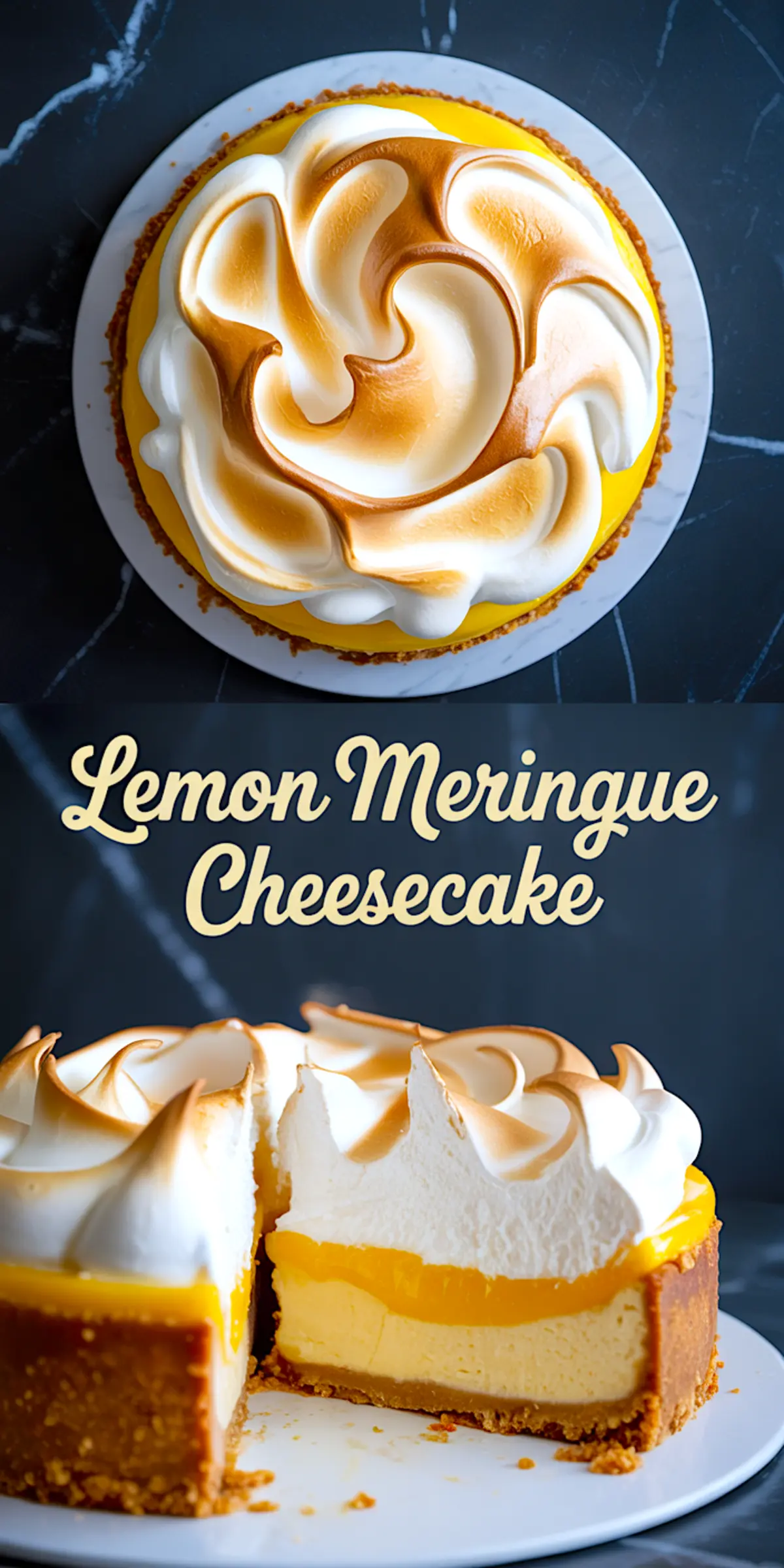
The crust rises tall and steady. The cheesecake filling stays rich yet smooth. The lemon curd brightens without overwhelming. The meringue sits glossy and cloud-like. Every layer serves a role, and when combined, they create a complete experience.
I’ve tested many lemon cheesecake recipes, from simple versions to more elaborate builds like this one. The extra structure allows each layer to shine. The high sides create visual drama and support generous layers of curd and meringue.
When I worked on my Lemon Tartlets with White Chocolate, I learned how lemon balances rich fillings beautifully. That same balance carries through this cheesecake.
Building the Tall Graham Cracker Crust for Structure
The crust acts as the foundation. Its height supports the cheesecake and visually frames the entire dessert.
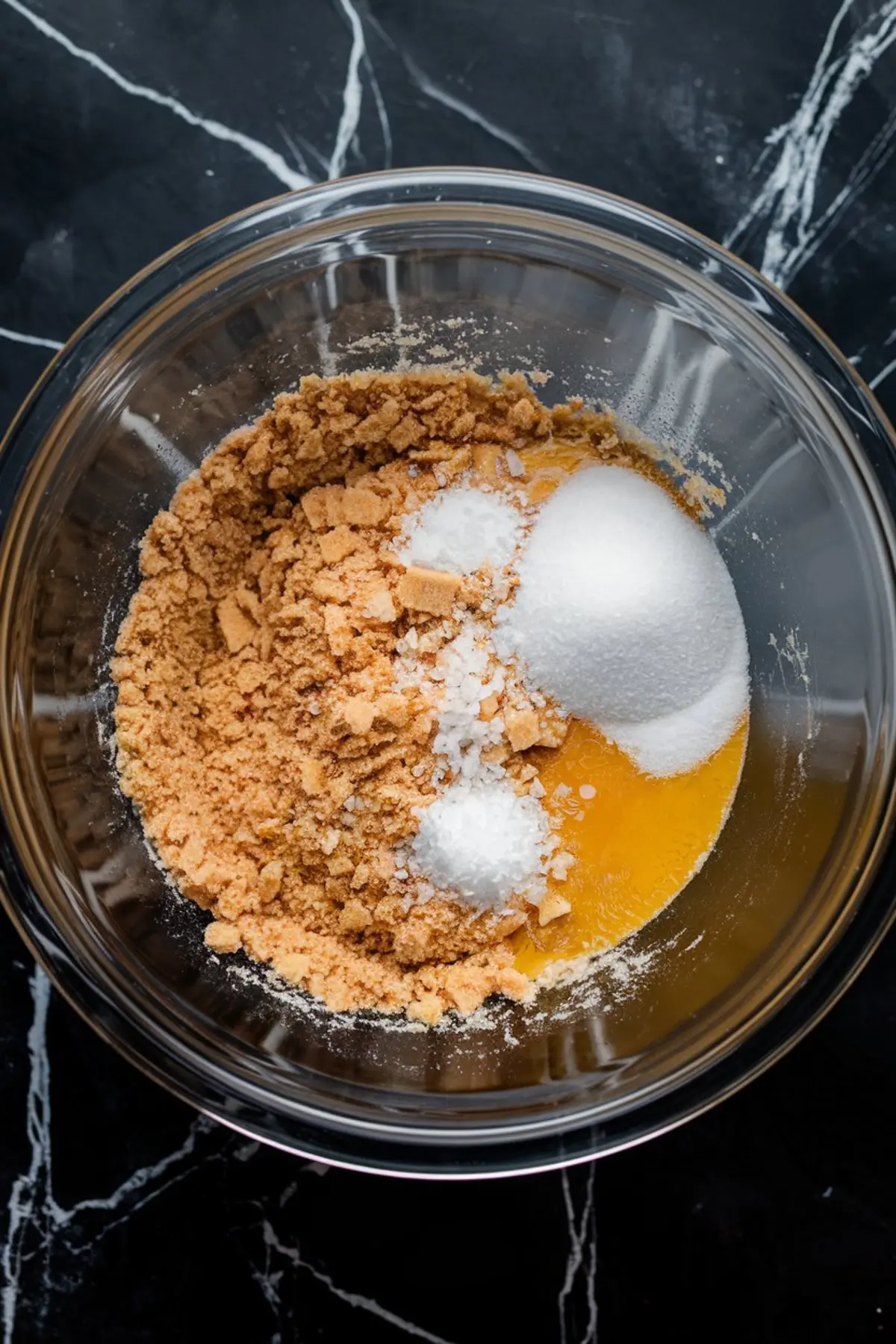
I mix graham cracker crumbs, sugar, melted butter, and a bit of salt. Then I press the mixture evenly across the bottom and up the sides of the springform pan. I always chill it for at least 30 minutes before baking. In earlier versions, skipping that chill led to sides that sagged while baking. The full chill holds the structure perfectly.
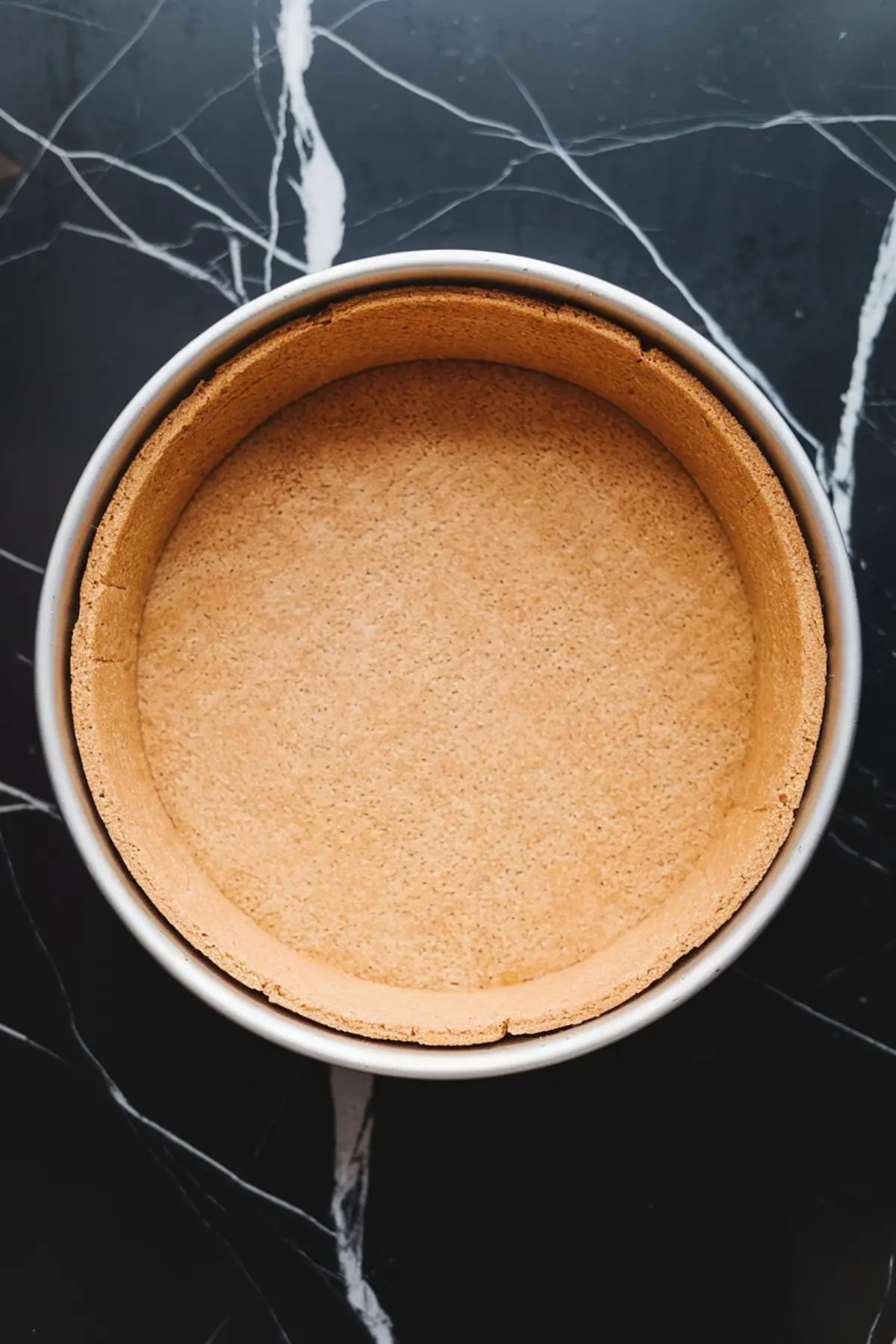
The high crust reminds me of the sturdy bases I build for my Lemon Panna Cotta pairings, where firm texture allows softer fillings to rest securely.
Preparing the Silky Lemon Cheesecake Filling
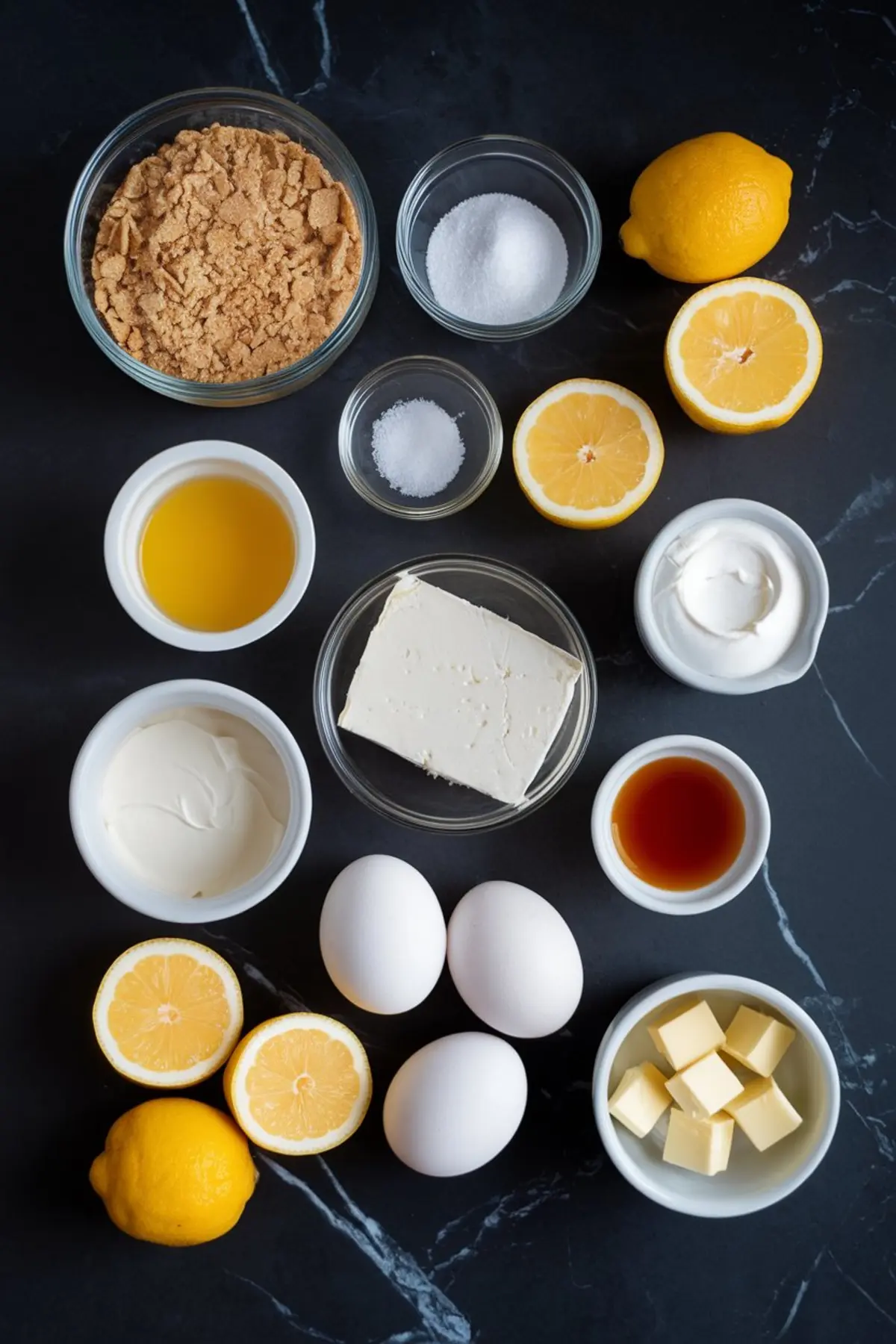
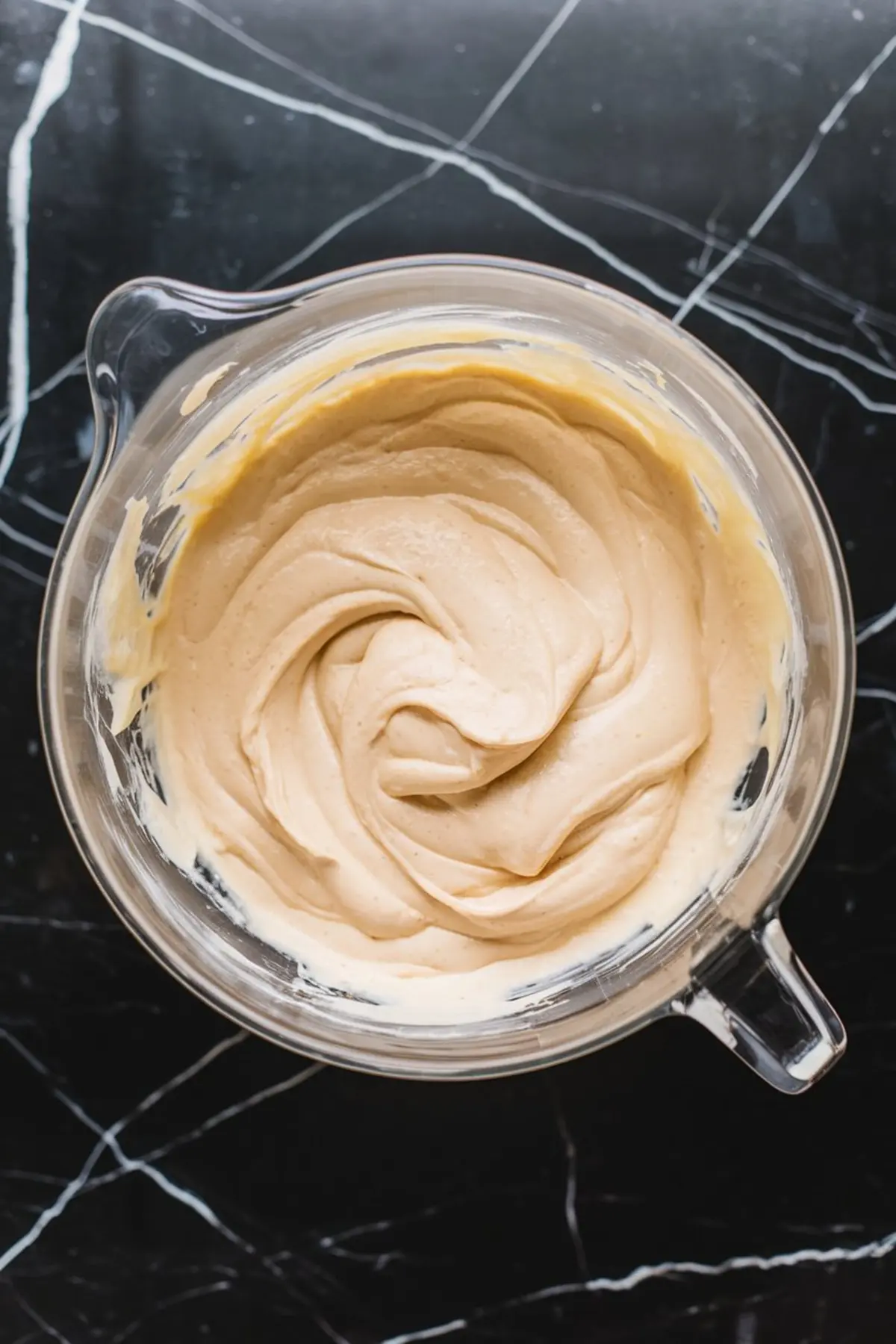
The filling starts with softened cream cheese, sugar, eggs, sour cream, lemon zest, juice, and vanilla.
I have tested both bottled and fresh lemon juice. Fresh always brings brighter, cleaner flavor. Bottled options leave the flavor flat. Fresh lemons add both sharpness and depth.
Every ingredient must be at room temperature. That one rule prevents lumps and keeps the batter smooth. I beat the cream cheese thoroughly first, then slowly add sugar, scraping often. Eggs go in one at a time to avoid extra air. Finally, sour cream, zest, juice, and vanilla create a rich balance.
This lemon filling carries the same fresh citrus tone I love in my Lemon Curd Truffles, but here the richness of cream cheese deepens the result.
Water Bath Baking Creates Even, Creamy Texture
Baking cheesecake in a water bath prevents cracking and ensures even texture from center to edge.
I once tried skipping the water bath. That batch had overbaked edges and a soft center that never quite set. The steam from the water bath allows the filling to cook gently and stay stable.
After baking, I let it cool slowly inside the oven with the door slightly open. Quick cooling leads to surface cracks. This slow cool keeps the top smooth.
Fresh Homemade Lemon Curd for Brightness
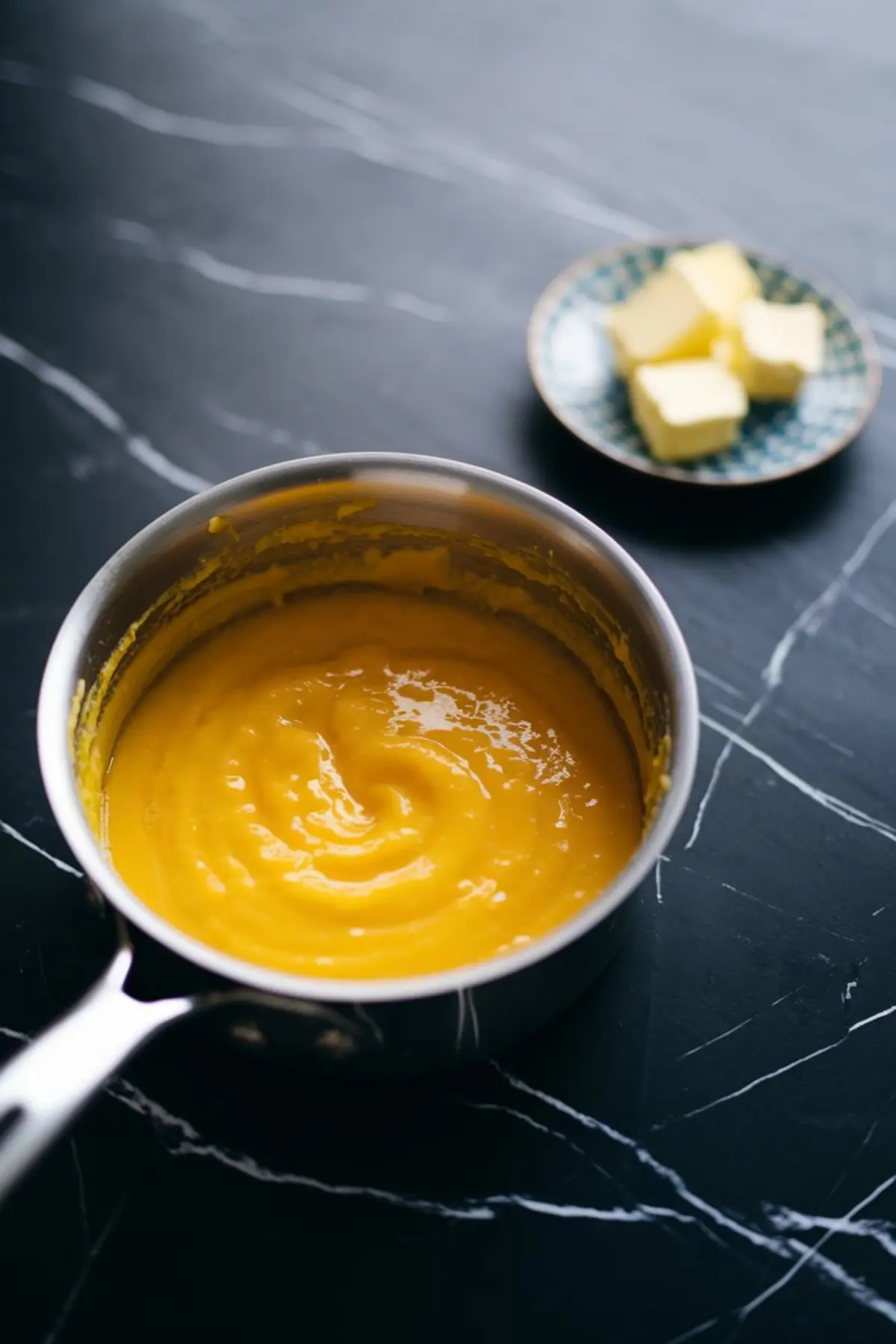
Lemon curd sits between the cheesecake and meringue, adding tang and balancing the richness.
The curd combines lemon juice, zest, sugar, egg yolks, and butter. I cook it slowly, stirring constantly, until thick enough to coat the back of the spoon. Then I stir in the butter to finish.
Patience matters here. Heating too quickly can cause curdling. Once cooled, I spread the curd gently across the chilled cheesecake.
When I make my No Bake Lemon Cheesecake, I see how fresh lemon transforms even simple desserts. That same brightness lifts this cheesecake.
Swiss Meringue for Stable, Glossy Peaks
Swiss meringue creates the glossy, fluffy top that finishes the cheesecake.
I whisk egg whites, sugar, and cream of tartar over simmering water until the sugar dissolves. Once the mixture reaches 160°F, I transfer it to the mixer and beat until stiff, glossy peaks form. A little vanilla at the end completes the flavor.
I spoon the meringue over the lemon curd, creating peaks with the back of a spoon. Then I use a kitchen torch to gently toast the surface. You can also broil briefly, but stay nearby to avoid burning. It shifts quickly from golden to dark.
I use the same method for my lemon meringue cupcakes, where that stable Swiss meringue holds beautifully for decorating.
The Secret Ingredient That Changed My Filling
Now to the small change that changed my outcome.
For years, my cheesecake filling sometimes felt a little too dense. One day, I replaced regular sour cream with European-style full-fat sour cream. The texture changed instantly. The filling became silkier, held its shape better, and stayed smooth even after chilling.
Since then, I always reach for that sour cream when making any filling, including my lemon cheesecake moussevariations.
Simple upgrades can bring surprising results.
Lemon Cheesecake Decoration Ideas
This cheesecake already draws attention, but I enjoy adding simple touches before serving.
I sometimes place thin lemon slices or small edible flowers along the edge. These small touches enhance the finish without crowding the tall layers.
In my lemon meringue cake experiments, I found that simple decorations highlight the cake’s layers instead of competing with them. The same rule applies here.
Storing, Serving, and Slicing Tips
Fully chill the cheesecake before slicing. Use a clean, sharp knife and wipe it between cuts for neat slices.
This cheesecake stores well for several days. The Swiss meringue stays stable, though I suggest serving it within three days for best texture.
For more ideas, you might enjoy my best lemon meringue pie or explore creative approaches like lemon meringue pie recipe easy options when planning future citrus desserts.
Save This Lemon Cheesecake Recipe for Later
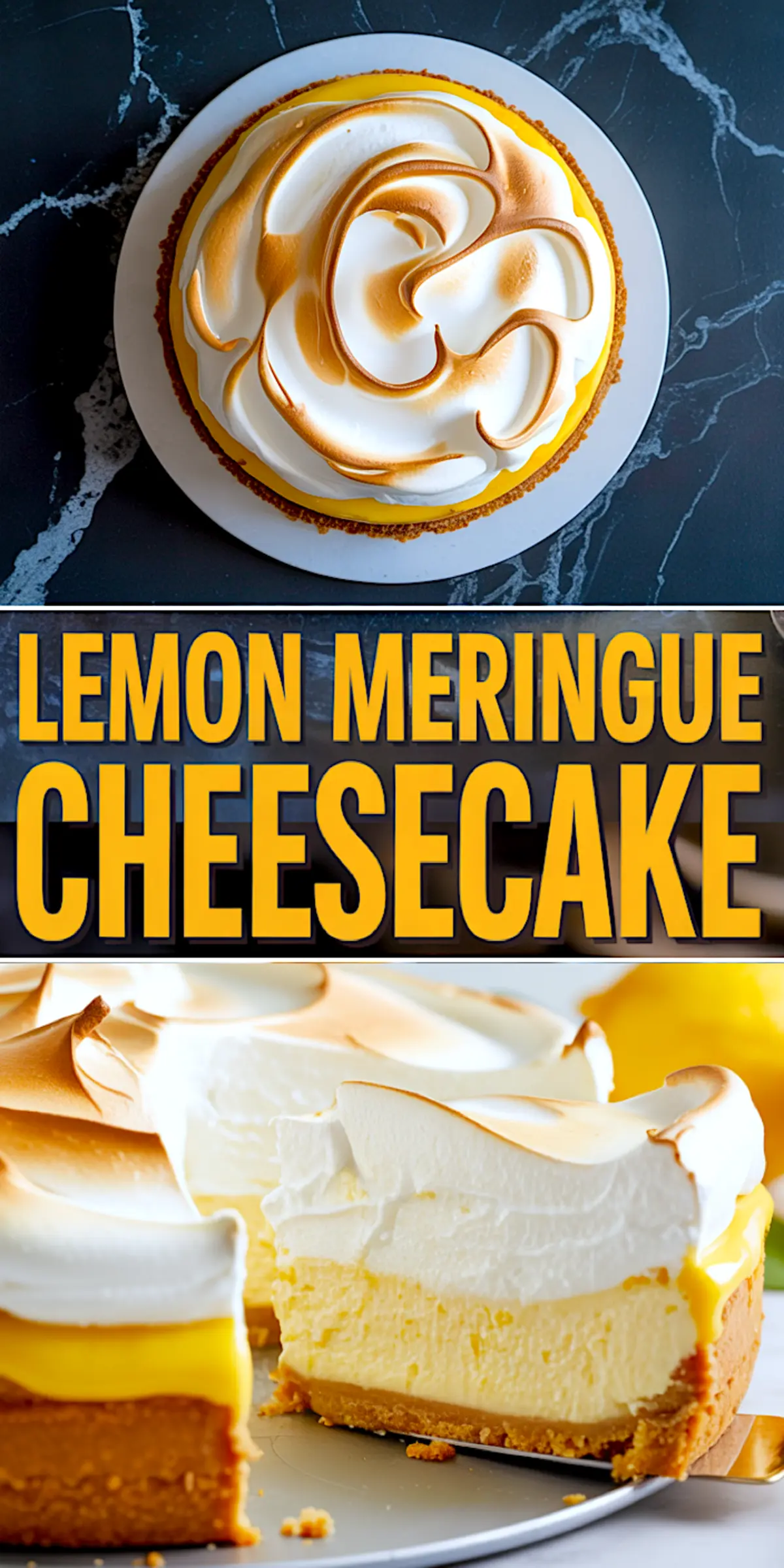
Save this recipe to your Pinterest board so you can return to it every lemon season. It’s one of those desserts that always impresses guests but stays fully manageable at home.
If you try this recipe, I would love to hear how your cheesecake turned out. Share your results or any questions in the comments. I always enjoy seeing your versions and helping with tips when needed.
Lemon Meringue Cheesecake Recipe
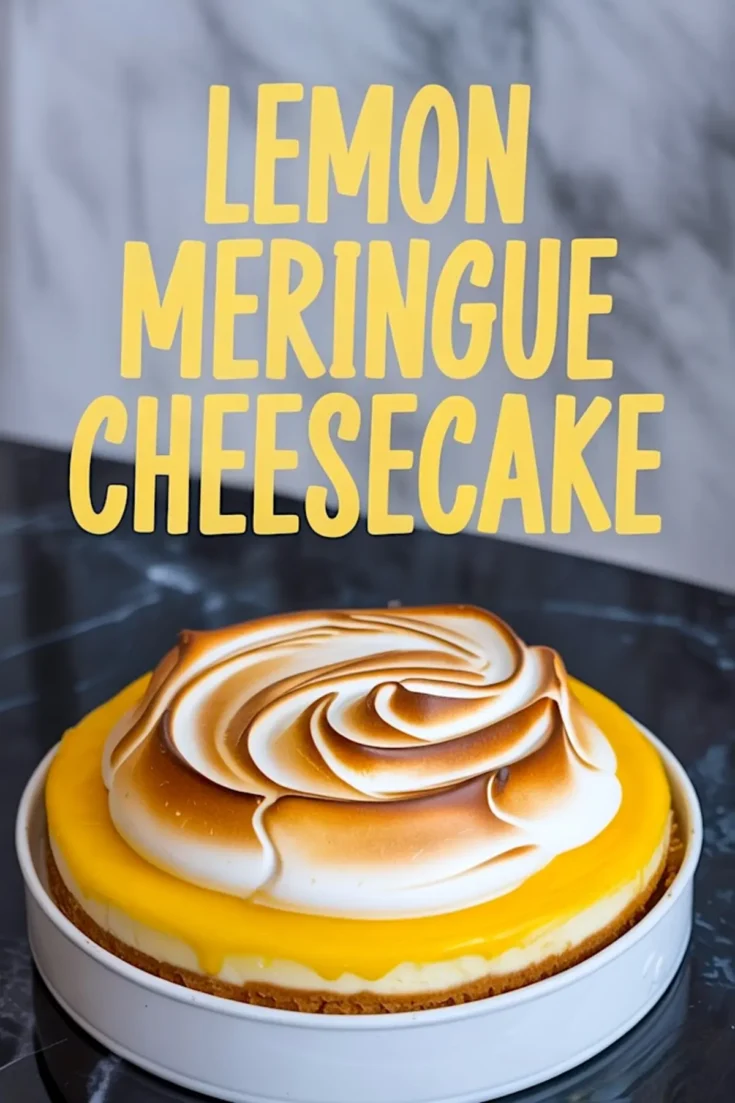
This lemon meringue cheesecake combines a tall graham cracker crust, smooth lemon-infused cheesecake, tangy lemon curd, and fluffy toasted meringue. Each layer balances rich, creamy texture with bright citrus flavor, creating a well-structured and visually striking dessert.
Ingredients
- FOR THE CRUST
- 2 ½ cups graham cracker crumbs
- ½ cup granulated sugar
- 12 tablespoons unsalted butter, melted
- ½ teaspoon fine sea salt
- FOR THE CHEESECAKE FILLING
- 24 ounces cream cheese, softened
- 1 cup granulated sugar
- 3 large eggs, room temperature
- ¾ cup sour cream, room temperature
- 1 tablespoon lemon zest
- 2 tablespoons fresh lemon juice
- 1 teaspoon pure vanilla extract
- FOR THE LEMON CURD
- ¾ cup fresh lemon juice (about 3-4 lemons)
- 1 tablespoon lemon zest
- ¾ cup granulated sugar
- 4 large egg yolks
- 6 tablespoons unsalted butter, cubed
- FOR THE MERINGUE TOPPING
- 4 large egg whites
- 1 cup granulated sugar
- ½ teaspoon cream of tartar
- 1 teaspoon pure vanilla extract
Instructions
MAKING THE HIGH CRUST: Mix the graham cracker crumbs, sugar, melted butter, and salt in a bowl until the mixture resembles wet sand. Press the mixture firmly into the bottom and up the sides of a 9-inch springform pan, building the crust walls about 2 ½ inches high. Use a flat-bottomed measuring cup to ensure even pressure and height. Chill the prepared crust for at least 30 minutes.
BAKING THE CRUST: Preheat the oven to 325°F (160°C). Bake the chilled crust for 12 minutes. Remove from the oven and allow it to cool completely while preparing the cheesecake filling.
PREPARING THE CHEESECAKE FILLING: In a large bowl, beat the softened cream cheese until completely smooth and free of lumps. Gradually add the sugar and continue beating until the mixture is creamy, scraping down the sides of the bowl frequently. Add the eggs one at a time, mixing on low speed after each addition to avoid incorporating excess air. Blend in the sour cream, lemon zest, lemon juice, and vanilla extract until smooth and fully combined.
BAKING THE CHEESECAKE: Pour the prepared cheesecake batter into the cooled crust. Gently smooth the top with a spatula. Place the springform pan in a water bath and bake at 325°F (160°C) for 60 to 70 minutes. The cheesecake should have a slight jiggle in the center when nudged. Turn off the oven, crack the door open slightly, and allow the cheesecake to cool inside the oven for 1 hour. Transfer to the refrigerator and chill for at least 6 hours or overnight to fully set.
MAKING THE LEMON CURD: In a small saucepan, whisk together the lemon juice, lemon zest, sugar, and egg yolks. Cook over medium heat, stirring constantly, until the mixture thickens, about 6 to 8 minutes. Avoid boiling to prevent curdling. Once thickened, remove from heat and stir in the cubed butter until smooth and fully incorporated.
ADDING THE LEMON CURD LAYER: Allow the lemon curd to cool to room temperature. Once cooled, gently spread the curd evenly over the chilled cheesecake layer. Return the cheesecake to the refrigerator and chill for at least 1 additional hour to set the curd.
MAKING THE MERINGUE: Combine the egg whites, sugar, and cream of tartar in a heatproof bowl placed over simmering water. Whisk constantly until the sugar dissolves and the mixture reaches 160°F (71°C). Transfer to a stand mixer and whip on high speed until stiff, glossy peaks form. Add the vanilla extract during the final seconds of whipping.
ADDING AND TOASTING THE MERINGUE: Spoon the prepared meringue onto the lemon curd layer, creating decorative peaks using the back of a spoon or an offset spatula. If available, use a kitchen torch to gently toast the meringue until golden. Alternatively, place the cheesecake under the broiler for a brief moment, watching closely to avoid burning.
Notes
For clean slices, wipe the knife clean between each cut. Ensure all ingredients are at room temperature before mixing for a smooth cheesecake batter. Always monitor closely when toasting the meringue to achieve even browning.
Nutrition Information:
Yield:
12Serving Size:
1Amount Per Serving: Calories: 825Total Fat: 50gSaturated Fat: 28gTrans Fat: 0gUnsaturated Fat: 18gCholesterol: 269mgSodium: 498mgCarbohydrates: 86gFiber: 1gSugar: 74gProtein: 12g
