
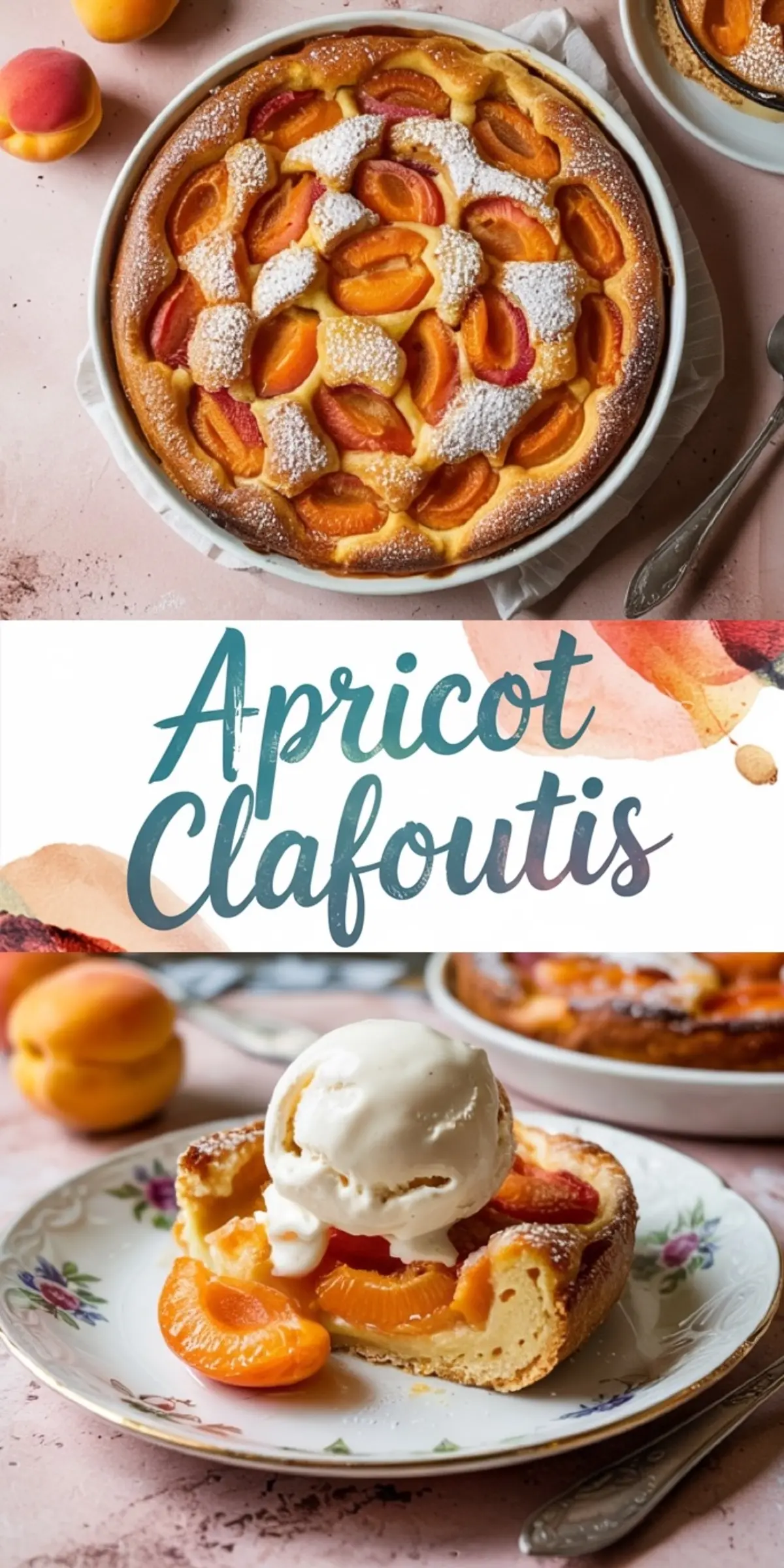
There’s something gentle about clafoutis. It doesn’t puff or flake. It doesn’t crumble under a knife or ask you to ice it with a steady hand. It simply sets, soft and custardy, around the fruit you give it.
Apricot clafoutis has always felt like summer resting. It lets the fruit speak for itself—especially those apricots that feel sun-warmed, a little floral, and still firm to the touch. You don’t need any special equipment. Just a bowl, a whisk, and a moment of calm.
If you’re looking for a simple stone fruit dessert that won’t fuss or fail, this is one I return to each year.
A Batter That Knows How to Wait
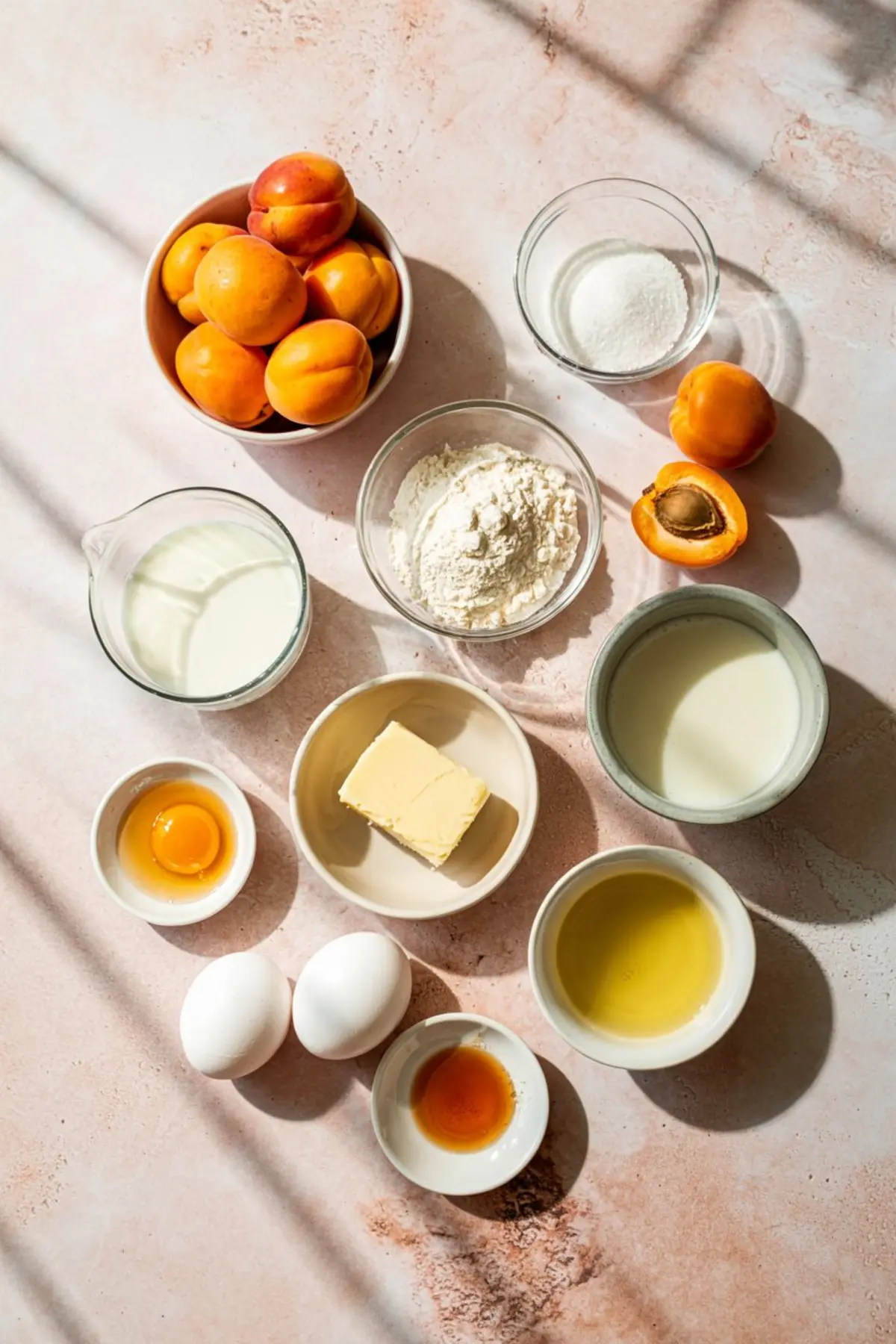
The base is quiet—eggs, milk, sugar, cream, and a bit of flour. Nothing dramatic. What matters here is how you treat it. Whisk gently. Let the batter rest. This gives the flour time to soften and the bubbles to settle. I usually make the batter in the morning and let it sit while I wash the apricots and butter the dish.
I once asked my mother why she always baked the base of her clafoutis for a few minutes before adding the fruit. She said it helped the fruit float instead of sinking straight to the bottom. I’ve followed her way ever since.
And if your batter has a few tiny lumps, don’t worry. It will smooth itself out in the oven.
Apricots That Still Have Their Shape

Use apricots that feel heavy in the hand. Not soft. Not wrinkled. Slice them in half and leave the skins on. The heat brings out their sweetness, and the skins offer a bit of tartness that balances the custard.
I always place them cut-side up so the juices pool gently while baking. The tops peek out just slightly once the rest of the batter is poured. Don’t press them in too deep. They know where they belong.
And if one sinks or slides to the side, don’t trouble yourself. If it cracks, don’t worry.
Baking and Resting
Clafoutis is done when the top is golden and there’s just the faintest wobble at the center. Not loose. Just a tremble. That tells you the eggs have set without turning rubbery.
Let it rest for 15 minutes on the counter. This time helps the custard finish quietly and makes slicing easier. I’ve learned not to rush this part, even when my grandchildren peer over the edge of the counter asking if they can taste it.
A light dusting of powdered sugar is all it needs. Or a spoonful of vanilla ice cream if the day is warm.
Notes from My Recipe Cards
I first wrote down this version of clafoutis on a yellowing card back in 1982. My handwriting was steadier then. Chloe found the card tucked between my lemon pound cake and peach buckle recipes when she was just learning to bake. She followed it exactly, but added almond extract instead of vanilla. It worked, though I still prefer vanilla.
Now she’s built something of her own with her Pin Notebook. I’m proud of how she’s turned those floury fingerprints into something lasting.
If you’ve made my Apricot Clafoutis, you might also enjoy these summer recipes:
• Strawberry Shortcake Biscuits
A Few Final Thoughts
This is a forgiving dessert. It doesn’t demand precision, only attention. Trust your hands. Trust your oven.
If you make this clafoutis, I’d love to hear how it went for you. Did the apricots hold their shape? Did someone sneak a warm corner before it cooled? Let me know in the comments.
And if this recipe finds a home in your own handwritten notes, I hope it brings you peace in the baking.
Save this pin so you can find it again when apricots show up in baskets at the market.
Apricot Clafoutis Recipe
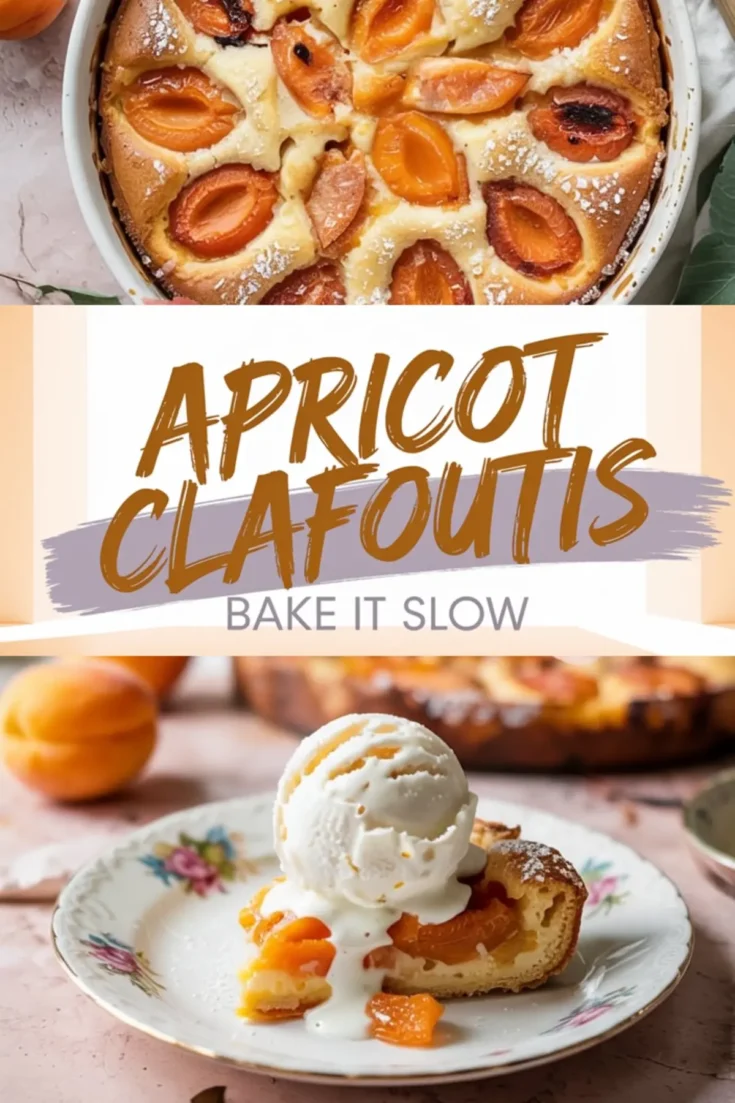
A custardy French-style baked dessert made with ripe apricots, this clafoutis comes together with basic pantry ingredients and a few minutes of prep. The batter bakes up into a tender, lightly sweet base that supports the floral tartness of stone fruit. Serve warm with powdered sugar or vanilla ice cream.
Ingredients
- 3 large eggs
- ½ cup granulated sugar
- ¾ cup whole milk
- ¼ cup heavy cream
- 1 teaspoon vanilla extract
- Pinch of salt
- ½ cup all-purpose flour, sifted
- 6 to 8 ripe but firm apricots, halved and pitted
- Butter, for greasing the baking dish
- Powdered sugar, for dusting
Instructions
- PREHEAT THE OVEN: Set your oven to 350°F (175°C) and grease a 9-inch ceramic or glass baking dish with butter.
- PREPARE THE FRUIT: Wash and halve the apricots. Remove the pits but leave the skins on. Set the fruit aside while you make the batter.
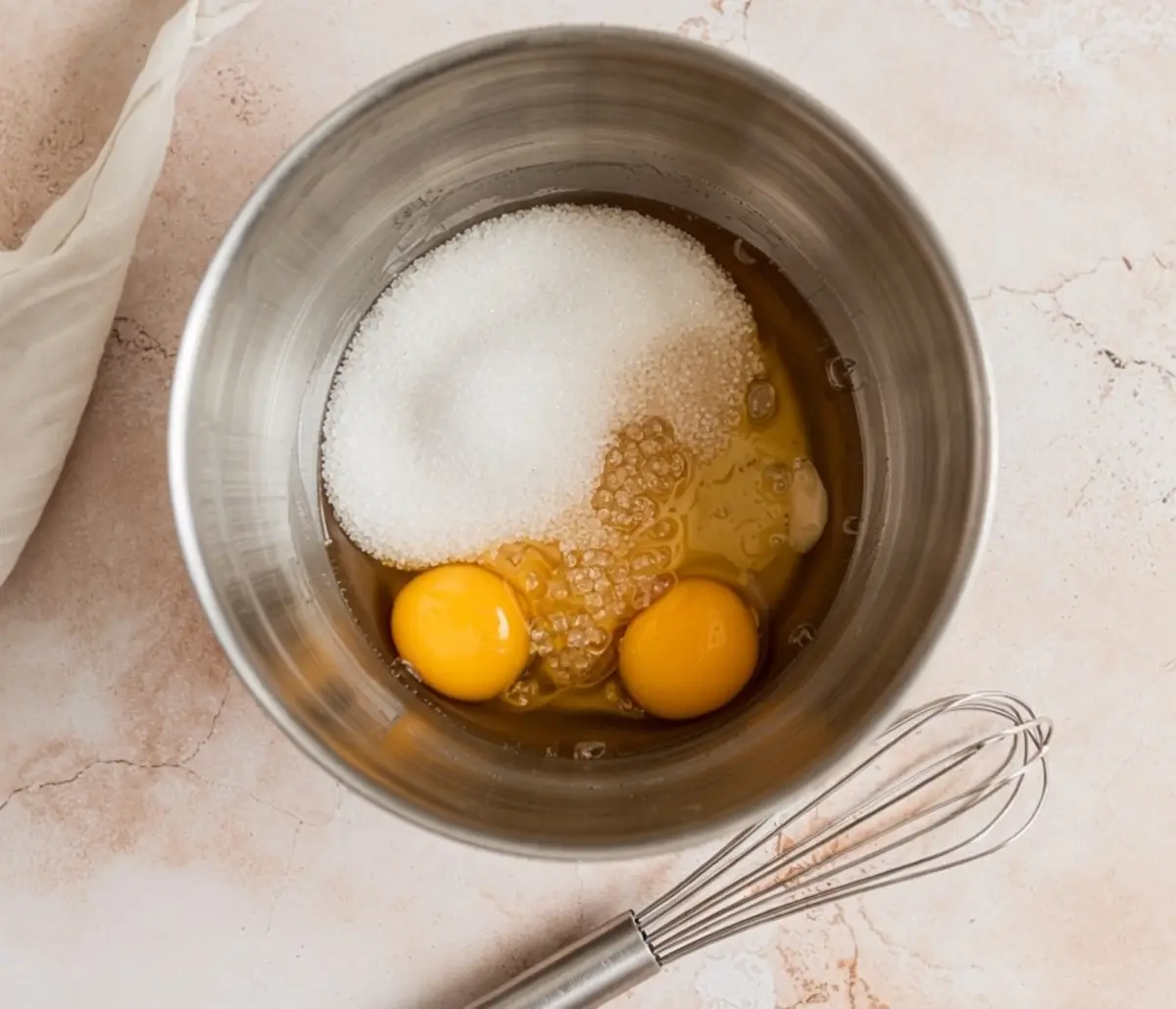
- MIX THE BATTER: In a mixing bowl or blender, whisk together the eggs and sugar until the mixture looks pale and smooth. Add the milk, cream, vanilla extract, and a pinch of salt. Stir until fully combined.
- INCORPORATE THE FLOUR: Sift the flour into the wet mixture and whisk until smooth and lump-free. Avoid overmixing. Let the batter rest for a few minutes to hydrate the flour and release any air bubbles.
- PRE-BAKE THE BASE: Pour about one-third of the batter into the greased baking dish and bake for 8 minutes. This step sets the base slightly to help support the fruit.
- ADD THE FRUIT: Carefully remove the dish from the oven and arrange the apricot halves, cut side up, over the set layer of batter. Fit them in snugly but without overlapping.
- ADD REMAINING BATTER: Gently pour the rest of the batter over the apricots, covering them without completely submerging the tops.
- BAKE THE CLAFOUTIS: Return the dish to the oven and bake for 35 to 40 minutes, until the top is golden and the center is just set with a slight jiggle.
- COOL AND SERVE: Let the clafoutis rest at room temperature for 15 minutes. Dust the top with powdered sugar before serving warm.
Notes
Use ripe apricots that still have some firmness; too soft and they’ll collapse into the batter. A blender makes quick work of the batter, but hand-whisking works just as well—just be sure the flour is fully incorporated. Refrigerated leftovers can be enjoyed cold the next morning.
Nutrition Information:
Yield:
8Serving Size:
1Amount Per Serving: Calories: 218Total Fat: 7gSaturated Fat: 4gTrans Fat: 0gUnsaturated Fat: 3gCholesterol: 84mgSodium: 67mgCarbohydrates: 35gFiber: 0gSugar: 29gProtein: 4g
