
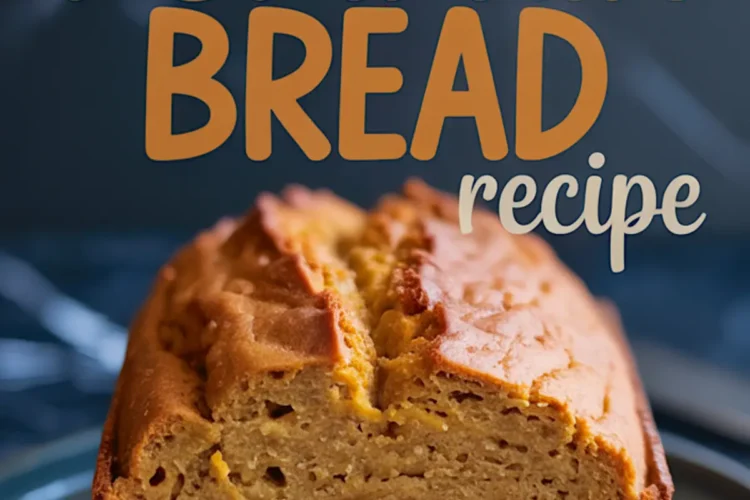
A Cozy Slice That Happens to Be Plant-Based
You’re not just making any fall loaf. You’re making a vegan pumpkin bread that actually holds its own flavor, texture, warmth without leaning on dairy or eggs.
This is the kind of recipe you pull out again and again. One that tastes like autumn mornings and good decisions.
By the end of this post, you’ll know how to make moist vegan pumpkin bread using pantry basics, how to keep the loaf from drying out, and why a tiny splash of vinegar makes a big difference.
There’s also something unexpected tucked inside this recipe. Something small that gives the crumb a little more tenderness and keeps each slice soft even after three days. I’ll share that bit of magic after we talk steps.
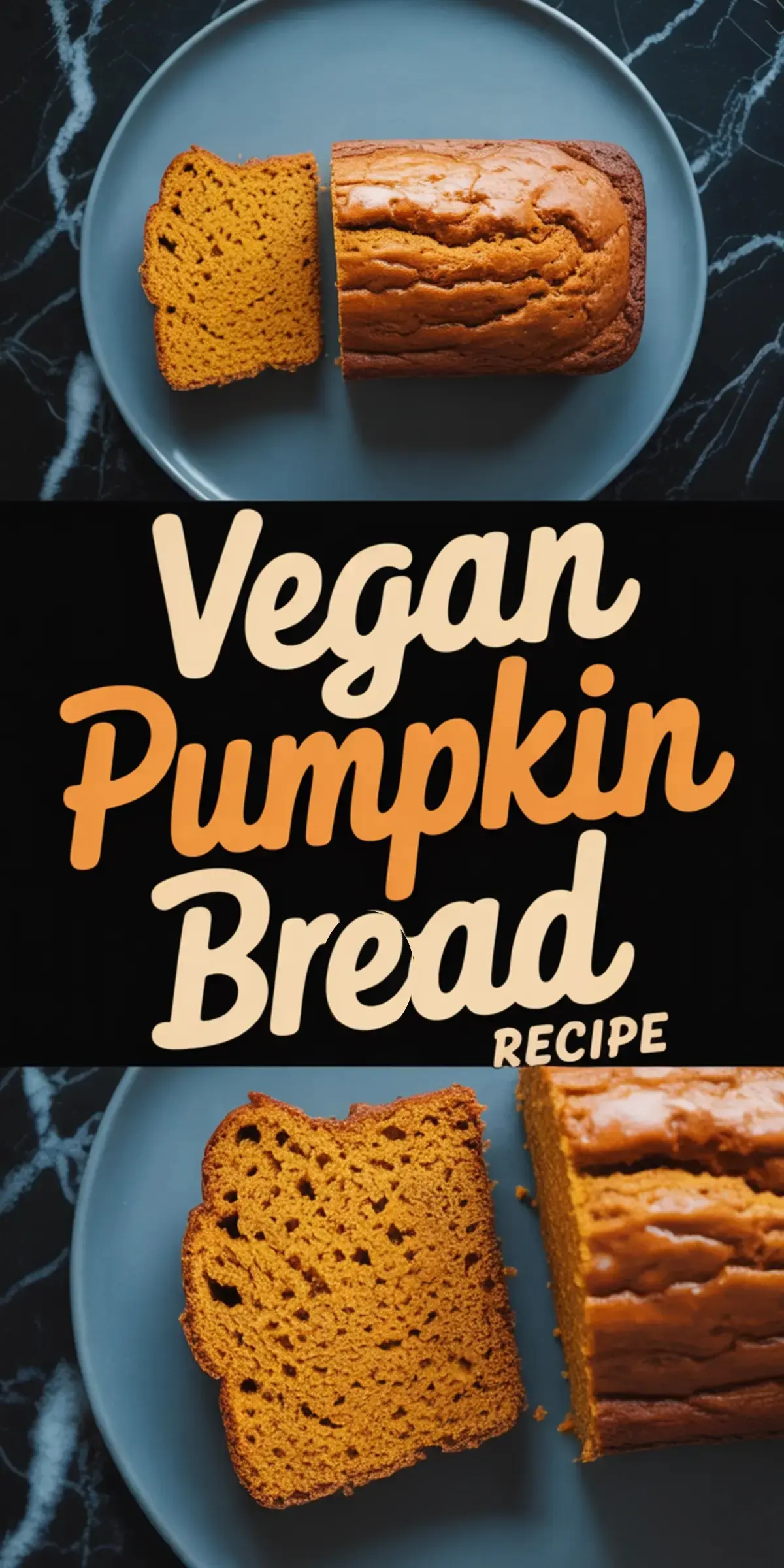
How to Make Moist Vegan Pumpkin Bread
This vegan pumpkin loaf doesn’t ask for much. The mixing process is simple. The ingredients are probably already in your kitchen. And once it bakes, the scent alone will make you trust it fully.
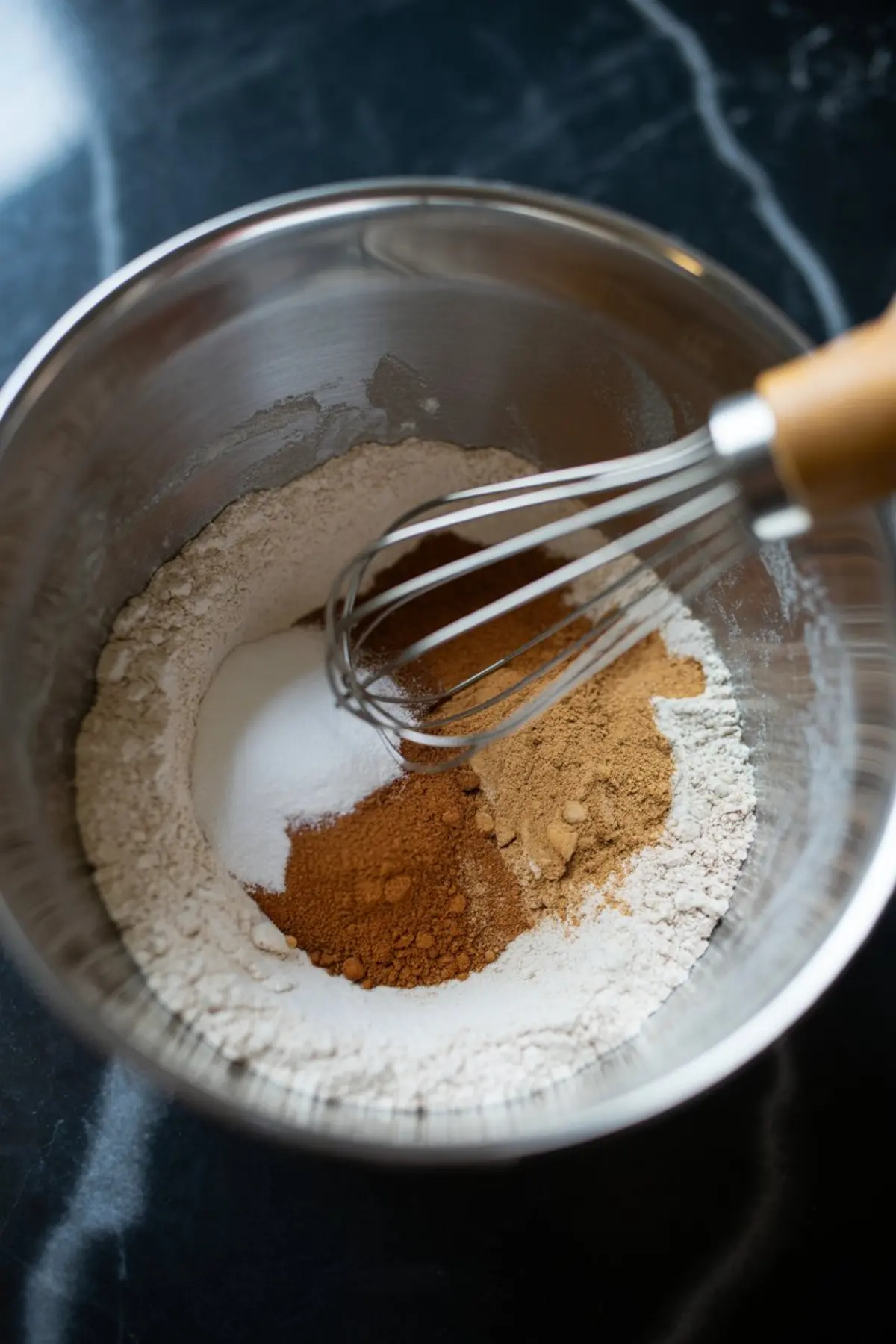
Start with the dry mix. I use all-purpose flour, baking soda, cinnamon, ginger, nutmeg, and a bit of ground cloves. The spices should smell like they’re waking something up. If they don’t, they’re too old.
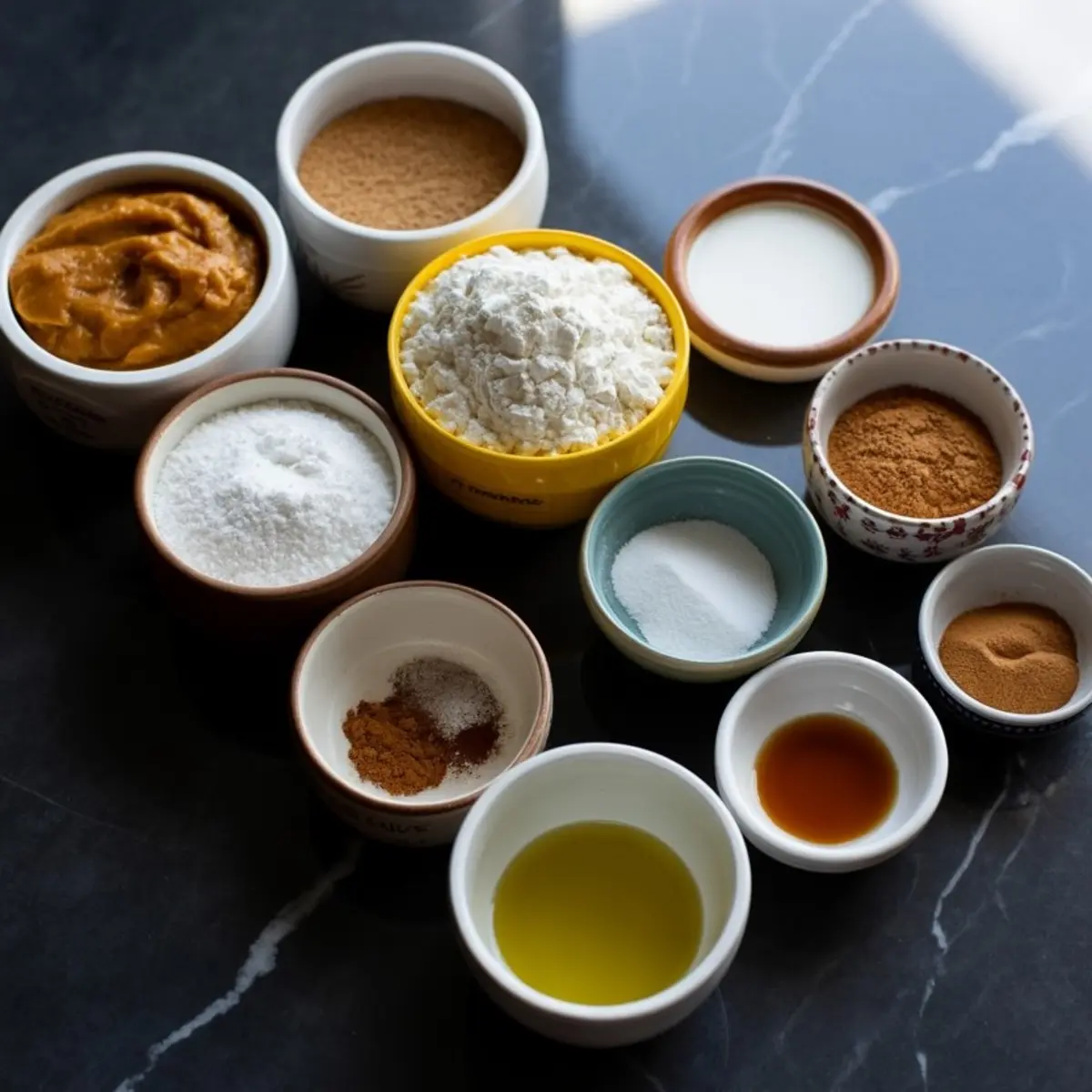
In another bowl, bring the wet ingredients together. Canned pumpkin purée adds body and sweetness. Brown sugar brings moisture and depth. Almond milk, oil, vinegar, and vanilla round things out into a smooth, golden batter.
Pumpkin Bread Recipe Tip: Stir Gently, Always
Once your wet and dry bowls are ready, it’s time to bring them together. I’ve found that overmixing creates a gummy loaf. Use a wooden spoon or silicone spatula and fold until just combined.
The batter will be thick but scoopable. If it looks too dry, resist the urge to thin it. Let it be. That density will translate into a rich, moist vegan pumpkin spice bread that holds up beautifully.
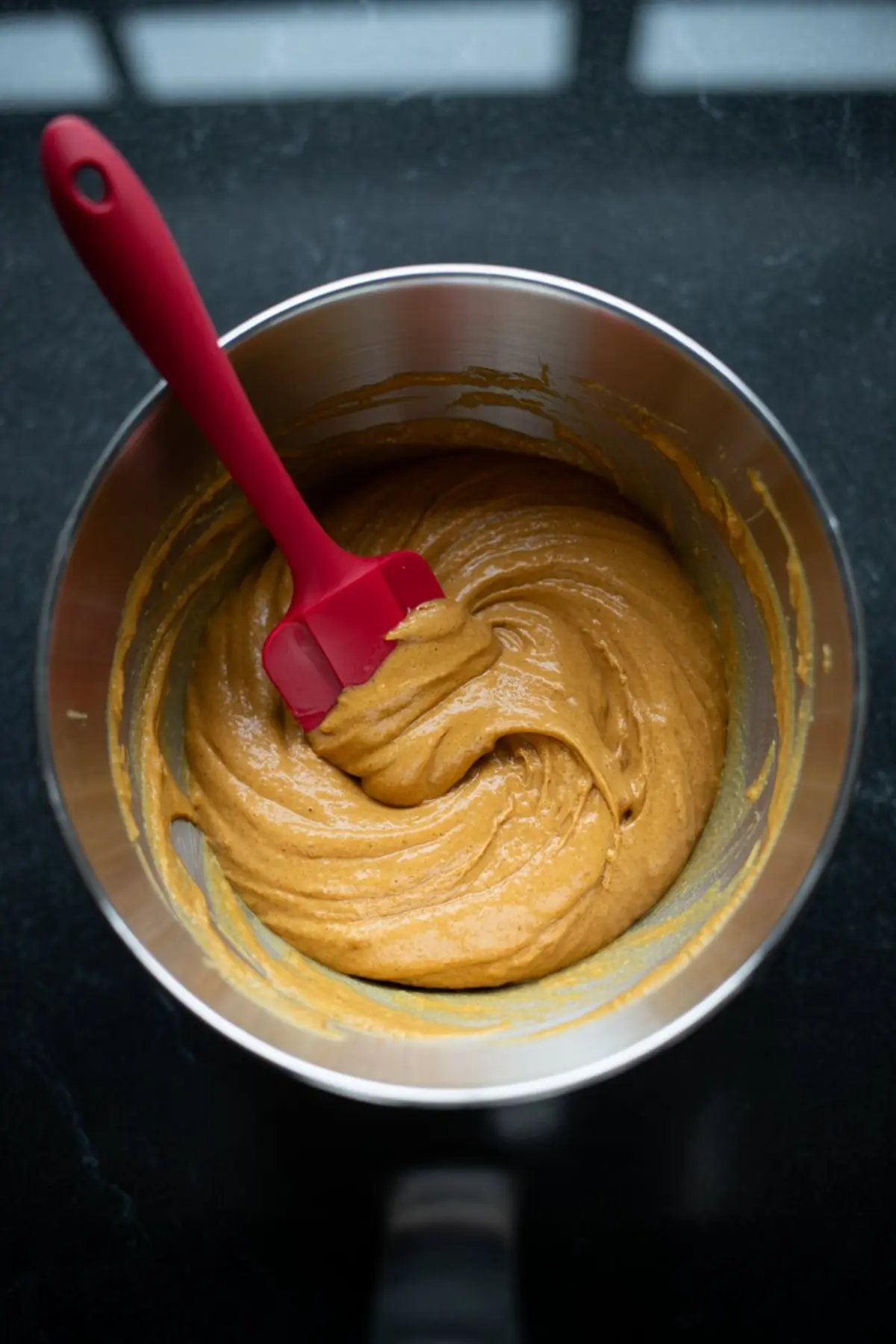
Pour the batter into a greased or parchment-lined 9×5 pan. Tap it lightly to settle it evenly and break any air pockets.
Baking the Vegan Pumpkin Loaf Until Just Right
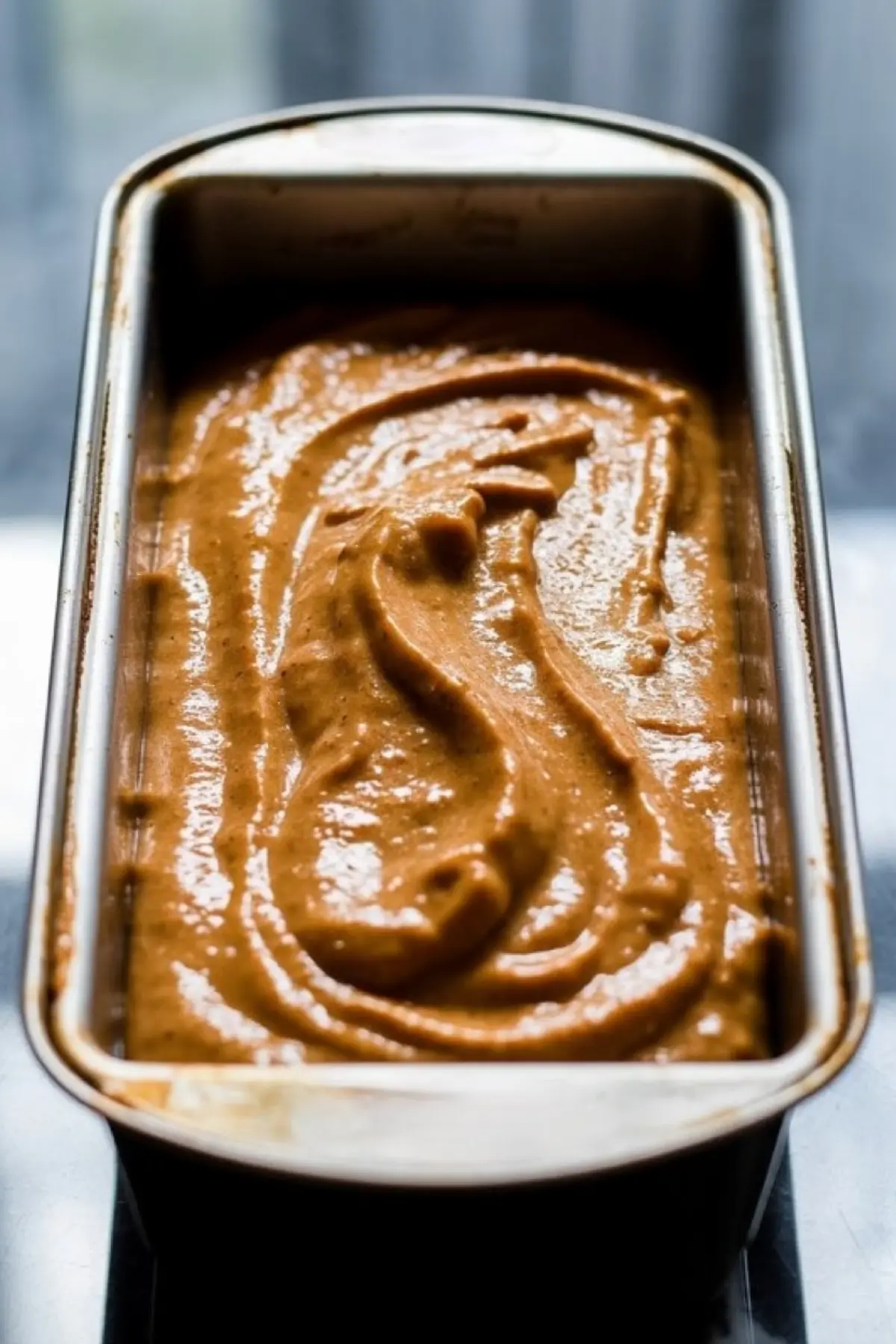
Bake at 350°F. My loaves usually take 55 minutes, but I start checking at 48. Use a toothpick or skewer to test. You want a few moist crumbs. Not wet. Not dry.
Let the loaf sit in the pan for about 10 minutes before lifting it out. Then cool completely on a rack. Cutting it early will compress the crumb.
And yes, the wait is hard. But it’s worth it. That rest time locks in the soft texture that makes this moist vegan pumpkin bread such a success.
Comparison: Canned Pumpkin vs. Homemade
I’ve made this bread both ways. With homemade pumpkin purée and with the canned stuff. My notes say this:
Homemade gives a lighter, earthier flavor. But it’s hard to get the moisture balance right. Unless you strain it well, your loaf may be dense or uneven.
Canned pumpkin, on the other hand, is consistent. It brings sweetness and texture that rarely fails. For this recipe, I prefer canned.
That being said, if you love your homemade purée, use it. Just blot it well before mixing.
Want More Pumpkin Bread Ideas?
This vegan version has become my base. From here, I sometimes fold in chopped walnuts or chocolate chunks.
For a non-vegan but still fall-forward favorite, I like the Best Pumpkin Bread Recipe for comparison. It uses eggs and butter but offers a classic bakery-style loaf.
Another one to try is this Cranberry Orange Bread Recipe. It has a tangier flavor and gorgeous bursts of color.
If you’re more in a nutty mood, the Easy Pistachio Bread Recipe gives that soft, buttery bite with a green twist.
The Small Ingredient That Makes It All Work
Now, about that secret.
It’s vinegar. Apple cider vinegar, to be exact. You might think one tablespoon wouldn’t matter, but in vegan baking it changes everything. The vinegar reacts with baking soda, creating lift. It’s what helps this egg-free batter rise like a dream.
Without it, the loaf would be flatter and heavier. With it, you get height, softness, and that springy crumb we all want.
I only learned this after testing pumpkin loaf after pumpkin loaf. This was the consistent winner. The texture lasted, even on day three.
Serving and Storing Vegan Pumpkin Bread
Let the loaf cool completely before slicing. If you rush, the texture turns doughy. A clean, sharp serrated knife works best.
This loaf keeps well on the counter, wrapped tightly. After two days, I move it to the fridge. It also freezes beautifully. Just wrap slices individually and thaw overnight.
Want to use up more ripe bananas or pantry-friendly ingredients? This Peanut Butter Banana Bread is a solid fallback. Same ease, different flavor.
Save This One and Share Your Slice
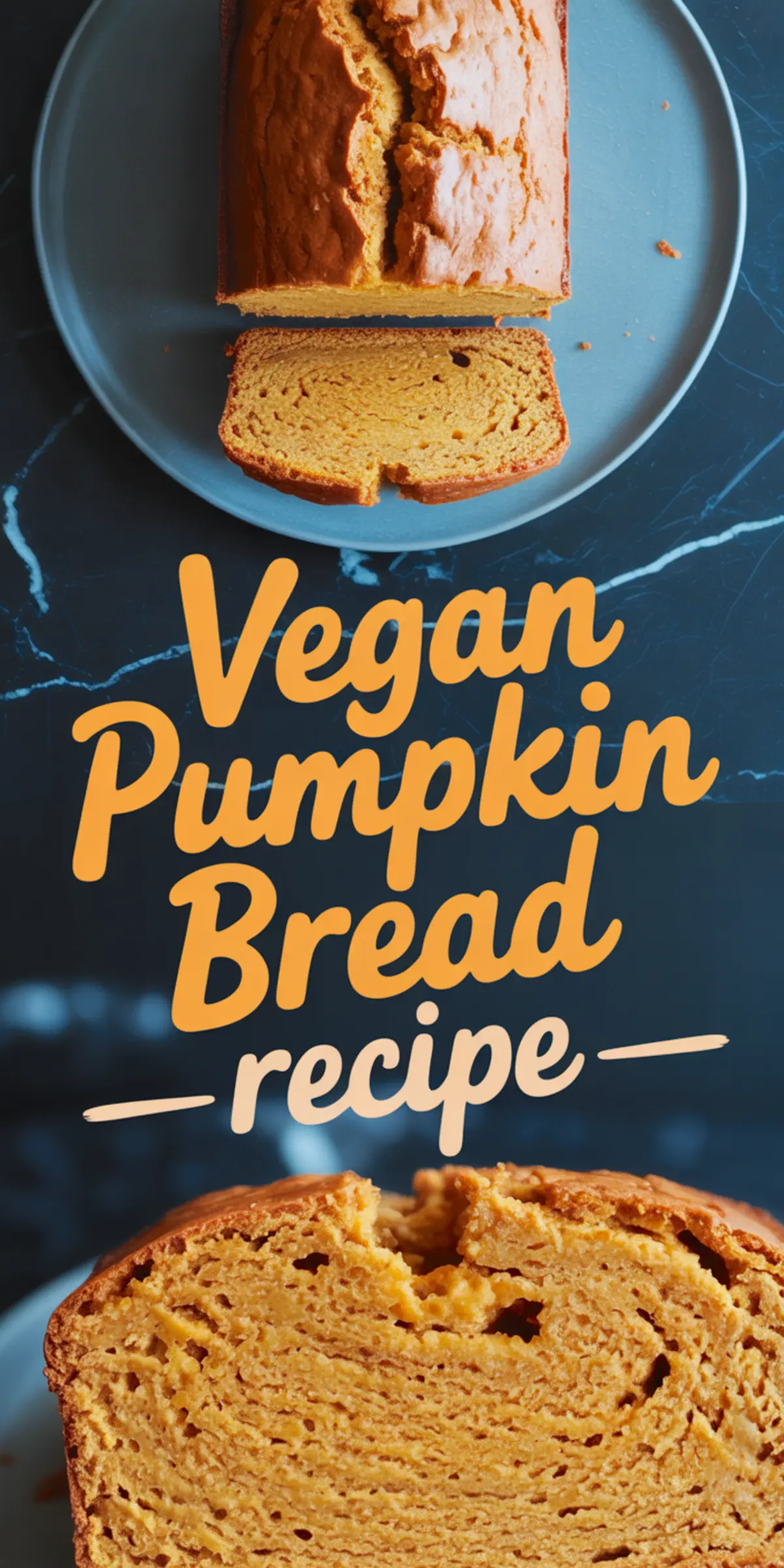
If you’re collecting vegan pumpkin recipes or just need an easy vegan pumpkin bread that holds up, this one delivers. Every time. The ingredients stay humble. The results feel anything but.
Save this to your Vegan Baking Recipes or Pumpkin Loaf board on Pinterest. And if you try it, tell me how it turned out. Did you add walnuts? Chocolate? Your comments always help others, and I read every single one.
Let’s keep swapping ideas. That’s the best part of baking.
Vegan Pumpkin Bread Recipe
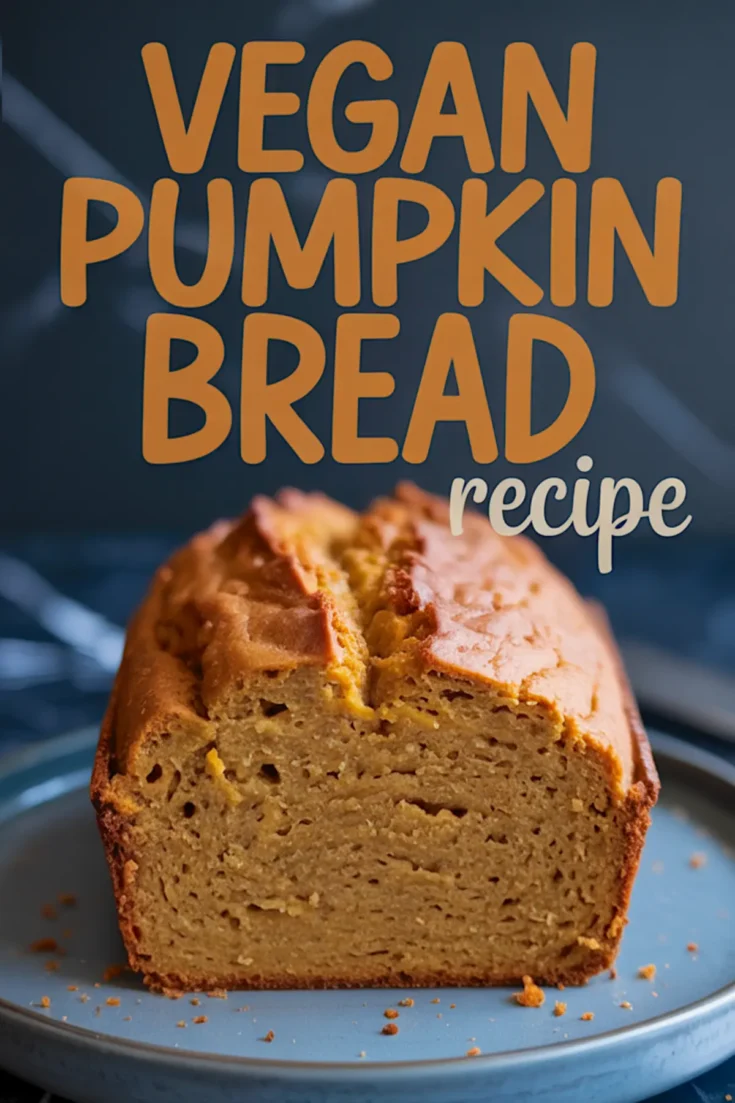
This vegan pumpkin bread is soft, moist, and warmly spiced, made with pantry staples and no dairy or eggs. Brown sugar and canned pumpkin create a rich, tender crumb, while cinnamon and ginger bring cozy flavor. The recipe uses oil and apple cider vinegar to achieve a perfect rise and texture—no complicated steps or special tools required.
Ingredients
- 1 3/4 cups all-purpose flour
- 1 teaspoon baking soda
- 1/2 teaspoon salt
- 1 tablespoon ground cinnamon
- 1/2 teaspoon ground ginger
- 1/4 teaspoon ground nutmeg
- Pinch of ground cloves (optional)
- 1 cup canned pumpkin purée
- 1/2 cup brown sugar, packed
- 1/2 cup unsweetened almond milk (or any plant milk)
- 1/3 cup neutral oil (such as avocado, sunflower, or melted coconut oil)
- 1 tablespoon apple cider vinegar
- 1 teaspoon vanilla extract
Instructions
Notes
For homemade pumpkin purée, make sure it’s well strained and not too wet. Store leftovers wrapped tightly at room temperature for up to 3 days or refrigerate for up to a week.
