

My aunt liked to whip up citrus treats on sunny afternoons, and that early exposure shaped my fondness for tangy flavors. She once presented a plate of small, buttery cookies filled with a bright lemon center that made my tastebuds dance. I now recreate that uplifting sensation every time I bake these lemon curd thumbprint cookies, which carry a special touch that surprises even the most seasoned cookie fans.
Flour, Butter, and Sugar: A Classic Trio
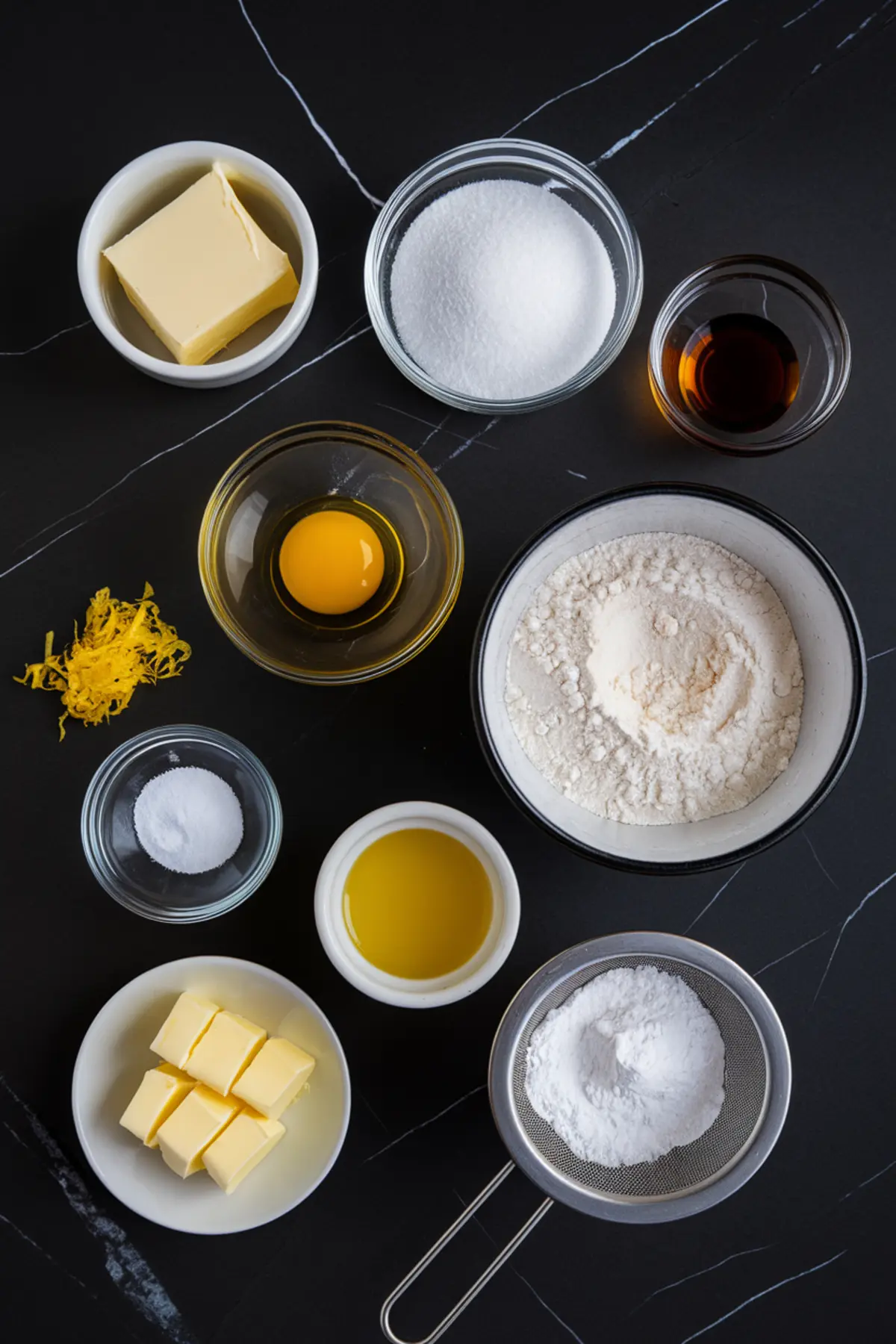
The three essentials in this recipe give structure, richness, and sweetness in every bite. I rely on unsalted butter for a smooth mouthfeel, along with standard granulated sugar that balances the lemon’s pop. Firmly packed flour, plus a sprinkle of salt, keeps the dough sturdy enough for the signature thumbprint shape.
Steps to Shape the Dough and Set the Stage
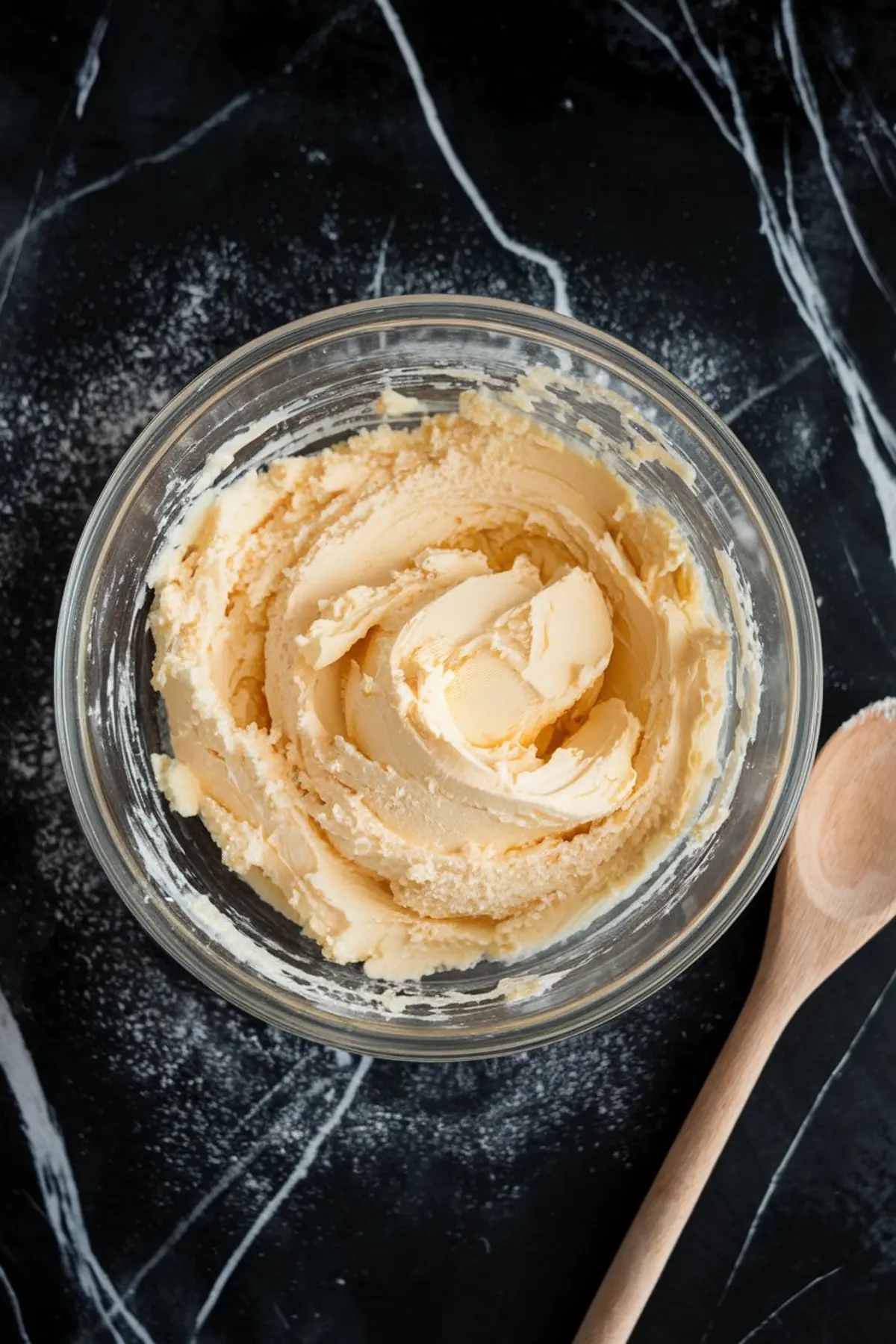
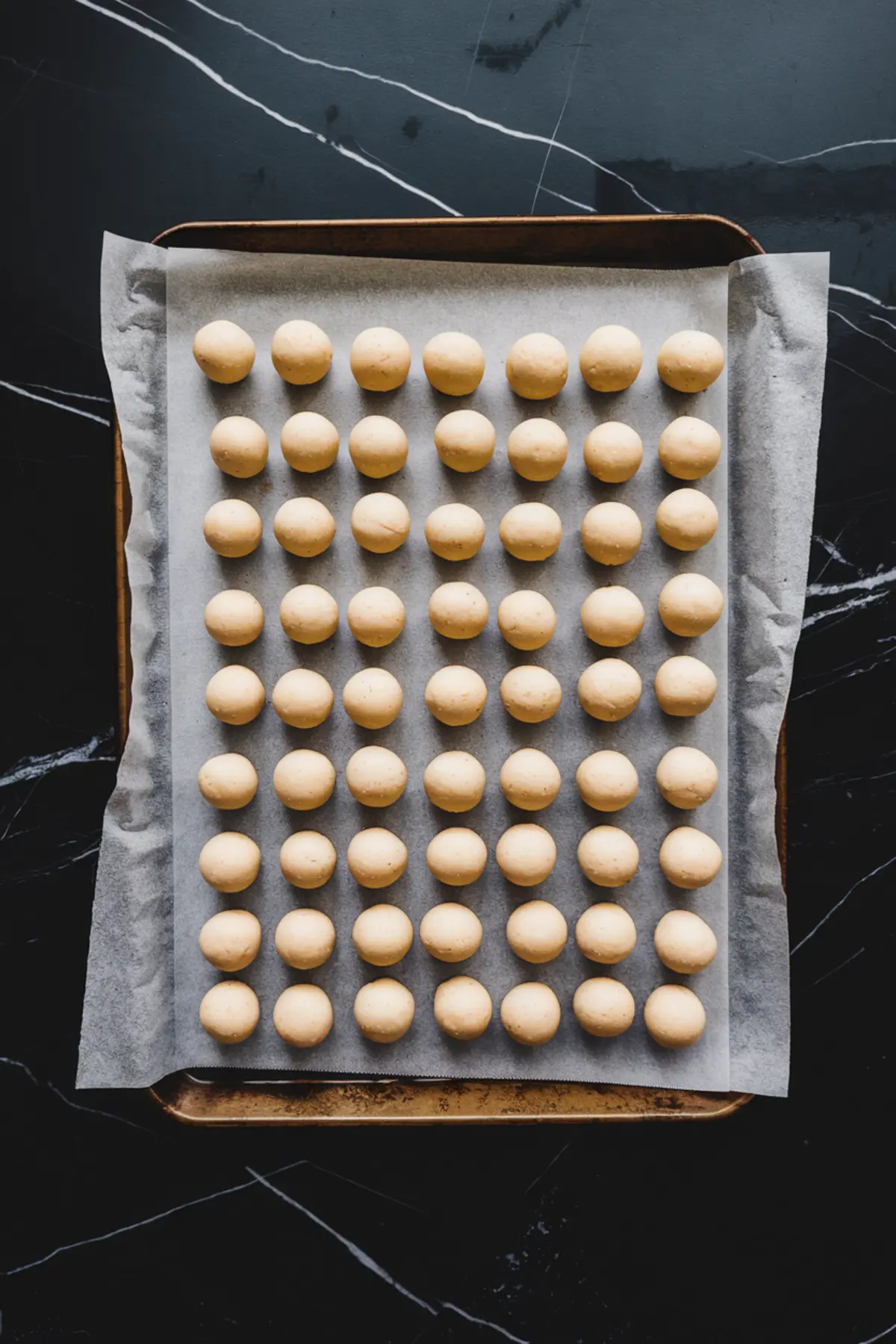
I often form the dough by blending softened butter and sugar until they form a fluffy mix, then I add egg yolks and vanilla for moisture. A measured dose of flour and salt pulls it all together and leaves me with a pliable mixture that’s ready to roll. One-inch balls on a lined baking sheet create a neat arrangement, and a quick press in the center prepares them for the lemony filling.
Creating the Lemon Curd that Steals the Show
Egg yolks, sugar, lemon juice, and zest stand ready for gentle heat in a double boiler. I keep stirring to get a thicker consistency, then I whisk in small pieces of butter at the end until the blend turns silky. A brief rest sets it up for cookie filling, and the fragrance alone tempts me to sample a spoonful.

Baking for Golden Edges and Easter Dessert Appeal
I slip the trays into a 350°F (175°C) oven, glancing at the clock around the 10-minute mark. Light browning on the edges signals the right moment to pull them out. A short wait ensures the cookie base cools enough for a dollop of lemon curd, which cements the tangy contrast within that soft dough.
My Trusty Golden Spoon and My Feline Helper
A special utensil passed down from Aunt Marian has accompanied me for years. That golden spoon stirs each batch of cookie dough, though my cat, Whiskers, provides extra oversight by curling up on the counter corner. His gentle purrs mix with the hum of my kitchen, making the entire process feel cozy and complete.
Recording Each Tweaked Detail in My Pin Notebook
I keep a small notebook where I scribble recipe adjustments, flavor notes, and new concepts. My “Pin Notebook,” as I call it, includes stories of each batch and how small changes alter the taste. This habit helps me sharpen my baking intuition and recall the sweet successes worth repeating.
The Unexpected Dash that Changes Everything
That lemon curd carries a burst of brightness, but I found an extra ingredient that deepens the flavor. A tiny sprinkle of ground ginger adds subtle warmth underneath the citrus. This addition might surprise those who expect only standard zest, yet the result feels balanced without overpowering the classic lemon notes.
Other Easter Desserts You Might Enjoy
I branch out with seasonal ideas whenever friends want variety, especially during festive gatherings. Easter Cinnamon Rolls offer a comforting swirl of sweetness, and Easter Egg Cookie Dough Bites bring a playful theme to the table. Anyone who loves tangy twists might also appreciate Sorrel Thumbprint Cookies or those luscious Salted Caramel Squares for a contrasting flavor profile.
Easter Cookies with a Tangy Core
These lemon curd thumbprint cookies share the spotlight with bunnies, colorful eggs, and other pastel-themed sweets. Their bright yellow centers complement an Easter table layered with spring blooms and fresh air. Handing out these cookies to guests delivers a lighthearted finale that sets a festive mood.
Filling and Serving These Zesty Bites
The cookie wells form a tidy compartment for the lemon curd, which I either pipe or spoon. Powdered sugar dusting on top can add a delicate touch, though I sometimes skip it if I want the lemon’s brightness to stand alone. One factor never changes: each cookie vanishes fast during taste tests.
Storing Leftovers and Giving Them New Life
I place extras in an airtight container and stash them in the fridge. They keep for up to five days, though they rarely last that long around here. A short rest at room temperature revives the smooth texture of the filling and the tender crumb.
Some prefer a sharper lemon flavor. Others want a milder profile that includes a bit more sugar. Small changes in the curd’s ratio of sugar to juice make a big difference, so I note these details in my Pin Notebook for quick reference next time.
Celebrating Simple Joys with Easter Desserts
Lemon curd thumbprint cookies stand out as a sweet treat that stays memorable without fuss. I share them at family brunches where smiles spread after the first bite. Any leftover batter often becomes a test bed for more experiments, which might lead me to swirl in fruit jams or additional spices.
Pin for Later and Share Your Baking Adventures

I invite you to save this idea on your favorite board and keep it handy for your next holiday gathering. Feel free to mention your own experiences or questions in the comments, since collaboration sparks fresh ideas. Let’s swap stories and inspire each other to try new spins on these bright, zesty cookies.
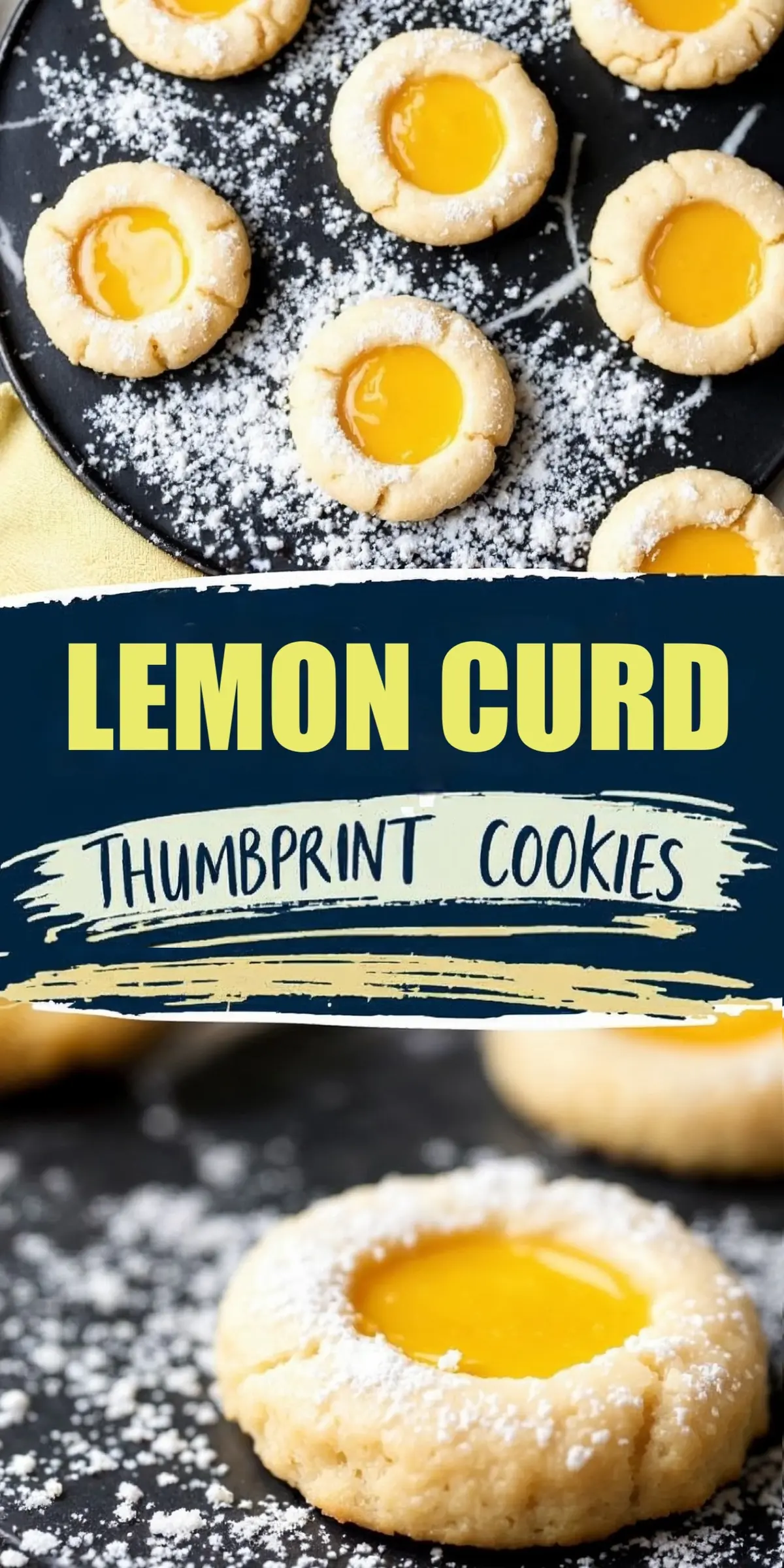
Lemon Curd Thumbprint Cookies Recipe
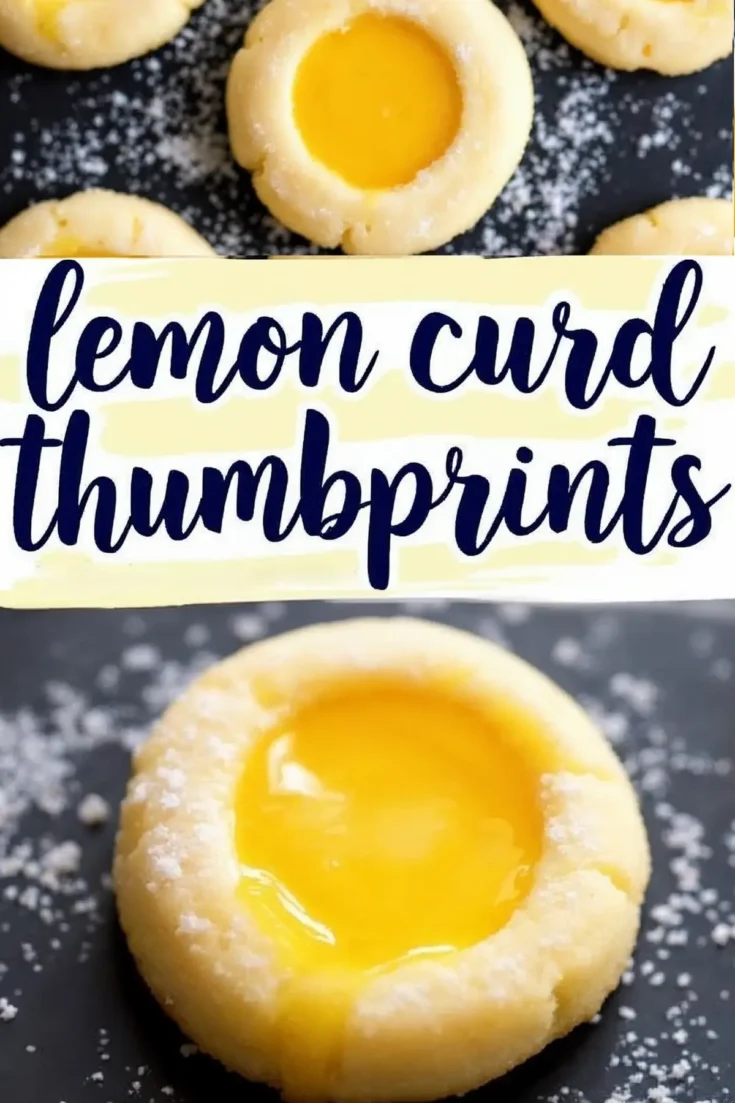
Lemon curd thumbprint cookies have a buttery, tender base with a smooth, tangy lemon filling. The cookie dough is shaped into small rounds, baked until lightly golden, and filled with homemade lemon curd. A dusting of powdered sugar adds a decorative touch.
Ingredients
- FOR THE COOKIES
- 2 ½ cups (565g) unsalted butter, softened
- 1 ¼ cups (250g) granulated sugar
- 3 large egg yolks
- 2 ½ teaspoons vanilla extract
- 5 cups (625g) all-purpose flour
- ½ teaspoon salt
- FOR THE LEMON CURD
- 6 large egg yolks
- 1 cup (200g) granulated sugar
- ½ cup (120ml) fresh lemon juice
- 2 tablespoons lemon zest
- 8 tablespoons (113g) unsalted butter, cut into pieces
- OPTIONAL FOR DUSTING
- Powdered sugar
Instructions
- MAKE THE LEMON CURD: In a heatproof bowl, whisk together egg yolks, sugar, lemon juice, and lemon zest.
- COOK THE CURD: Place the bowl over a saucepan with simmering water (double boiler method). Stir constantly until the mixture thickens, about 10–12 minutes.
- FINISH THE CURD: Remove from heat and whisk in the butter until fully melted and smooth.
- STRAIN AND COOL: Strain the curd through a fine sieve for a silky texture. Cover with plastic wrap, pressing it directly onto the surface to prevent a skin from forming. Let it cool completely before using.
- PREHEAT THE OVEN: Set the oven to 350°F (175°C) and line two large baking sheets with parchment paper.
- MAKE THE COOKIE DOUGH: In a large bowl, beat the butter and sugar together until light and fluffy. Add the egg yolks and vanilla extract, mixing until smooth.
- ADD DRY INGREDIENTS: Gradually add the flour and salt, mixing just until the dough comes together. Avoid overmixing.
- SHAPE THE COOKIES: Roll the dough into 1-inch balls and place them on the prepared baking sheets, spacing them about 1.5 inches apart.
- CREATE INDENTATIONS: Press your thumb (or the back of a rounded teaspoon) into the center of each dough ball to create a well.
- BAKE: Bake for 10–12 minutes, or until the edges are lightly golden. If the wells puff up during baking, gently press them down again while still warm.
- COOL: Let the cookies cool completely before filling.
- FILL WITH LEMON CURD: Spoon or pipe the cooled lemon curd into each cookie well.
- OPTIONAL DUSTING: Dust with powdered sugar if desired. For a more classic look, dust before adding the curd; for a softer finish, dust afterward.
- SET AND SERVE: Let the cookies set for about 30 minutes before serving.
Notes
For best results, prepare the lemon curd in advance and let it chill for a few hours before filling the cookies. If the cookie wells lose their shape while baking, gently press them again while they are still warm. Store the cookies in an airtight container in the refrigerator for up to five days. Let them come to room temperature before serving for the best texture. The lemon curd can be made up to a week ahead and stored in the refrigerator.
