
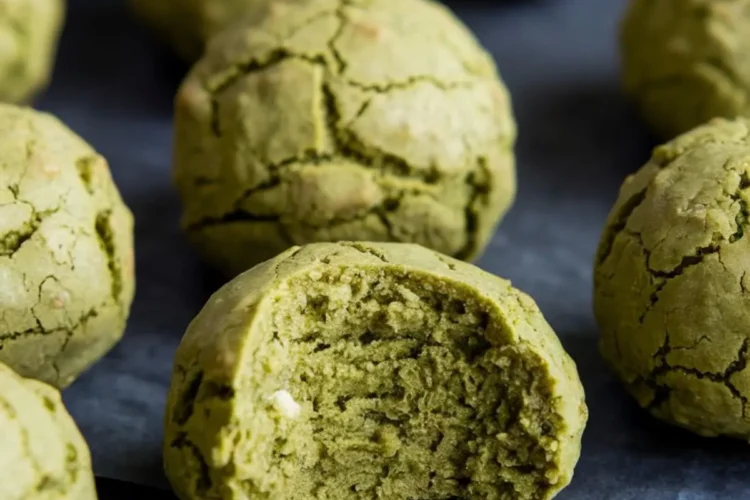
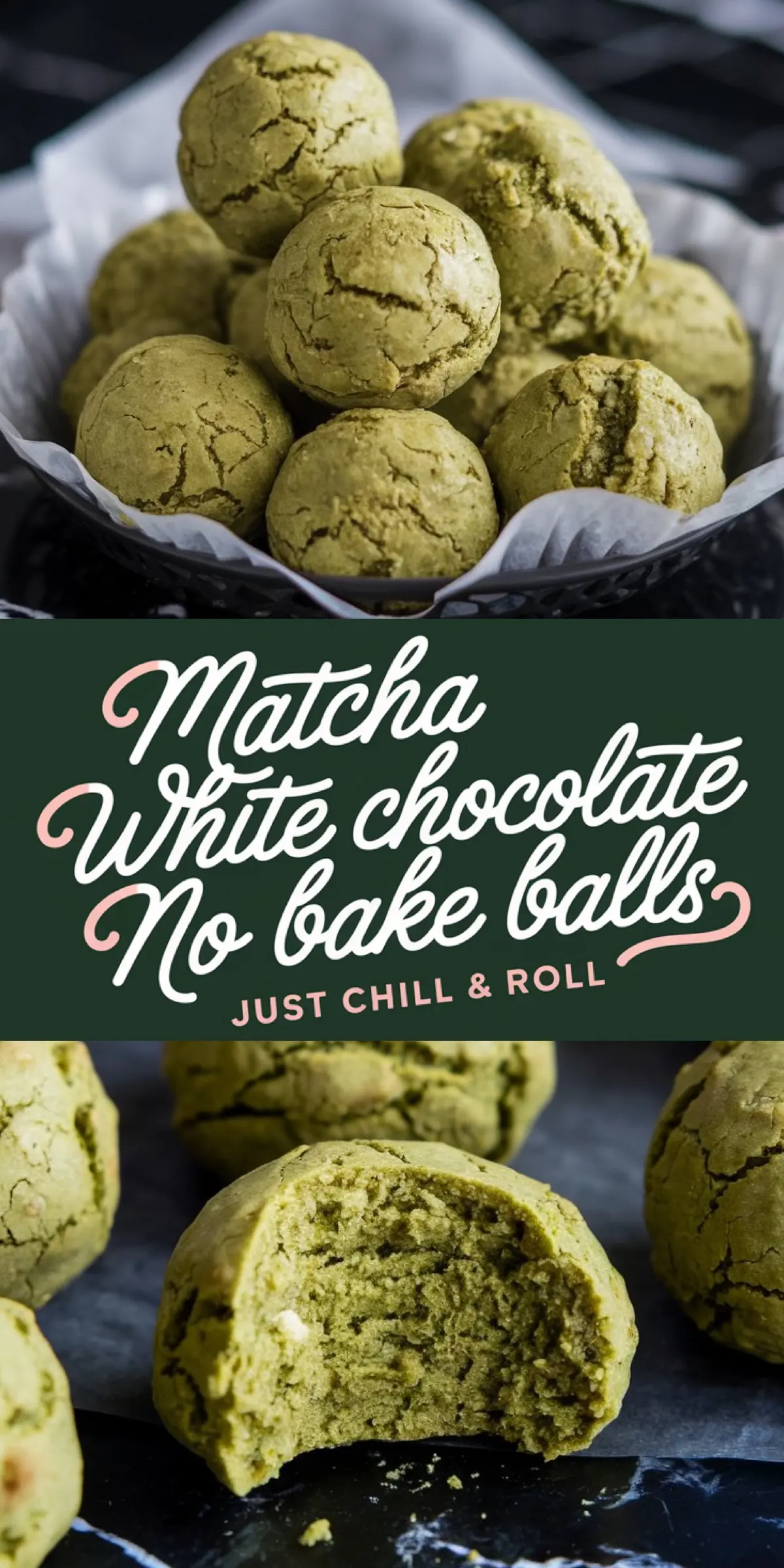
You’re about to learn how to make soft-baked matcha cookies that are equal parts earthy, creamy, and just sweet enough. This recipe doesn’t rely on complicated techniques or fancy ingredients. Instead, it’s built from pantry basics with one bold twist that lifts the flavor to something you won’t forget. I tested this one five times before it made it to the Pin Notebook.
Each batch came out better than the last. And every time, I used my Golden Spoon—the one I inherited from aunt. There’s a bit of quiet magic in that spoon, I swear.
You’ll learn how to balance grassy matcha with white chocolate’s mellow creaminess, how to build chewiness with flour and oil, and how to shape no-spread cookies that stay round and soft. But there’s a little dash of something unexpected you’ll meet later in the process. It’s small, but it changes everything.
How to Mix the Flours for the Right Cookie Texture
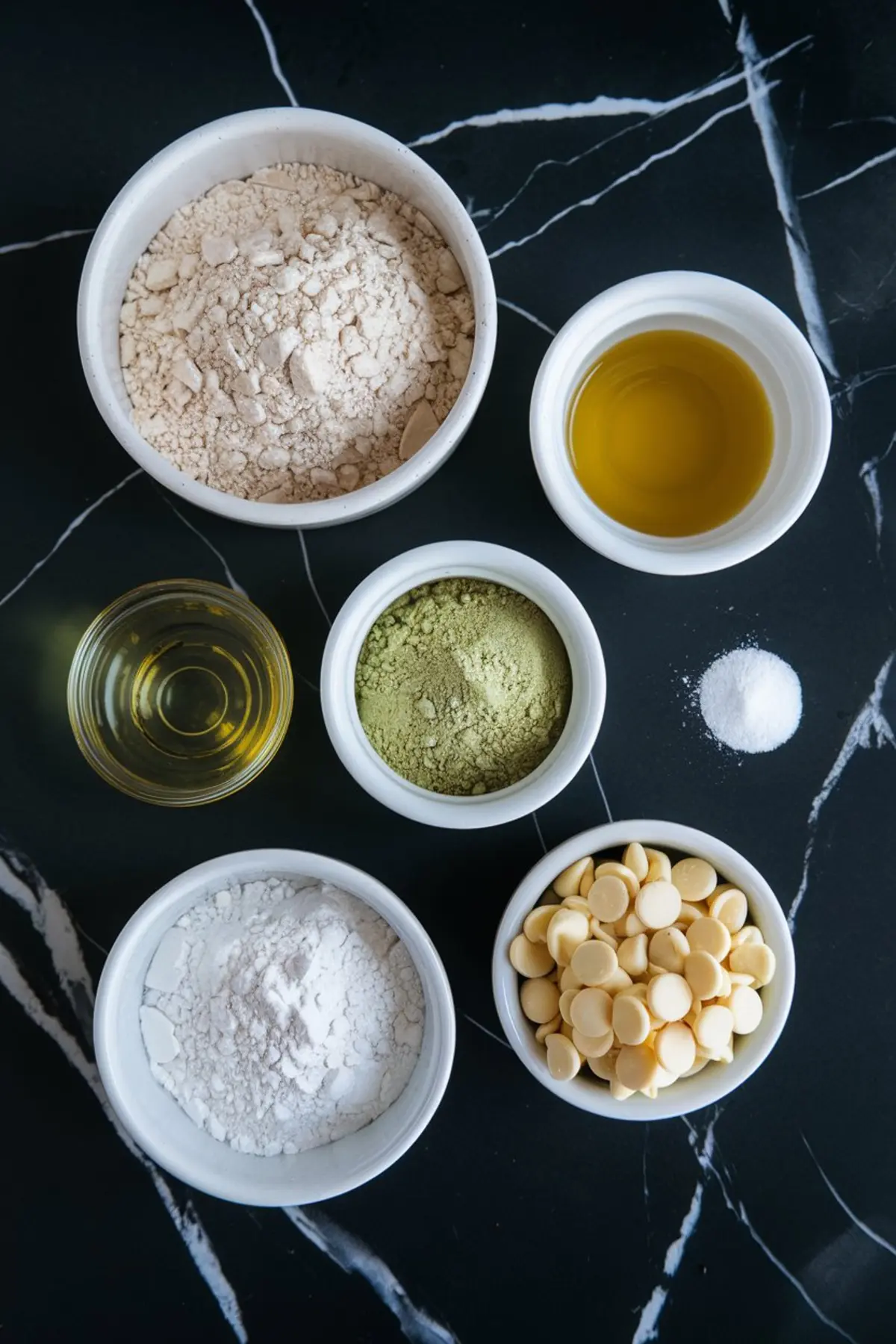
Start with all-purpose flour and almond flour. They work together to create the right balance of chew and tenderness. All-purpose flour gives structure. Almond flour softens the edges and adds a light nutty layer that you’ll notice in the background.
If you need a nut-free version, just swap in more all-purpose flour. The cookie will be firmer, but it still holds up well. You can also try oat flour for a gluten-free version, though it changes the texture to something more rustic.
It’s this flour mix that helps the cookie stay soft after baking. There’s no gritty finish. Just a smooth, mellow bite that carries the matcha.
How to Work With Matcha for Color and Flavor
Matcha doesn’t like shortcuts. If you’re using ceremonial grade, your cookies will come out a vibrant green with a soft, grassy flavor. Culinary grade will still work but may lean a little bitter.
Sift the matcha with the other dry ingredients. This step matters more than it sounds. Clumpy matcha bakes unevenly and leaves bitter pockets. Smooth matcha means smooth flavor.
Don’t use too much. Two tablespoons is plenty. It flavors the whole dough without overpowering.
Bringing the Wet Ingredients Together
Olive oil and maple syrup do the heavy lifting here. Olive oil keeps things moist and adds a light fruitiness that disappears into the matcha once baked. I’ve tried avocado oil and sunflower oil too. They work, but olive oil gives the best texture.
Maple syrup binds the dough and brings in a natural sweetness. Honey works as a swap. It adds a floral backnote that’s especially nice if you’re baking these in spring.
Whisk the two together until glossy. That gloss is your cue that the oil and syrup have come together properly. Without it, the dough won’t hold.
How to Shape These No-Spread Cookies
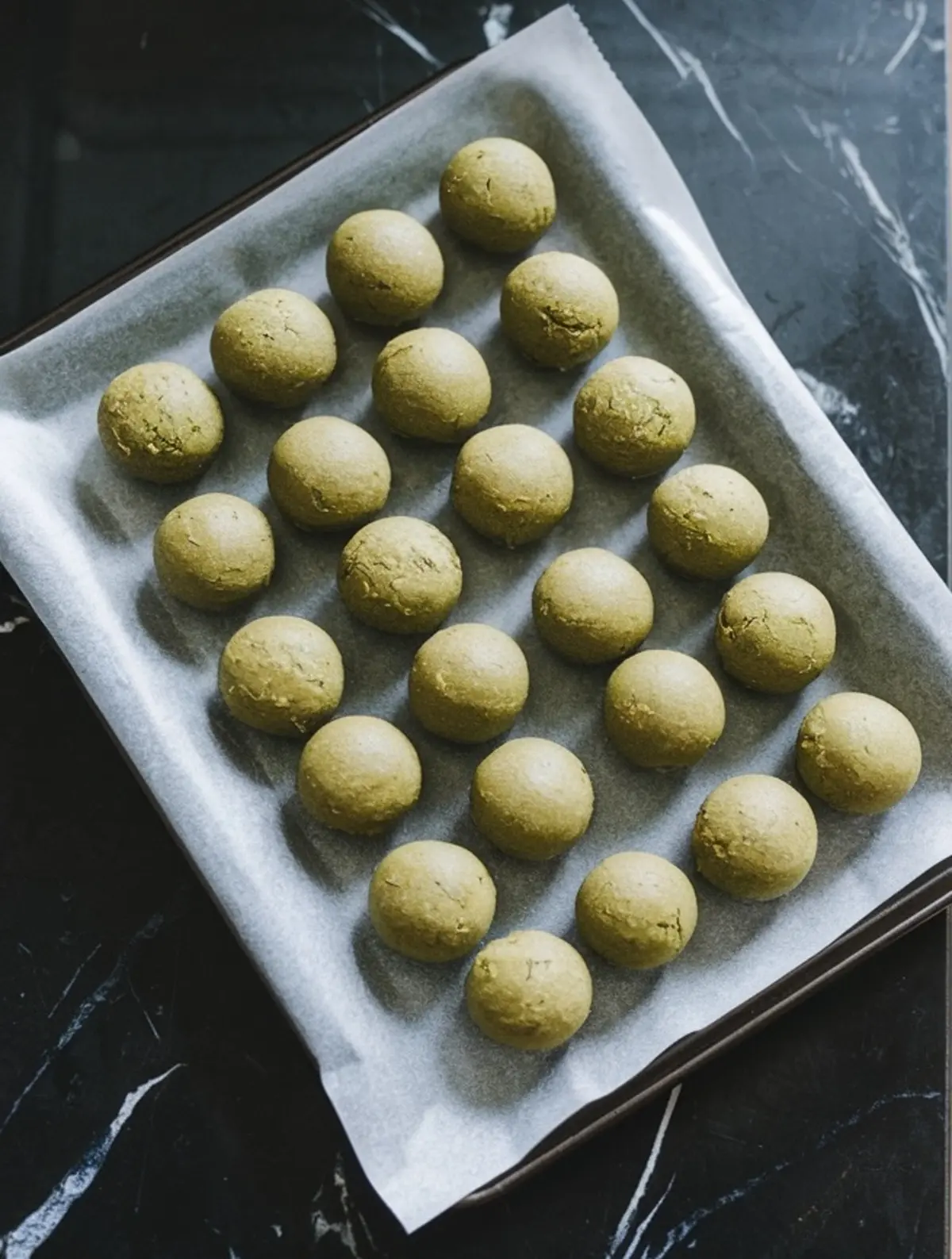
Once you mix the dry and wet ingredients, the dough should feel thick and a little sticky. Not wet. Just soft enough to roll easily.
Fold in the chopped white chocolate chips once the dough is mixed.
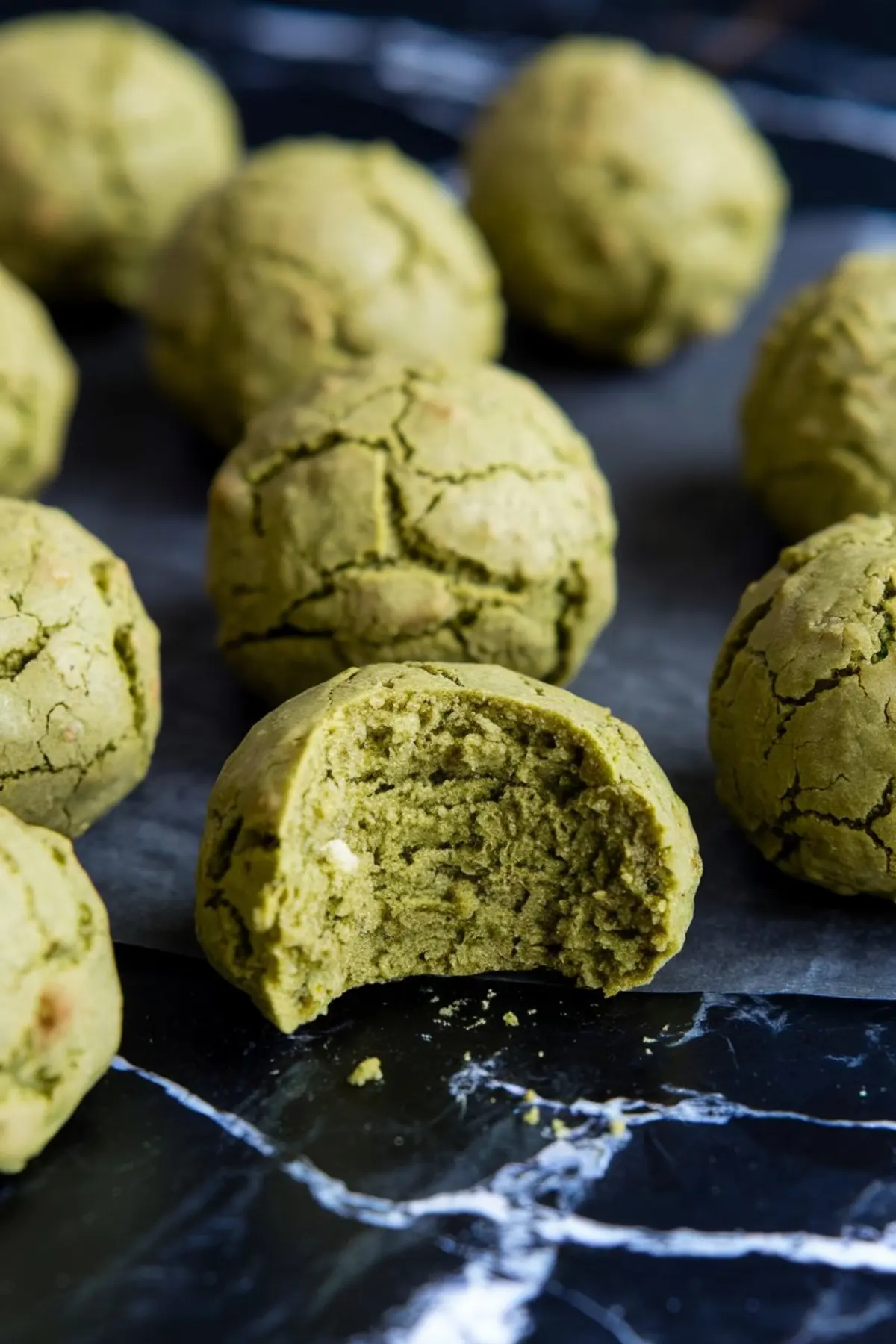
Roll the dough into balls and place them on the baking sheet. Leave some space between, but don’t worry about flattening them. They’ll bake up soft and domed with delicate cracks on top.
Bake for about 10 to 12 minutes. Watch for the surface to begin cracking. The bottoms should be lightly golden. That’s your sign to pull them out. Don’t wait for browning or firm edges—they’ll set as they cool.
Let them rest on the pan before moving them. That pause helps them hold together. They may feel underdone at first, but once cool, they firm up perfectly without losing their soft bite.
The Secret Ingredient That Changes Everything
Here it is—the olive oil. Not just for moisture, but for flavor. It’s the one part most skip or substitute without thinking. But I learned this the hard way.
The first few rounds, I used neutral oils. The cookies were fine. But when I used a cold-pressed, light olive oil, something changed. The texture turned silkier. The matcha flavor mellowed into something rounder.
I added that note in the Pin Notebook and haven’t used anything else since.
Storage Tips and Small Adjustments

Store leftovers in an airtight container at room temperature. They’ll stay soft for about four days. For longer storage, freeze them and thaw at room temp. The texture holds well even after freezing.
If you want a less sweet cookie, drop the white chocolate to a quarter cup. Or use a low-sugar brand. I’ve tested both and they still bake well.
You can also swap maple syrup with honey if you like a more floral sweetness. Just expect a little more spread and a softer center.
Save This Recipe for Your No Bake Cookie Board
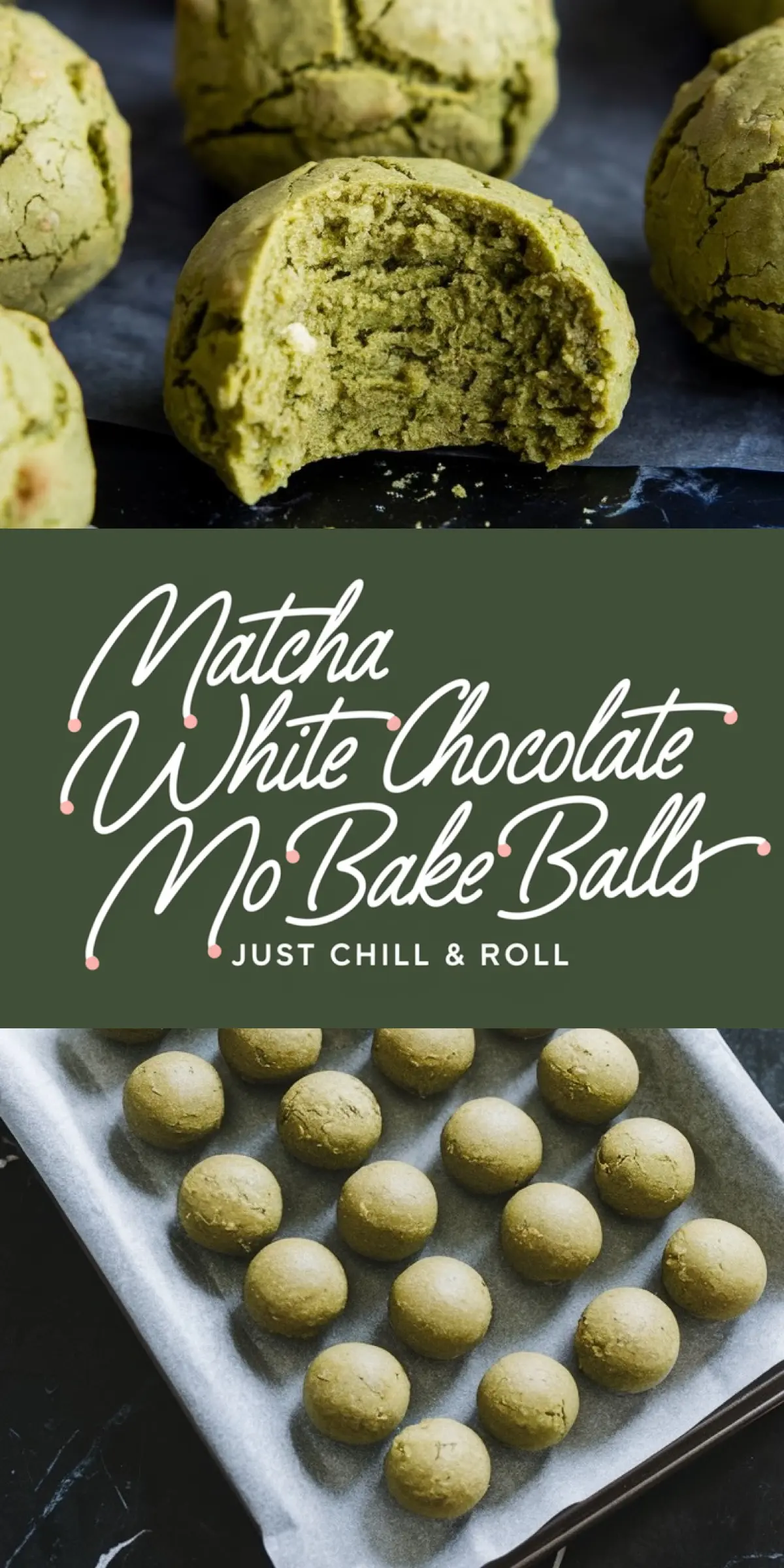
If you’re collecting ideas for no bake desserts or matcha cookies, save this one to your Pinterest board now. These matcha white chocolate cookies are simple, reliable, and packed with soft flavor layers.
I’d love to know how yours turned out. Did you use honey or maple? Did you try oat flour or keep it classic? Drop a comment and let’s swap notes—just like I do in the Pin Notebook.
More no-bake cookie recipes:
- Strawberry Cheesecake Shortcakes
- Strawberry Shortcake No-Bake Balls
- White Chocolate Cranberry Hearts
- White Chocolate Raspberry Thumbprints
- Zesty Coconut Lime Balls
Matcha White Chocolate No Bake Cookies Recipe
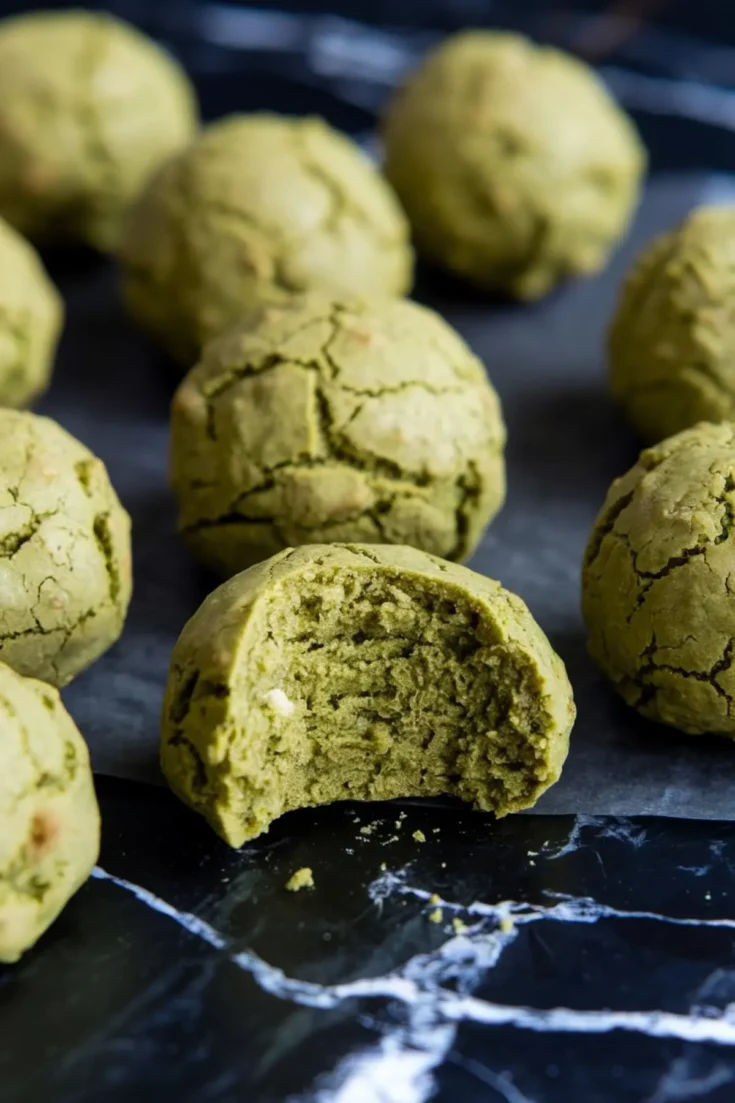
Soft, tender cookies with a chewy center, rich matcha flavor, and creamy white chocolate in every bite.
Ingredients
- 1 cup all-purpose flour
- ½ cup almond flour
- 2 tablespoons matcha powder (preferably ceremonial grade)
- ½ teaspoon baking powder
- Pinch of fine sea salt
- ⅓ cup olive oil
- ⅓ cup maple syrup or honey
- ⅓ cup white chocolate chips
Instructions
PREHEAT THE OVEN
Set the oven to 350°F (175°C). Line a baking sheet with parchment paper to keep the cookies from sticking.
MIX DRY INGREDIENTS
In a large bowl, sift together the all-purpose flour, almond flour, matcha powder, baking powder, and sea salt. The color should be evenly green and the mixture smooth.
COMBINE WET INGREDIENTS
In another bowl, whisk the olive oil and maple syrup (or honey) until the mixture looks glossy and fully blended.
FORM THE DOUGH
Pour the wet ingredients into the dry mix. Stir gently with a spatula or wooden spoon until a thick dough comes together. The texture will be slightly sticky but easy to shape.
ADD CHOCOLATE
Crush the white chocolate chips into small pieces. Fold them into the dough until they’re evenly mixed throughout.
SHAPE THE COOKIES
Roll the dough into 1-inch balls by hand or with a small cookie scoop. Arrange them on the prepared baking sheet with about 2 inches between each. Leave the balls as they are—no need to flatten.
BAKE
Bake for 10 to 12 minutes. The cookies are done when the tops start to crack and the bottoms turn lightly golden. They should stay soft and pale, not browned.
COOL
Let the cookies rest on the baking sheet for 5 minutes. Then transfer them to a wire rack to cool completely.
Notes
Using high-quality matcha powder makes a noticeable difference in both flavor and appearance. Ceremonial grade matcha offers a vibrant green color and a clean, slightly grassy taste with less bitterness than culinary grade. If you only have culinary matcha, the cookies will still work, but the color may be duller and the flavor slightly more astringent. Sifting the matcha with the dry ingredients is essential to avoid clumps, which can create uneven pockets of bitterness in the final cookie.
The combination of all-purpose flour and almond flour gives the cookies a balanced texture—soft and slightly chewy with a tender crumb. Almond flour also adds a subtle nuttiness that complements the earthy matcha. If you prefer a nut-free version, you can substitute the almond flour with more all-purpose flour, but the cookies may be a bit firmer. For a gluten-free option, oat flour works well, though the texture becomes more rustic and slightly denser.
Olive oil provides moisture and a mild, fruity undertone that pairs well with the herbal qualities of matcha. Use a light or neutral-tasting olive oil to keep the flavor from overpowering the other ingredients. If preferred, you can substitute with another neutral oil such as avocado or sunflower oil, though the texture may vary slightly.
Maple syrup adds natural sweetness and a touch of depth, while also helping bind the dough. Honey works too, but will add a more floral note. Avoid using granulated sugar in this recipe, as it changes the dough consistency and may result in a drier, less cohesive cookie.
White chocolate chips offer a creamy contrast to the matcha’s bitterness and add pockets of melt-in-your-mouth sweetness. For a slightly less sweet cookie, reduce the amount to ¼ cup or choose a high-quality white chocolate with lower sugar content.
These cookies don’t spread much in the oven, so shaping the dough into evenly sized balls helps ensure uniform baking. You don’t need to flatten them before baking—keeping them round helps preserve their soft center.
Letting the cookies cool on the pan allows them to set properly before moving to a wire rack. They may appear underbaked when first removed from the oven, but they continue to firm up as they rest.
Store leftover cookies in an airtight container at room temperature for up to 4 days. For longer storage, freeze baked cookies in a sealed container for up to one month. Thaw at room temperature before serving.
Nutrition Information:
Yield:
20Serving Size:
1Amount Per Serving: Calories: 103Total Fat: 6gSaturated Fat: 1gTrans Fat: 0gUnsaturated Fat: 5gCholesterol: 1mgSodium: 22mgCarbohydrates: 11gFiber: 1gSugar: 6gProtein: 1g
